The Kelim Ghashghai tradition originates from the nomadic tribes of the Middle East, who have practised the art of flat-weaving for centuries. These rugs are deeply connected to the migratory lifestyle of the Ghashghai people, who developed these textiles not only for aesthetic beauty but as essential, portable items for their tents and daily living.
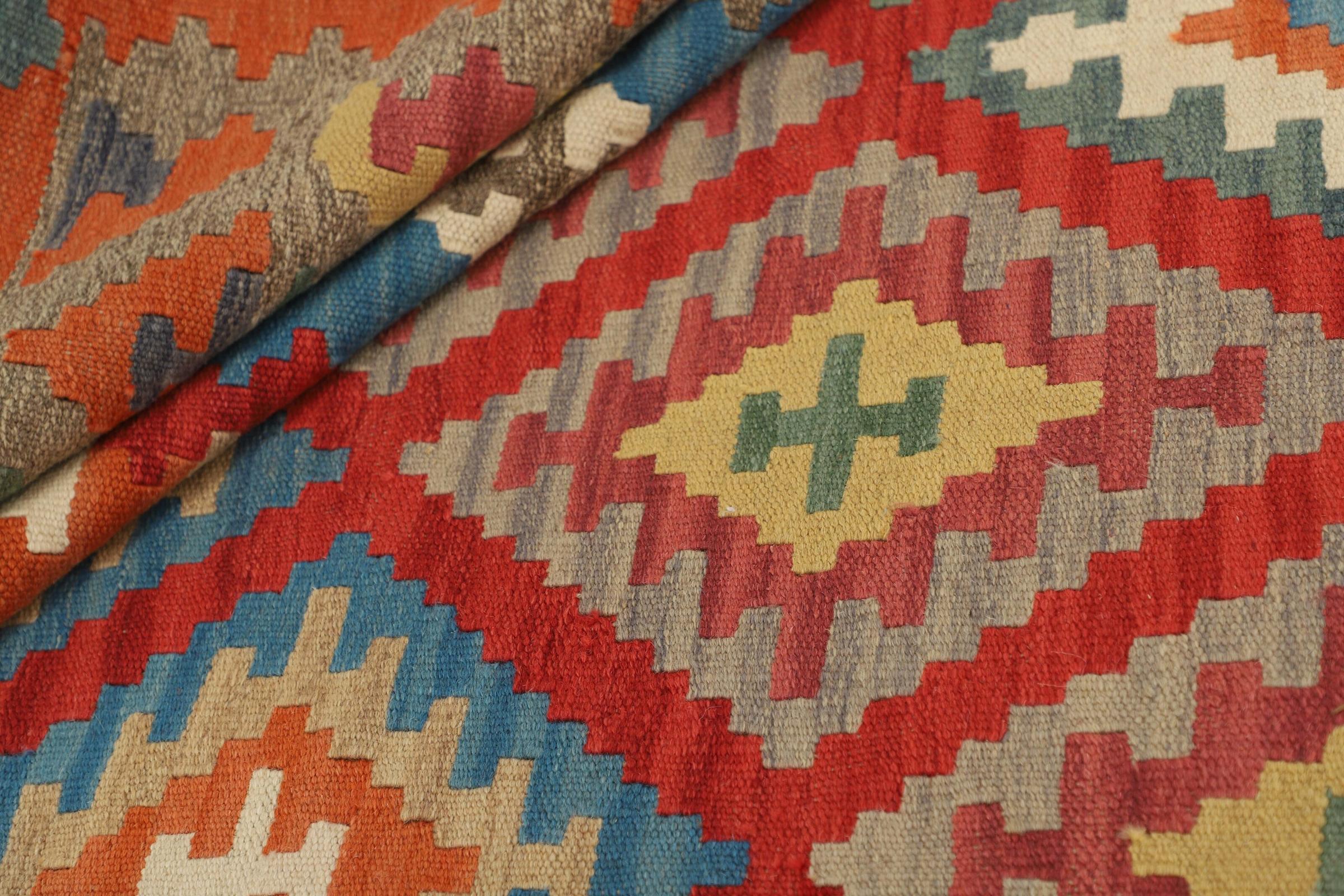
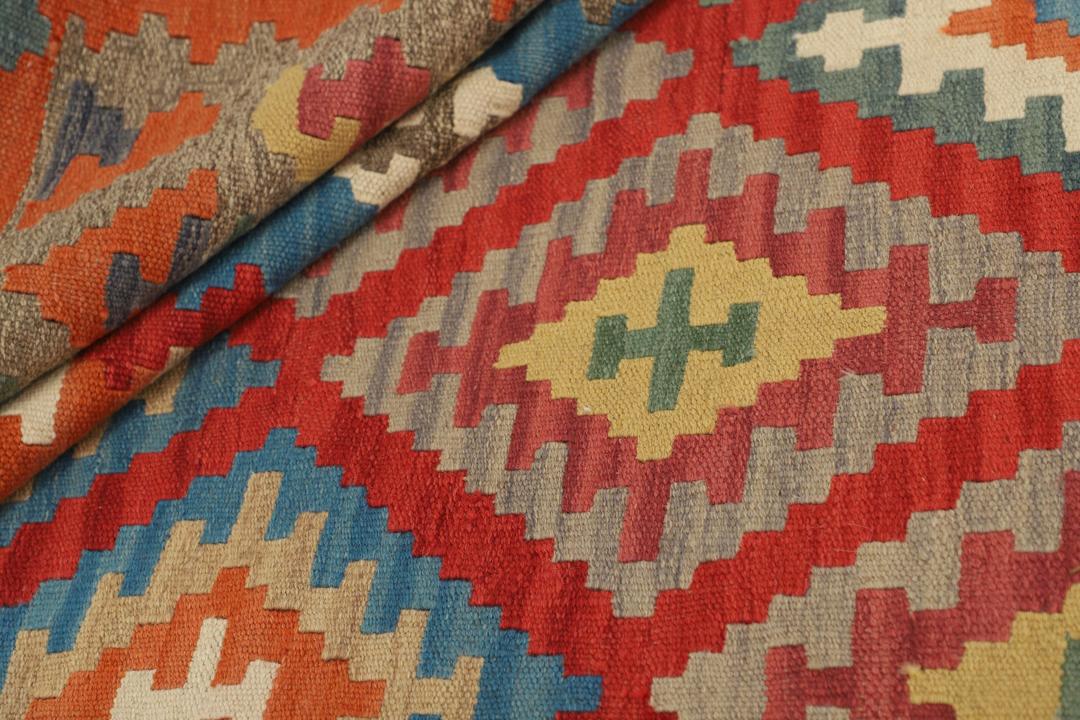
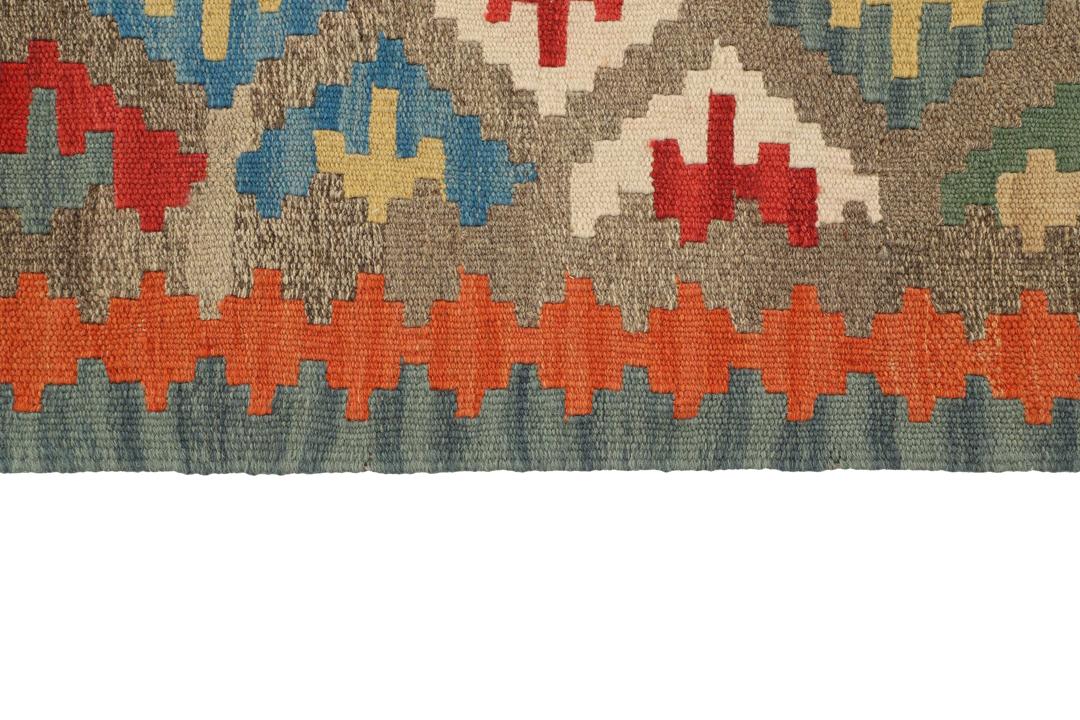
Kilim construction is a specialised form of tapestry weaving where the weft threads are passed over and under the warp threads to create the pattern. Because there is no pile, the resulting fabric is light, durable, and reversible. This technique allows for the sharp, clean-cut geometric edges that define the signature style of these traditional rugs.
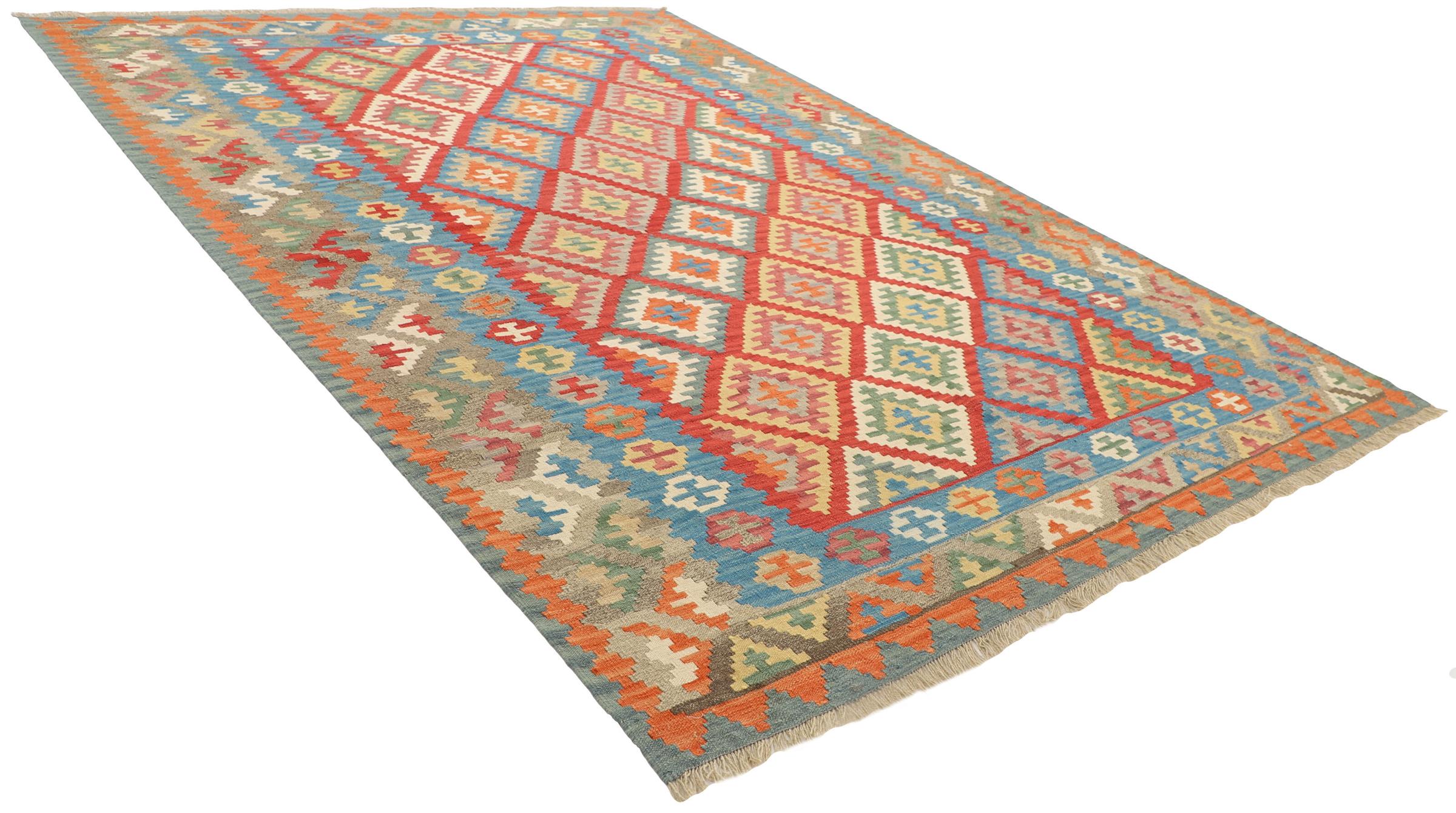
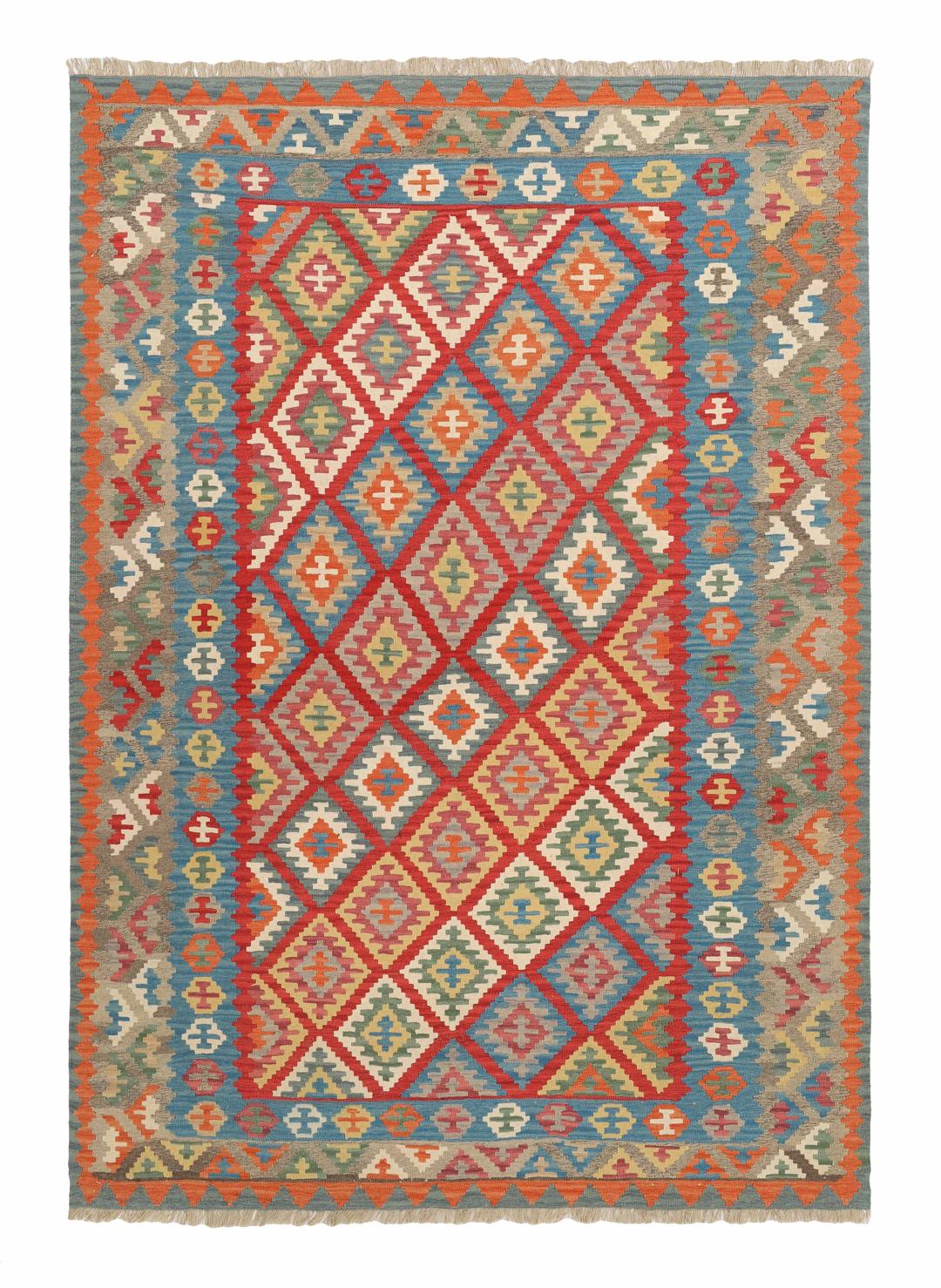
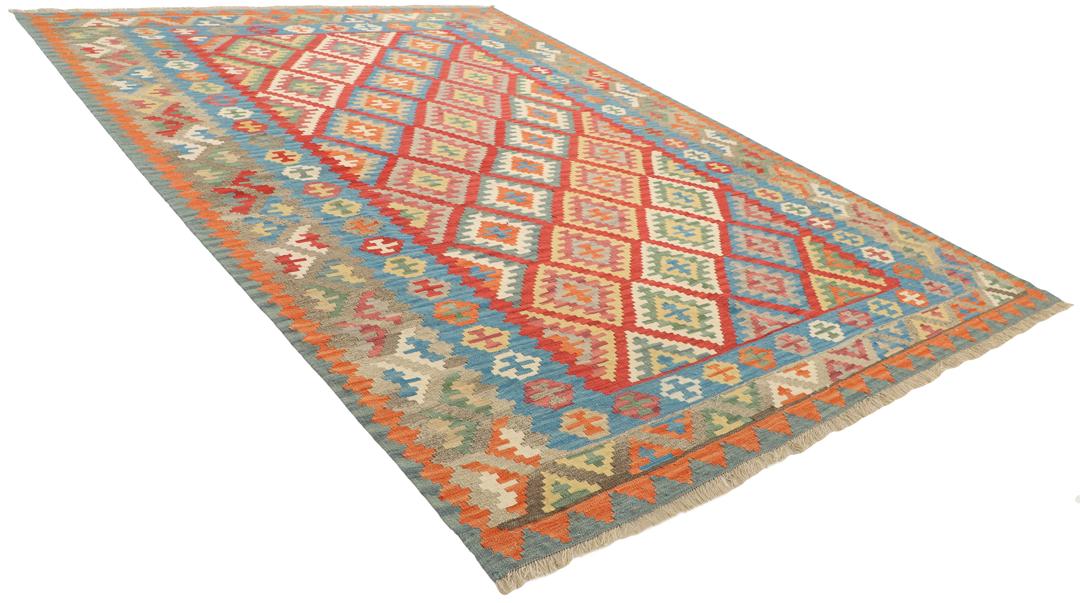
The visual language of the Ghashghai is dominated by bold, repeating geometric shapes, most notably the diamond and medallion motifs seen here. These symbols often carry cultural significance, representing protection, fertility, or the natural landscape of the Zagros mountains. The use of vibrant, natural-inspired dyes creates a striking contrast that makes these rugs instantly recognisable.
Collecting a Ghashghai rug is an investment in cultural heritage. Because they are woven by hand in small, nomadic communities, they capture a personal expression of tribal identity that cannot be manufactured. Owning such a piece is a way to preserve a centuries-old craft that values individual artistry and the passing down of ancestral design traditions.