The Ghashghai people are a nomadic confederation from the Middle East, known for their long-standing tradition of producing textiles that reflect their environment and cultural identity. Historically, these rugs were woven as practical items for tent life, serving as floor coverings, saddlebags, and storage containers, all designed to be durable enough for a migratory lifestyle.
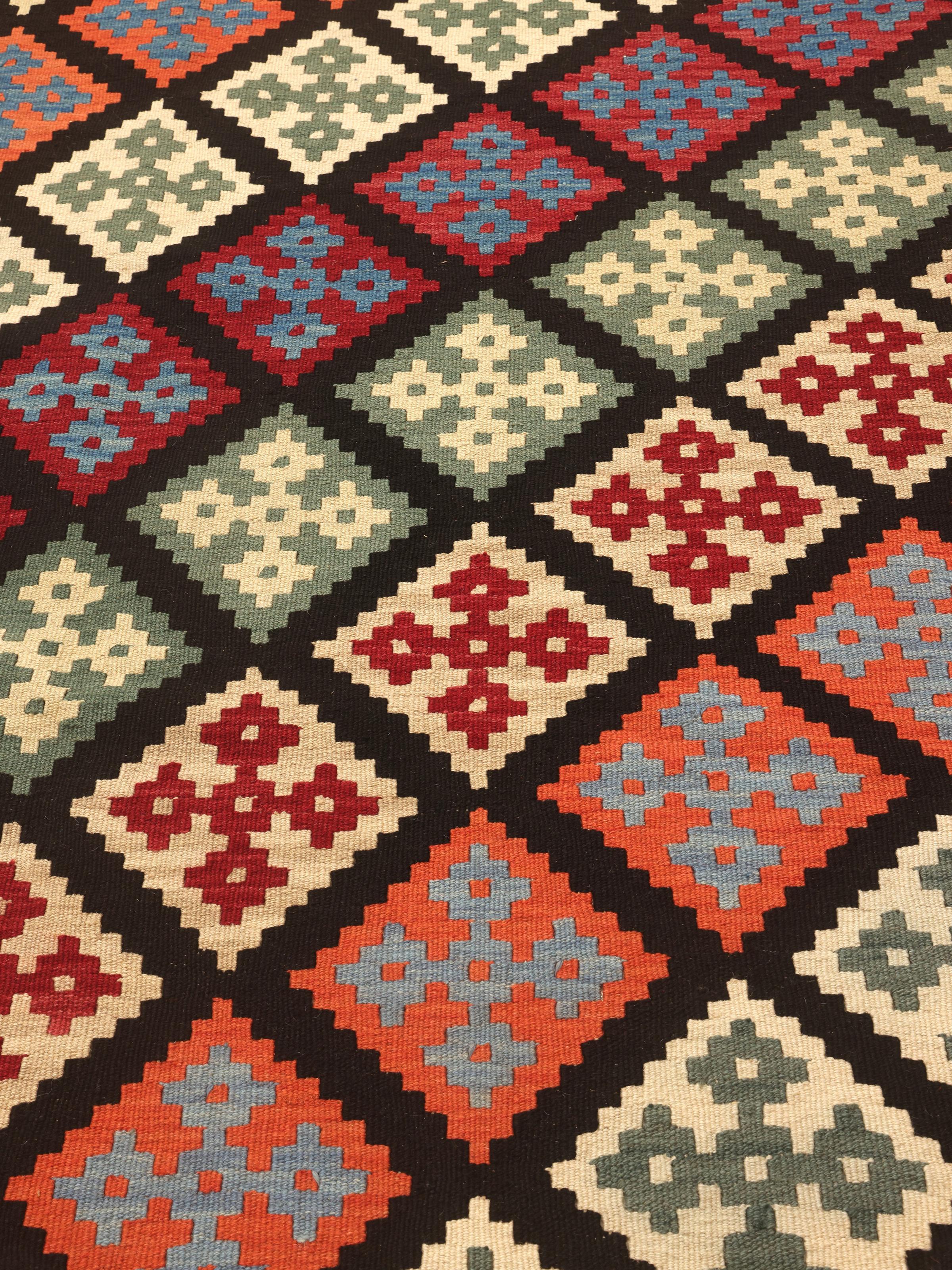
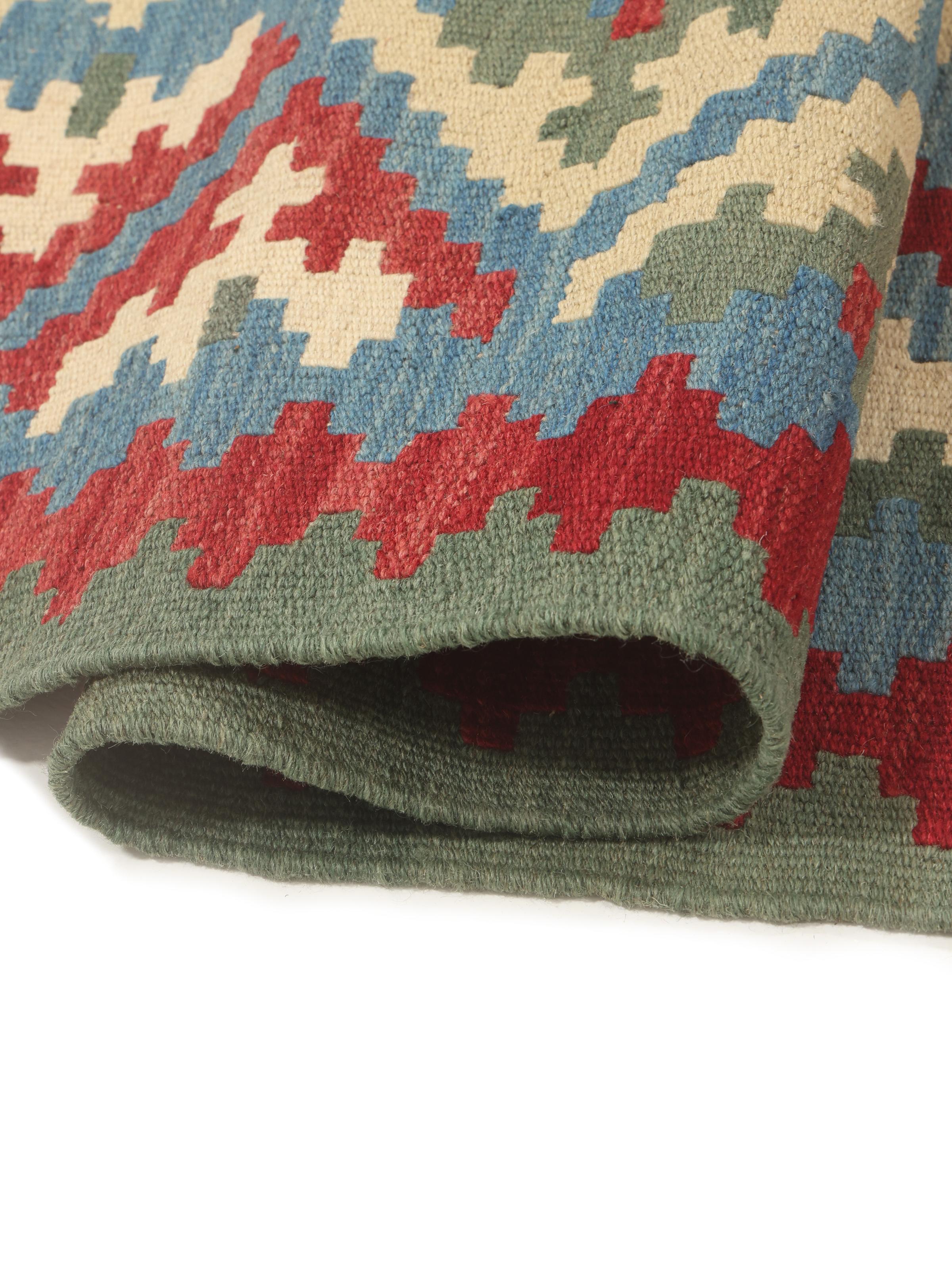
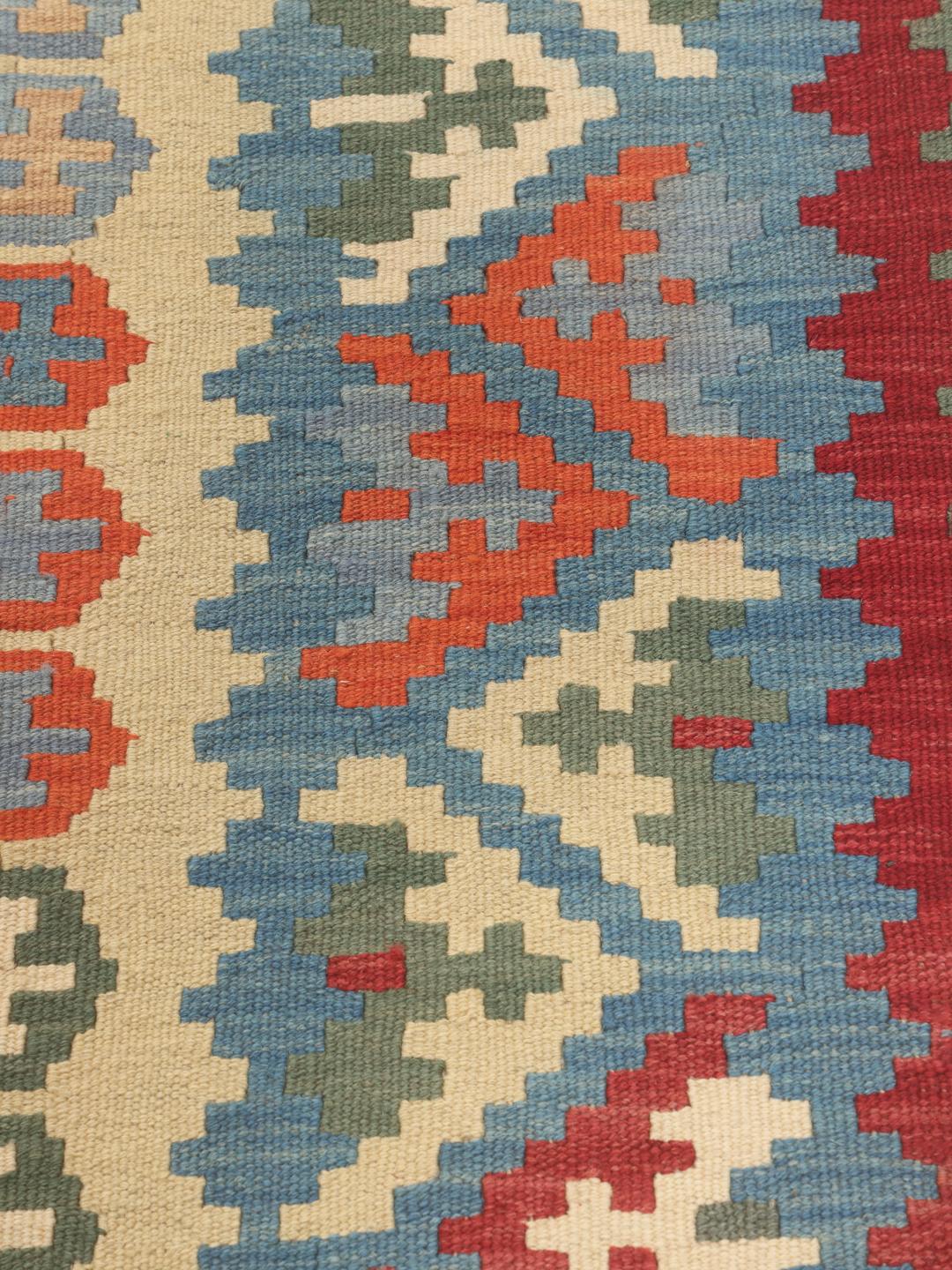
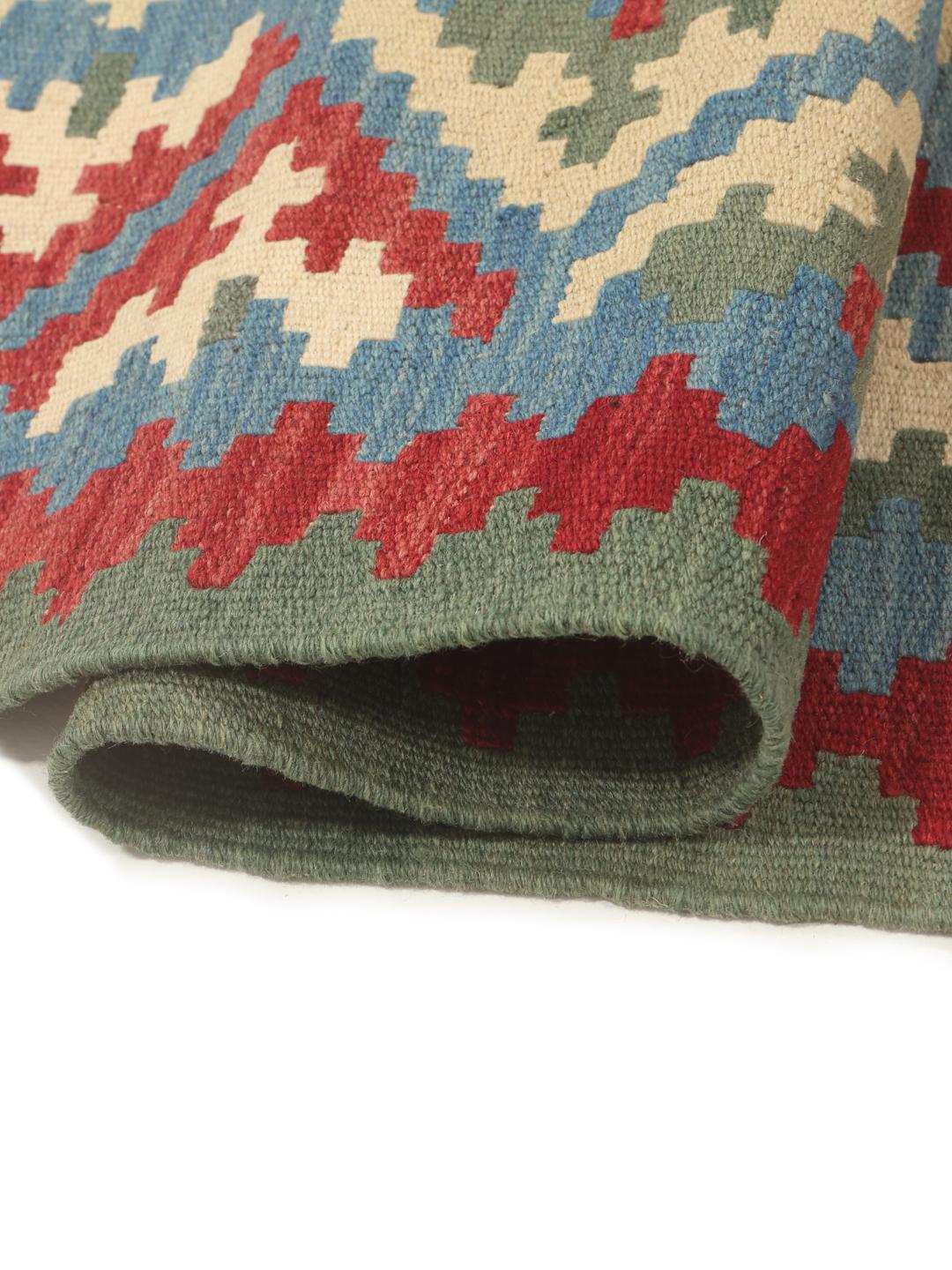
The term kilim refers to a tapestry-woven technique, which distinguishes these rugs from knotted-pile carpets. By weaving the coloured weft threads directly through the warp, the artisan creates a flat, thin, and remarkably strong fabric. This technique requires an exceptional eye for design, as the patterns must be calculated and built row by row without the ability to make adjustments after the fact.
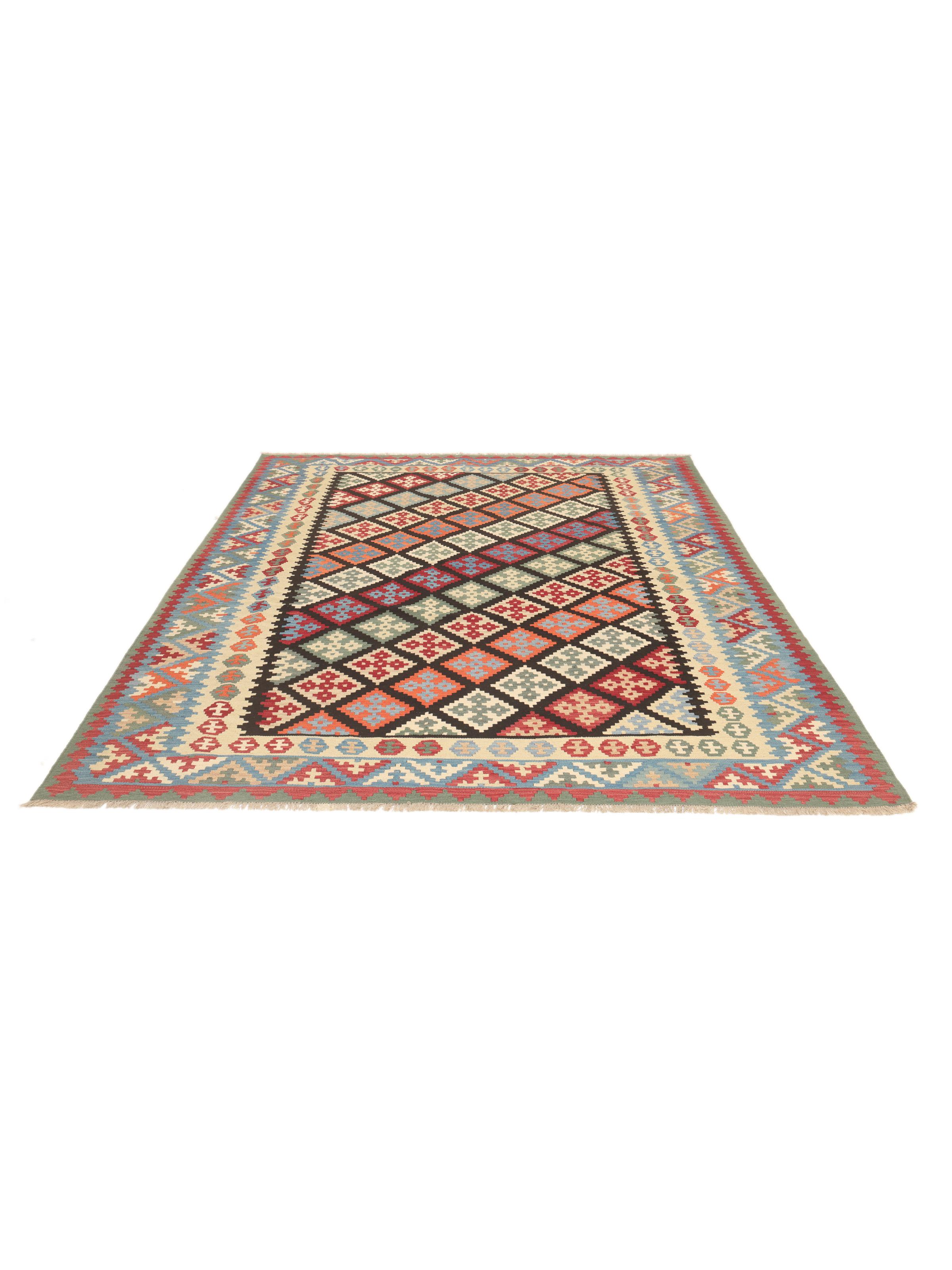
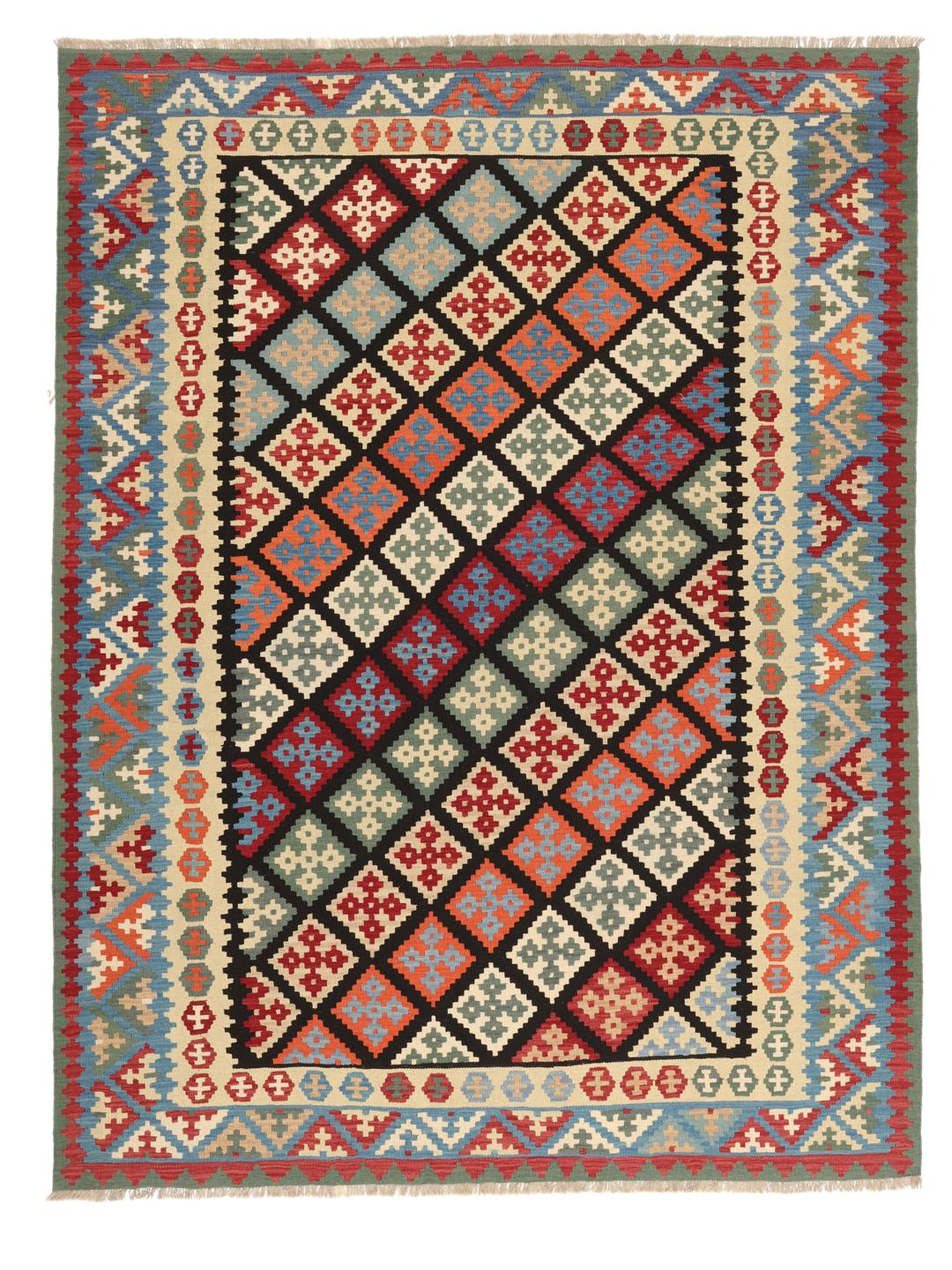
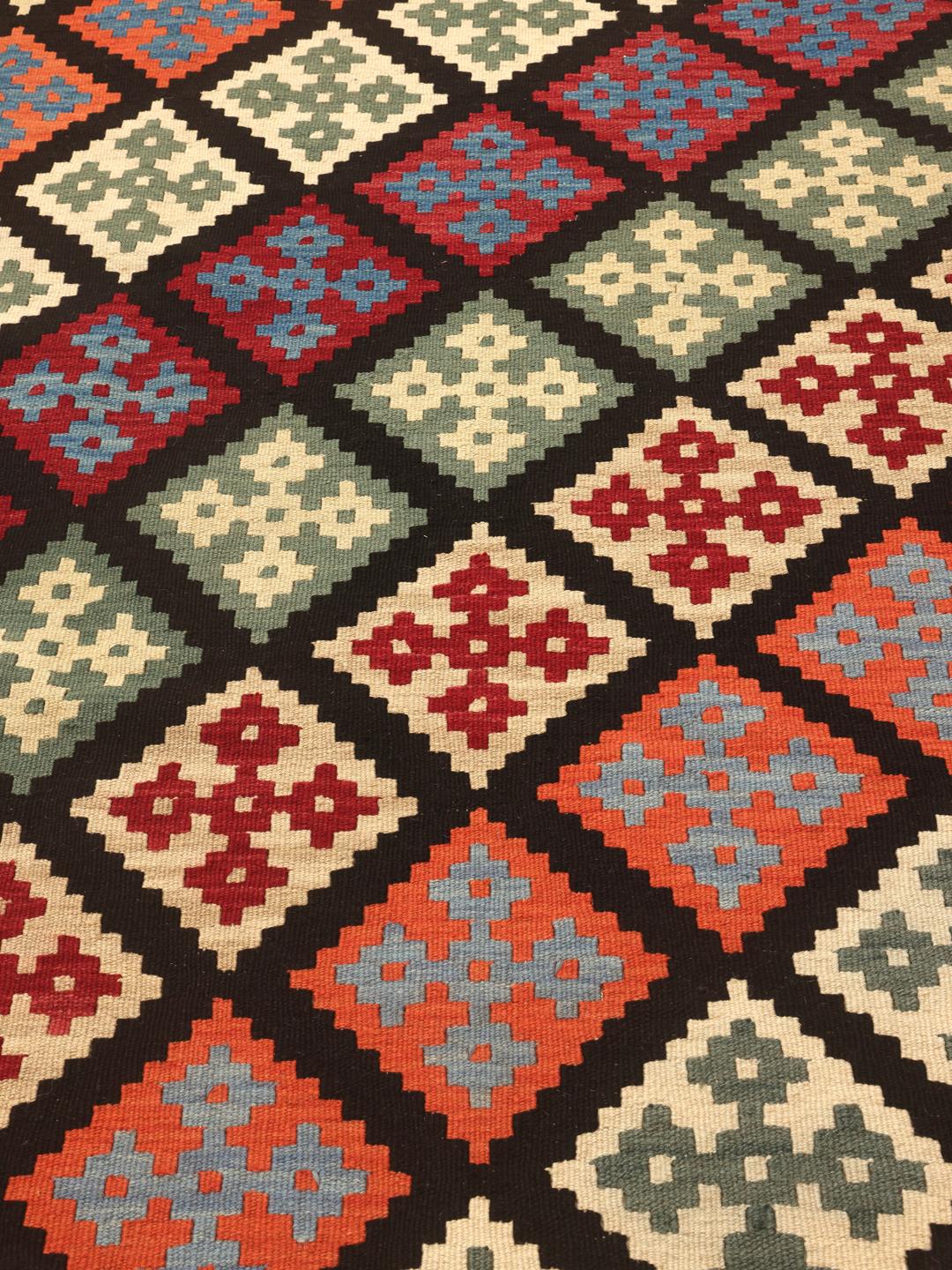
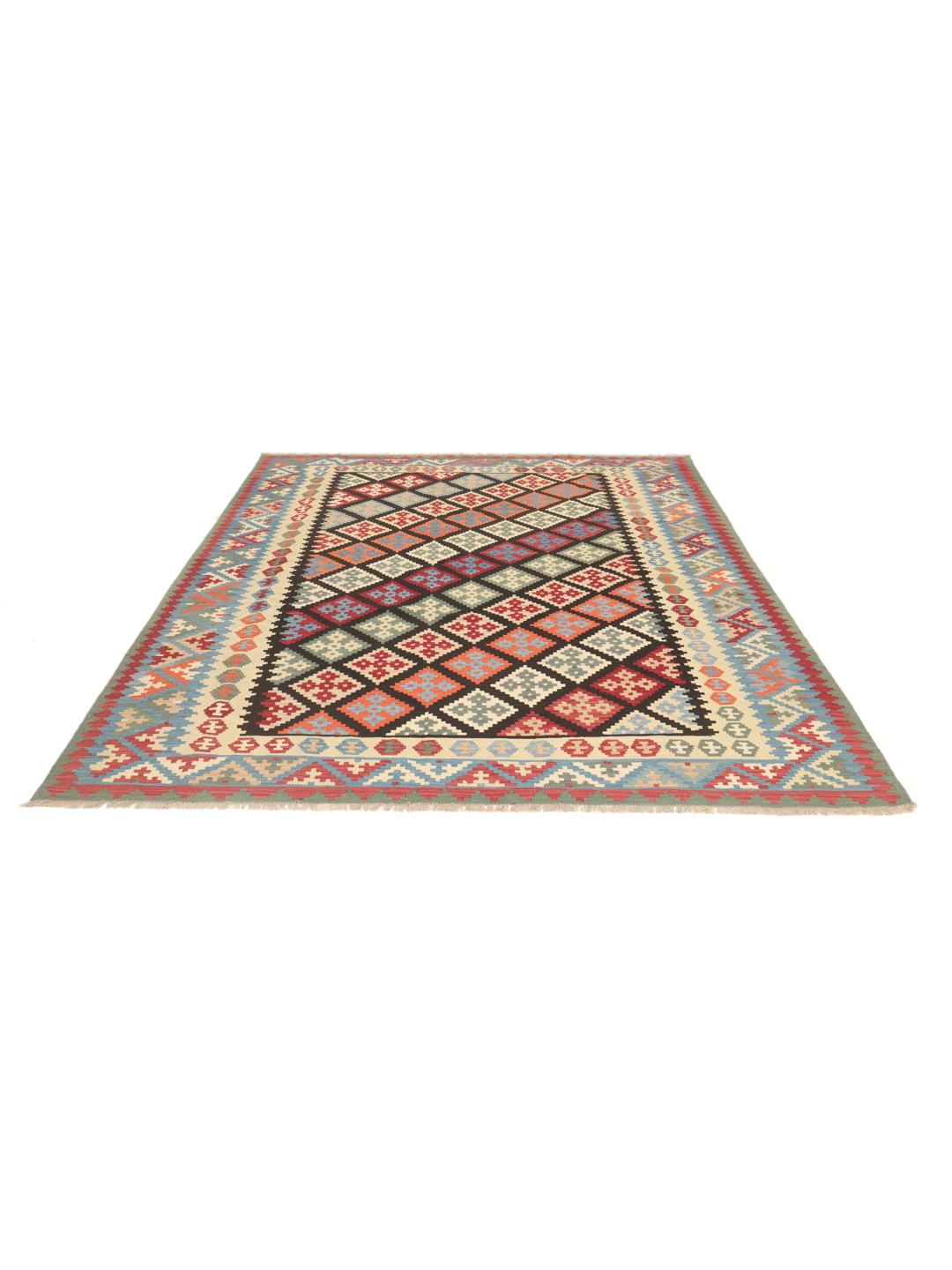
The signature design of a Ghashghai kilim is defined by its bold, geometric motifs and vibrant, earthy colours. The central field often features repeating diamonds or medallions, while the borders are typically adorned with smaller, intricate symbols that hold specific meanings within the tribal tradition. This particular rug showcases the characteristic balance between a complex field and a formal, protective border.
Collecting a Ghashghai kilim is an investment in a vanishing art form. As nomadic lifestyles have evolved, the authentic, traditional weaving methods have become increasingly rare. Owning this piece is a way to preserve a connection to the skill and creative spirit of the Ghashghai people, ensuring their cultural heritage continues to be celebrated in contemporary homes.