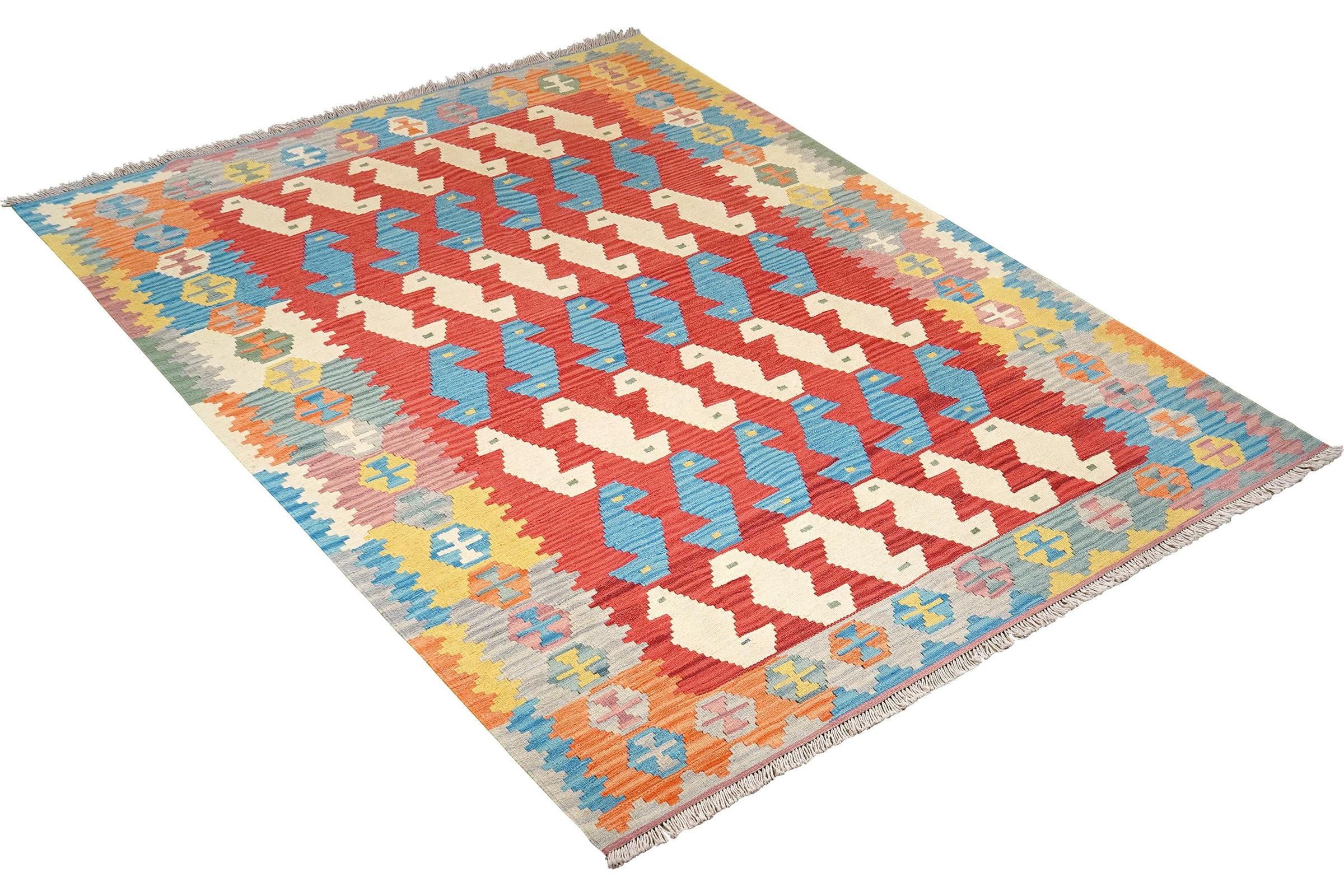
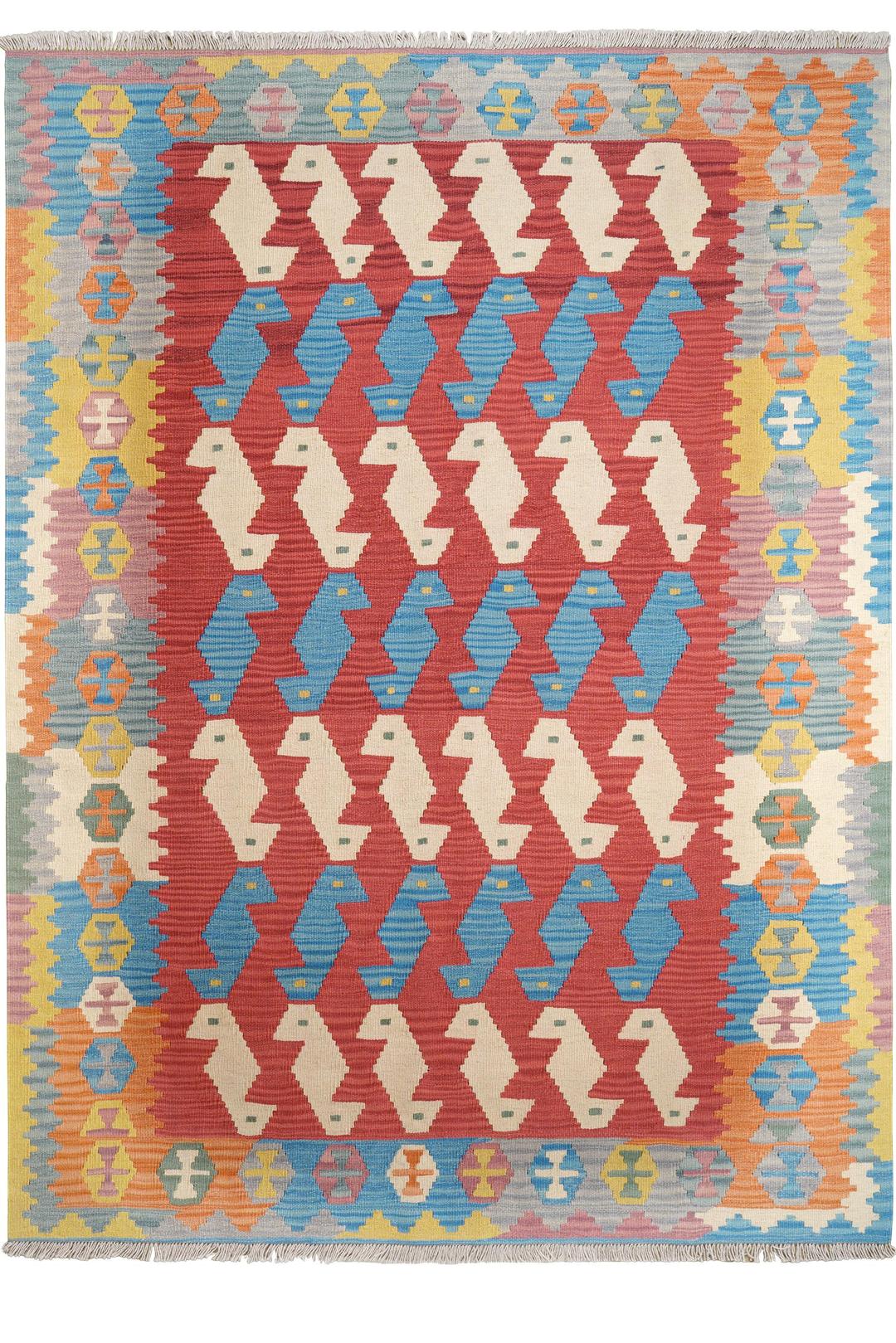
Kilim rugs are deeply rooted in the nomadic traditions of the Middle East, specifically associated with the Qashqai tribes. These rugs were historically crafted by nomadic peoples who needed floor coverings that were durable, portable, and beautiful. The tradition of weaving these flat-weave rugs is an essential part of their cultural identity, reflecting the landscape and the stories of the people who created them.
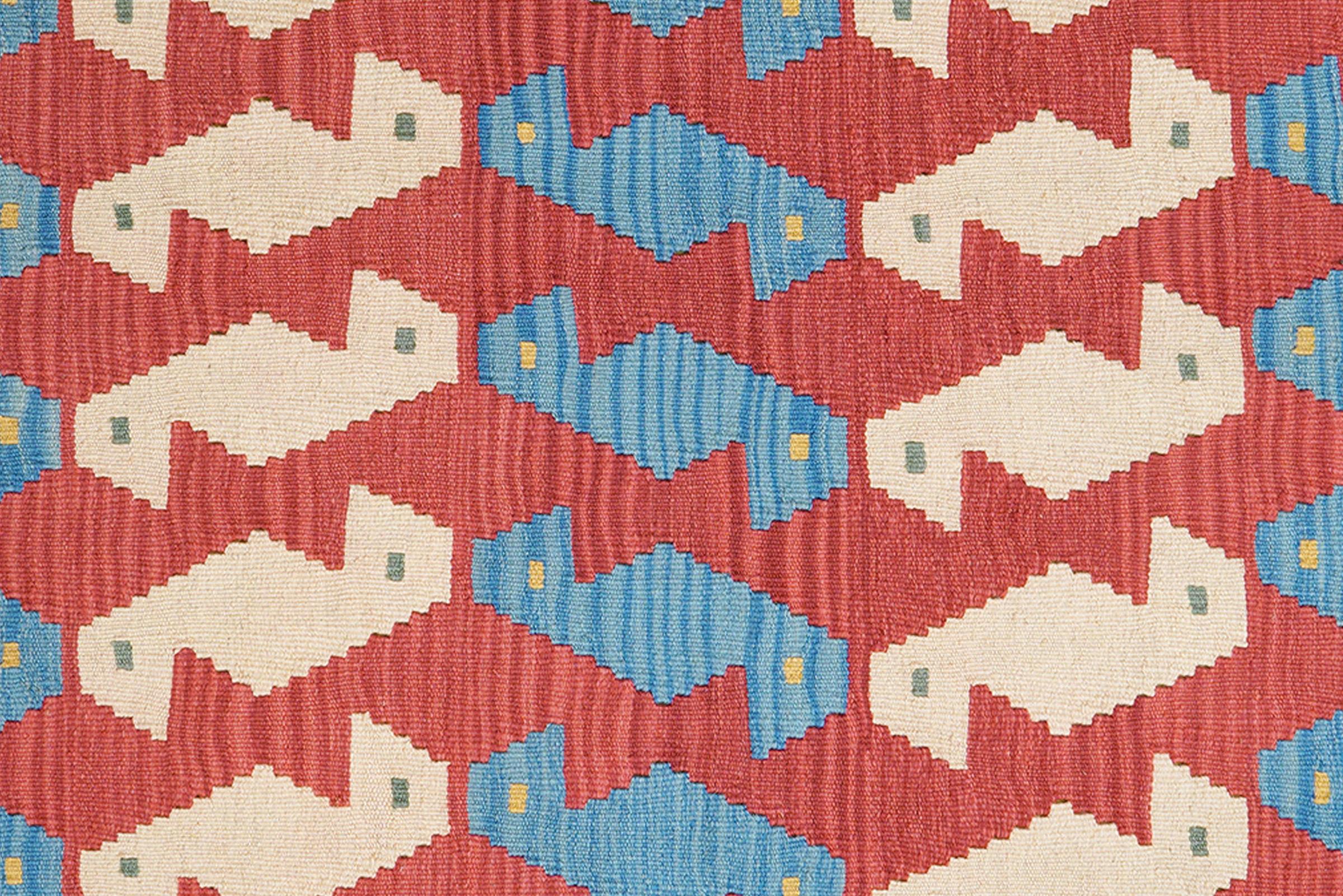
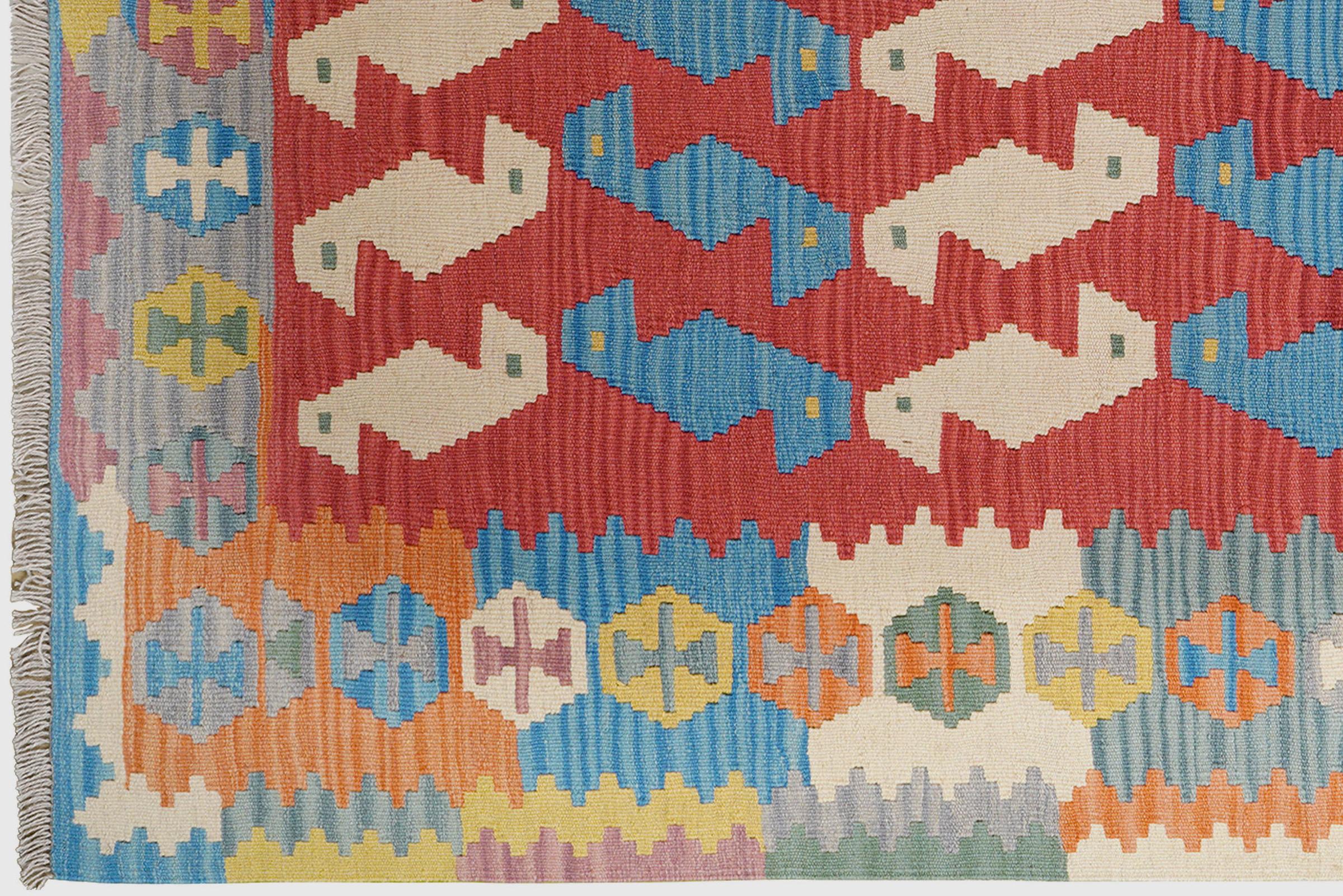
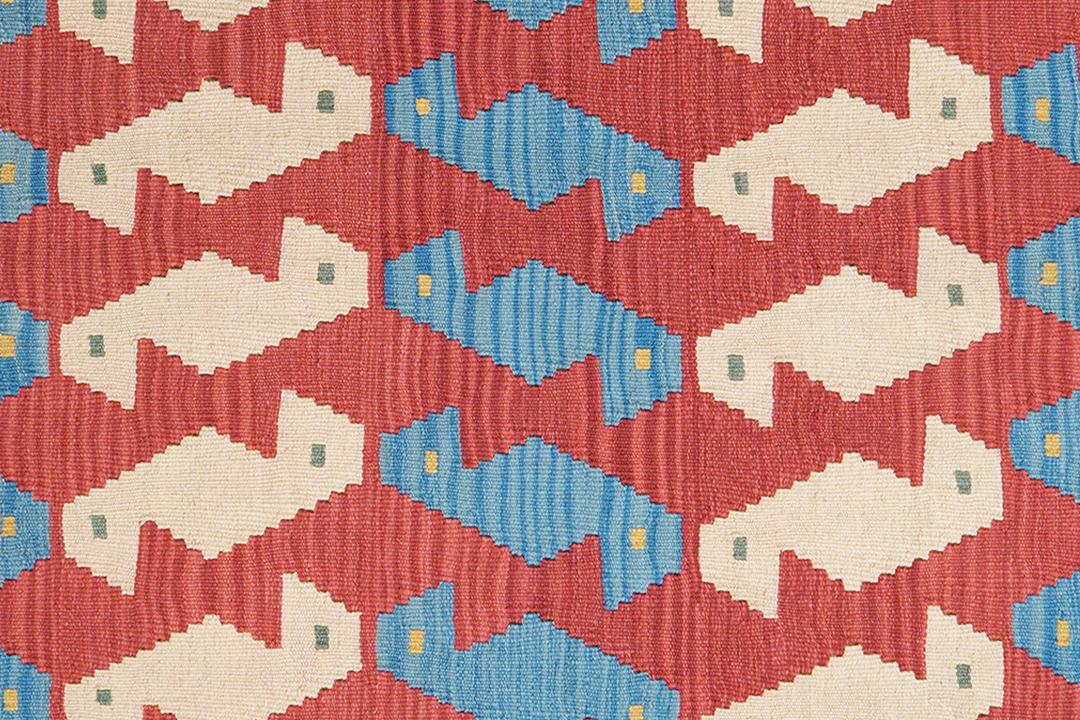
The term Kilim refers to a specific flat-weave technique where the weft threads are pulled tightly over the warp threads to create the pattern. This produces a rug without a pile, making it versatile and lightweight. This construction is highly valued for its strength, as the lack of pile means there are no fibres to wear down, allowing the intricate geometric designs to remain sharp and clear for generations.
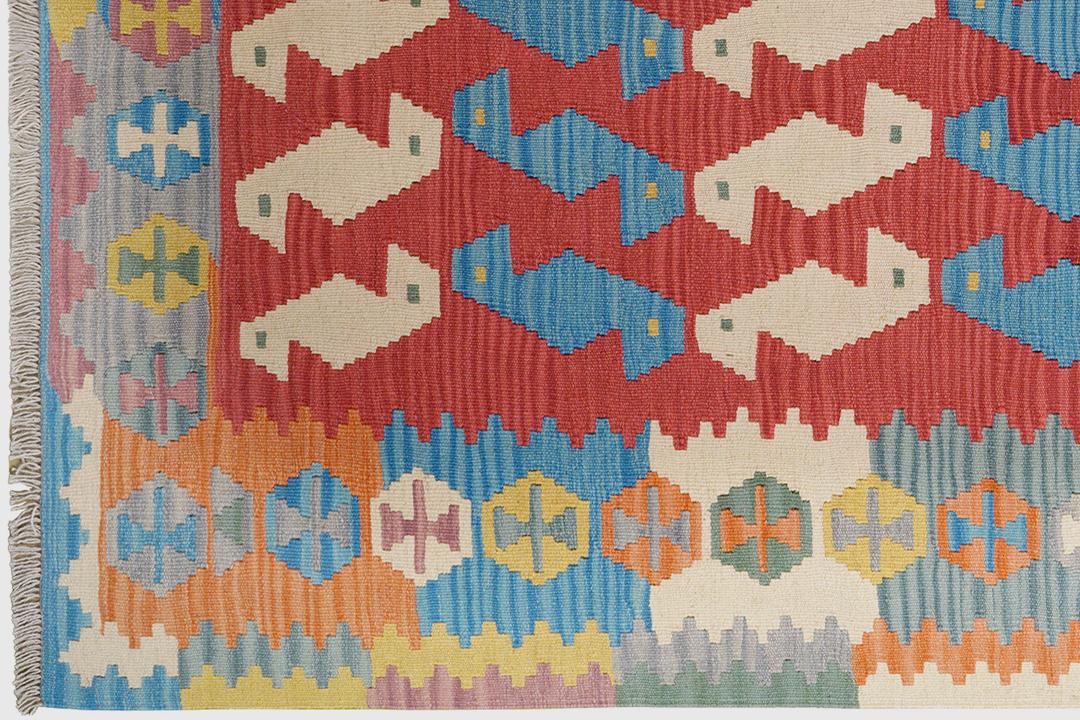
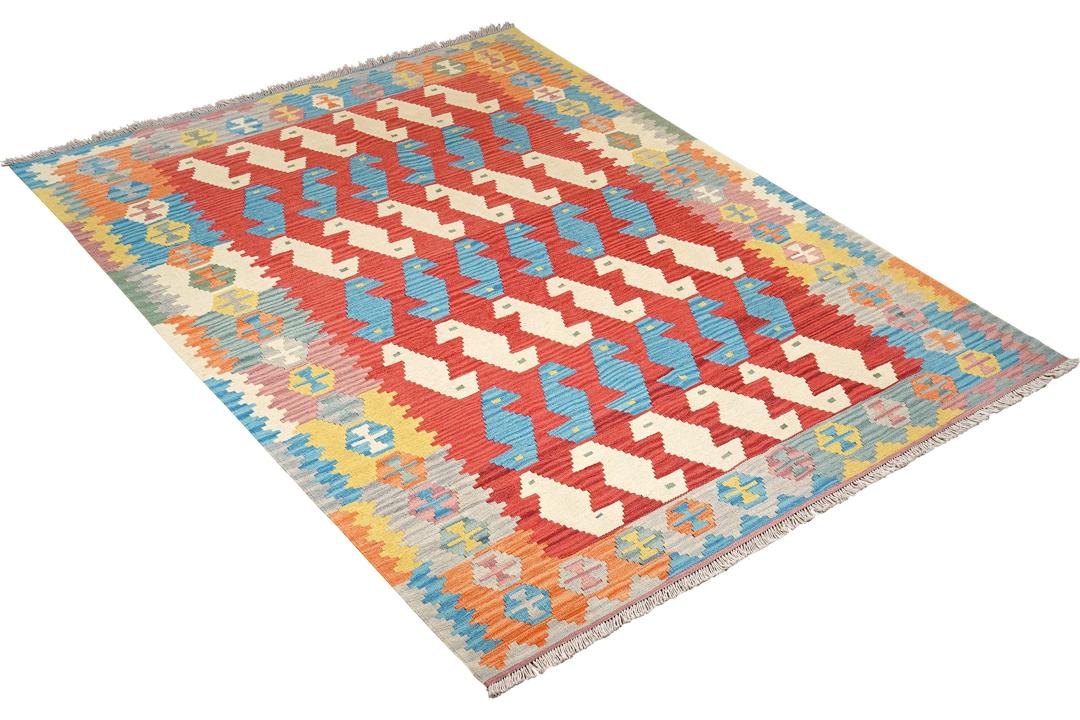
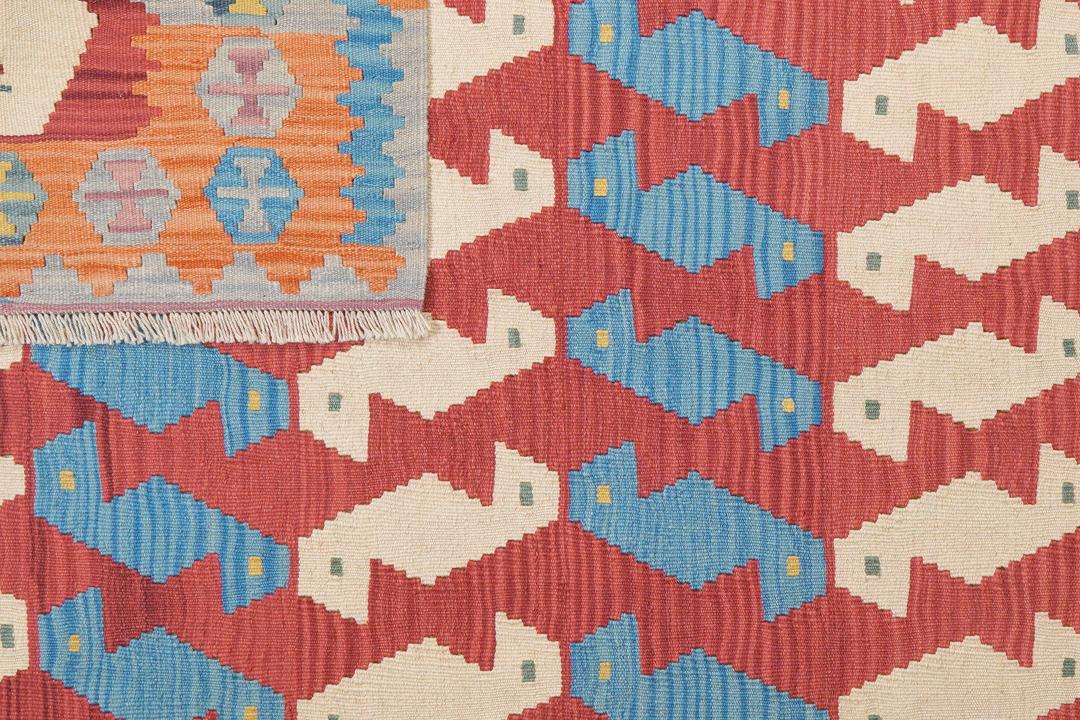
The visual language of the Qashqai Kilim is defined by bold, repeating geometric motifs and a vibrant colour palette. You will often see stylised birds, diamonds, and tribal symbols that hold specific meanings within the culture. The colours are traditionally derived from natural dyes, which develop a beautiful, muted patina as the rug ages, adding to its character and visual appeal.
Collecting a Kilim Qashqai is an investment in cultural heritage. These rugs are highly regarded by collectors for their authenticity and the skill required to maintain the complex, symmetrical patterns without a guide. By bringing one into your home, you are continuing a legacy of nomadic artistry that celebrates both technical mastery and creative expression.