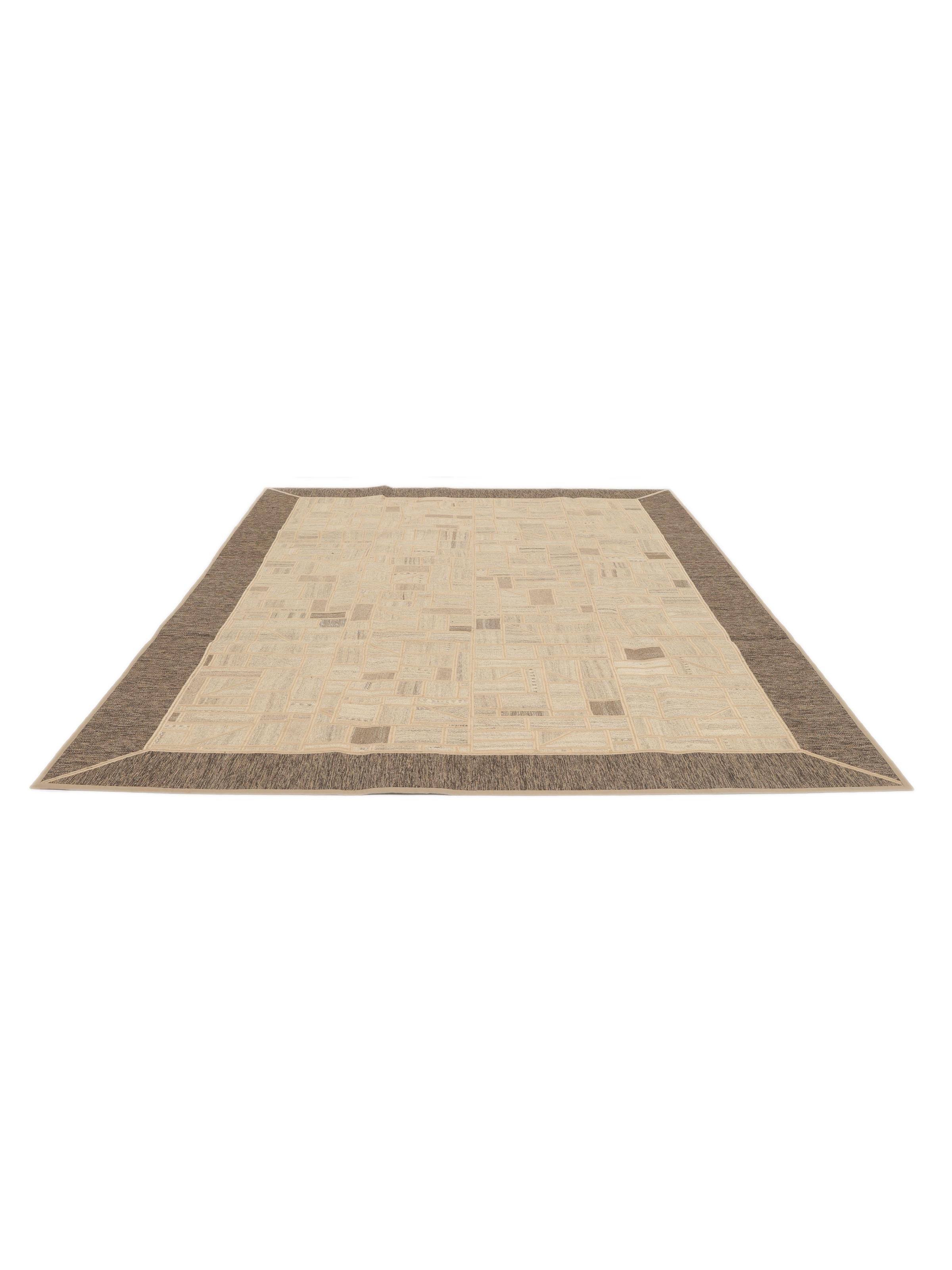
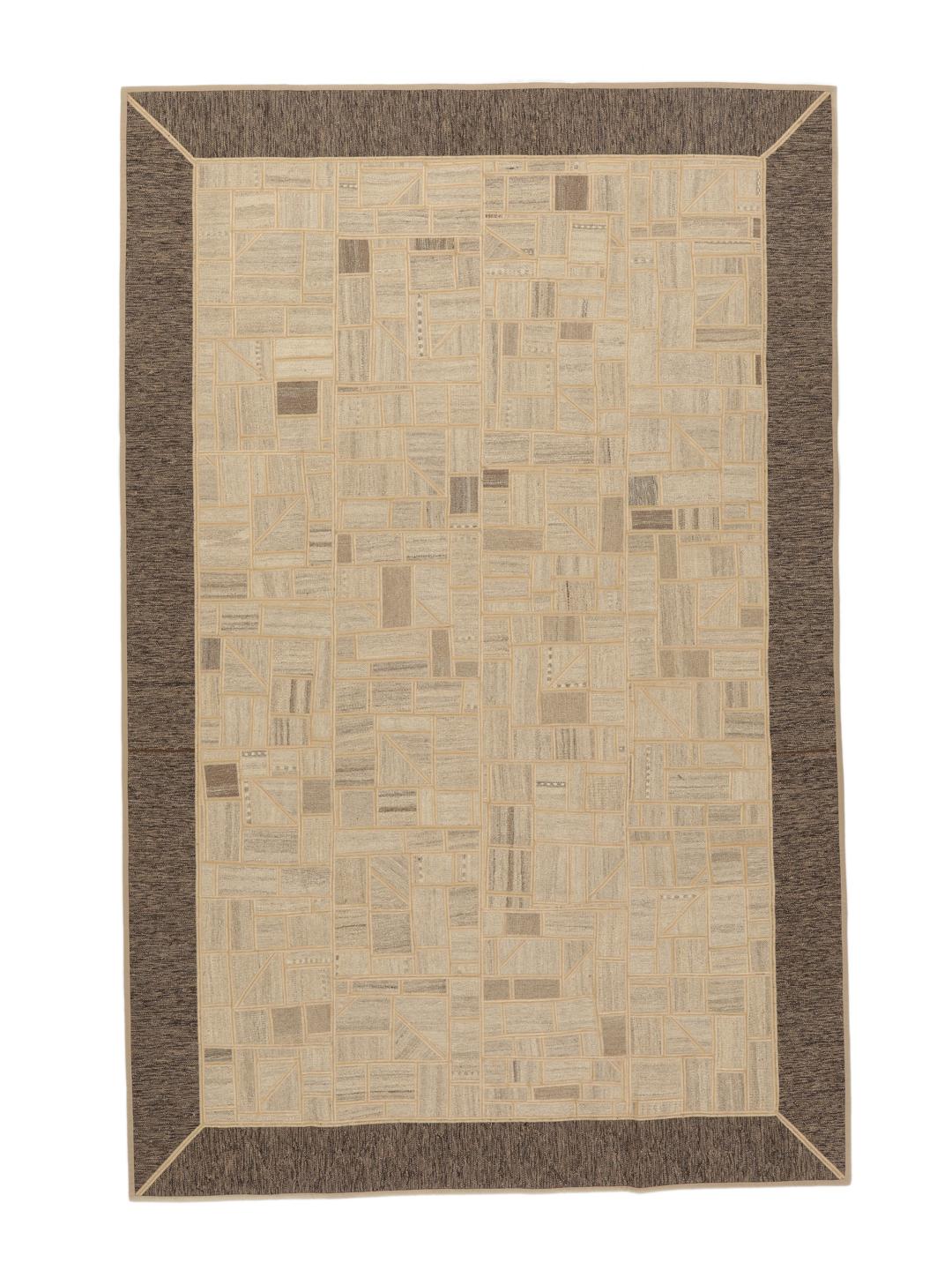
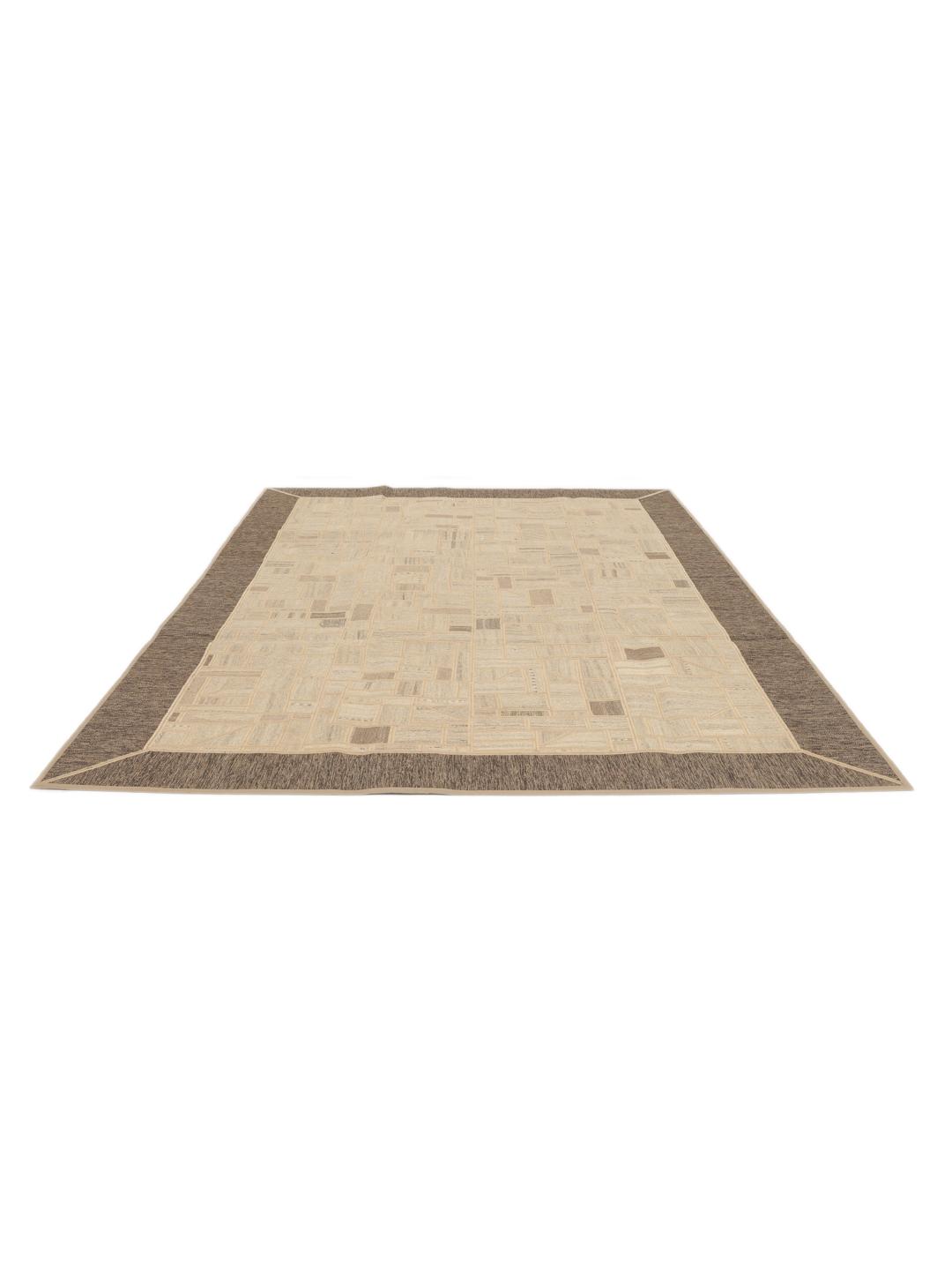
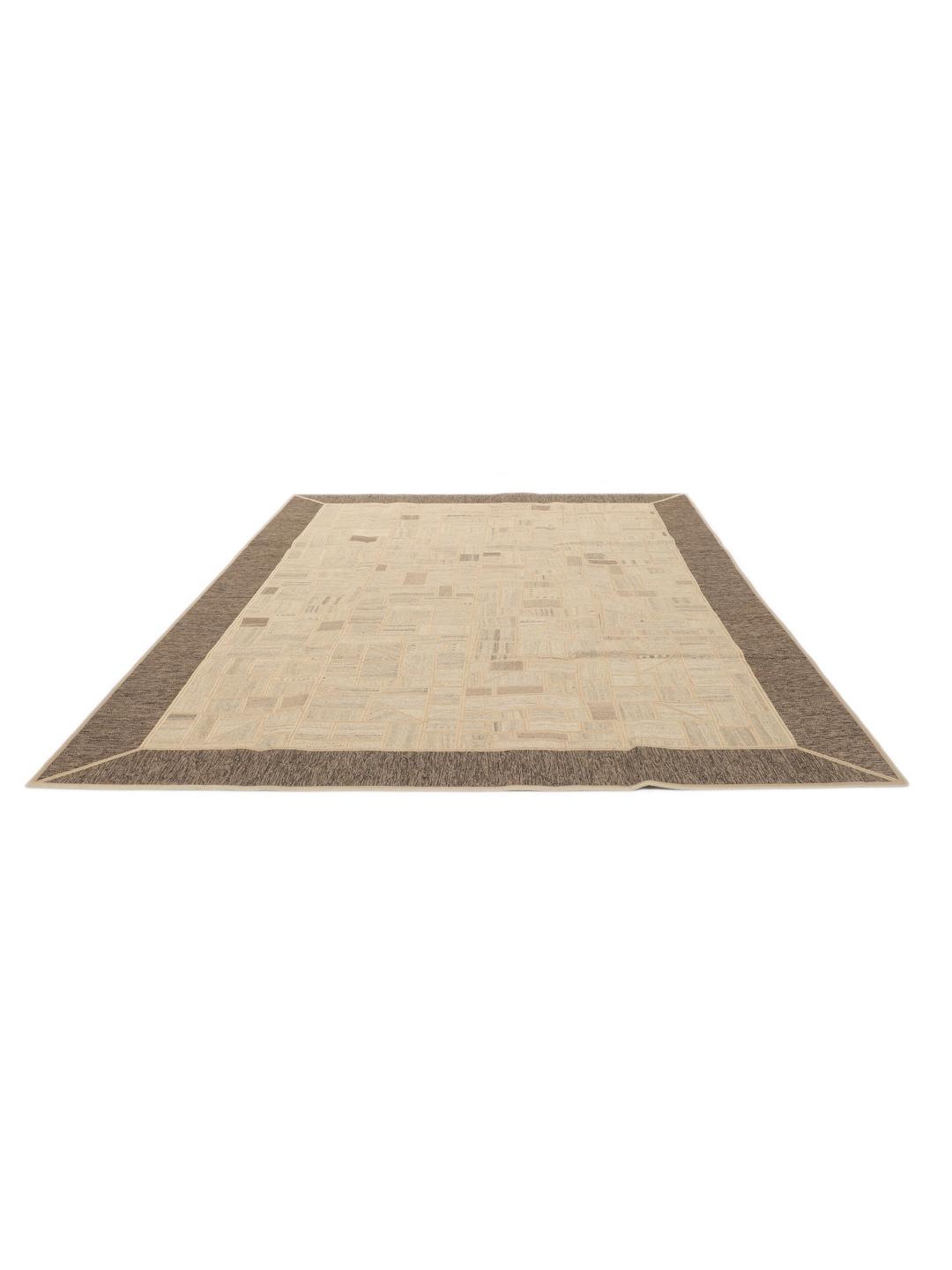
The tradition of the Kelim, or flat-weave rug, finds its roots in the ancient nomadic cultures across the Middle East. Historically, these rugs were essential to nomadic life, used as floor coverings, blankets, and storage bags, designed for portability and durability. Today, the art of the patchwork rug evolves this tradition by repurposing these distinct, hand-woven textiles into new, contemporary configurations.
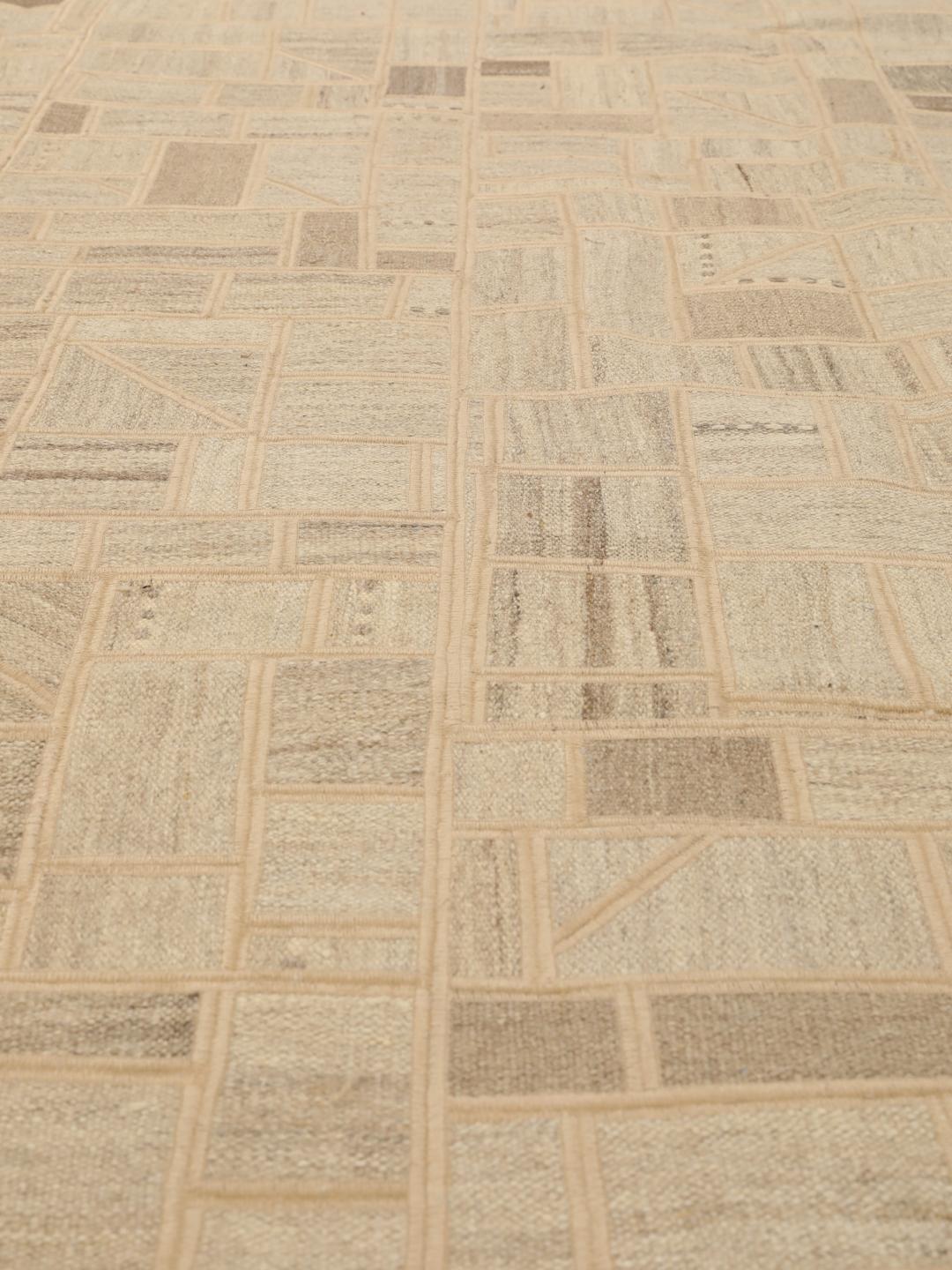
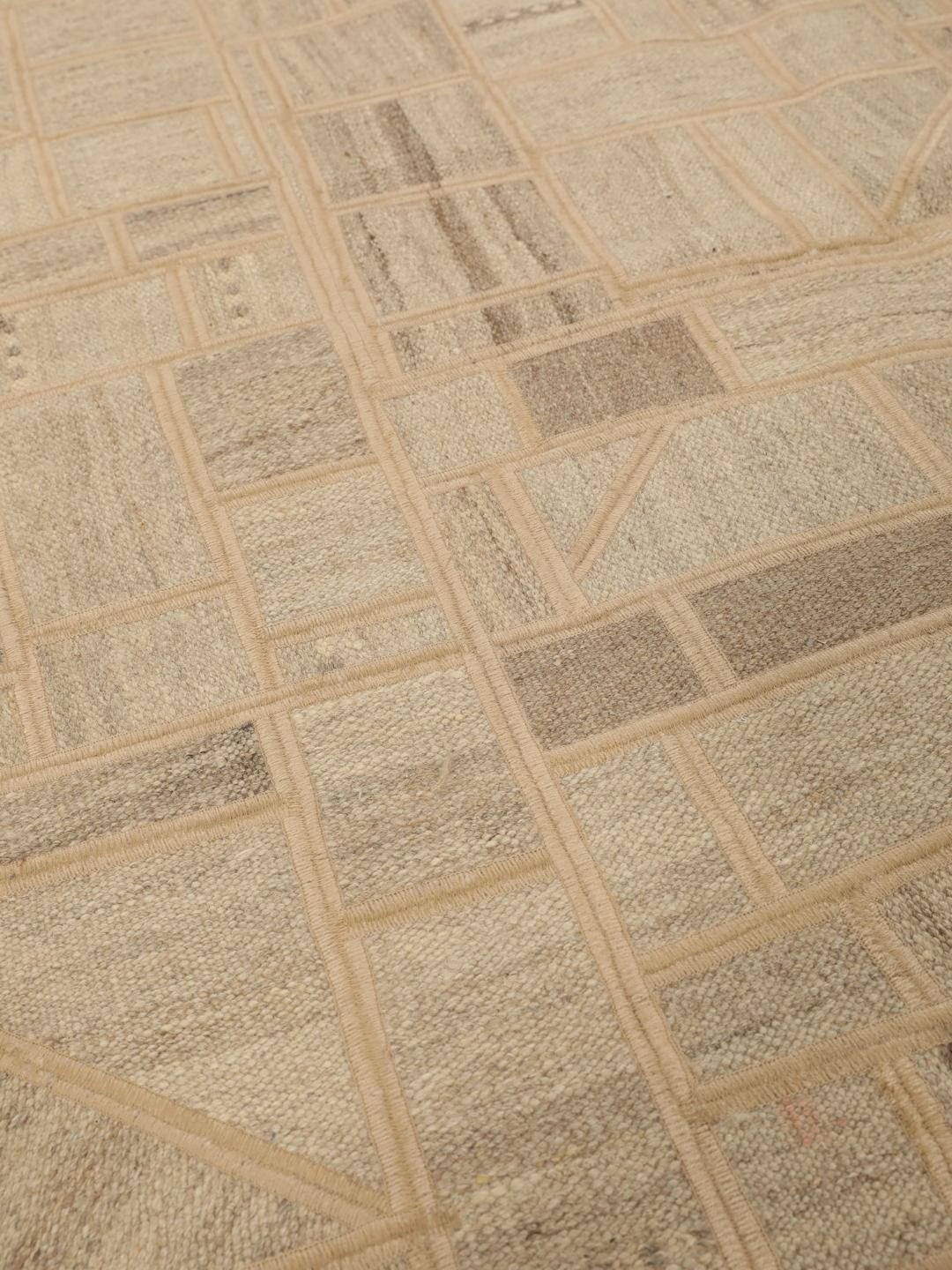
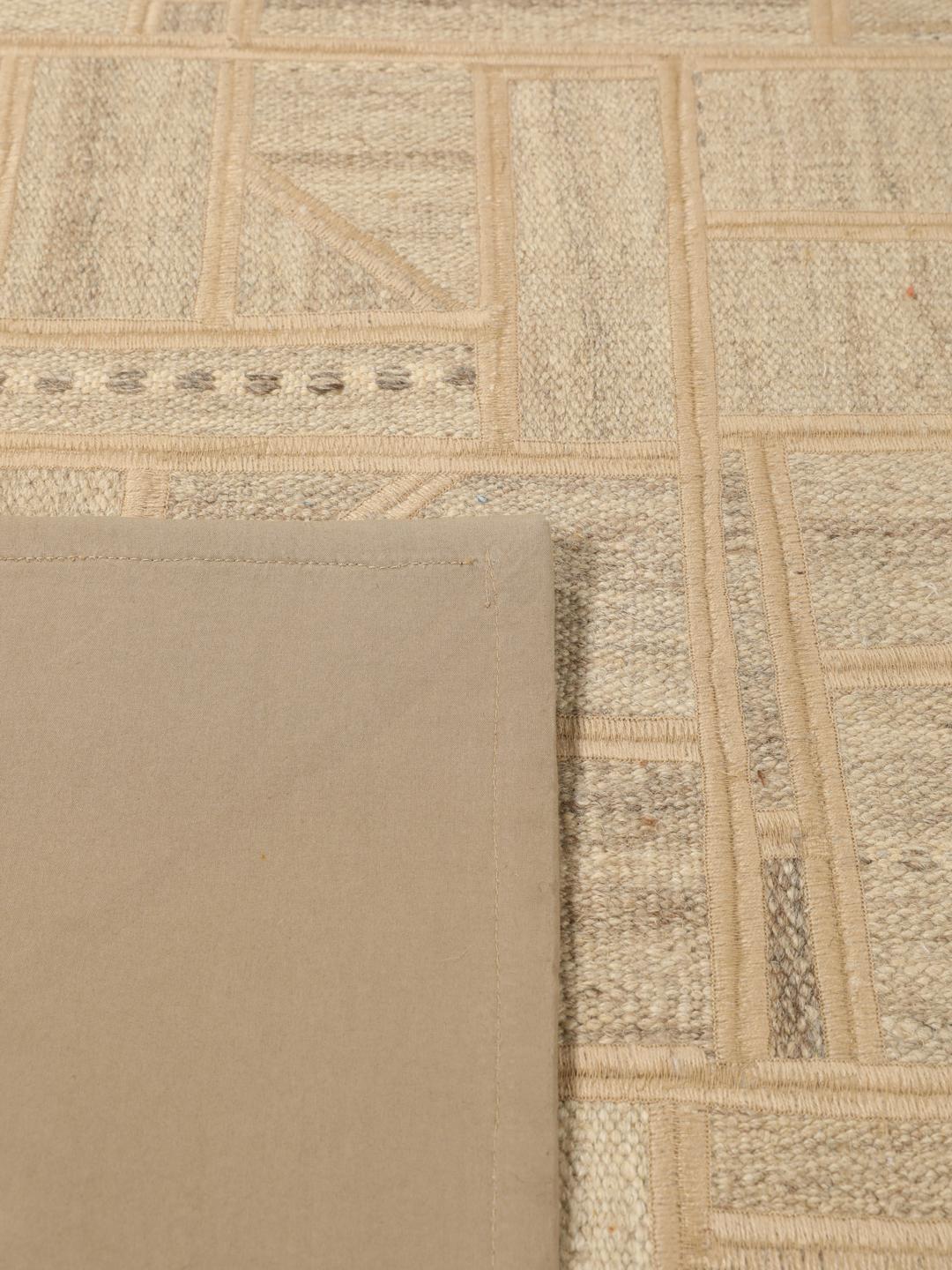
The term 'patchwork' refers to the deliberate assembly of diverse textile fragments. In this context, it represents a modern bridge between historical weaving techniques and current design sensibilities. Each fragment retains the history of its original weave, while the collection as a whole demonstrates a sophisticated understanding of composition and colour theory.
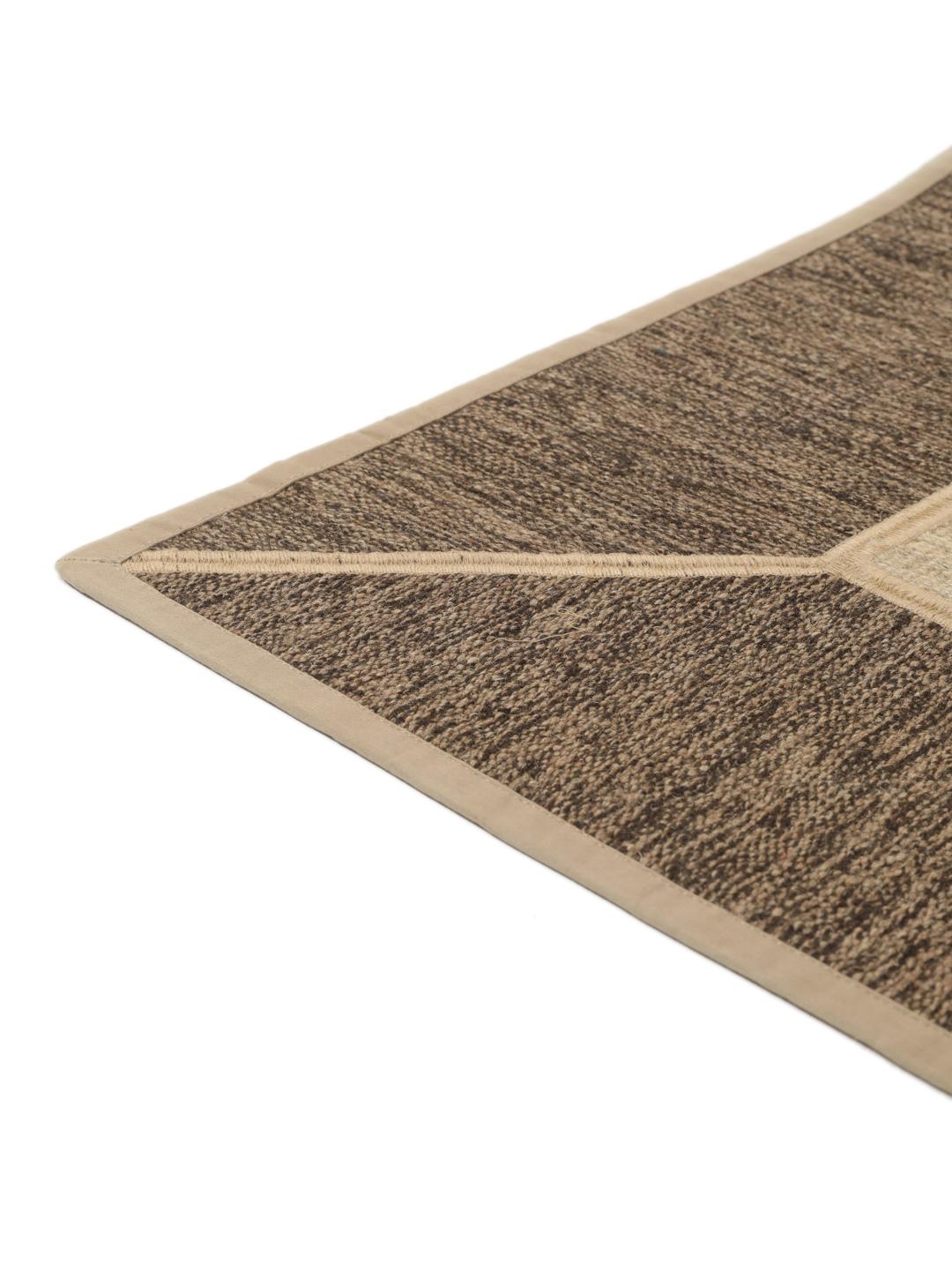
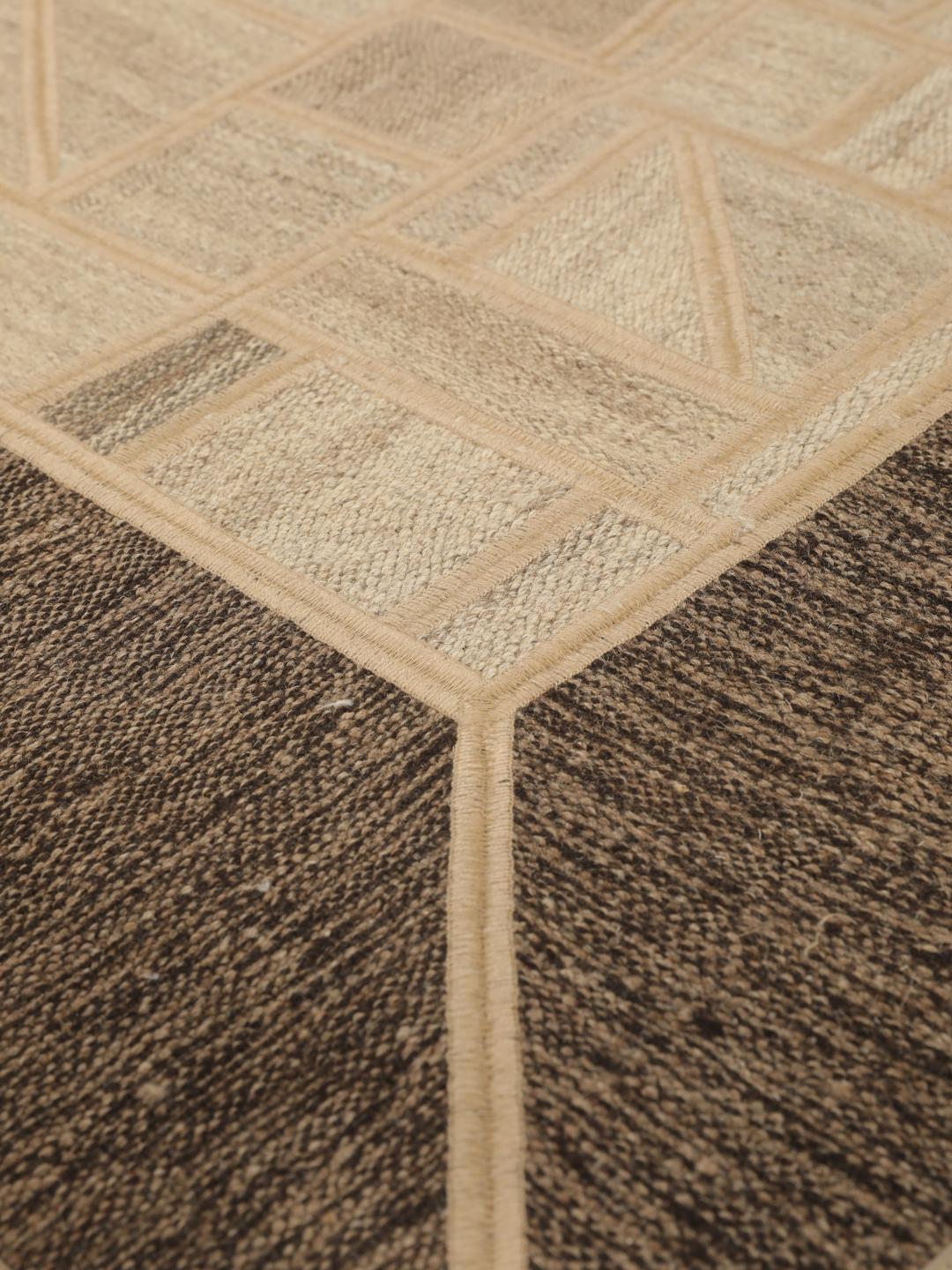
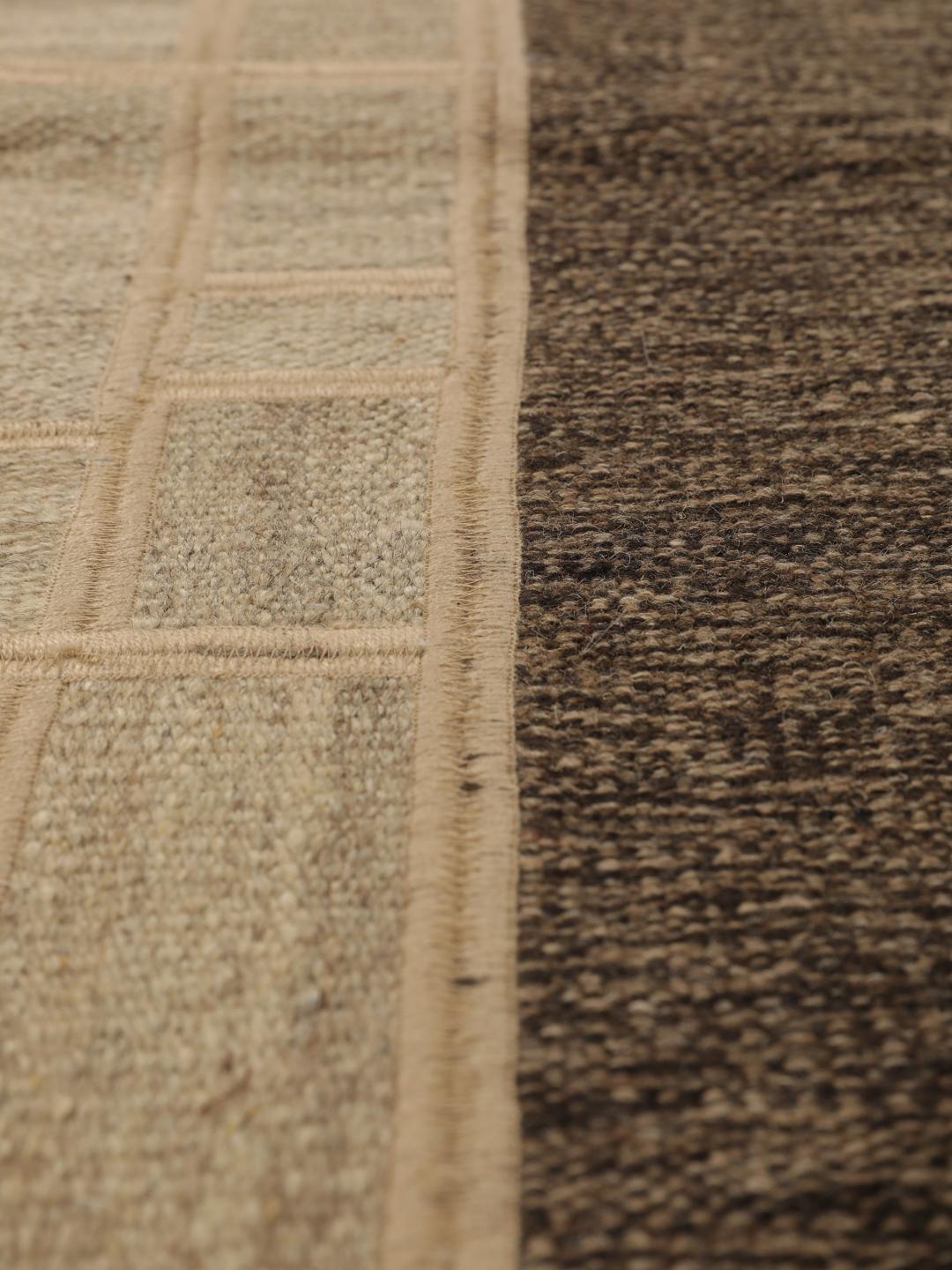
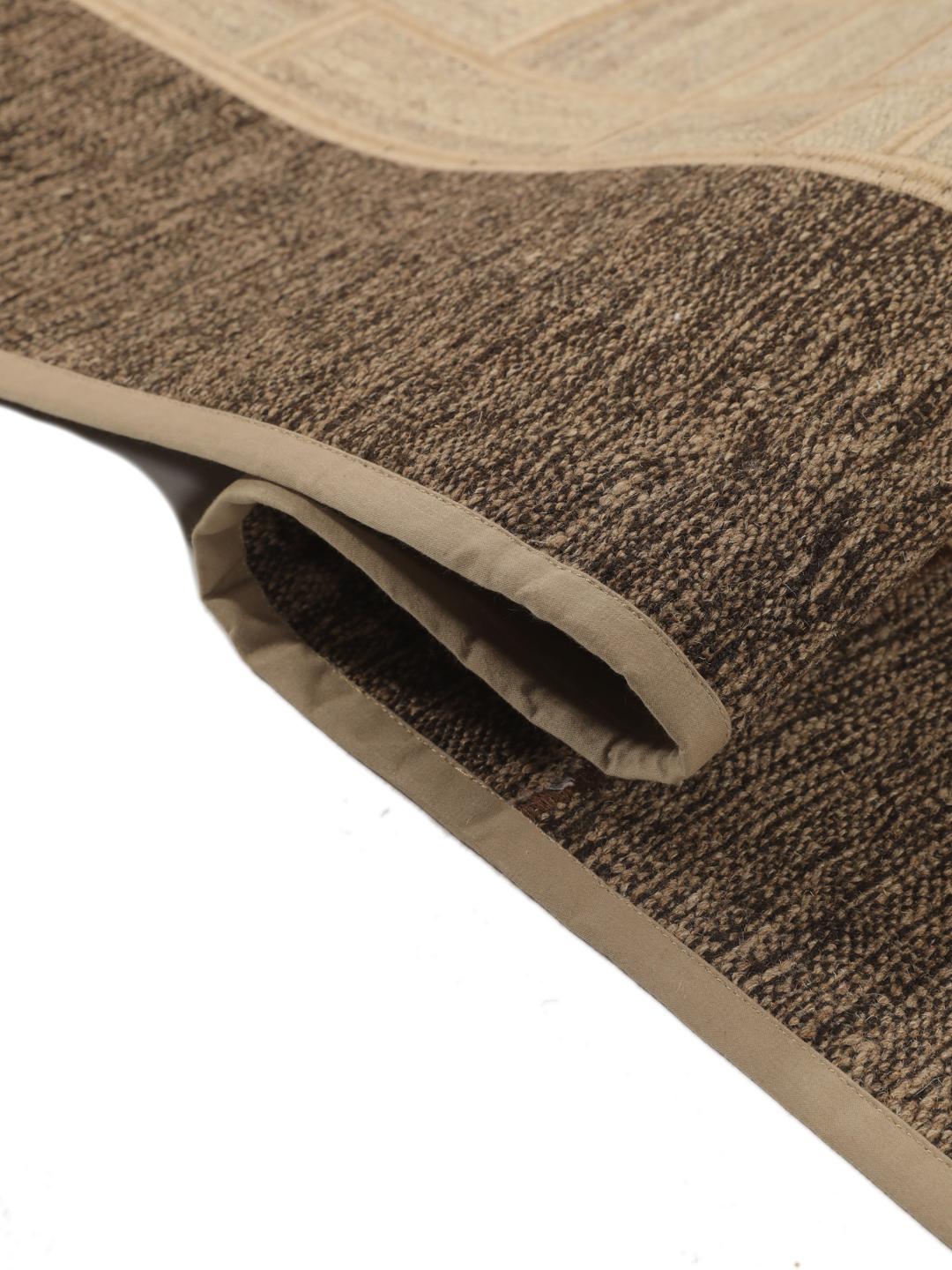
Visually, this piece draws on the classic geometric language of traditional weaves, where shapes are defined by the structure of the loom itself. The use of a formal border to enclose the more complex, segmented field is a hallmark of regional design, providing a sense of order and balance to the otherwise intricate arrangement of patches.
Owning a patchwork piece is an investment in both heritage and innovation. It honours the skill of the weavers who created the original textiles while celebrating the modern vision required to reimagine them. It is a testament to the idea that beauty is often found in the layering of history, making these rugs highly valued by those who appreciate depth and individuality in their home decor.