Kilim rugs are a foundational element of textile heritage across the Middle East and Central Asia. Traditionally used by nomadic and semi-nomadic tribes, these flat-woven rugs were valued for their portability, durability, and versatility. Over centuries, the craft has evolved from purely functional tent coverings and storage sacks into the sophisticated, highly sought-after floor coverings we appreciate today.
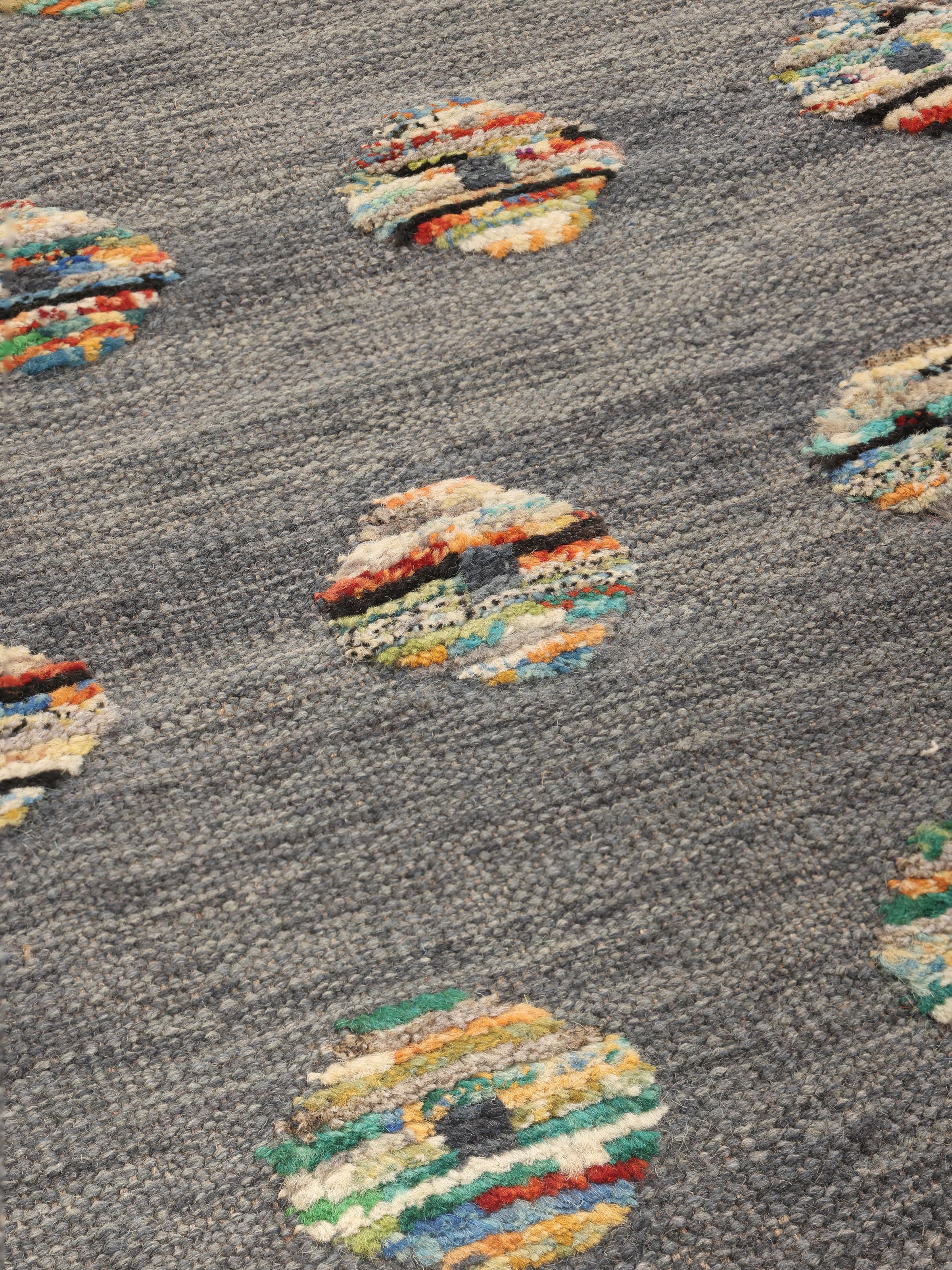
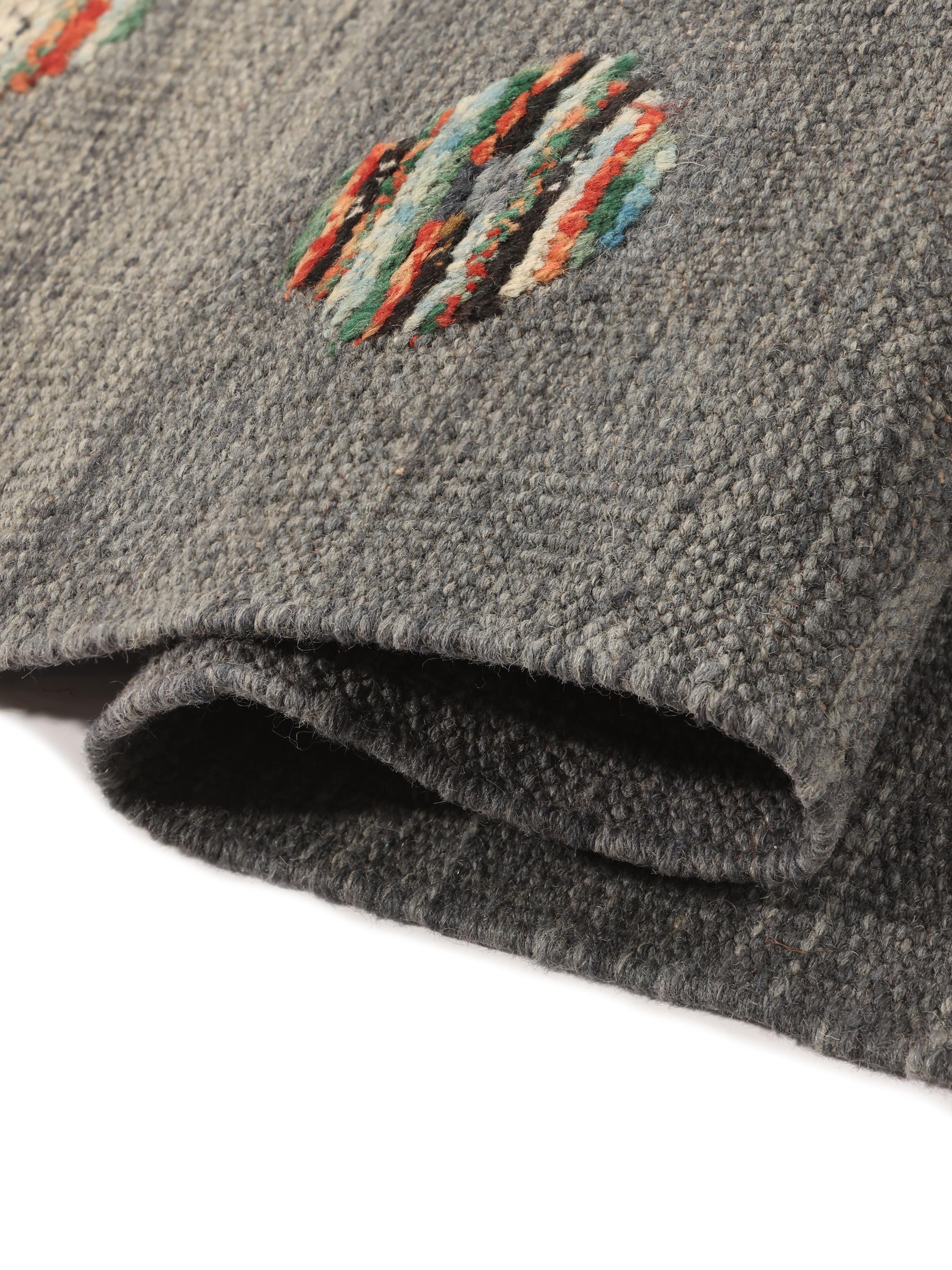
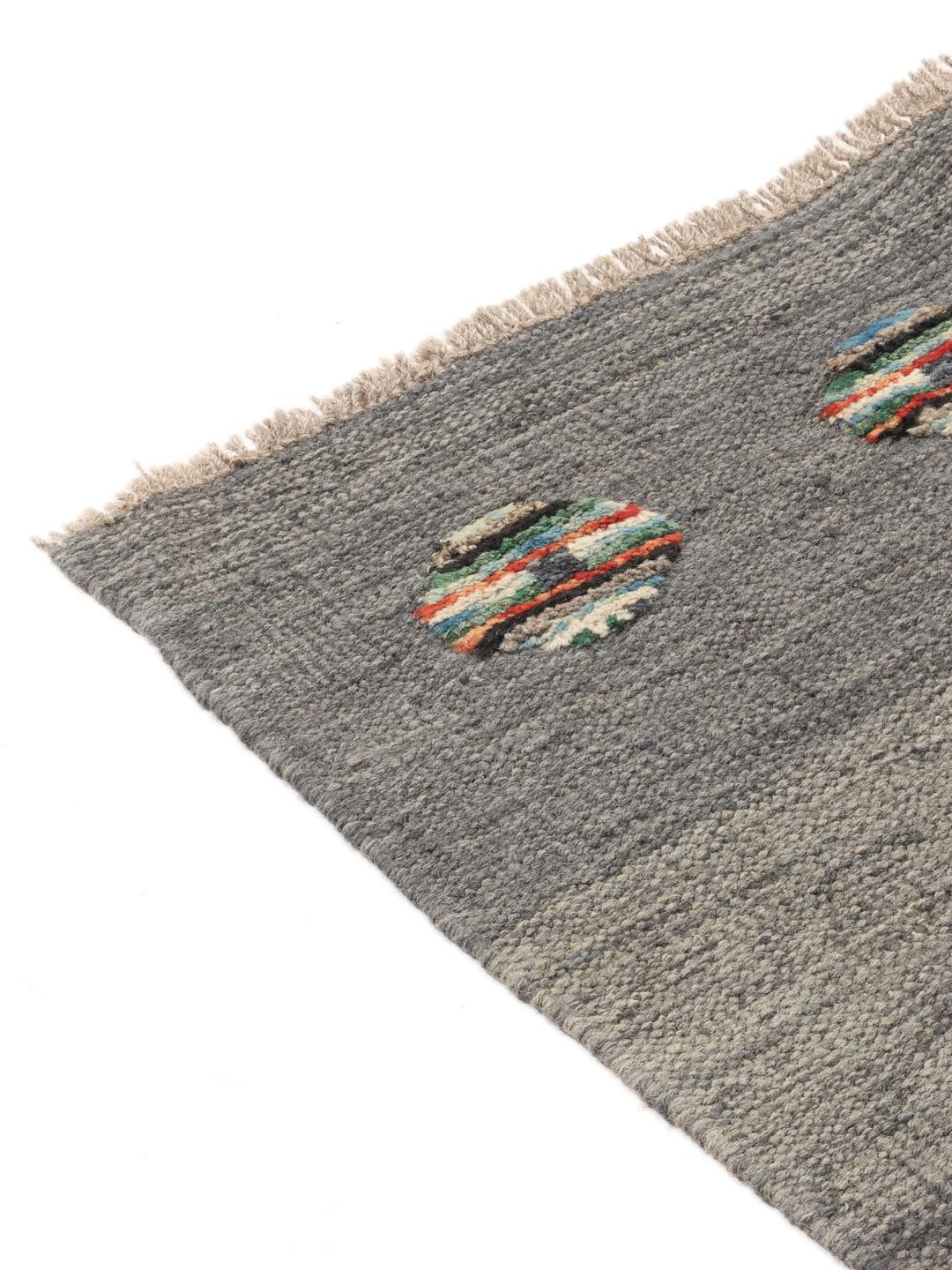
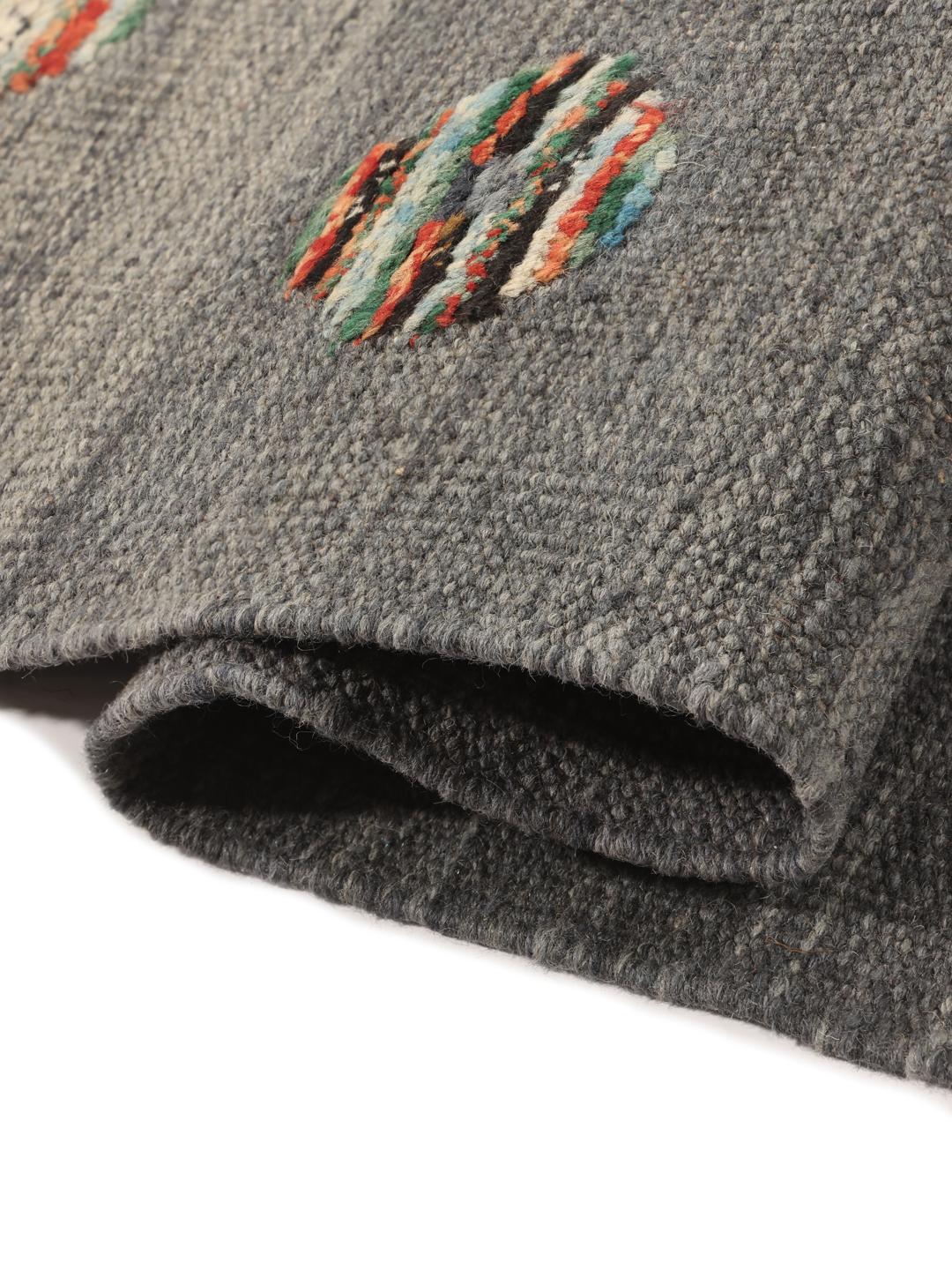
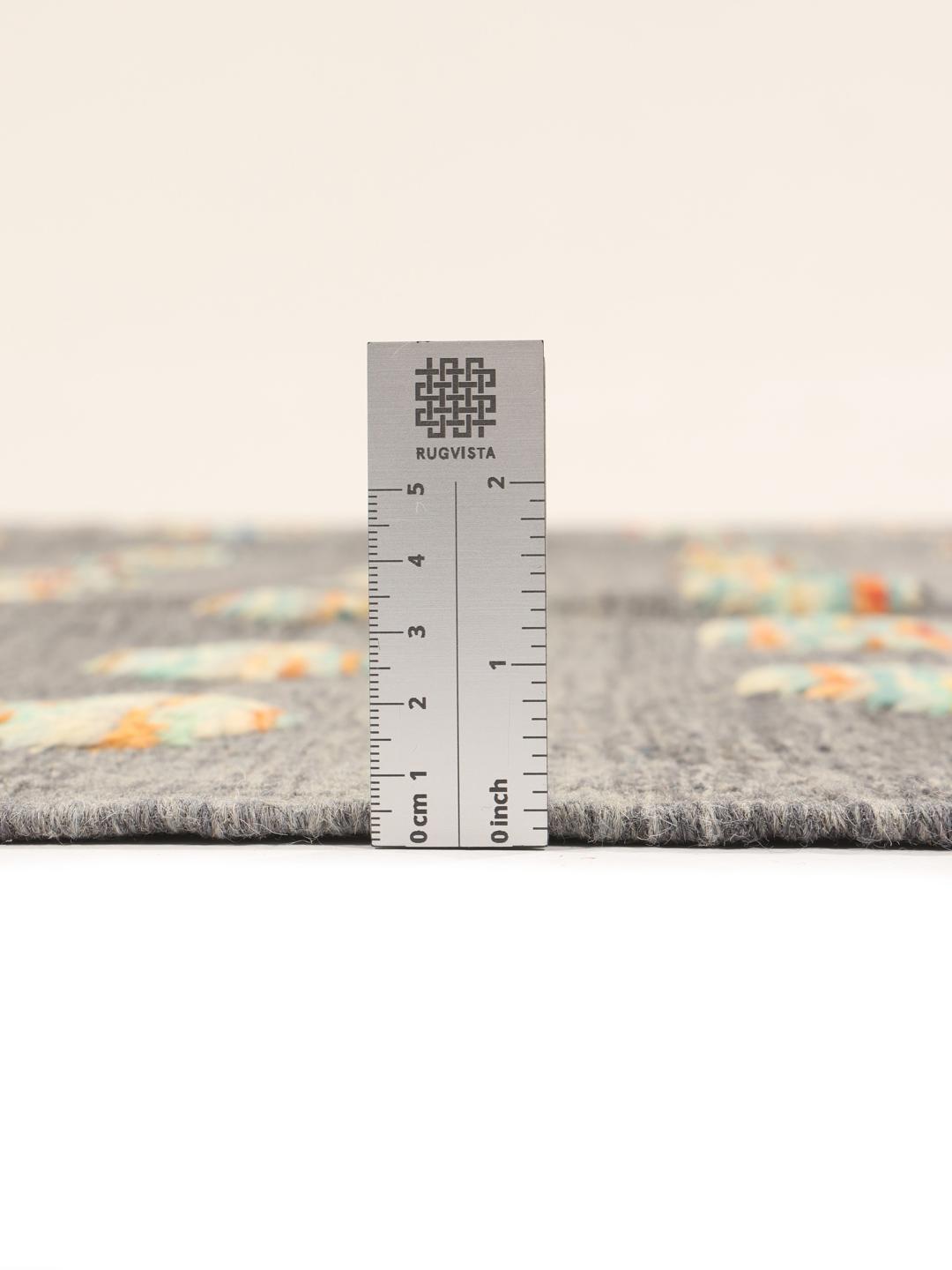
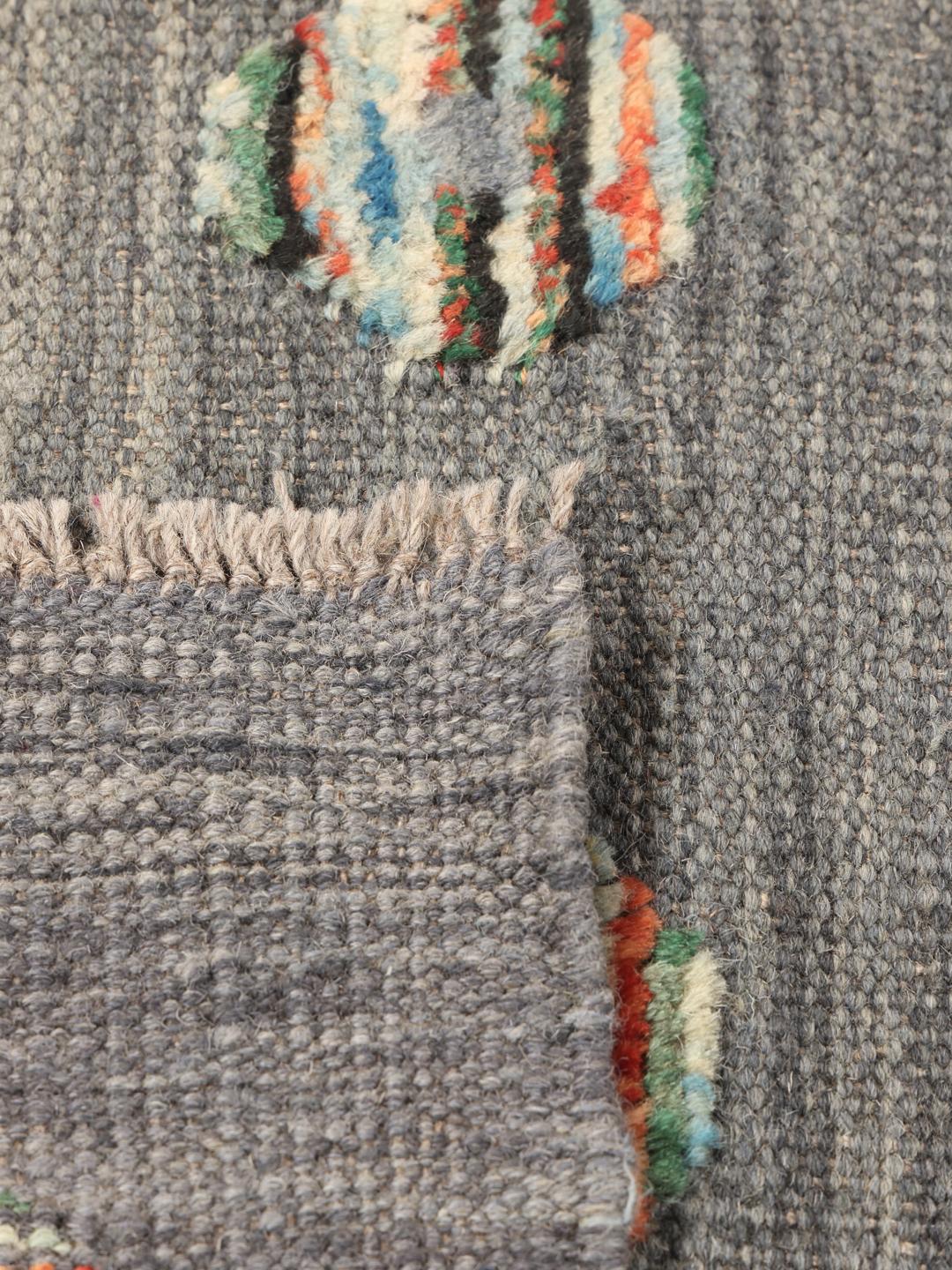
The term 'Kelim' refers specifically to the tapestry-weave technique where the weft threads are passed through the warp to create the pattern, resulting in a rug without a pile. This construction method allows for sharp, geometric designs and a lightweight profile that is easy to move and maintain. In the Nimbaft tradition, the focus is on achieving a smooth, tight weave that enhances the clarity of the motifs.
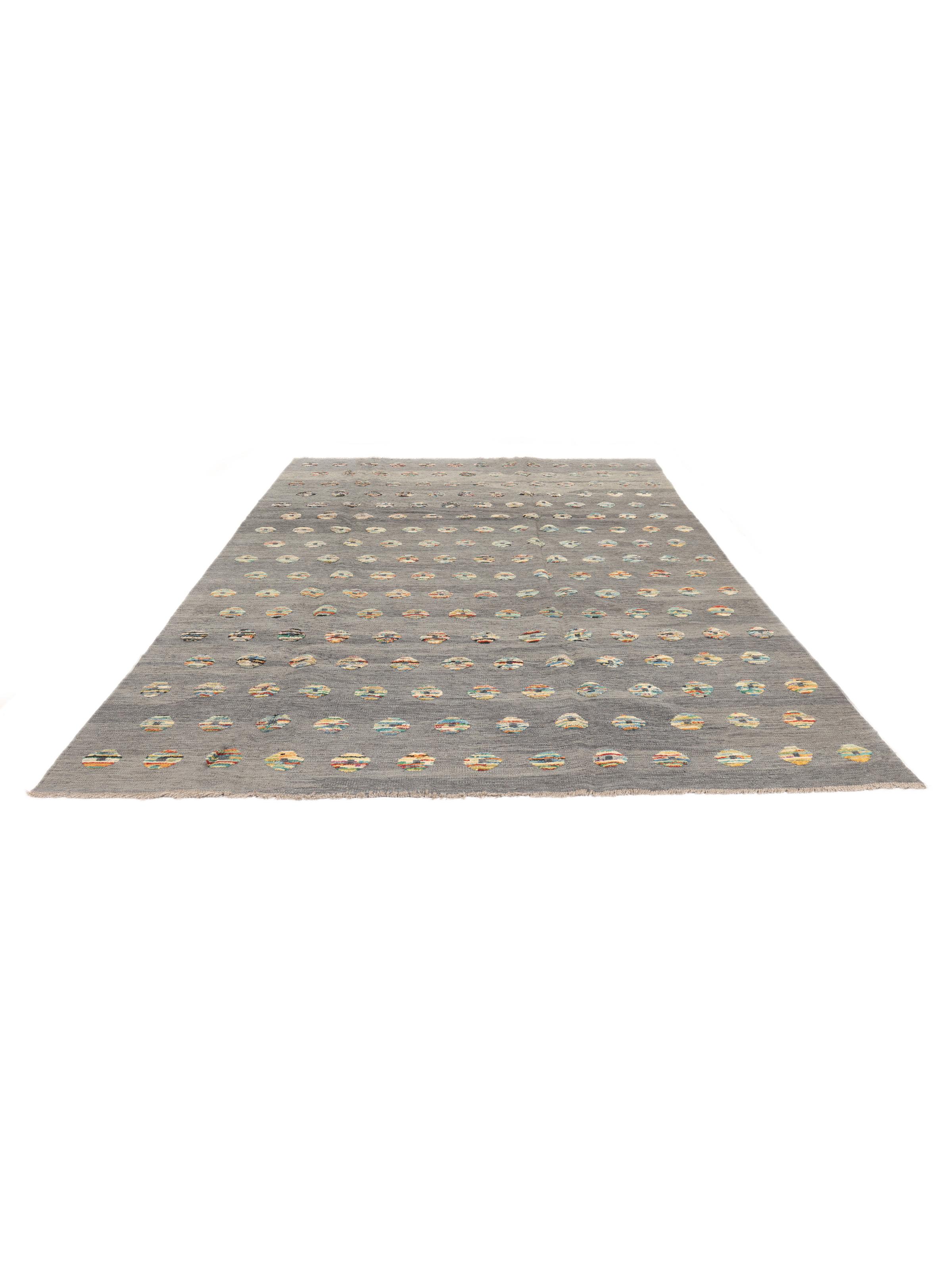
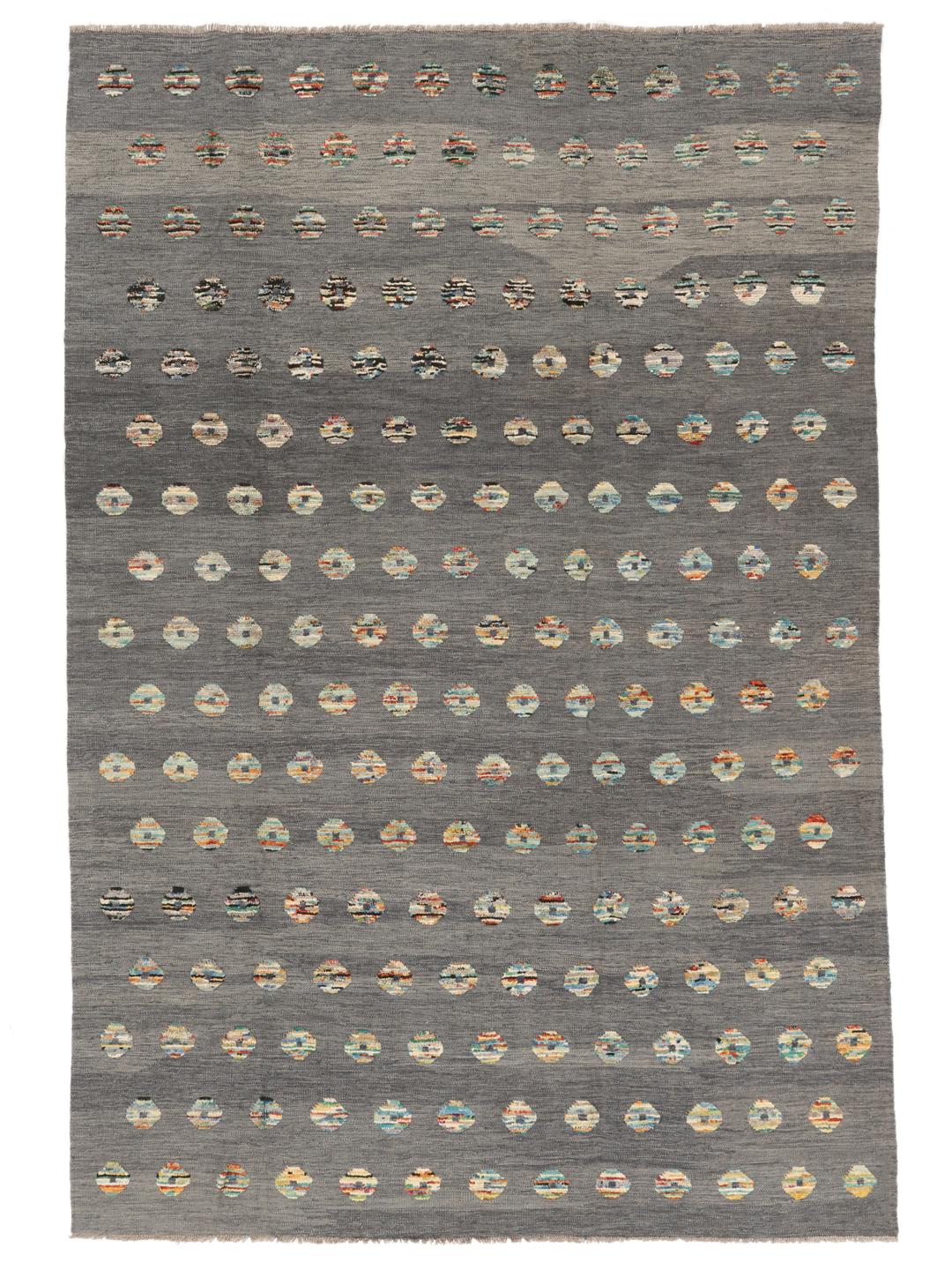
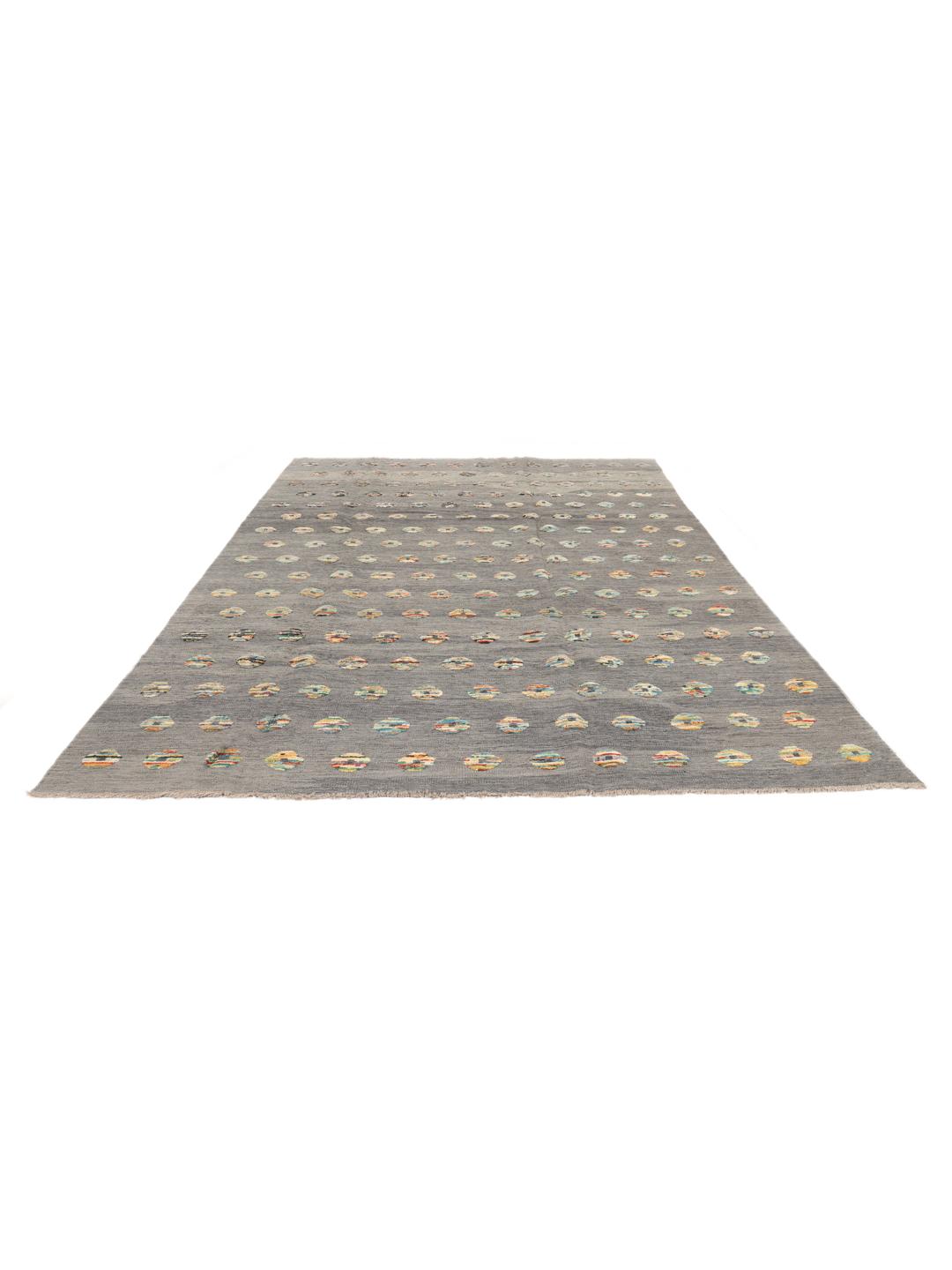
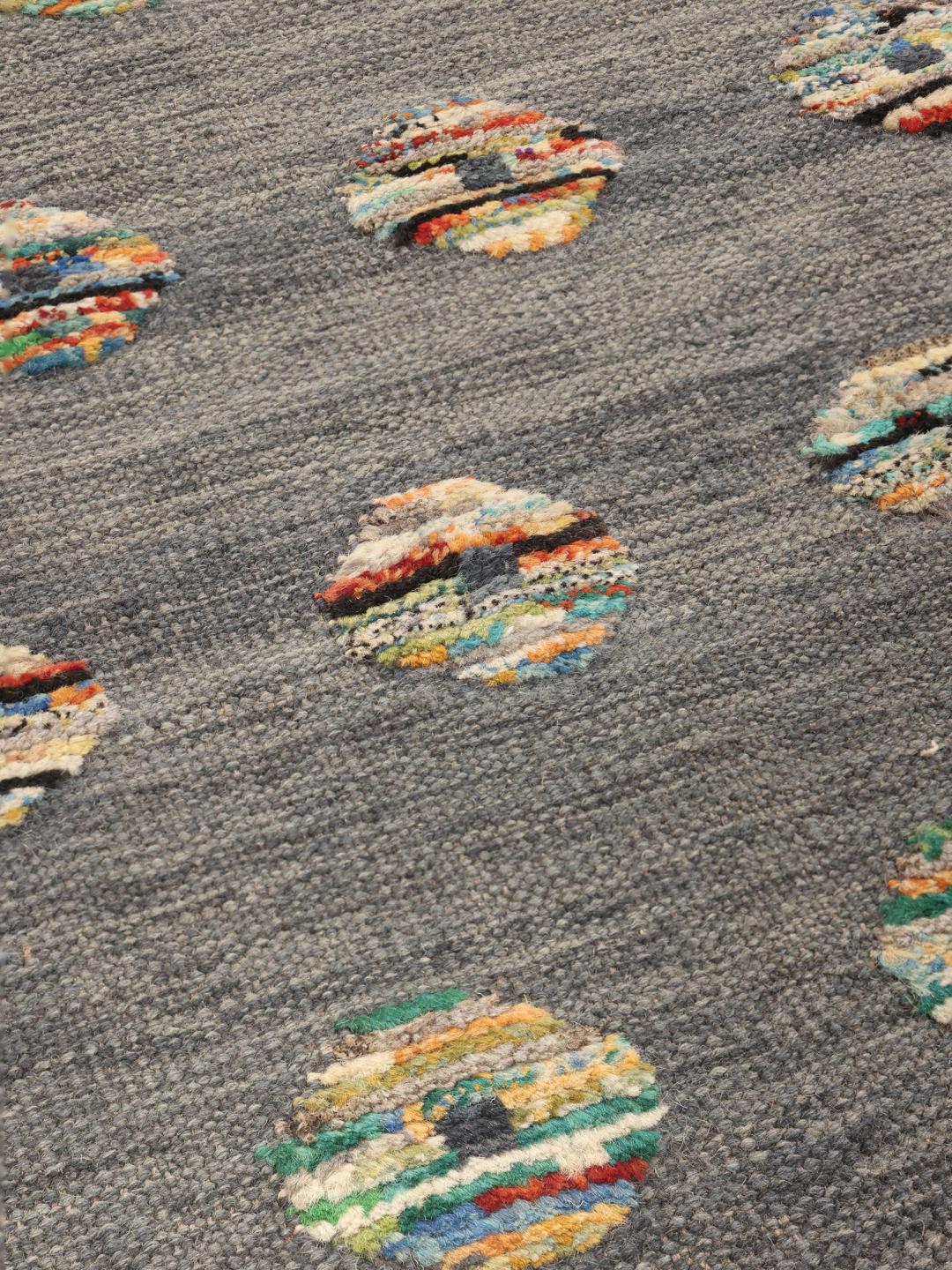
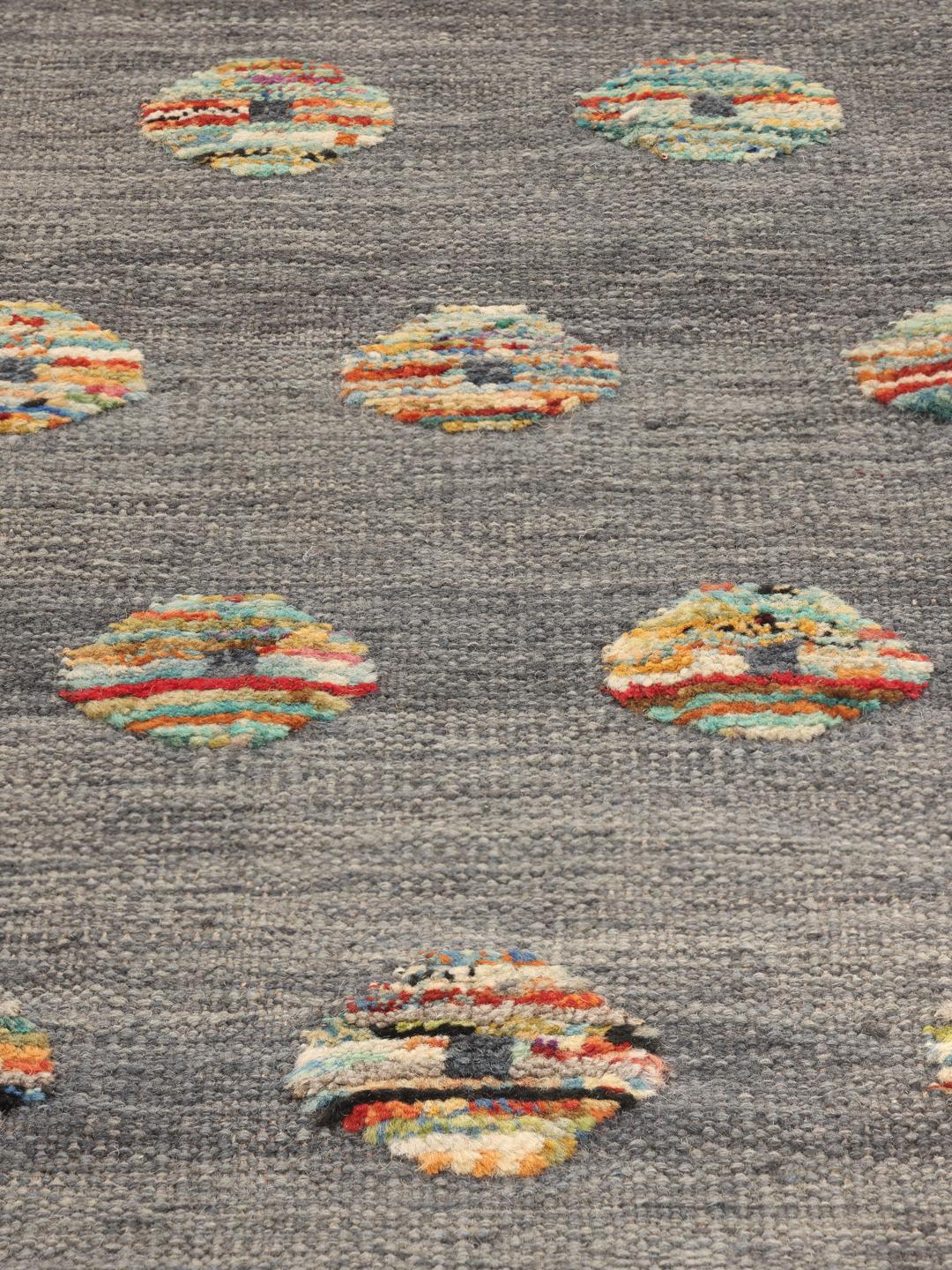
Design elements in these rugs often reflect the natural environment and cultural symbols of the weaving region. The recurring circular motifs found here are a common feature, often symbolising unity, the sun, or the cycles of life. The use of a grey field is a more contemporary evolution of the tradition, providing a neutral canvas that highlights the intricate, multi-coloured details of the central patterns.
Collecting these pieces is an investment in human skill and regional history. Each rug tells a story of the weaver's environment and the specific aesthetic language of their community. By bringing a hand-woven Kilim into your home, you are preserving a centuries-old craft tradition and enjoying a level of artistry that is increasingly rare in the modern world.