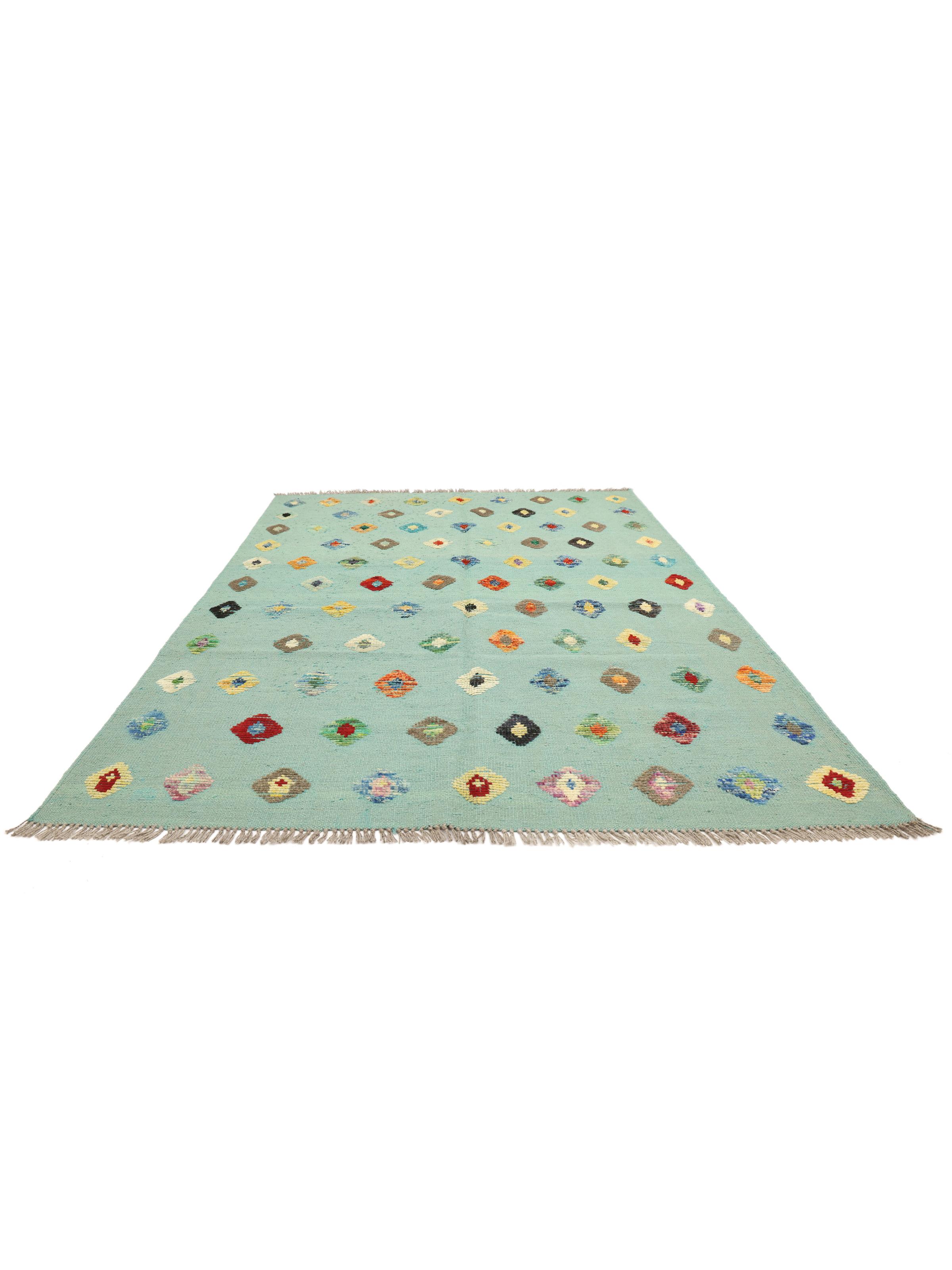
The Kelim tradition in Afghanistan is deeply rooted in the nomadic history of the region, where flat-woven textiles were crafted for their portability and durability. These rugs served as essential floor coverings, room dividers, and storage bags, evolving over centuries to become a celebrated art form that carries the stories of the weavers and their landscapes.
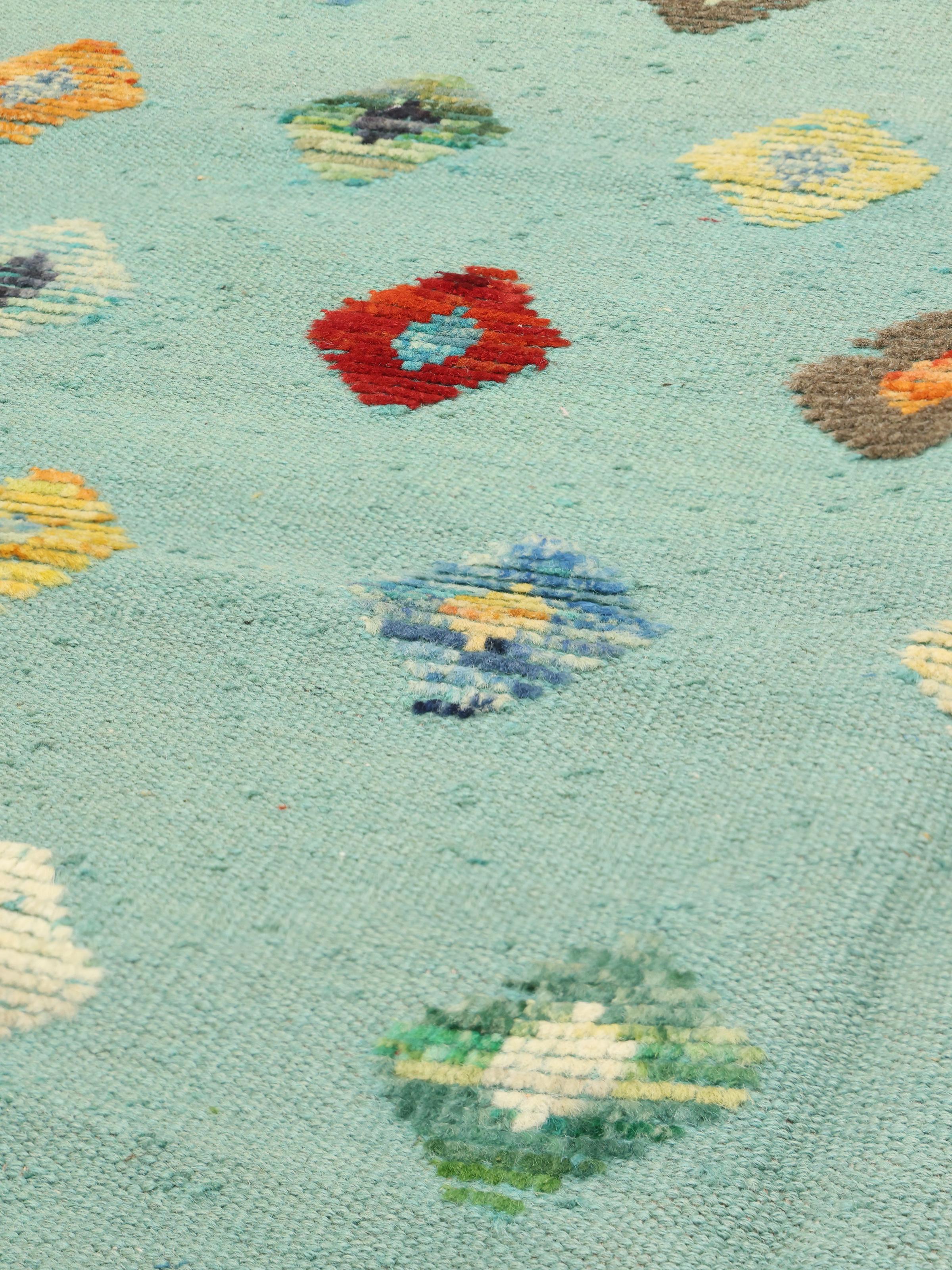
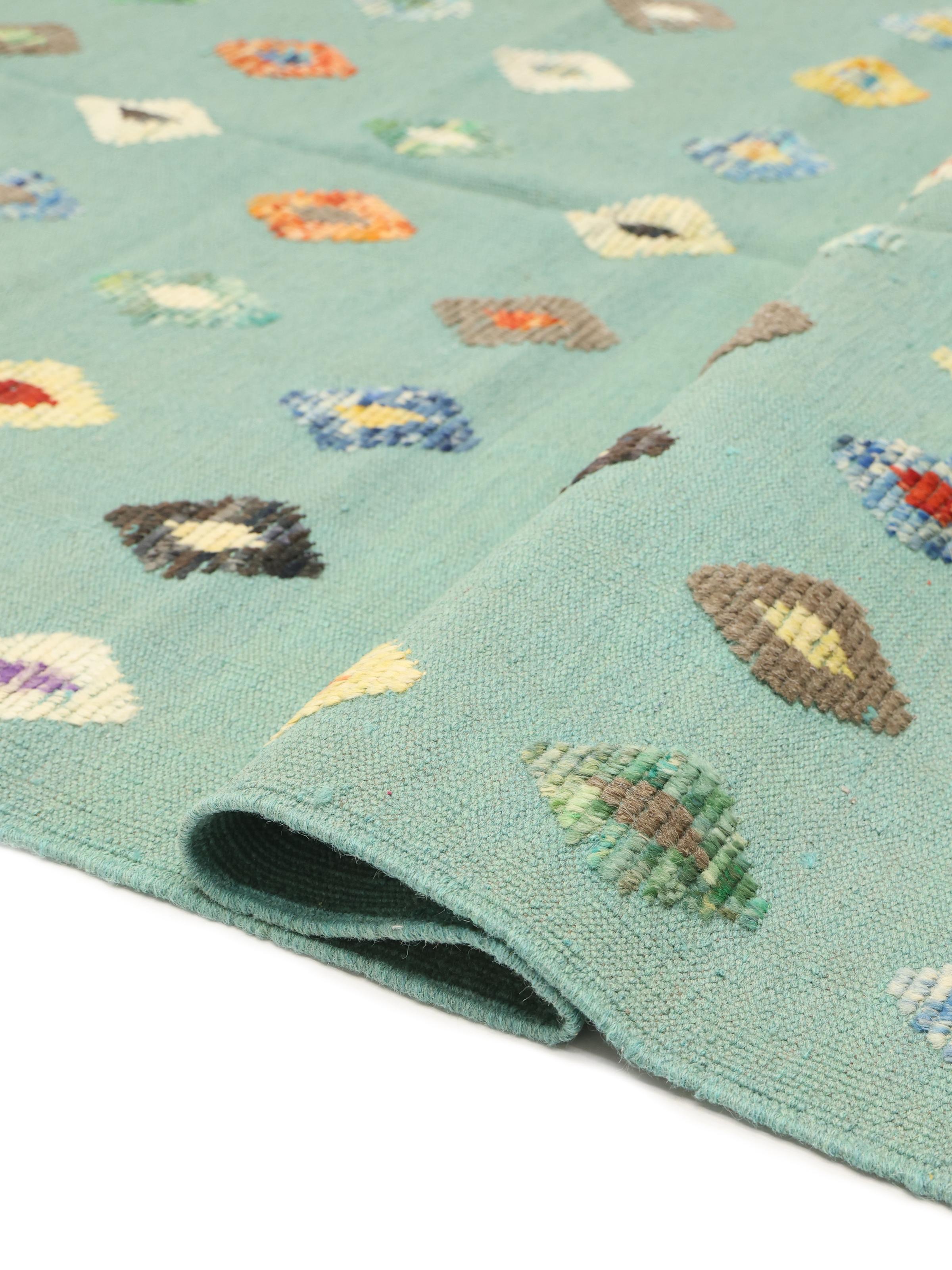
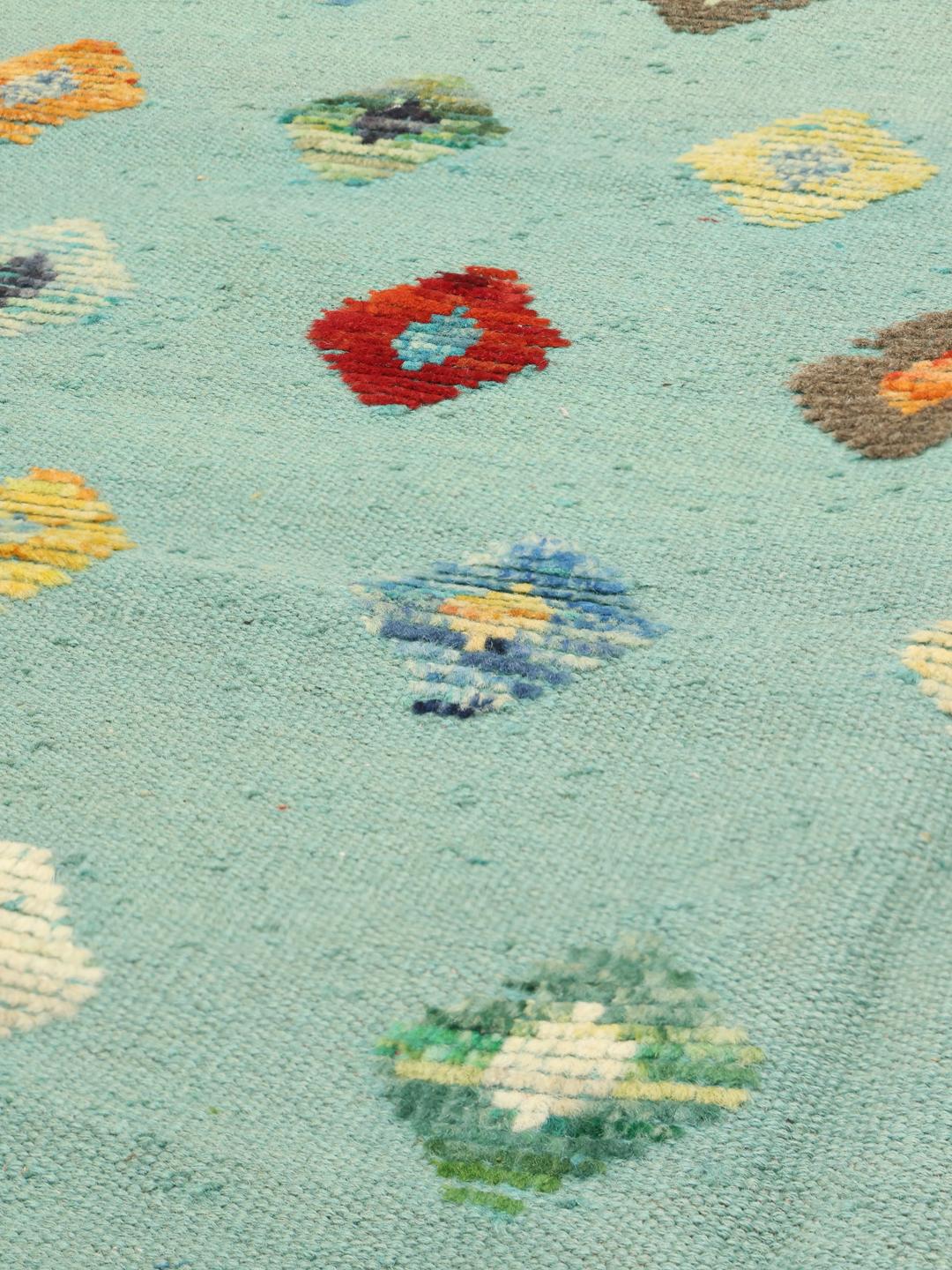
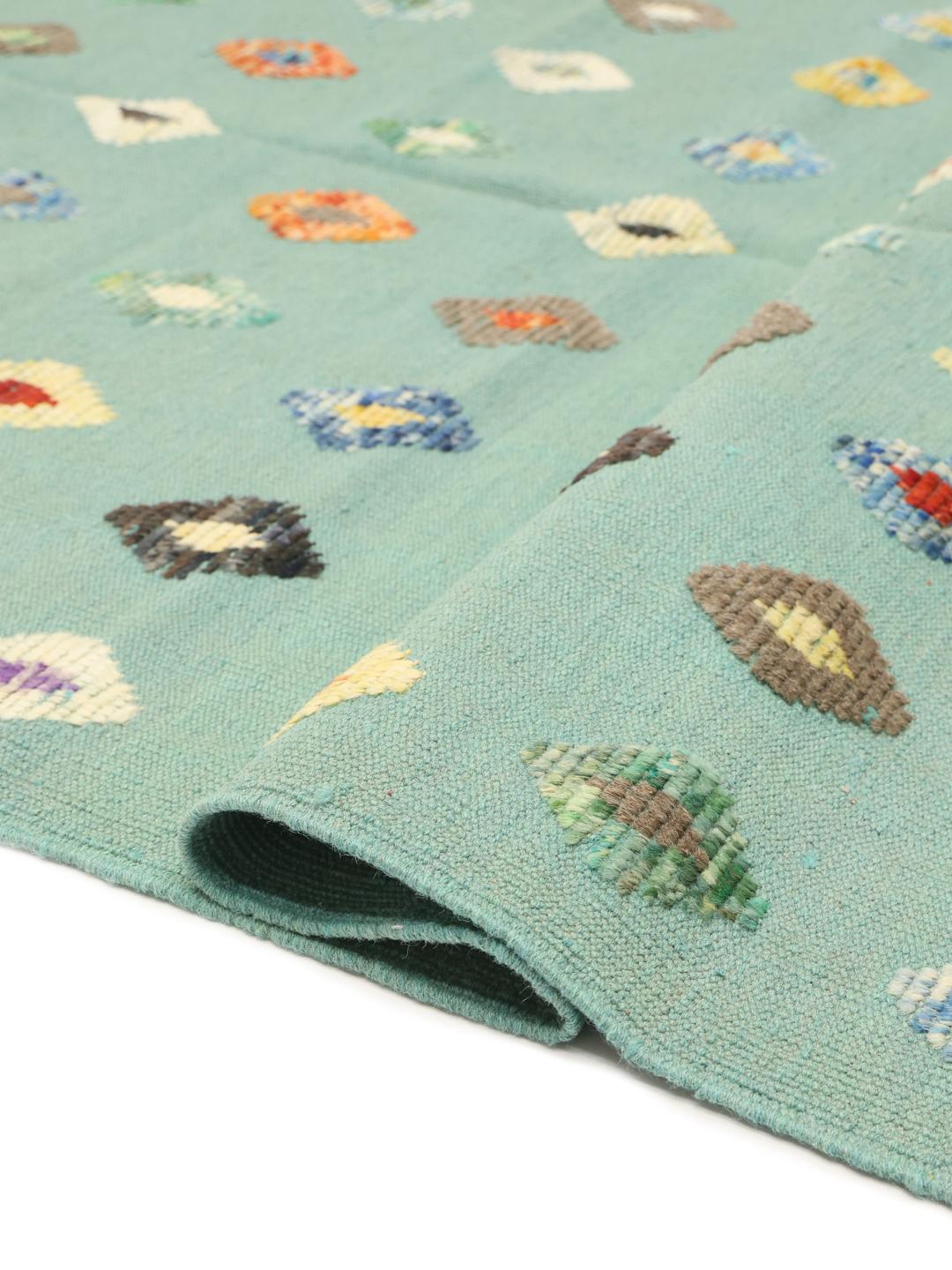
The term 'Kelim' refers to a tapestry-weave technique where the pattern is created by the weft threads, resulting in a rug that is identical on both sides and lacks the traditional pile of knotted rugs. This specific Nimbaft variety showcases a refined approach to this technique, where the tension and spacing are controlled with remarkable accuracy to achieve the crisp, geometric clarity seen in the design.
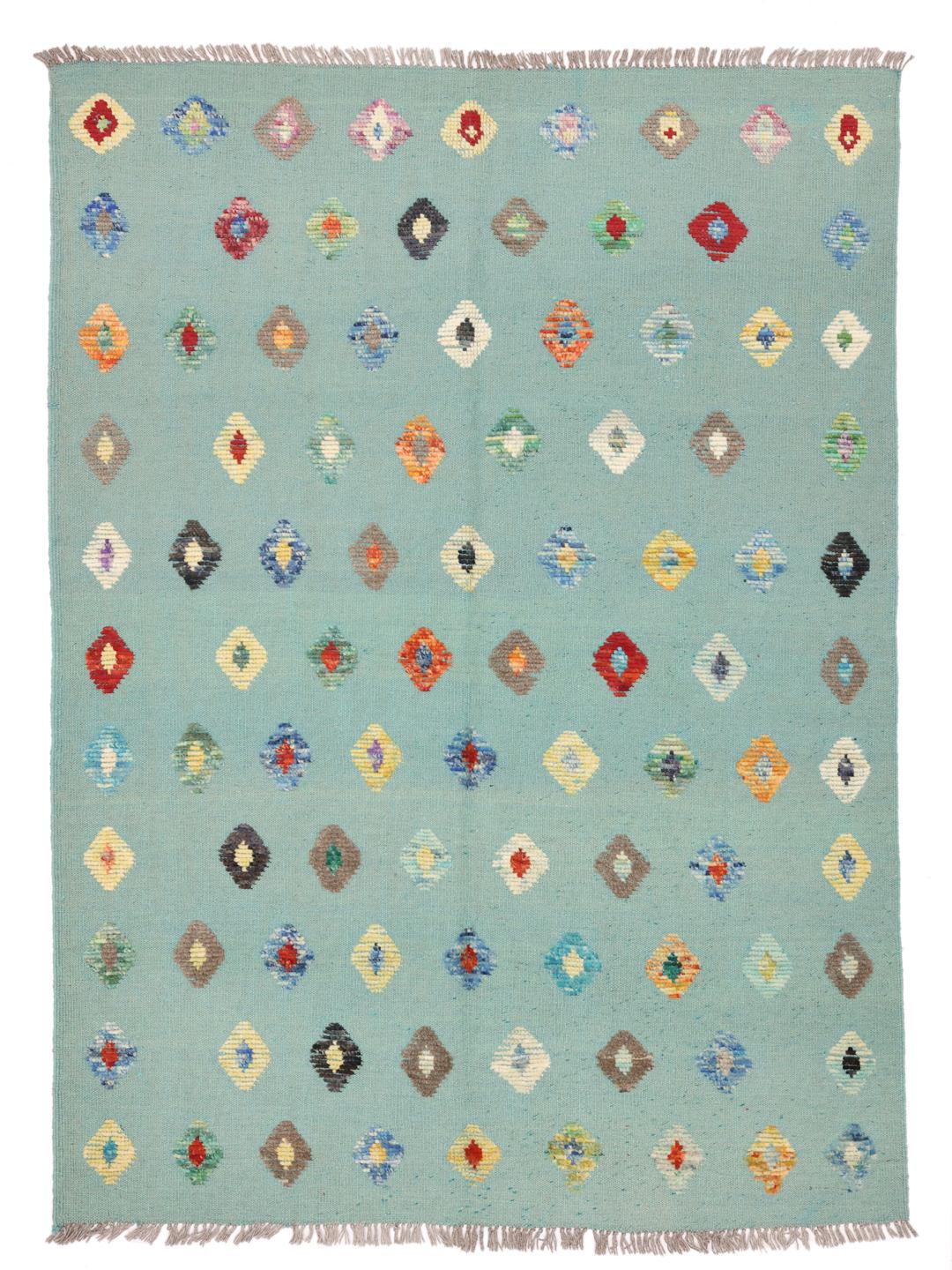
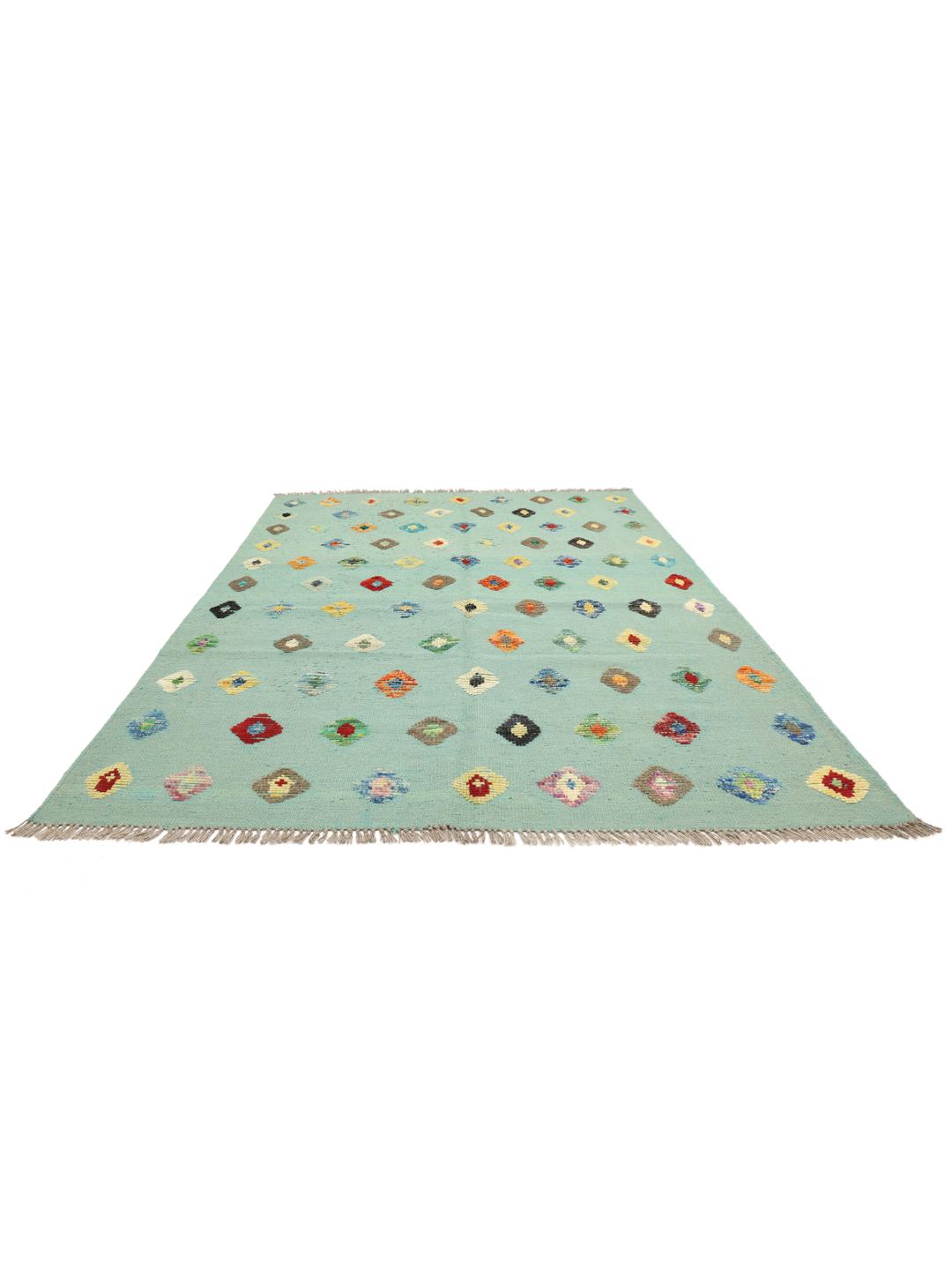
Signature to this tradition are the repeating motifs that often symbolise protection, prosperity, or the natural environment. In this particular rug, the diamond shapes are a classic motif, yet their varied colours and irregular distribution are a hallmark of the individual weaver’s creative freedom, which is a departure from more rigid, mass-produced textile traditions.
Collecting a hand-woven Afghan rug is an investment in cultural heritage and a testament to the artisan's skill. Each piece acts as a bridge to a historic craft tradition, valuing the human element above all else. By choosing this rug, you are preserving a craft that has been passed down through generations, ensuring that these distinct, storied patterns continue to have a place in the modern home.