The tradition of weaving in Afghanistan is deeply rooted in the history of Central Asia, where nomadic tribes historically created functional textiles to withstand harsh climates. Over generations, these weaving practices have evolved, blending ancient techniques with contemporary design sensibilities to meet the needs of modern homes.
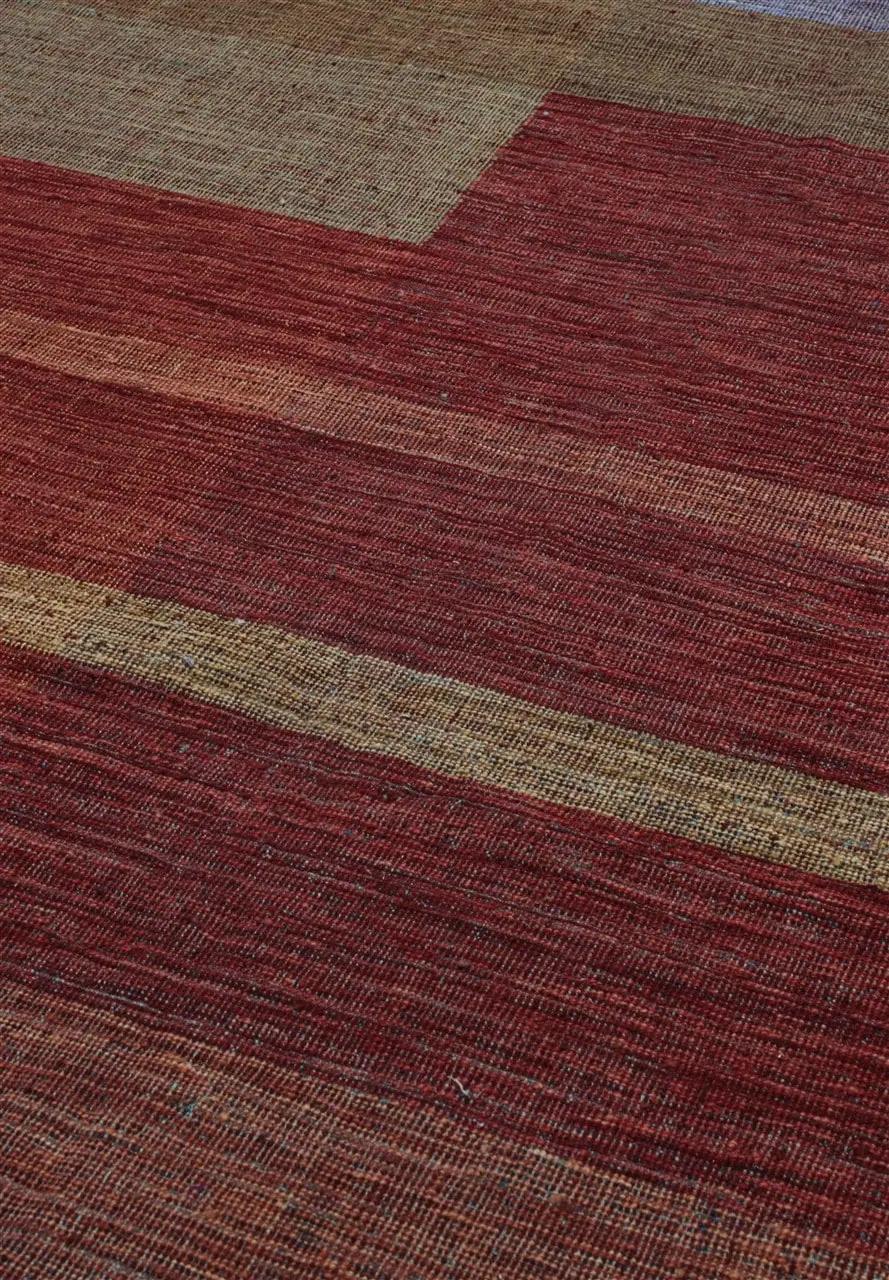
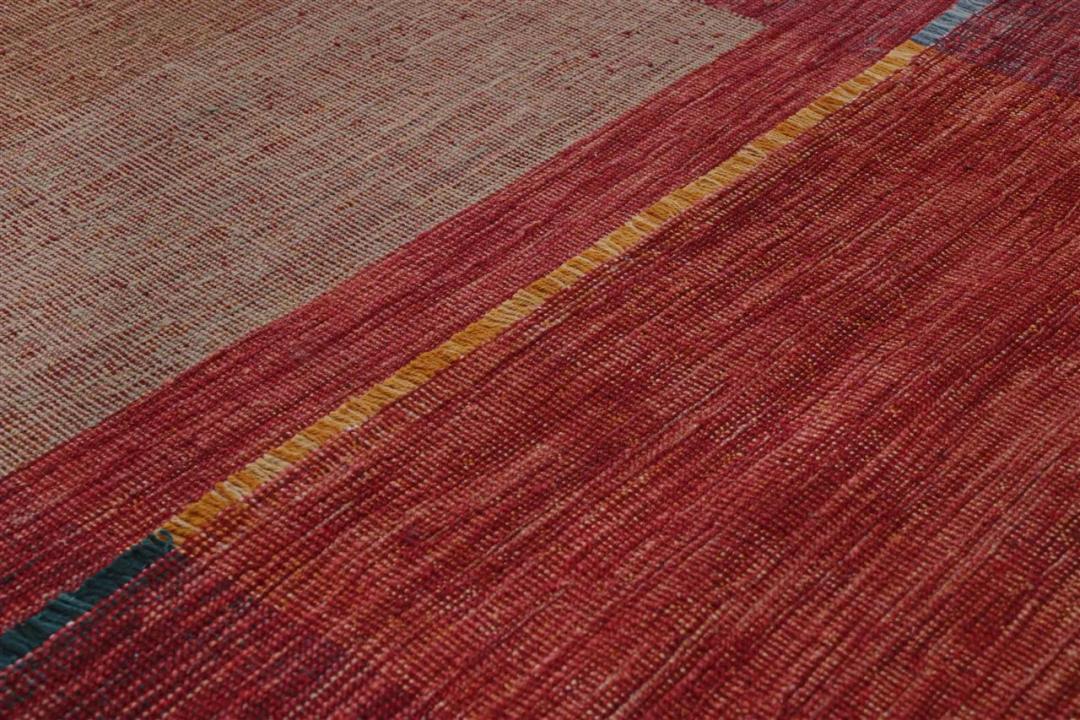
Kilim rugs are defined by their flat-woven construction, which eliminates the need for a pile foundation. This creates a thin, versatile fabric that is highly portable and remarkably durable. The absence of pile allows the intricate geometric patterns to appear sharper and more defined, showcasing the technical skill required to interlock different coloured threads seamlessly.
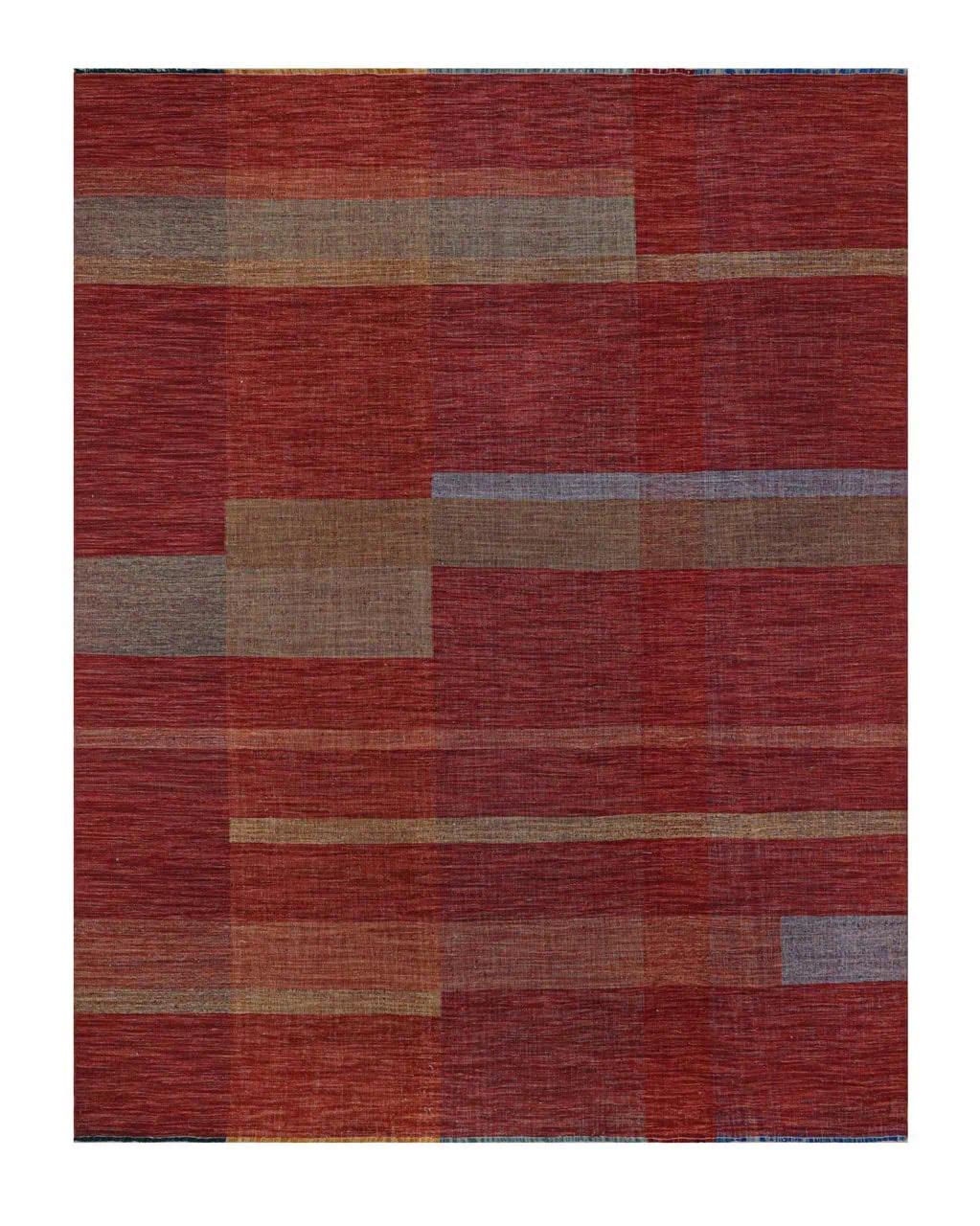
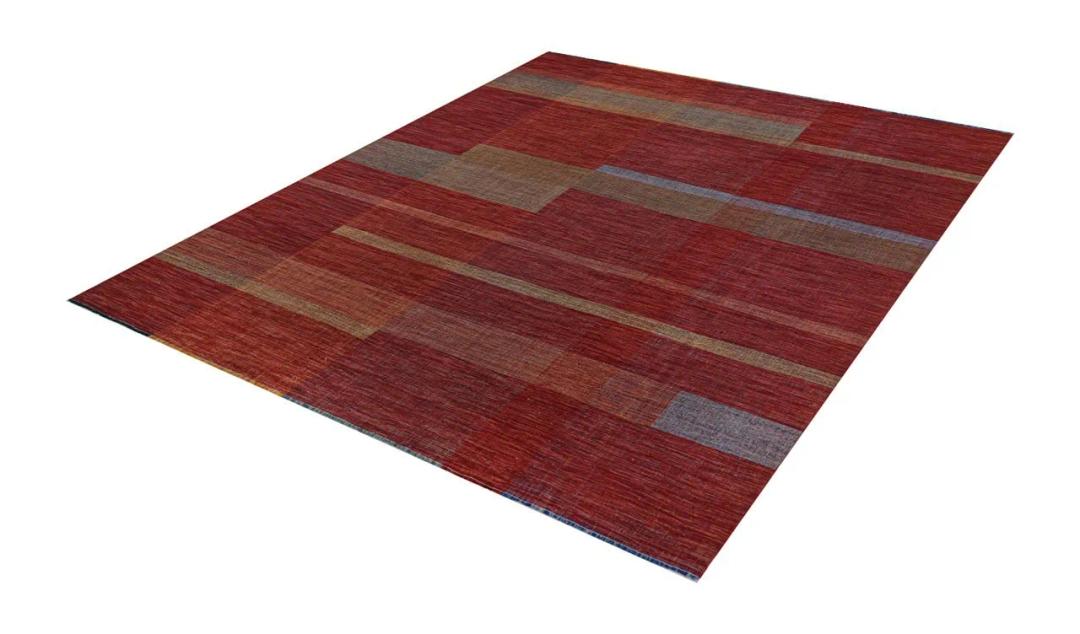
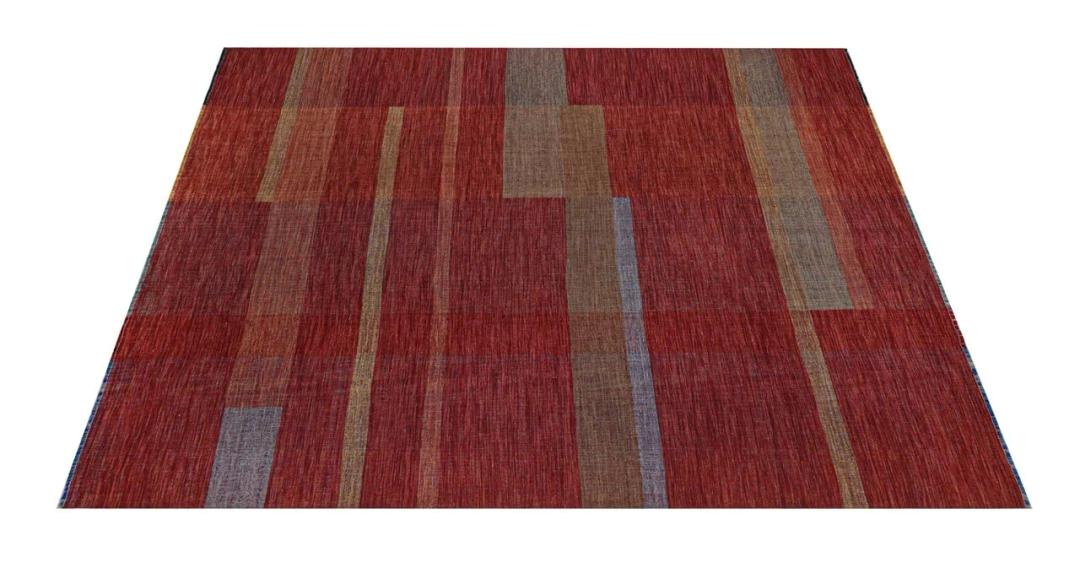
The visual language of this tradition often features bold, abstract, or geometric motifs that tell a story of regional identity. While traditional palettes often leaned on earthy, natural dyes, modern iterations frequently experiment with contemporary colour combinations to create striking contrasts. This specific piece reflects that evolution, balancing classic weaving techniques with a modern aesthetic.
Owning a hand-woven piece from this region is an investment in human skill and cultural heritage. These rugs are highly valued by collectors for their ability to bridge the gap between historical craftsmanship and current design trends. Each rug is a testament to the artisan's dedication, representing a legacy of skill that continues to define the reputation of Afghan weaving today.