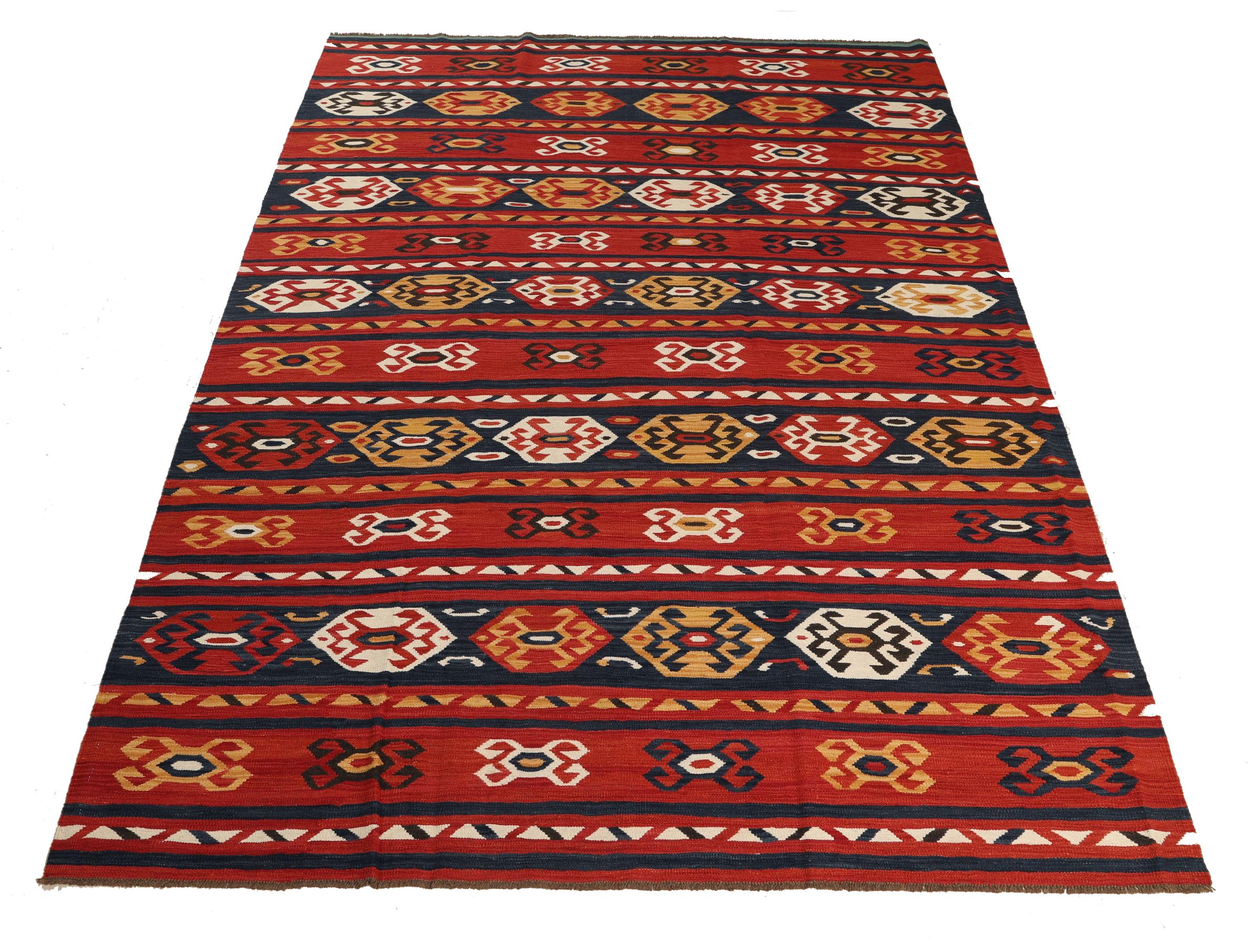
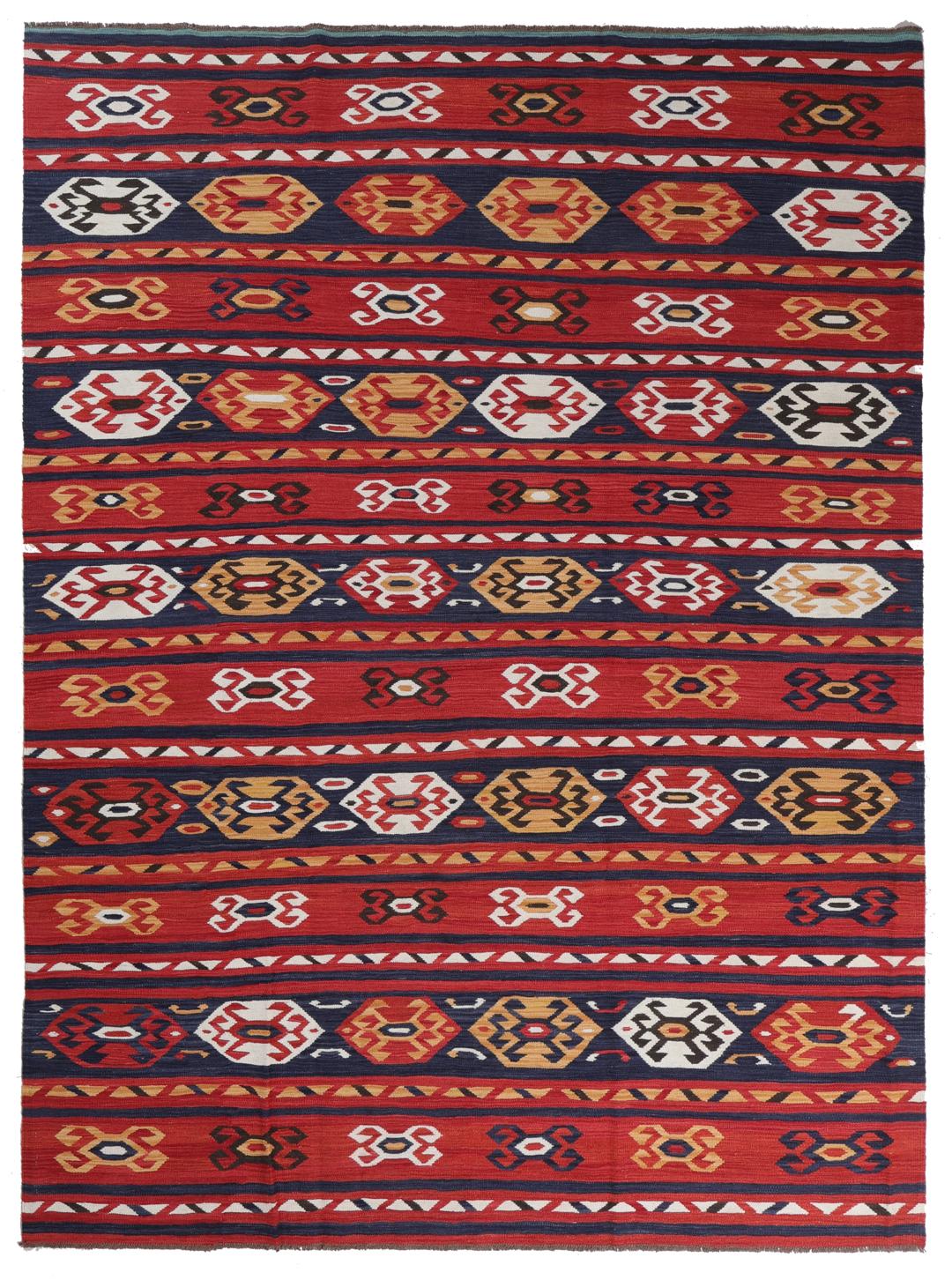
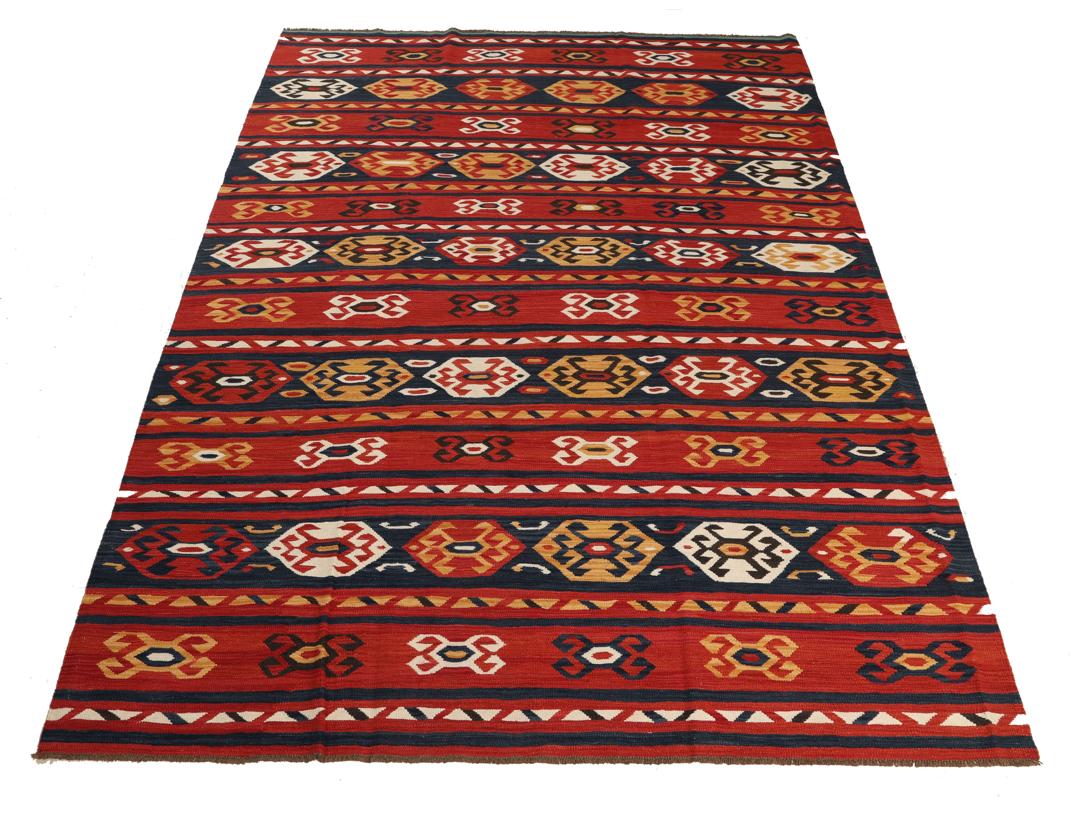
Kilim rugs are a storied tradition across the Middle East and Central Asia, serving as both functional floor coverings and artistic expressions for nomadic and settled communities alike. In Afghanistan, the art of weaving kilims is deeply embedded in the cultural fabric, with weavers utilising local, high-quality wool to create flat-woven textiles that are prized for their durability and portability.
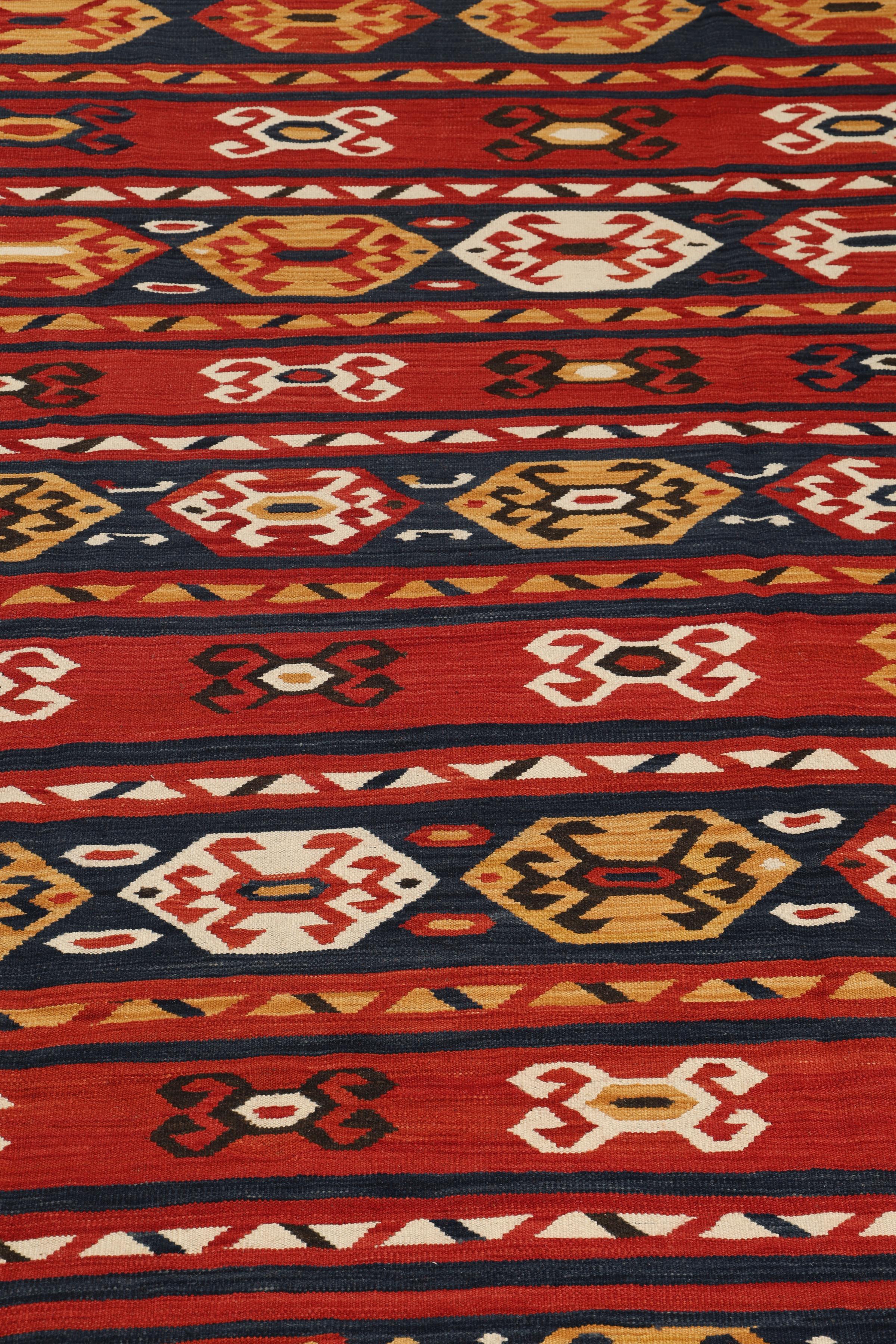
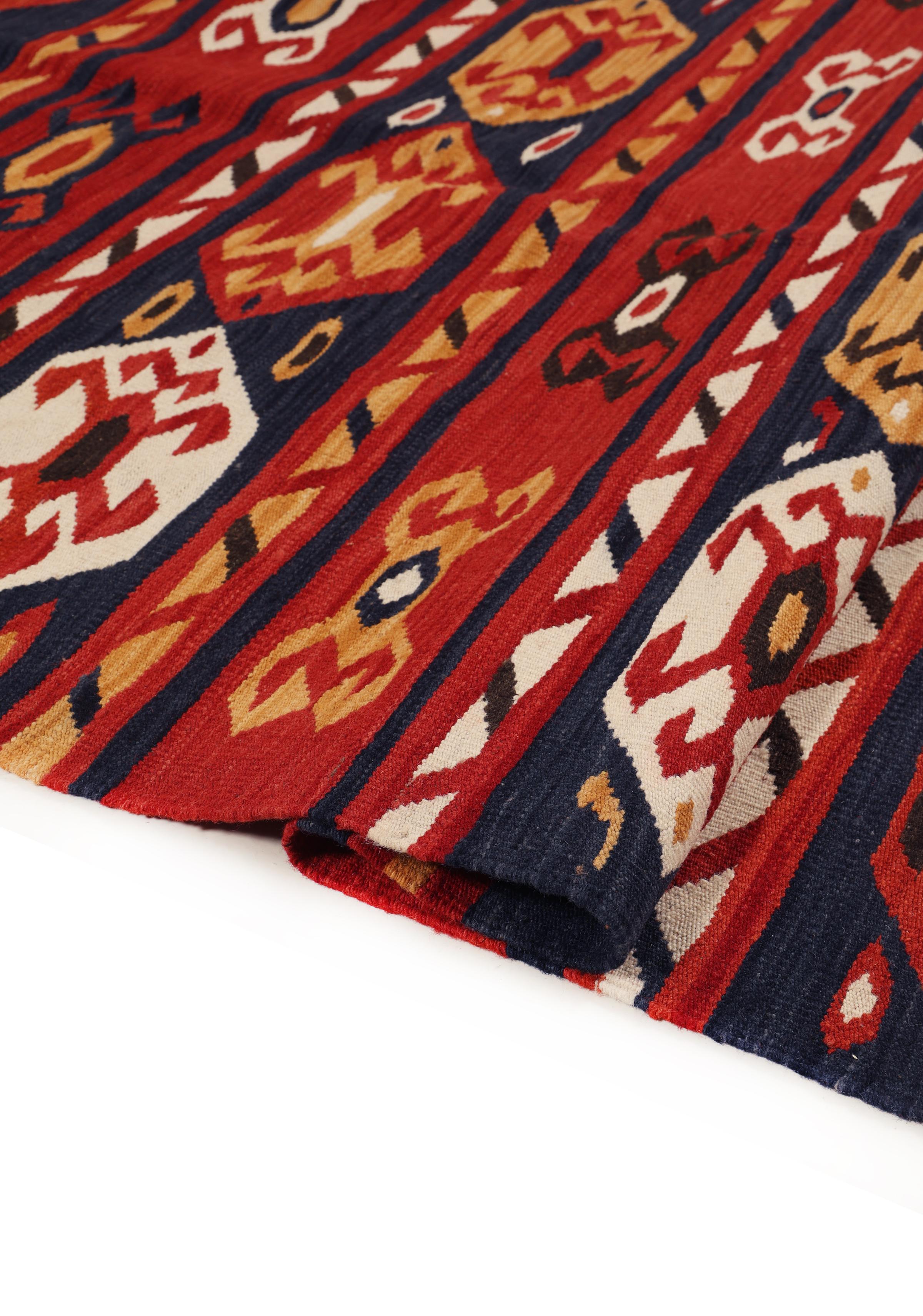
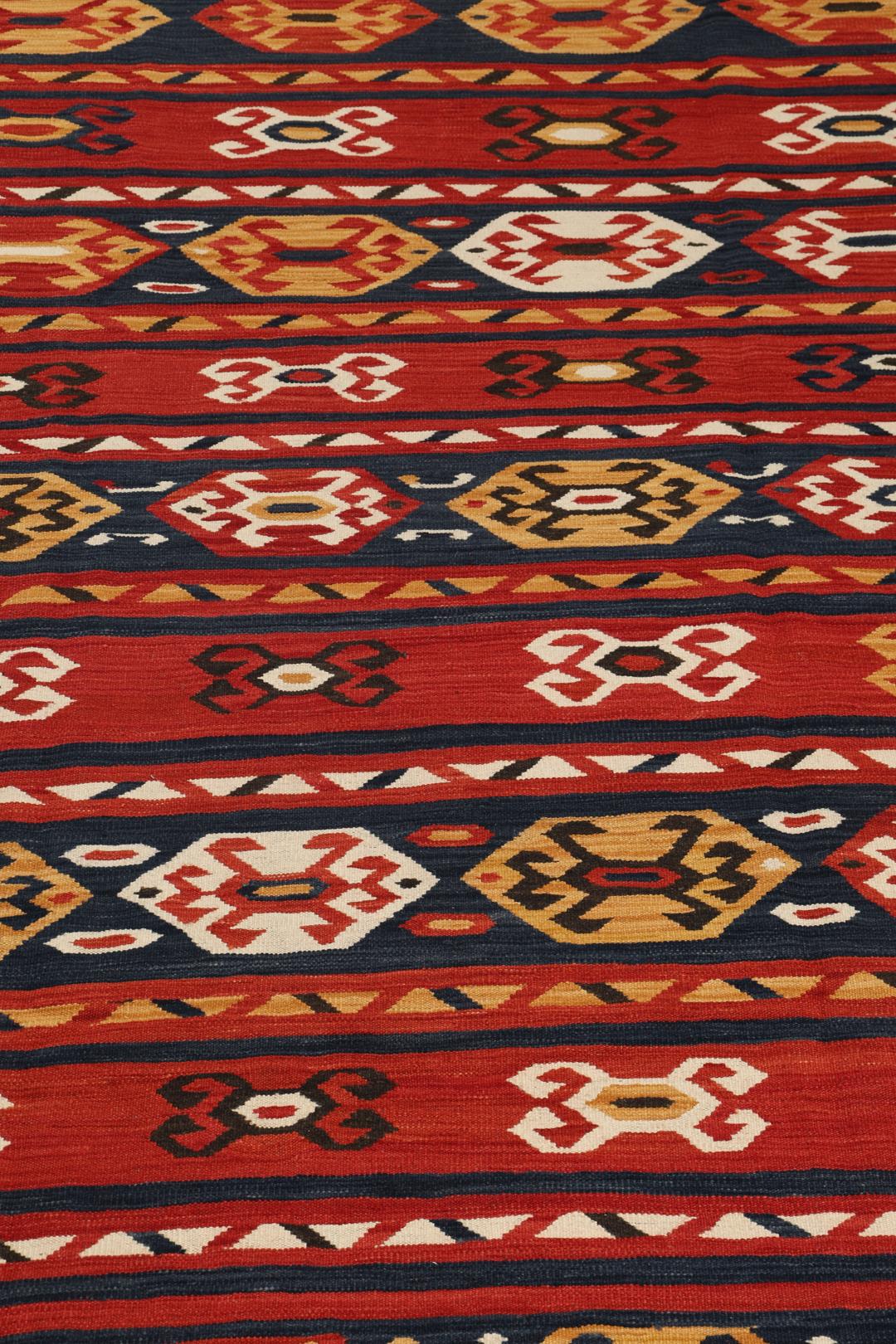
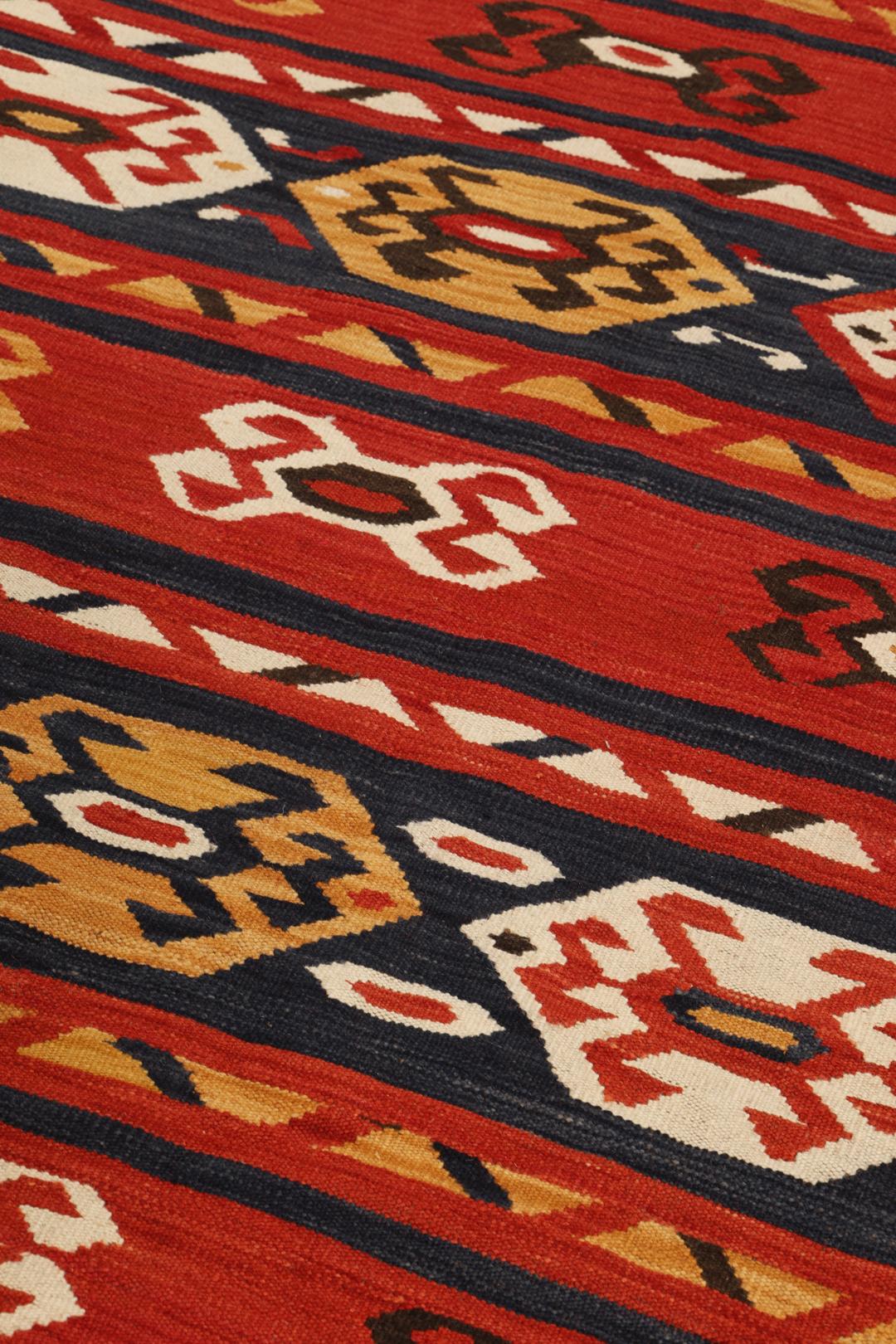
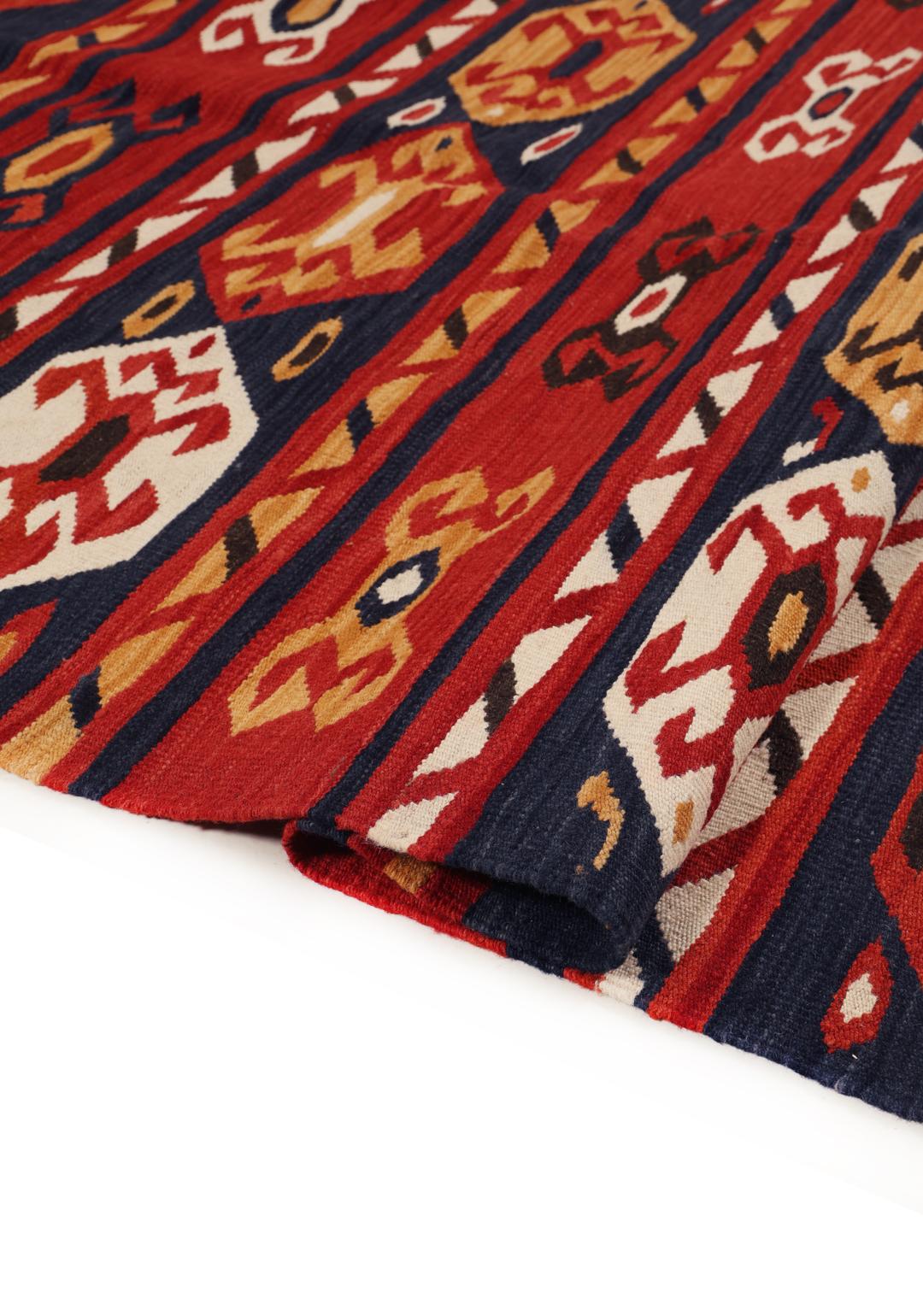
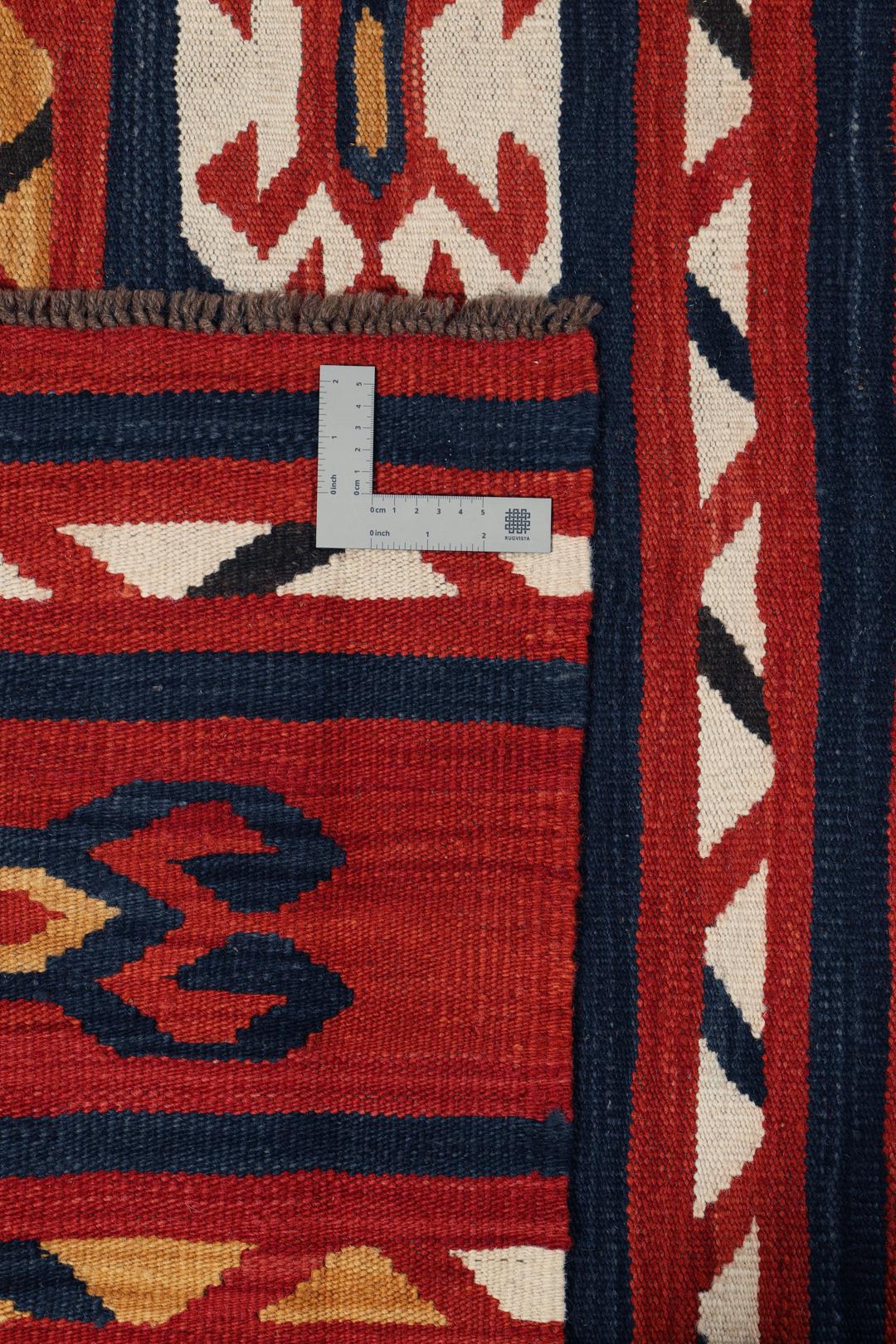
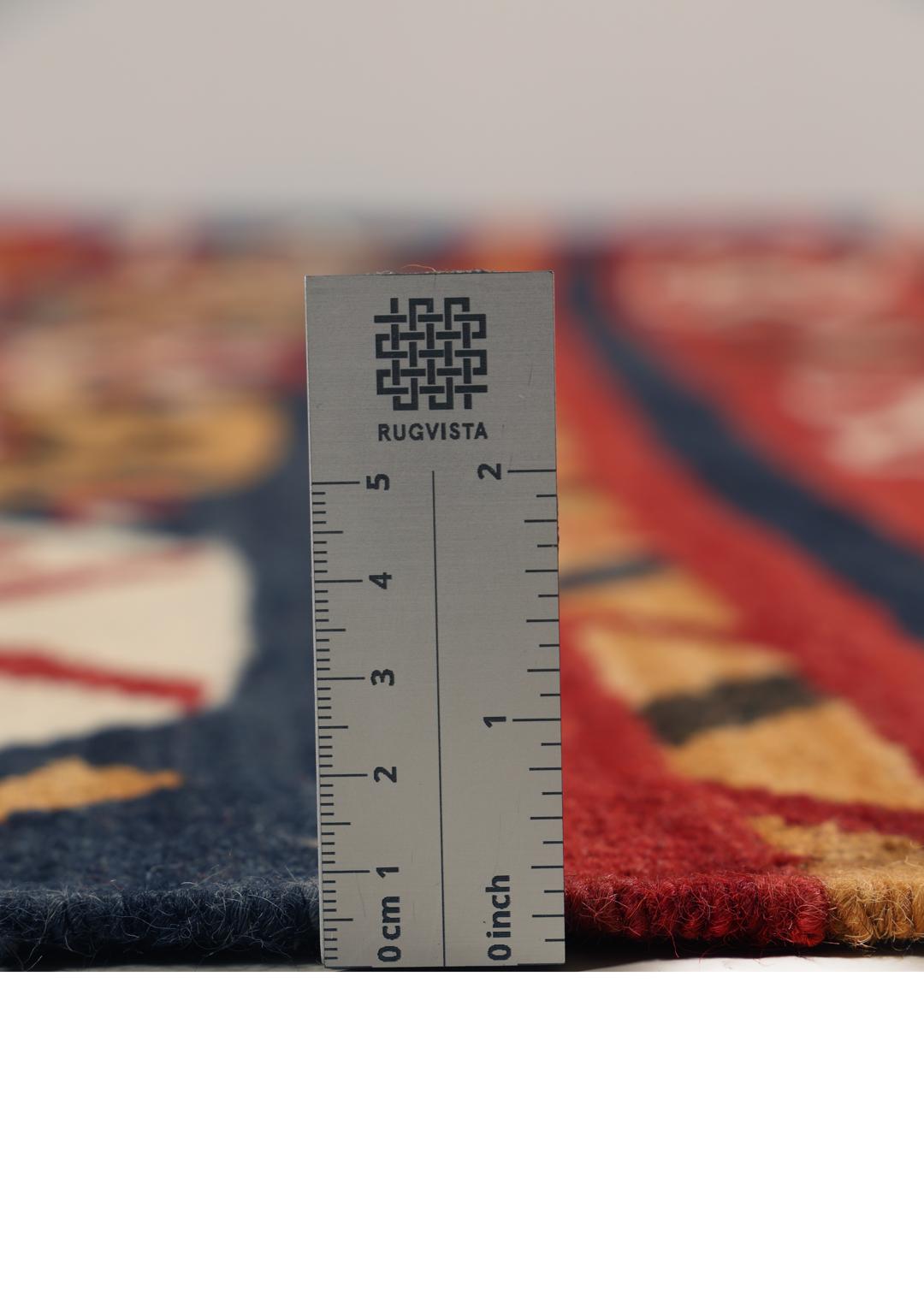
The term 'Kilim' refers to the specific technique of tapestry weaving, where the weft threads are passed through the warp threads to create the pattern. Unlike knotted rugs, this process creates a smooth, pileless surface on both sides, which makes these rugs incredibly versatile. The precision required in this technique is significant, as the weaver must maintain perfect tension across the entire width to ensure the rug remains flat and the patterns remain sharp.
The design language of this Afghan piece is rooted in ancient geometric motifs, often featuring rows of stylised medallions and tribal symbols. These patterns are not merely decorative; they often serve as a visual language representing the weaver's environment, beliefs, and heritage. The use of repeating motifs arranged in a balanced layout is a hallmark of the tradition, creating a rhythm that is both calming and visually engaging.
Collecting a hand-woven Kilim is an investment in cultural heritage and human skill. These rugs are valued for their ability to bring a sense of history into a contemporary home, bridging the gap between ancient craft and modern living. By acquiring this piece, you are preserving a tradition of excellence and supporting the artisans who keep these time-honoured techniques alive.