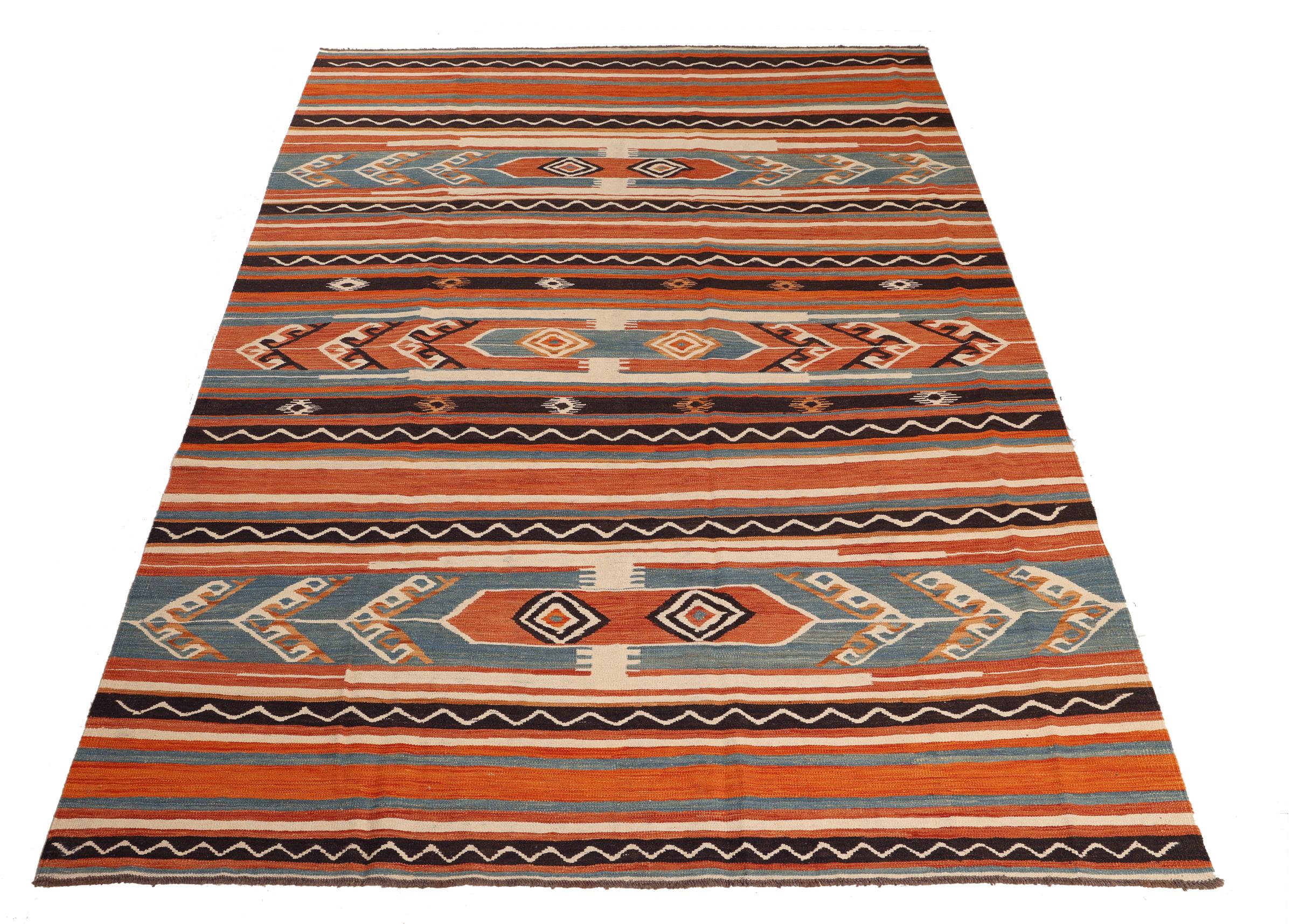
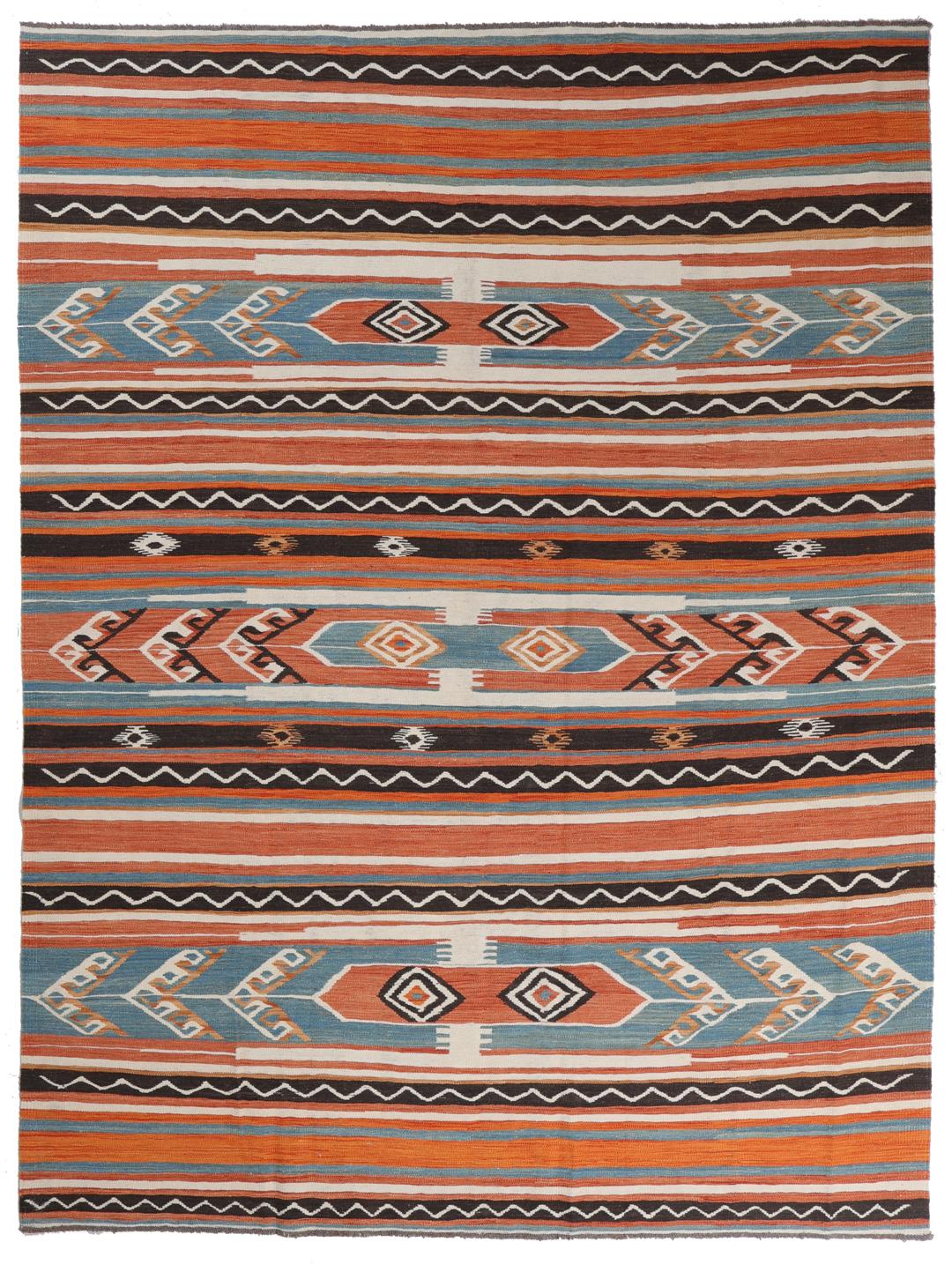
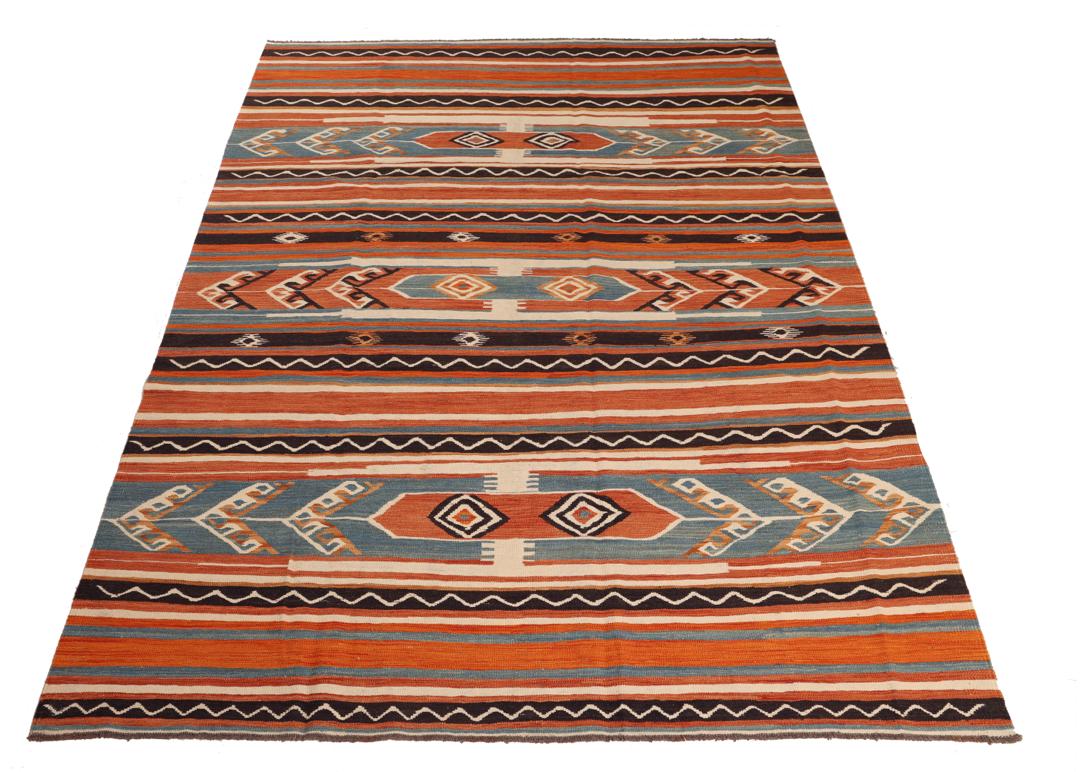
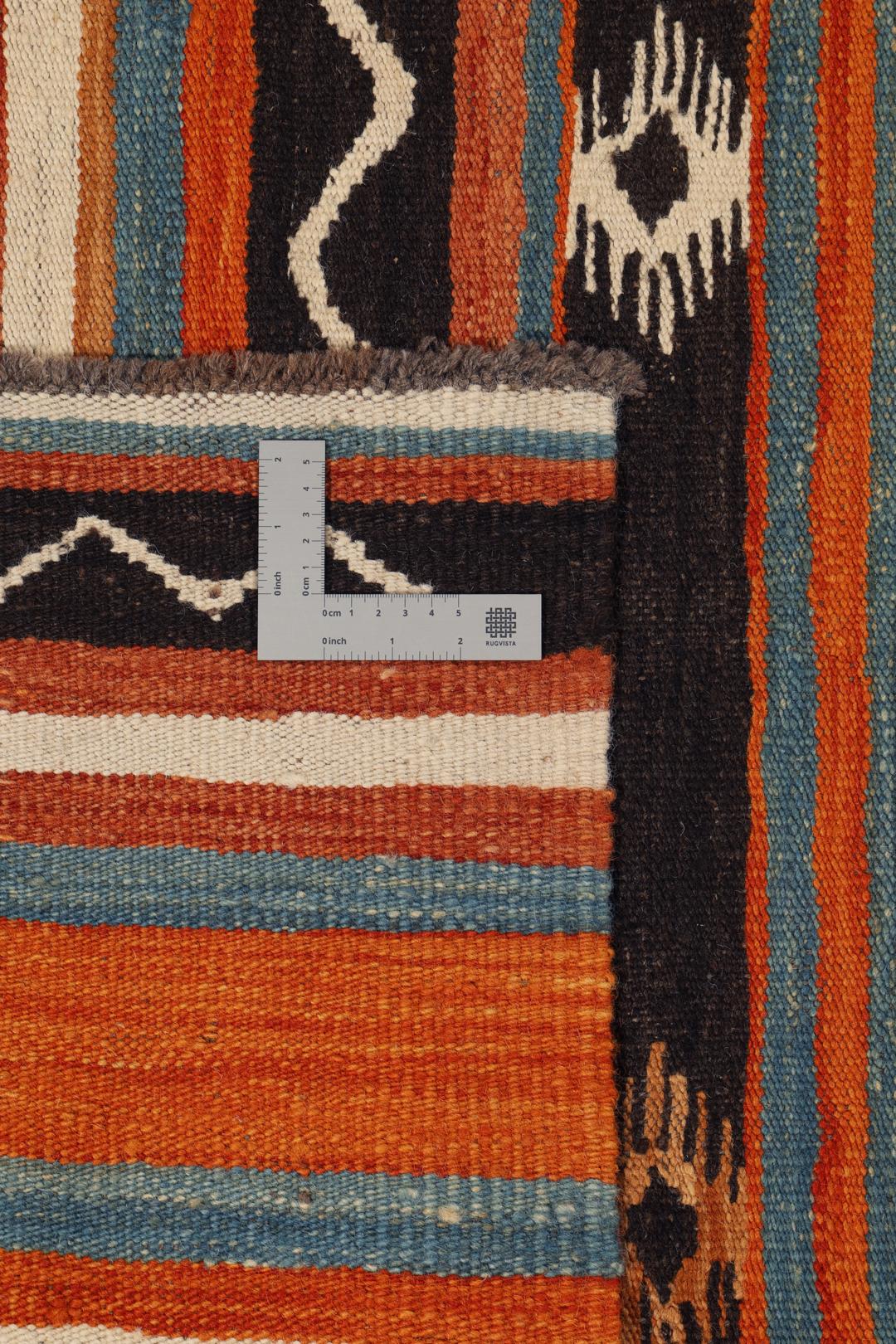
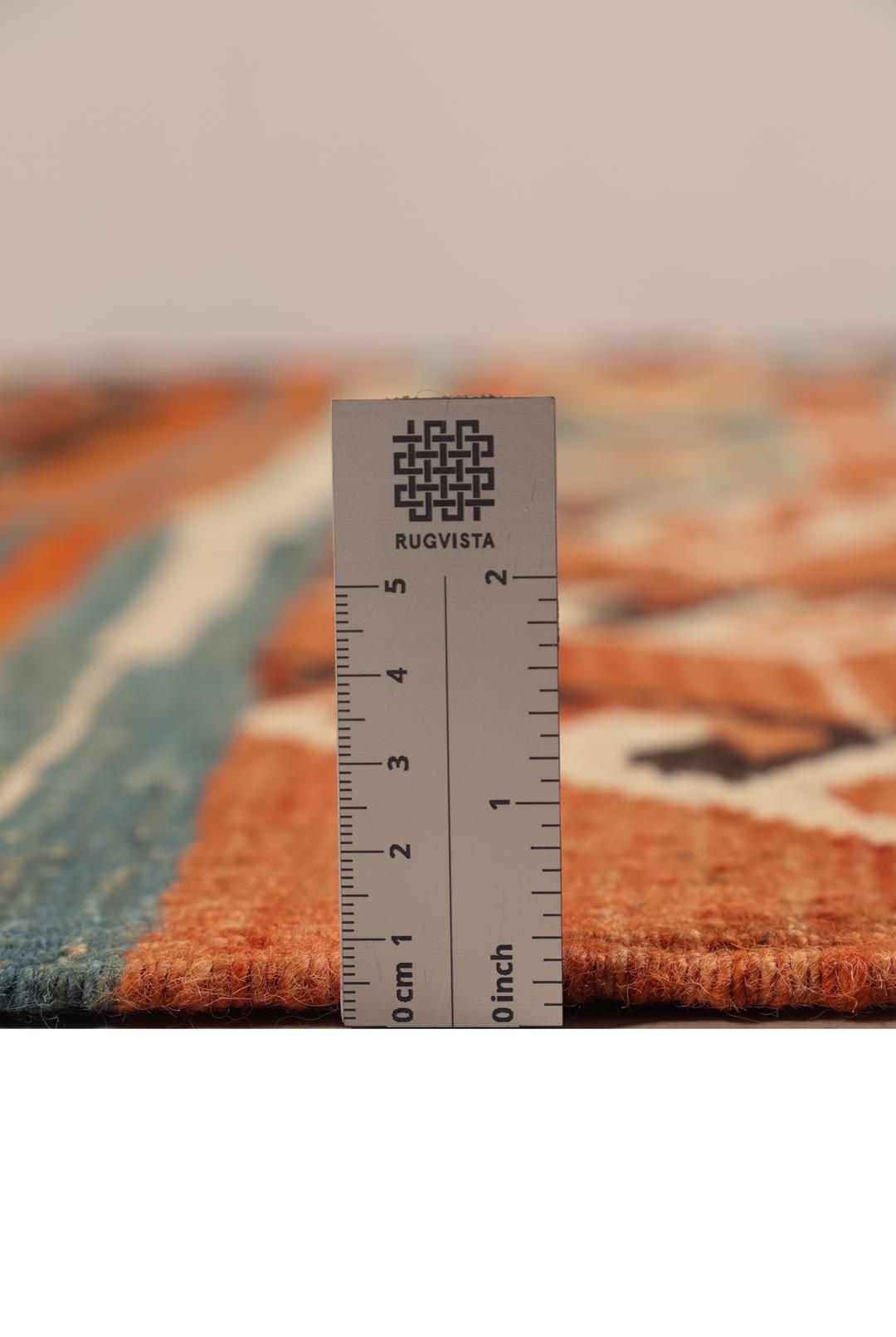
Kilim rugs originate from the nomadic traditions of the Middle East and Central Asia, where they were traditionally crafted as functional, portable floor coverings and wall hangings. The term 'kilim' refers to a specific flat-weaving technique rather than a particular design, making these textiles some of the most versatile and historically significant rugs in the world.
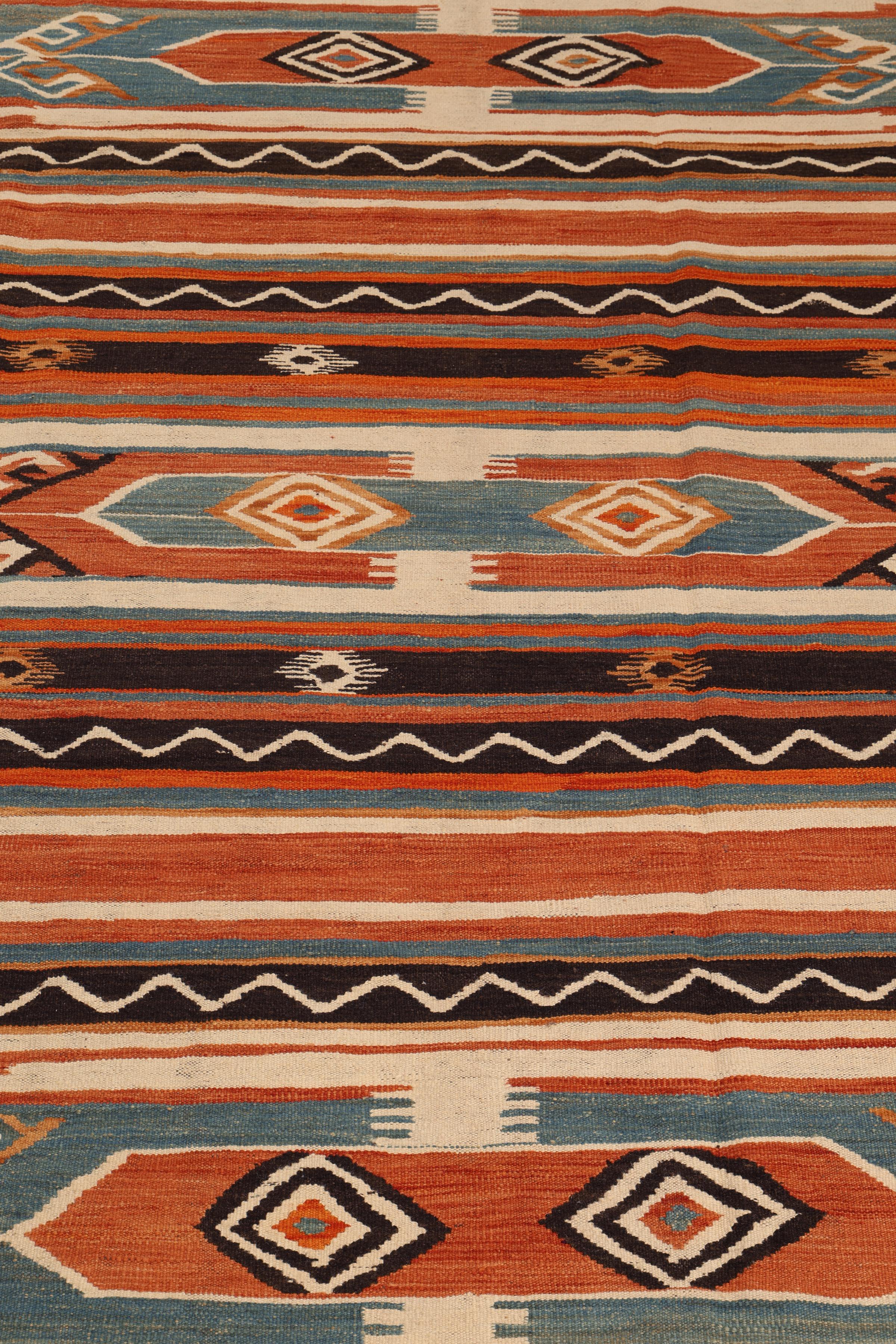
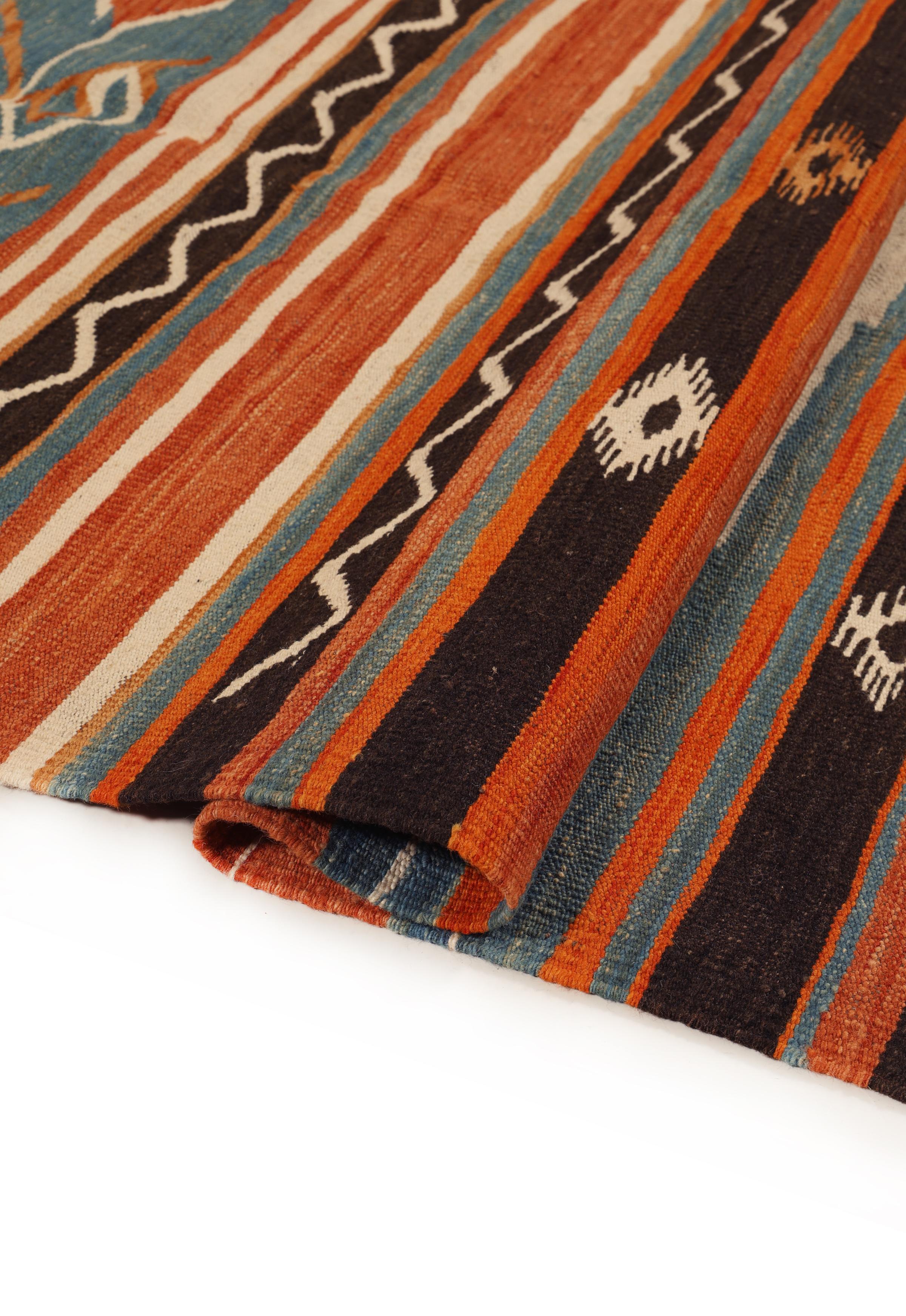
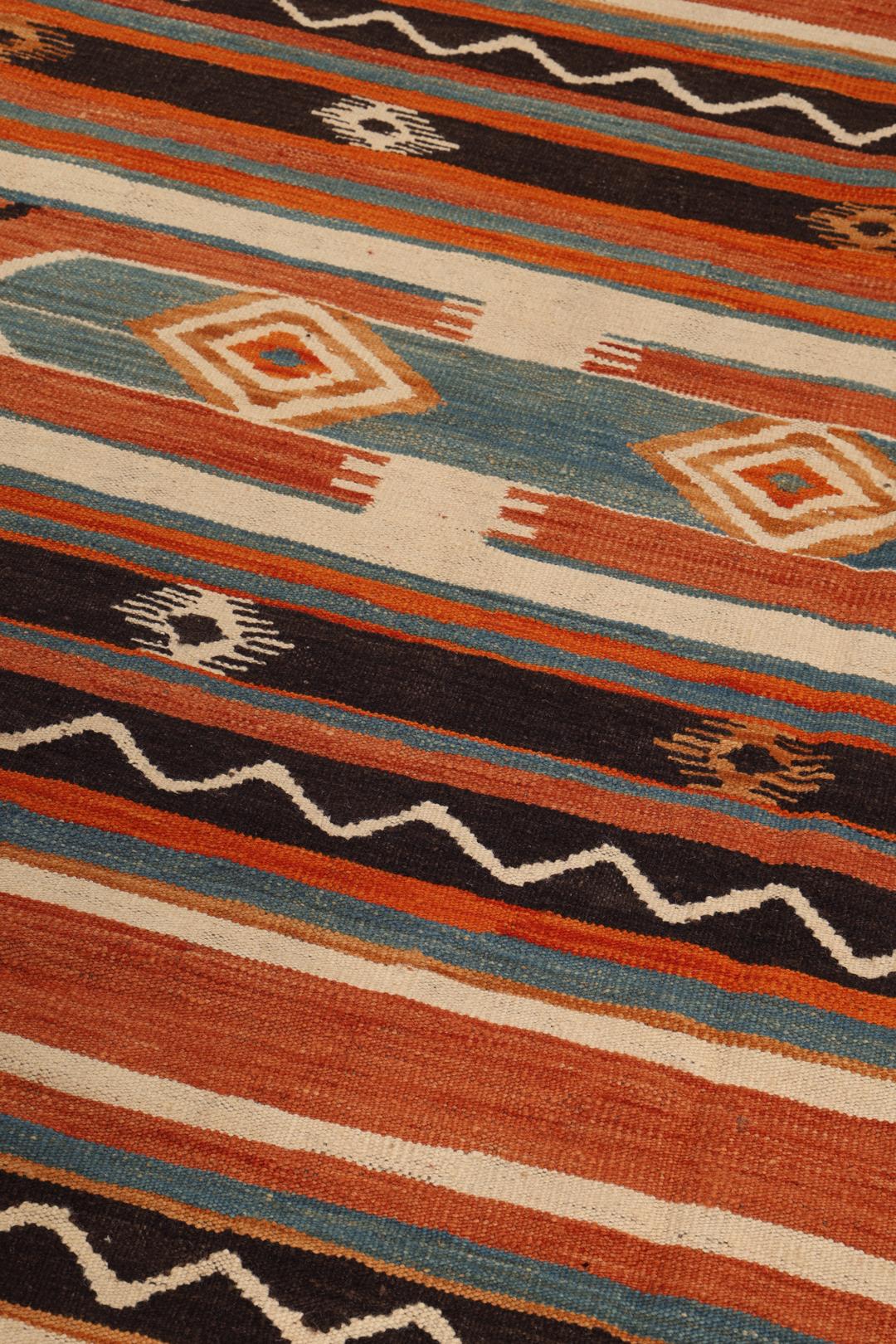
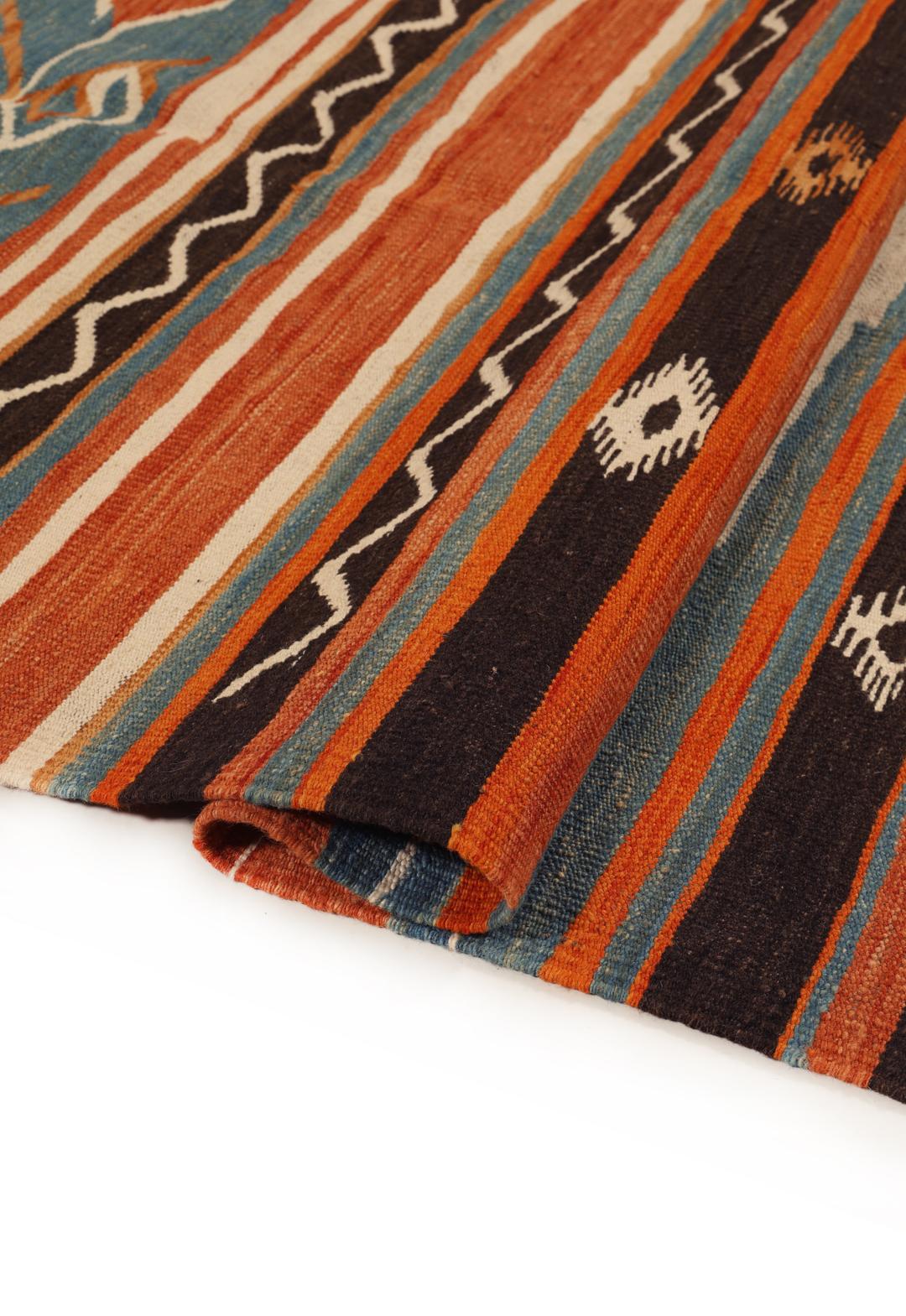
Unlike pile rugs, kilims are created by interweaving the weft and warp threads, a technique that produces a thinner, lighter, and reversible textile. This method requires the weaver to carefully manage the colour changes, often using a slit-weave technique to create the crisp, geometric shapes that define the style. This process demands a high level of expertise to ensure the rug remains durable despite its lack of a knotted pile.
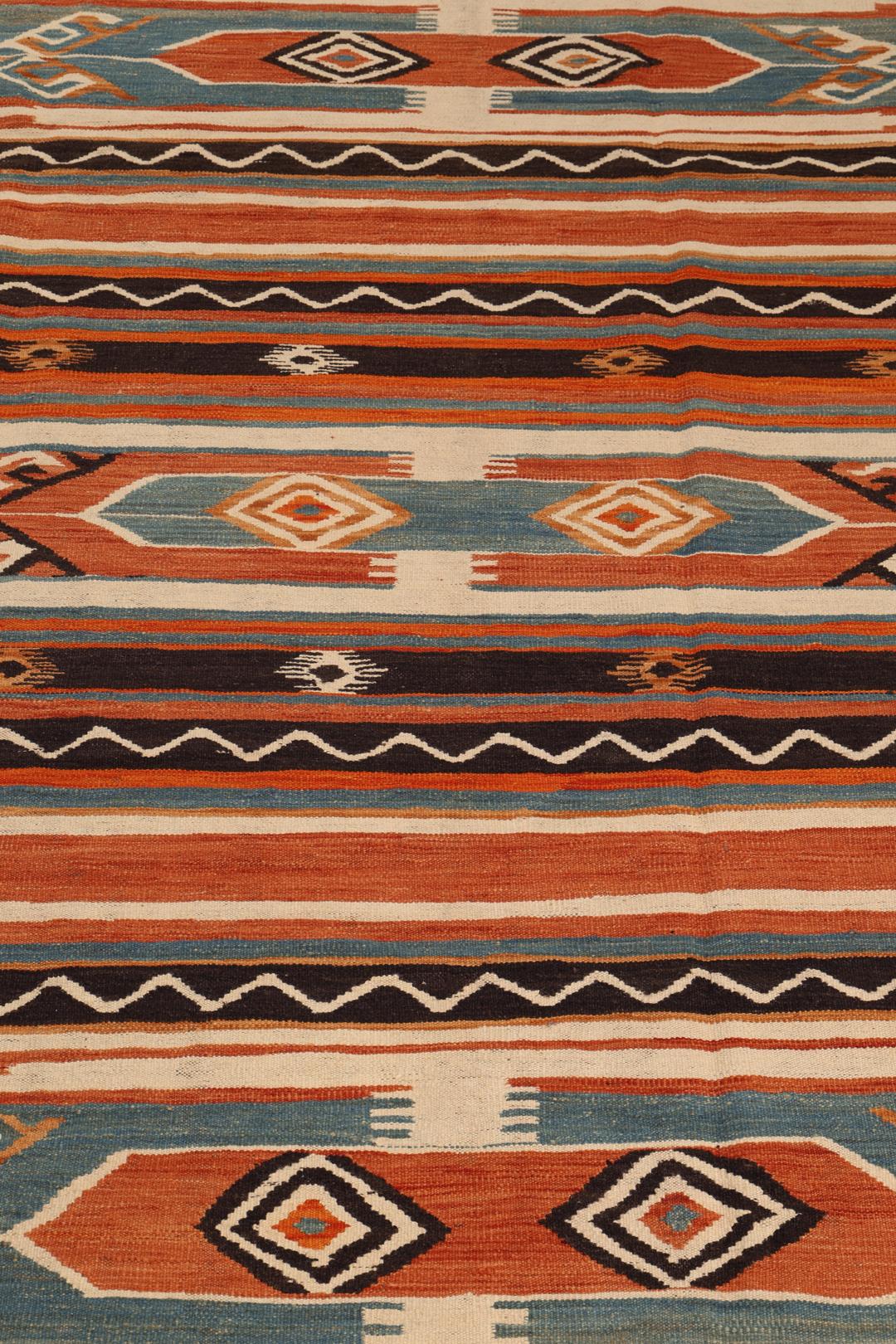
The design language of this tradition is rooted in symbolic motifs and bold geometry, often influenced by the local culture and environment of the weaver. You will typically find repeating patterns, sharp triangles, and stylized floral elements that reflect a long history of tribal storytelling. The use of vibrant, natural dyes has historically defined these rugs, though modern interpretations continue to honour this heritage while adapting to contemporary interiors.
Today, these rugs are highly valued by collectors for their authenticity and the human effort required to produce them. Owning a kilim is not just about floor decor; it is about preserving a legacy of craft that has survived for generations. Each piece acts as a bridge to the past, offering a sense of heritage and connection to the nomadic cultures that first perfected these intricate, flat-woven designs.