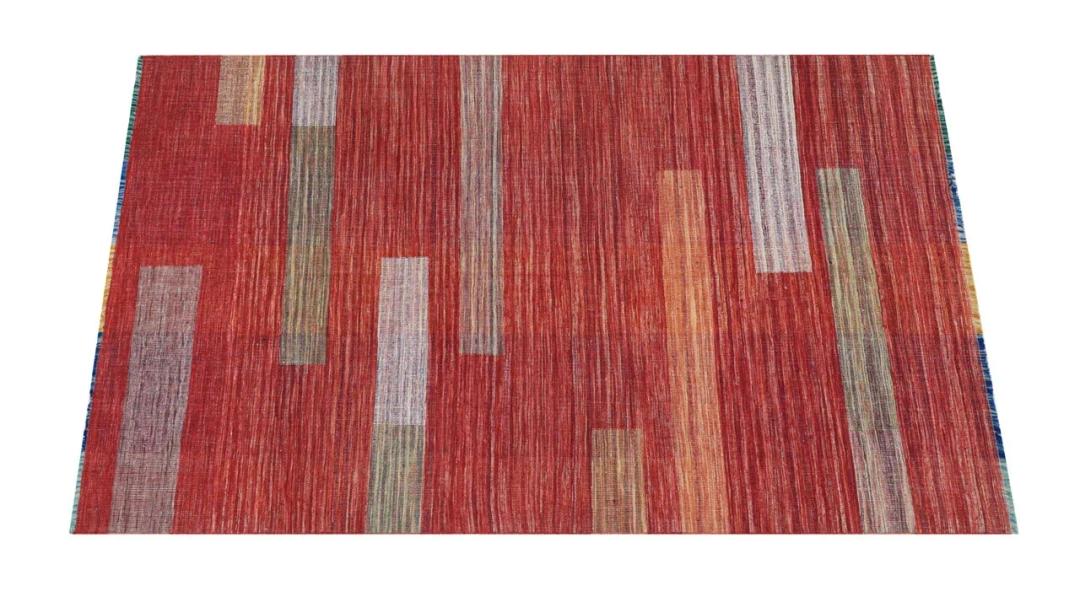
Kilim rugs are a cornerstone of Middle Eastern textile history, celebrated for their flat-woven technique that predates knotted pile rugs. Traditionally created by nomadic and semi-nomadic tribes across the region, these rugs were designed to be both portable and durable, serving as floor coverings, wall hangings, and functional storage bags for families on the move.
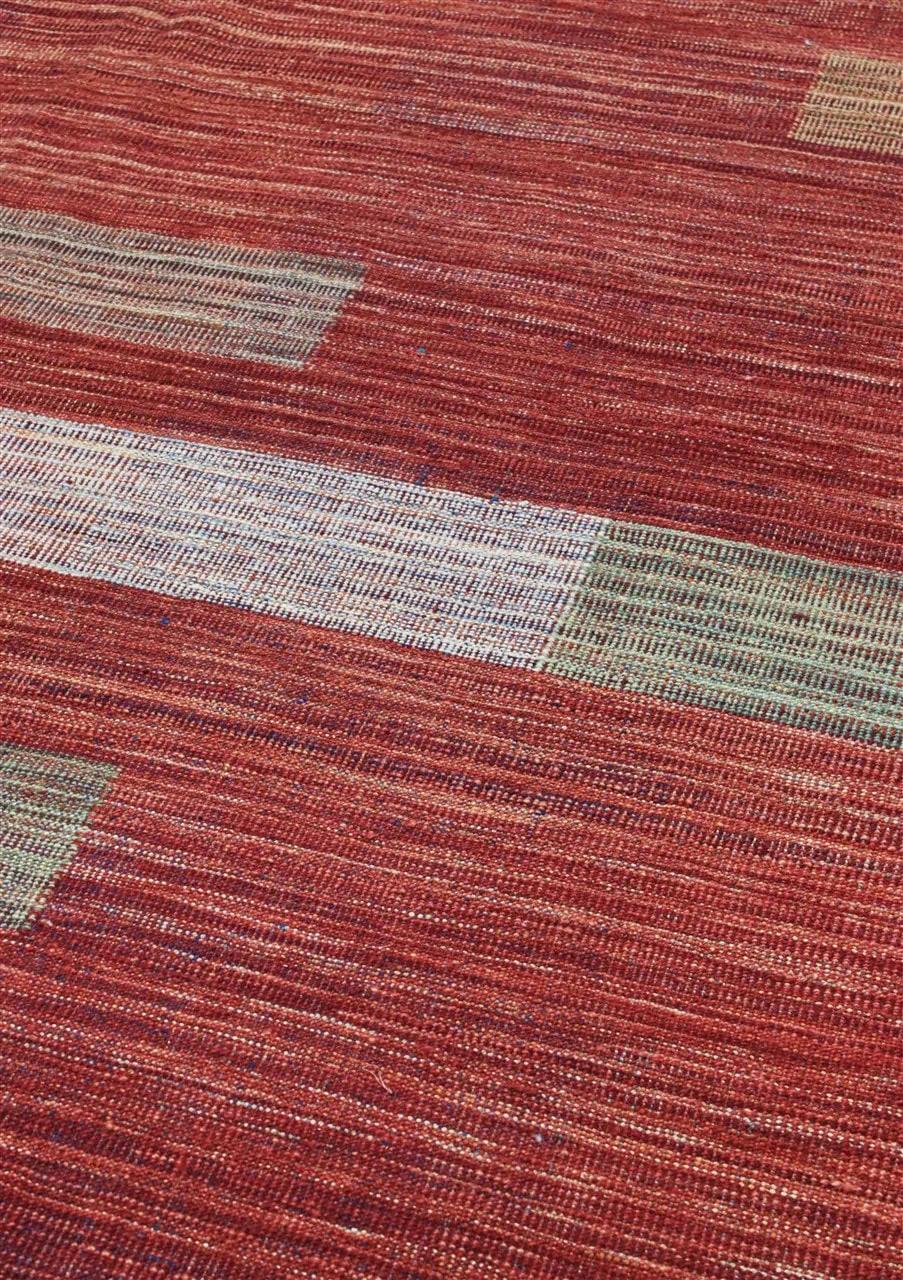
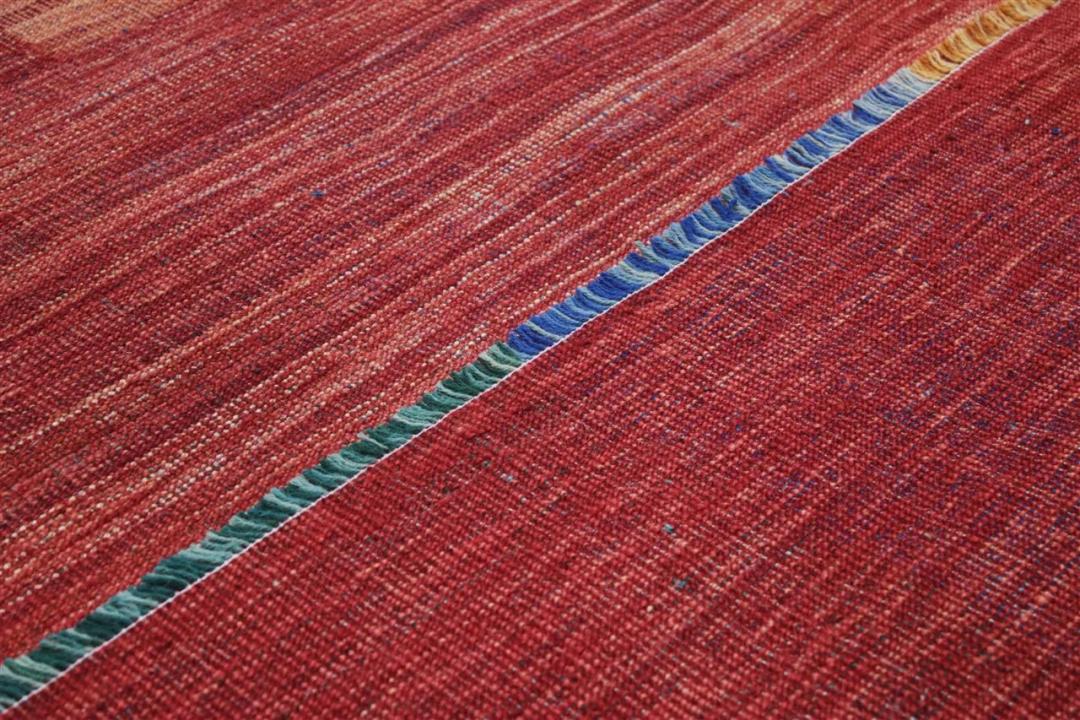
The term kilim refers specifically to the slit-weave construction, where the weft threads are pulled tightly against the warp to create a smooth, pattern-dense surface. This technical approach allows for crisp geometric designs and sharp colour transitions, as the weaver builds the pattern by switching thread colours at the precise point where a motif changes.
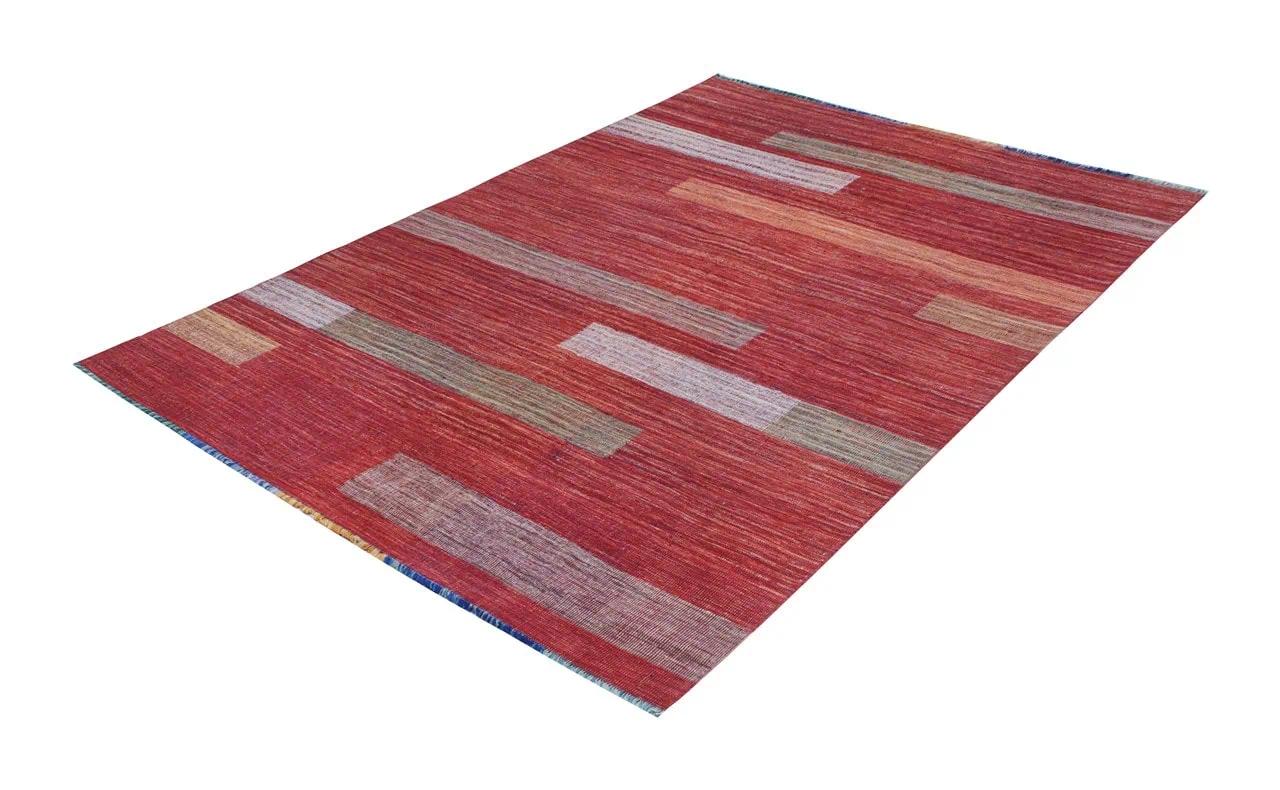
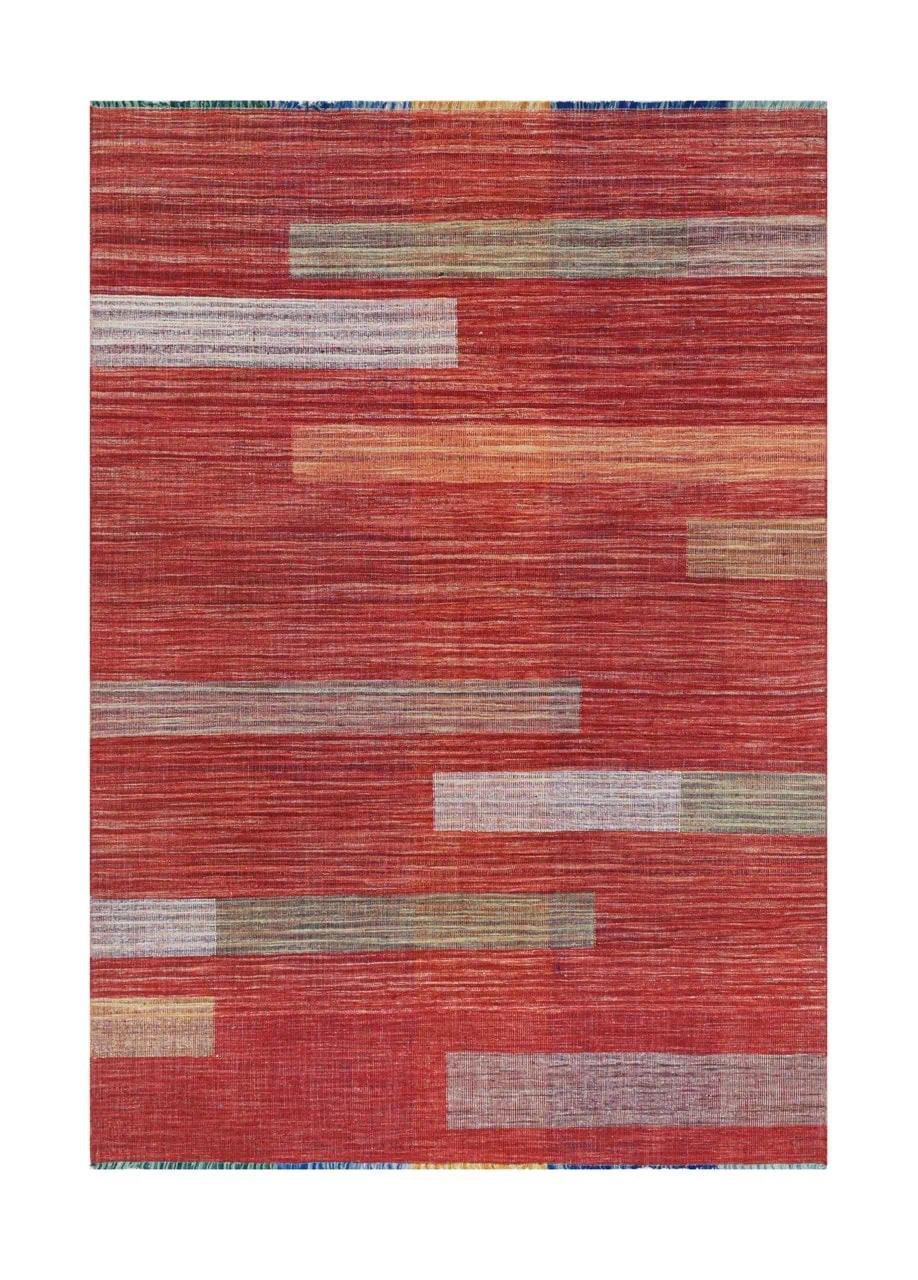
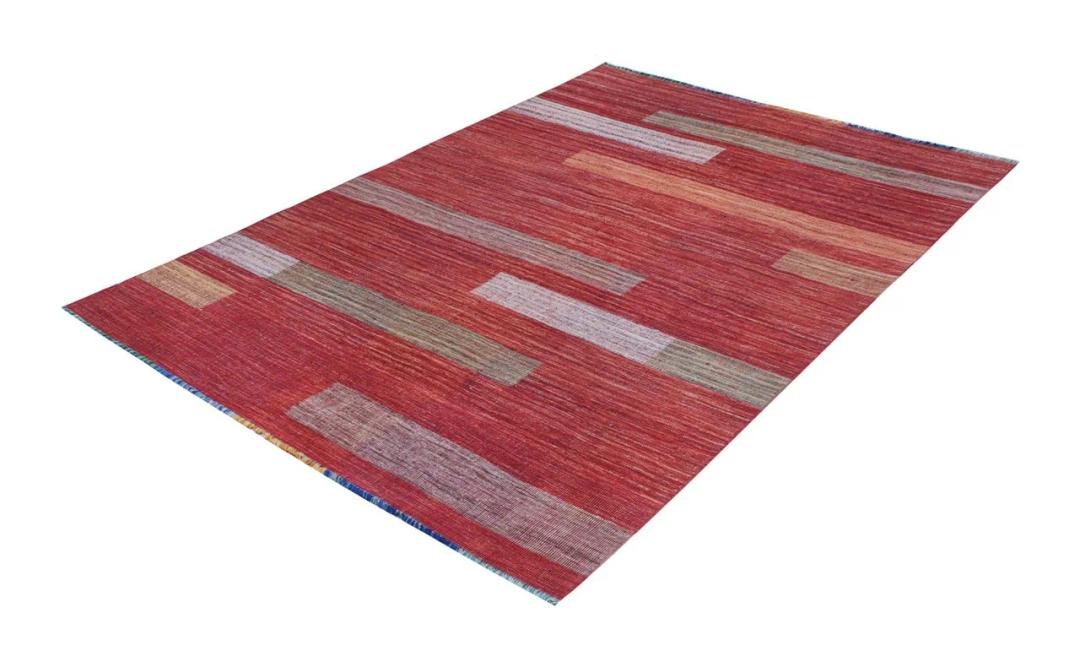
Visually, traditional kilims are defined by their geometric language, often featuring bold diamonds, triangles, and stripes that hold symbolic meaning within the weaving communities. While this piece embraces a more modern aesthetic, it remains deeply connected to these ancient roots, using the same time-honoured techniques that have been passed down through generations of weavers.
Collectors value these rugs for their authenticity and the sheer skill required to master the flat-weave. Owning a kilim is an investment in a living tradition, a way to connect your modern home with the enduring legacy of Middle Eastern craftsmanship and the human stories woven into every fibre.