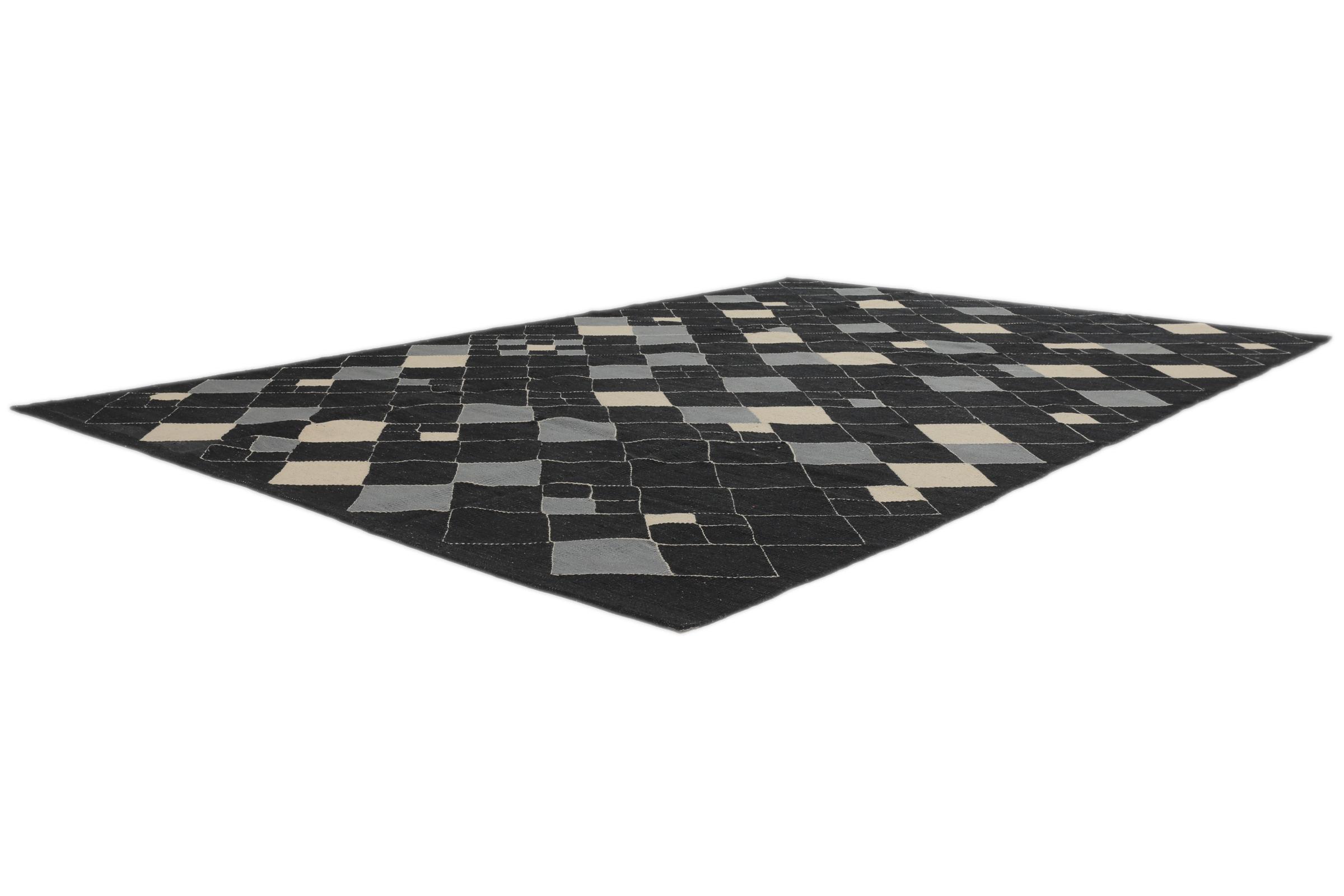
Kilim rugs represent a storied tradition of flat-weaving that spans across the Middle East and Central Asia. Originally created by nomadic tribes for their versatility and portability, these rugs served as floor coverings, blankets, and storage sacks. Today, the tradition continues in regions like Afghanistan, where the craft has evolved to incorporate contemporary design sensibilities while retaining its ancient roots.
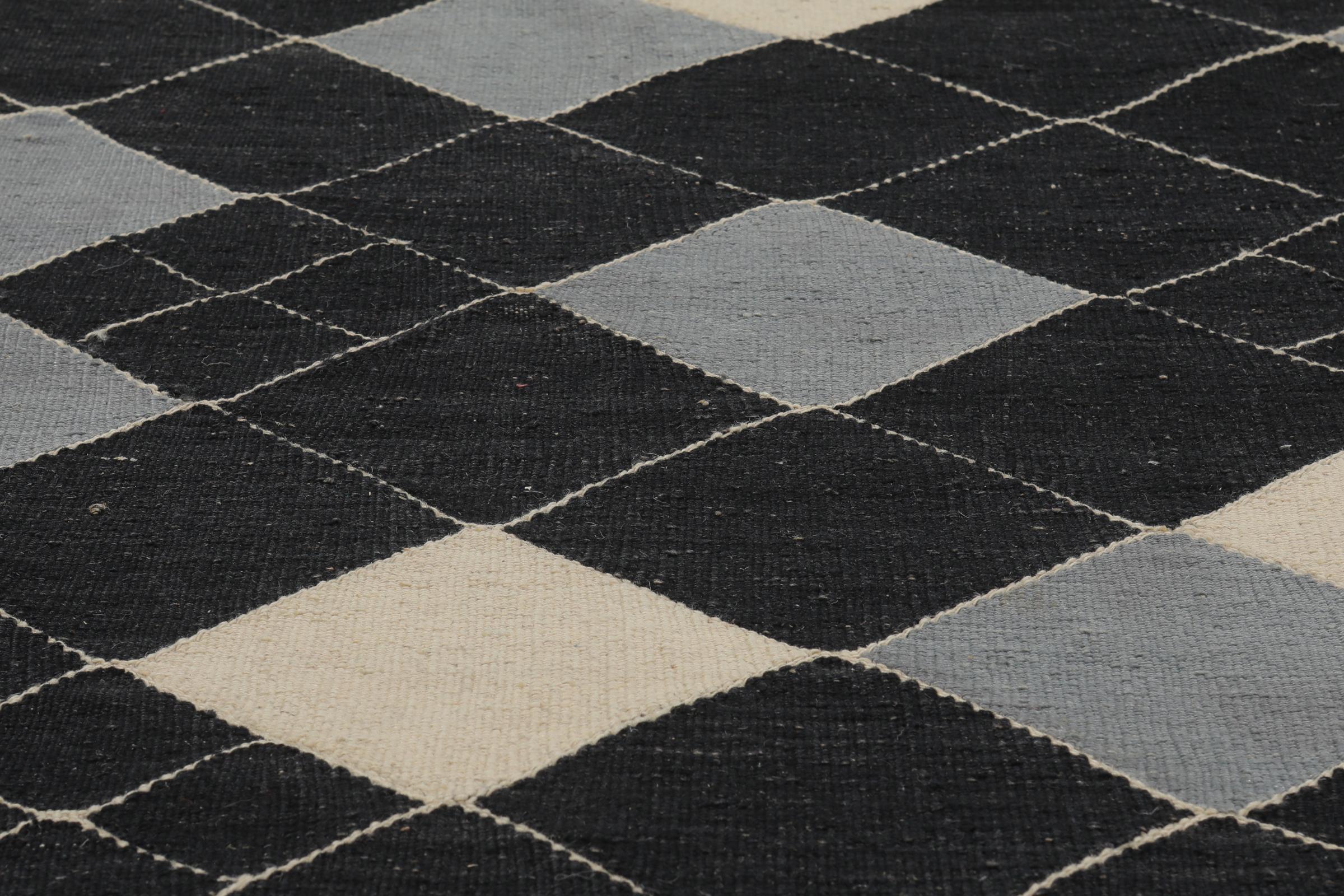
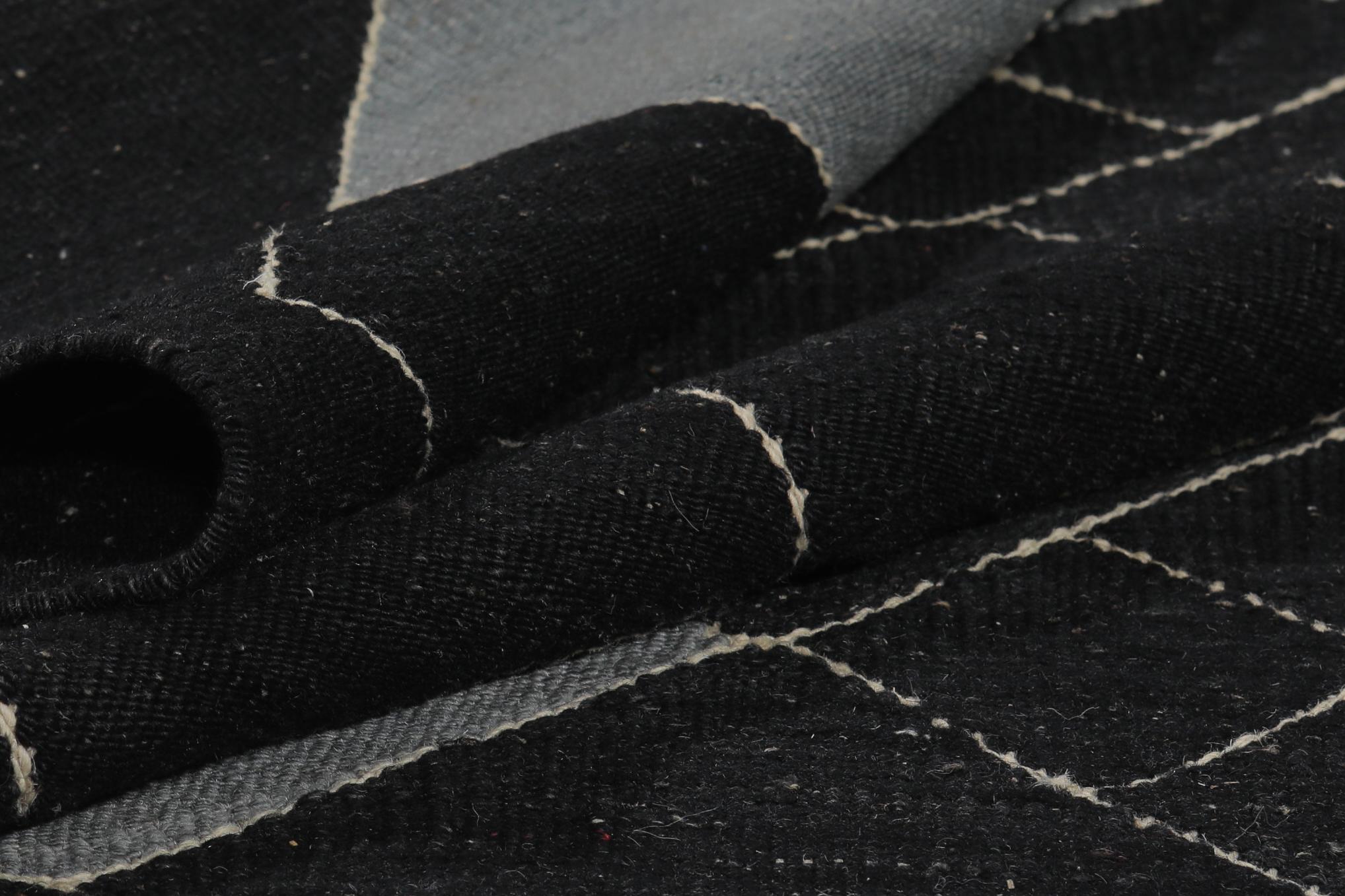
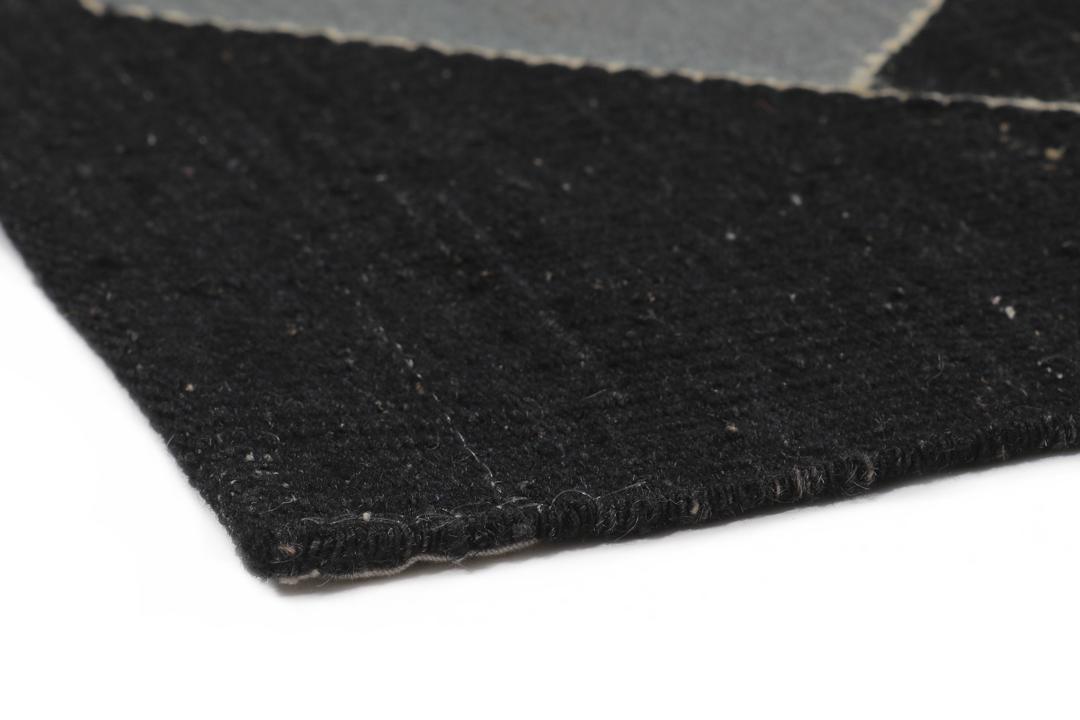
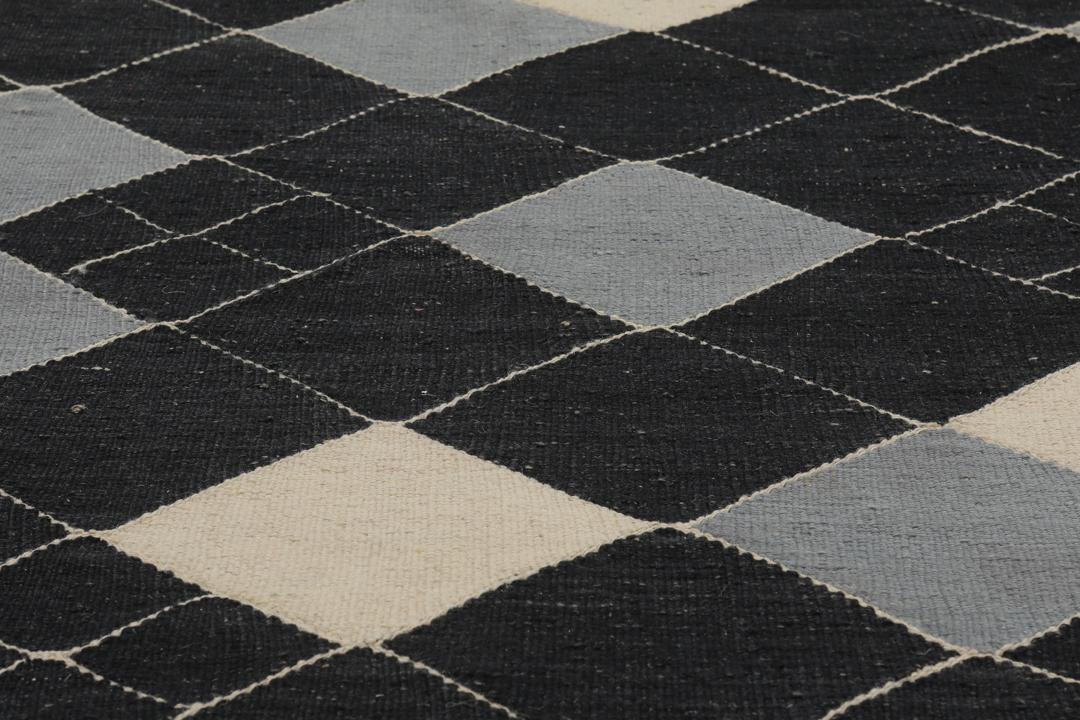
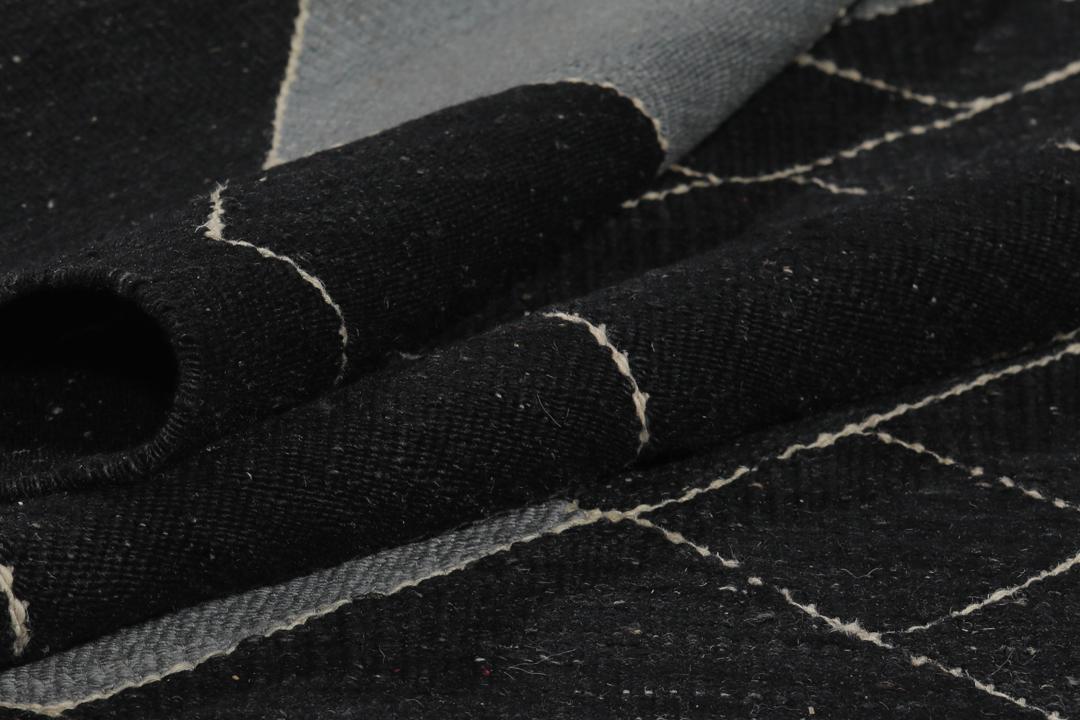
The term Kilim refers to the specific slit-weave technique used to create these rugs. Unlike pile rugs, Kilims have no knots; instead, the coloured weft threads are woven tightly through the warp threads. This technique creates a reversible, flat, and durable surface that is prized for its clean lines and graphic clarity. This construction method allows for the sharp, geometric patterns that define the style.
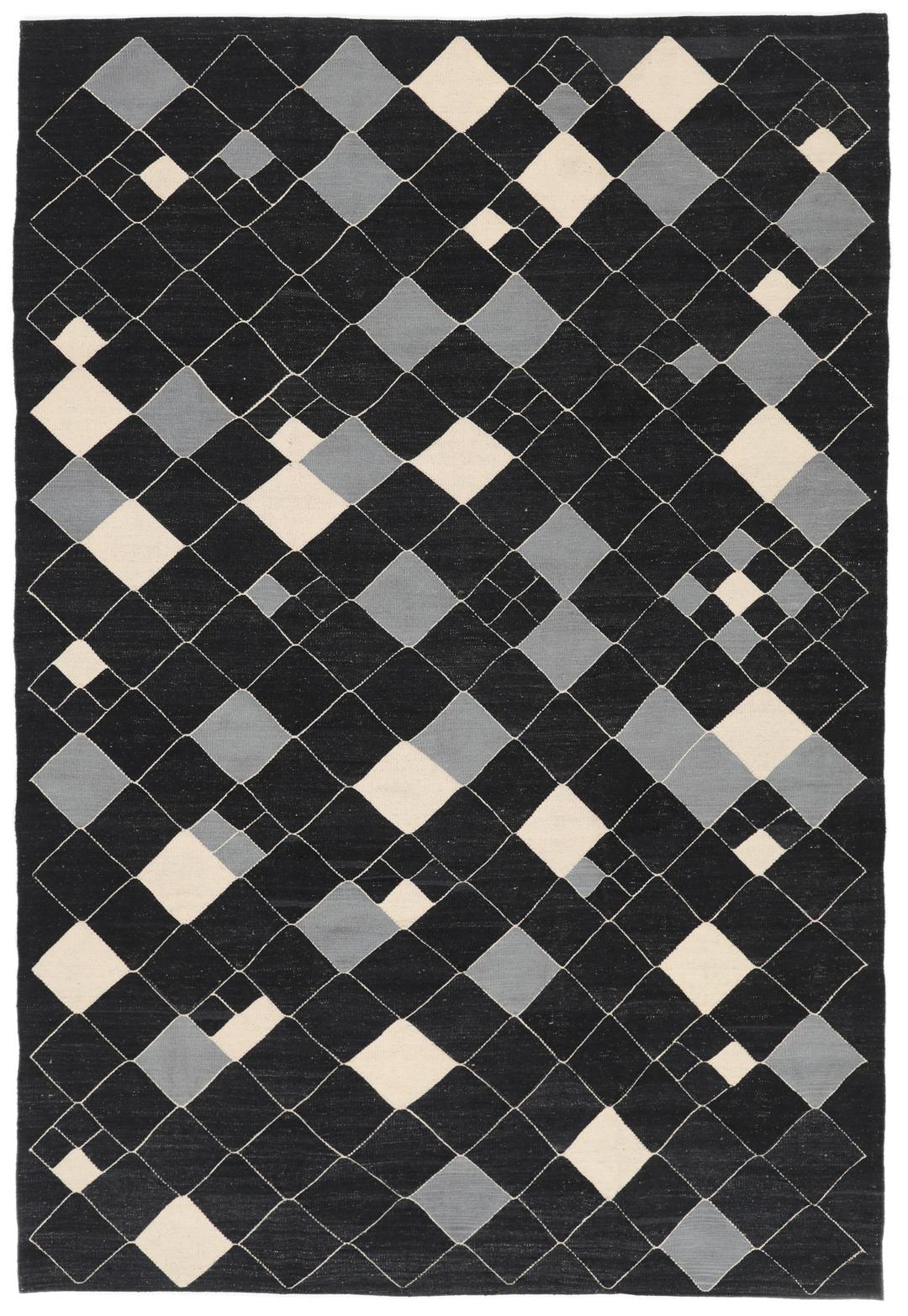
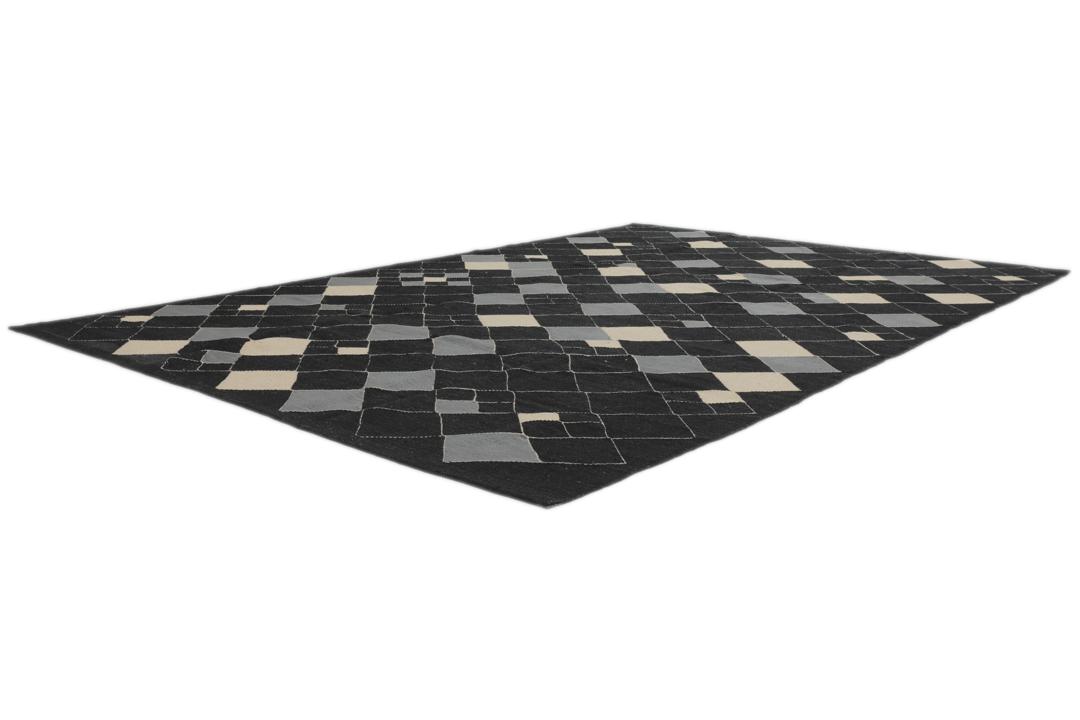
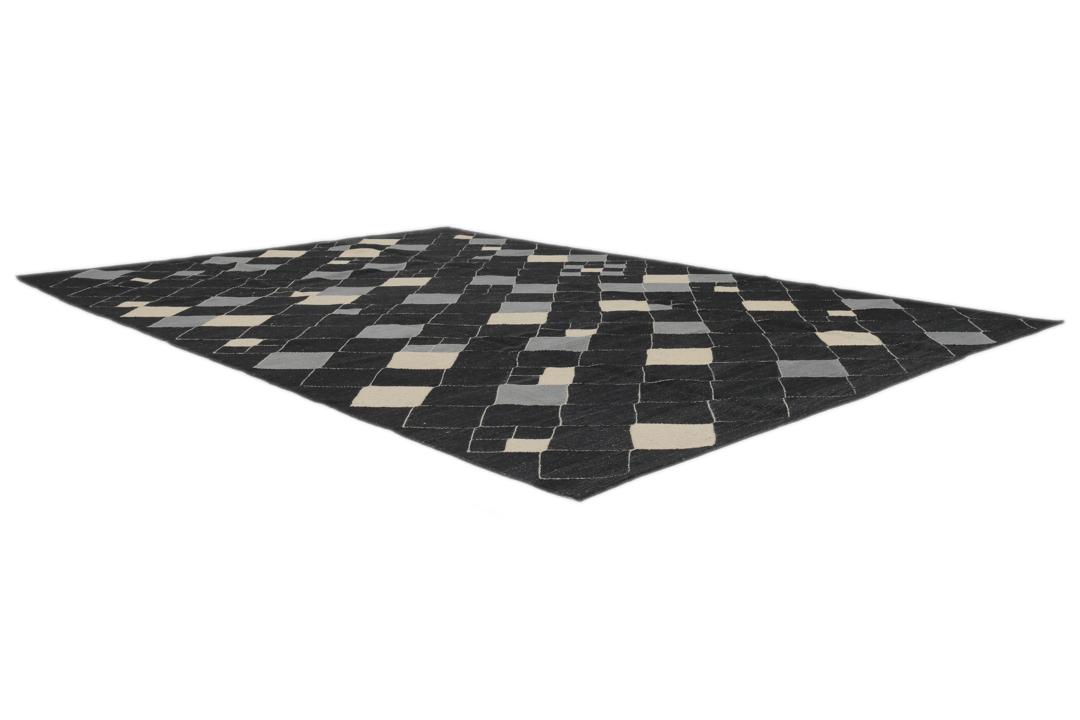
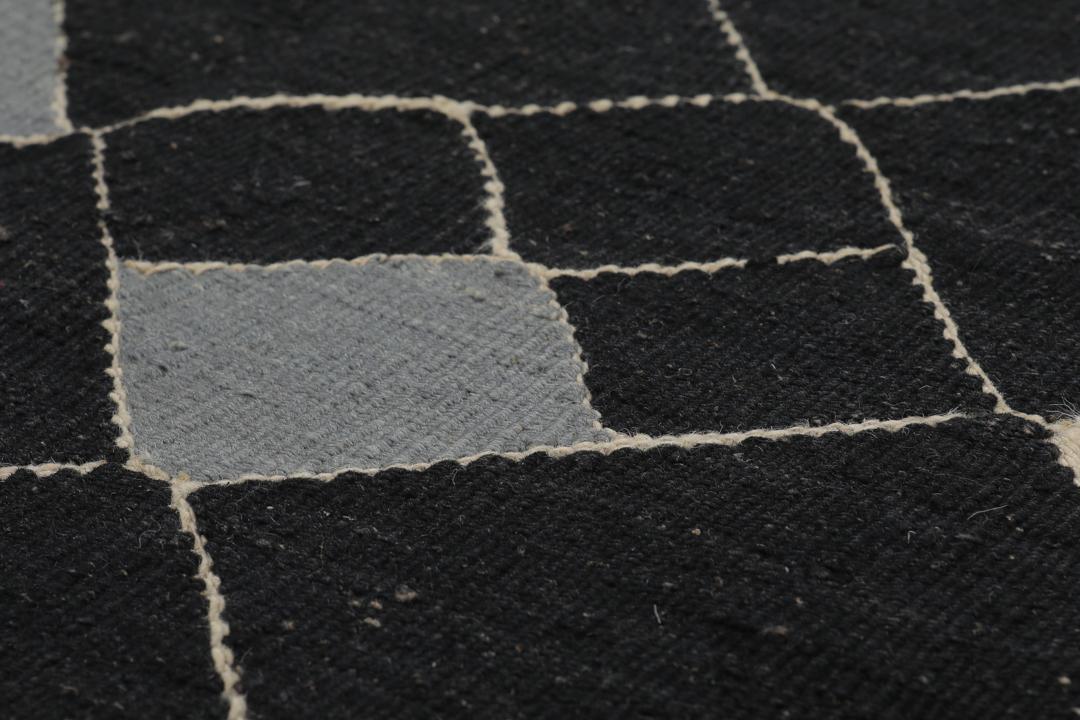
Signature design elements in this category often focus on bold, repeating motifs. While traditional Kilims were defined by tribal symbols and earthy palettes, the modern iteration seen here embraces a more minimalist approach. The use of repeating diamonds is a classic design choice that provides a sense of order and depth, making the rug highly compatible with various contemporary decor styles.
Collecting these rugs is an investment in both cultural history and artisanal skill. Each piece reflects the environment and the aesthetic values of the weaver, serving as a bridge between nomadic heritage and the modern home. By choosing an authentic Afghan piece, you support a legacy of craftsmanship that has been passed down through generations, ensuring that these traditions remain vibrant and relevant.