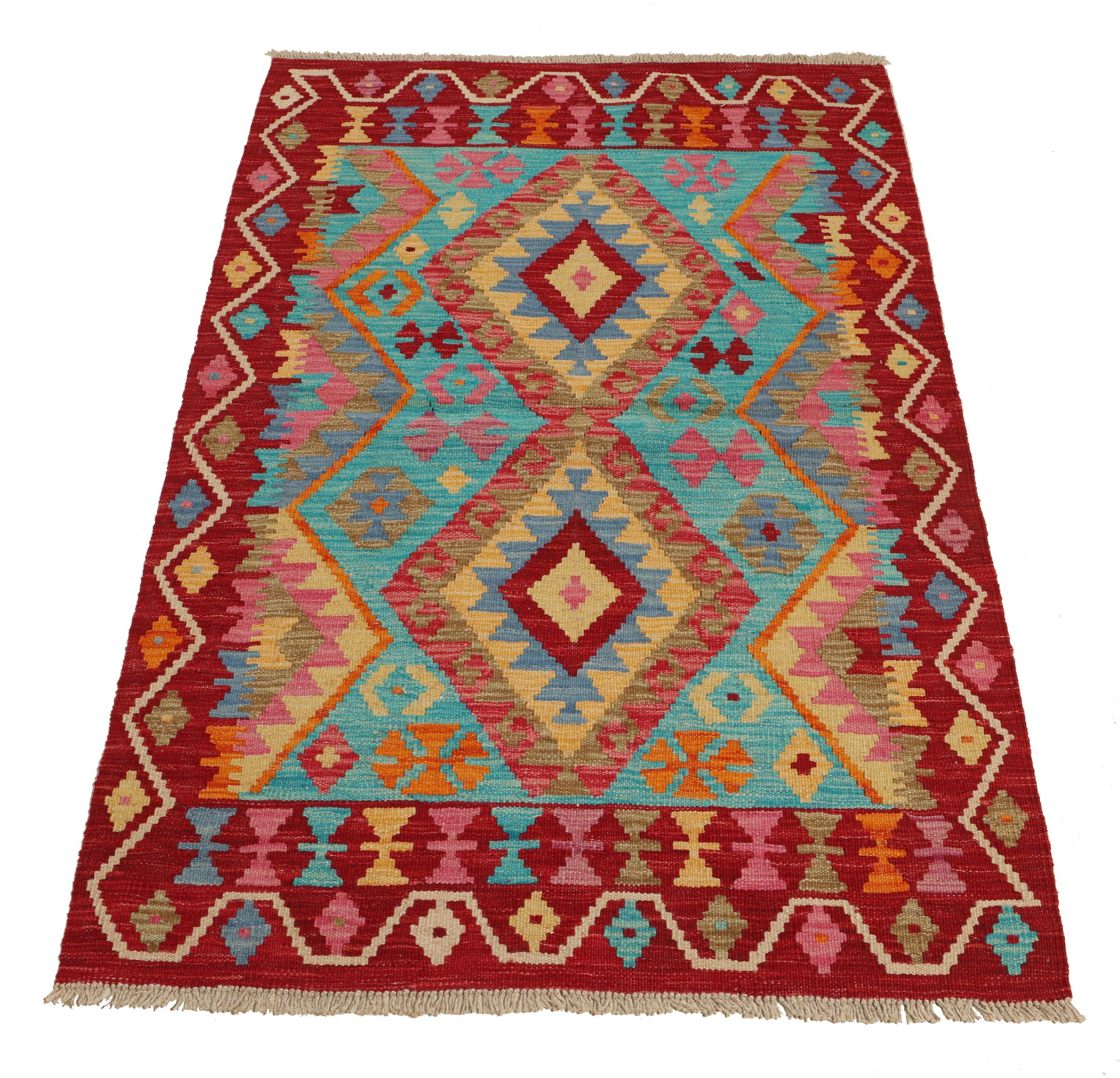
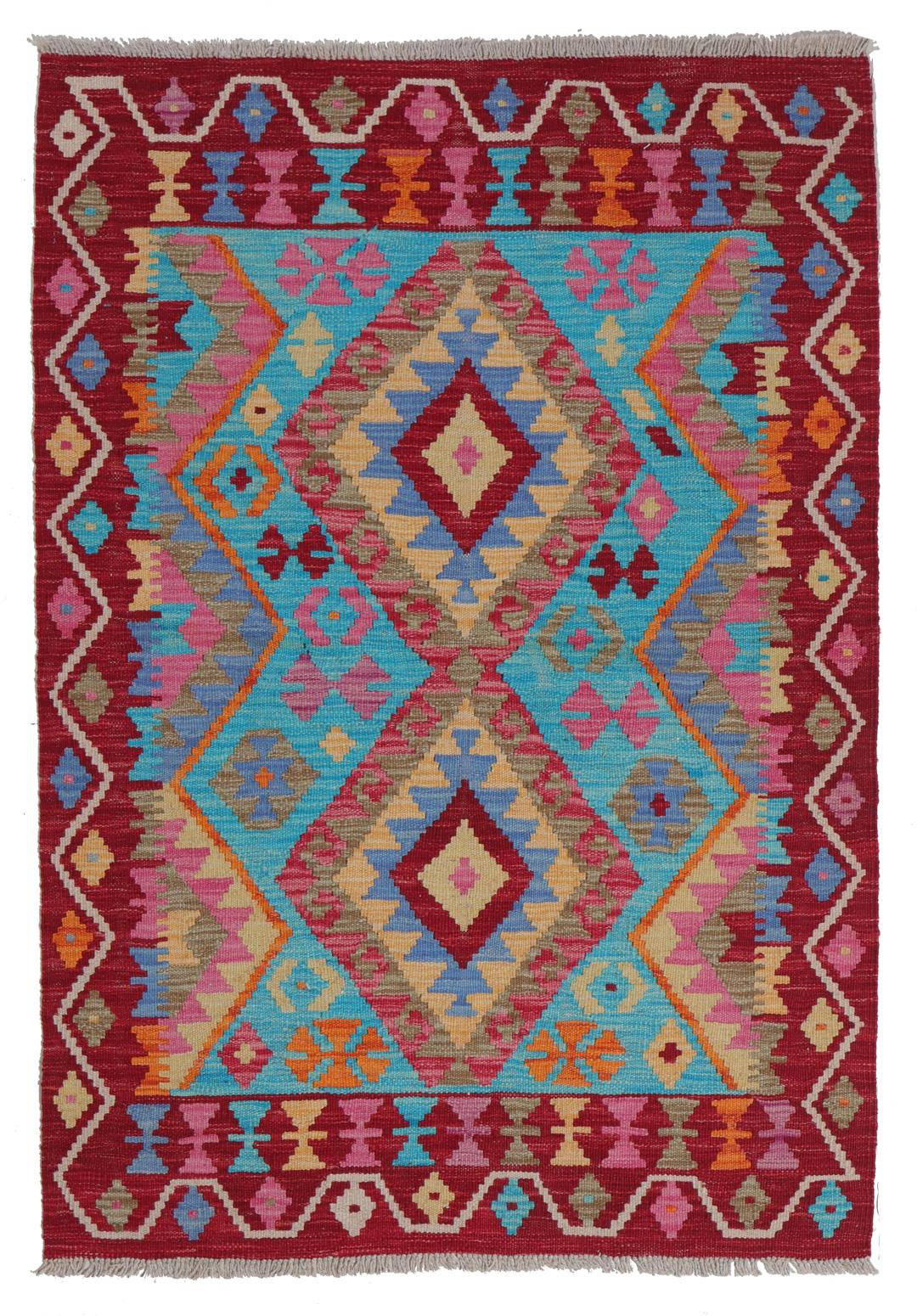
Kelim rugs represent one of the most enduring and storied traditions in Middle Eastern textile history. Originating from the nomadic tribes of the region, these flat-woven pieces were designed to be both portable and highly durable, serving as floor coverings, wall hangings, and storage bags. The tradition of weaving these rugs has been passed down through generations, with each region developing its own distinct visual vocabulary.
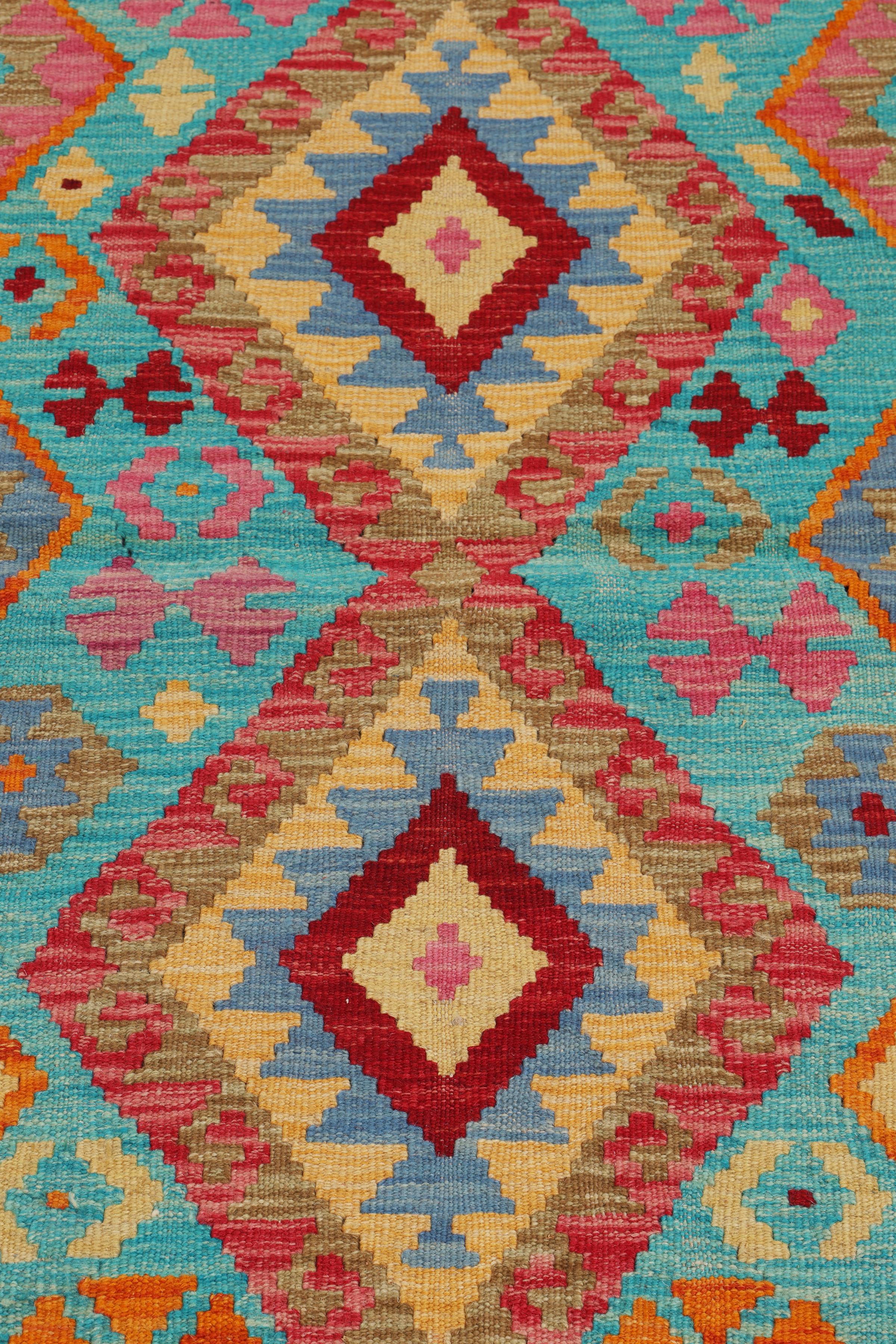
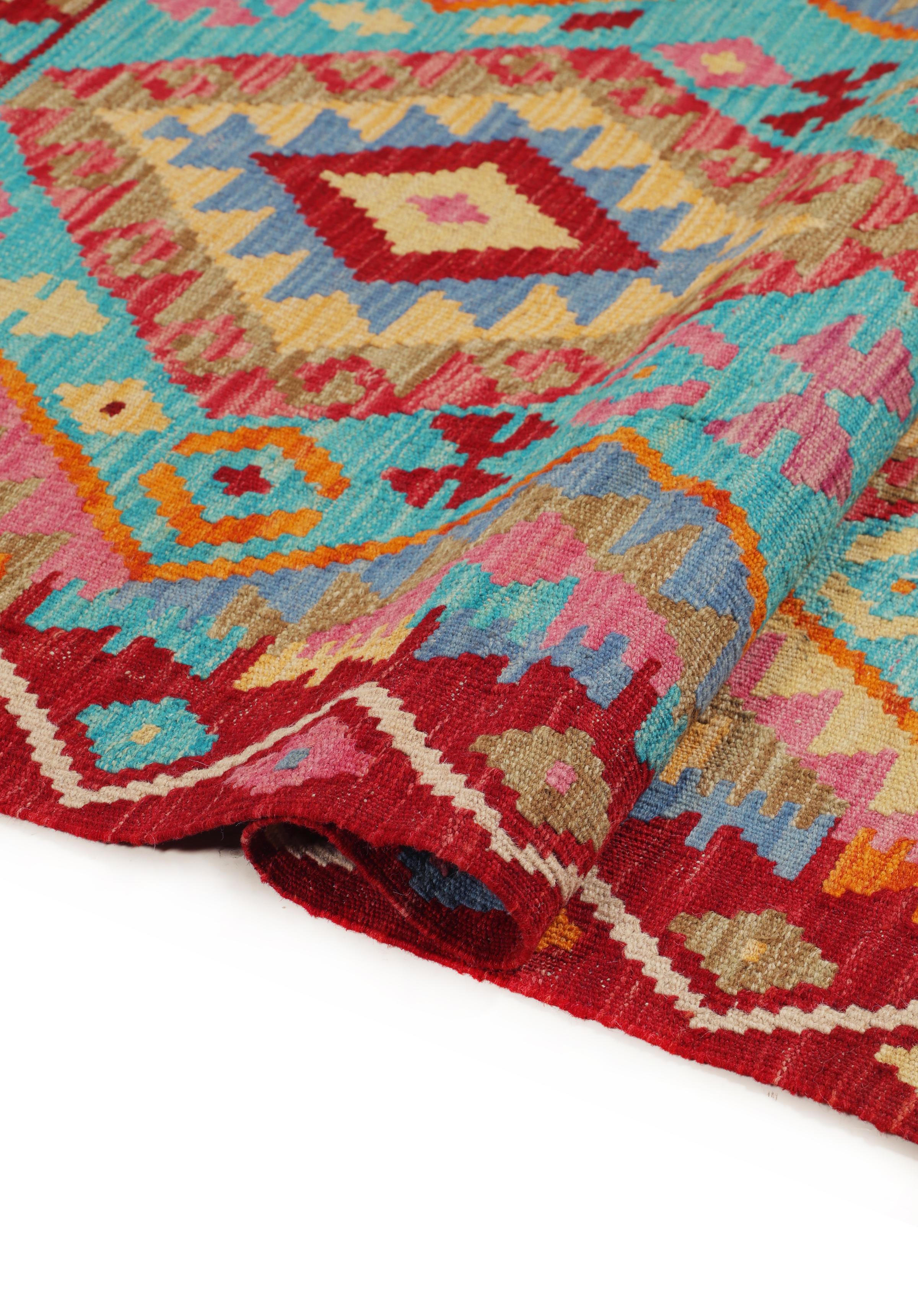
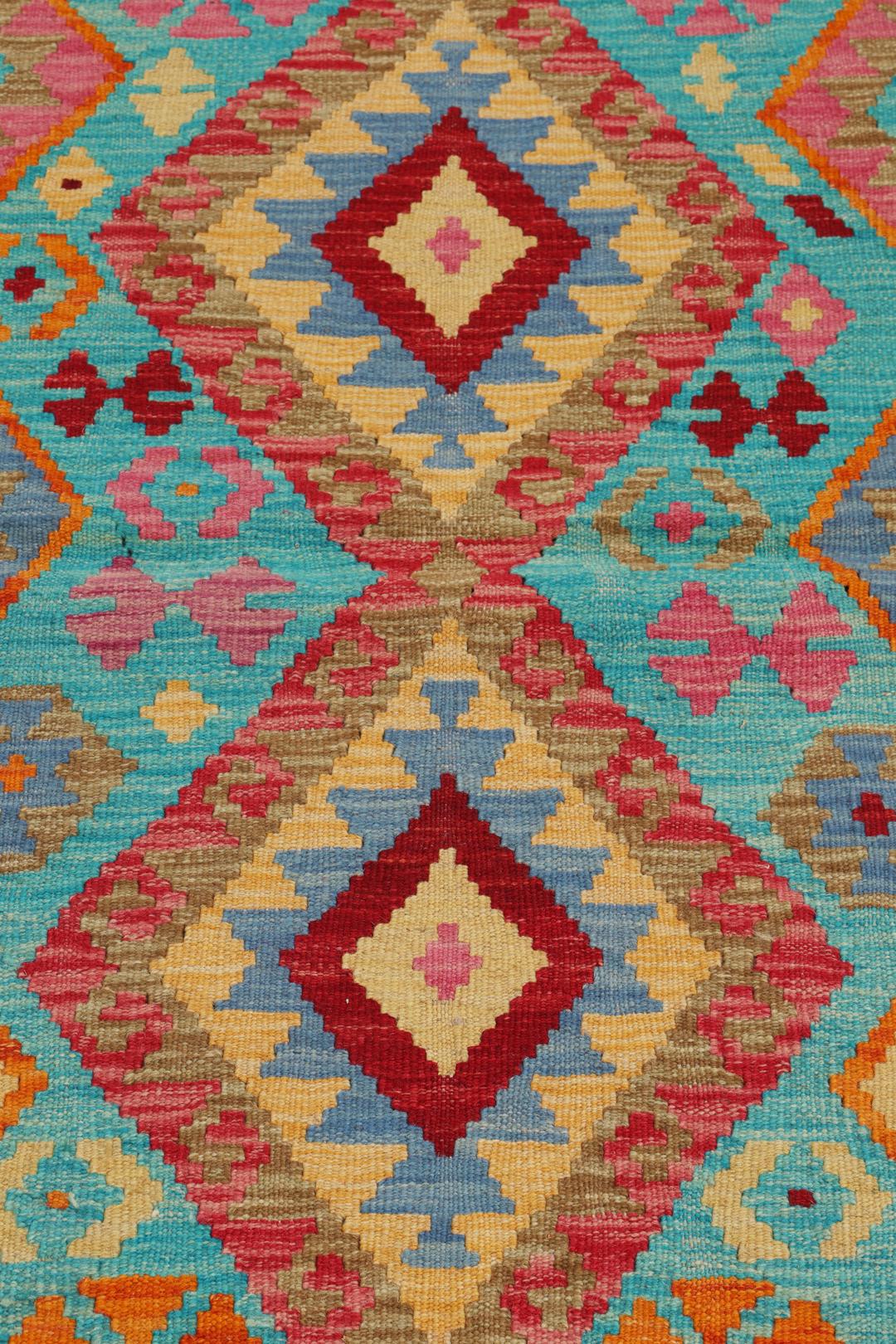
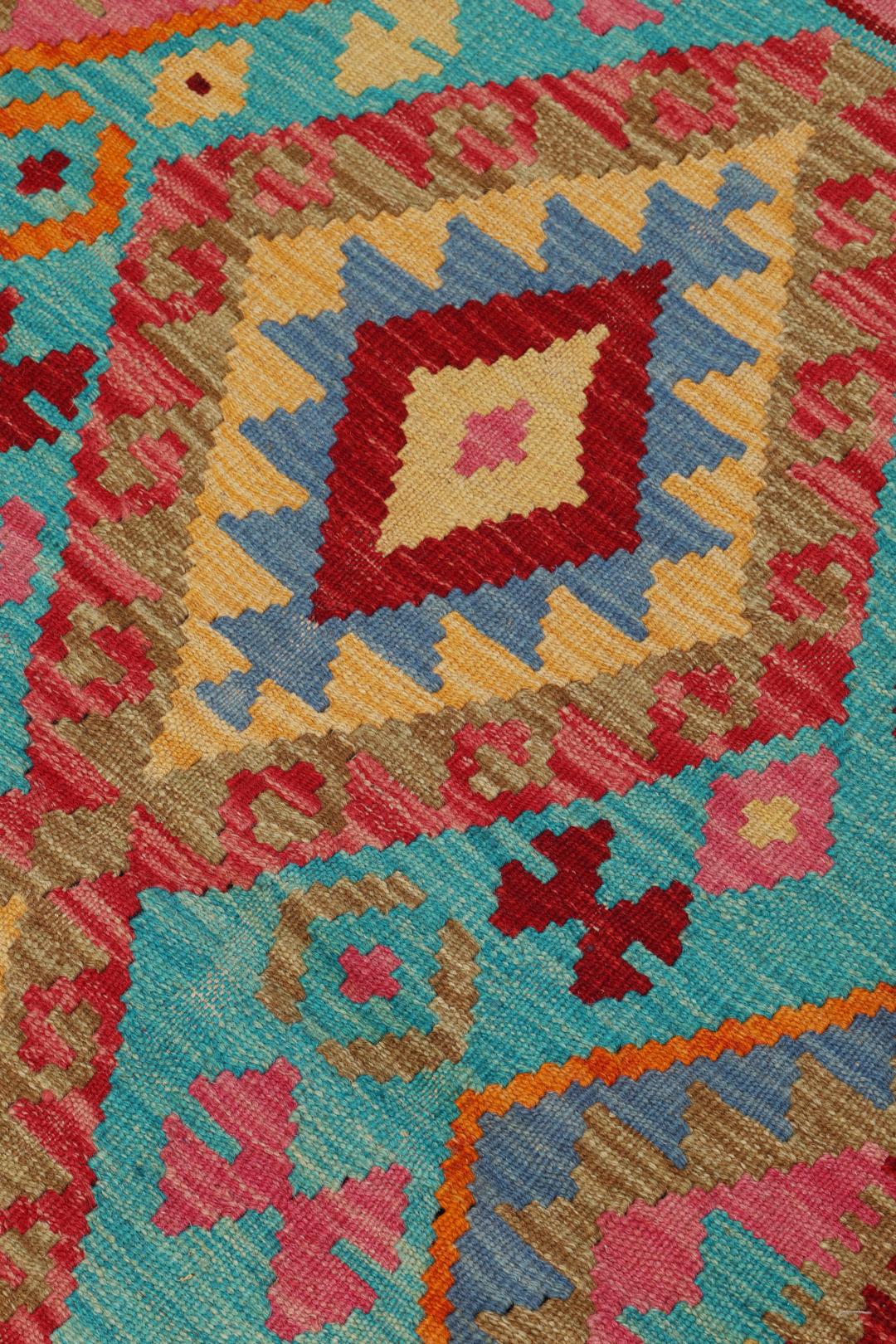
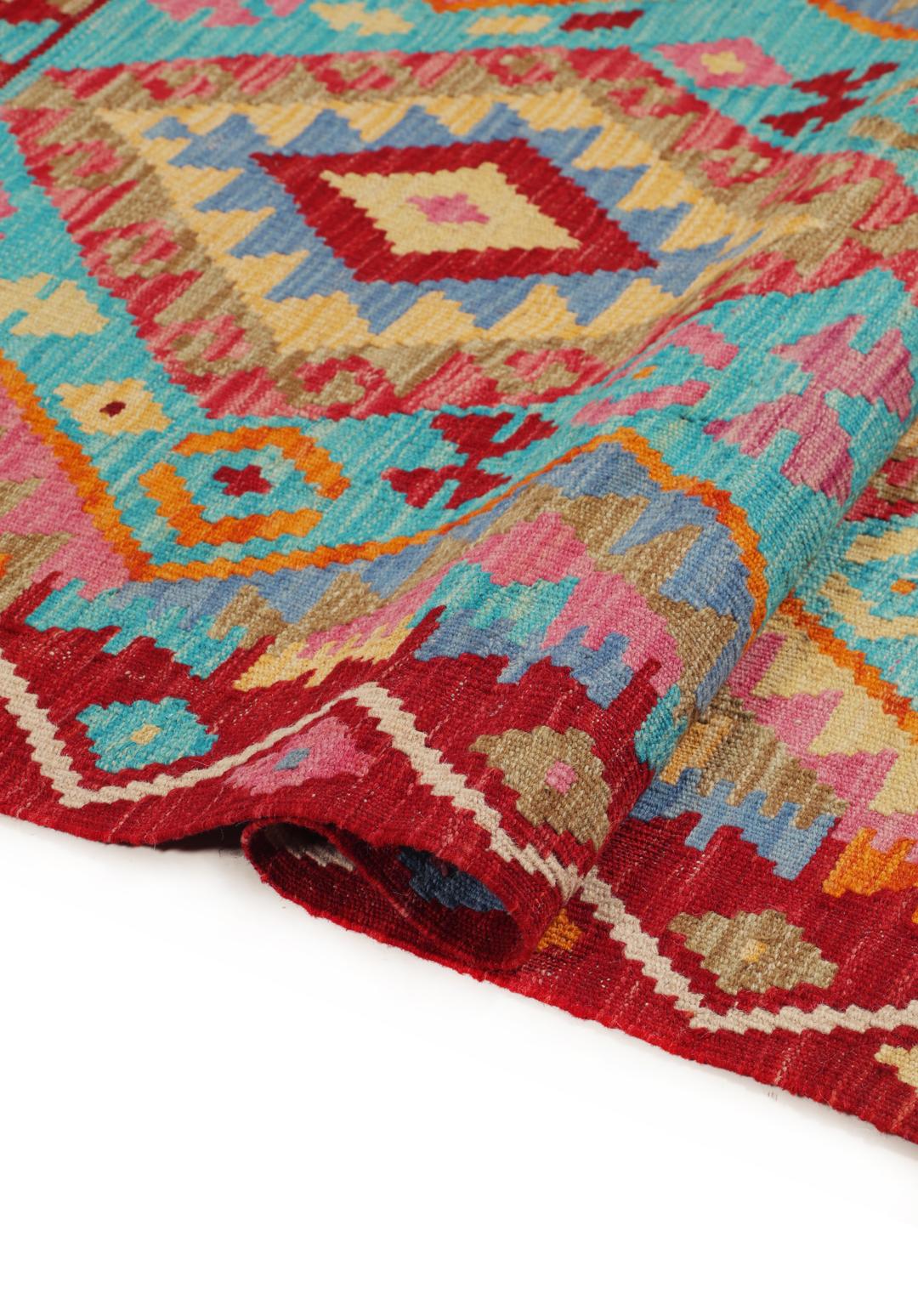
The term 'Kelim' refers to the specific flat-weaving technique used to create the rug, where no pile is formed. Instead, the weft threads are woven tightly over the warp to create a smooth, durable surface. This method requires a high degree of precision, as the weaver must manage the tension of every thread to ensure the clarity of the design. This technical mastery is what allows for the sharp geometric lines and complex patterns that define the style.
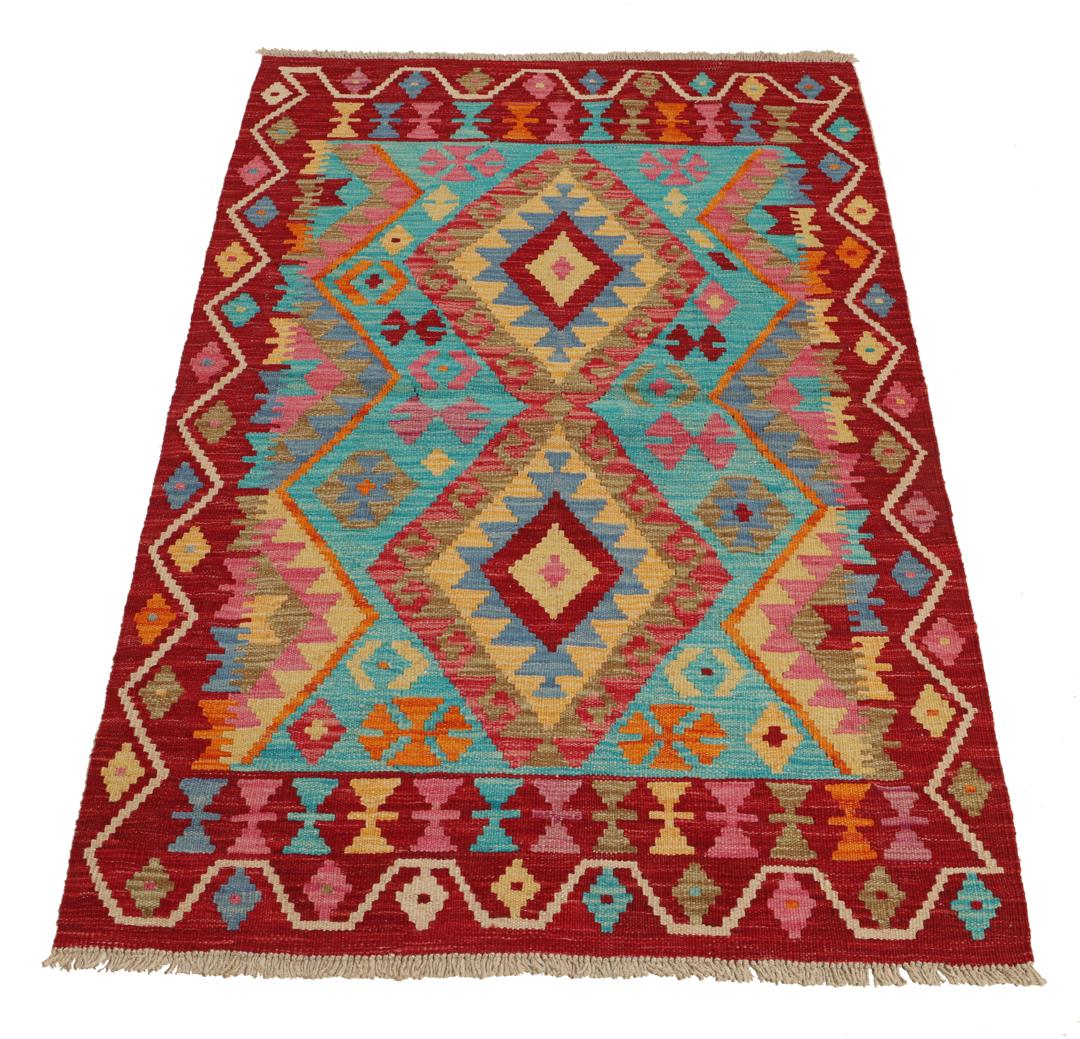
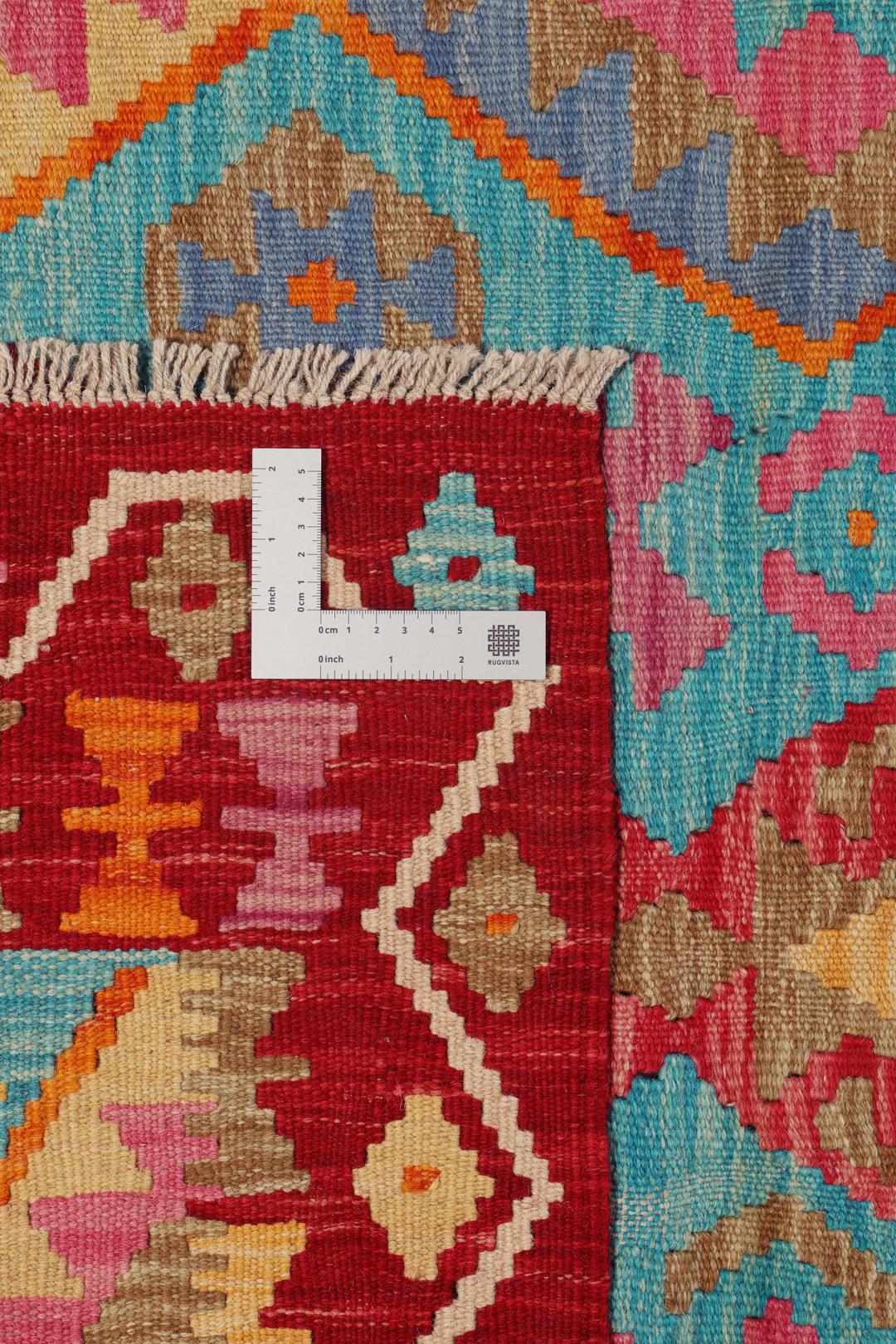
Signature design elements of Afghan Kelims often include bold, repeating diamond or medallion motifs that symbolise tribal identity and regional folklore. The use of vibrant, natural-derived colours such as deep reds, blues, and warm earth tones is a hallmark of this tradition. Often, the borders feature intricate, smaller-scale patterns that frame the central field, creating a balanced and harmonious composition that draws the eye inward.
Today, these rugs are highly sought after by collectors and interior enthusiasts alike for their cultural weight and authentic craftsmanship. Owning a Kelim is a way to preserve a piece of human history, as these designs connect the modern home to ancient nomadic life. Because they are hand-made without the aid of modern technology, each rug is an individual expression of its maker's skill, offering a level of character and depth that mass-produced items simply cannot match.