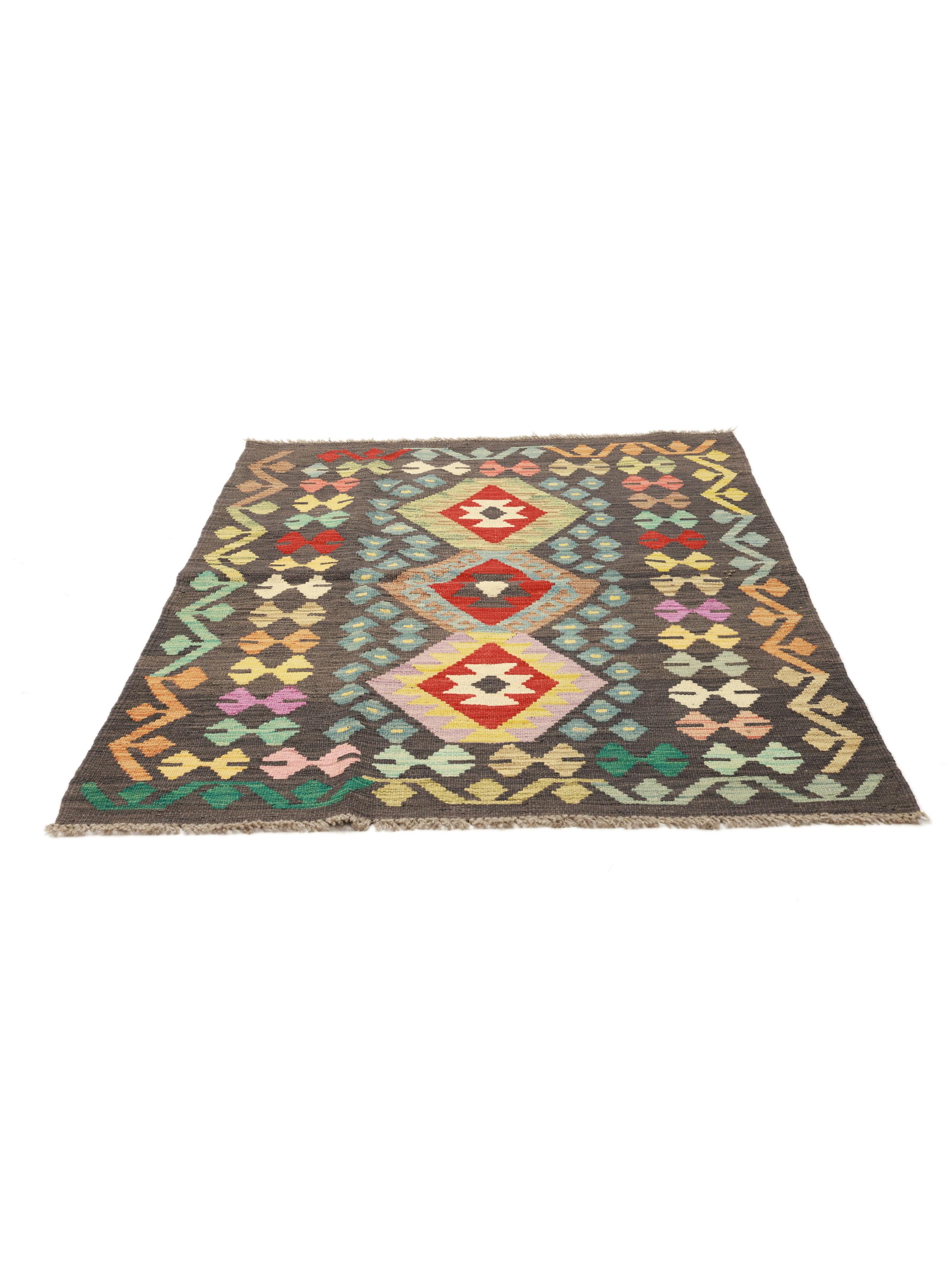
Kelim rugs have long been a cornerstone of nomadic and village life across the Middle East and Central Asia. Originally designed as functional, portable floor coverings and storage bags, these flat-woven textiles were crafted by tribes using locally sourced wool. The tradition of the Afghan Kelim is deeply rooted in this nomadic heritage, where patterns were passed down through generations, often reflecting the specific identity and environment of the weaving community.
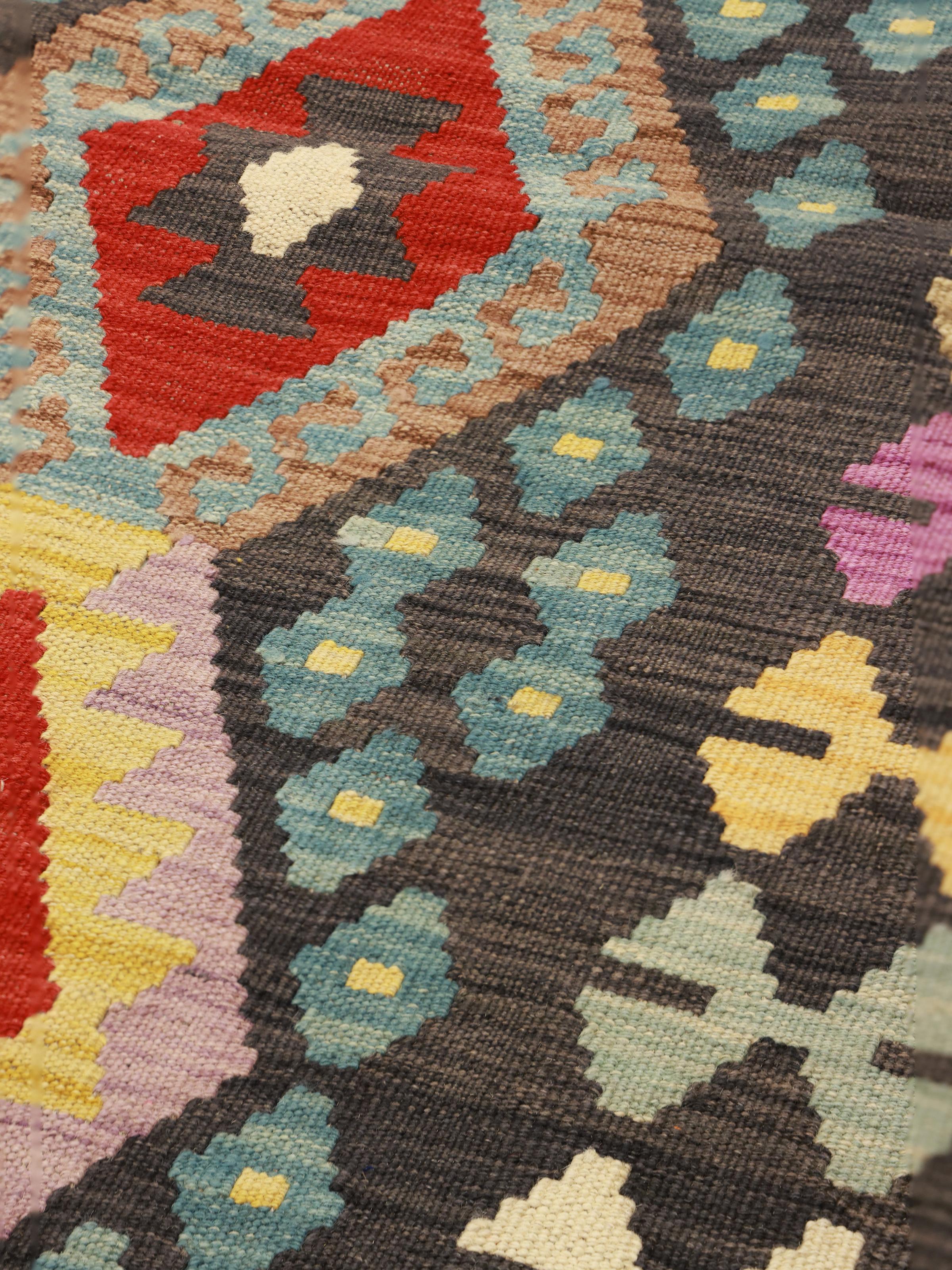
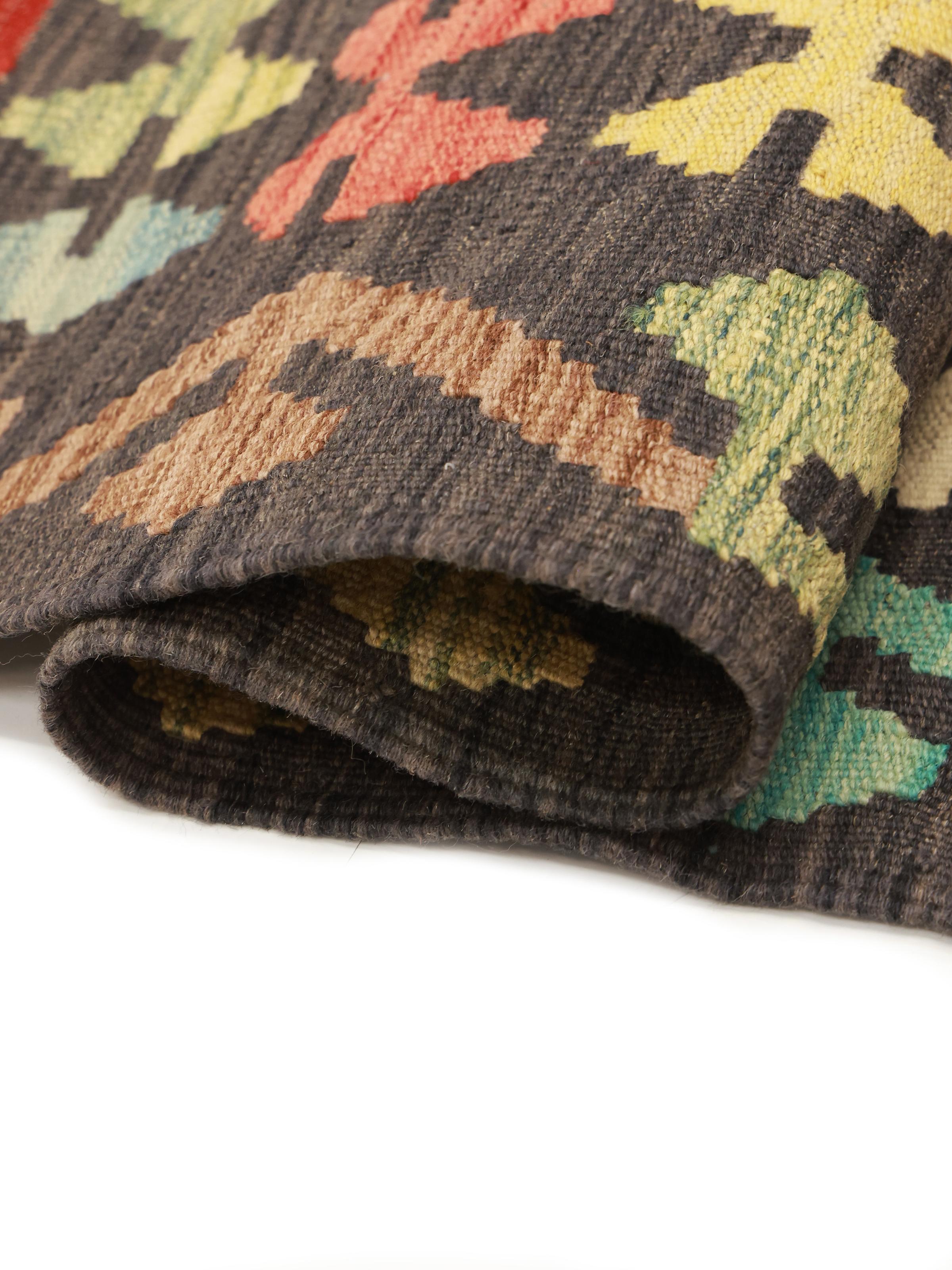
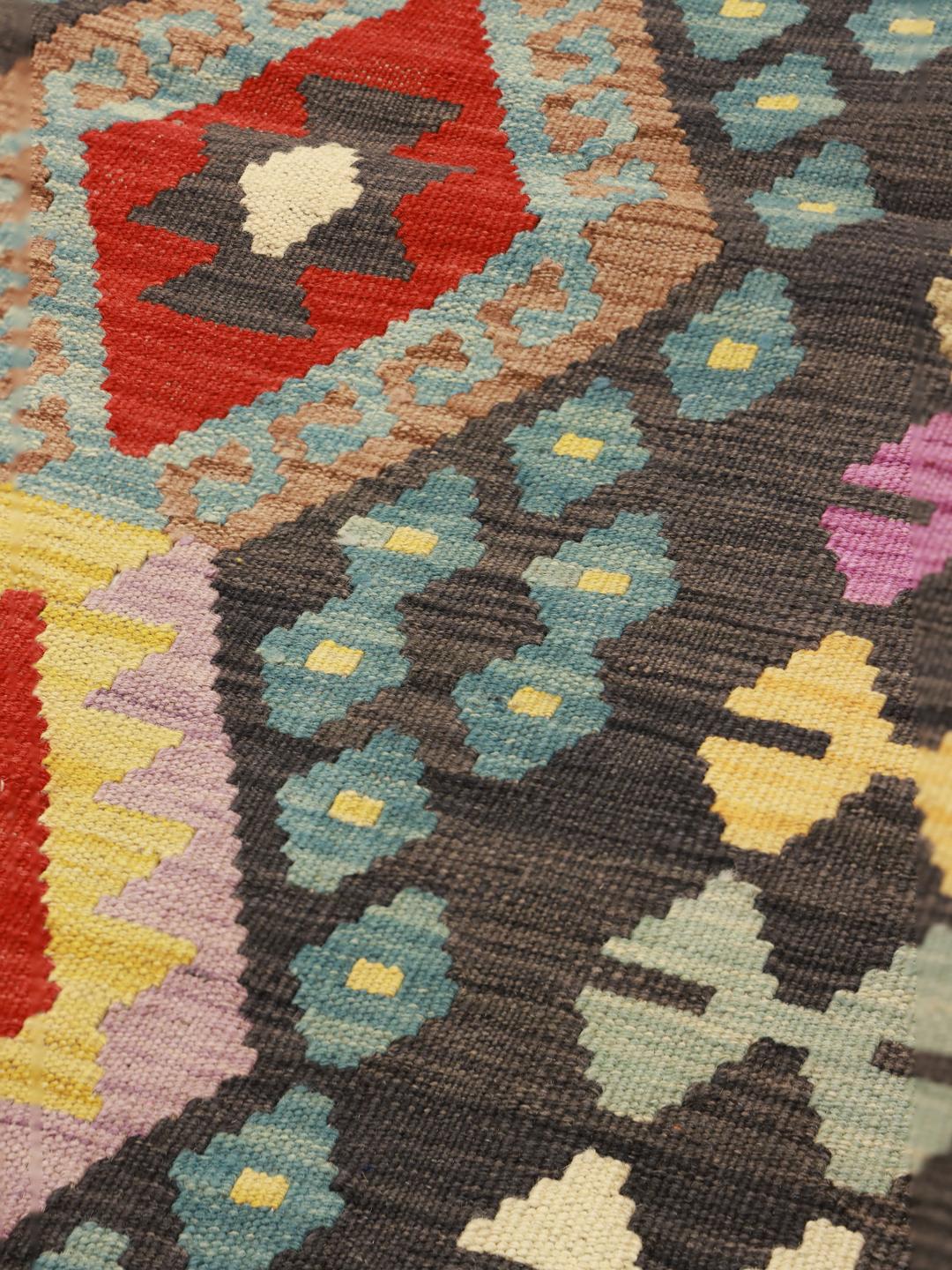
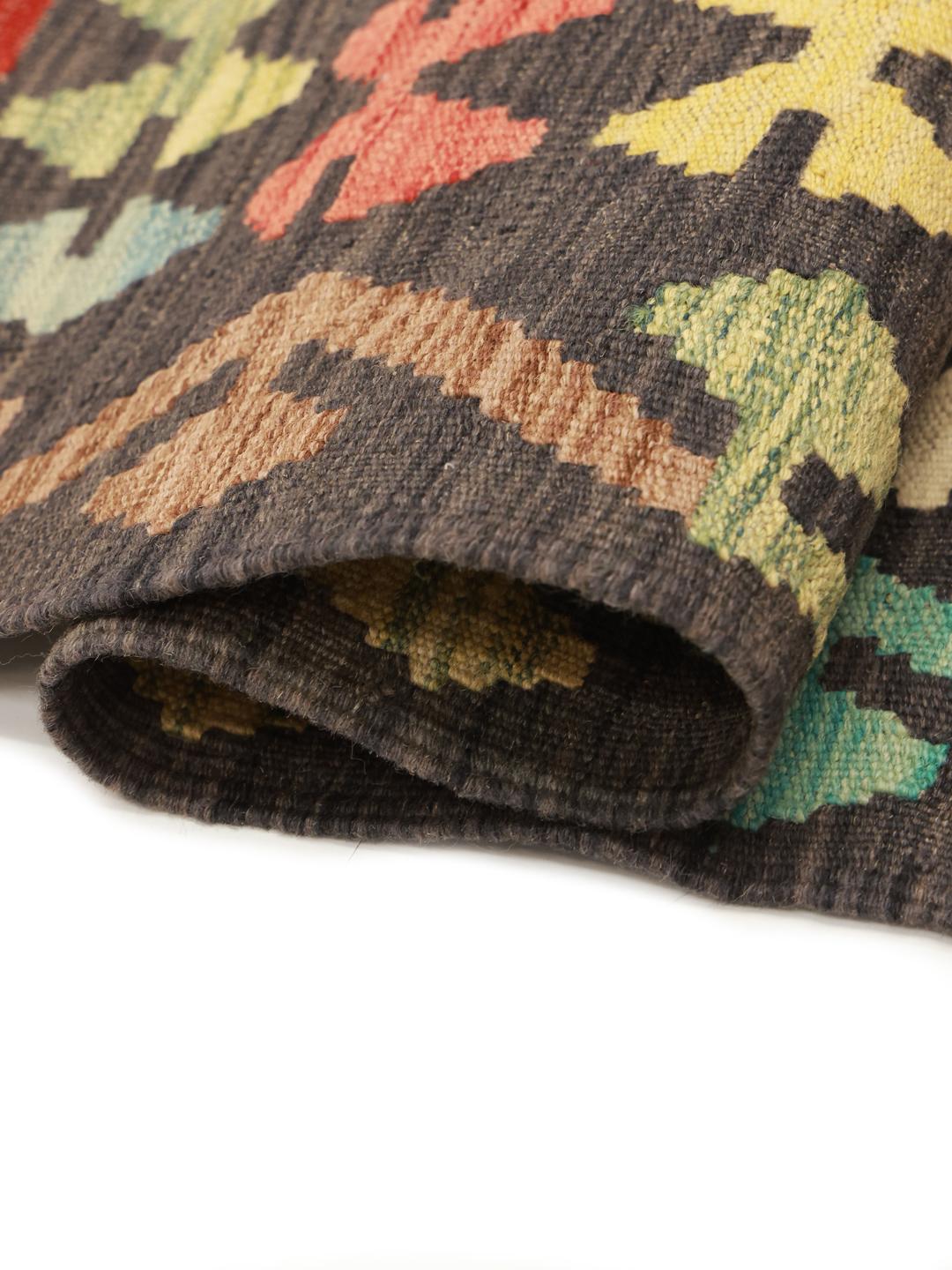
The term 'Kelim' refers to the specific slit-weave technique used to create these rugs. By alternating the colours of the weft threads, the weaver creates distinct blocks of colour and sharp geometric shapes. This method does not involve a pile, which results in a lightweight yet incredibly sturdy textile. For the owner, this means a rug that is easy to maintain and move, yet possesses a structural longevity that is rarely matched by contemporary mass-produced goods.
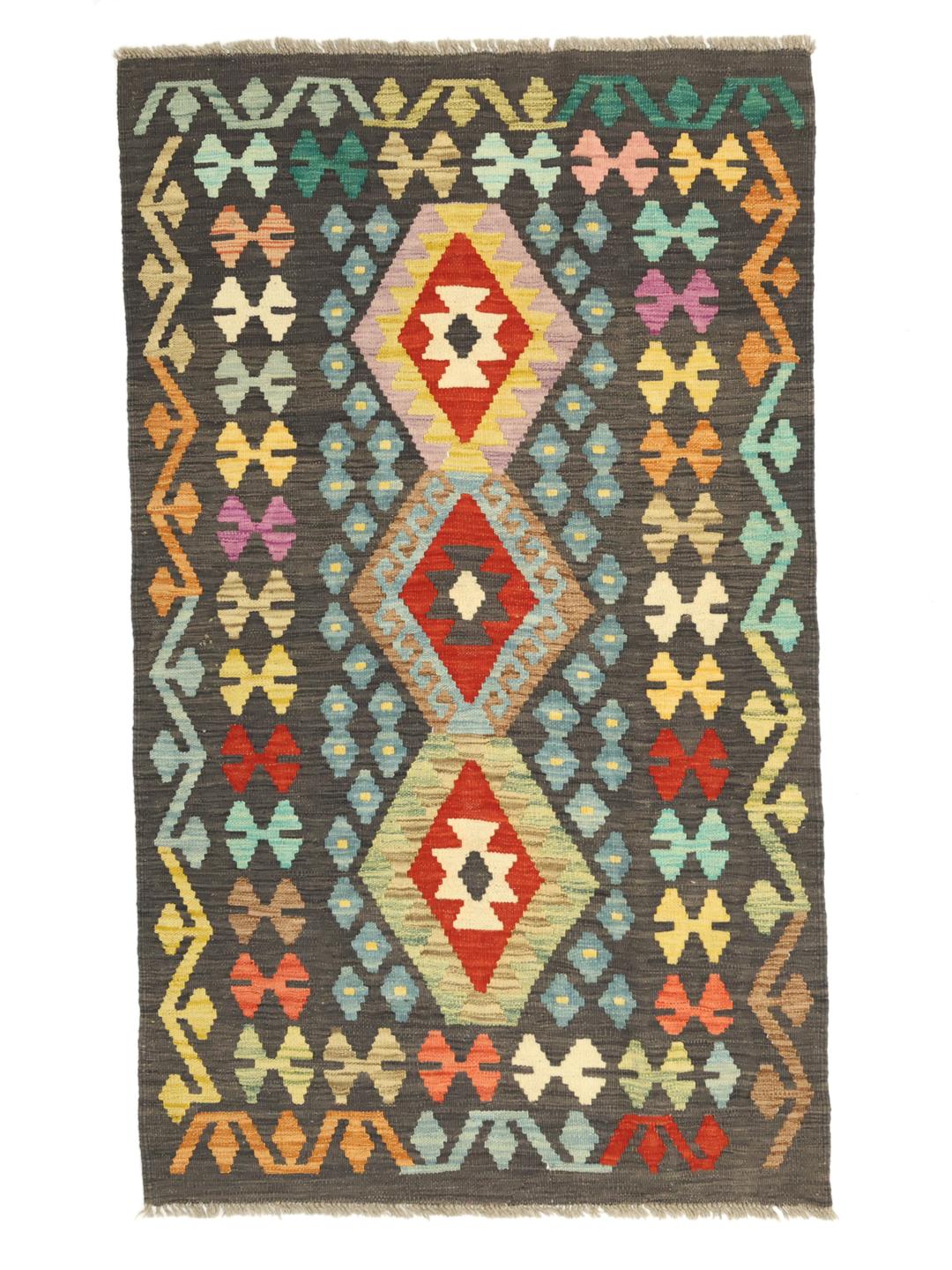
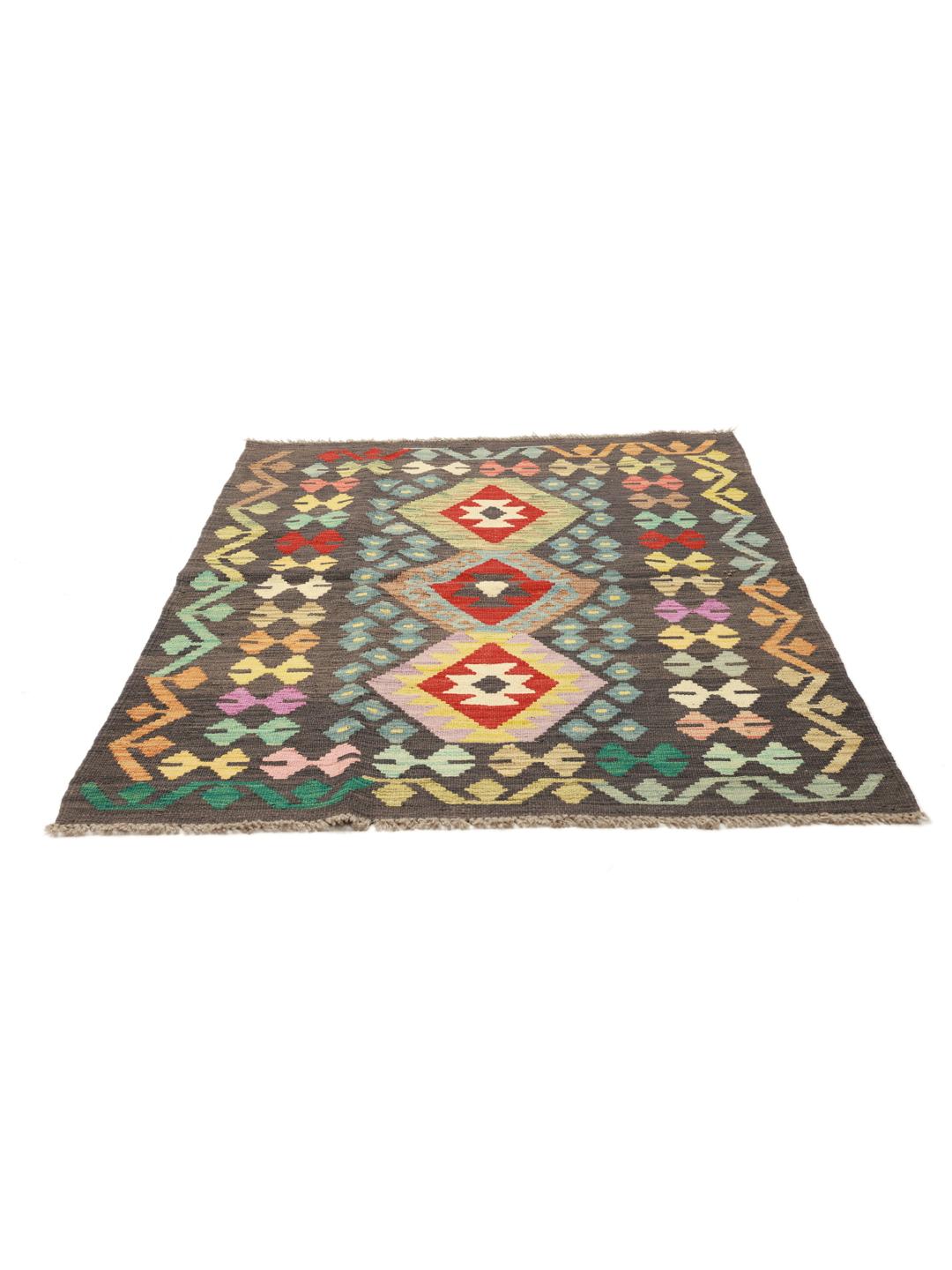
Signature design elements of the Afghan Kelim tradition often include bold, repeating geometric motifs such as diamonds, triangles, and stylized floral or animal forms. The use of vibrant, natural-toned dyes is a hallmark of the style, creating a high-contrast visual language that is both sophisticated and primitive. This specific piece showcases a refined interpretation of these traditional motifs, with each diamond and border element working in concert to create a balanced, harmonious composition.
Collectors value these pieces not only for their aesthetic appeal but for what they represent in terms of cultural preservation. Owning an Afghan Kelim is an investment in a living history, as each rug serves as a document of the weaver's skill and the cultural values of their region. These rugs are cherished for their ability to bring a sense of warmth, history, and human connection into a modern living space, standing out as genuine works of art rather than simple floor coverings.