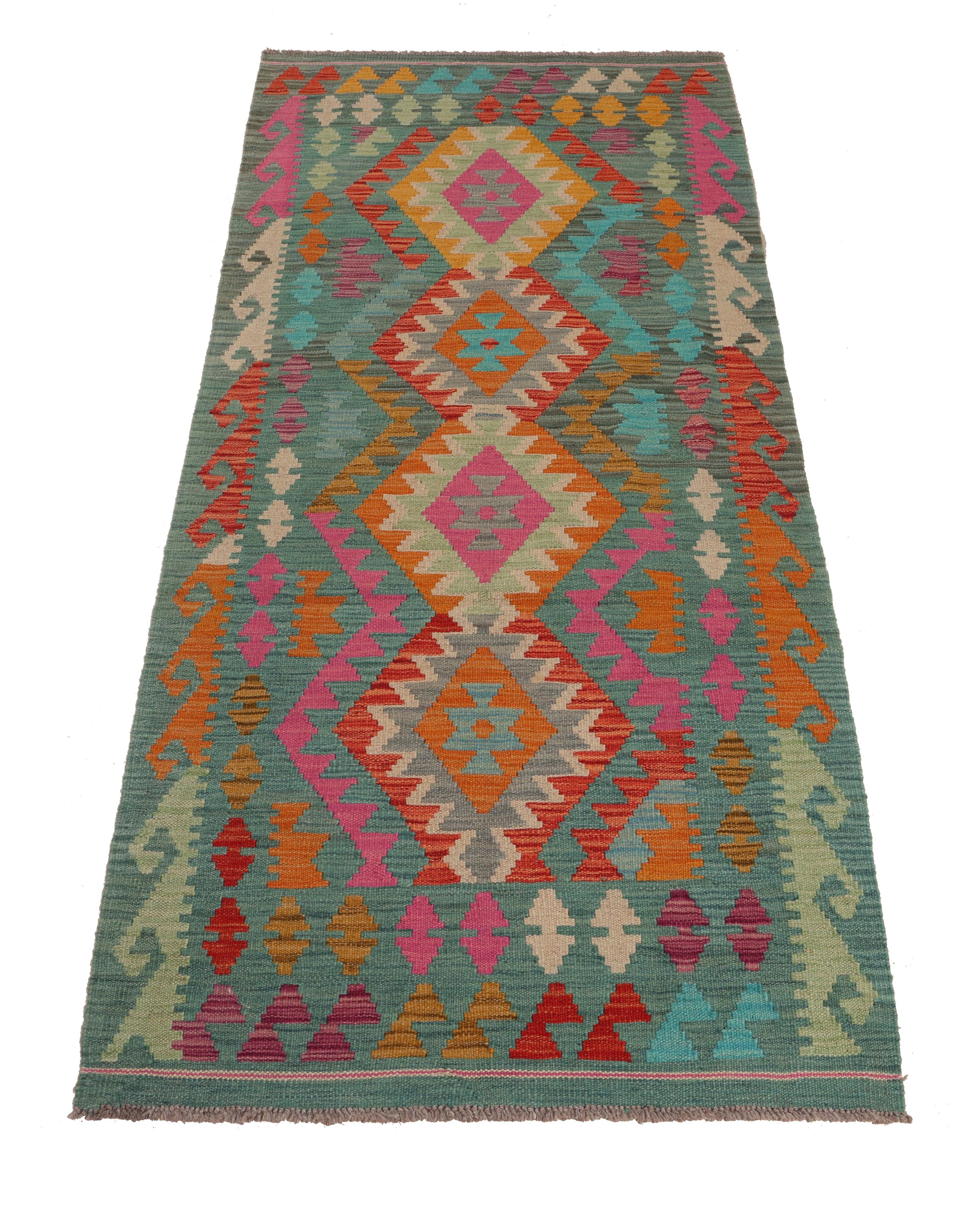
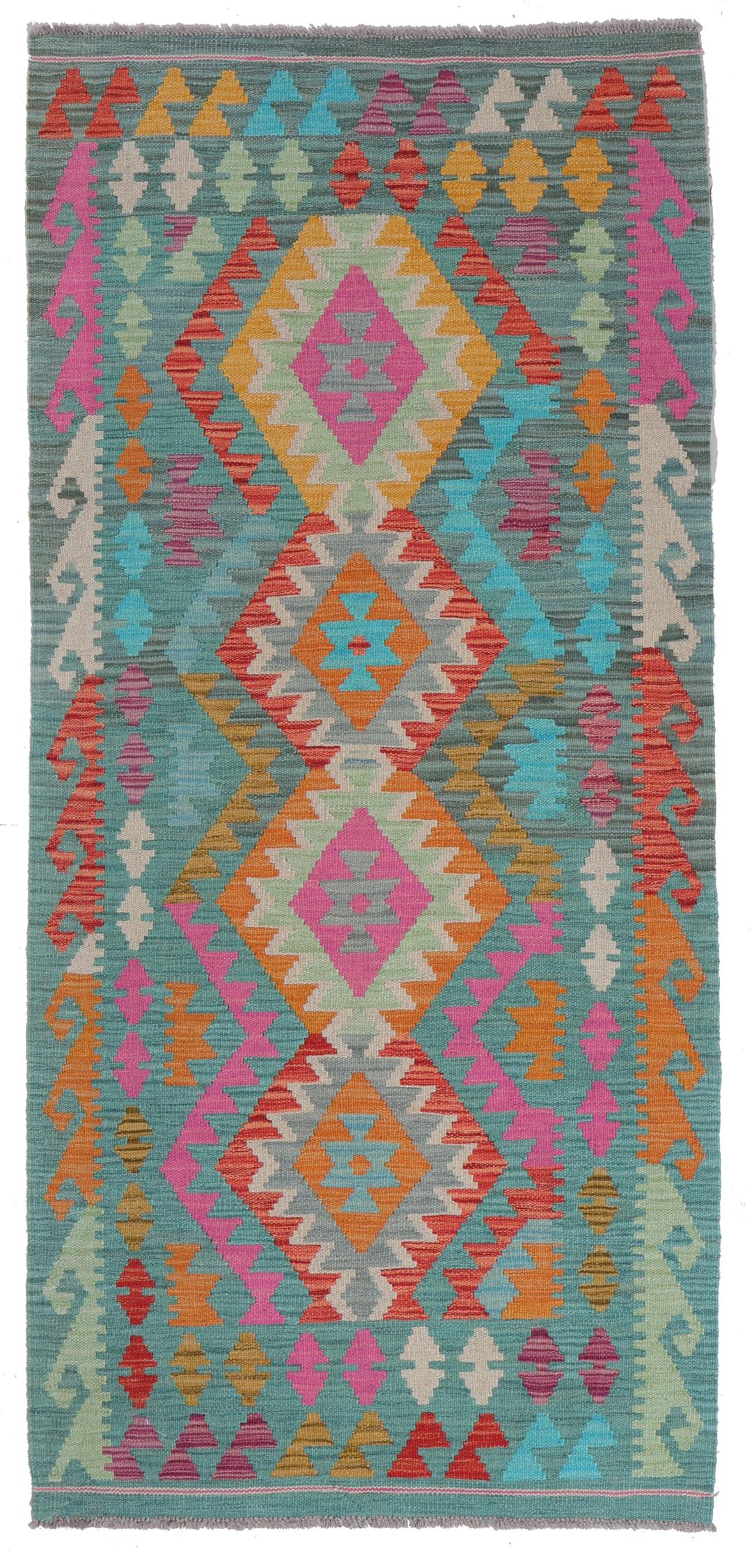
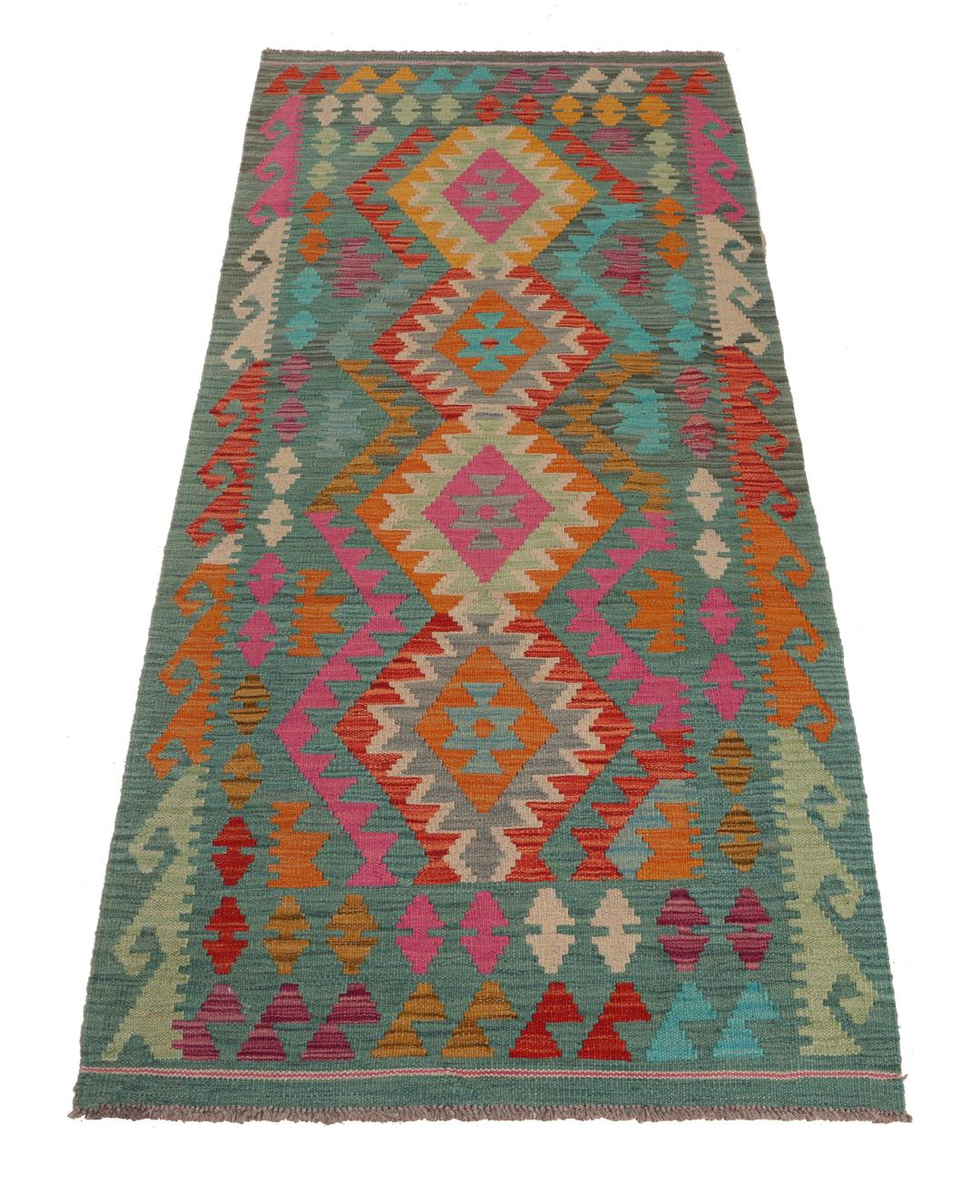
The tradition of weaving flat-weave rugs, known as Kelims, is deeply embedded in the nomadic cultures of the Middle East and Central Asia. These rugs have historically served as essential household items, used as floor coverings, blankets, and storage bags, reflecting a portable lifestyle where beauty and utility must go hand in hand.
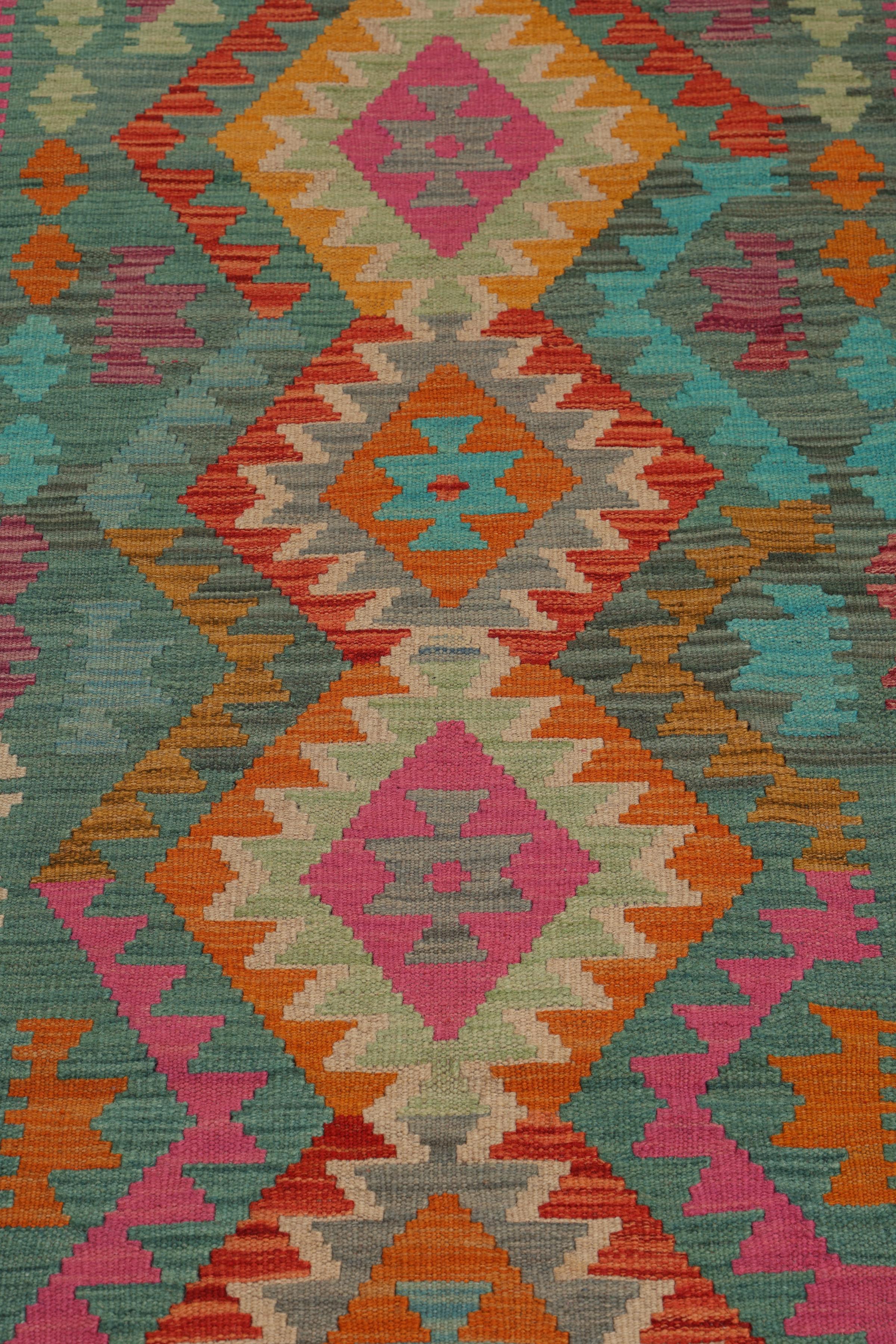
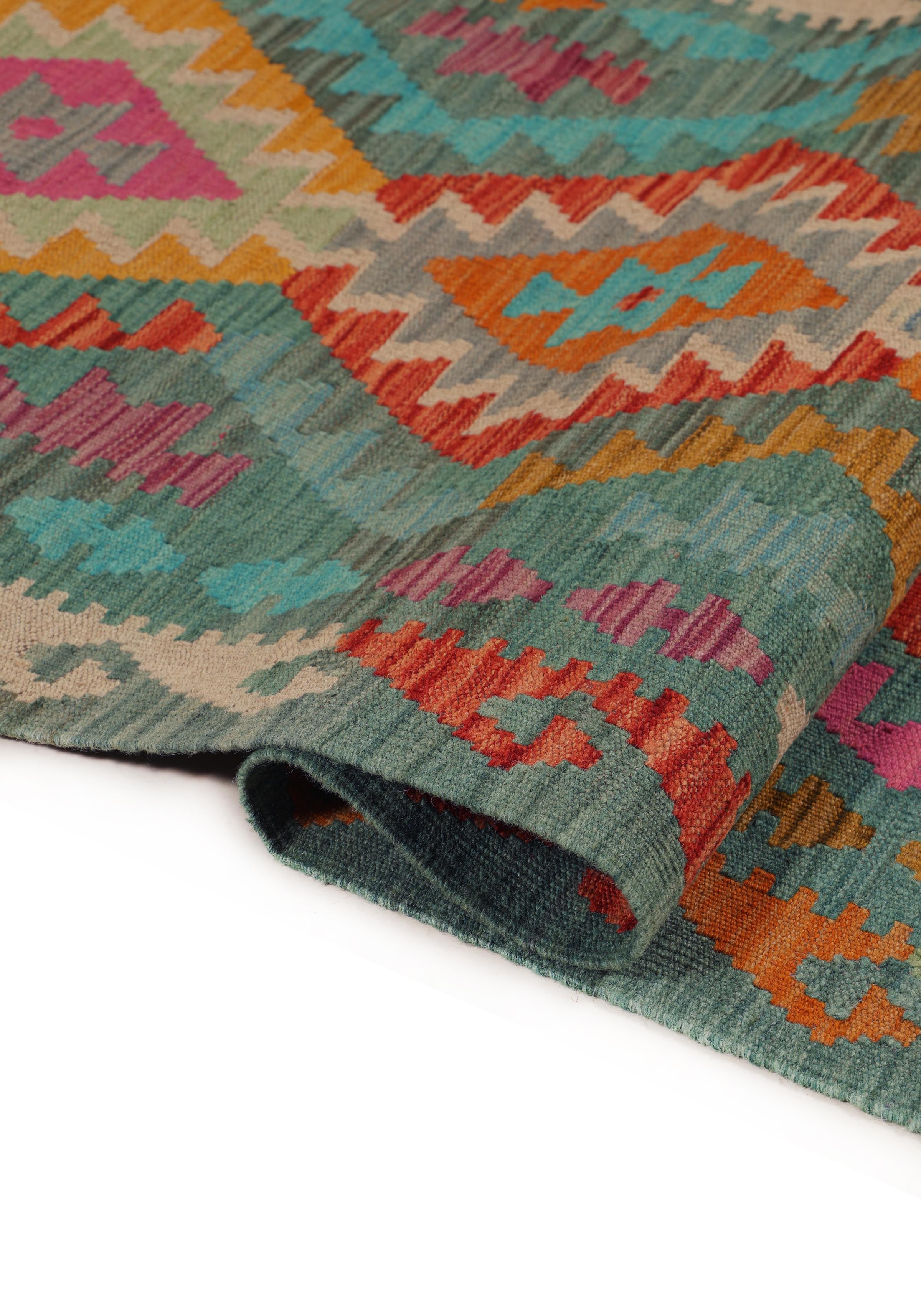
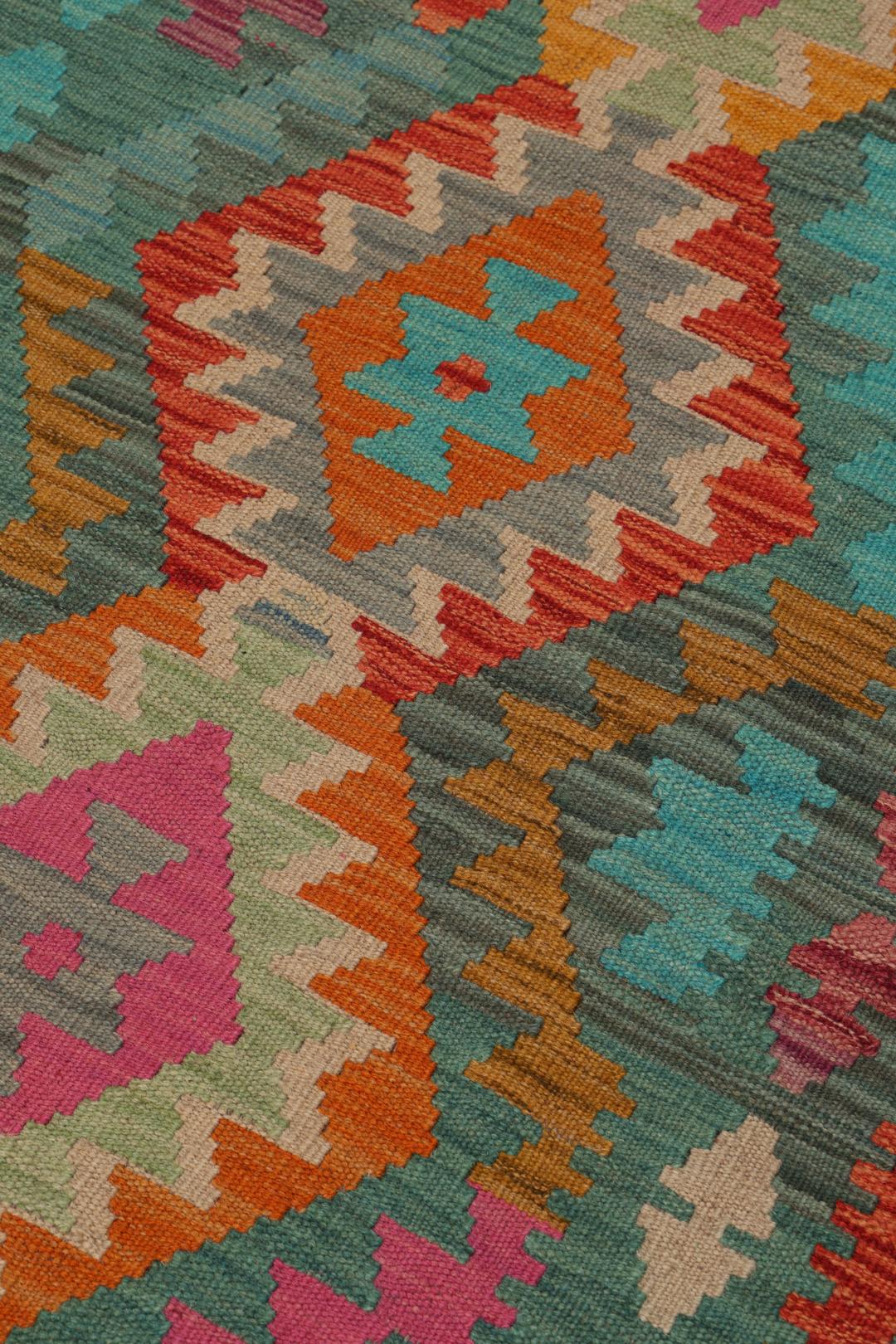
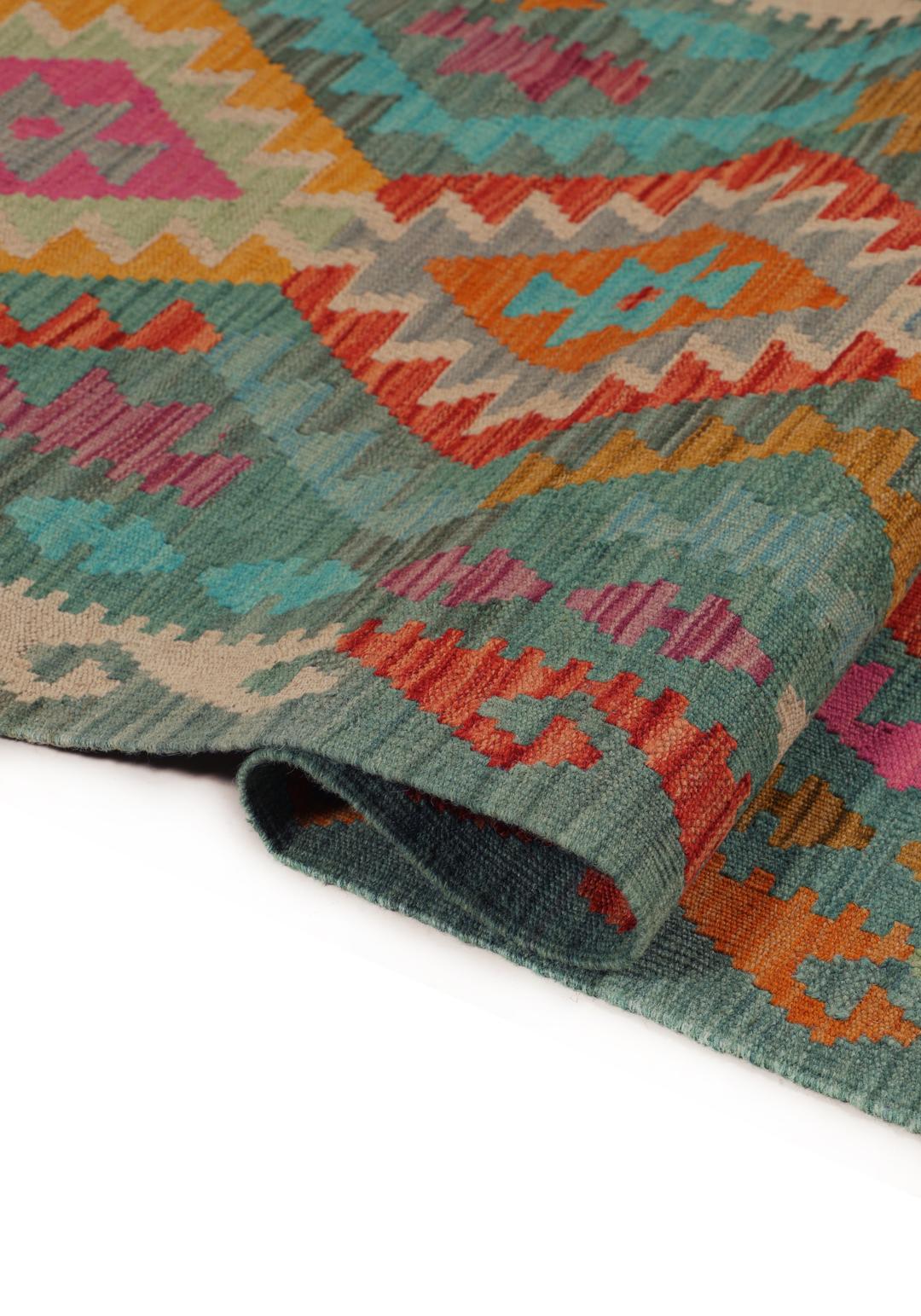
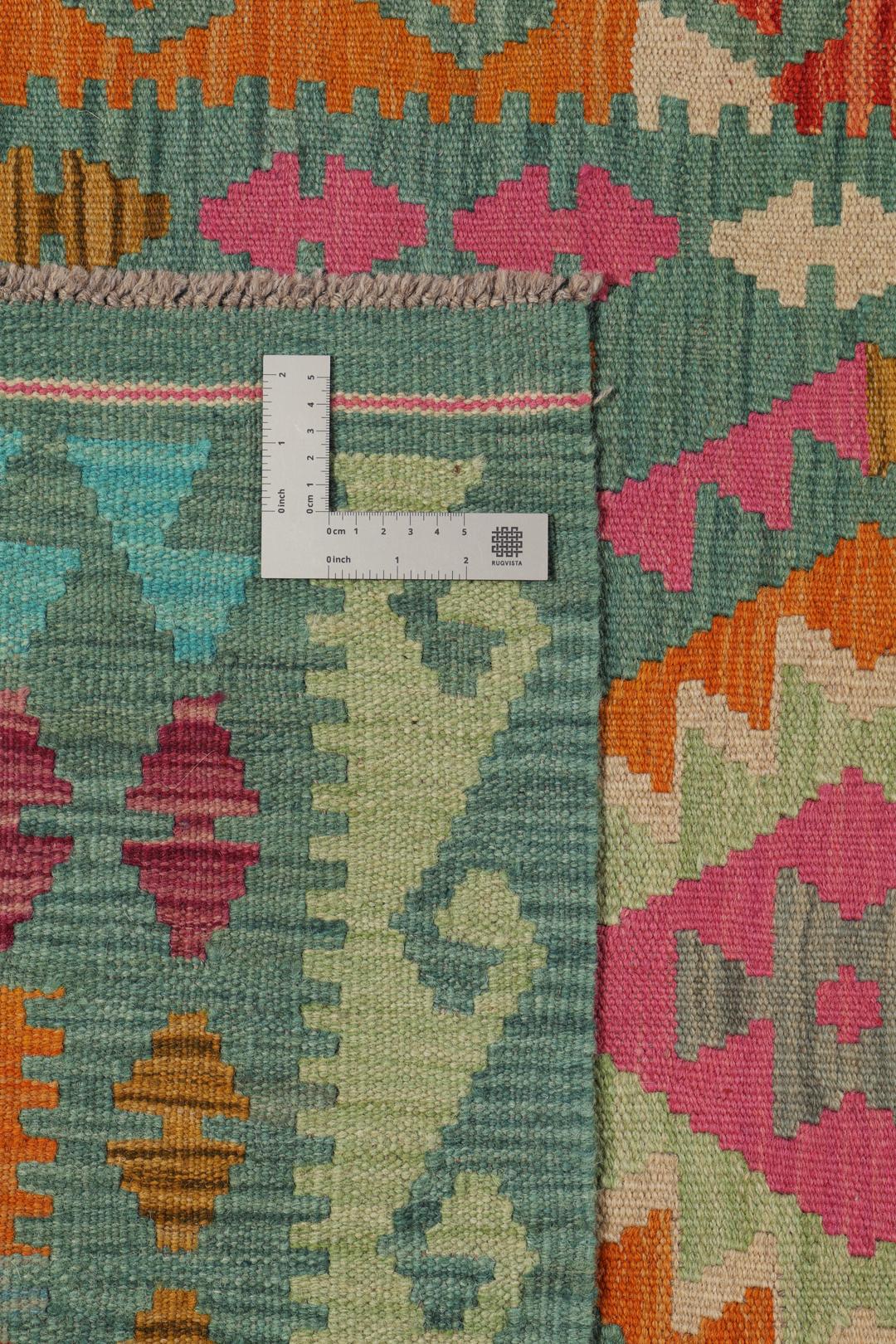
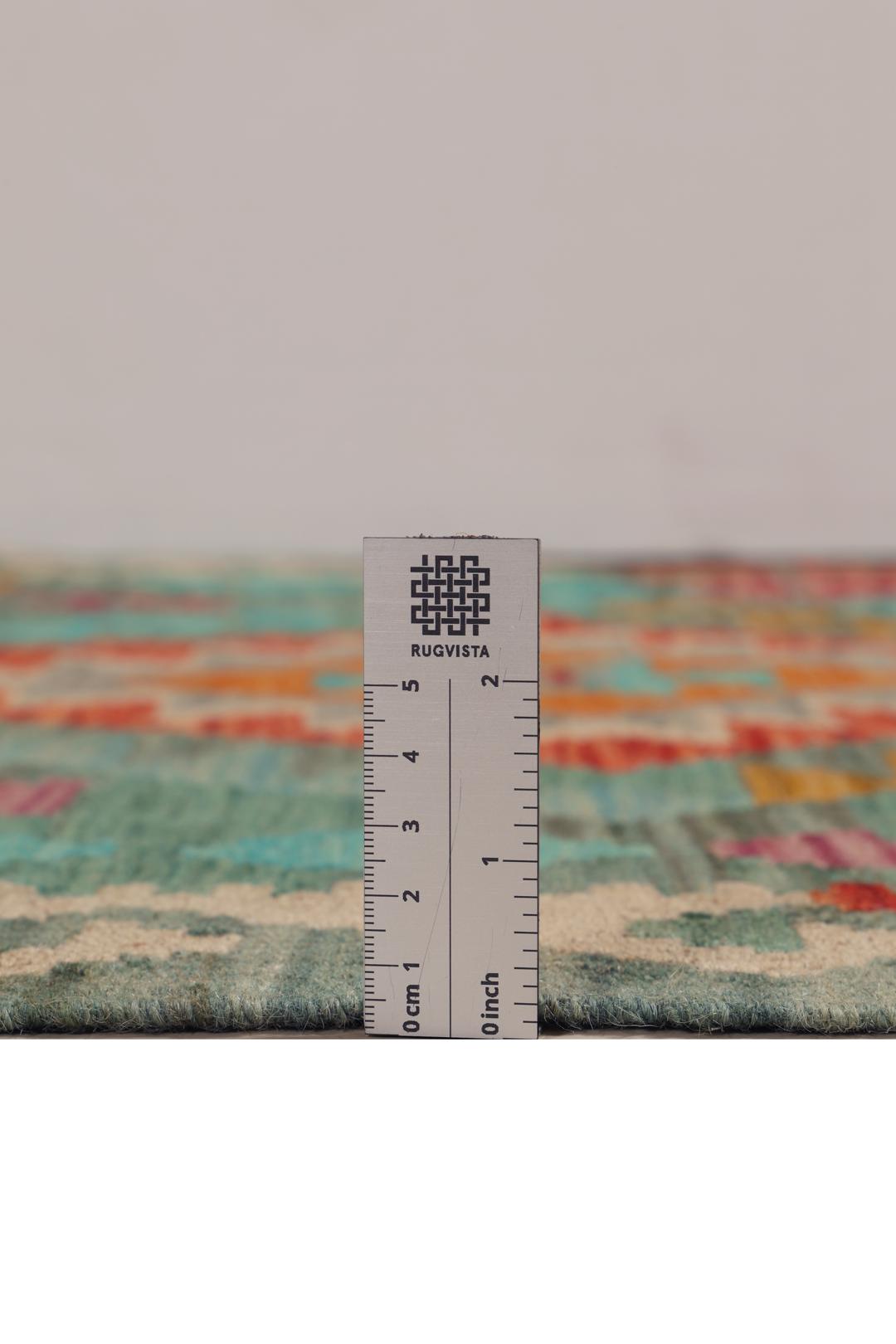
The term 'Kelim' refers to the specific technique where the weft threads are woven tightly around the warp threads to create a flat, pileless surface. This method is highly valued for producing rugs that are both lightweight and remarkably durable. Because there is no pile to wear down, these pieces are exceptionally long-lasting and often become family heirlooms passed down through generations.
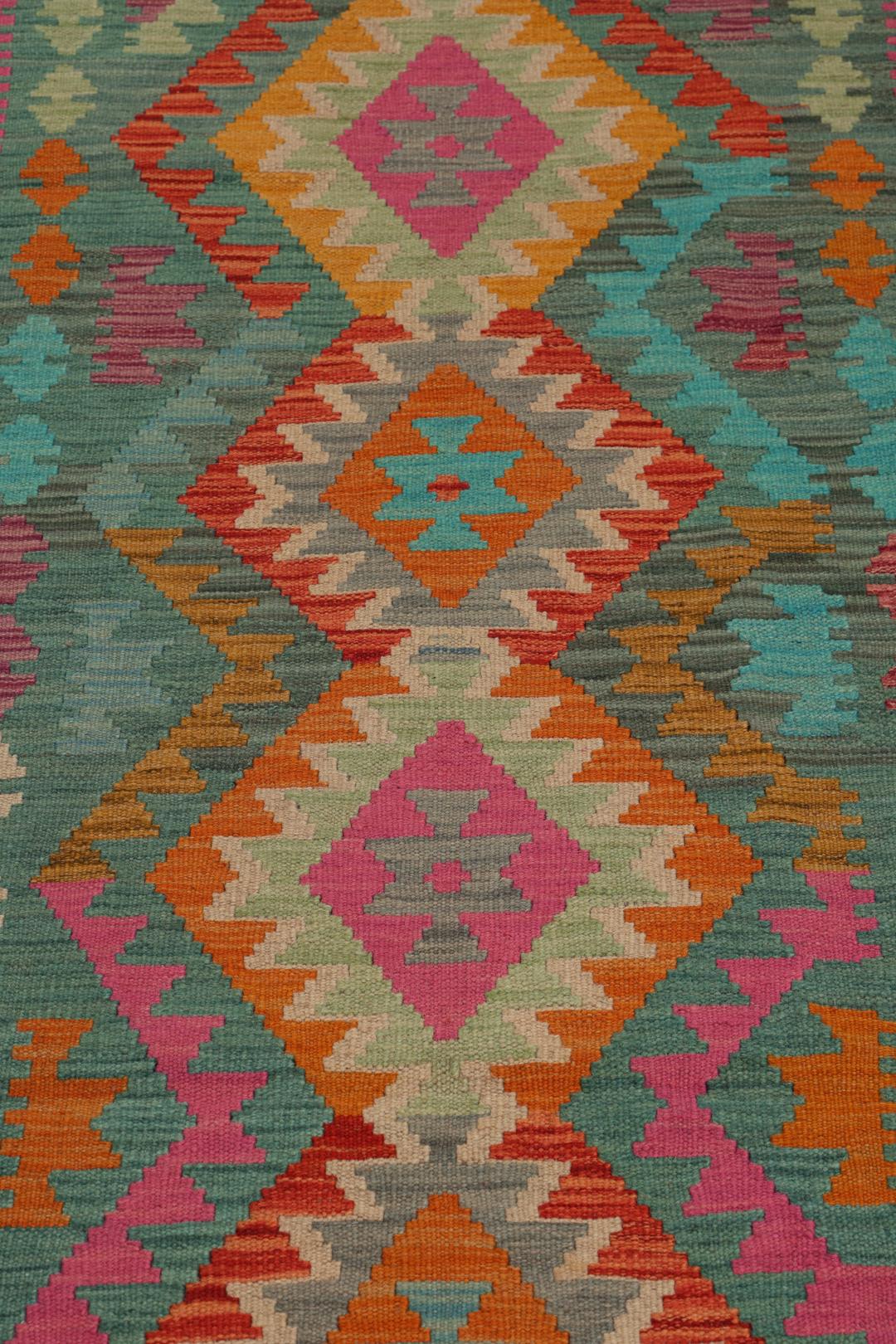
Signature design elements in these Afghan pieces often include bold geometric shapes, such as diamonds and triangles, which are deeply symbolic. These motifs are not merely decorative but often represent tribal identity, protection, or the natural landscape. The vibrant colours are traditionally derived from natural dyes, providing a depth of tone that evolves beautifully over time.
Owning an authentic Afghan piece like this is a way to connect with a centuries-old cultural legacy. Each rug serves as a document of the weaver's skill and the specific visual language of their region. Collectors value these rugs for their honesty, the depth of their storytelling, and the sheer human effort required to create such intricate, balanced patterns by hand.