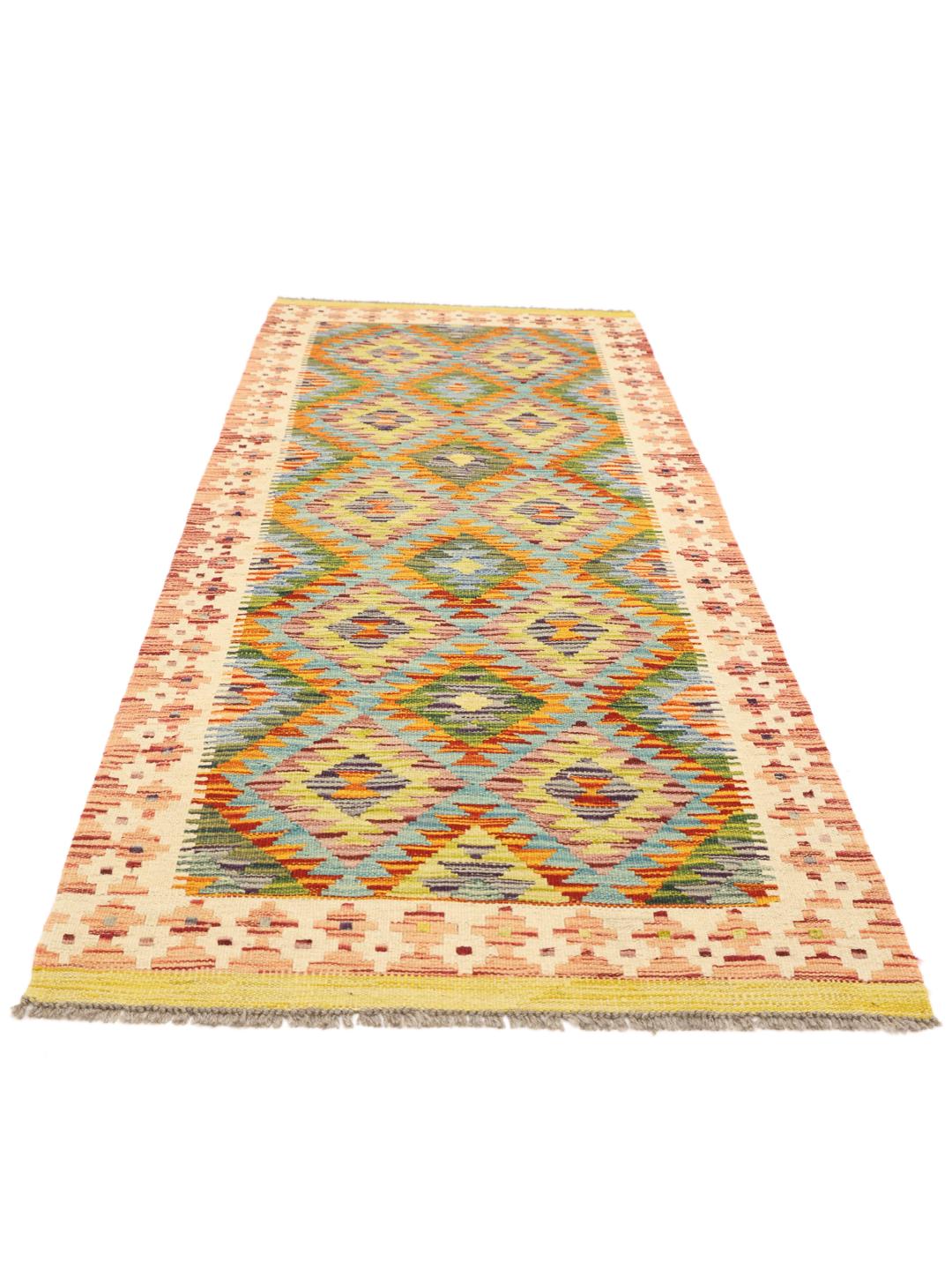
Kelim rugs have long been a cornerstone of nomadic life across the Middle East and Central Asia. These flat-woven textiles were historically created by tribal groups for their practical utility, serving as everything from floor coverings to saddlebags and wall hangings, reflecting a tradition that prioritises both beauty and function.
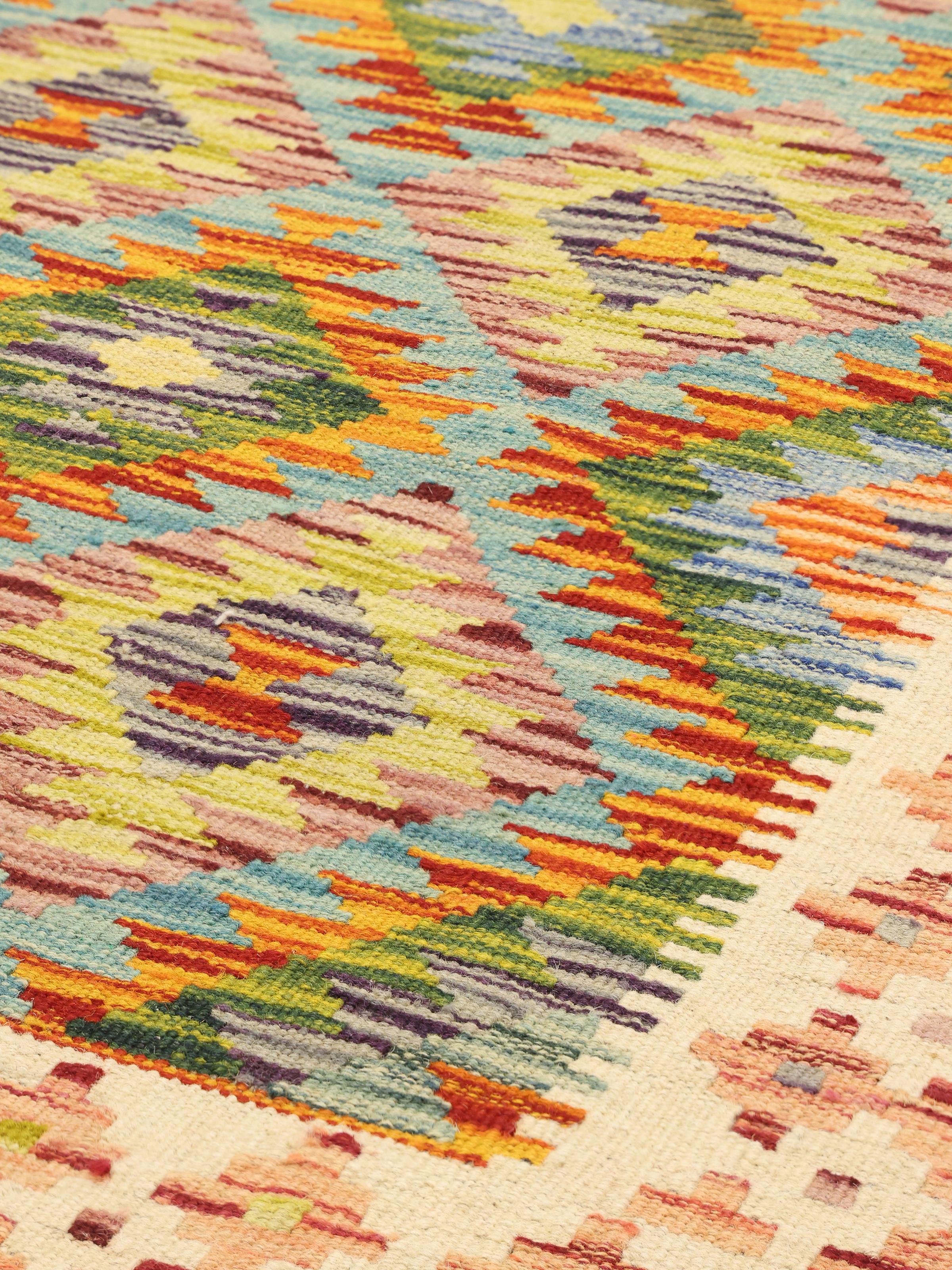
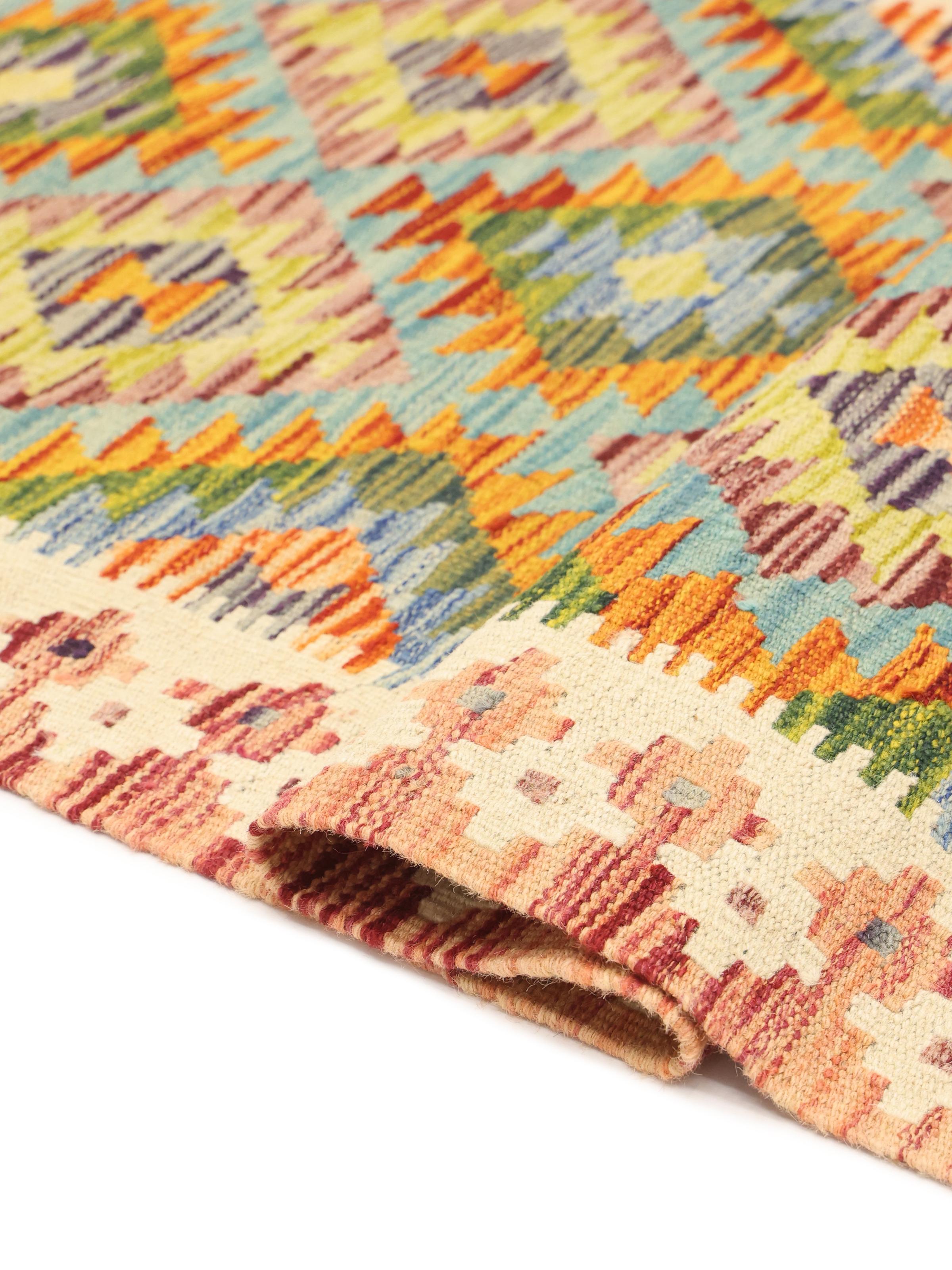
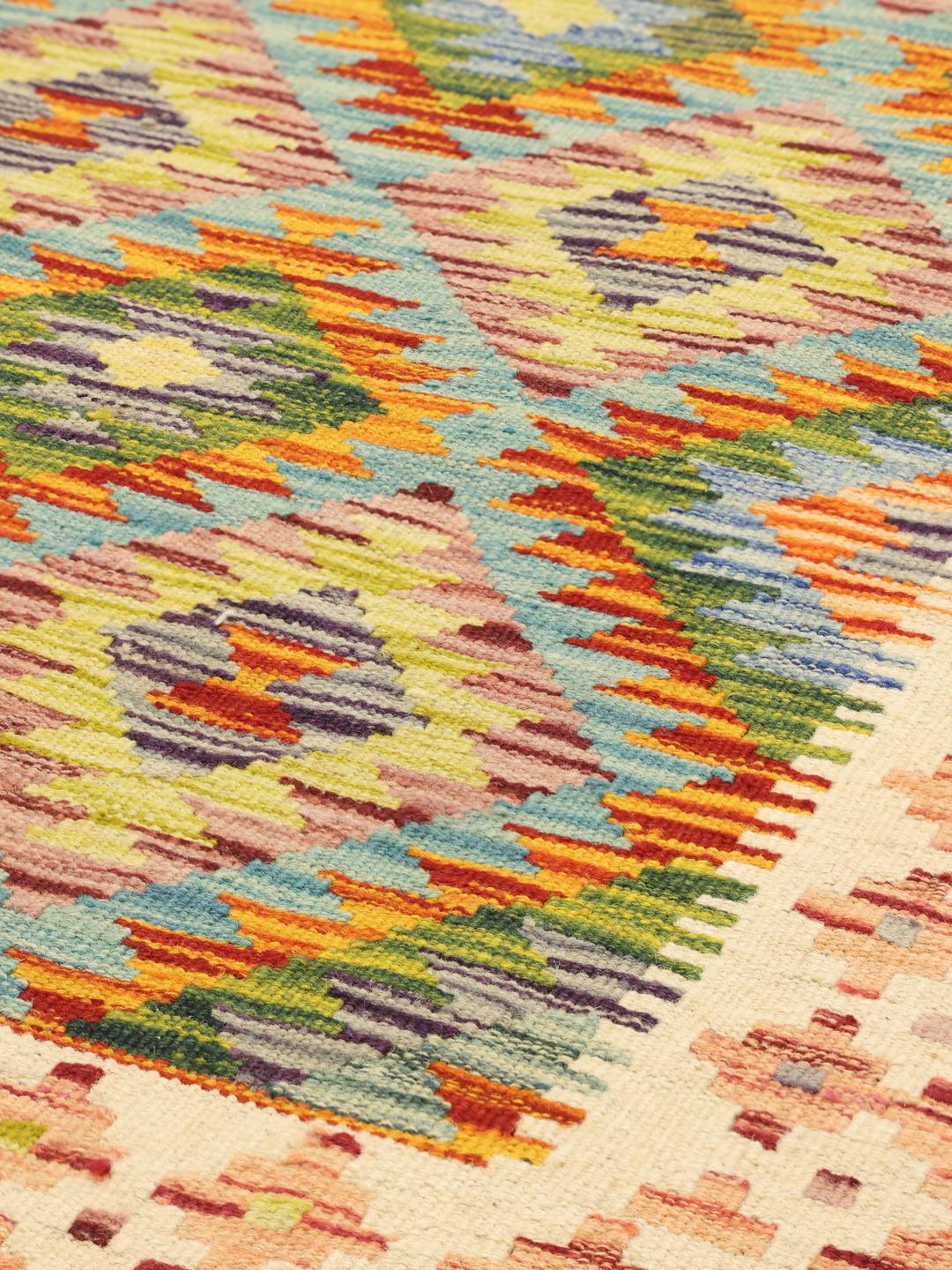
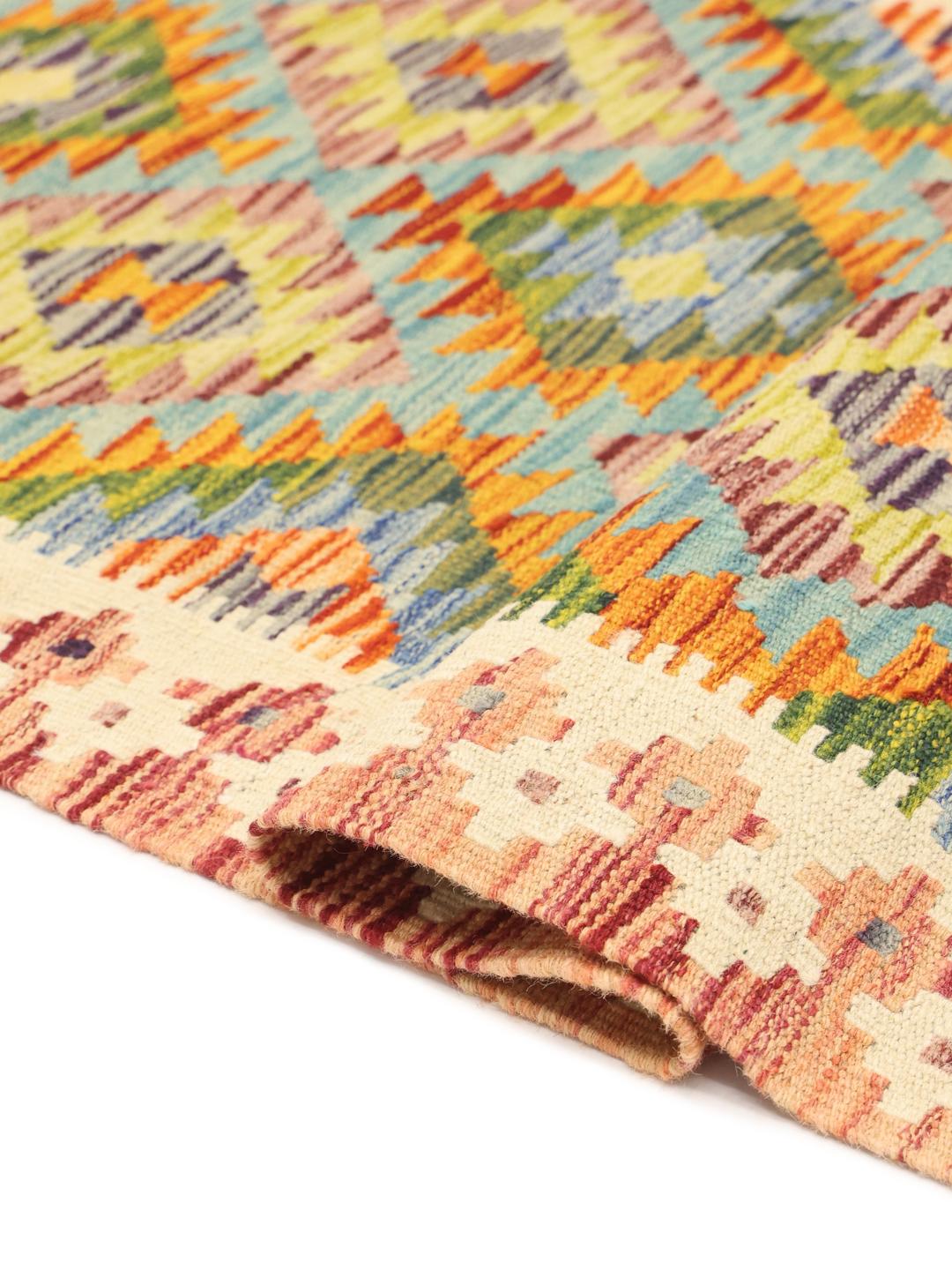
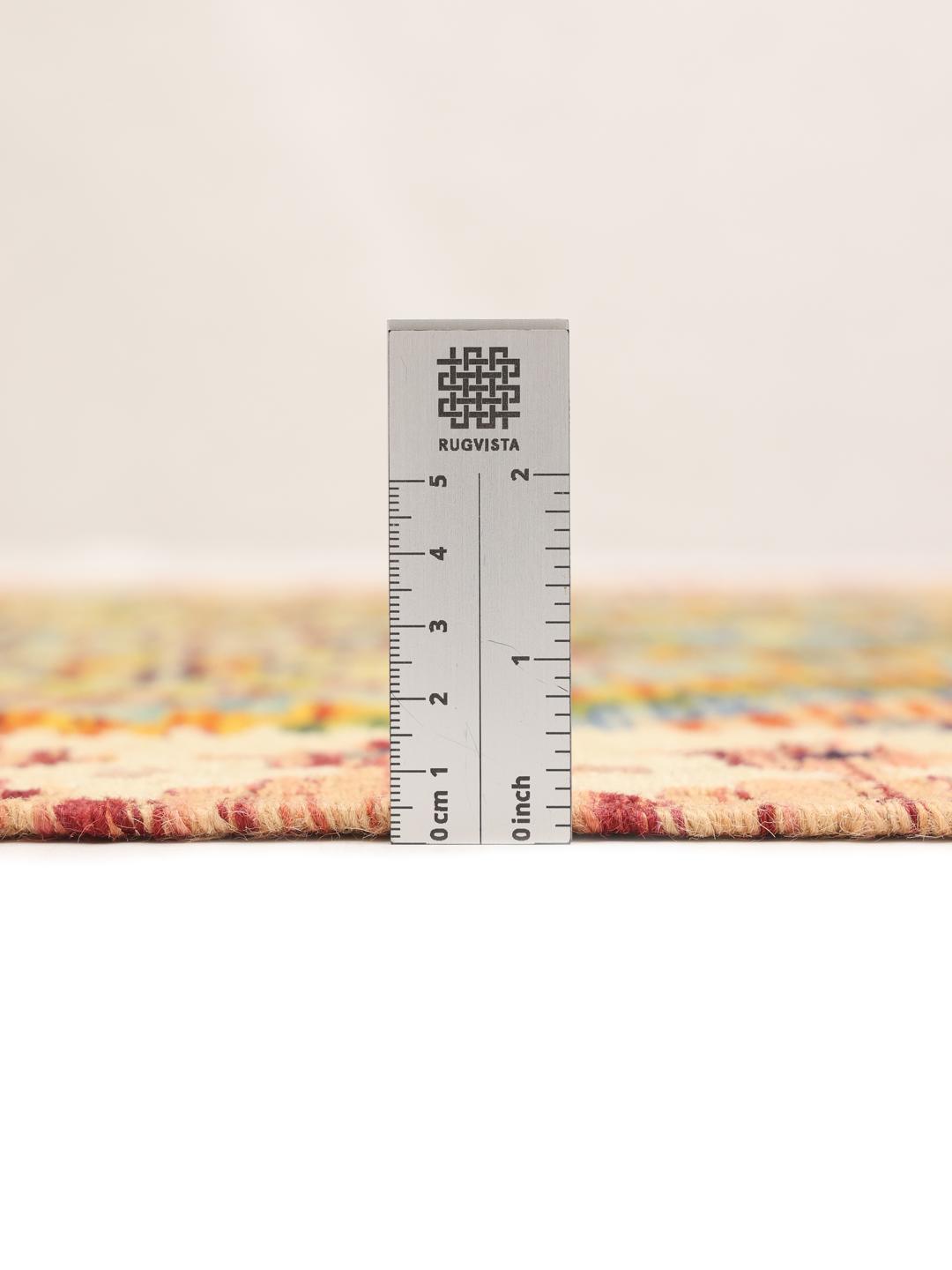
The term Kelim refers to the specific flat-weaving technique used, where the warp and weft threads are woven tightly together to create a smooth, pileless surface. This method results in a lightweight yet exceptionally durable rug that is easy to move and maintain, characteristics that were essential for the migratory lifestyles of the artisans who developed the craft.
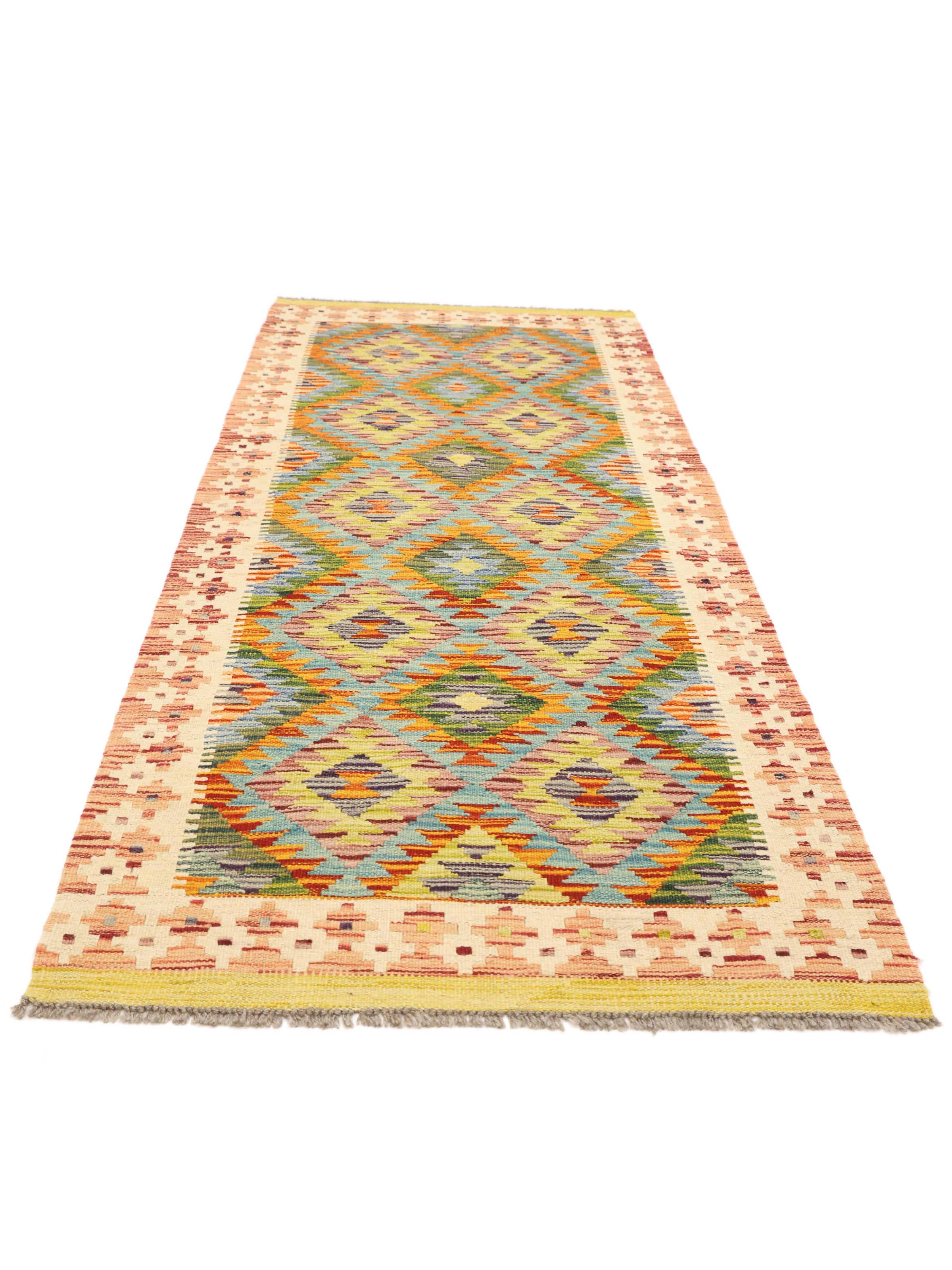
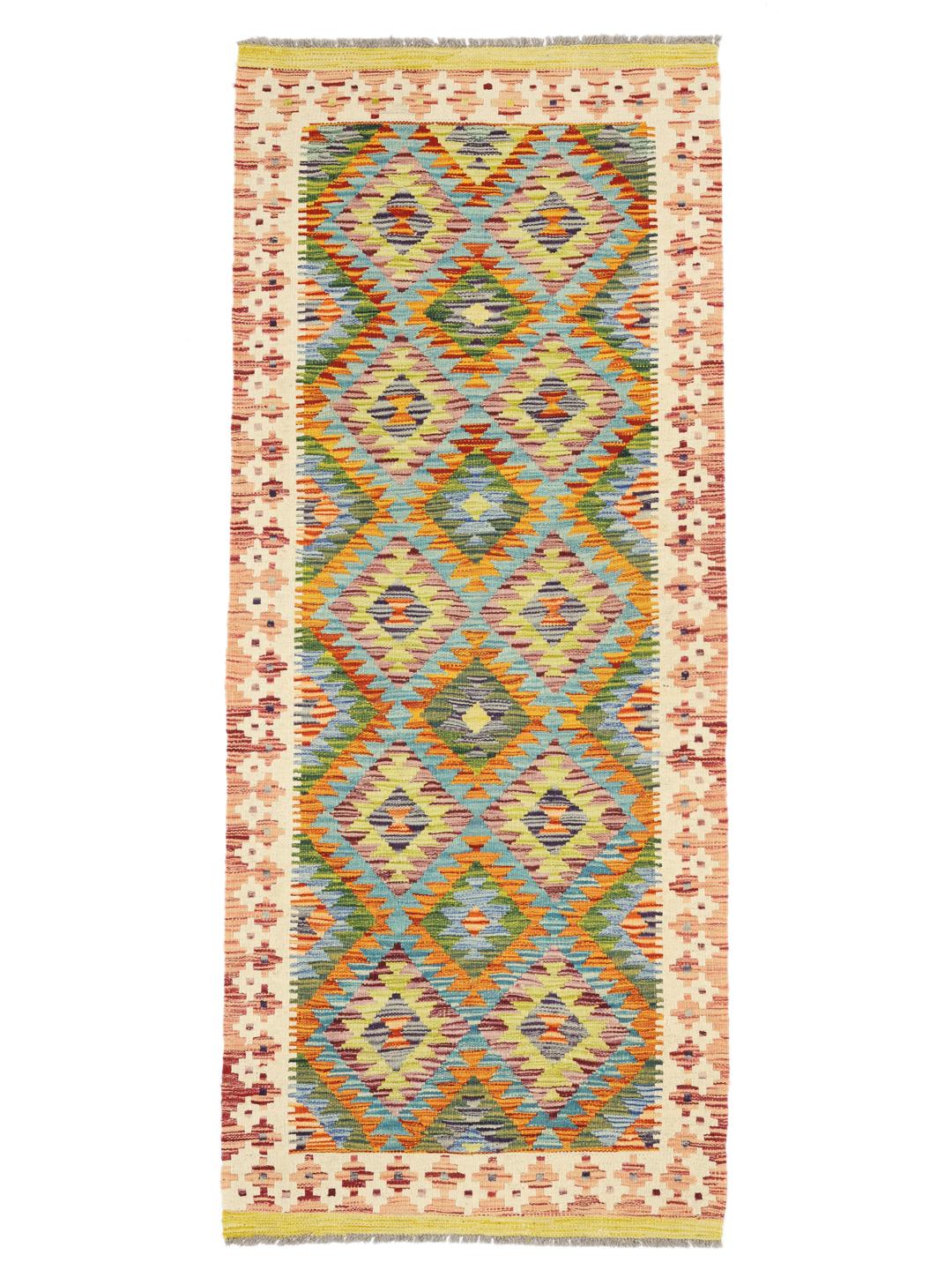
Visually, these runners are defined by their sharp, geometric motifs and bold use of colour. The diamond patterns seen here are classic elements of the tradition, often representing protective symbols or elements of the natural world. These designs are handed down through generations, allowing weavers to express their regional identity through complex, repeating sequences.
Owning a Kelim is more than just purchasing a floor covering, it is an investment in a storied craft tradition. These rugs are highly valued by collectors for their authenticity and the human skill embedded in every thread, offering a tangible connection to the cultural heritage of the regions where they are still produced today.