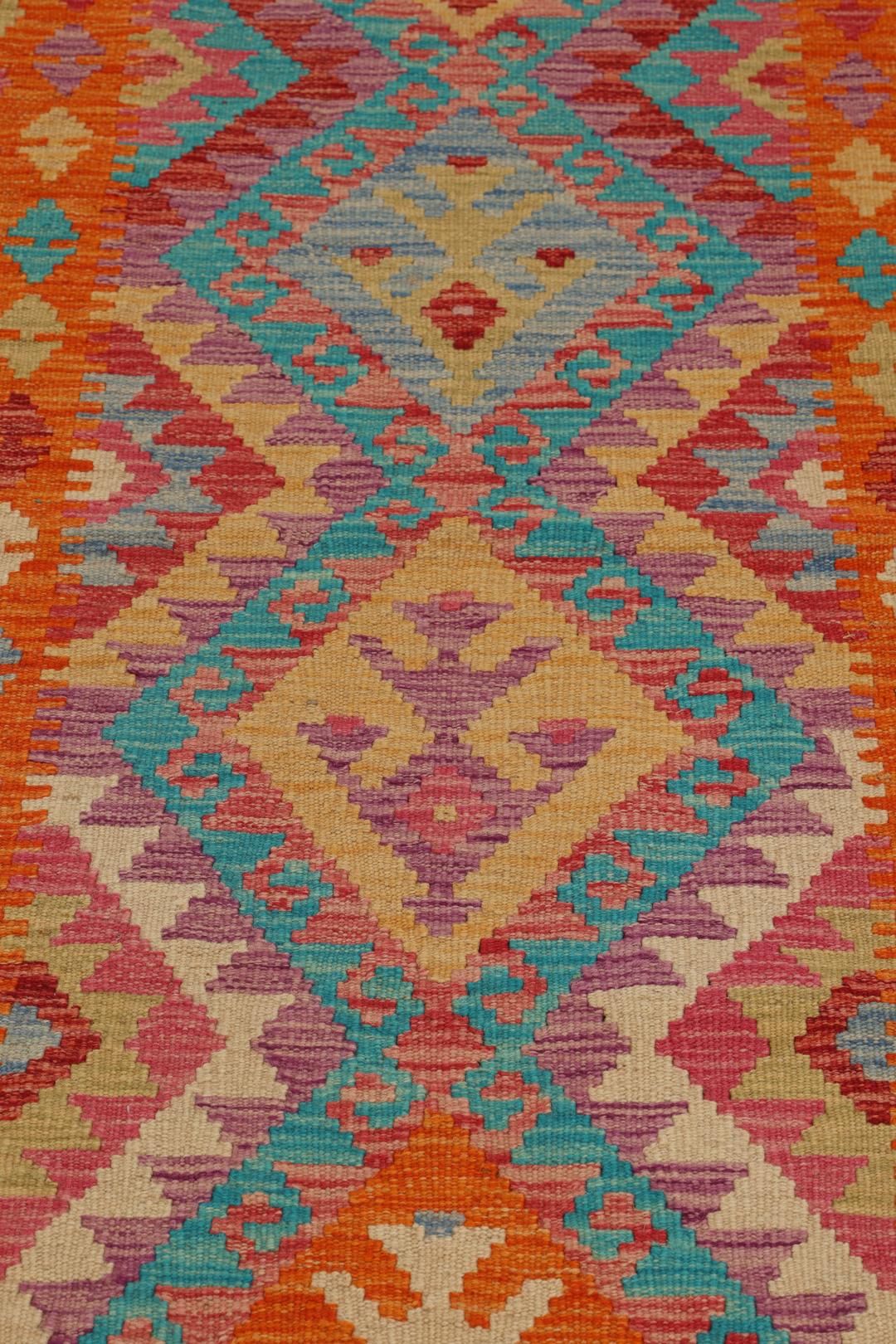
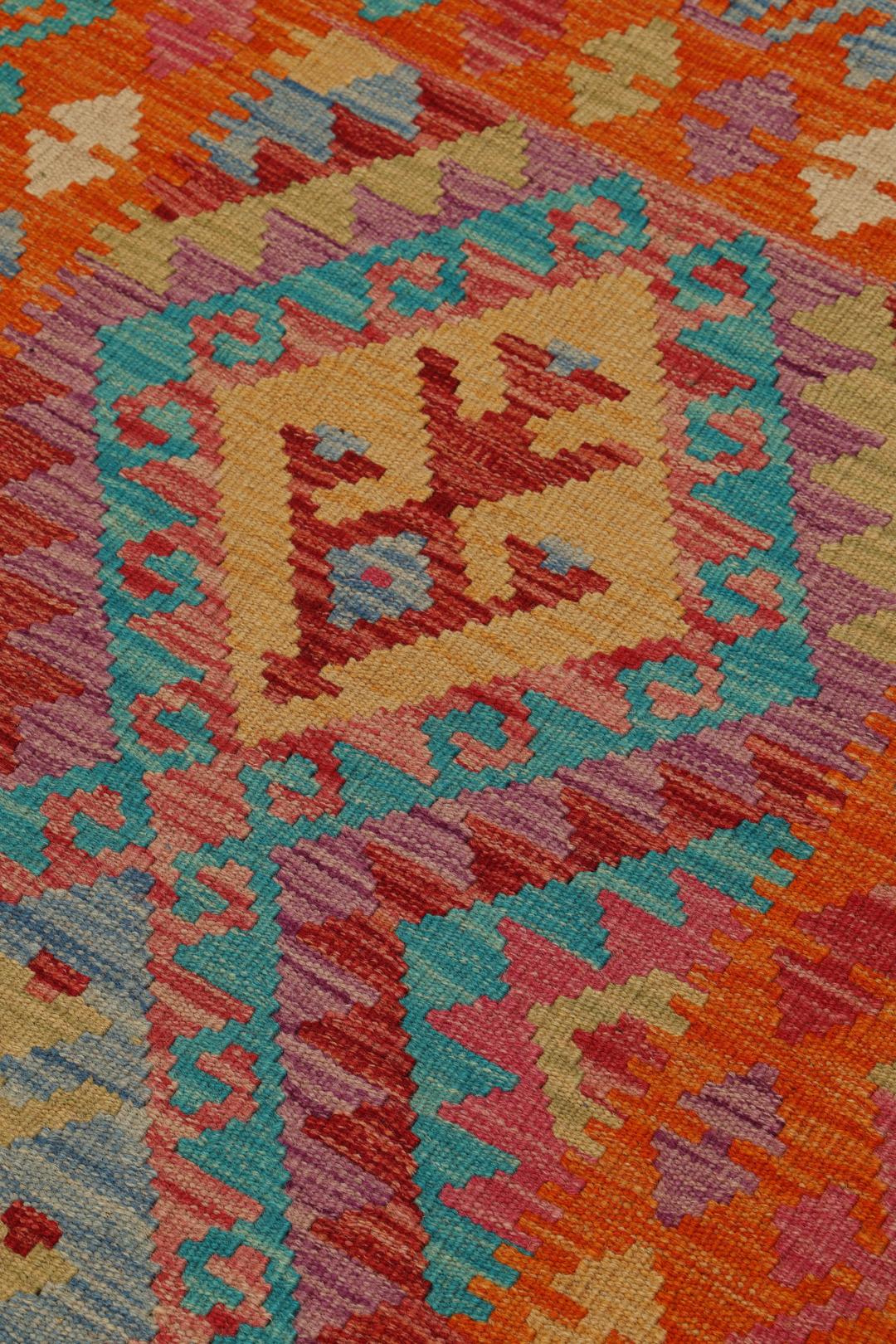
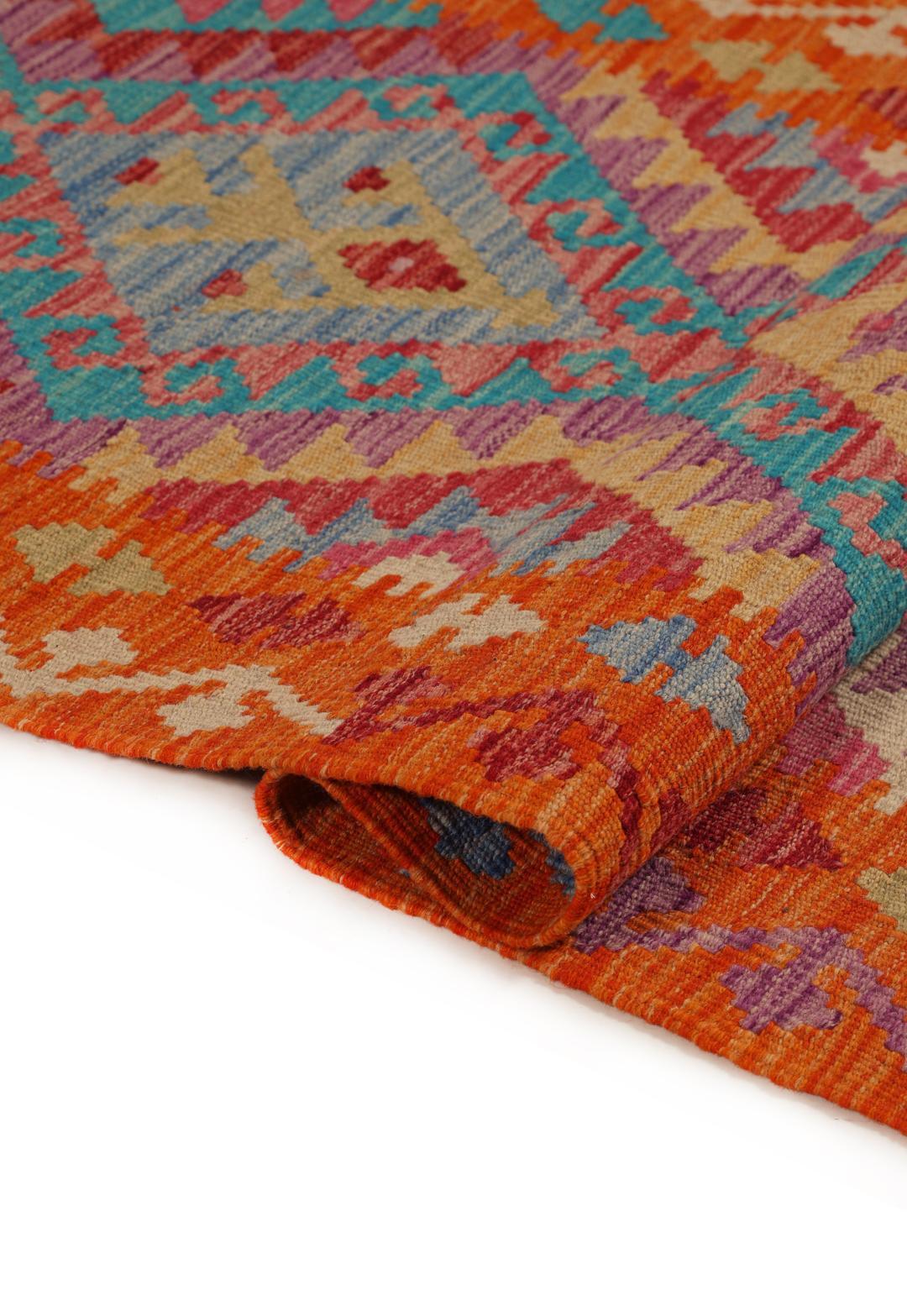
Kelim rugs have a long and storied history across the Middle East and Central Asia, serving as both functional floor coverings and expressions of cultural identity. The term Kelim refers to the flat-weaving technique used to create them, which distinguishes them from pile rugs by the absence of knots. This tradition has been preserved for centuries by nomadic and semi-nomadic tribes who valued these rugs for their portability and versatility.
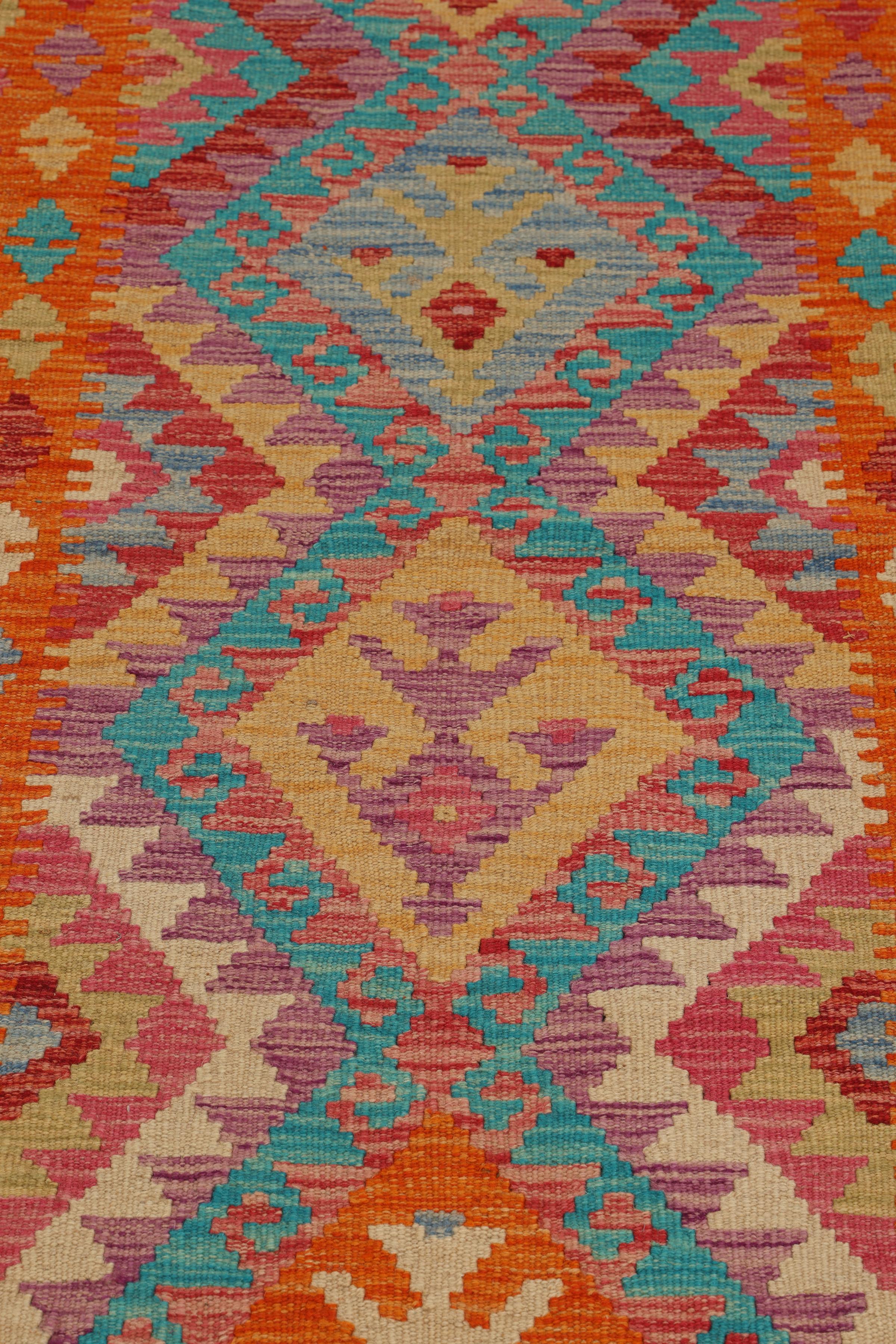
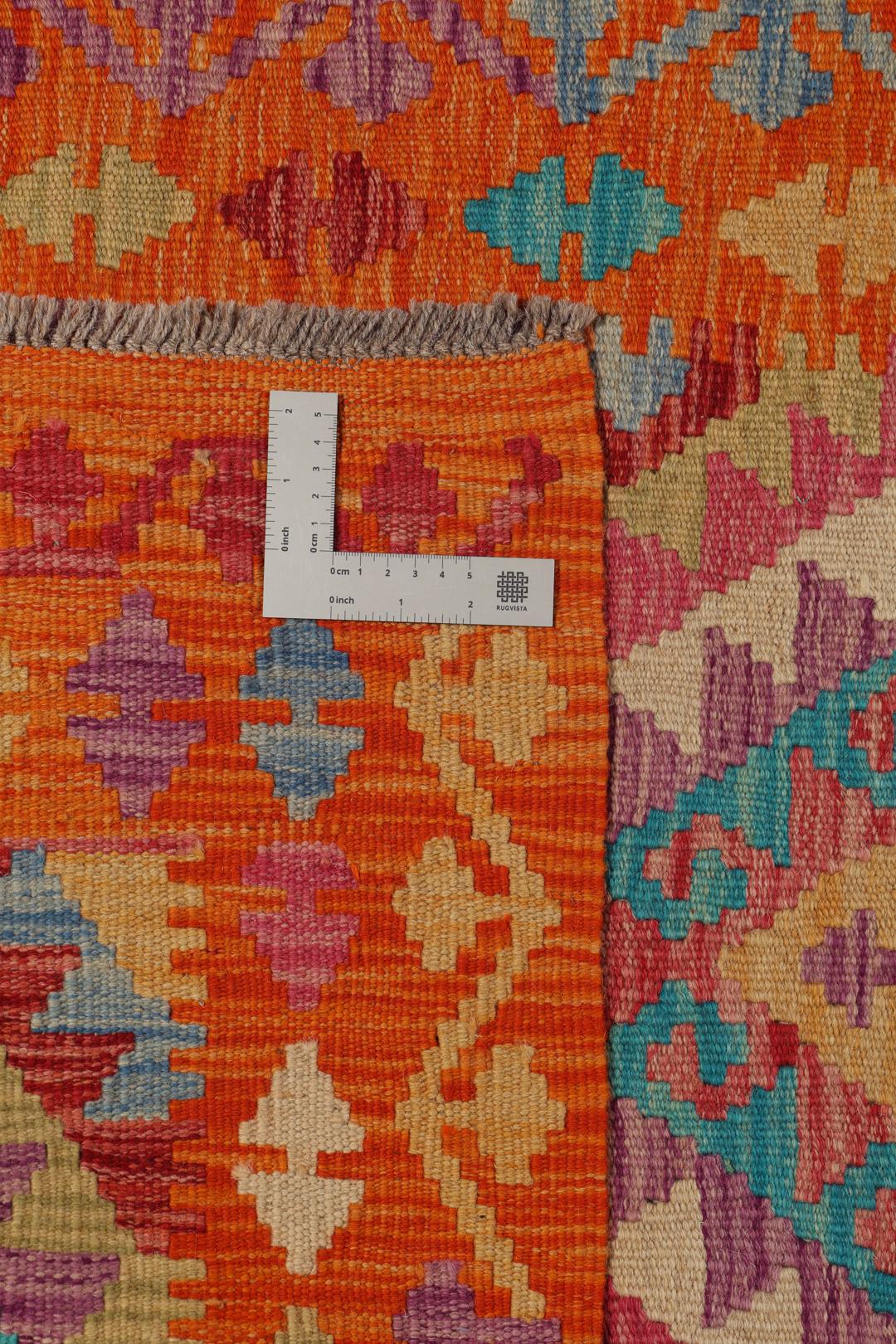
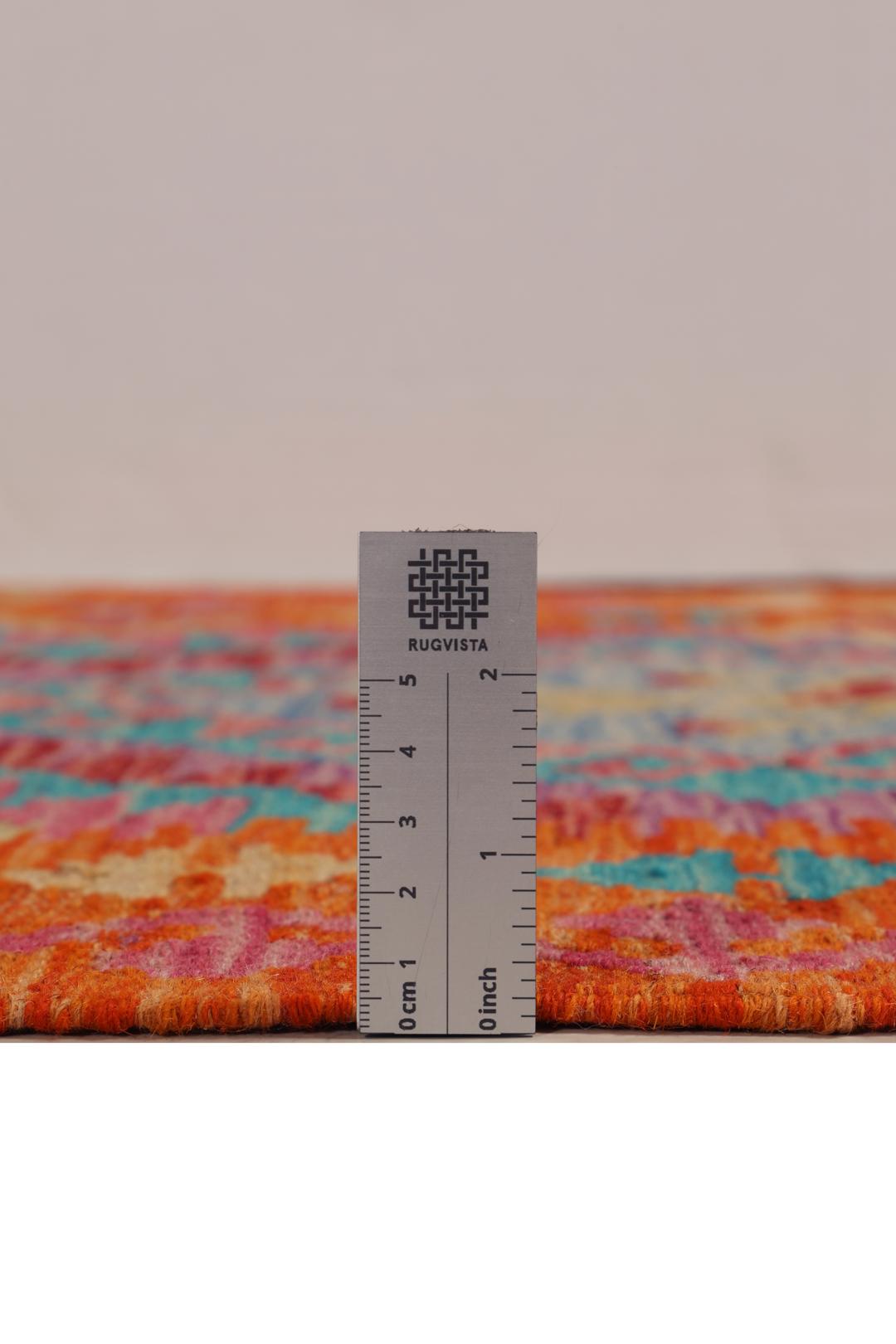
The art of flat-weaving requires a high level of skill, as the weaver must manage the warp and weft threads to create complex designs directly into the structure of the fabric. This method produces a thinner, lighter rug that is highly durable and reversible, making it a practical choice for both daily life and decorative display. The resulting texture is smooth and firm, showcasing the purity of the wool used in the construction.
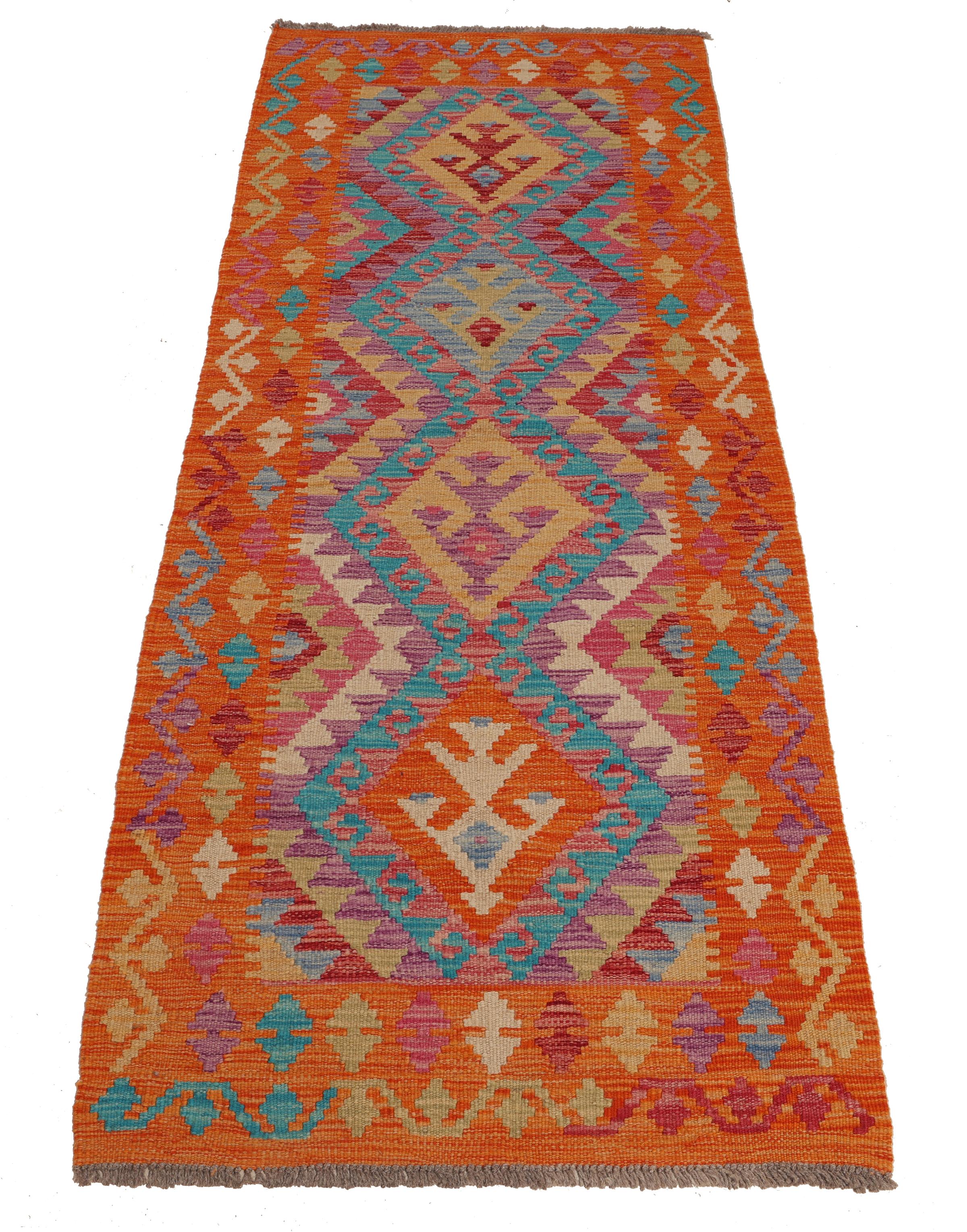
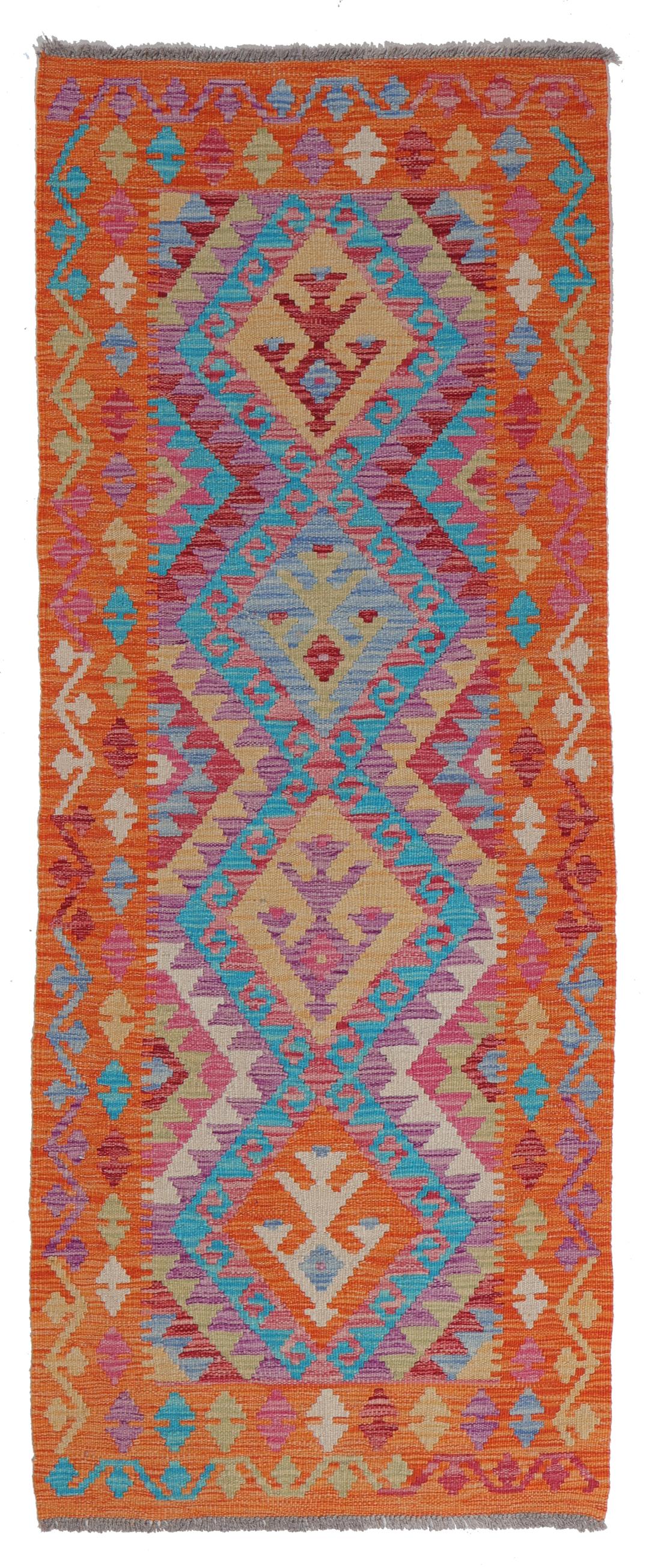
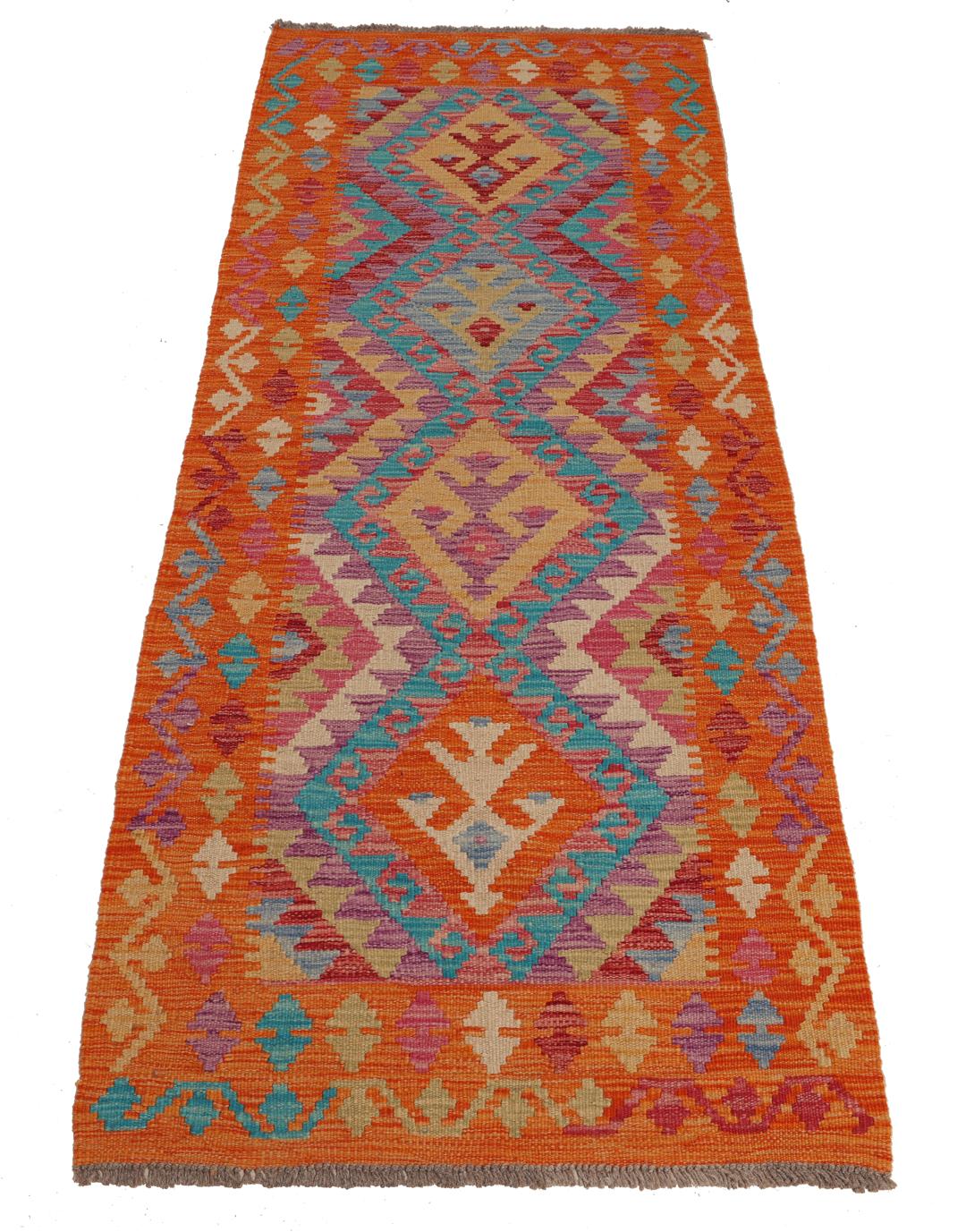
Signature design elements of these Afghan pieces often include bold geometric motifs such as diamonds, triangles, and stylized floral shapes. These patterns are frequently arranged in repeating sequences, framed by decorative borders that anchor the design. The use of vibrant, natural-inspired colours is a hallmark of this tradition, reflecting the landscape and the creative spirit of the weavers who produce them.
Today, these rugs are highly valued by collectors and enthusiasts for their cultural weight and the undeniable human touch present in every thread. Owning a Kelim is an investment in a living tradition, representing a bridge between ancient techniques and contemporary home styling. It serves as a reminder of the enduring beauty that can be achieved when skill, tradition, and creativity come together.