The Kelim tradition is deeply rooted in the nomadic cultures of the Middle East and Central Asia, serving as both functional floor coverings and vibrant expressions of tribal identity. Traditionally, these rugs were created by nomadic tribes to provide insulation and decoration for their tents, making them essential to daily life. Over generations, these weaving practices migrated and evolved, with Afghanistan becoming a renowned hub for producing high-quality, authentic flat-weaves that honour these ancient techniques.
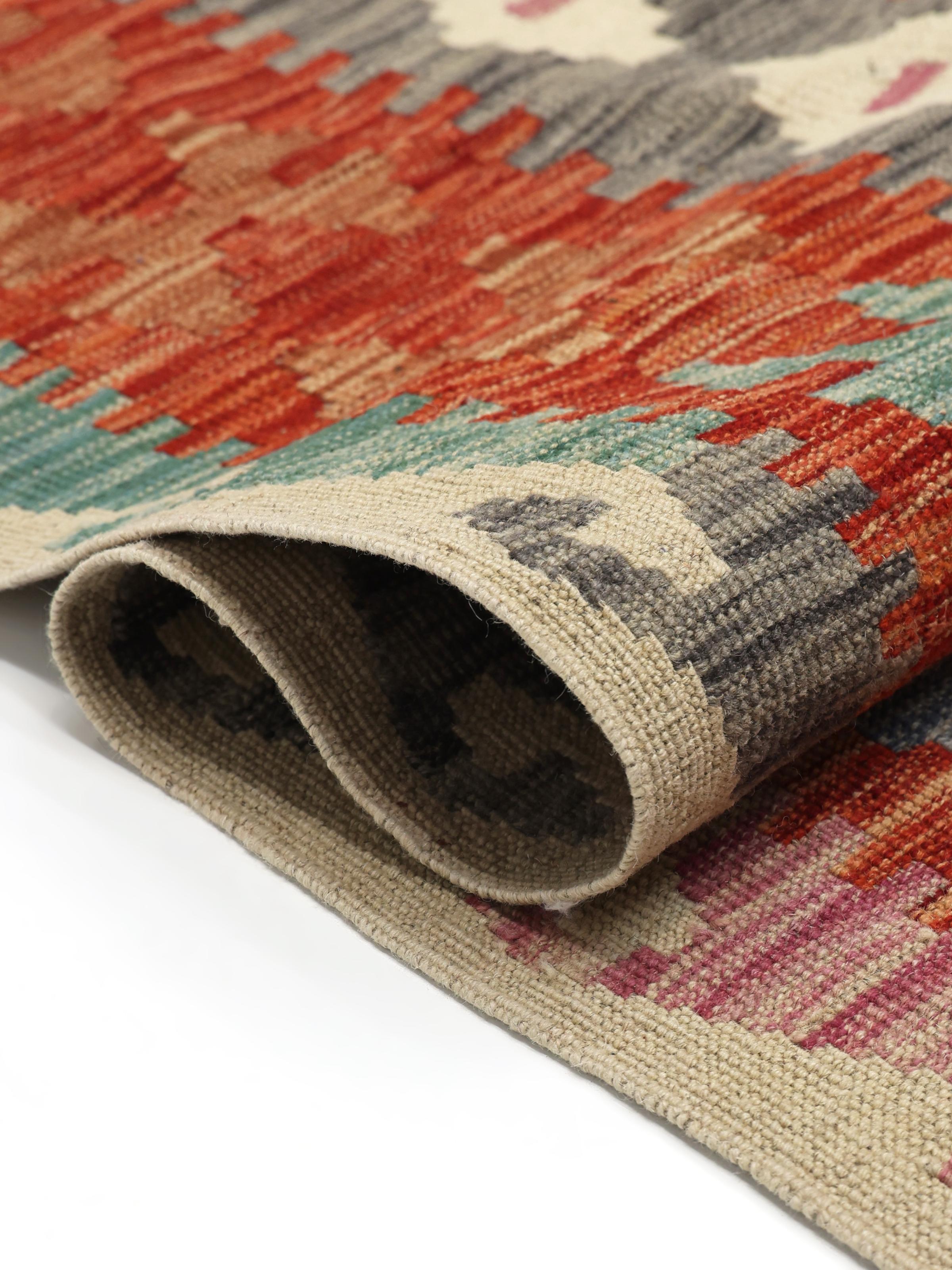
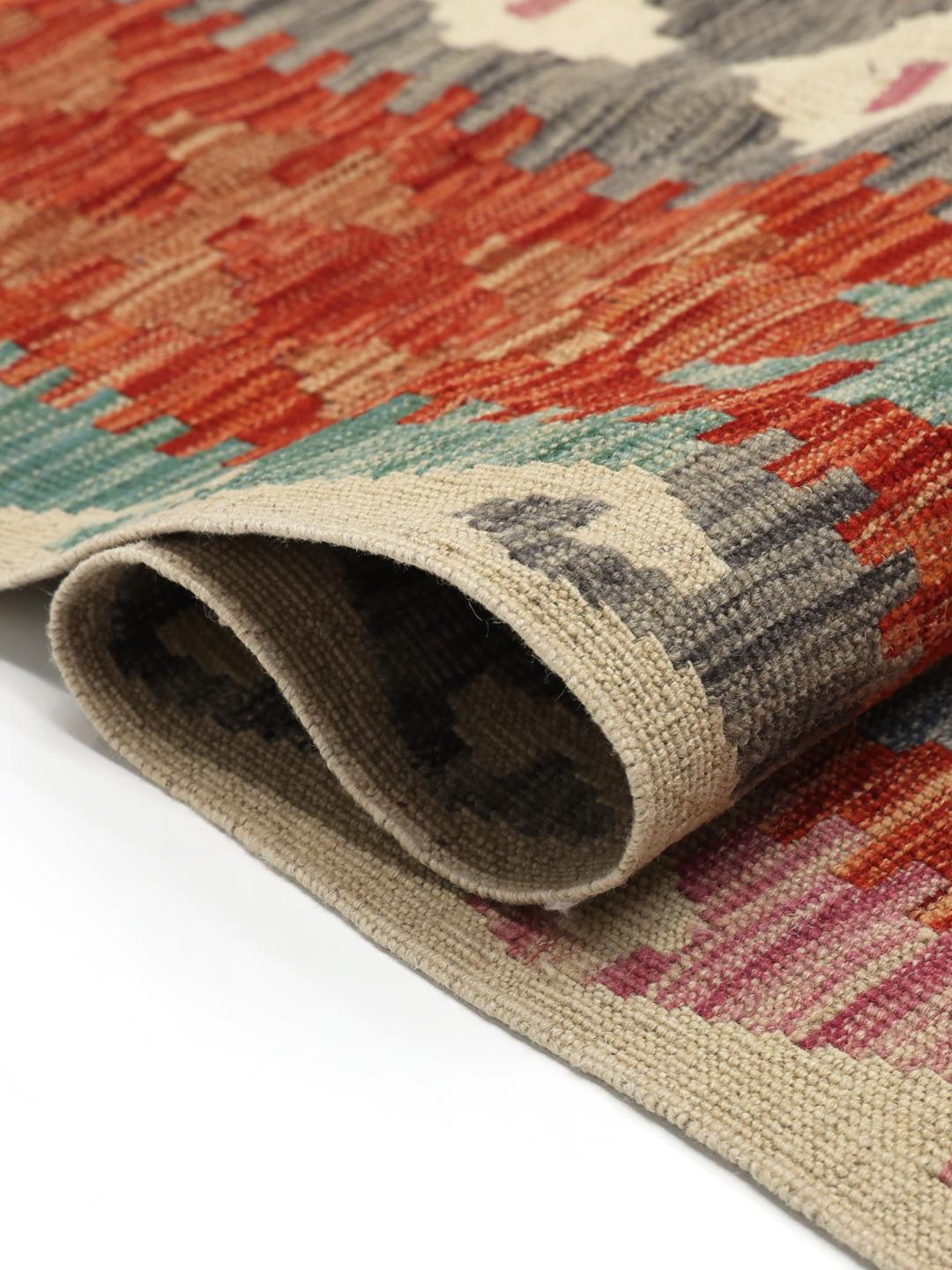
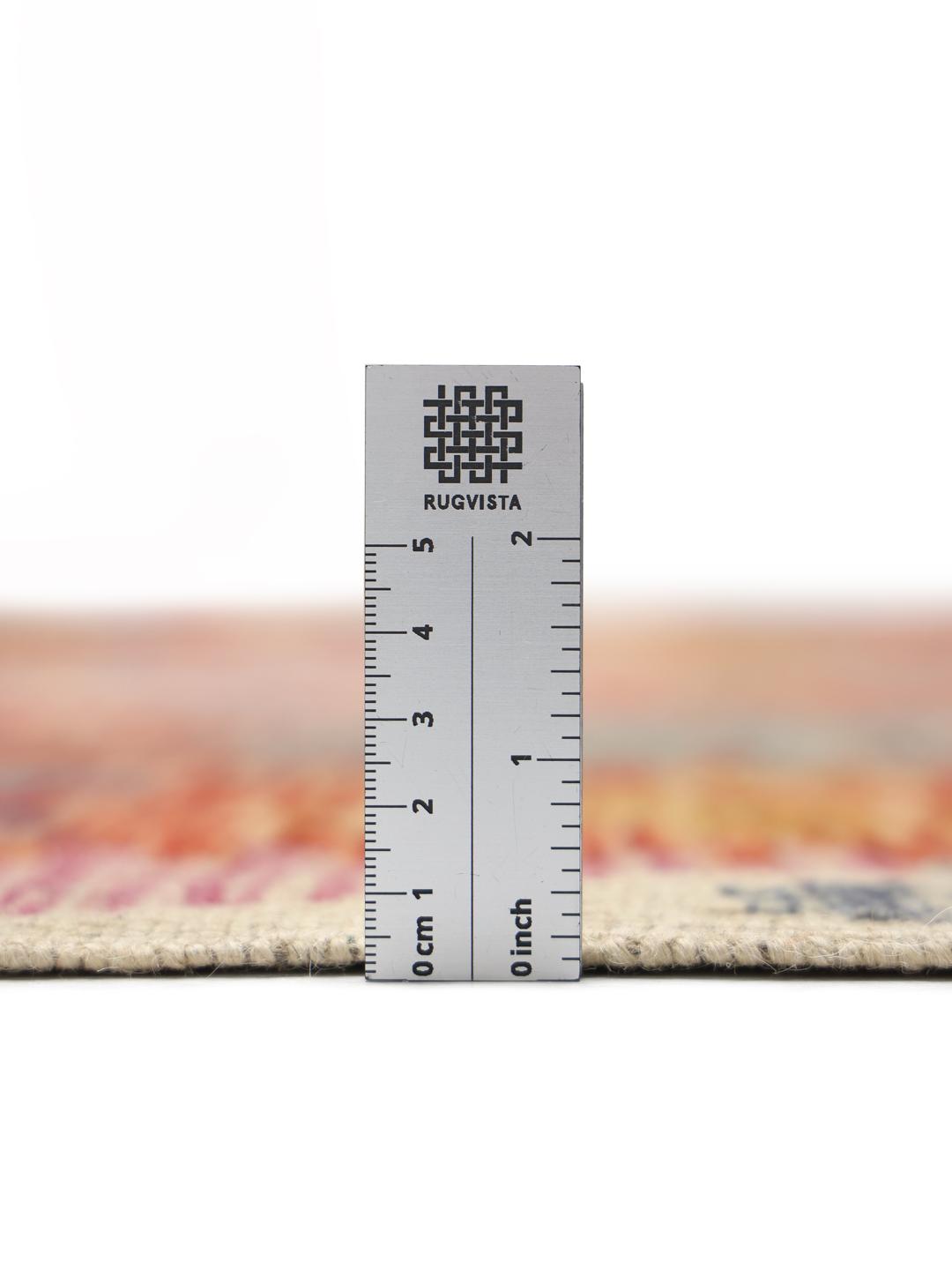
The term 'Kelim' refers specifically to the flat-weave technique where no pile is created, as the warp and weft threads are interlaced to form the pattern itself. This method results in a reversible, lightweight, and incredibly durable textile. For the user, this means a rug that is not only easier to move and clean but also possesses a unique, sharp clarity in its design motifs that is impossible to replicate with knotted, high-pile alternatives.
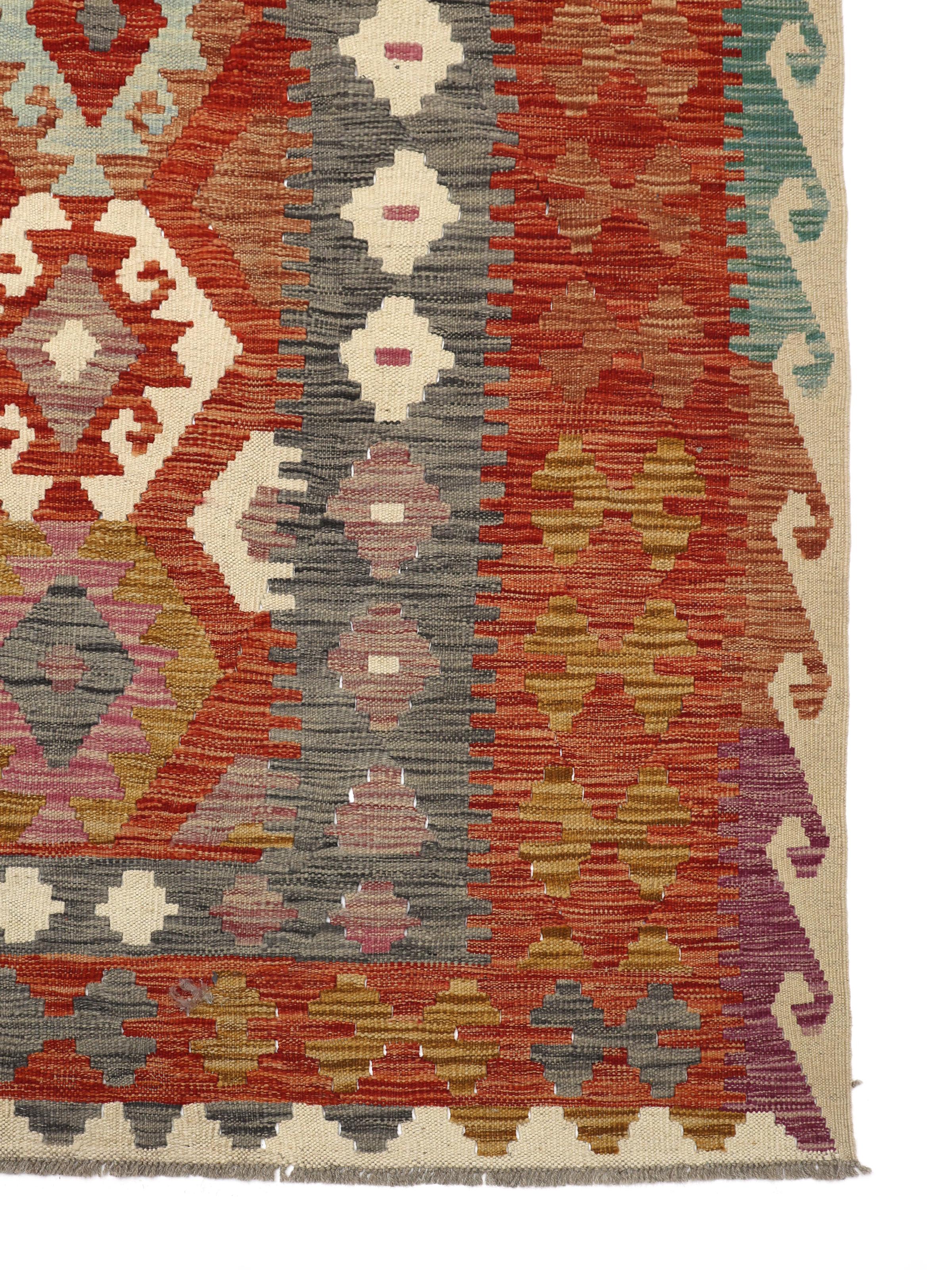
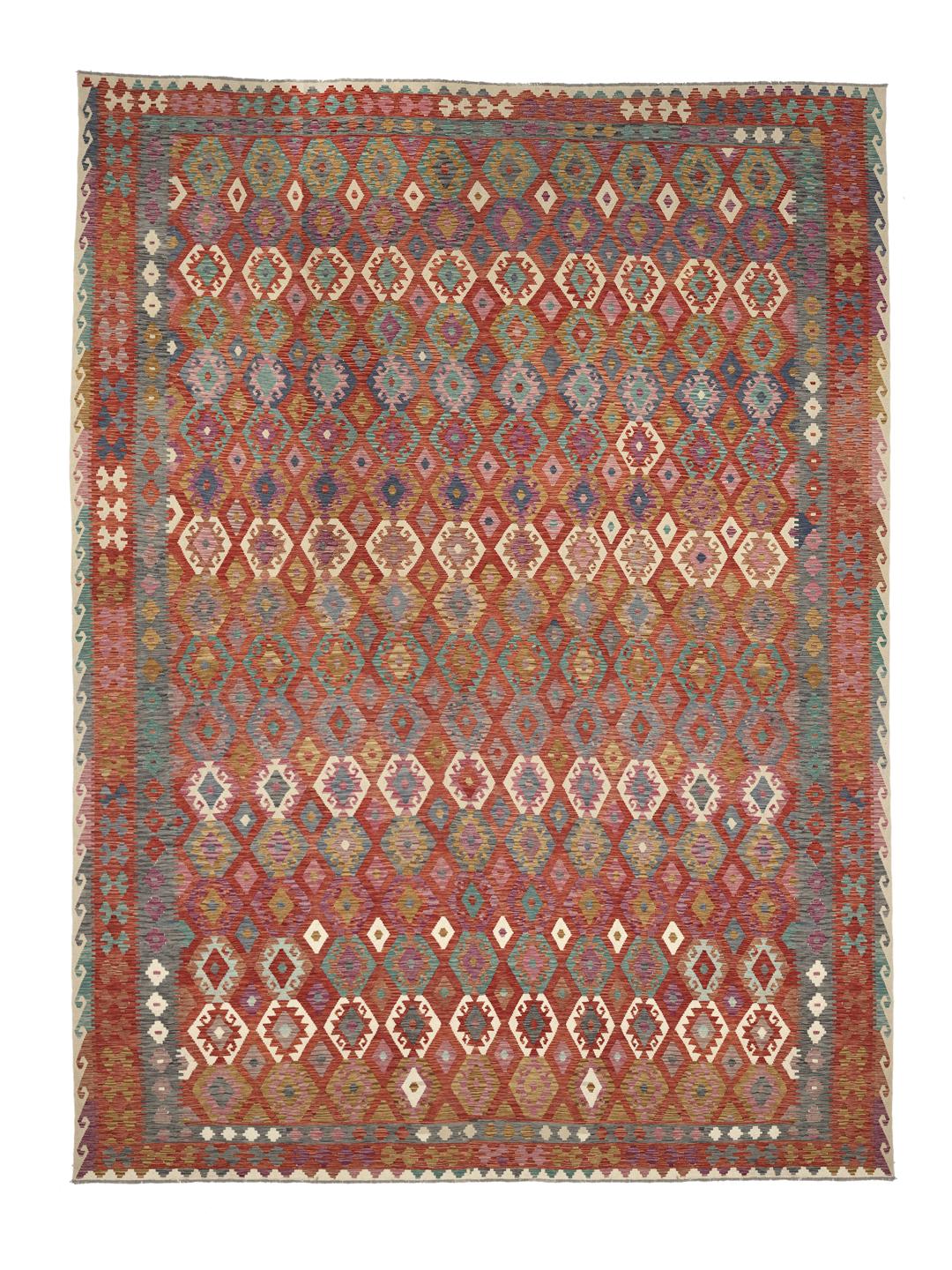
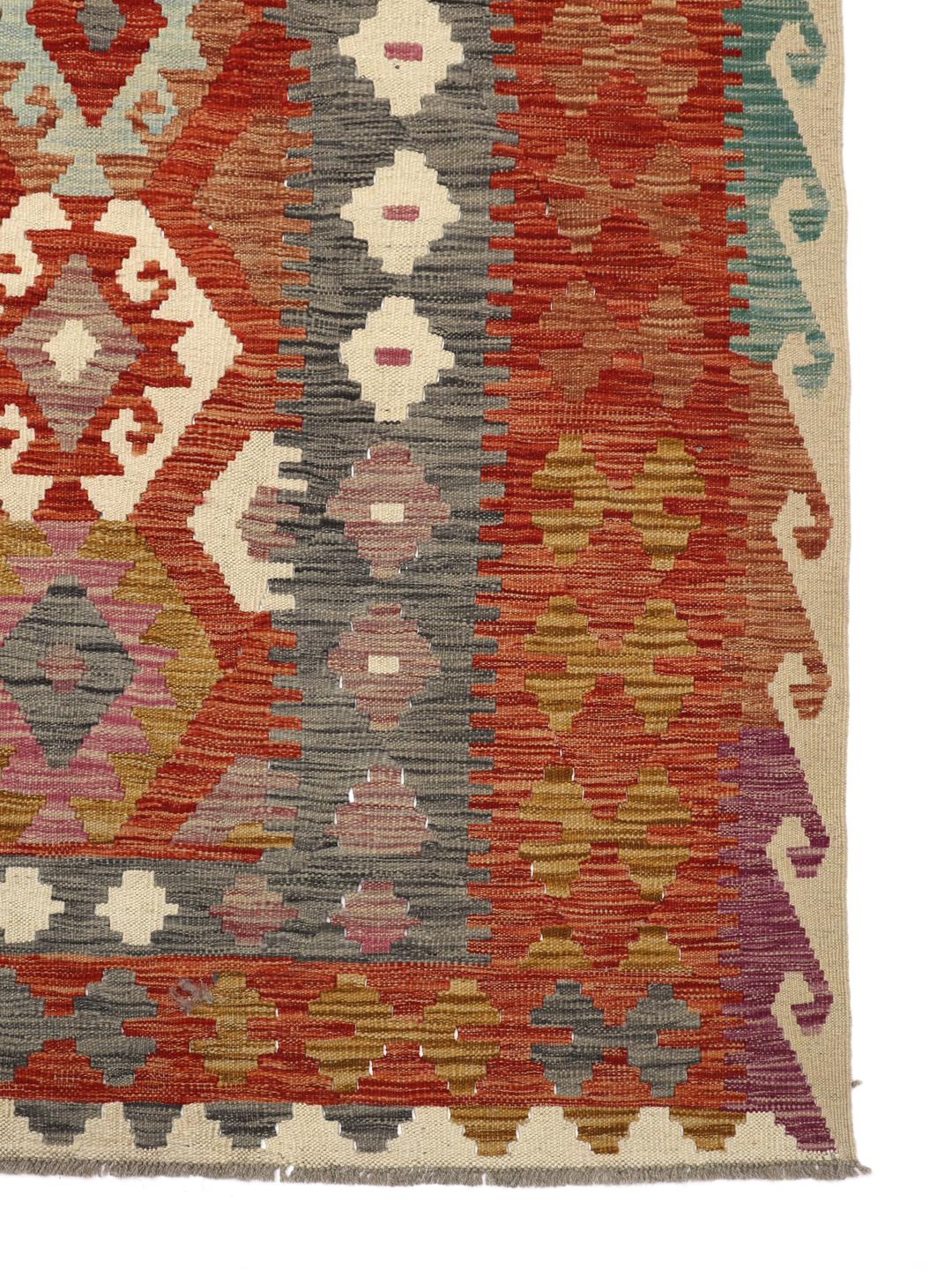
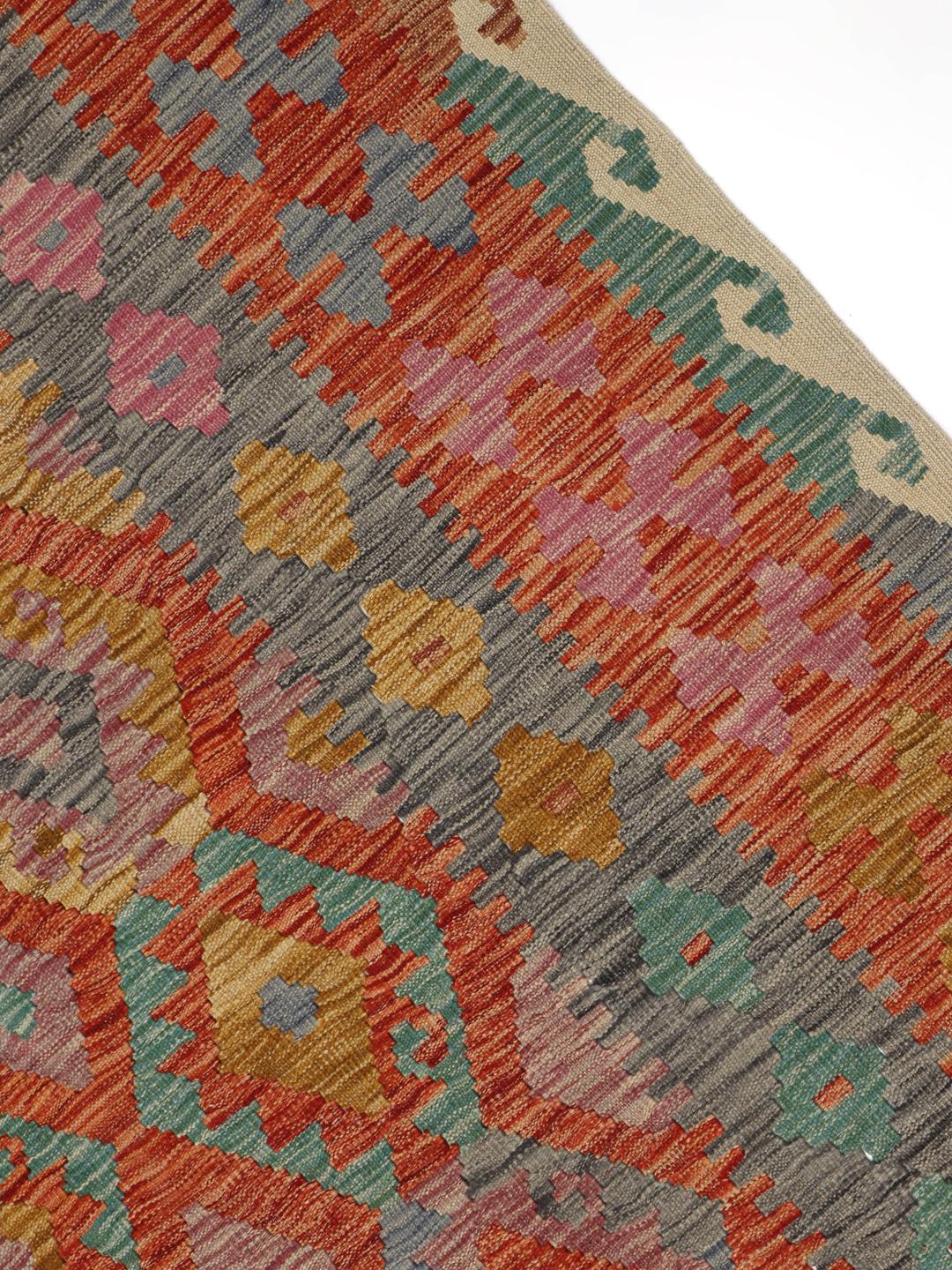
Signature design elements of these rugs include bold geometric shapes, such as the recurring diamonds seen here, and intricate borders that frame the central field. These motifs are often symbolic, passed down through families as a visual language representing the environment, history, and aspirations of the weaver. The use of vibrant, often naturally derived tones creates a rhythmic, hypnotic effect that has made these rugs highly sought after by collectors worldwide.
Owning a piece from this tradition is an act of preserving a rich cultural heritage. These rugs are valued not just for their aesthetic impact, but for the human skill and collective memory embedded in every thread. As a collector’s item, this rug represents a bridge between the past and the present, offering a tangible connection to the artistry of Afghan weavers who have honed their craft over centuries to produce items of lasting significance.