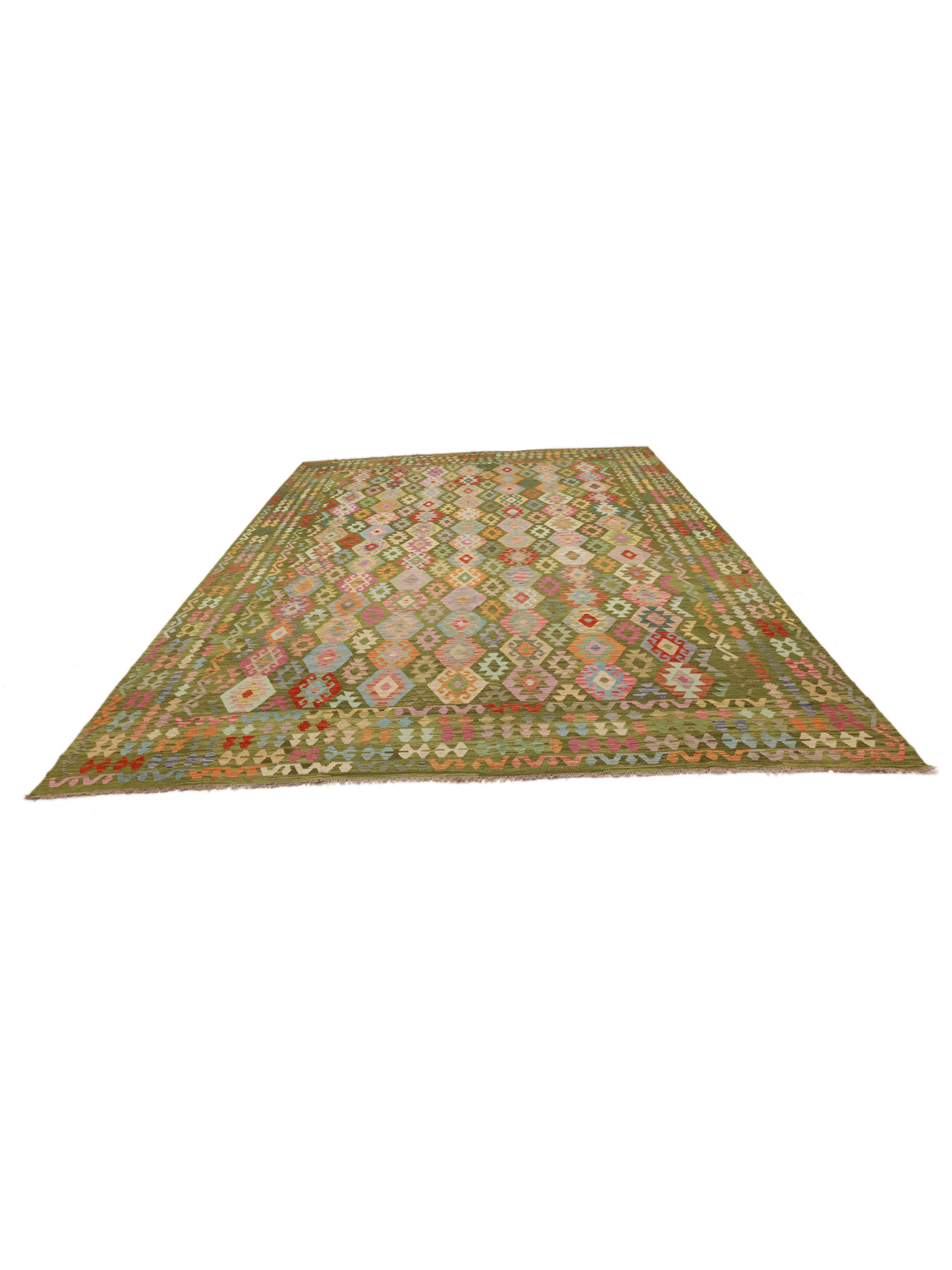
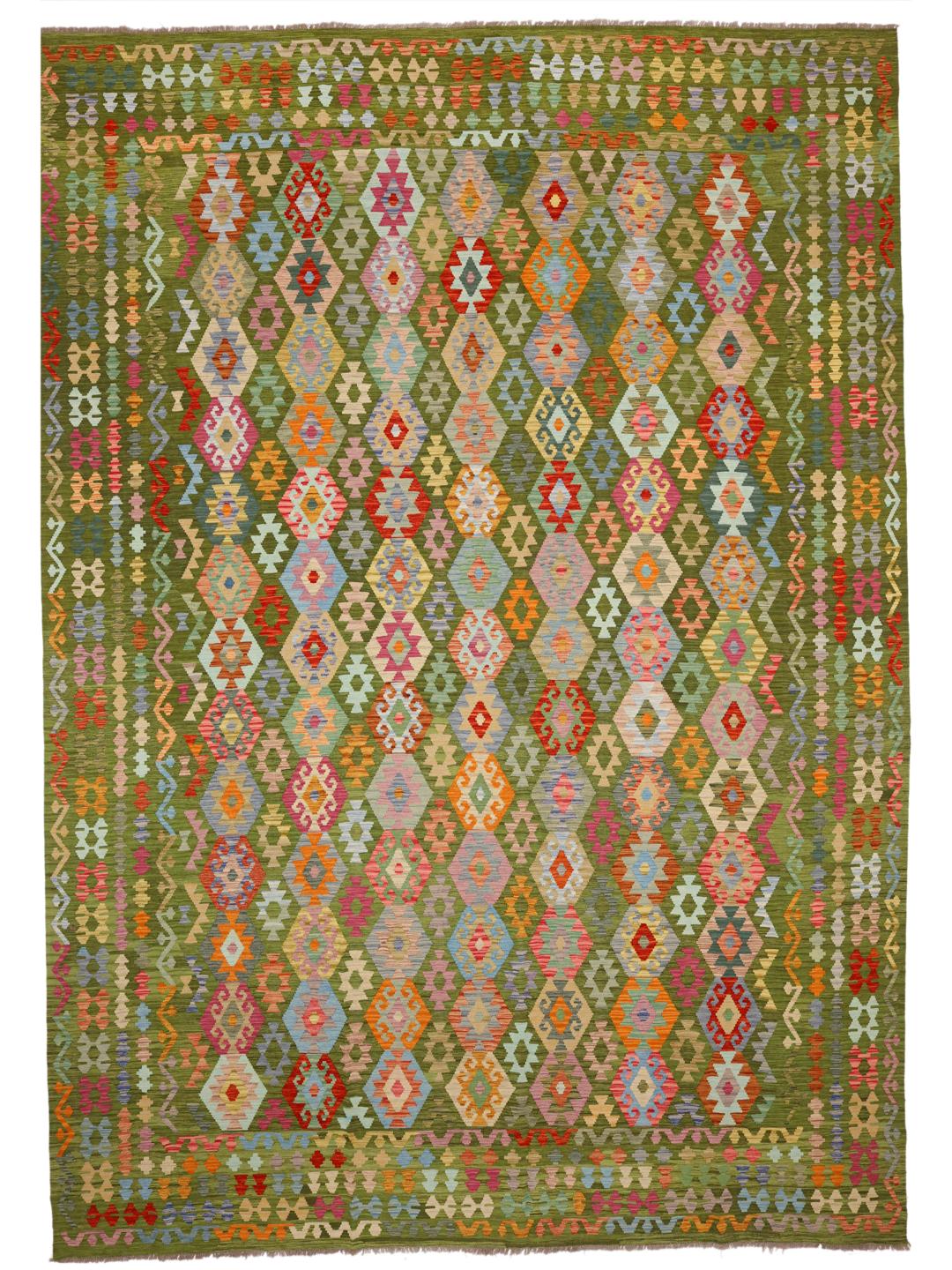
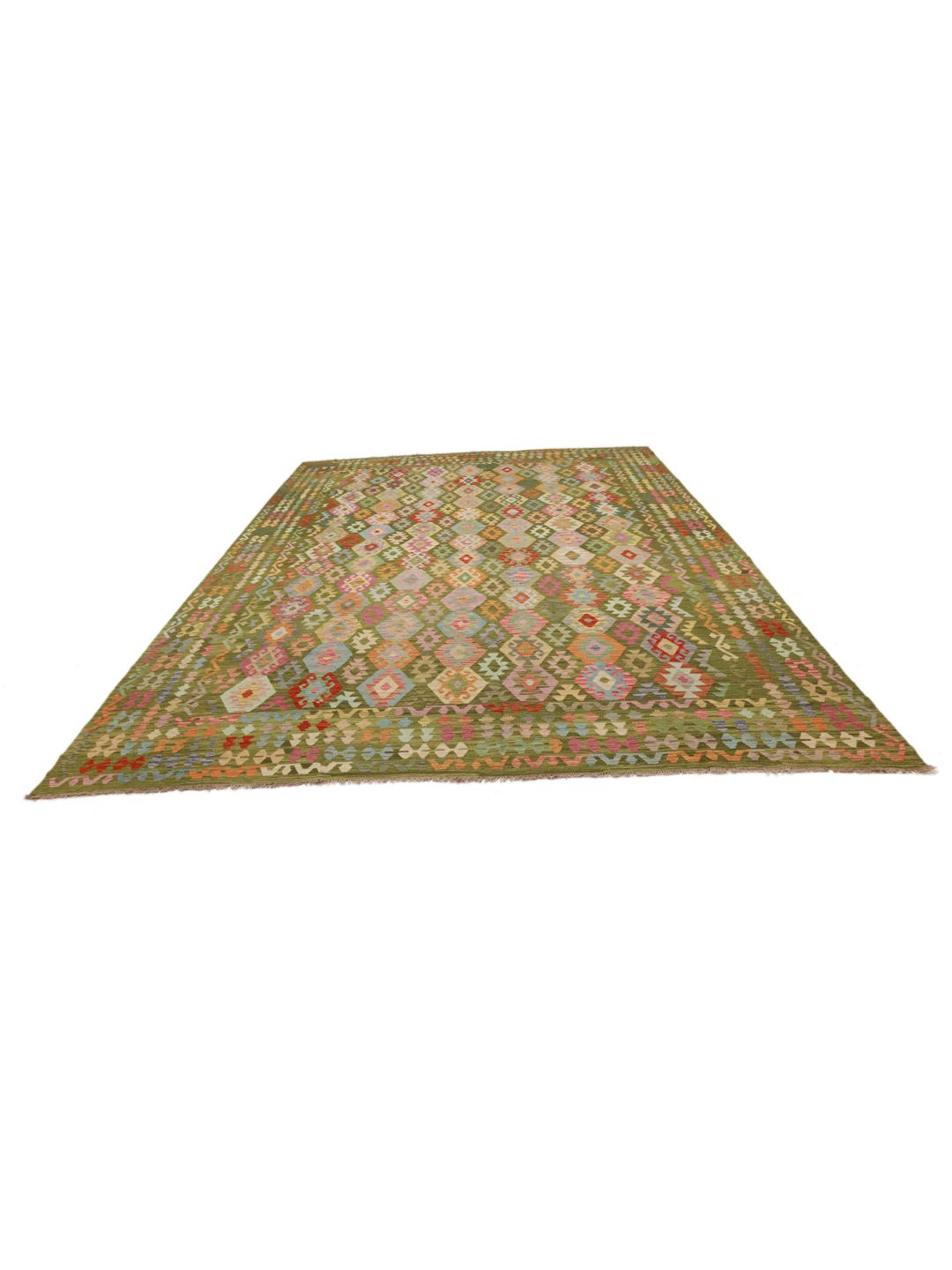
The tradition of weaving Kelims in Afghanistan is deeply rooted in the nomadic and village cultures of the region. These flat-woven textiles were historically used by tribes for everything from floor coverings to storage bags, serving as essential, versatile tools for life on the move. Over centuries, these functional objects evolved into the decorative pieces we treasure today, carrying the stories and design motifs of their creators across generations.
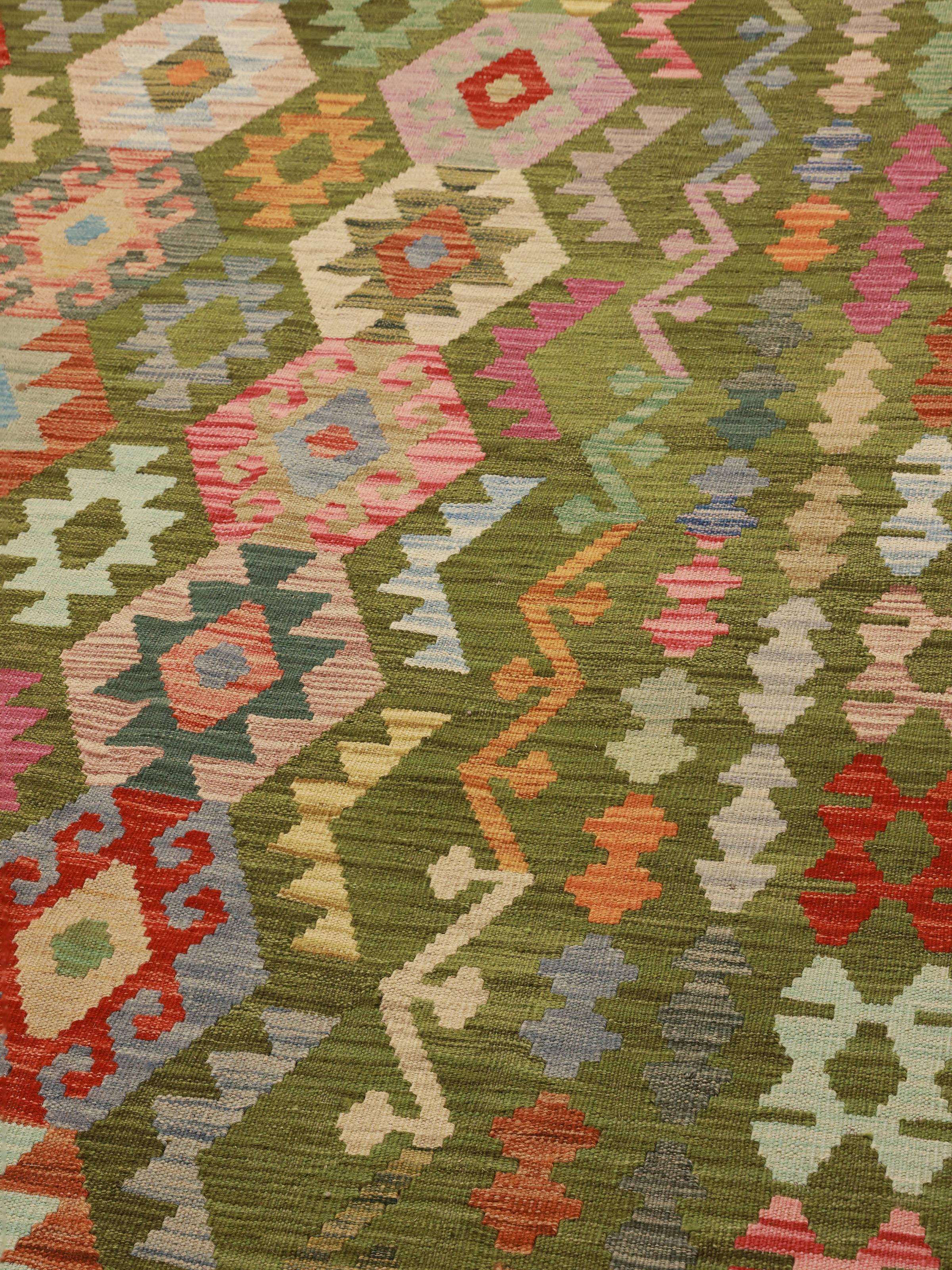
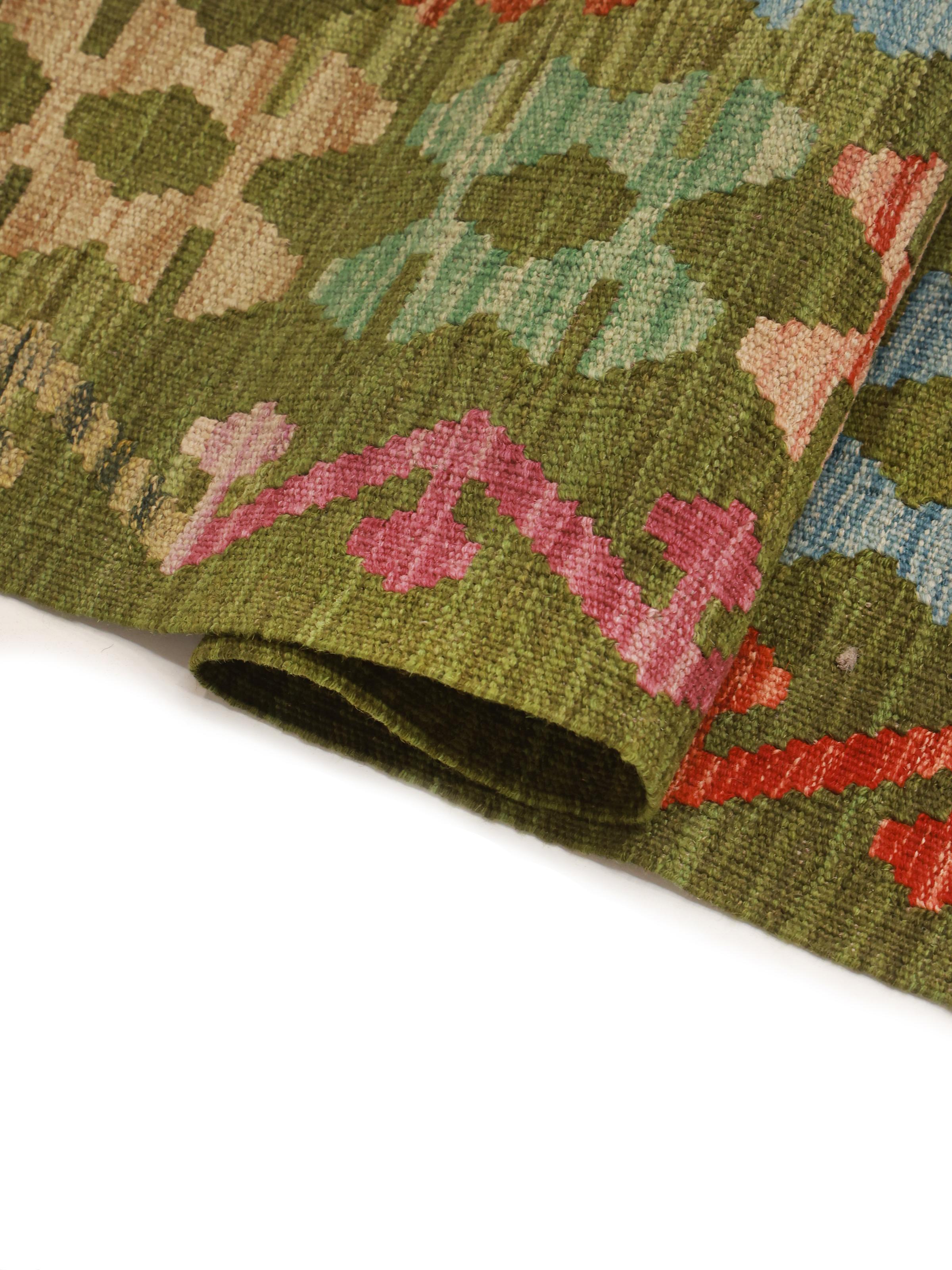
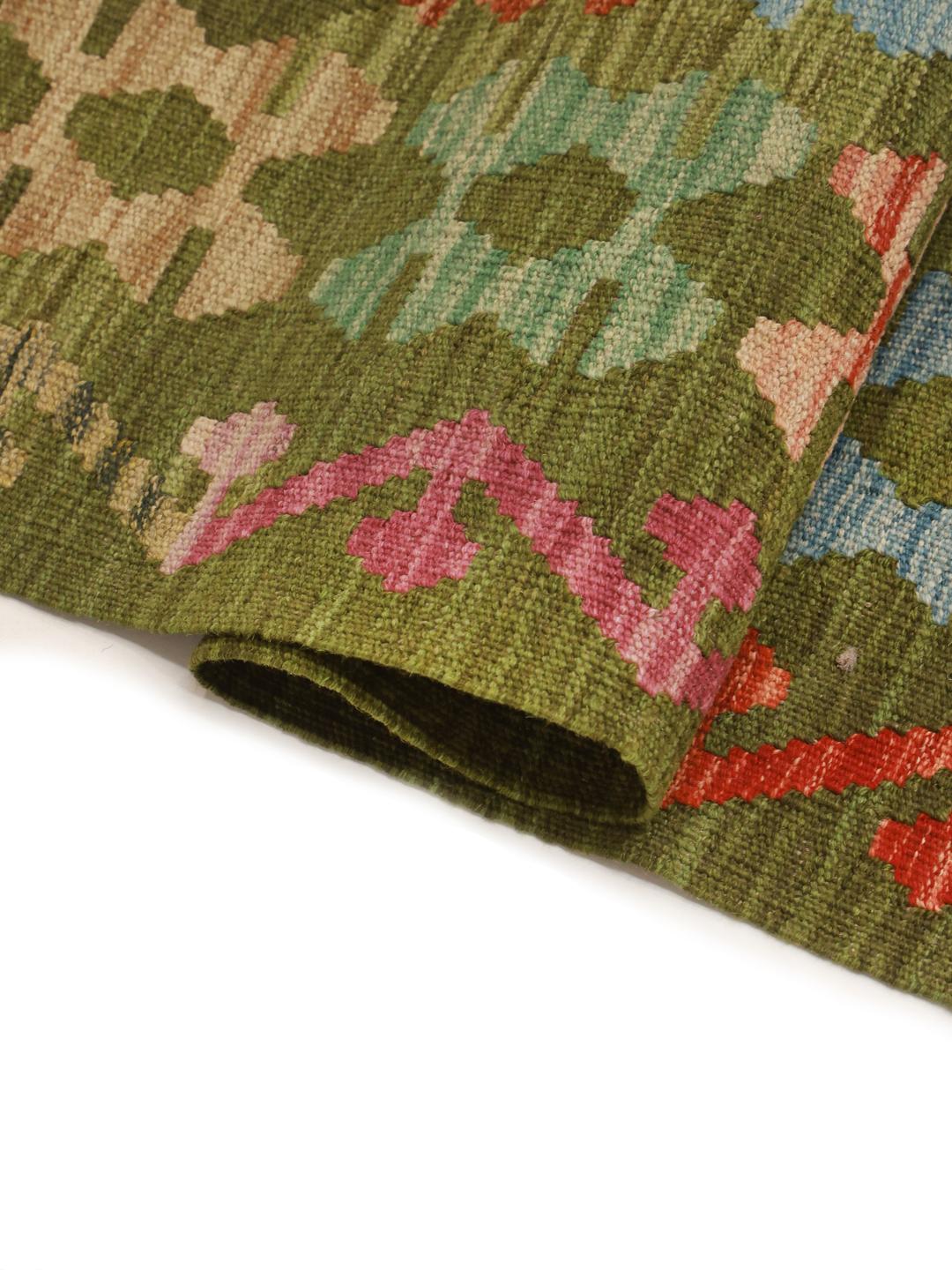
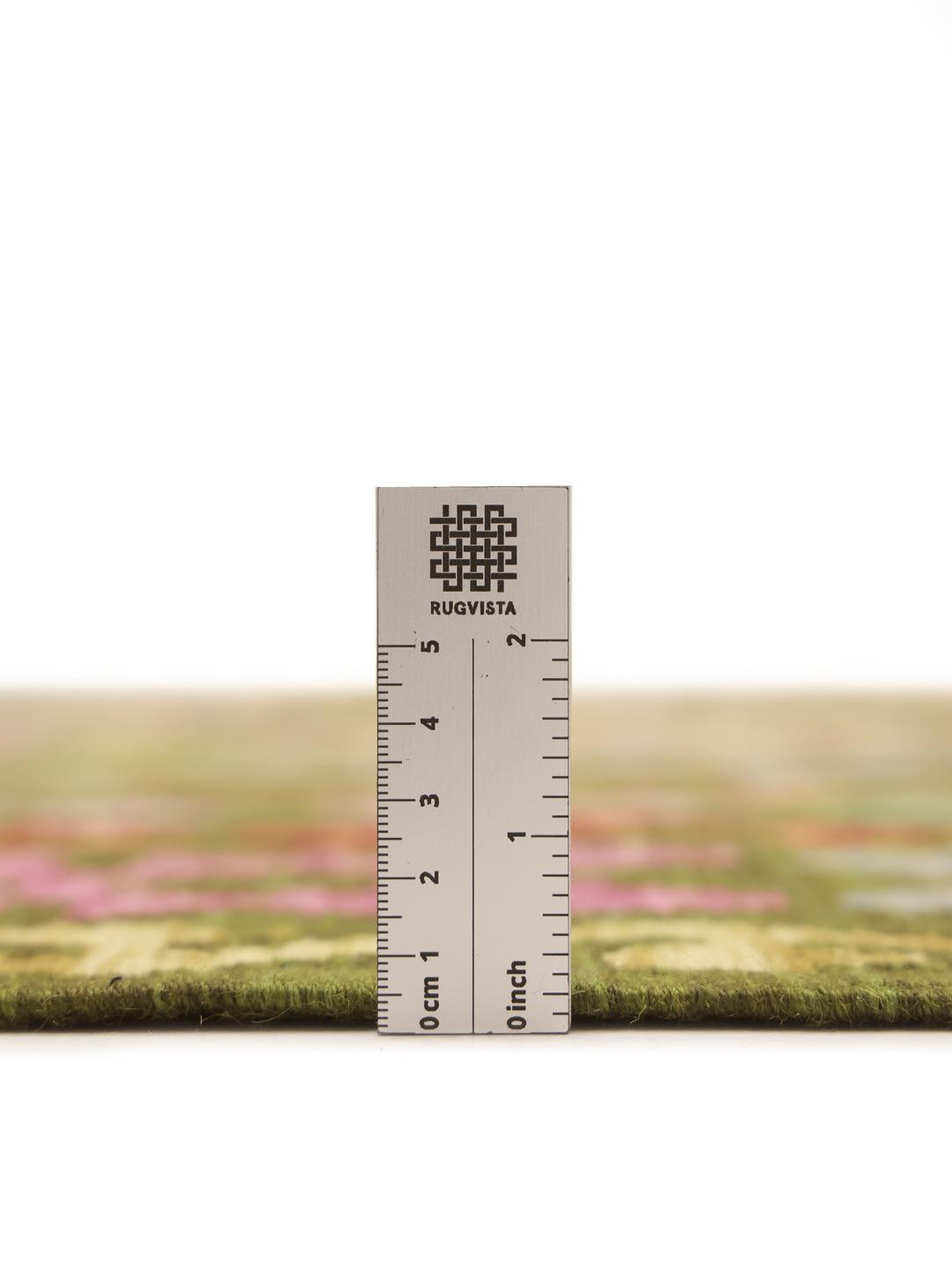
The term 'Kelim' refers to a specific tapestry-weave technique where the weft threads are passed through the warp threads to create the pattern, resulting in a rug that is reversible and has no pile. This technique is renowned for its clarity of design and durability. Because there is no pile to wear down, these rugs are exceptionally long-lasting, often becoming more beautiful as the Wool softens with age and use.
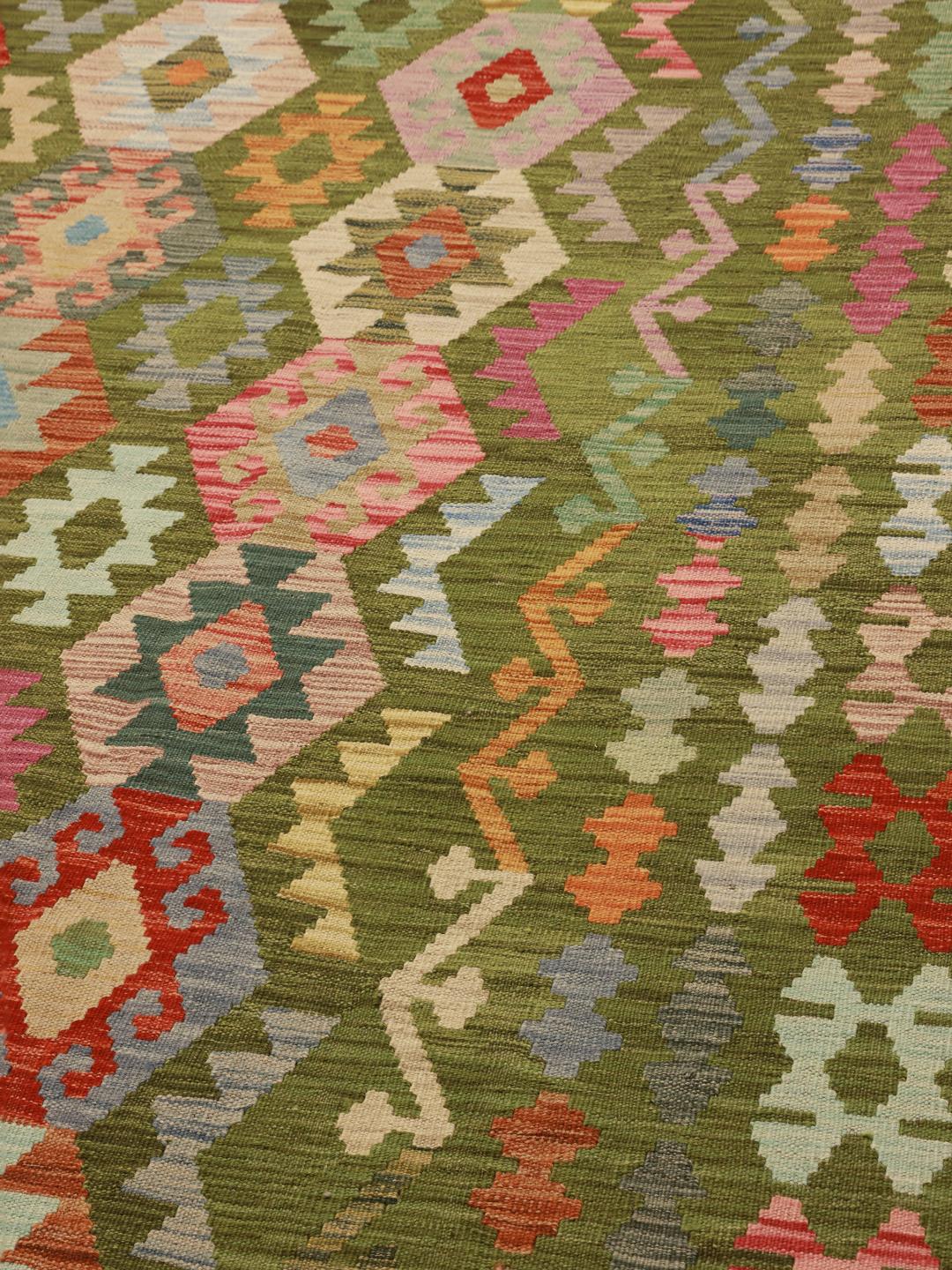
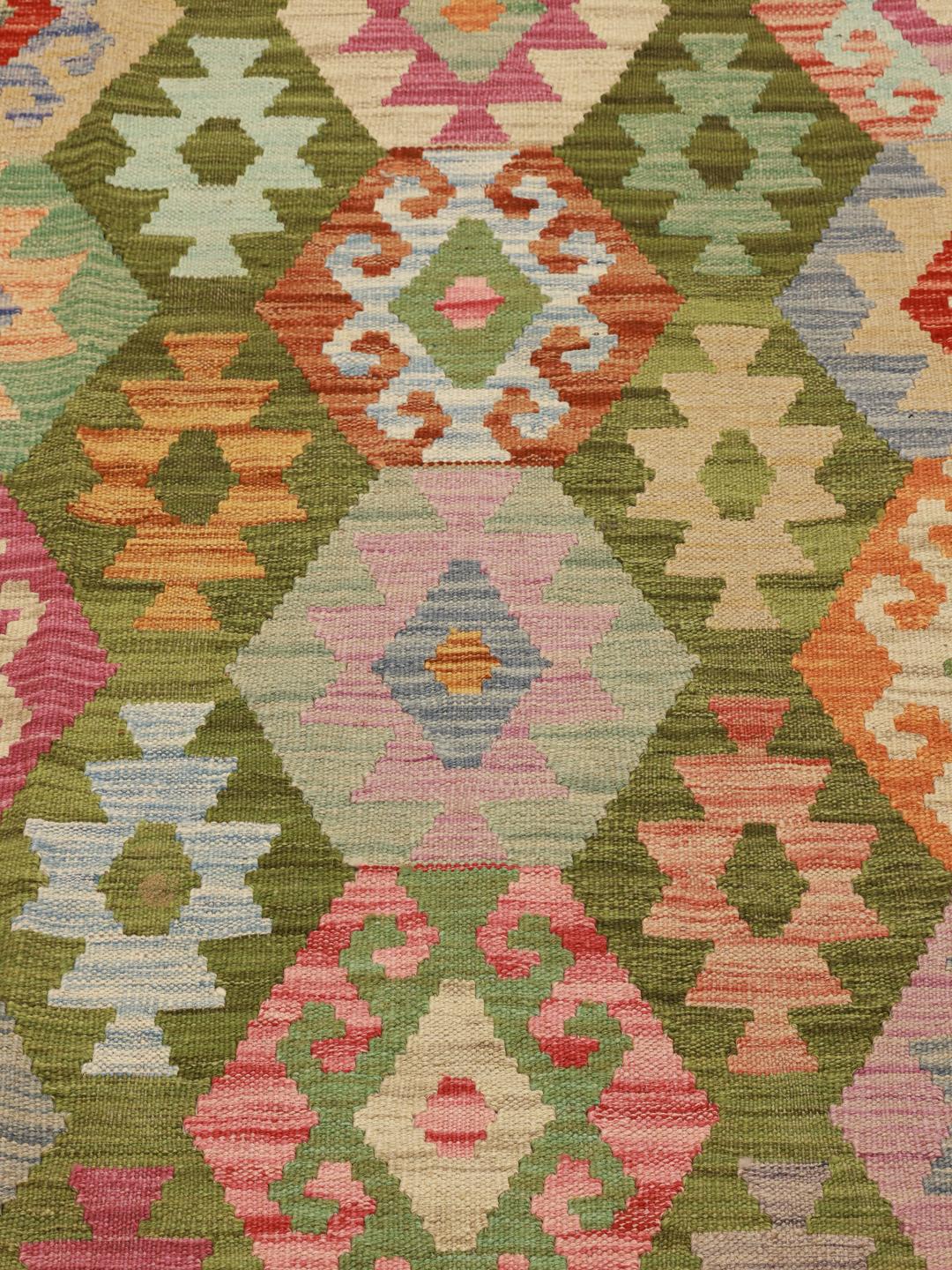
Signature design elements in Afghan Kelims often include bold, geometric shapes such as diamonds, triangles, and stylized floral motifs. These patterns are not merely decorative but often hold symbolic meaning related to protection, fertility, or tribal identity. The use of vibrant, contrasting colours is a hallmark of the style, designed to stand out against the landscape of the high plains and mountains where these rugs were traditionally produced.
Owning a Kelim from this tradition is an act of preserving cultural heritage. Collectors value these pieces for their authenticity, the skill required to maintain complex patterns without the aid of a pile, and the raw, unadulterated connection they provide to the past. Each rug is a record of the weaver's individual hand and the collective history of their people, making it a meaningful addition to any home that values depth and craftsmanship.