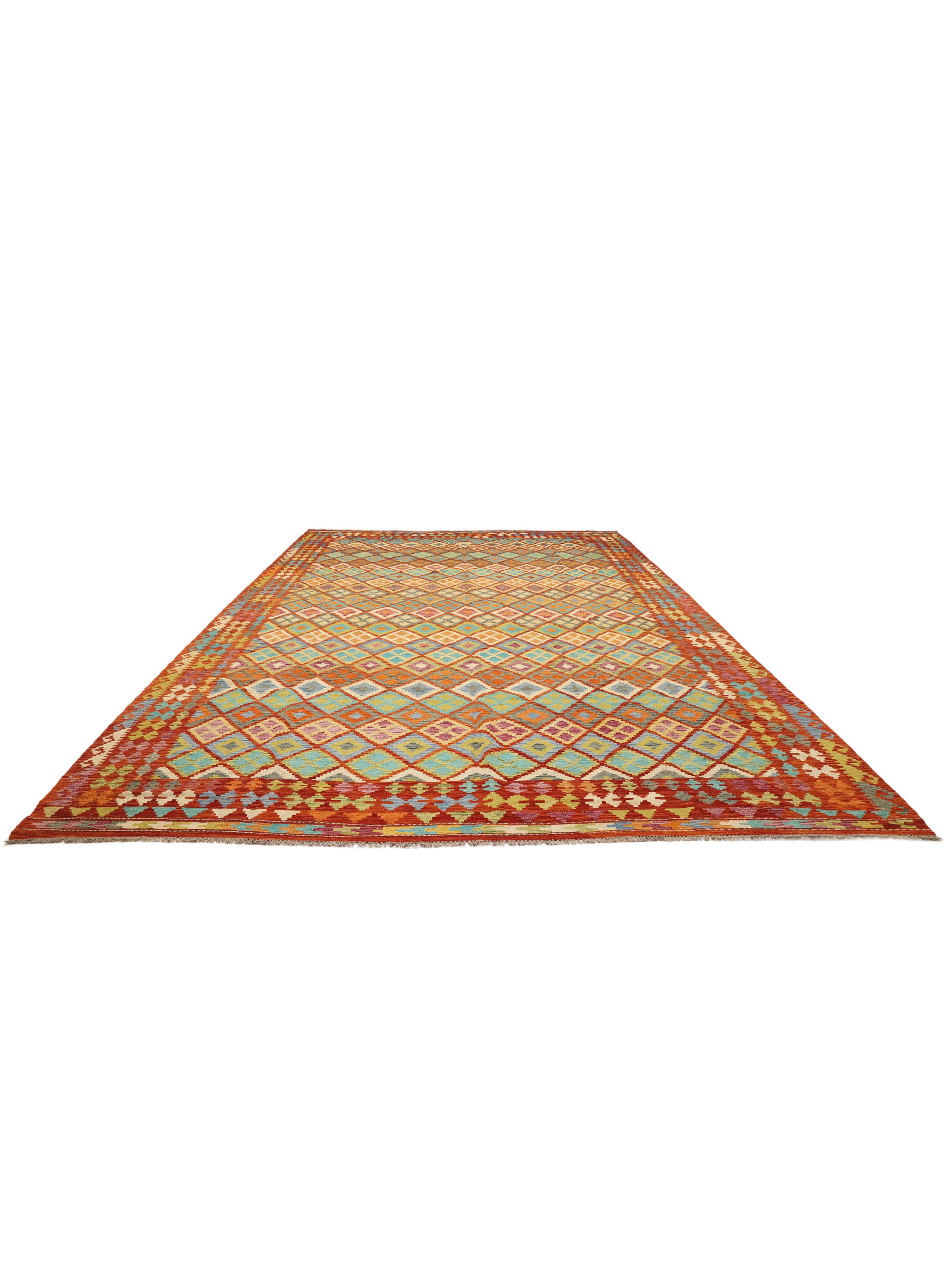
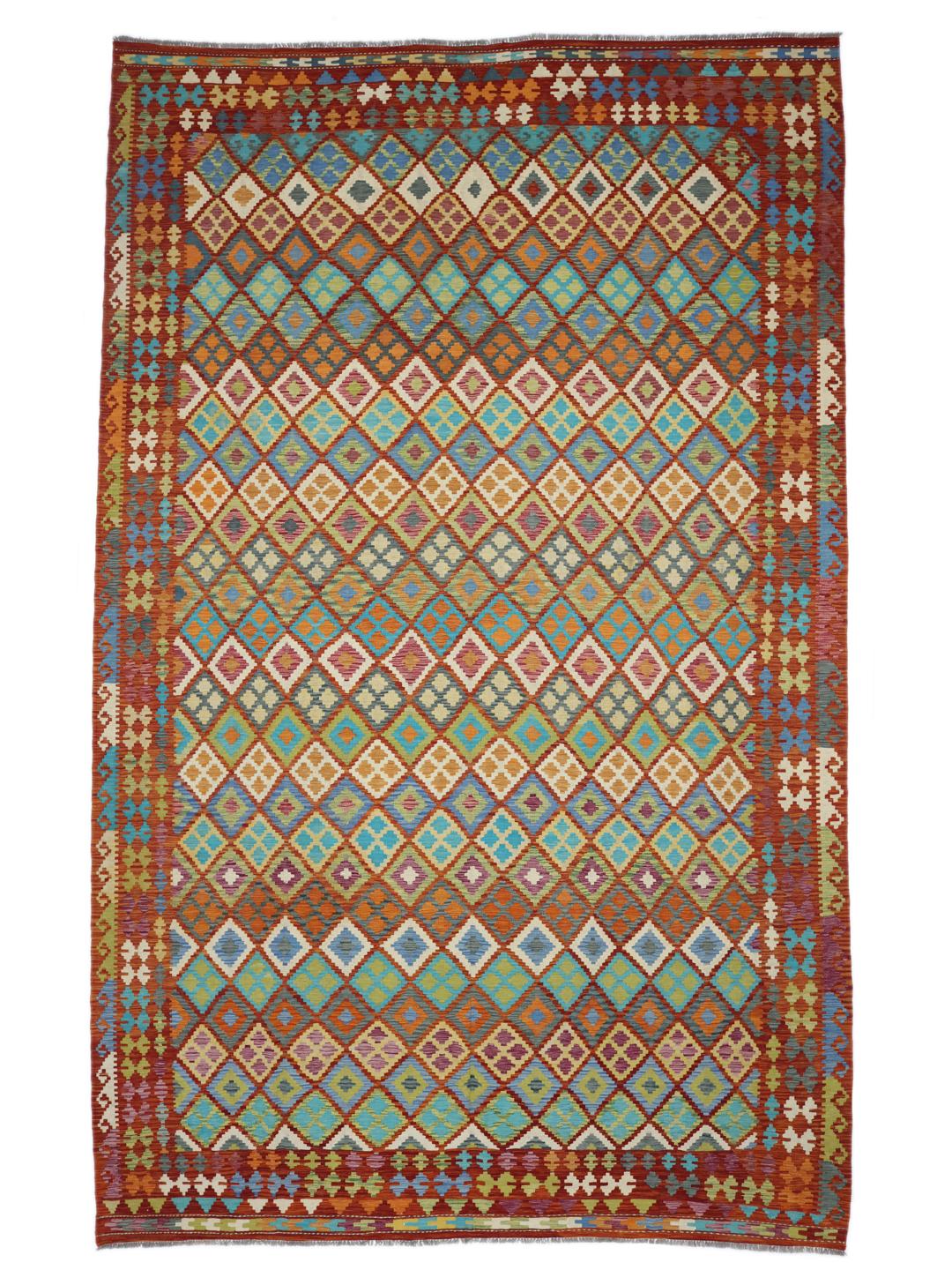
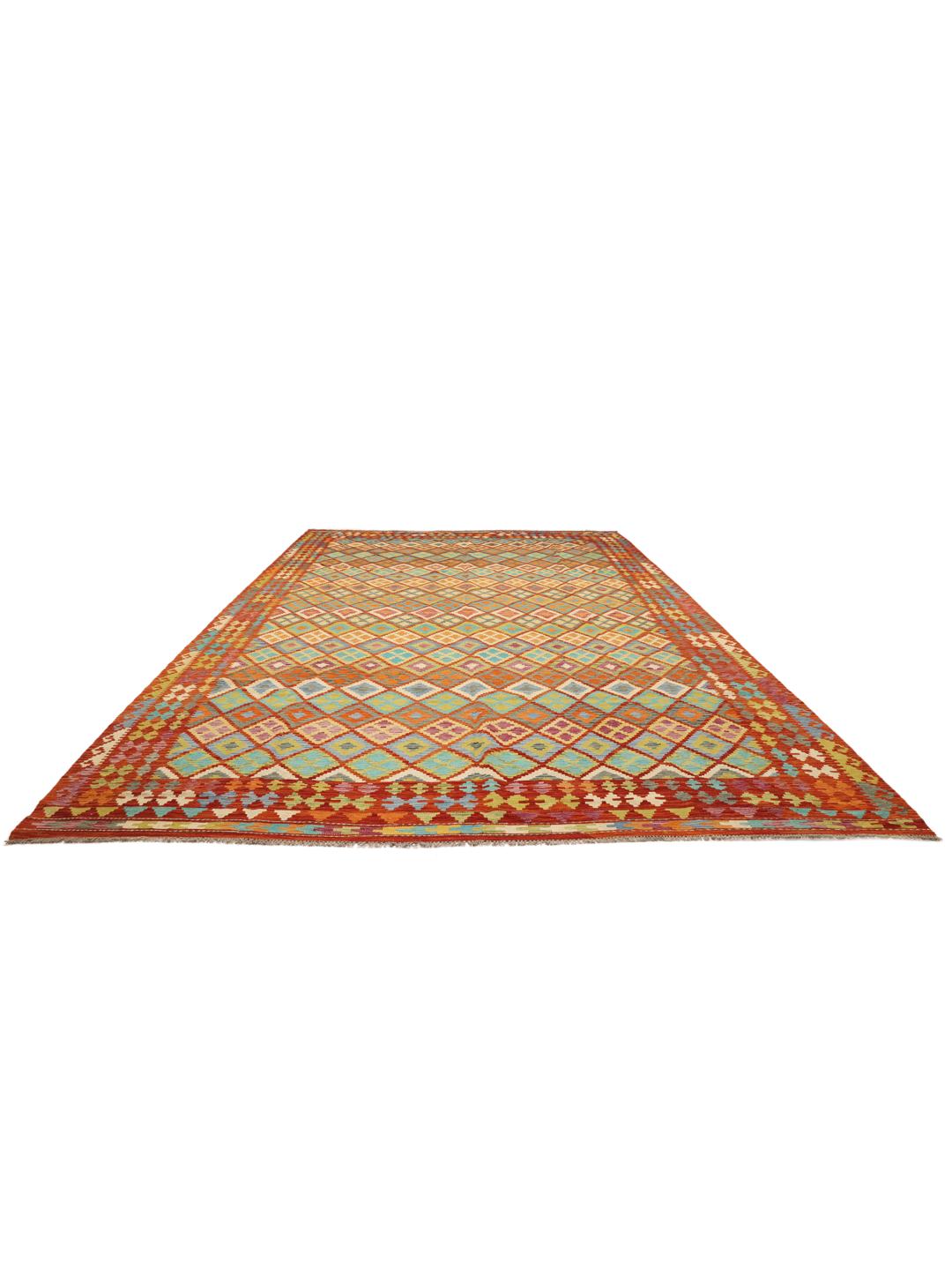
Afghan Kelim rugs are deeply rooted in the nomadic and village traditions of the Middle East. For generations, these flat-woven textiles have served as essential, multipurpose items for families, used as floor coverings, wall hangings, and protective blankets. The craft has evolved over centuries, yet it remains closely tied to the regional heritage of Afghanistan, where the art of the loom is passed down through families as a vital cultural practice.
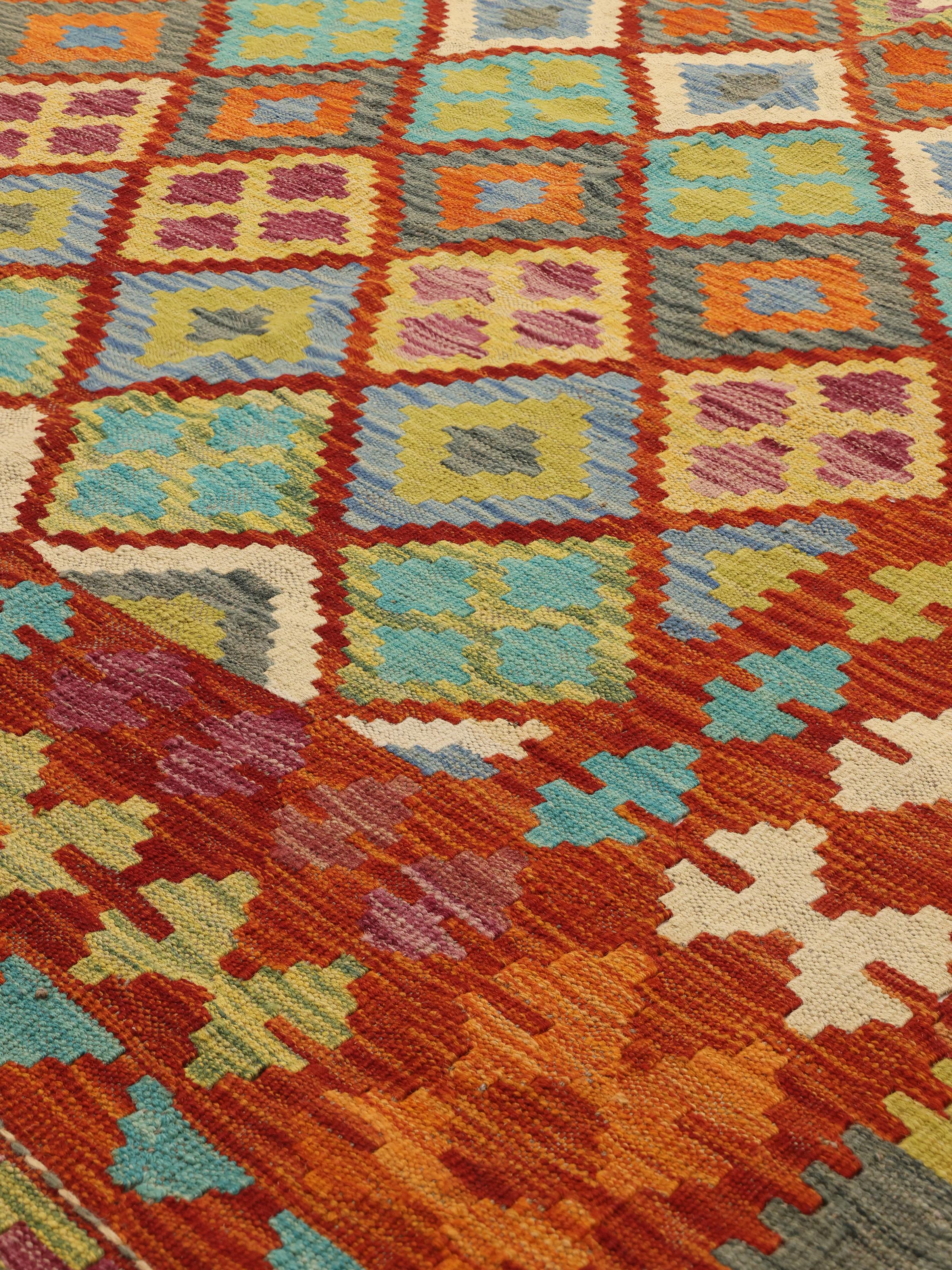
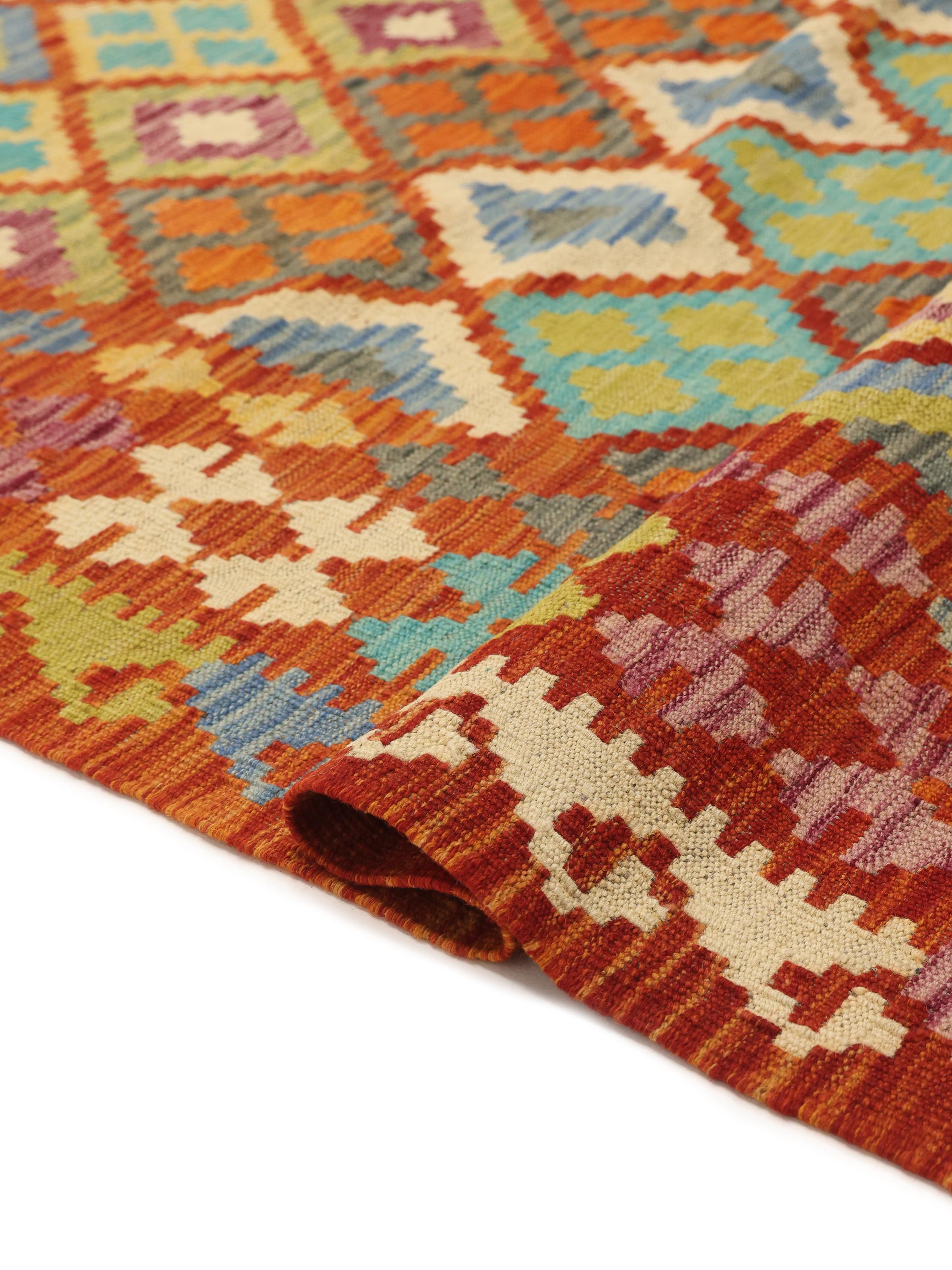
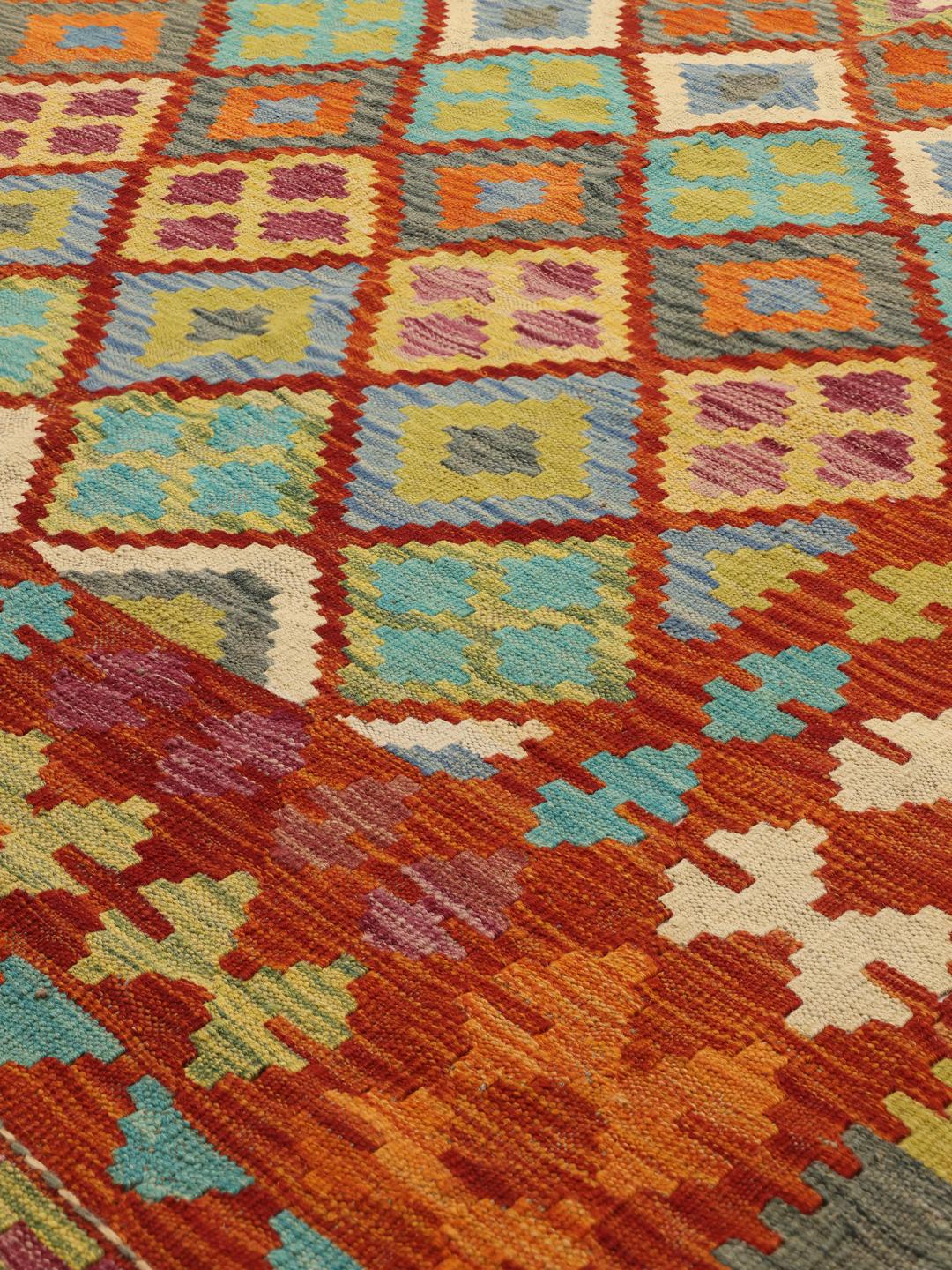
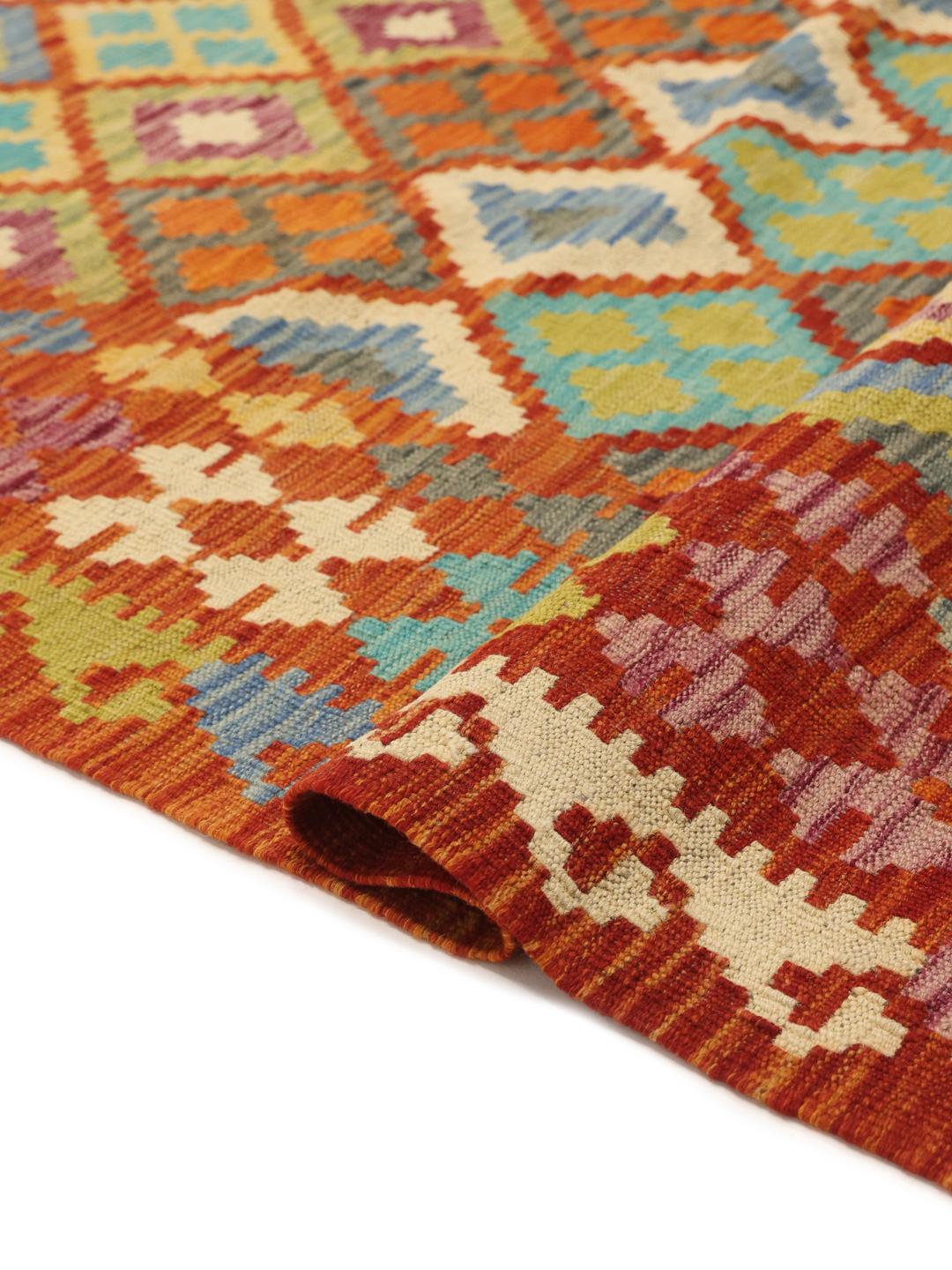
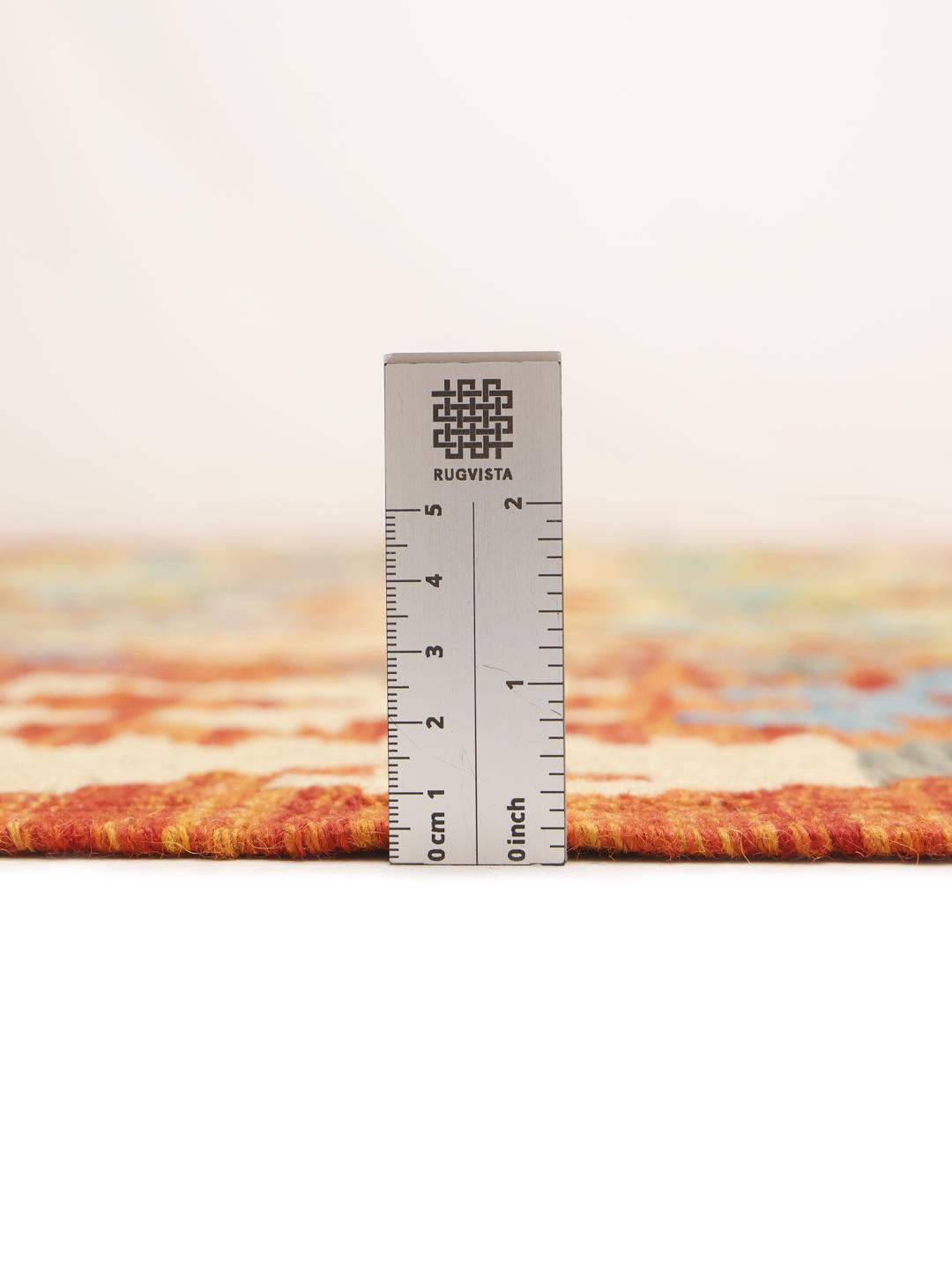
The term 'Kelim' refers to the specific technique of tapestry-weaving, where the horizontal weft threads are pulled tightly over the vertical warp threads to create a flat, pile-less surface. This method is distinct from knotted rugs, as it allows for sharp, crisp geometric patterns. The absence of pile means that the design is essentially reversible, with the pattern appearing clearly on both sides, a hallmark of high-quality weaving that speaks to the artisan's control over the medium.
Signature design elements in Afghan Kelims often revolve around intricate geometric motifs, such as diamonds, triangles, and stylized floral shapes. These patterns are not merely decorative but often carry symbolic meanings related to protection, fertility, and tribal identity. The use of vibrant, natural-toned dyes creates a rhythmic visual language that is both complex and harmonious, reflecting the landscape and the artistic spirit of the region.
Owning an Afghan Kelim is more than just purchasing a floor covering; it is an investment in a living tradition. These rugs are highly valued by collectors for their authenticity, the immense skill required to weave them, and their ability to bring a sense of history into a contemporary home. By choosing a piece from this tradition, you are preserving the legacy of skilled artisans and bringing a unique, culturally significant object into your living space.