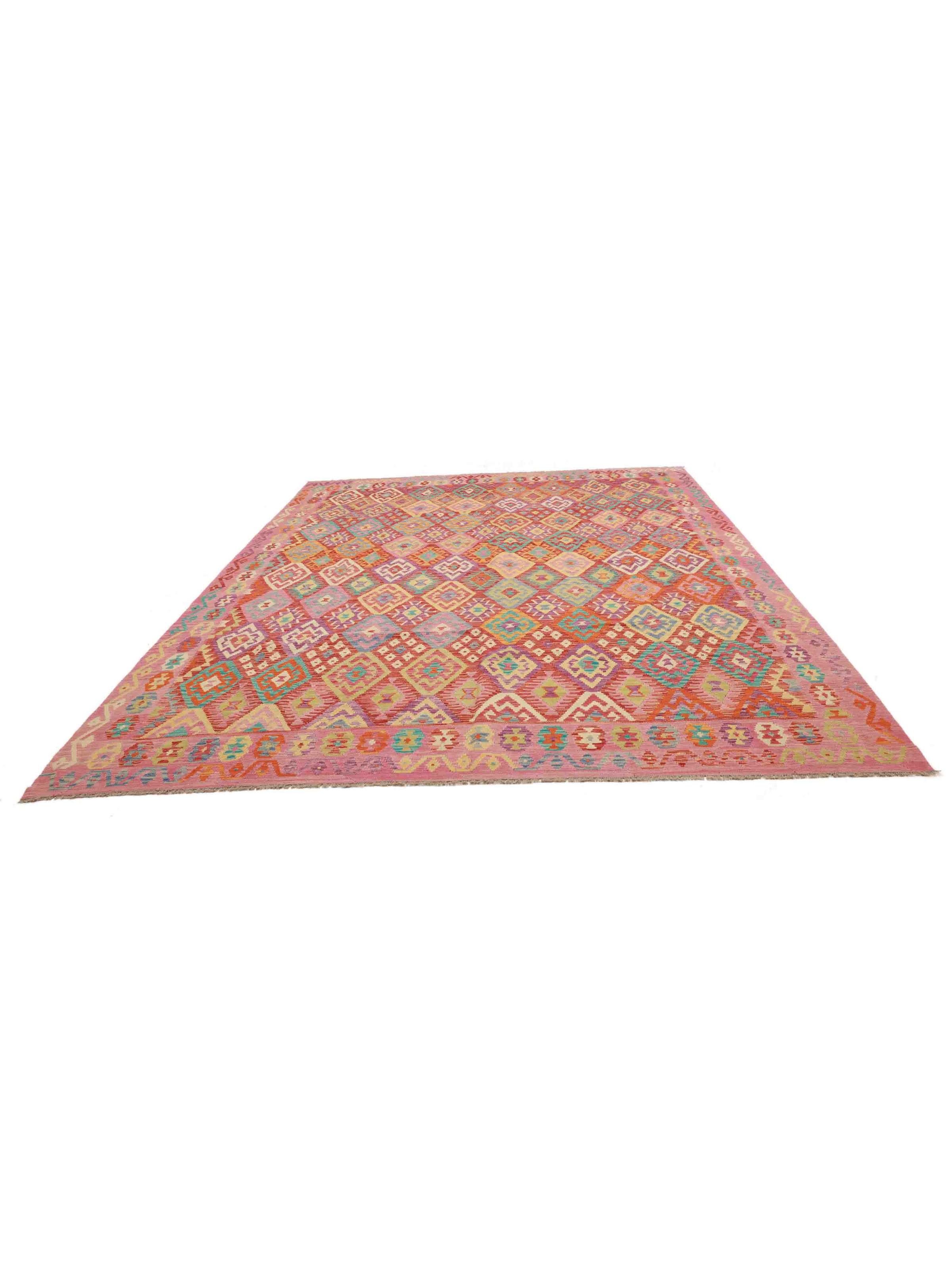
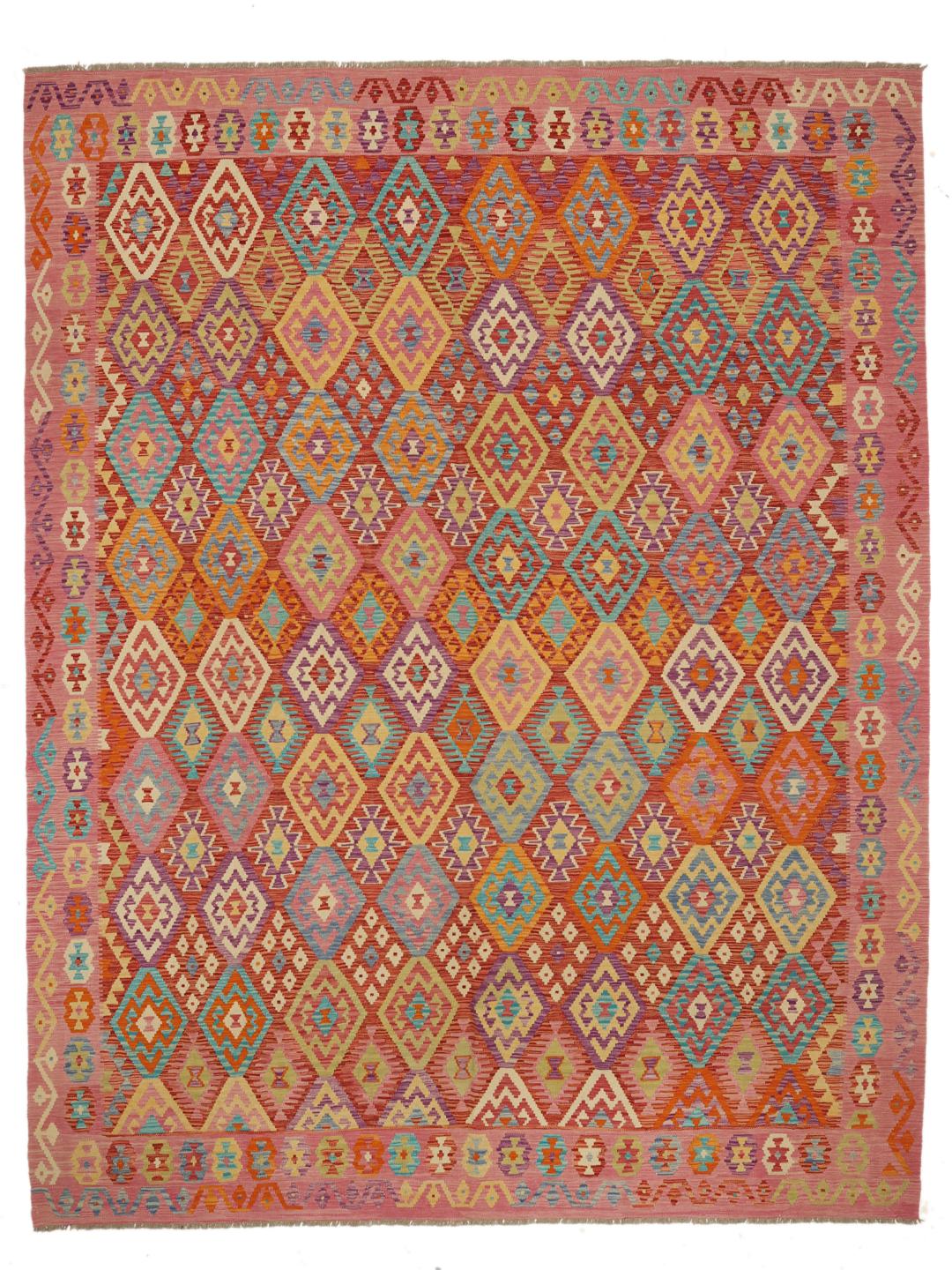
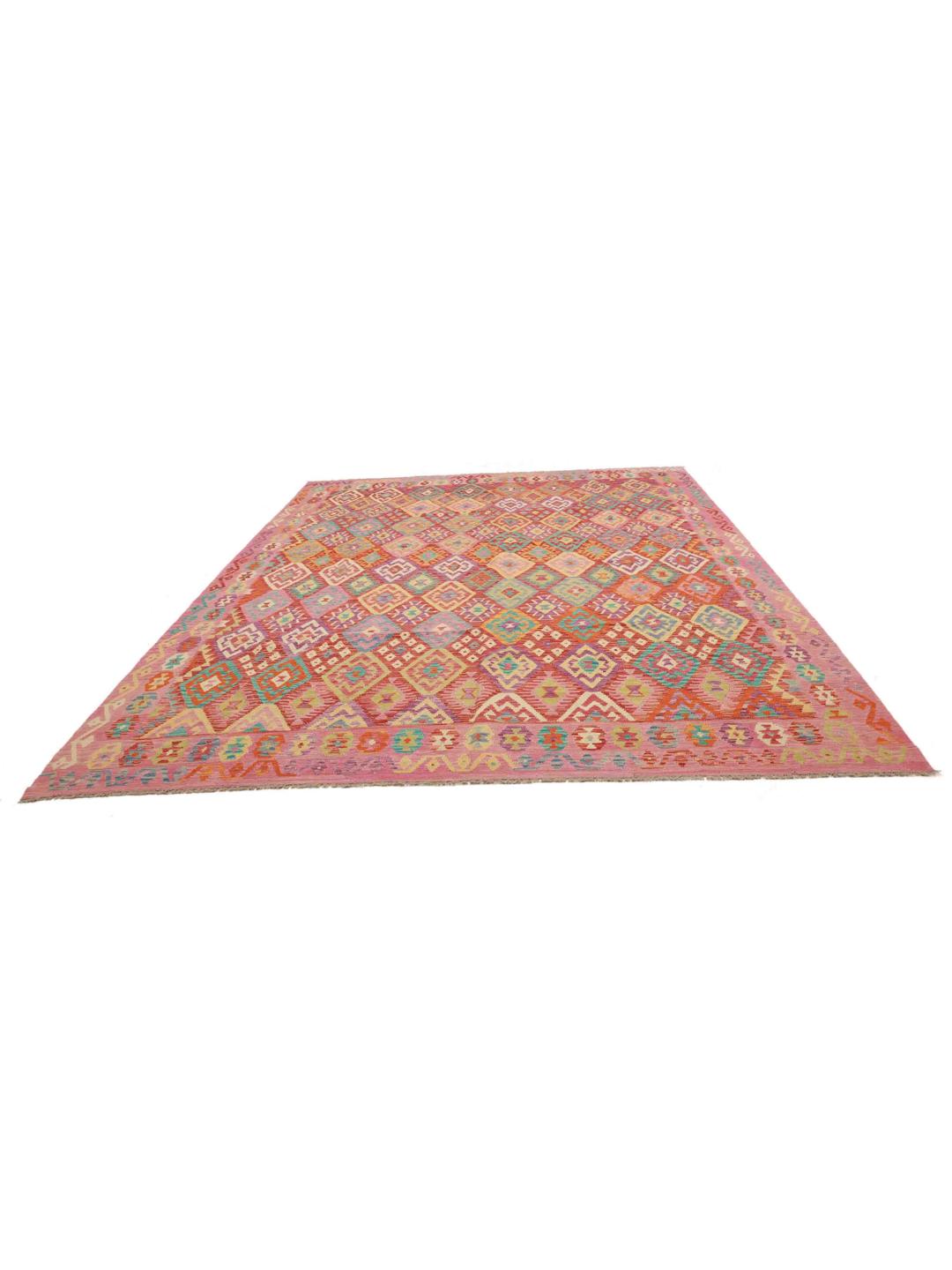
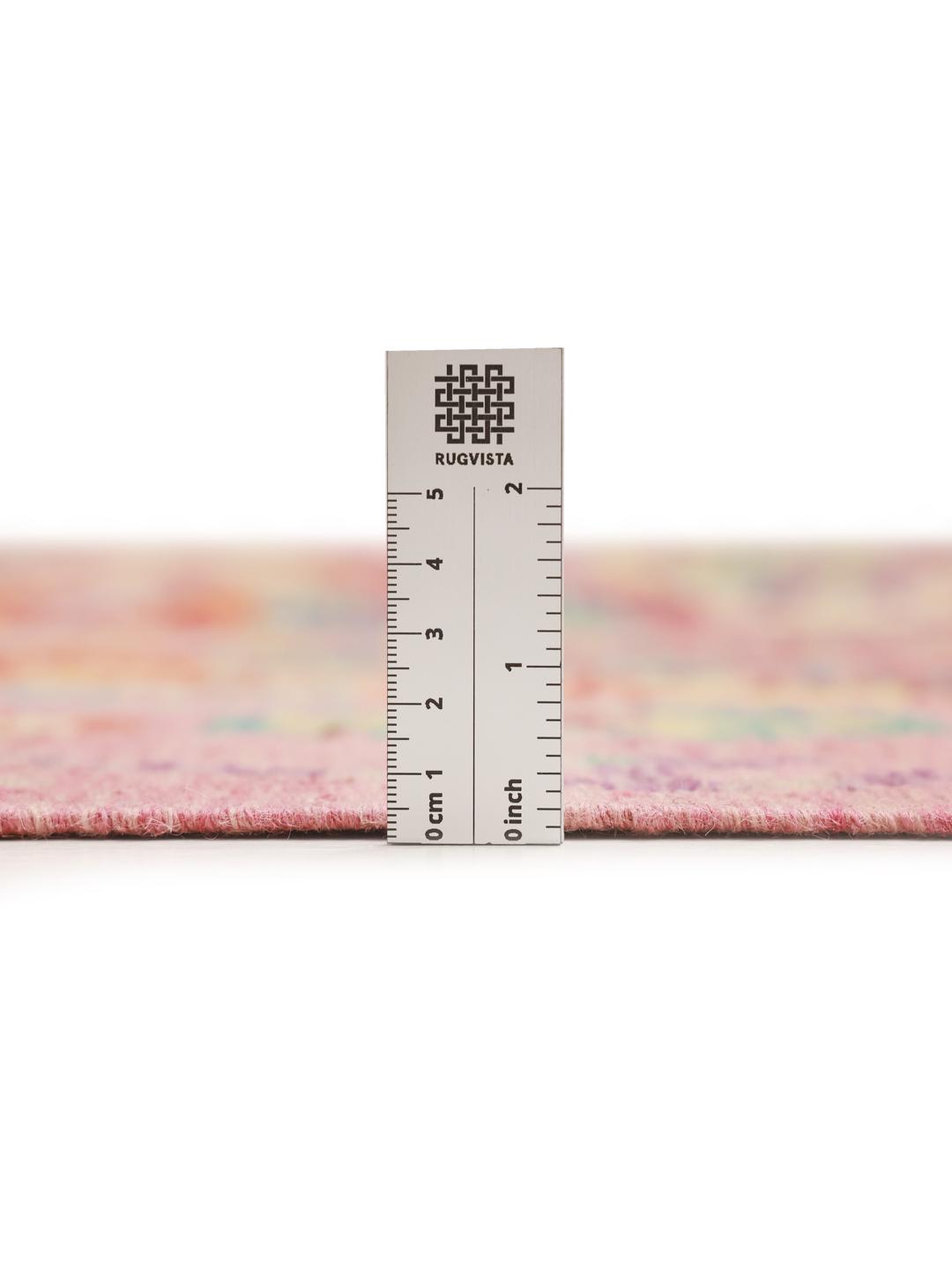
Kelim rugs from Afghanistan are deeply rooted in a nomadic tradition that spans centuries. These flat-woven textiles were originally created by tribal communities for practical use in tents, serving as floor coverings, blankets, and storage bags, which necessitated a construction that was both lightweight and incredibly durable.
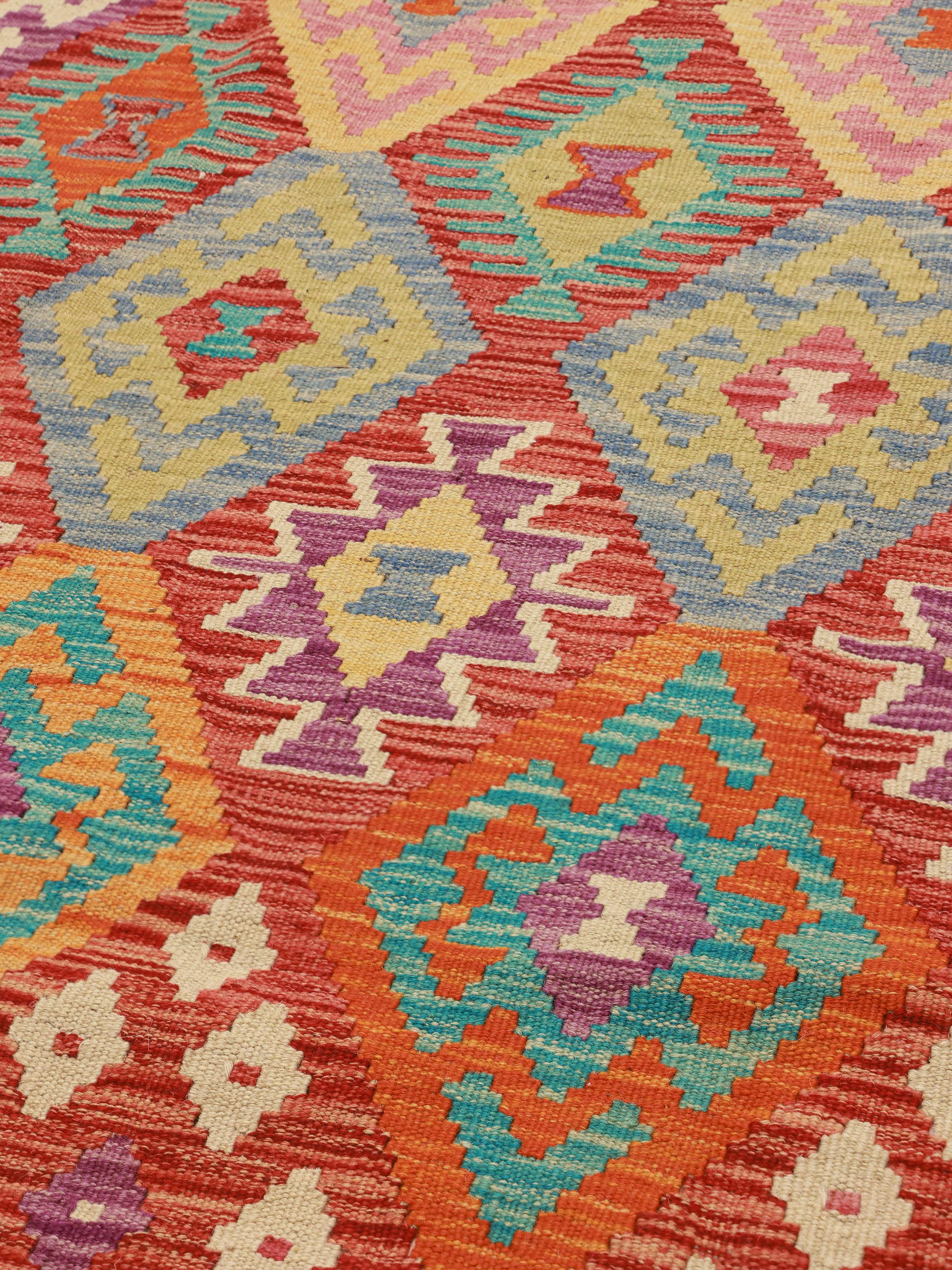
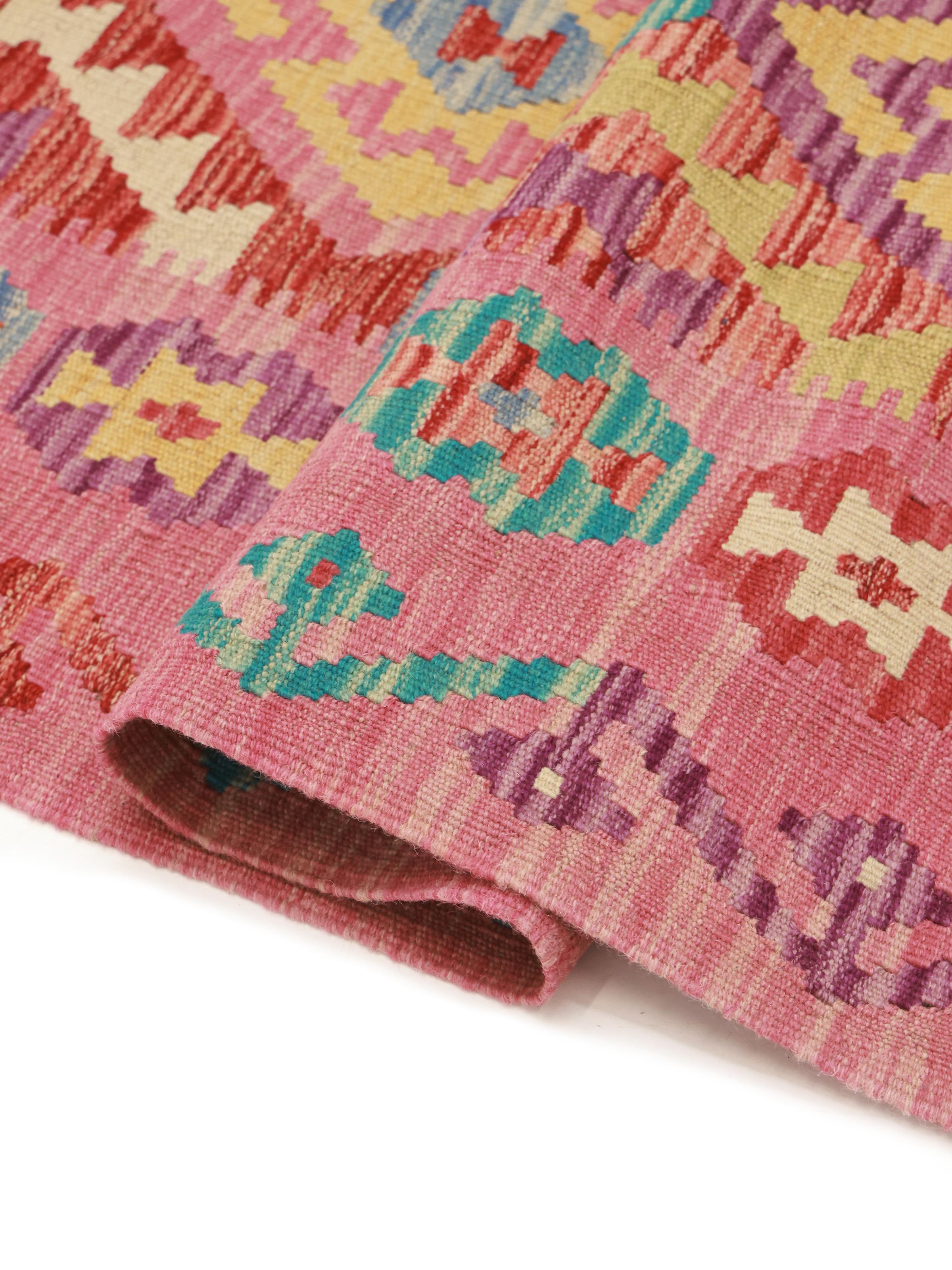
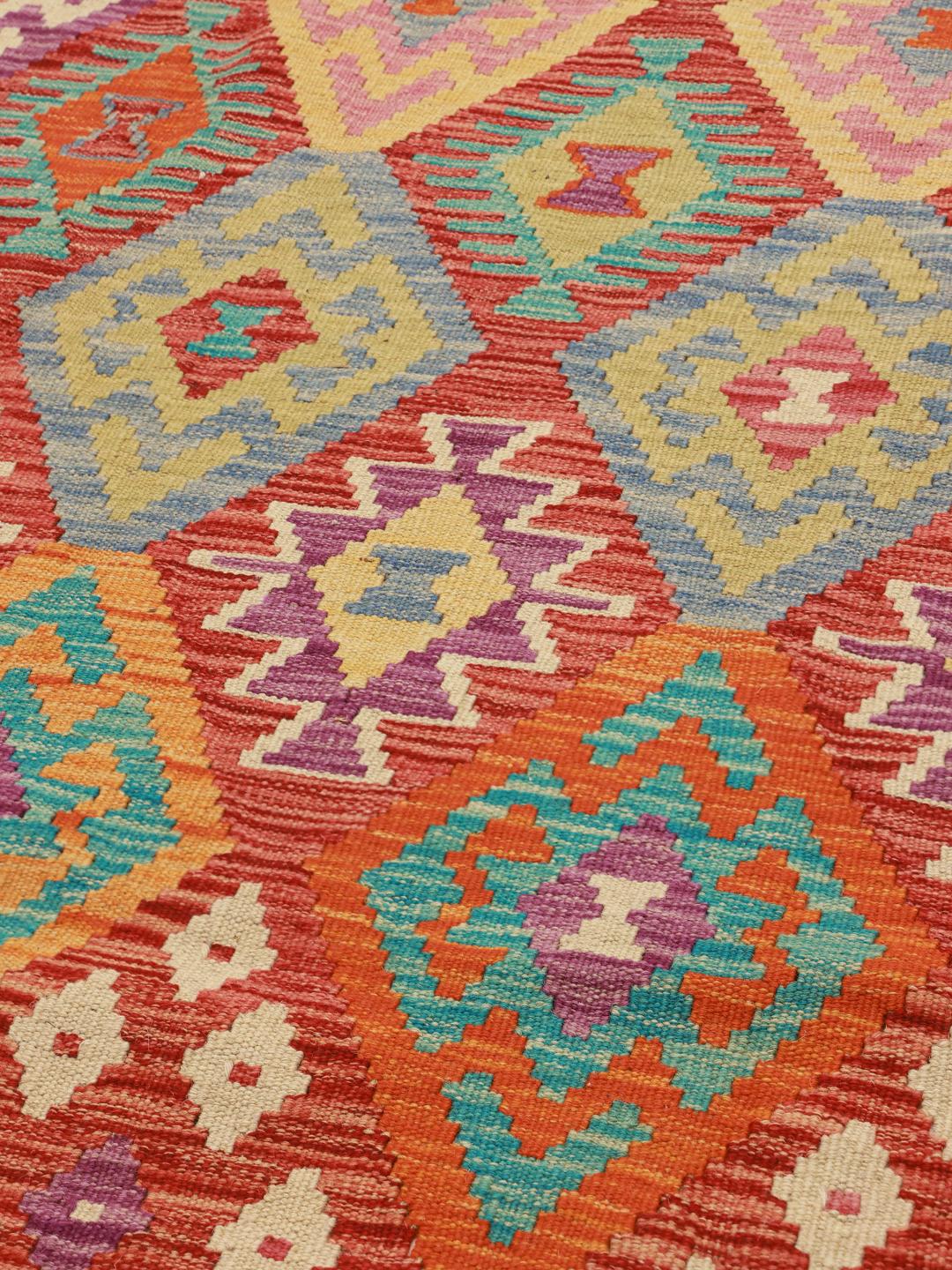
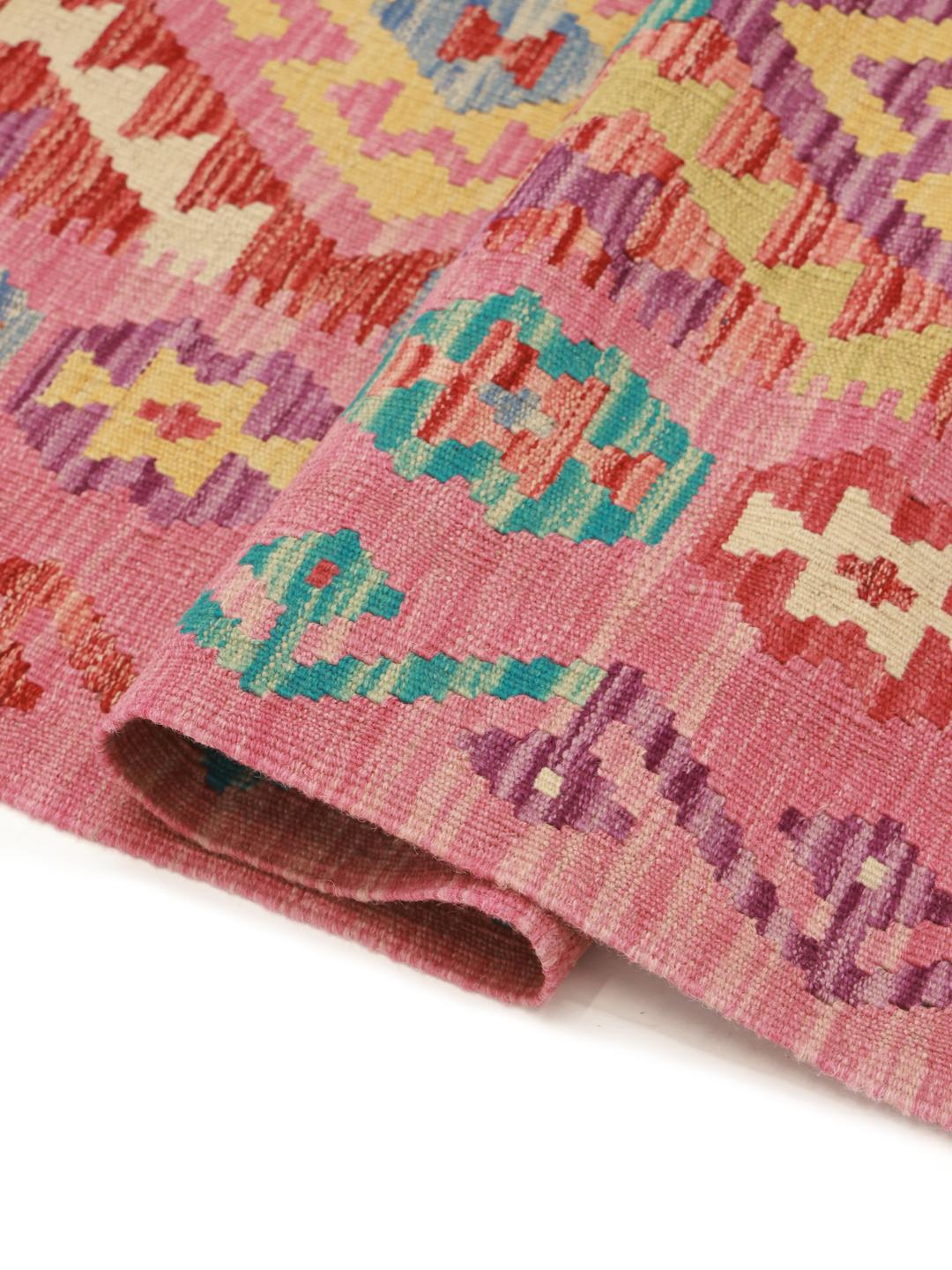
The term Kelim refers to the specific flat-weave technique where the weft strands are pulled tightly over the warp strands, resulting in a rug without a pile. This method is highly valued for its ability to produce crisp, clear geometric designs that are visible on both sides of the textile, showcasing the weaver's technical proficiency and attention to detail.
Design-wise, this style is characterised by its bold geometric language, often featuring diamond motifs that represent protection and prosperity within the weaver's culture. The use of vibrant, harmonious colours reflects the natural dyes traditionally available in the region, which have been adapted over time to create the sophisticated palettes seen in modern examples.
Collecting an Afghan Kelim is more than just a decor choice; it is an appreciation of a craft tradition that has survived changing times. These rugs are cherished for their ability to bridge the gap between ancient nomadic aesthetics and contemporary interior needs, offering a connection to a rich cultural heritage that values skill, utility, and enduring beauty.