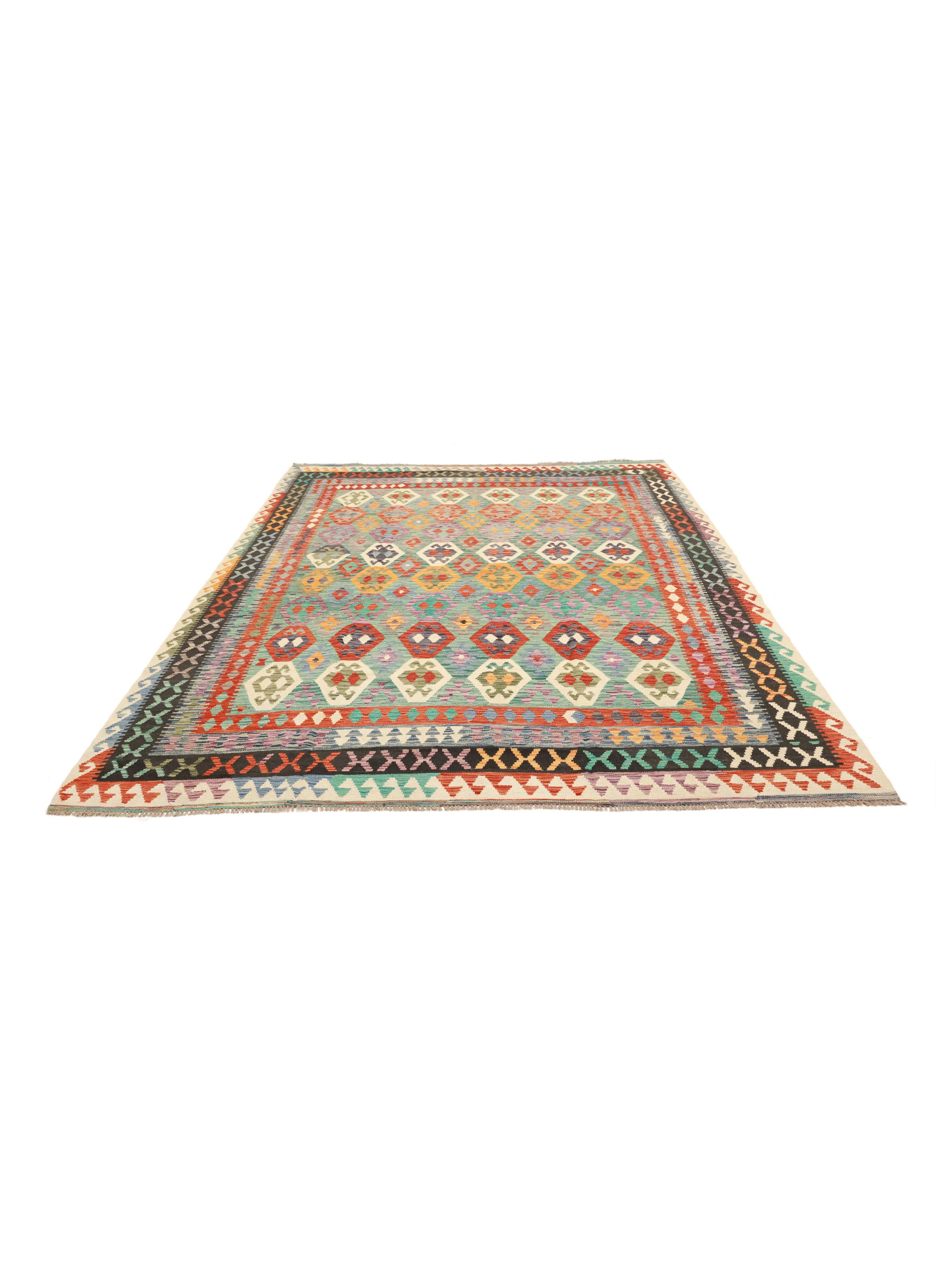
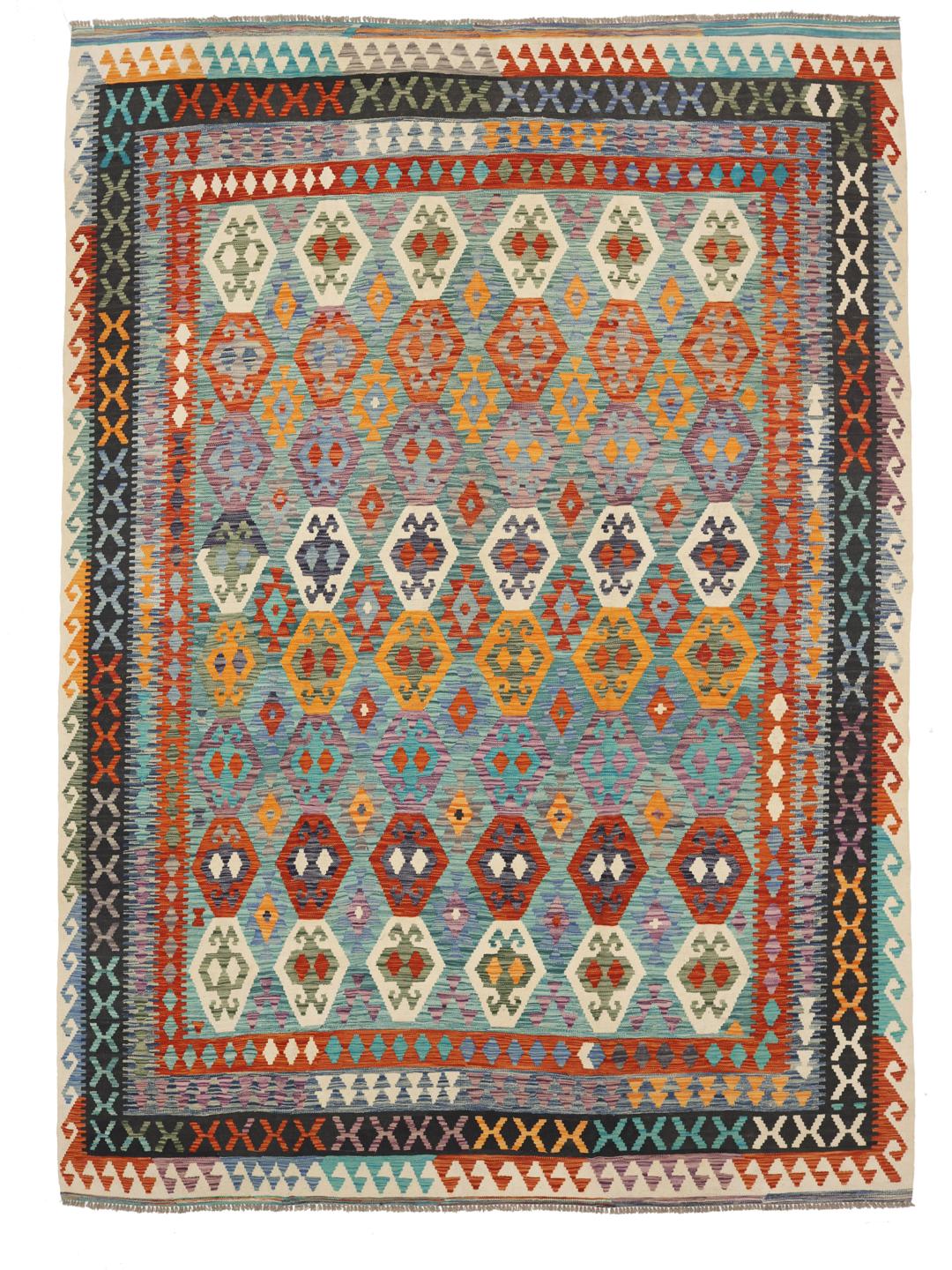
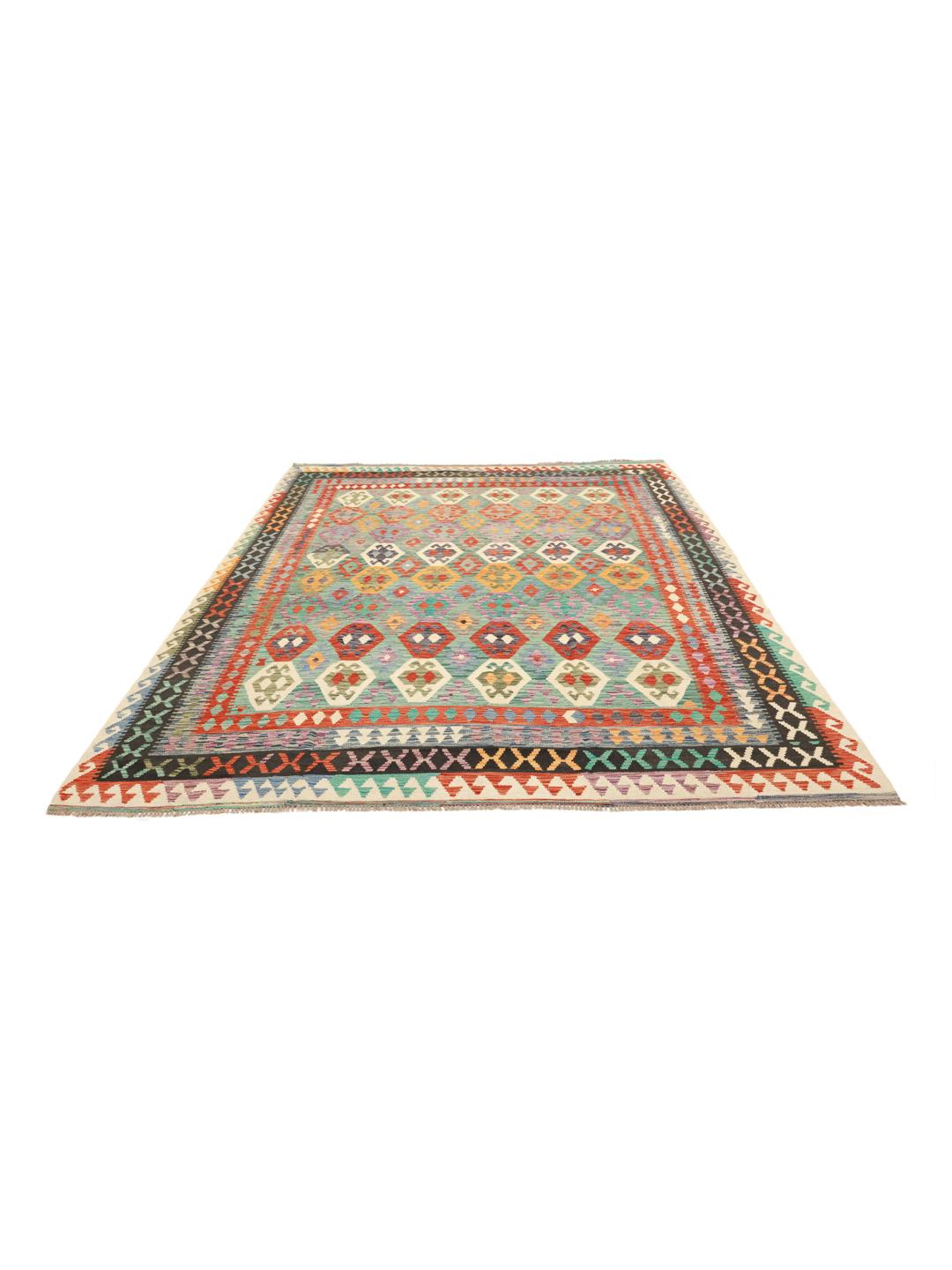
The Afghan Kelim tradition is deeply rooted in the nomadic history of Central Asia, where weavers created these versatile textiles to serve as functional floor coverings, storage bags, and wall hangings. These rugs were essential to the mobile lifestyle of tribal groups, designed to be easily rolled and transported while providing essential warmth and protection against the harsh elements of the region.
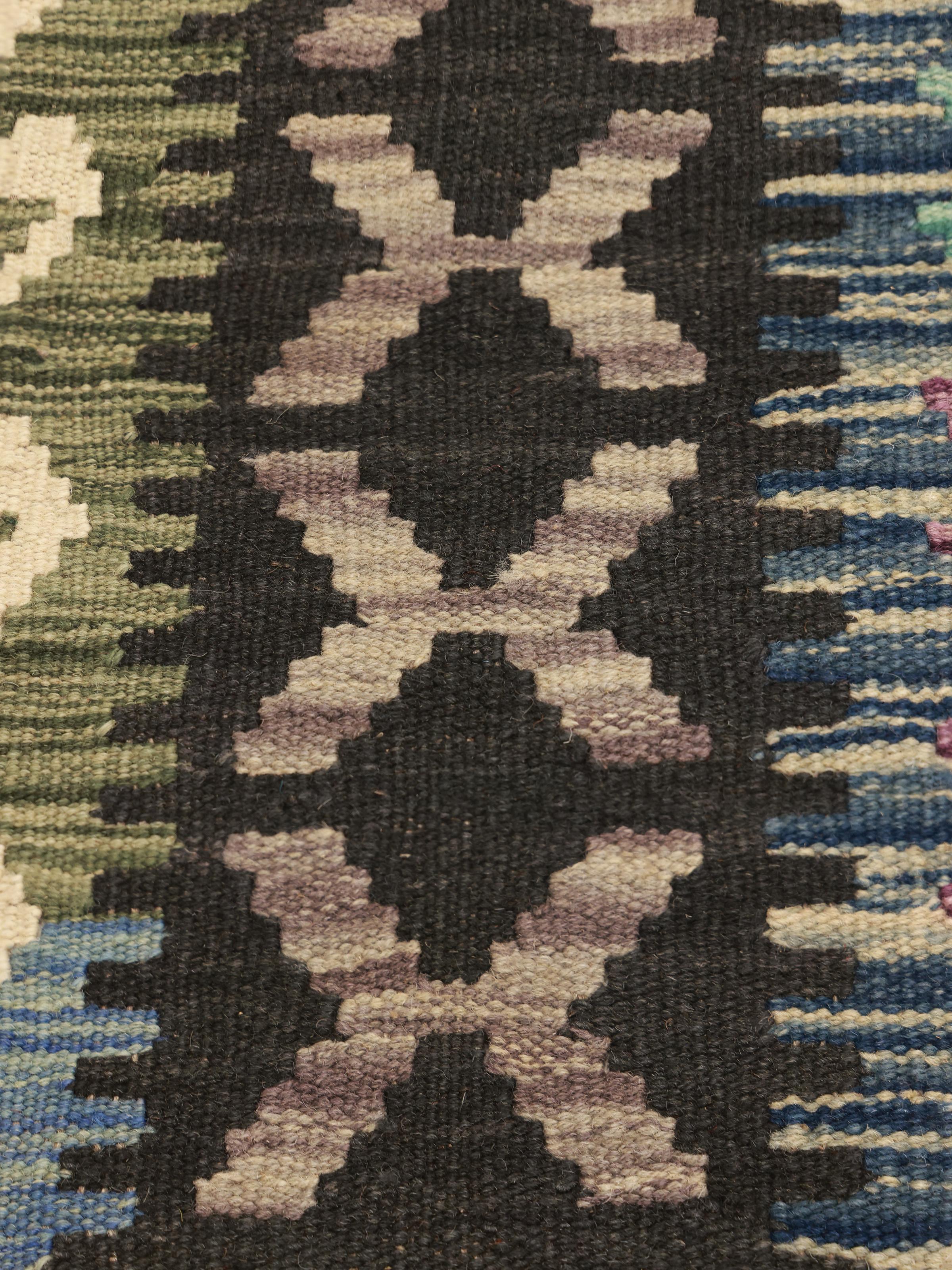
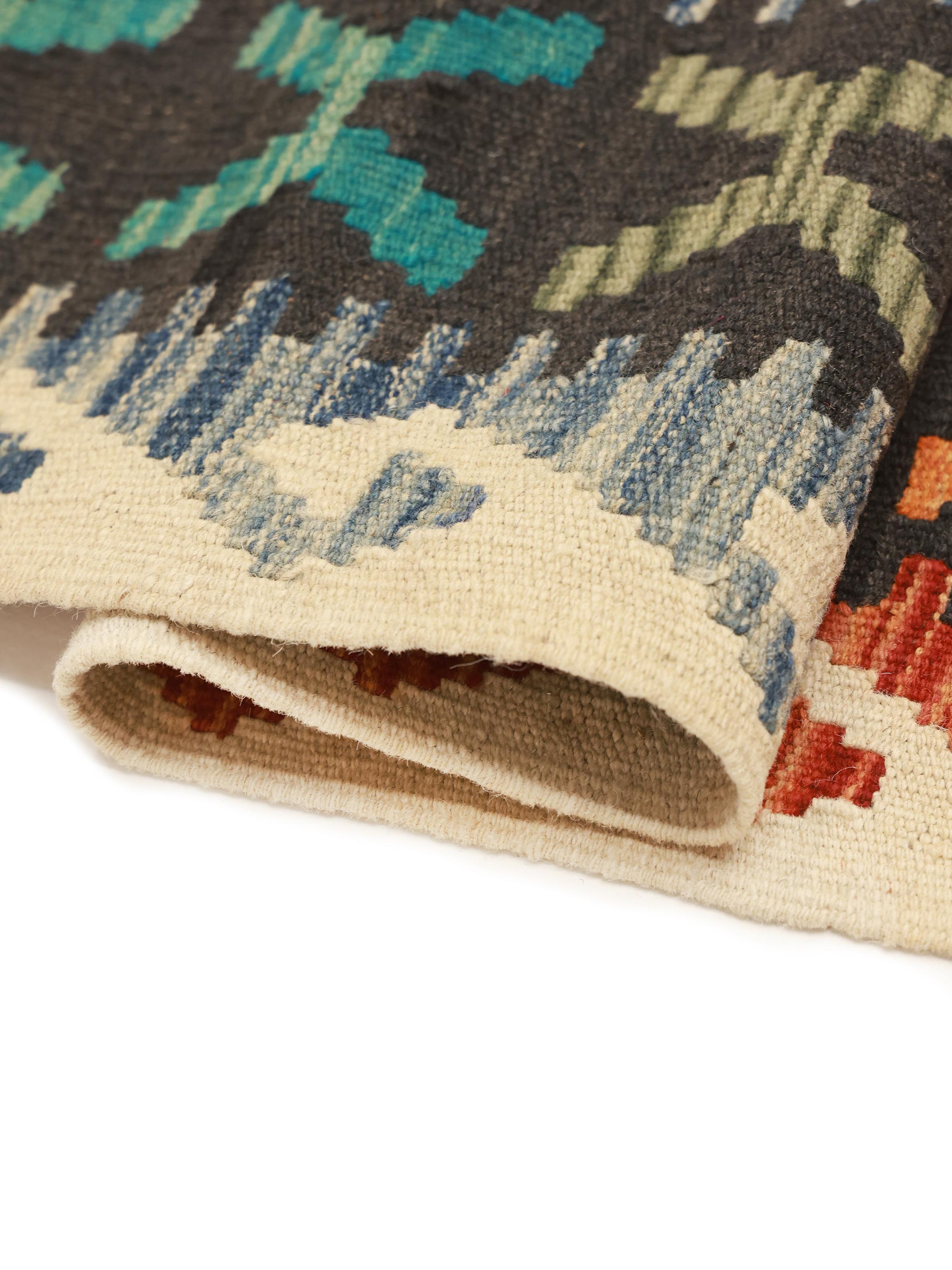
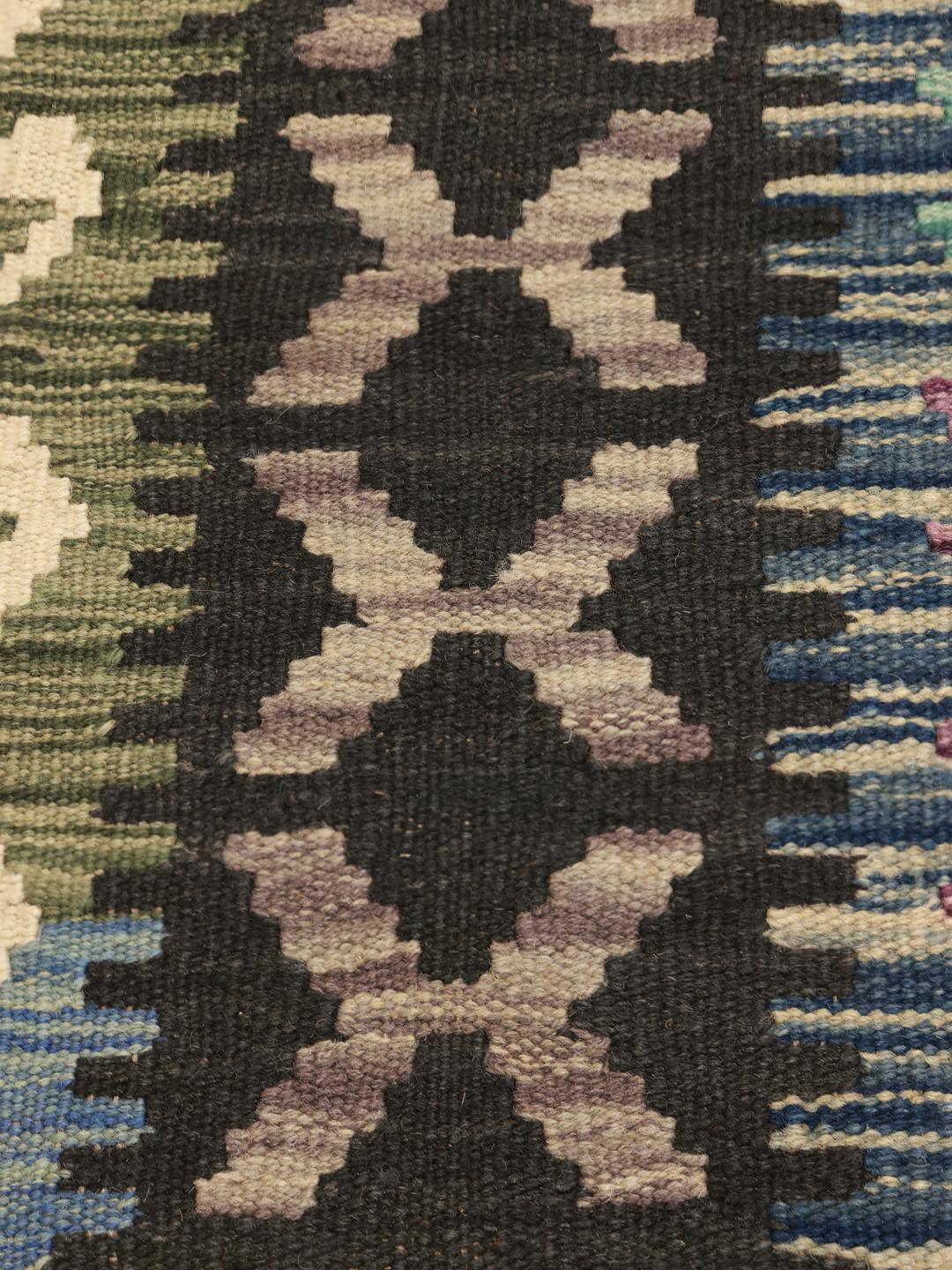
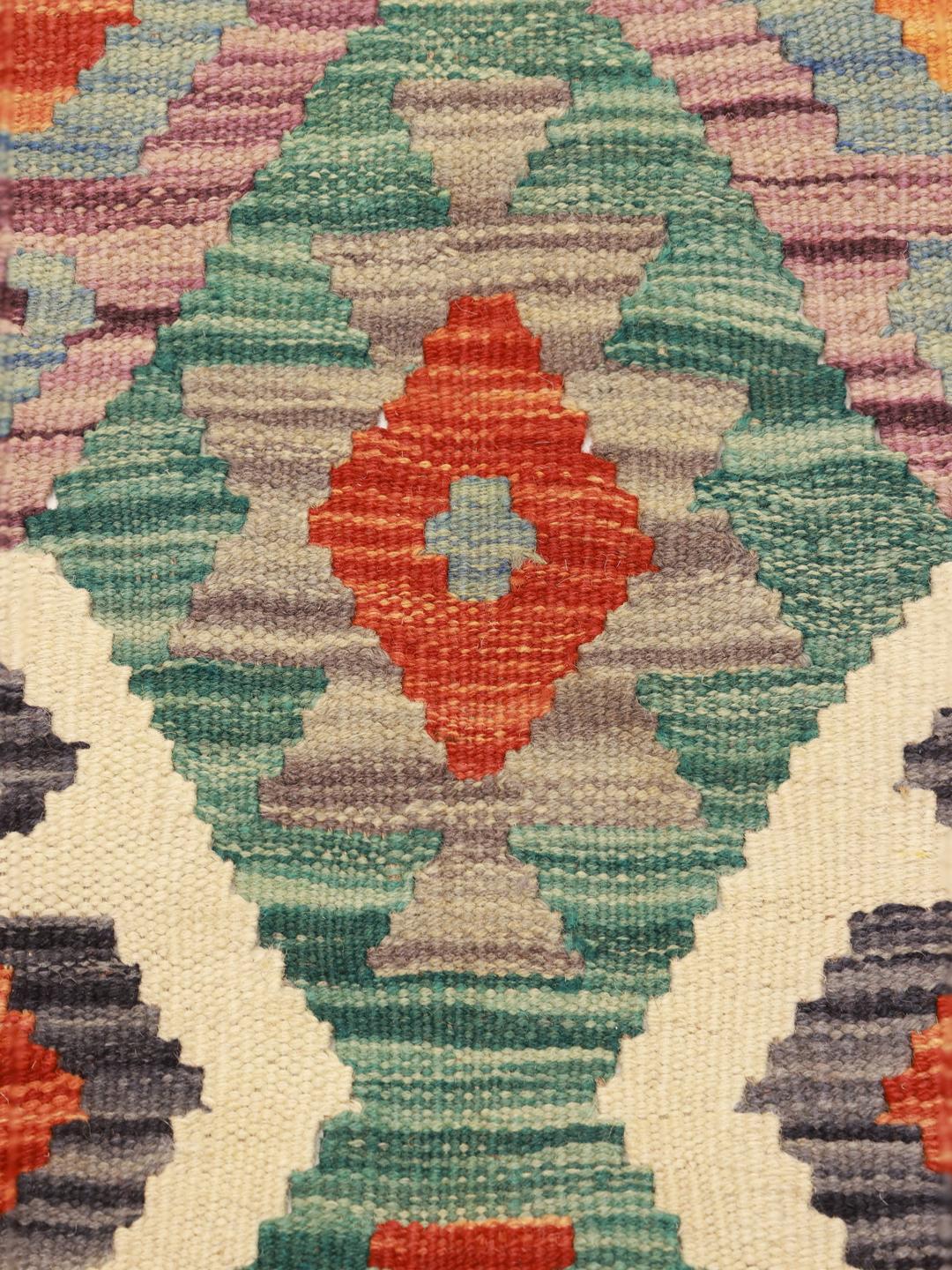
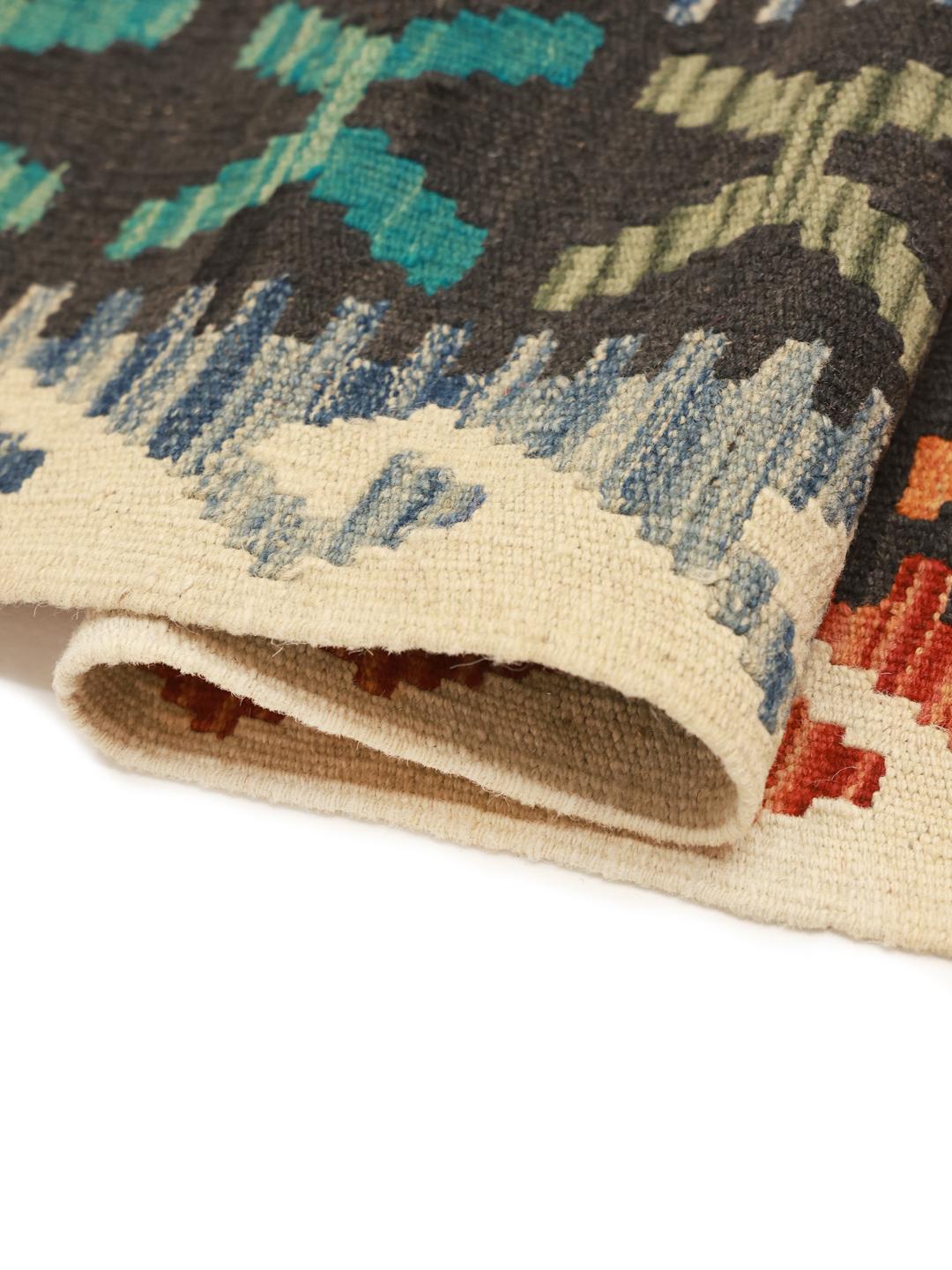
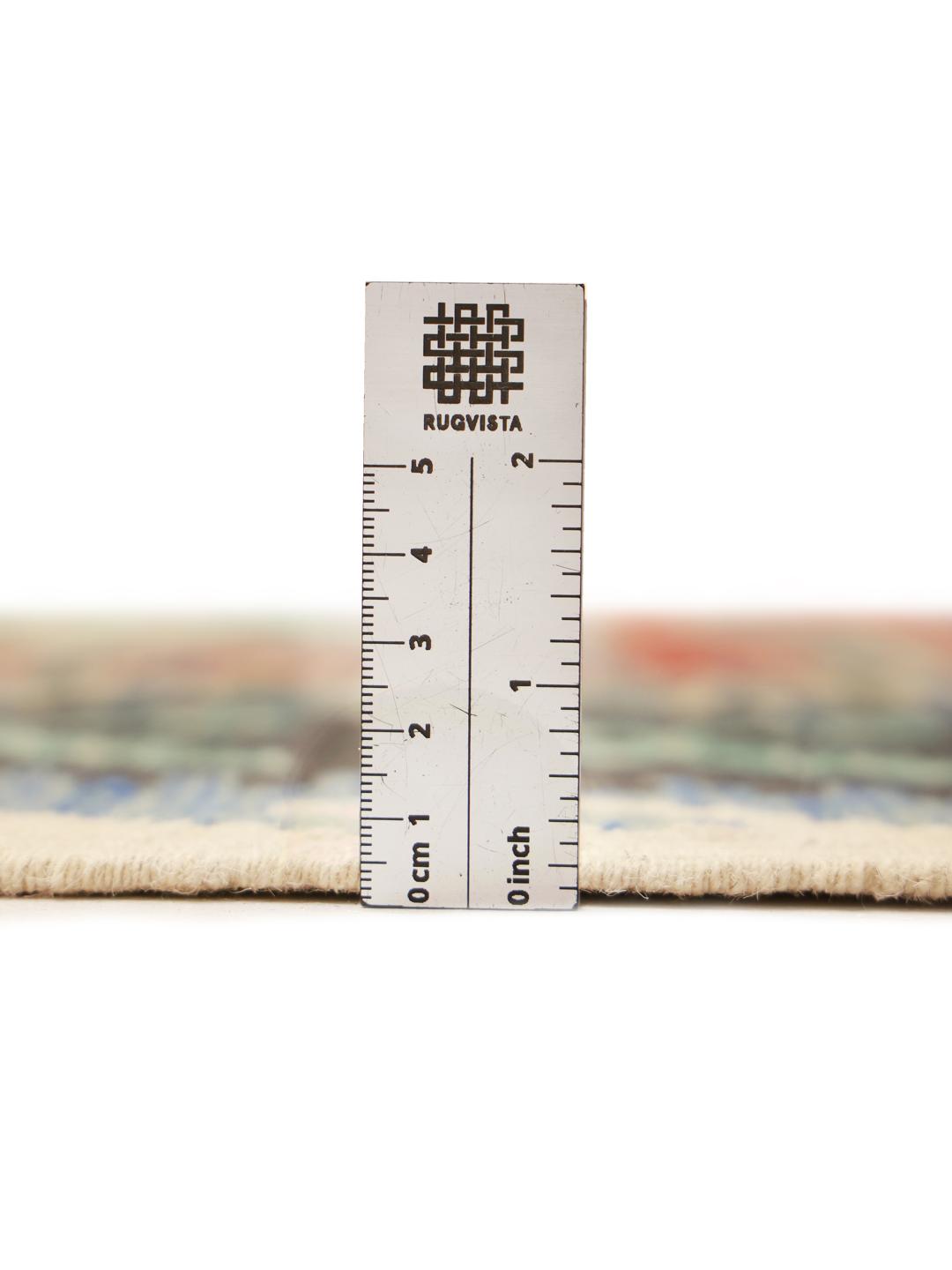
In the context of Kelim construction, the term flat-woven refers to the absence of a pile. The pattern is created by interlocking the weft threads with the warp, which results in a reversible rug that is thin, lightweight, and exceptionally durable. This technique requires an expert eye, as the weaver must manage the tension of the Wool threads to prevent the fabric from buckling or distorting during the creation process.
The design language of these rugs is defined by bold, geometric motifs such as diamonds, triangles, and stylized floral elements. These patterns are not merely decorative but often carry symbolic meanings related to tribal identity, protection, and good fortune. The use of vibrant, saturated colours is a hallmark of the Afghan style, often achieved through traditional dyeing techniques that give the Wool a rich, organic appearance.
Owning an Afghan Kelim is an investment in cultural heritage and artisanal skill. These pieces are highly valued by collectors for their authenticity and the labour-intensive process required to produce them. By bringing a Kelim into your home, you are continuing a legacy of craftsmanship that has been passed down through generations, celebrating a form of art that remains as relevant and beautiful today as it was centuries ago.