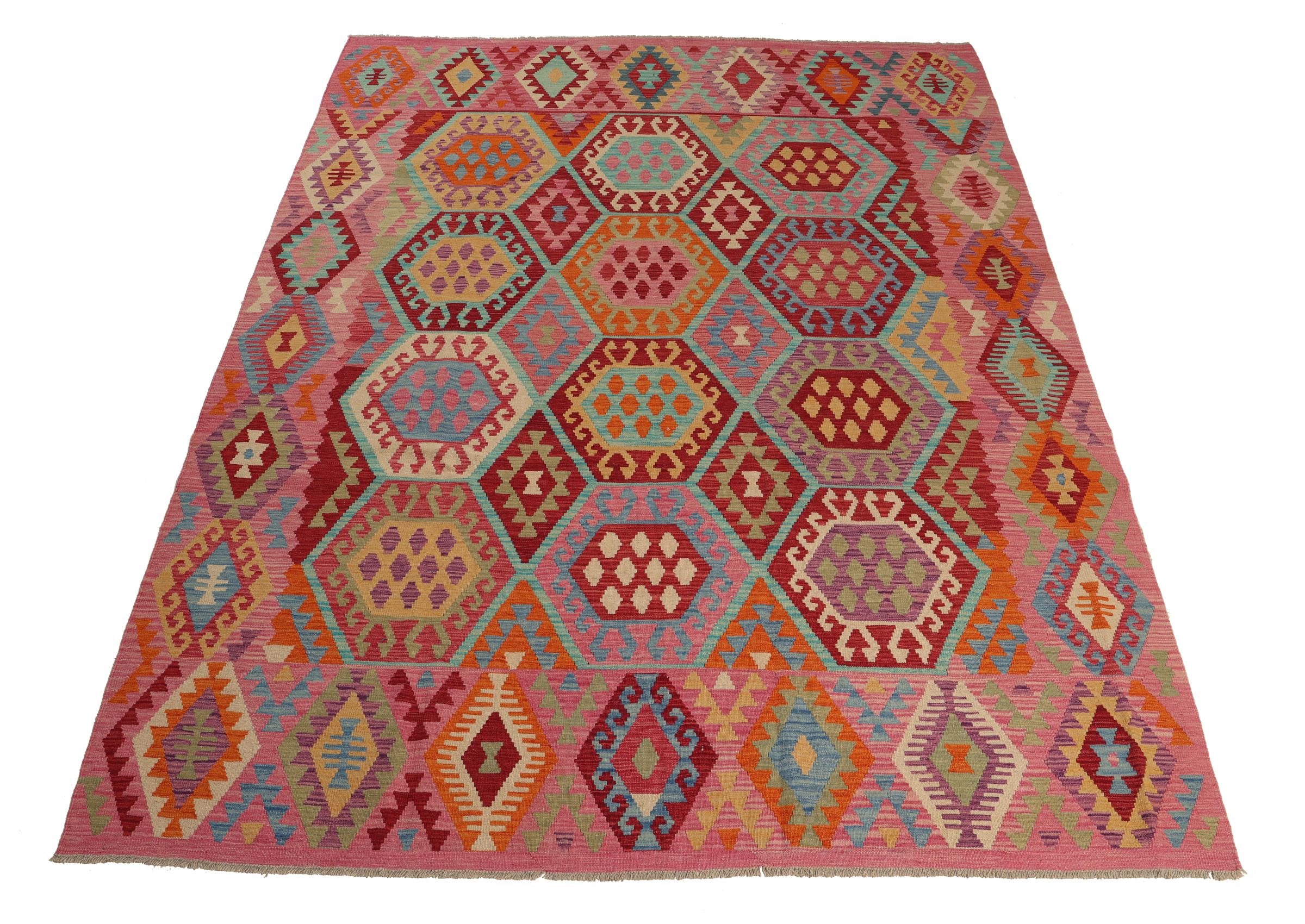
The Kelim tradition traces its roots back through centuries of nomadic life across the Middle East and Central Asia. Originally created by tribal weavers for practical use as floor coverings, blankets, or wall hangings, these rugs were designed to be portable and durable. The evolution of the Afghan Kelim reflects a rich history of cultural exchange, blending ancient weaving techniques with regional aesthetics that have been refined over generations.
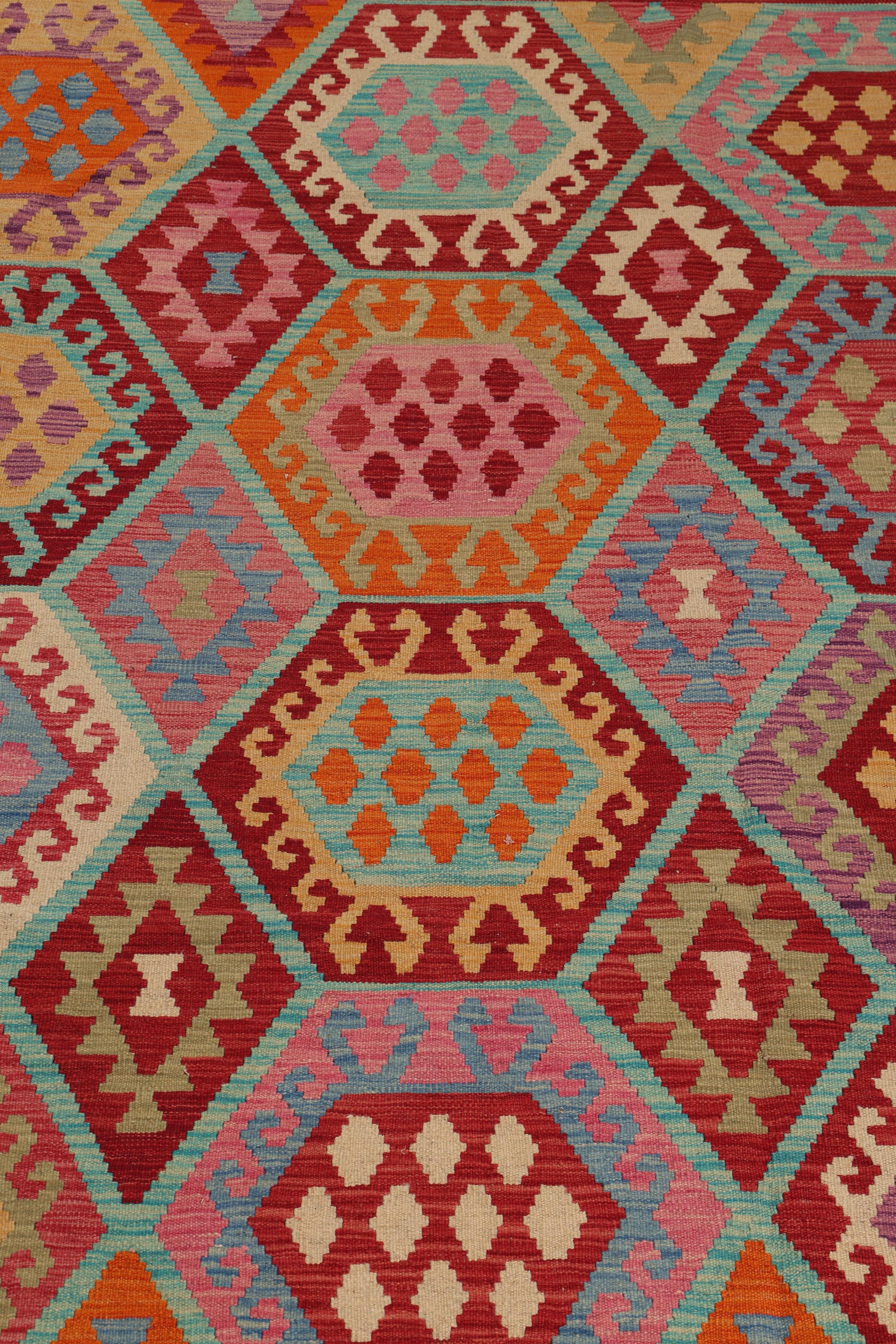
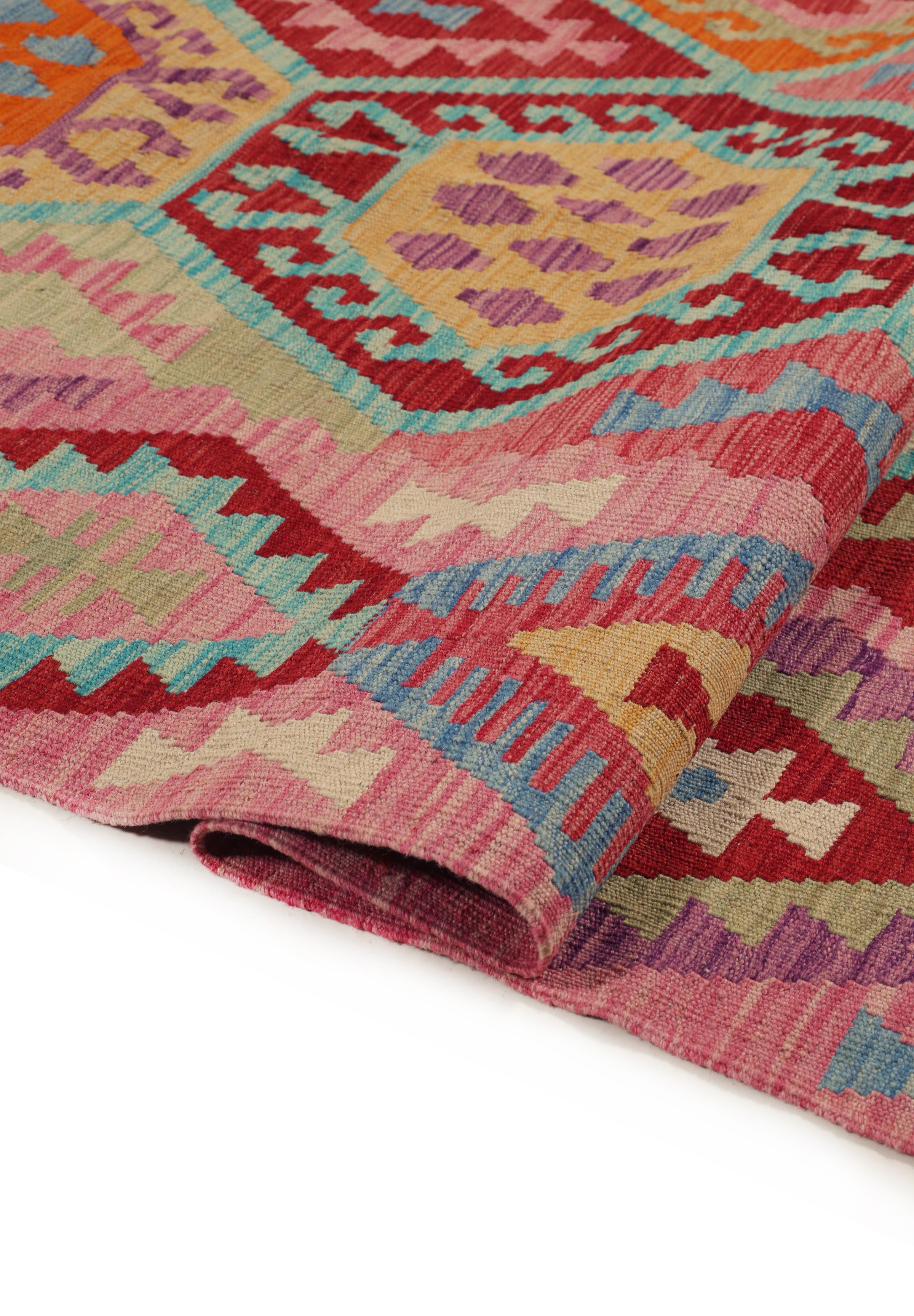
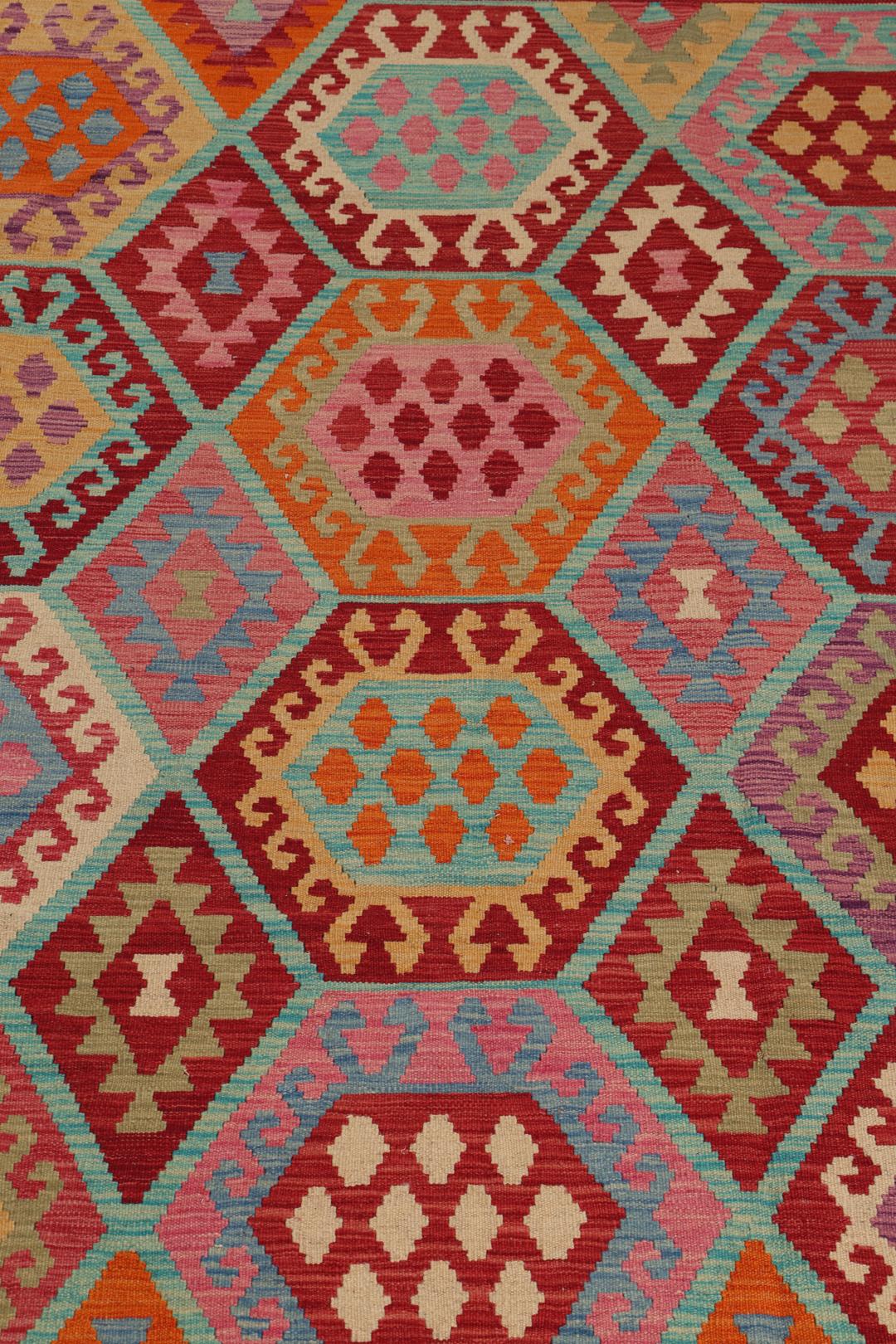
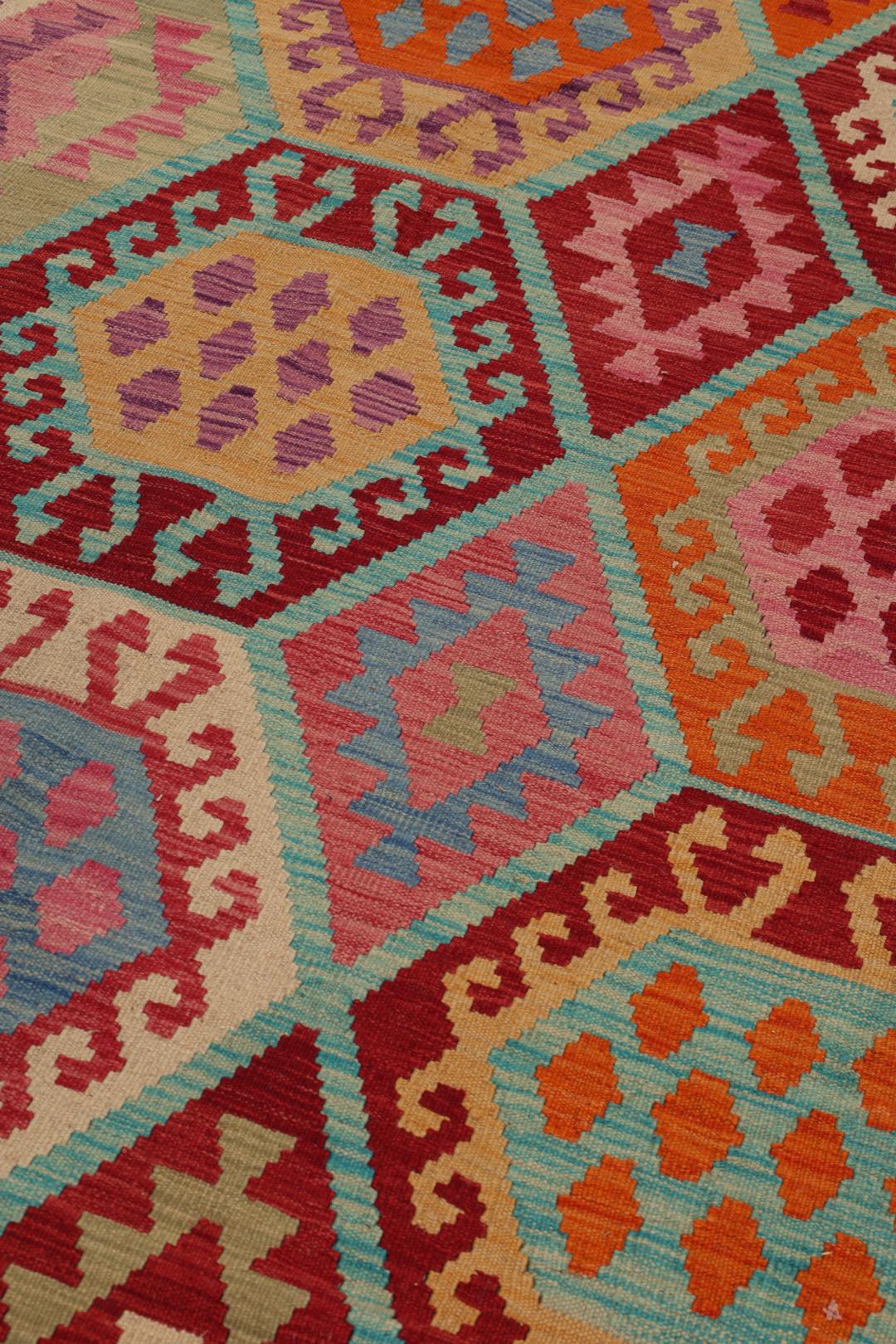
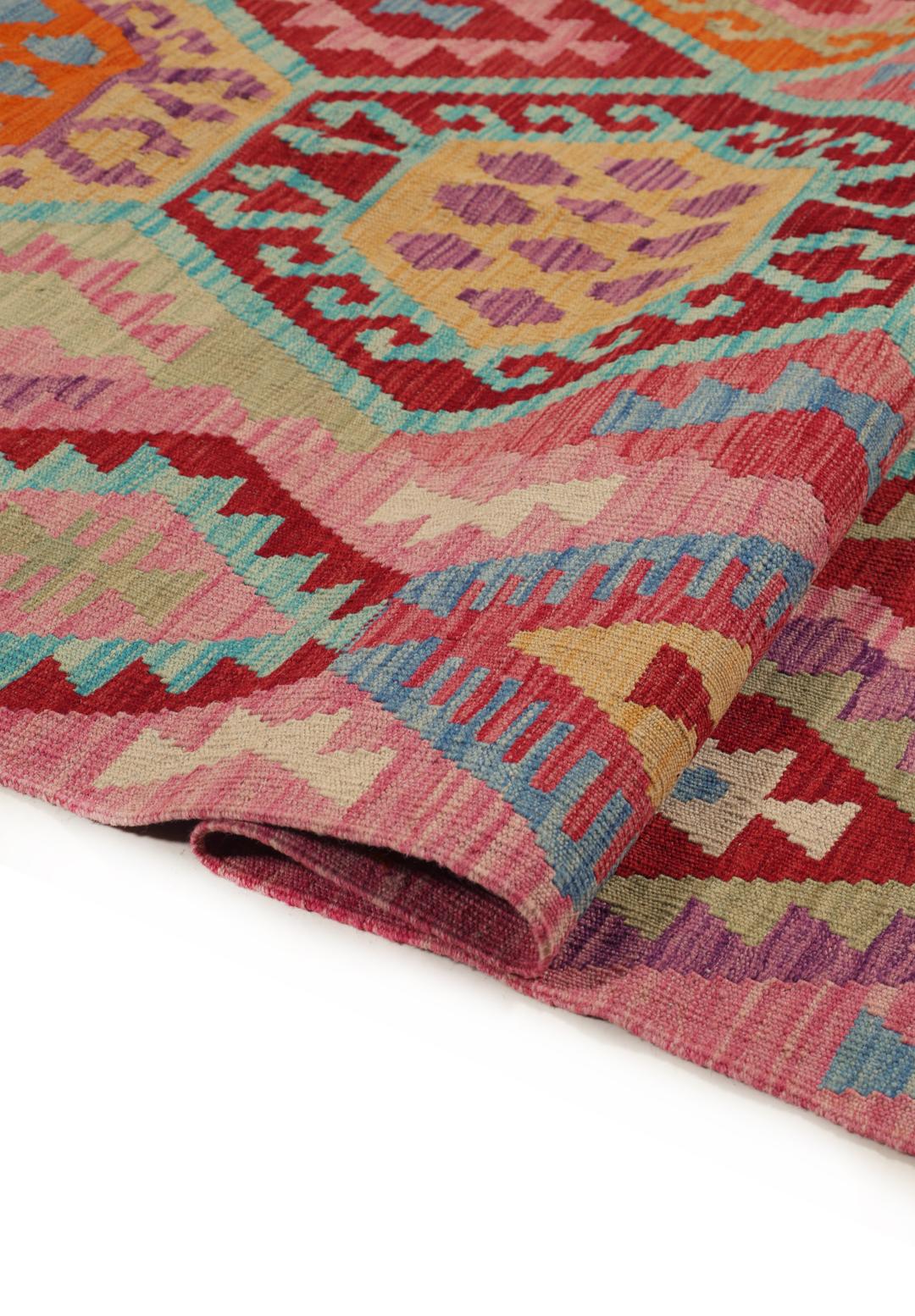
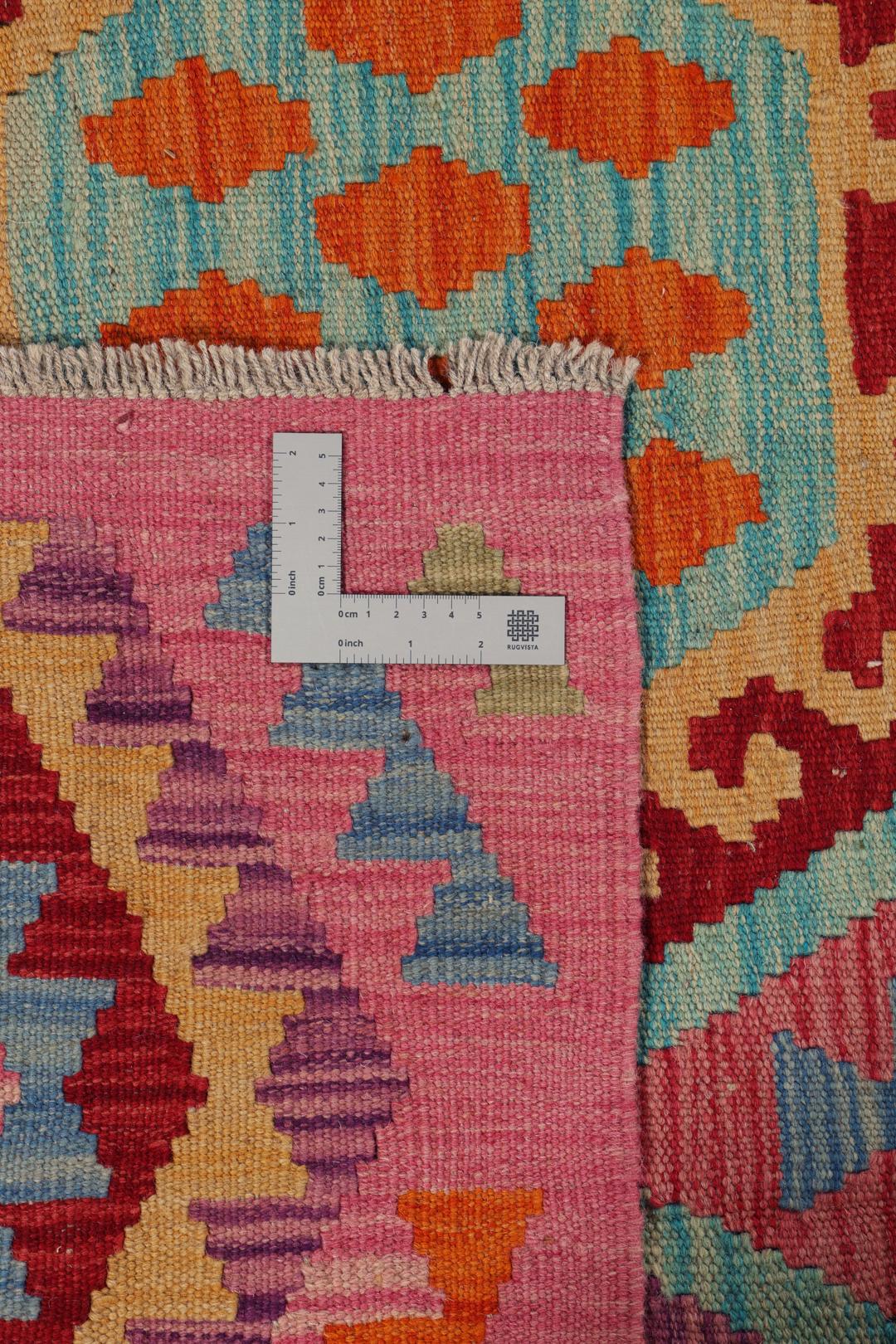
The term 'Kelim' refers to the specific flat-weaving technique used, where the weft threads are woven tightly through the warp to create a smooth surface without a pile. This method allows for the creation of sharp, clean geometric patterns and complex colour transitions that are characteristic of the style. The absence of pile means that the design is essentially the structure of the rug itself, demanding a high degree of technical mastery to achieve perfect symmetry and alignment.
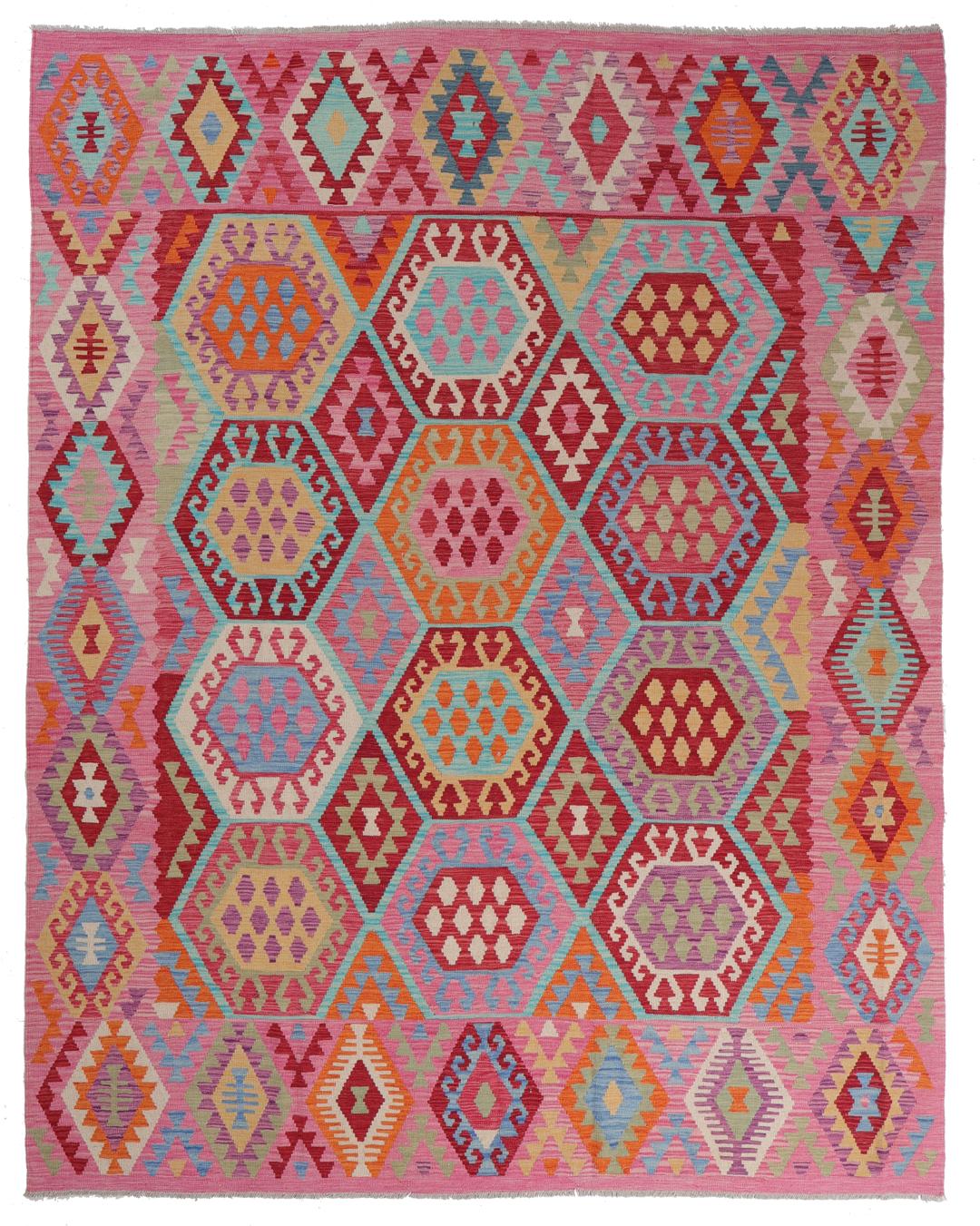
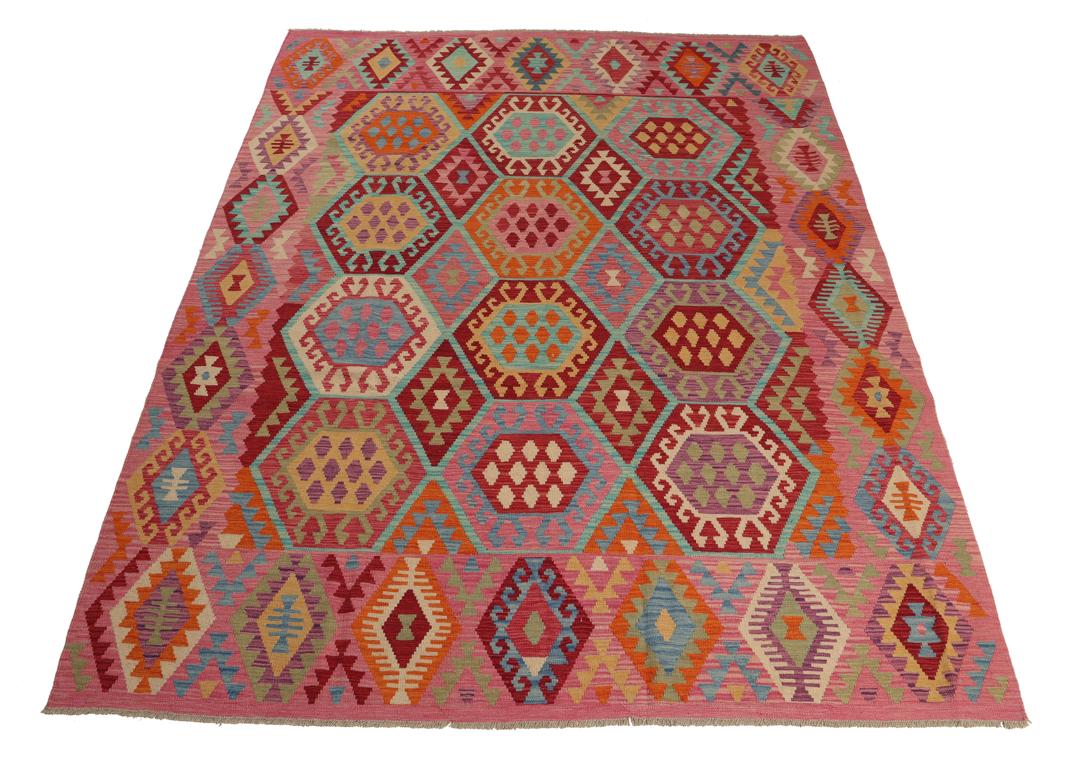
Signature elements of this tradition include the use of bold, repeating geometric forms and a vibrant, often earthy or jewel-toned colour palette. The honeycomb and diamond motifs seen here are common in the region, often symbolising protection, fertility, or the natural landscape. These designs are not merely decorative but serve as a visual language that connects the weaver to their heritage, with each generation adding subtle variations to the traditional repertoire.
Today, these rugs are highly prized by collectors who value the authenticity and human effort behind each piece. Owning a Kelim is a way to preserve a connection to a storied craft tradition that prioritises longevity and artistic expression. These rugs are not just floor coverings, they are cultural artifacts that bring warmth and a sense of history into any modern home, standing as a testament to the skill of the artisans who keep this ancient tradition alive.