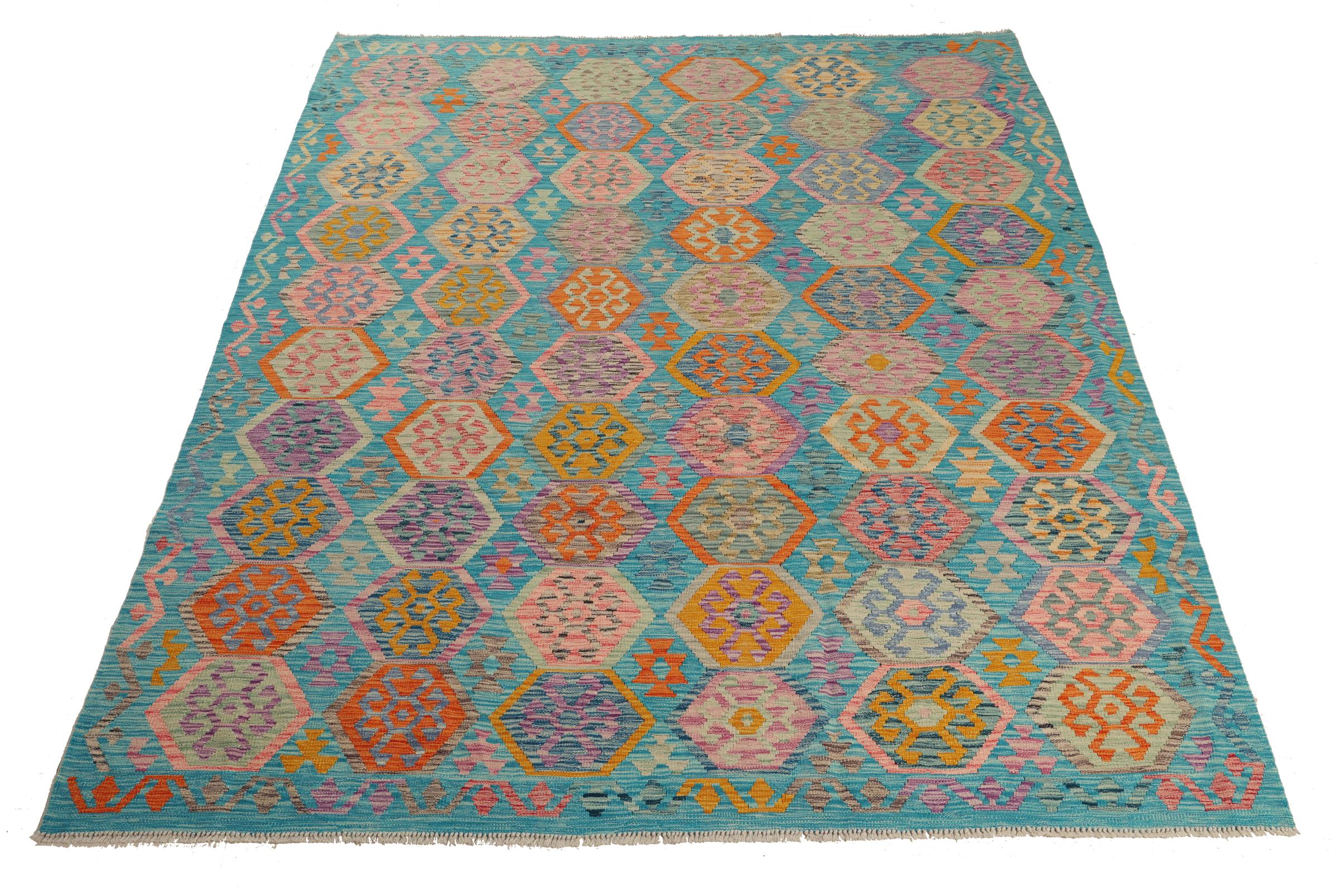
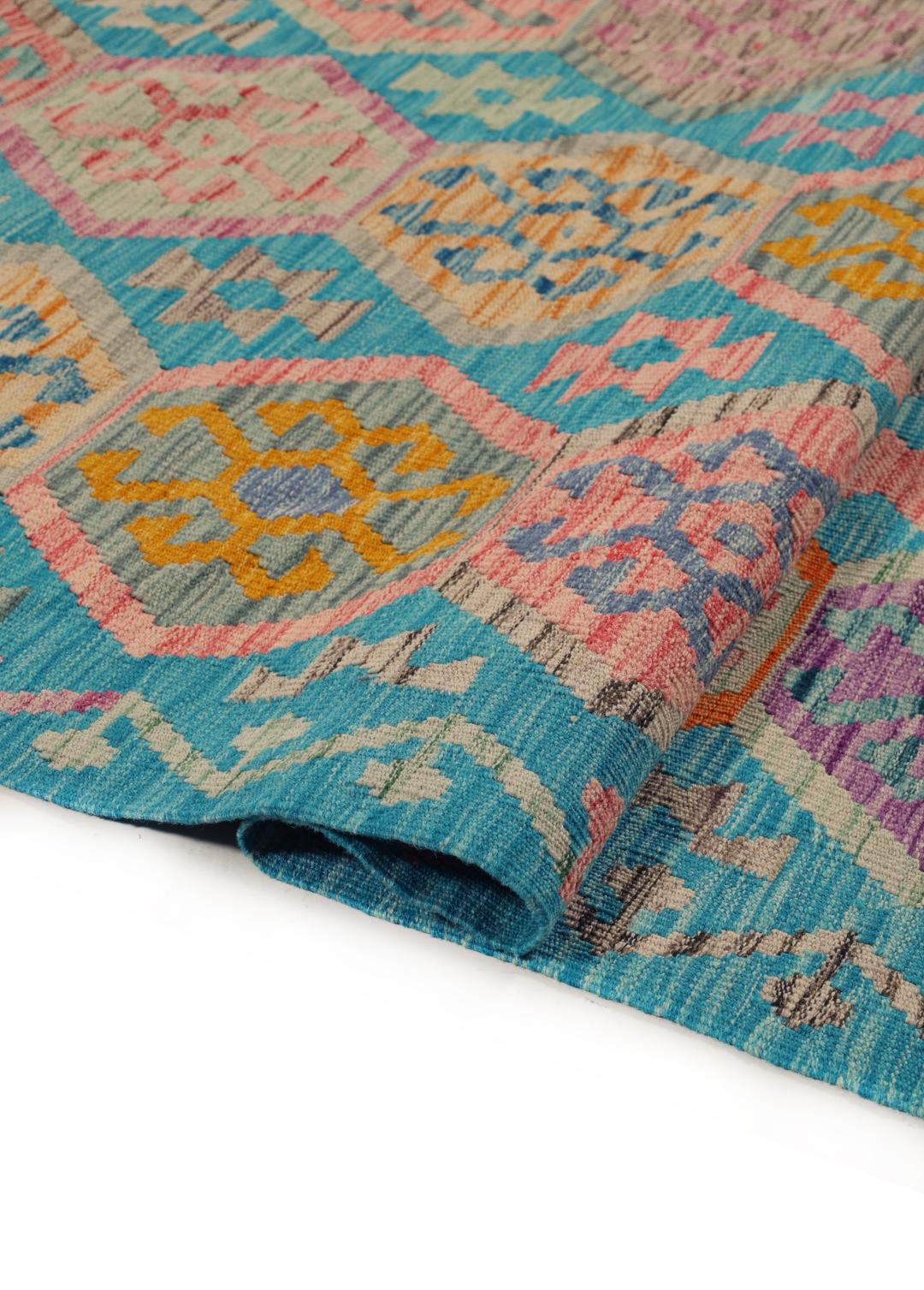
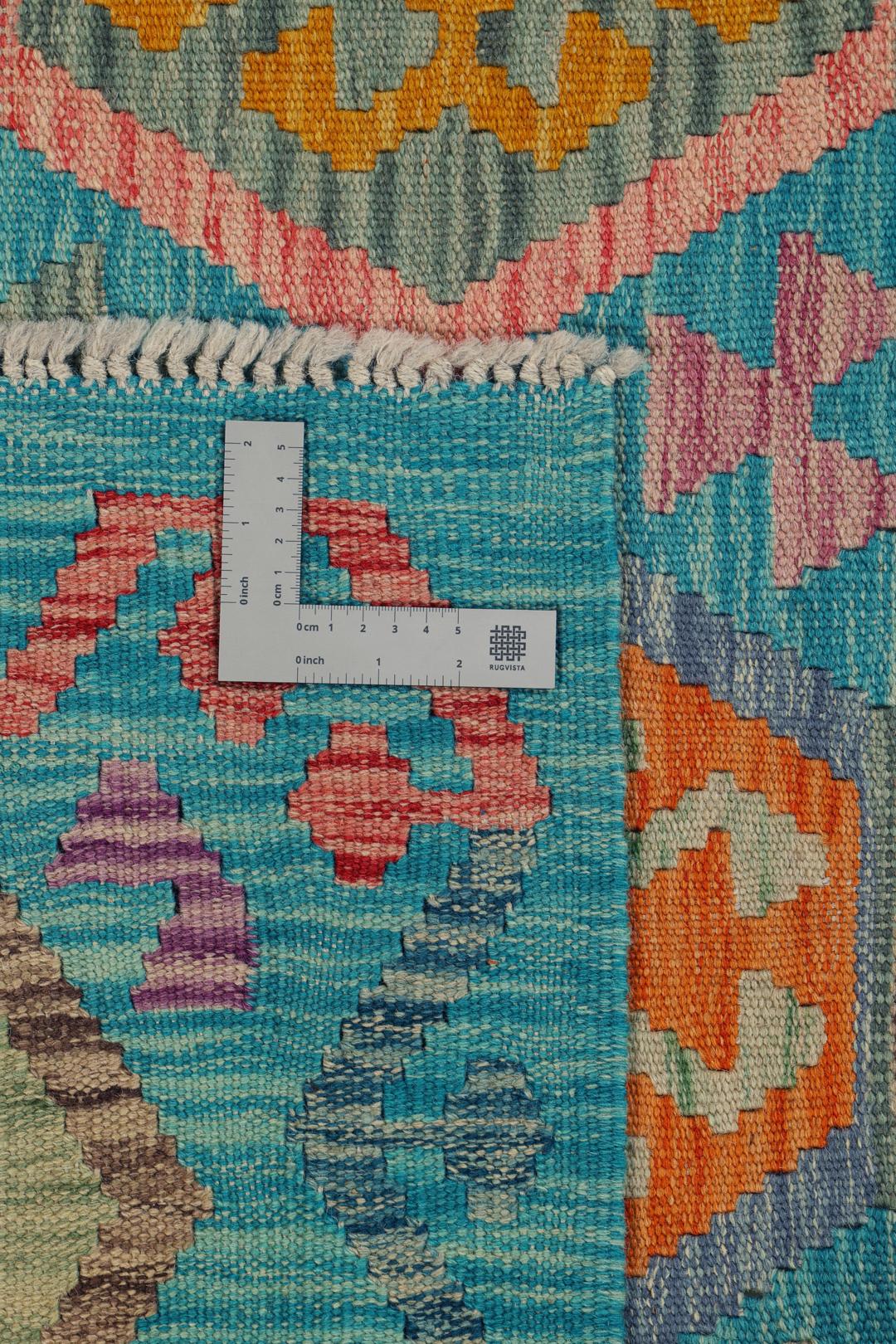
Kelim rugs have a storied history rooted in the nomadic traditions of the Middle East and Central Asia. Originally created by tribal weavers for practical use, these rugs were designed to be lightweight, durable, and easily transportable during seasonal migrations. The term 'Kelim' refers to the flat-weaving technique where the warp and weft threads are interlaced to create a smooth, pileless surface that is identical on both sides.
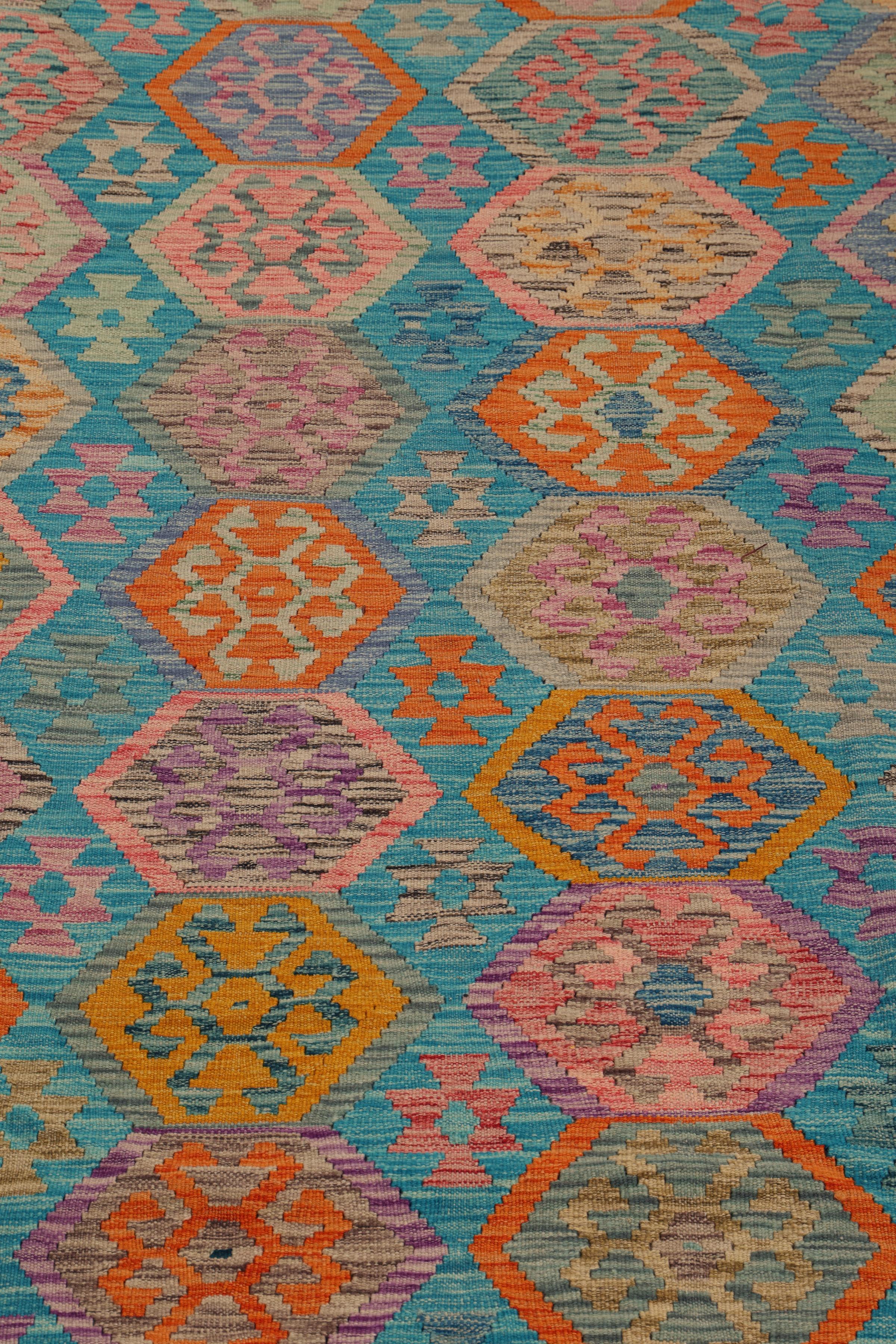
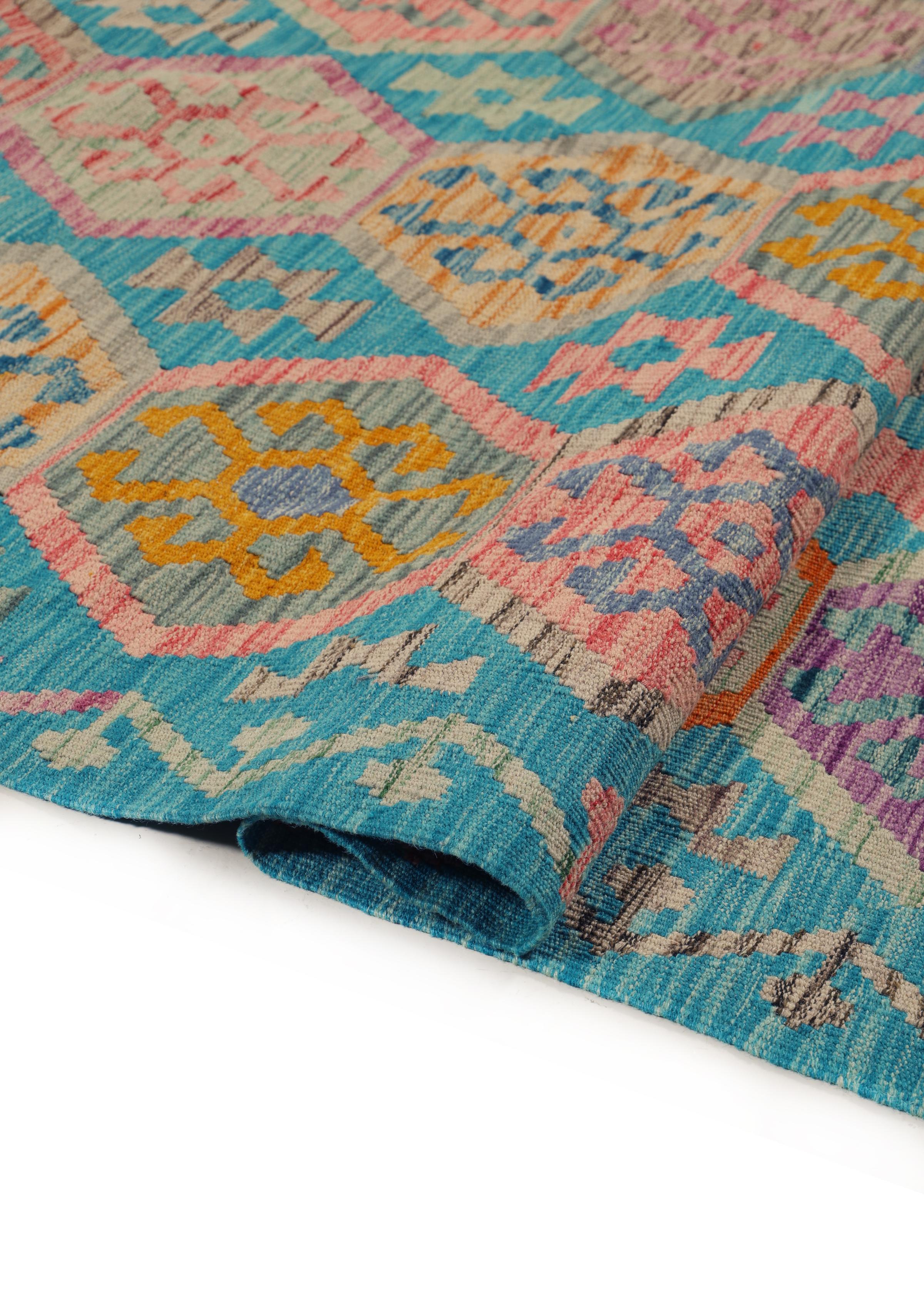
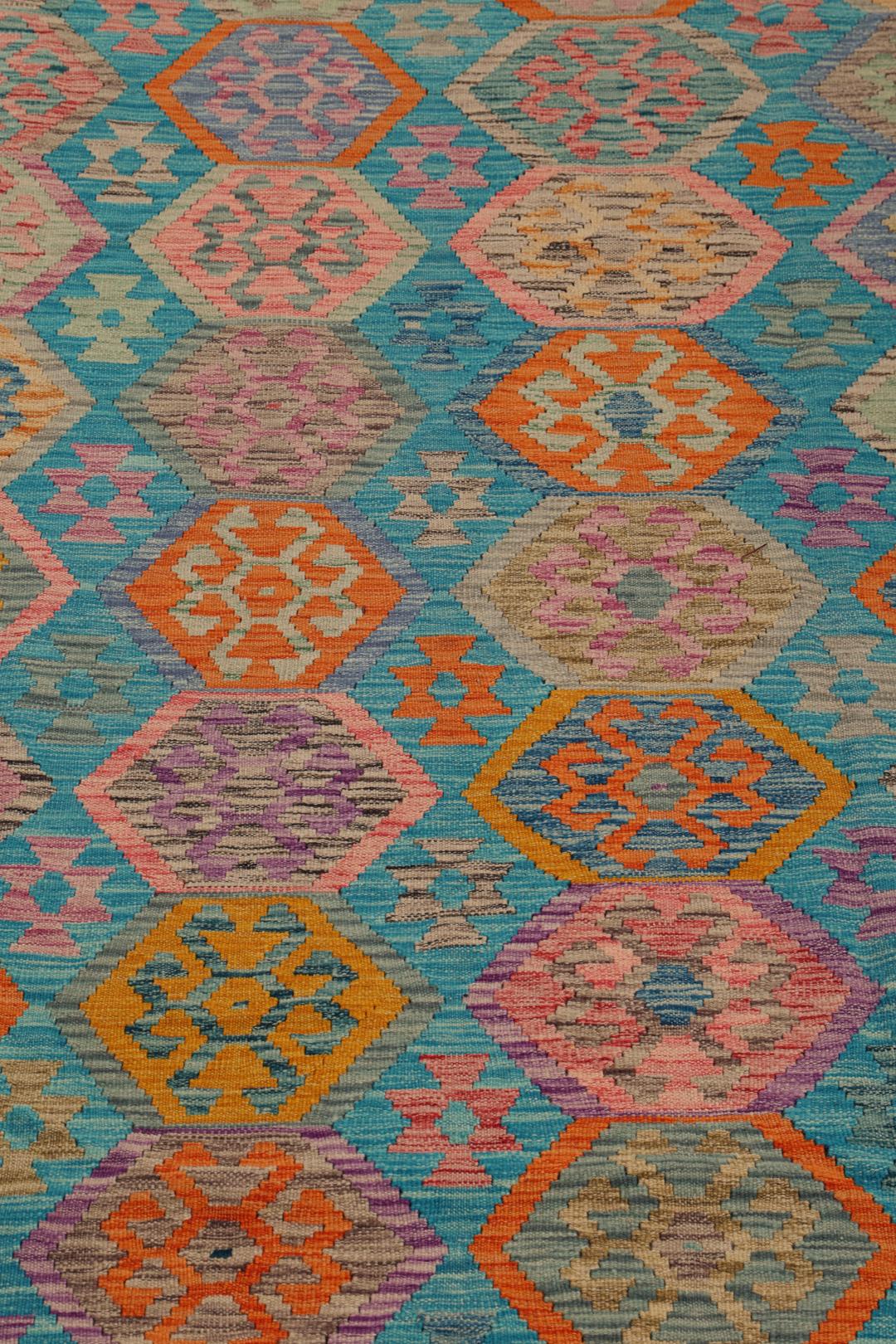
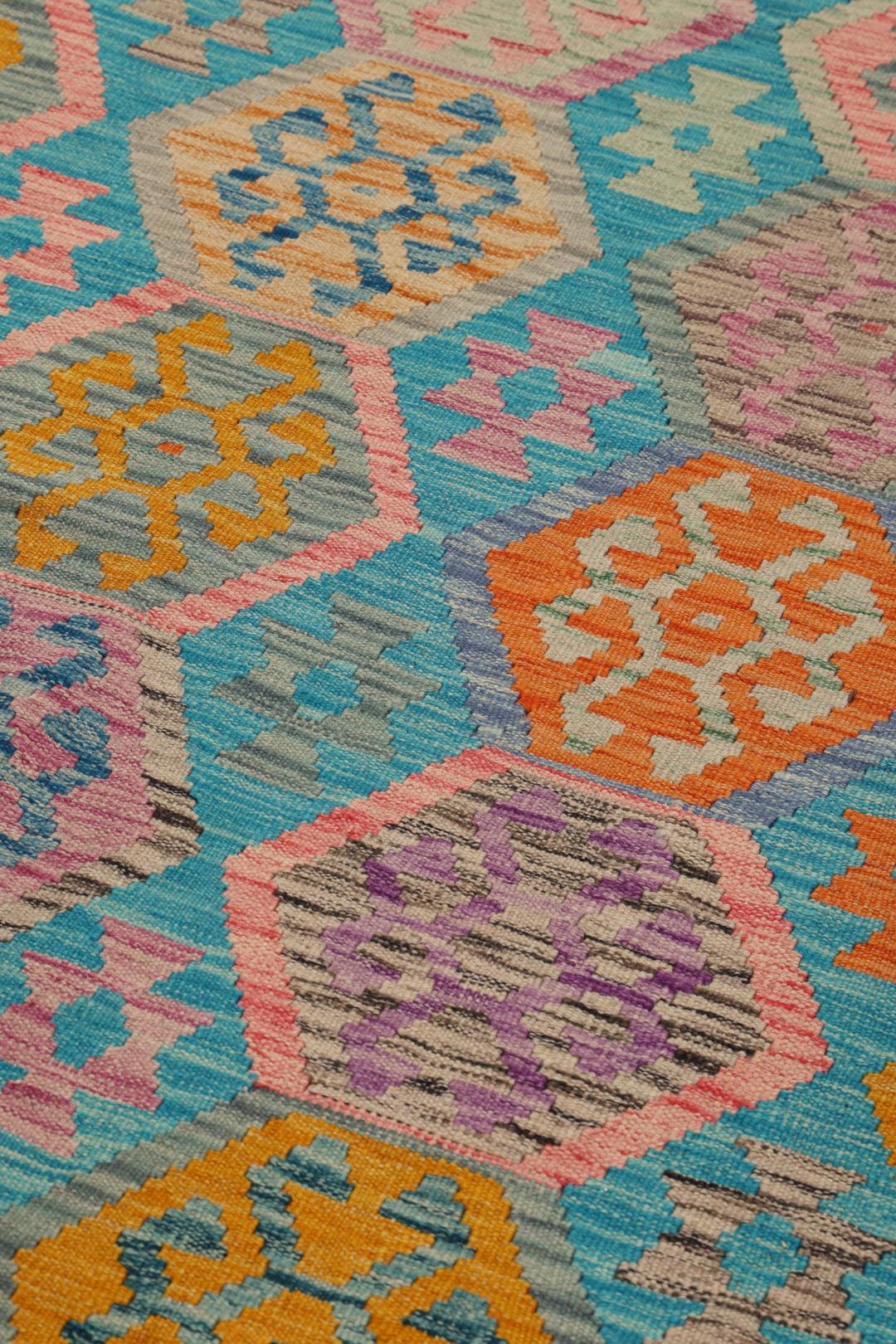
The technical mastery required to weave a Kelim is significant. Unlike pile rugs where knots are tied onto a foundation, the patterns in a flat-weave are created by wrapping coloured weft threads around the warp. This requires the weaver to manage complex colour transitions and geometric alignment without the forgiveness of a thick pile, resulting in a thin, sturdy fabric that is highly prized for its crisp design clarity.
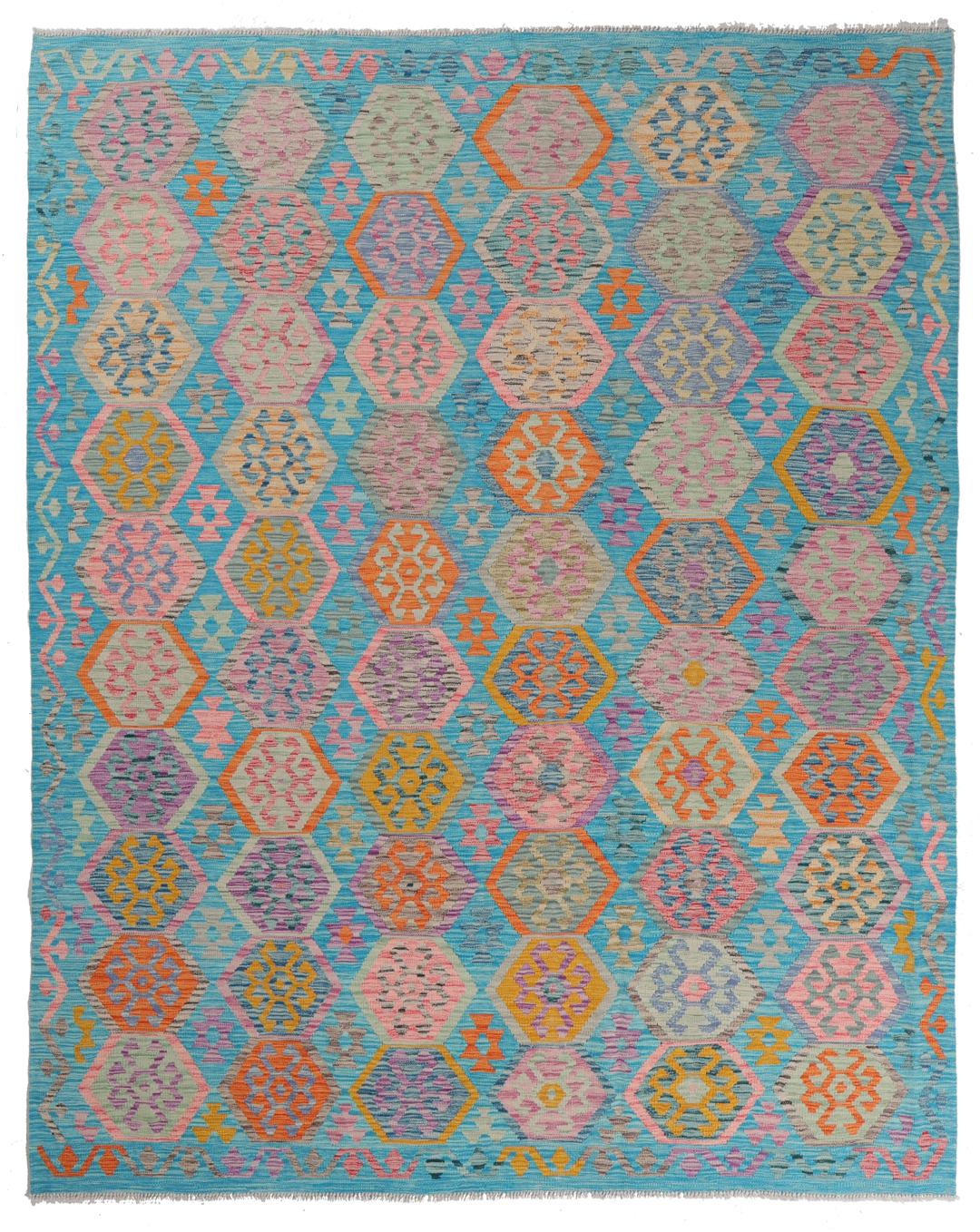
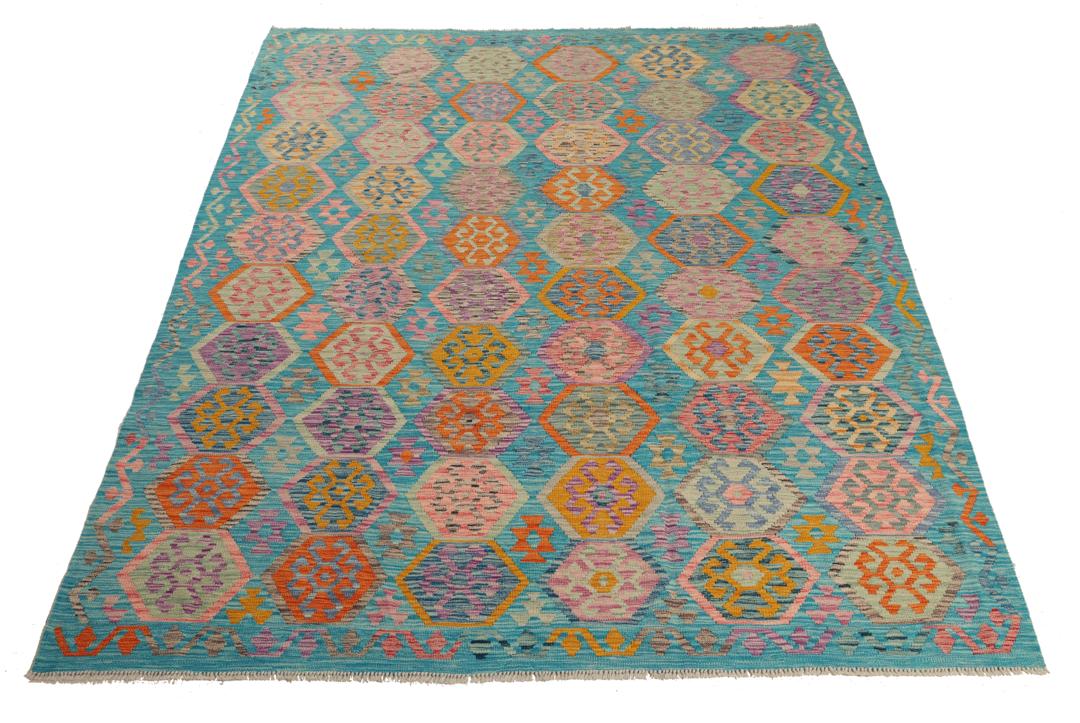
The visual language of the Afghan Kelim is defined by its bold, geometric aesthetic. You will often see repeating motifs like diamonds, triangles, and hexagons that are steeped in cultural symbolism, representing protection, fertility, or the natural landscape. In this particular piece, the interplay of vibrant colours against a blue field showcases the sophisticated use of natural dyes and traditional design motifs that have been passed down through generations of Afghan weavers.
Collecting a Kelim is an appreciation of a heritage that values human skill over industrial speed. These rugs are not merely decorative items but are cultural artefacts that tell the story of the artisans who made them. By bringing one into your home, you are participating in a long-standing tradition of craft, securing a piece of history that remains as relevant and beautiful in a modern home as it was in the nomadic tents of the past.