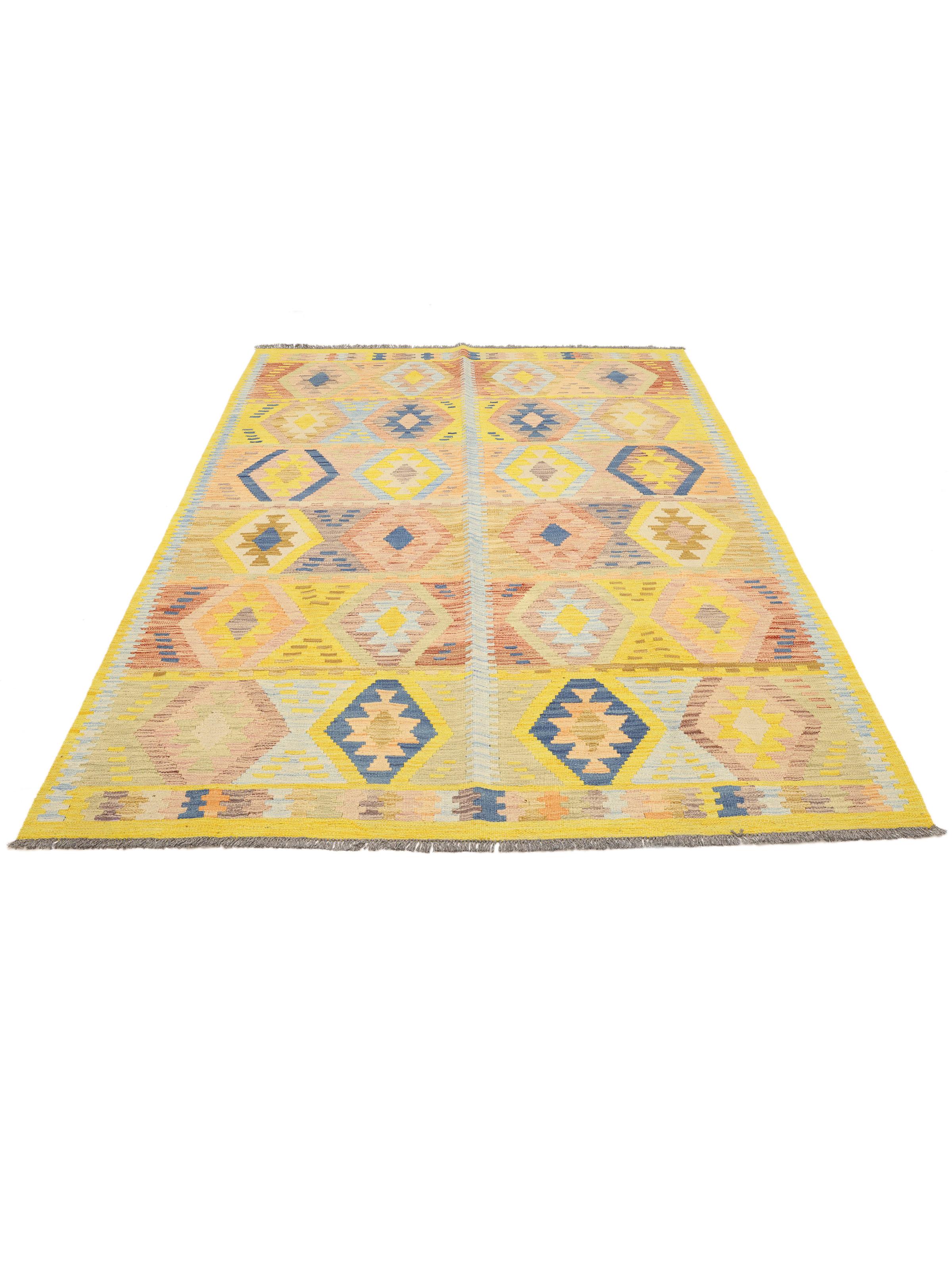
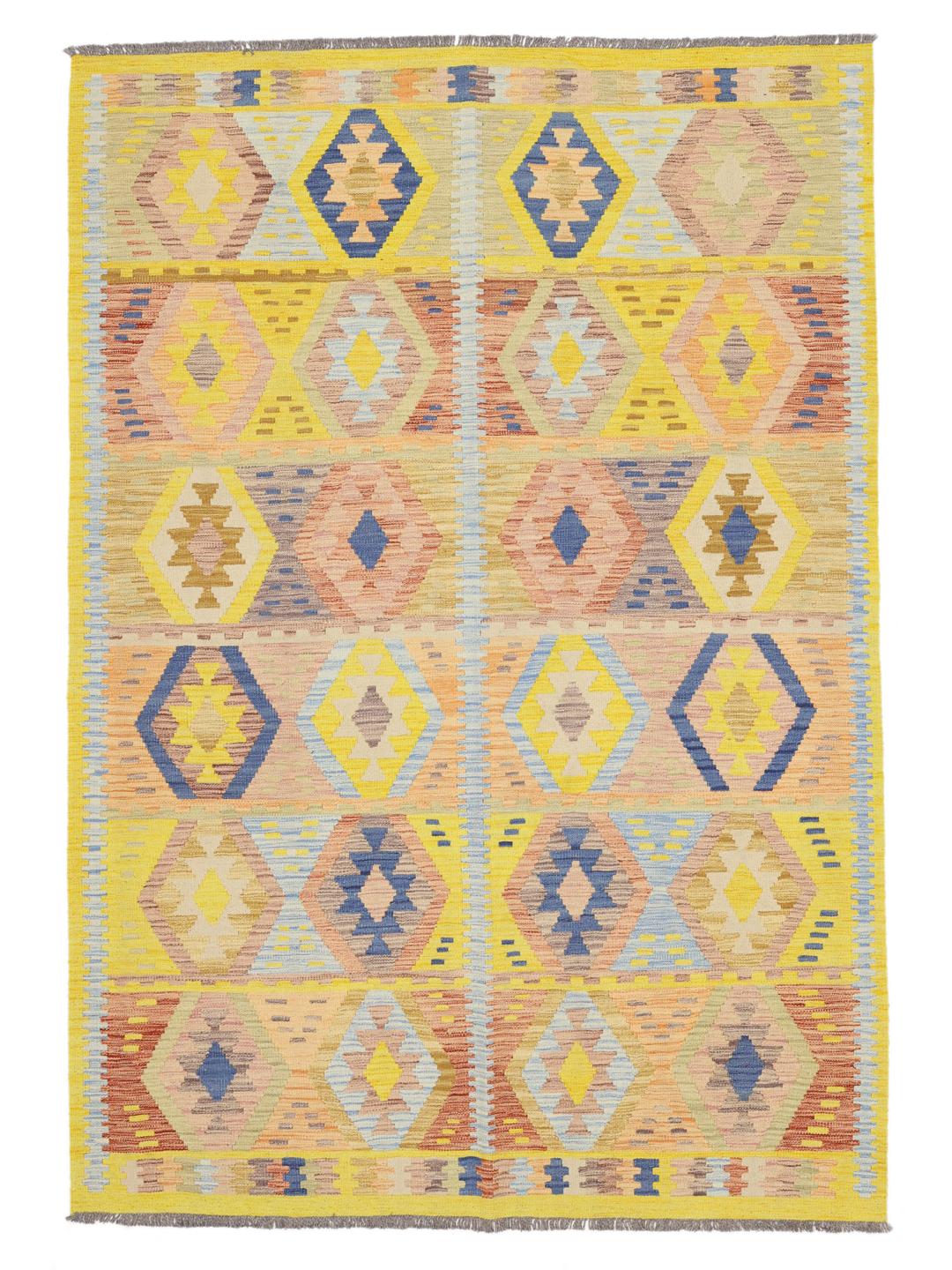
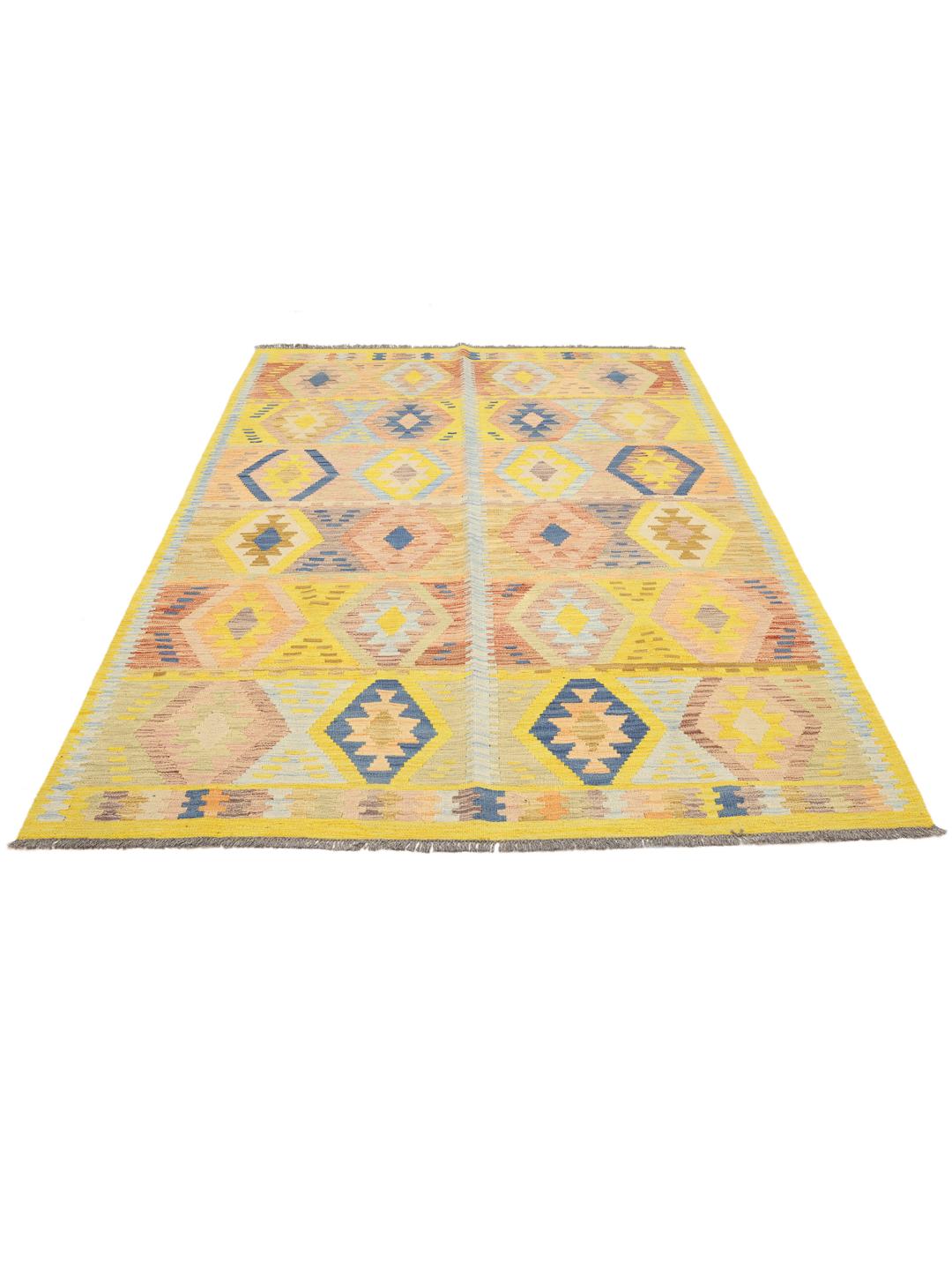
The tradition of weaving Kelims is deeply rooted in the nomadic cultures of the Middle East and Central Asia. These flat-woven rugs were historically essential for daily life, used as floor coverings, wall hangings, and functional storage bags. The Afghan Kelim, in particular, has evolved from these ancient roots into a celebrated craft that reflects the diverse cultural influences of the region.
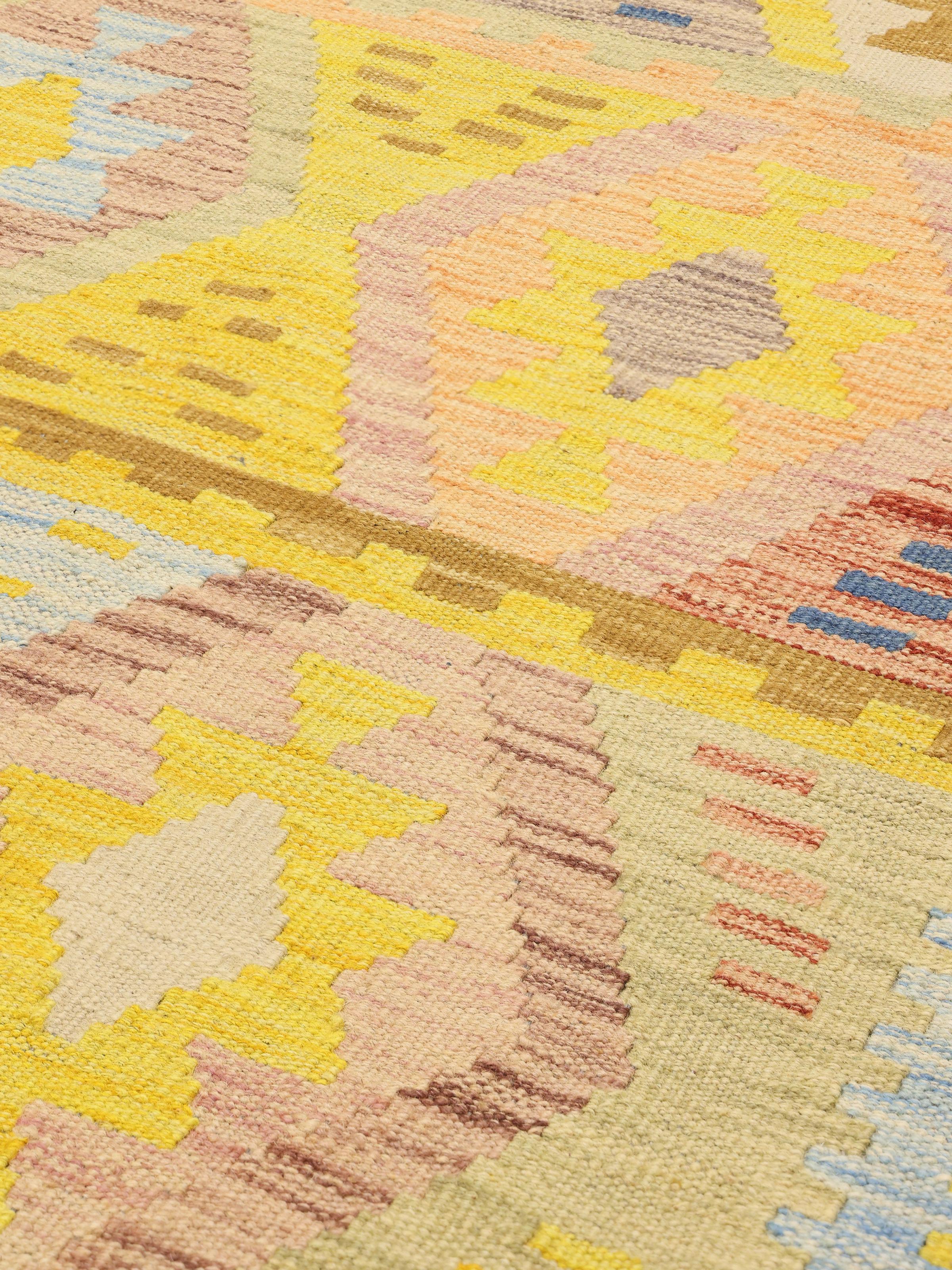
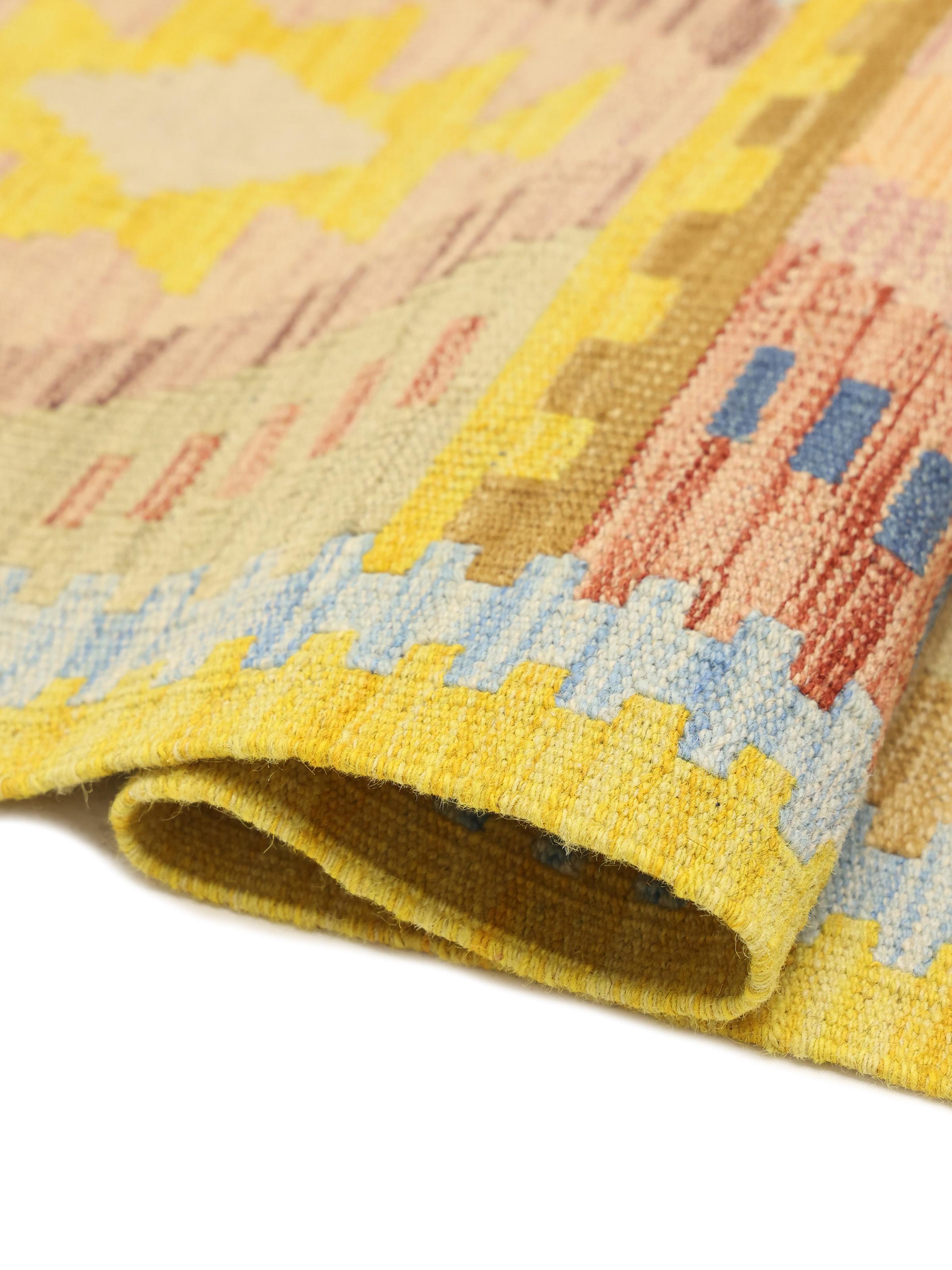
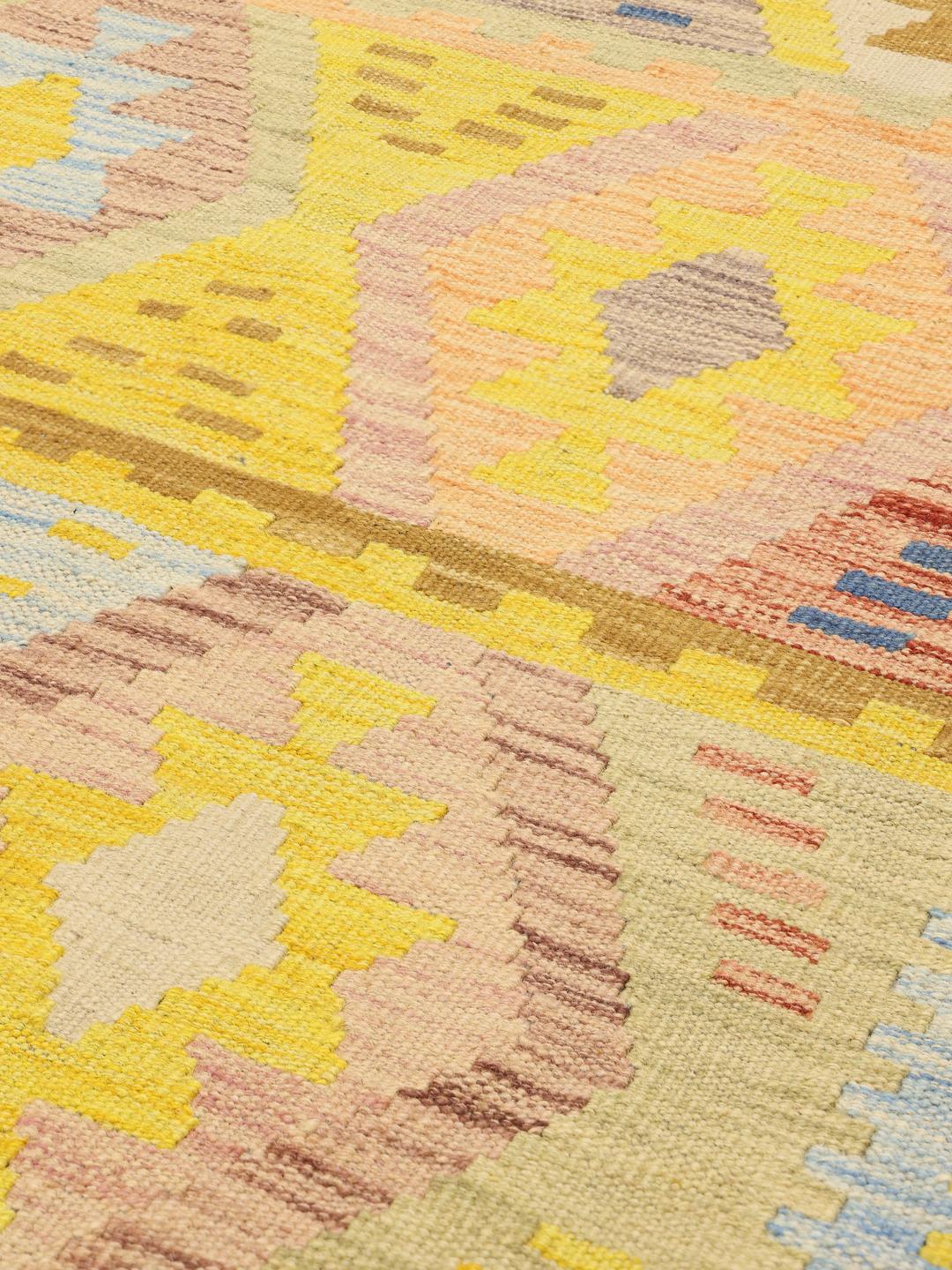
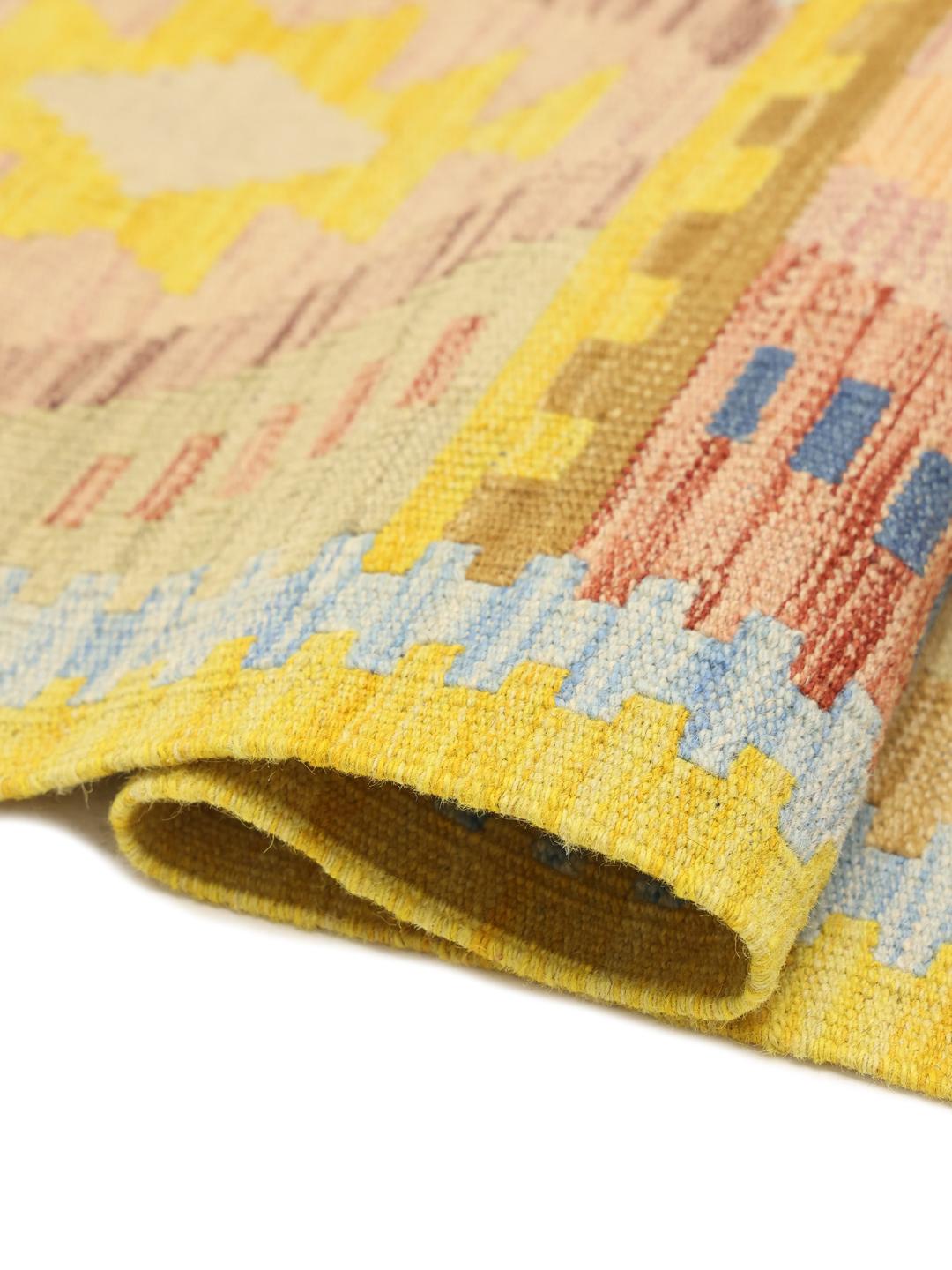
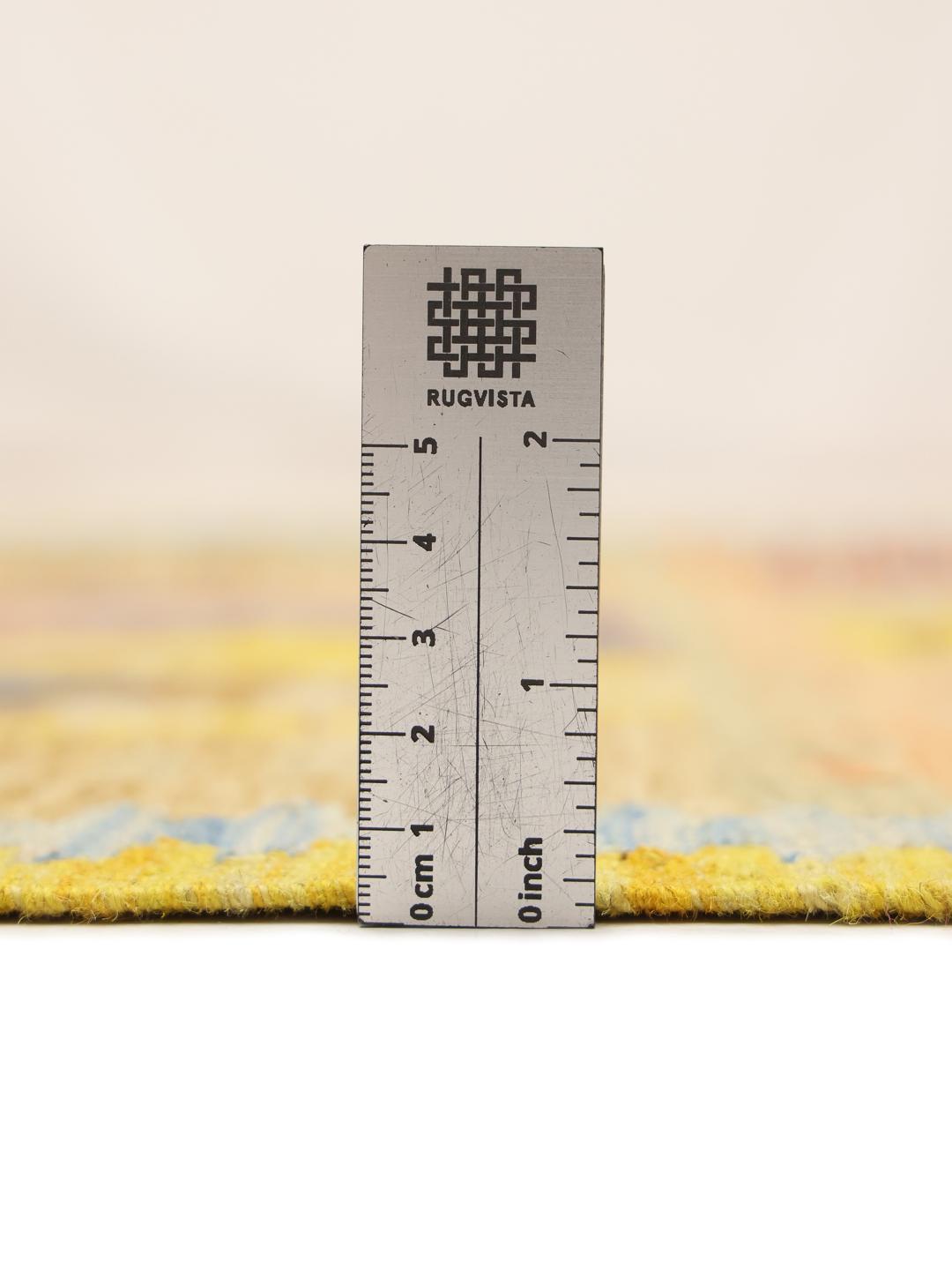
The term 'Kelim' refers to the specific slit-weave technique used to construct these rugs. Unlike pile rugs, Kelims are created by interweaving the warp and weft strands, resulting in a flat, durable surface that is reversible. This technique allows for sharp, clean-edged geometric patterns that define the aesthetic of the style.
Visual language in these rugs is typically dominated by geometric motifs, with diamonds, triangles, and stepped medallions being the most common elements. These designs are often influenced by tribal heritage, with each pattern carrying symbolic meaning related to protection, prosperity, or the natural landscape. The use of vibrant, contrasting colours is a hallmark of the Afghan tradition, creating a bold, eye-catching visual impact.
Collecting a Kelim is an investment in cultural heritage and human skill. These pieces are highly valued for their authenticity and the labour-intensive methods used to create them. Owning one means preserving an ancient craft, as these rugs represent a timeless connection to the artisans of Afghanistan who have passed down these intricate skills through generations.