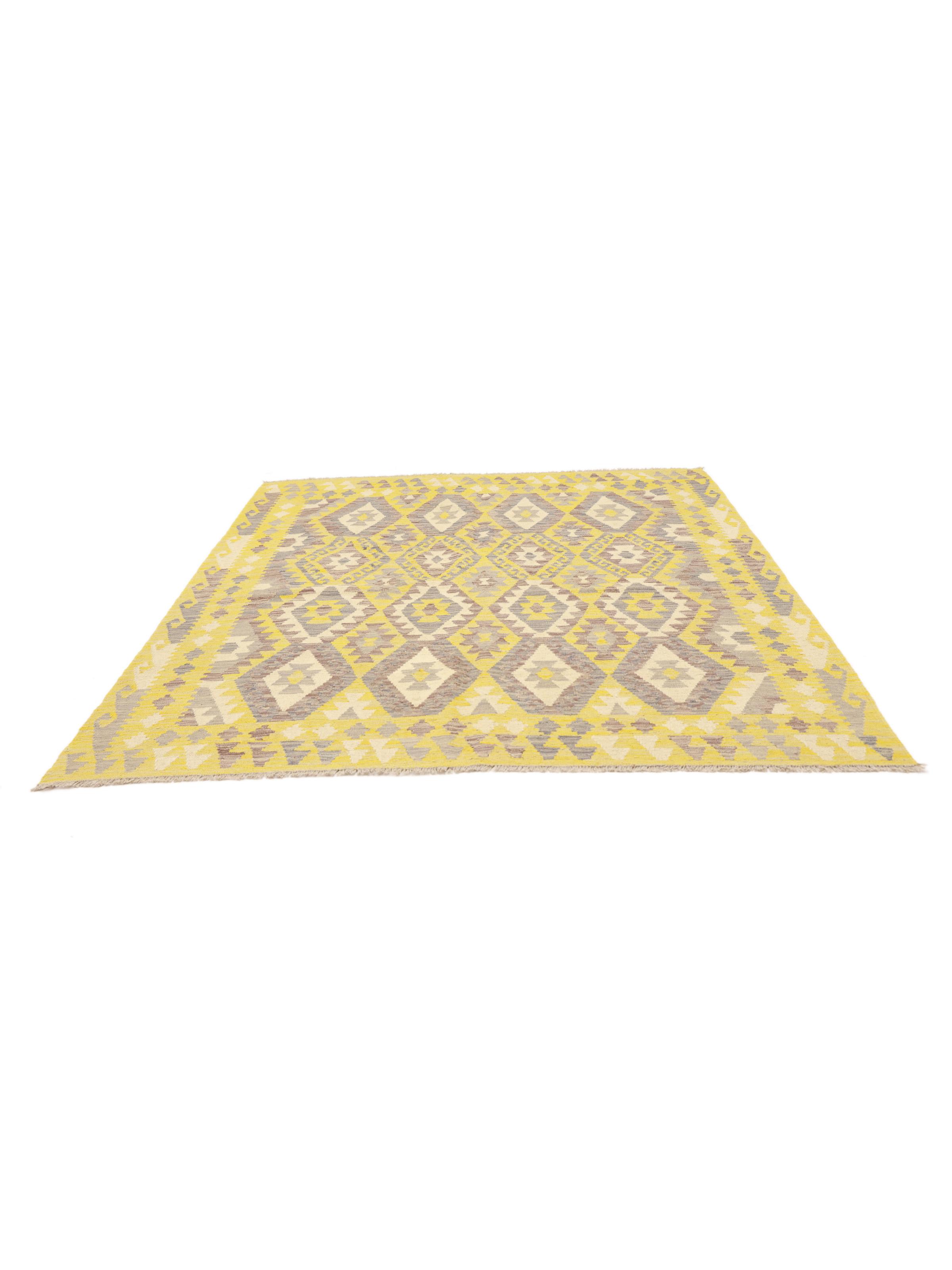
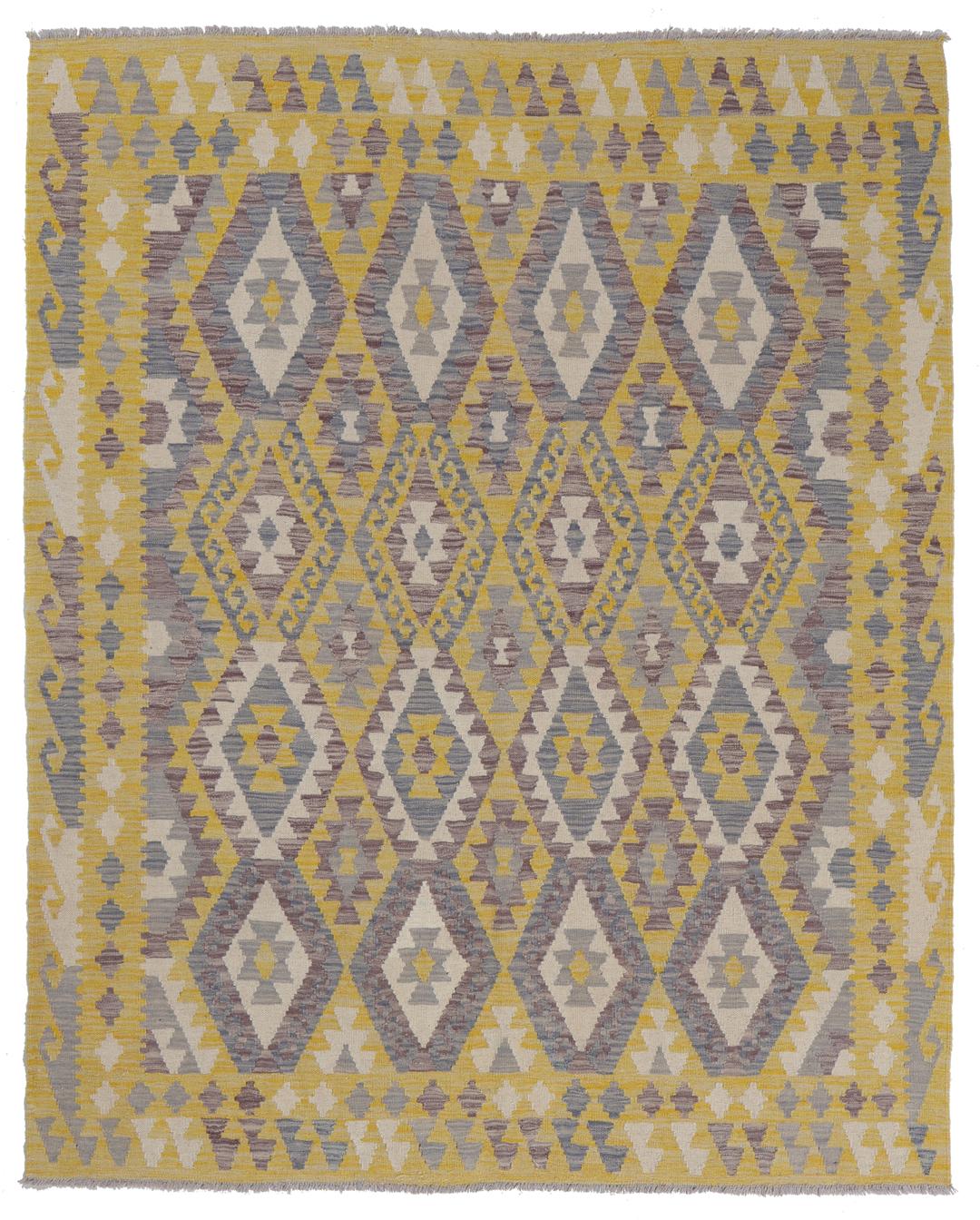
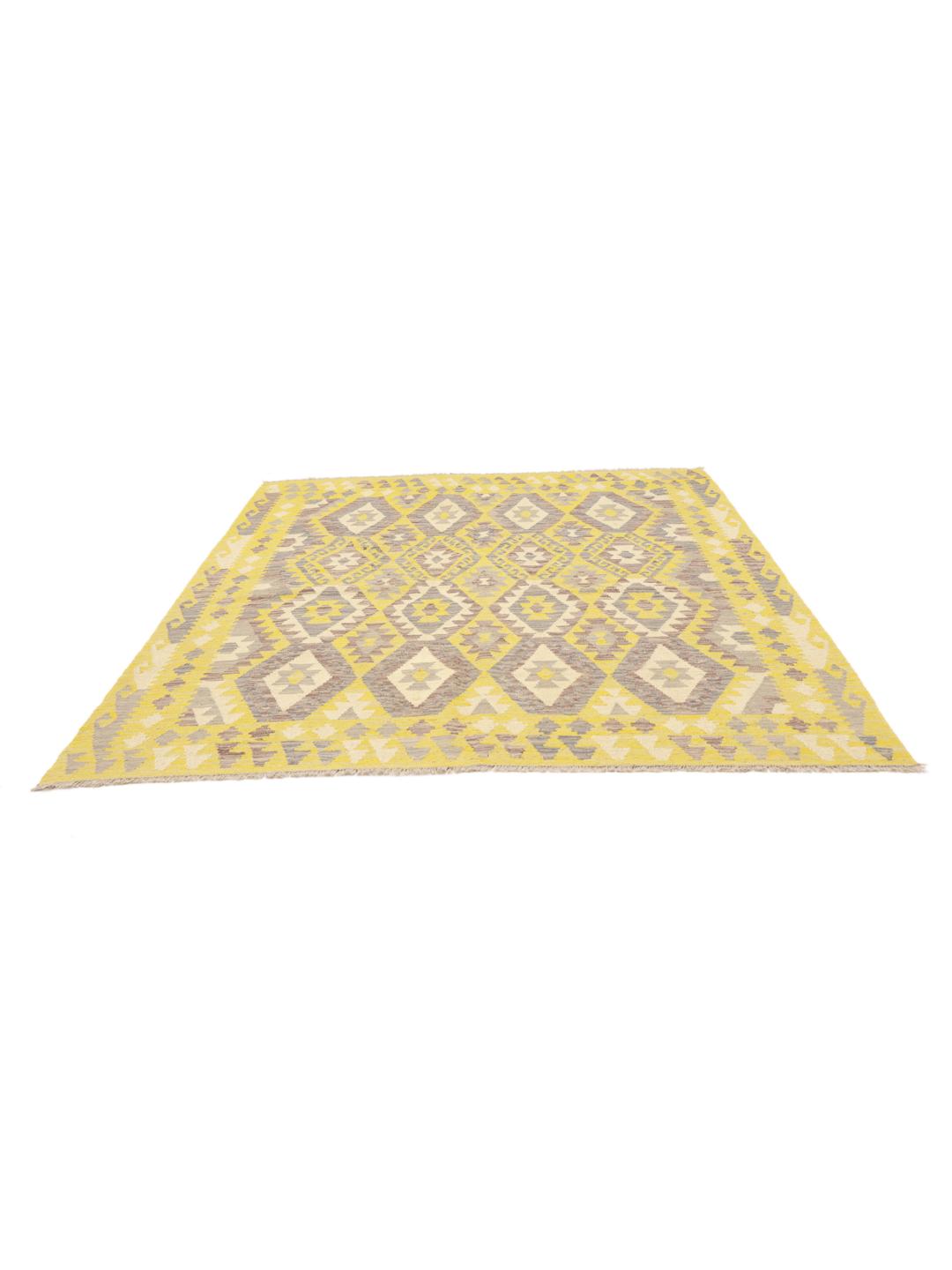
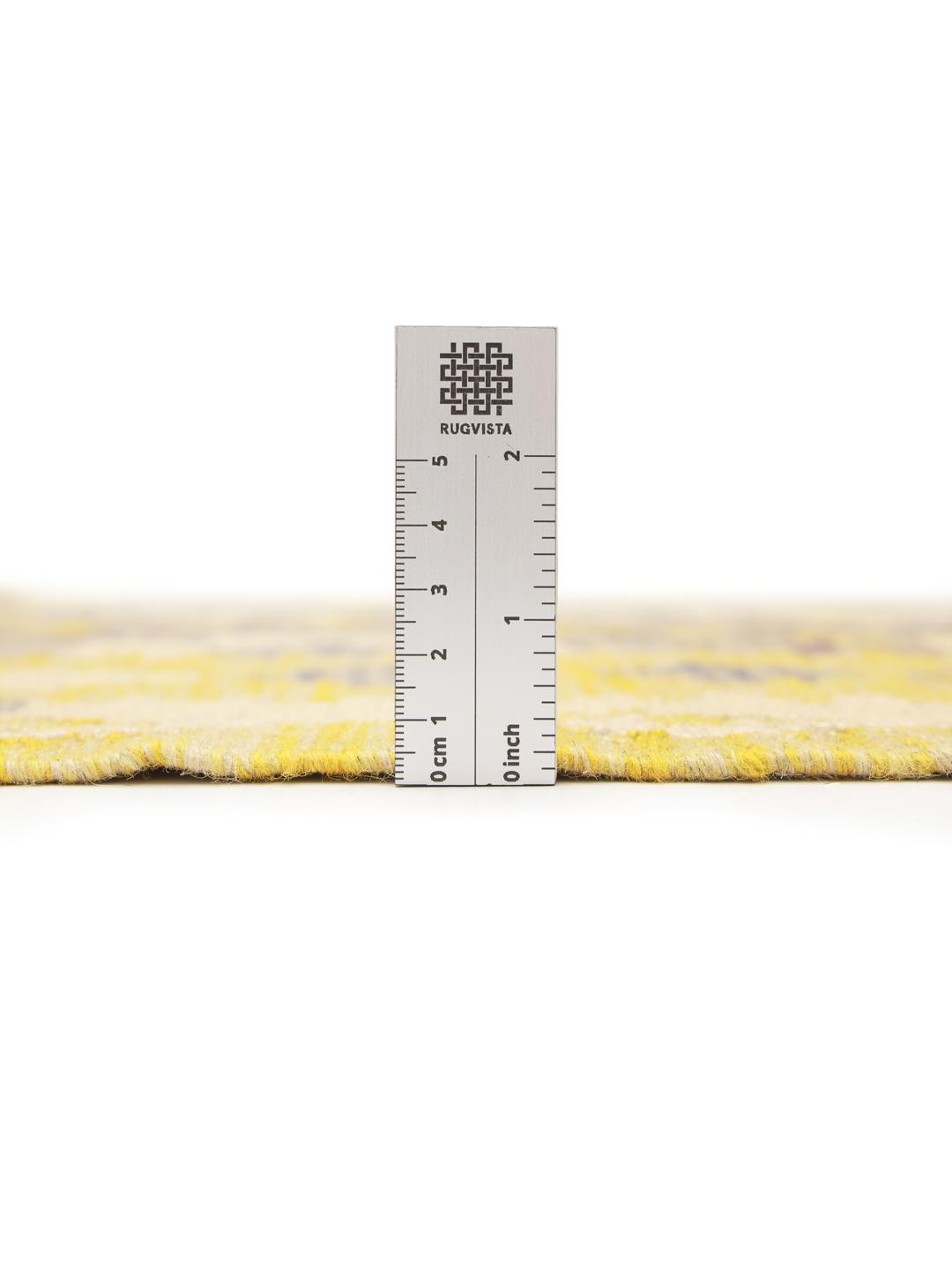
Kelim rugs have a long history stretching across the Middle East, Central Asia, and the Balkans. These flat-woven textiles were traditionally created by nomadic and semi-nomadic tribes for practical use, serving as floor coverings, wall hangings, and even as essential gear for transportation and shelter during seasonal migrations.
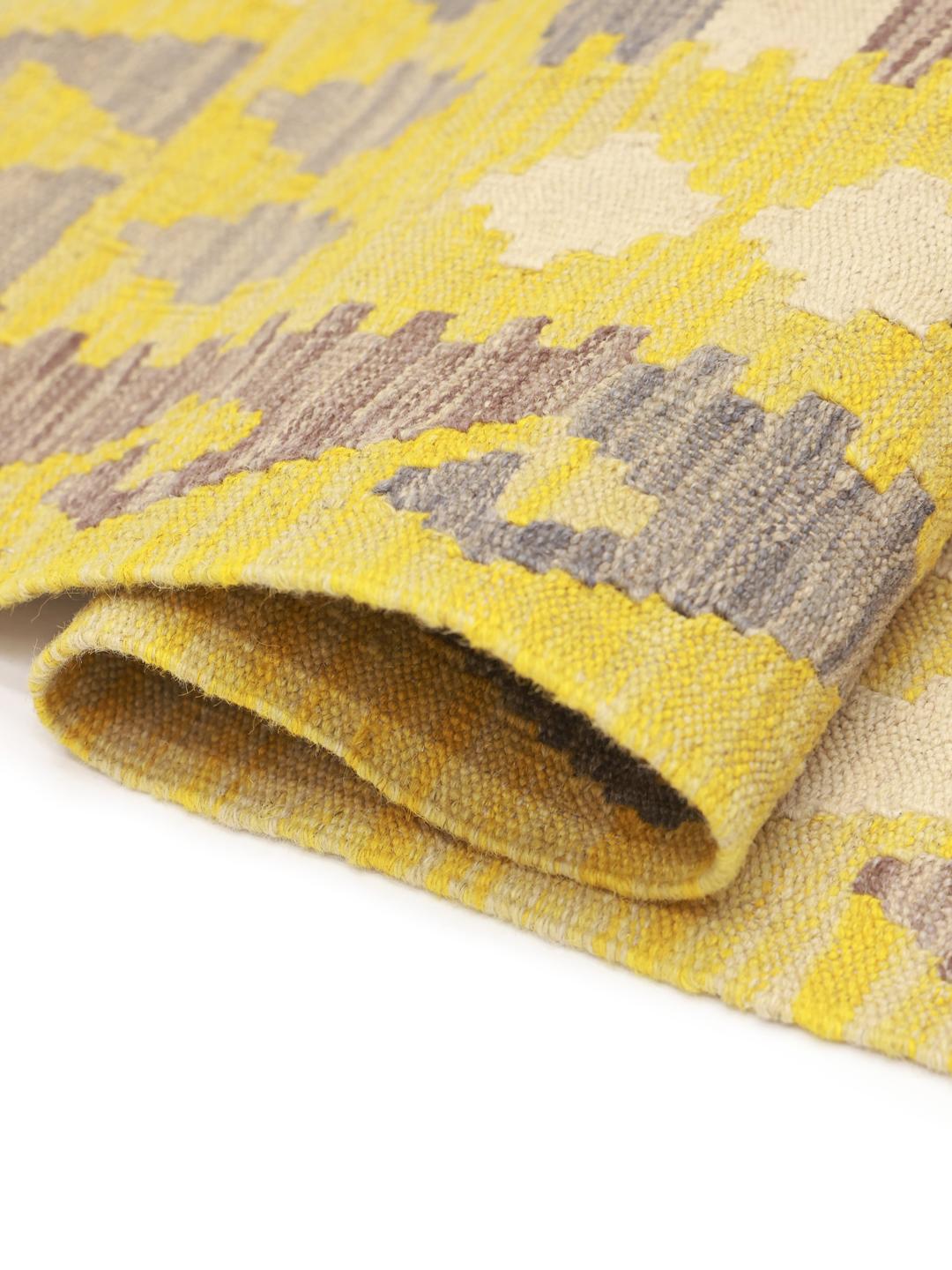
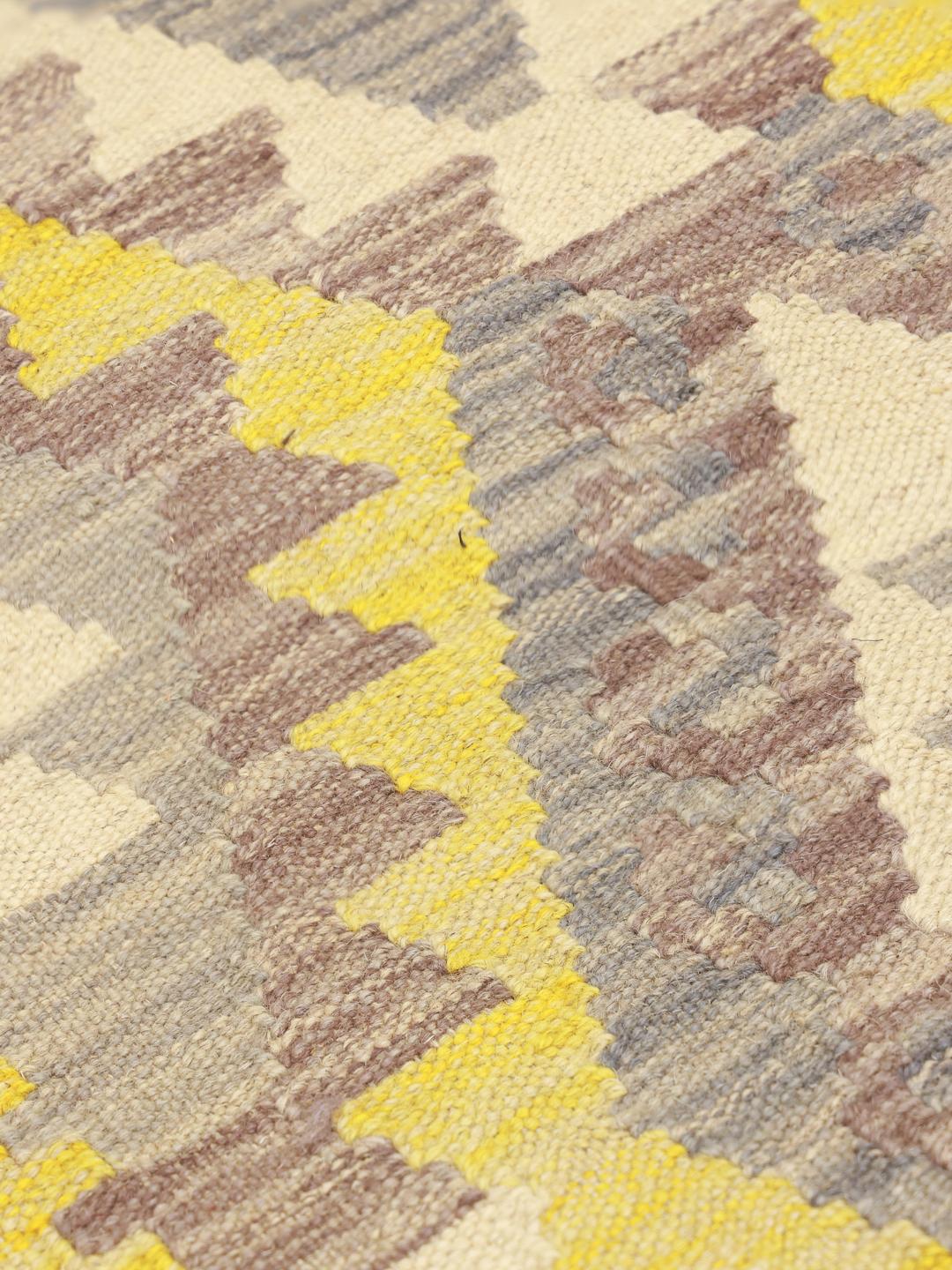
The term Kelim refers to the specific slit-weave technique used to create the pattern. By alternating the colours of the horizontal threads, weavers create sharp, geometric designs without the need for a raised pile. This method is highly prized for its durability and the clean, precise lines it allows the artisan to achieve across the surface of the rug.
Visually, these rugs are defined by their bold geometric motifs. Diamonds, triangles, and stylized floral elements are common, often arranged in rhythmic, repeating patterns that draw from ancient tribal iconography. The use of natural dyes historically gave these rugs their characteristic deep, earthy tones, which have evolved into the varied and expressive palettes seen in modern examples.
Collecting a Kelim is an investment in human skill and cultural continuity. These pieces are valued not only for their striking aesthetic but for their role as a bridge to a historic way of life. Owning one means holding a piece of a legacy that values resourcefulness, creativity, and the beauty of natural materials.