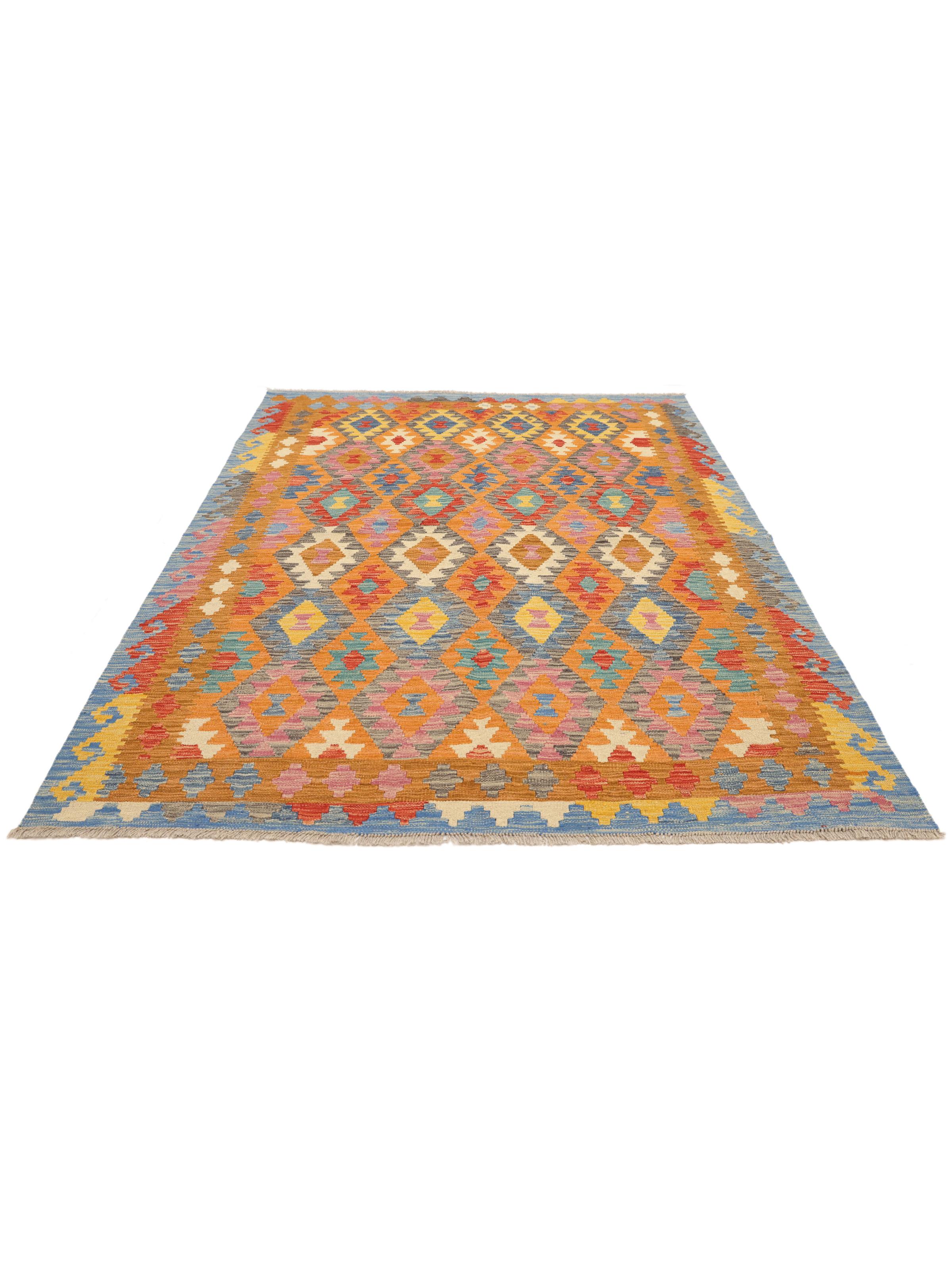
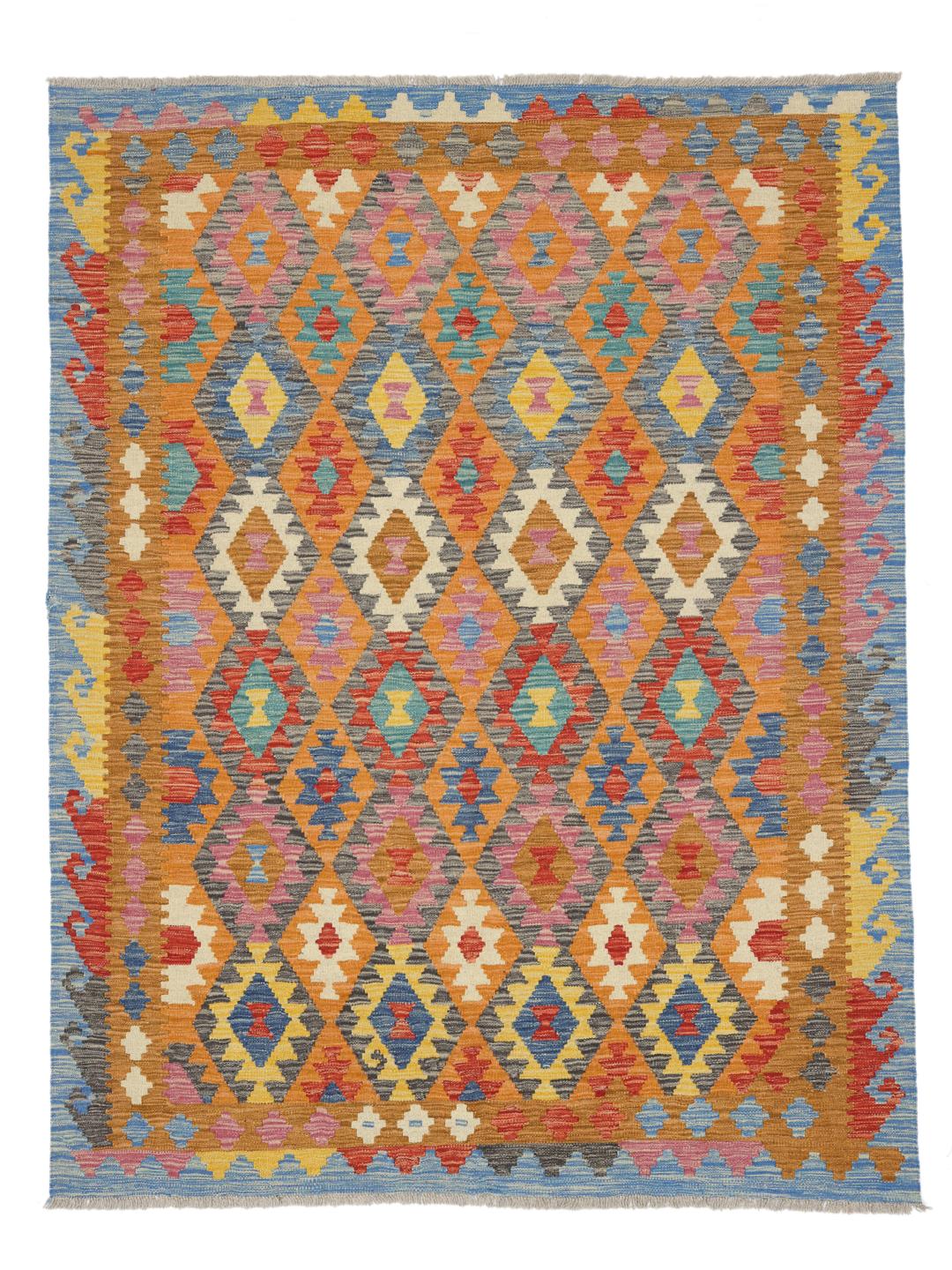
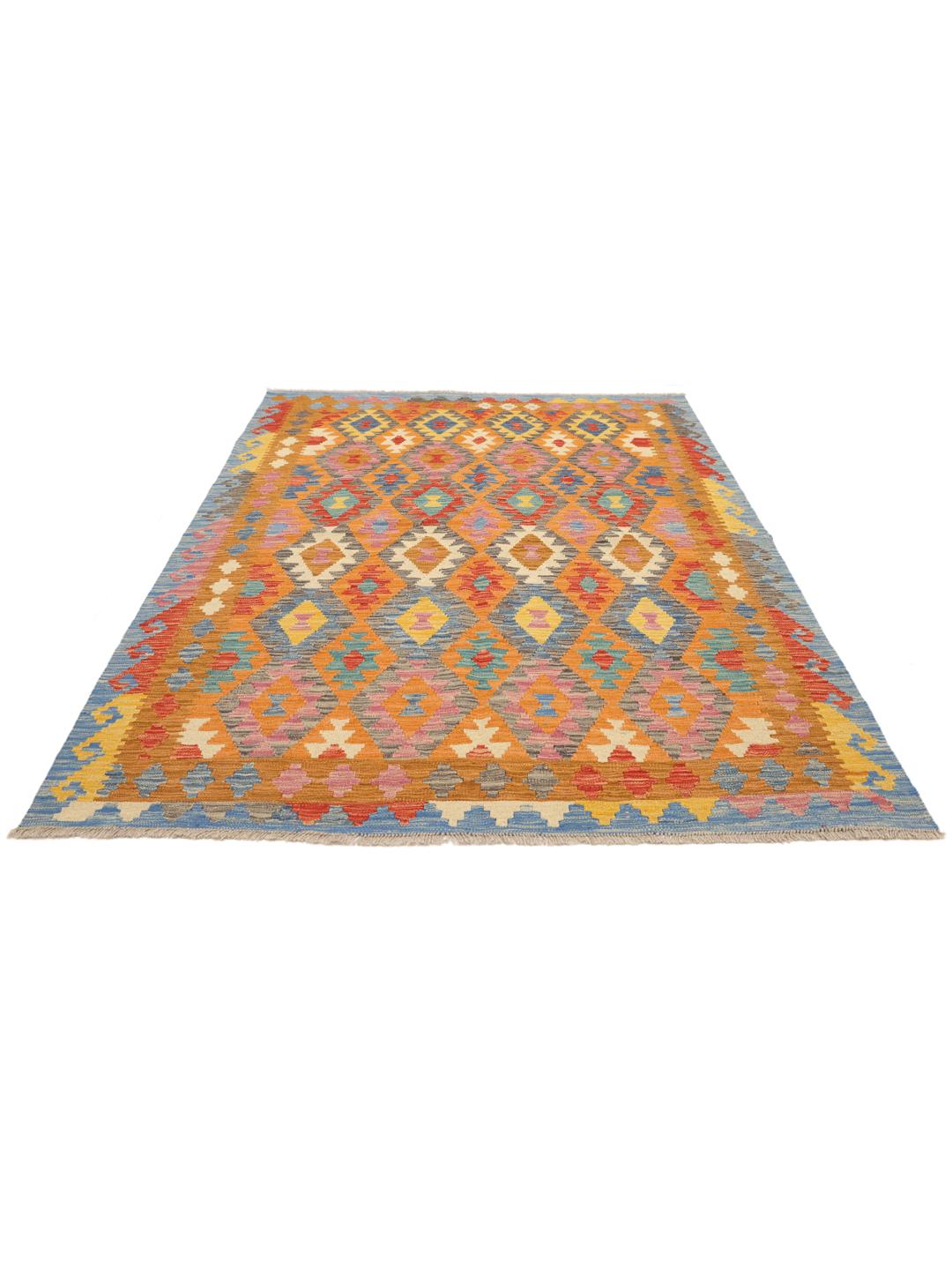
The Kelim tradition in Afghanistan is deeply rooted in the nomadic and village cultures of the region. These rugs are born from a history of utility and artistic expression, where weavers used available materials to create functional textiles for tent life, such as floor coverings, storage bags, and blankets. Over generations, these utilitarian objects evolved into the highly sought-after decorative pieces we recognise today.
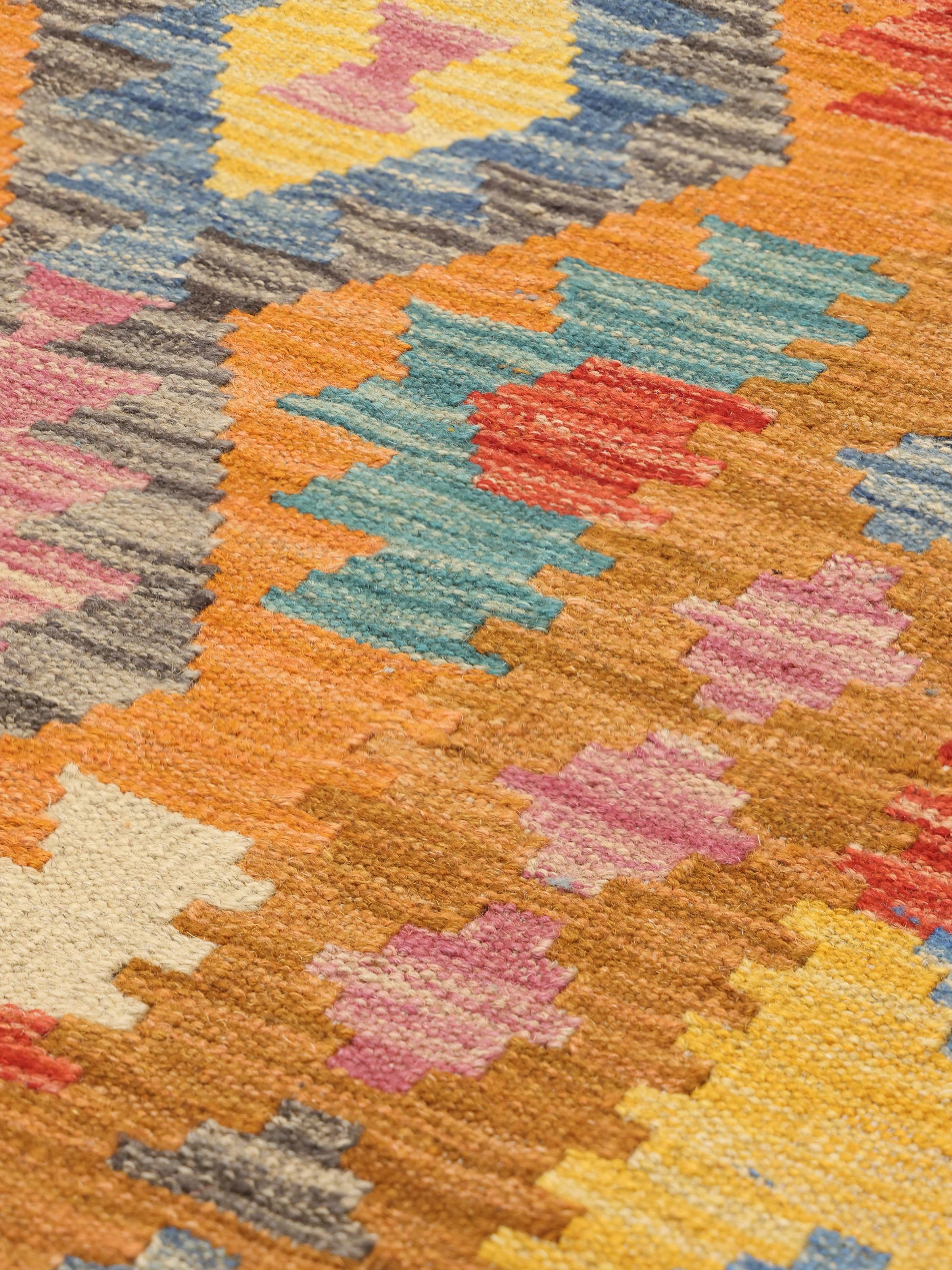
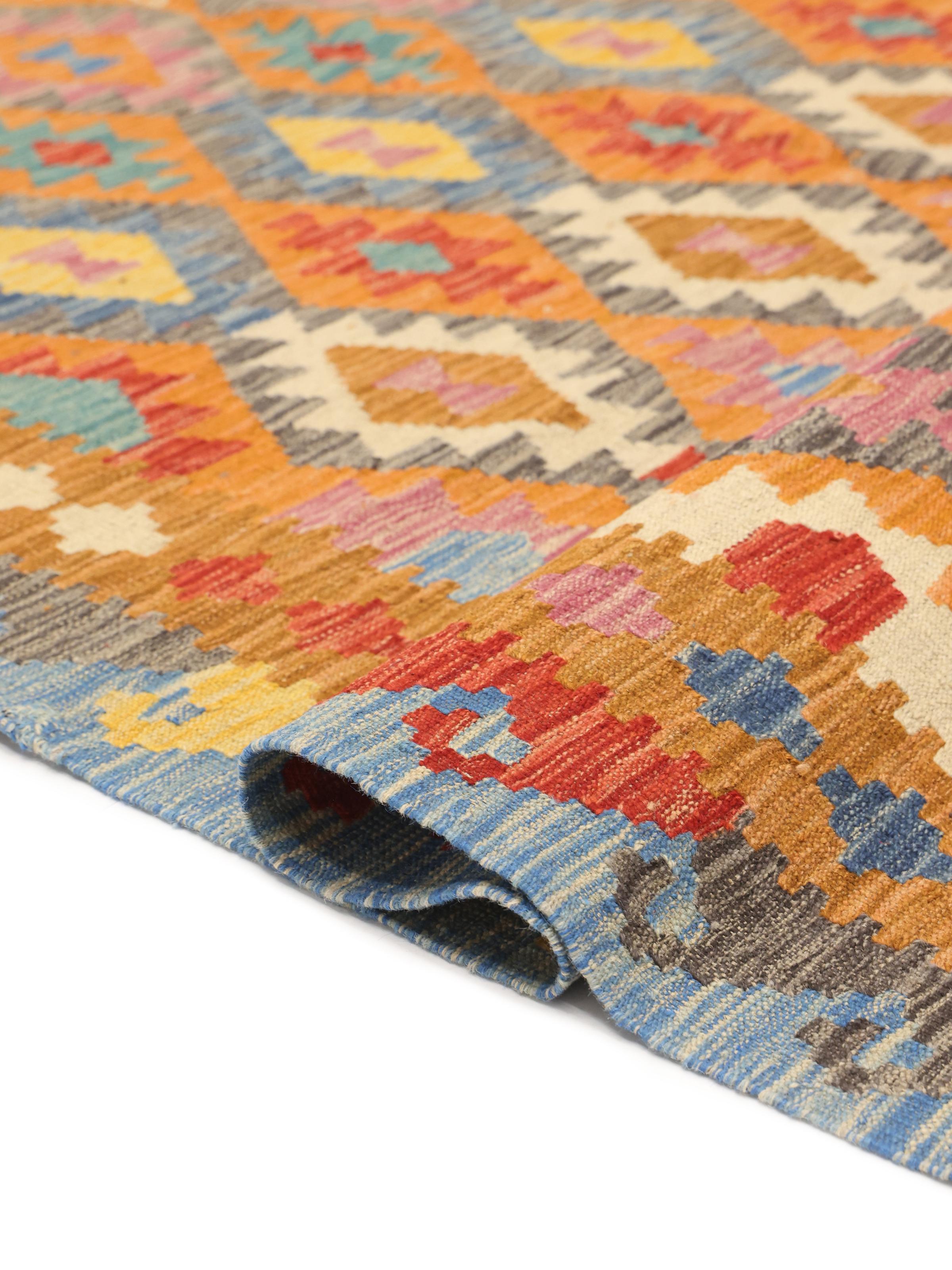
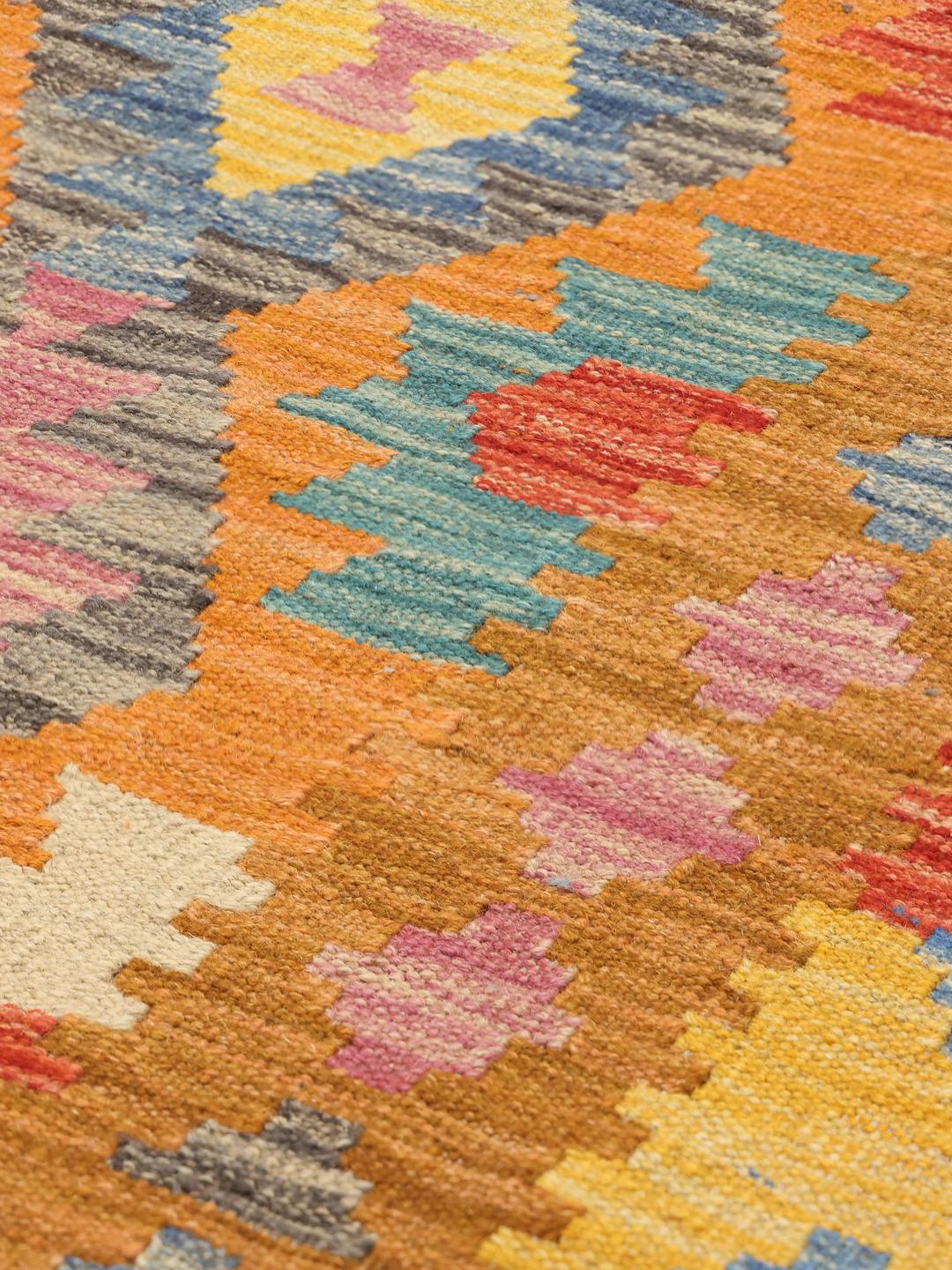
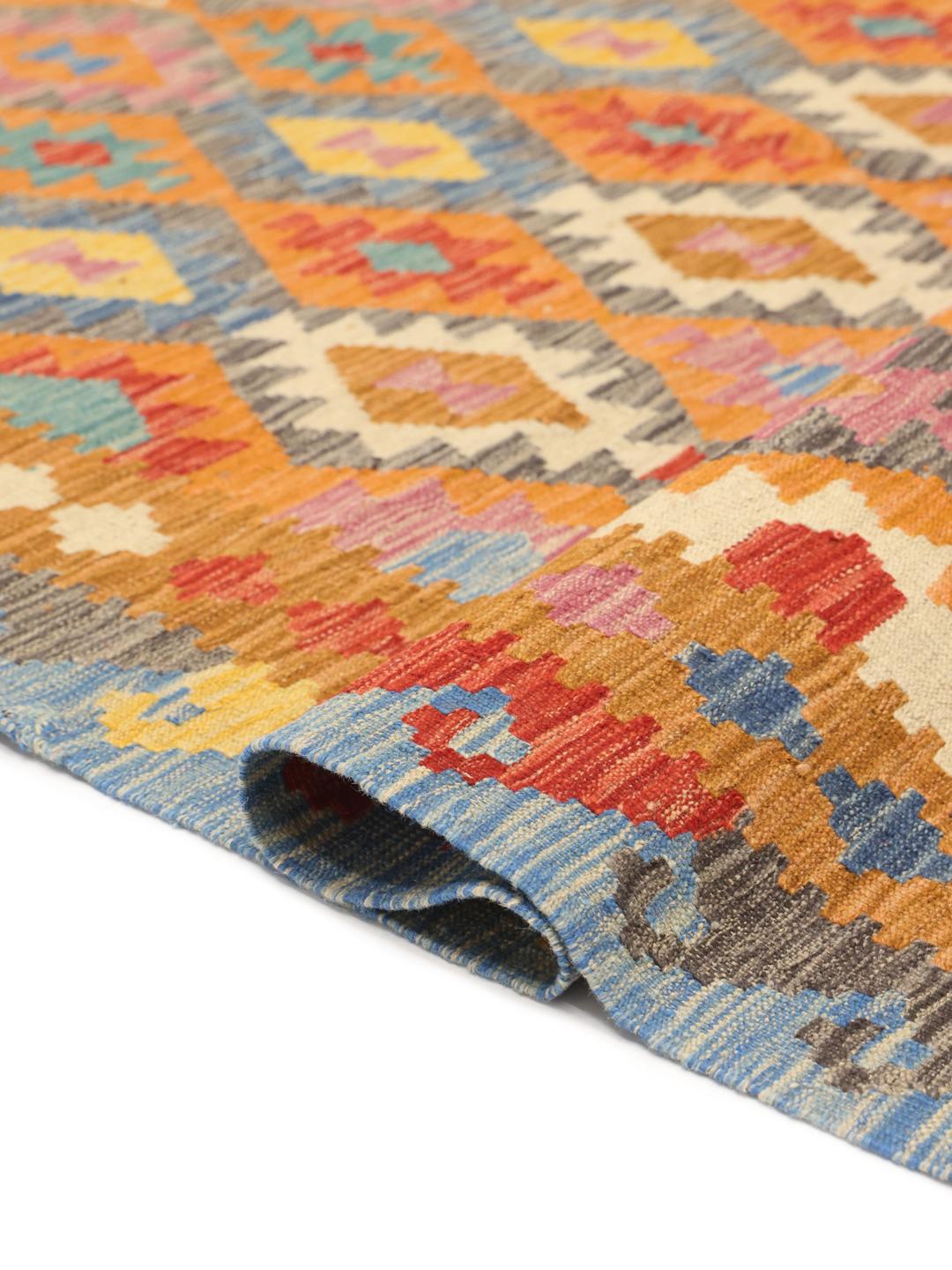
The term 'Kelim' refers to a flat-woven technique, meaning these rugs do not have a knotted pile. Instead, the design is created by interweaving the coloured weft threads through the warp. This technique allows for the characteristic crisp, geometric patterns and a lightweight yet strong construction that has defined the style for centuries. The lack of pile gives these rugs a unique, sleek finish that highlights the clarity of the design and the quality of the Wool.
Signature elements of this tradition include bold, geometric motifs such as diamonds, triangles, and stylized floral shapes. These patterns are often arranged in repeating sequences, creating a rhythmic visual language that is both complex and balanced. The use of vibrant, natural dyes has historically been a hallmark of the craft, resulting in rich, saturated colours that age beautifully over time.
Collecting an Afghan Kelim is an investment in cultural heritage and human skill. These rugs are valued not just for their utility, but for the stories they carry from the hands of the weaver to your living room. Owning one is a way to connect with a centuries-old tradition, bringing a sense of authenticity, warmth, and artistic depth into a modern home.