Kelim rugs from Afghanistan are deeply rooted in the nomadic and village traditions of Central Asia. These flat-woven textiles have historically served as essential, multi-functional items in the home, used as floor coverings, wall hangings, and storage bags. The tradition of weaving in this region has evolved over centuries, blending local tribal motifs with the influences of the historic Silk Road trade routes that once crisscrossed the landscape.
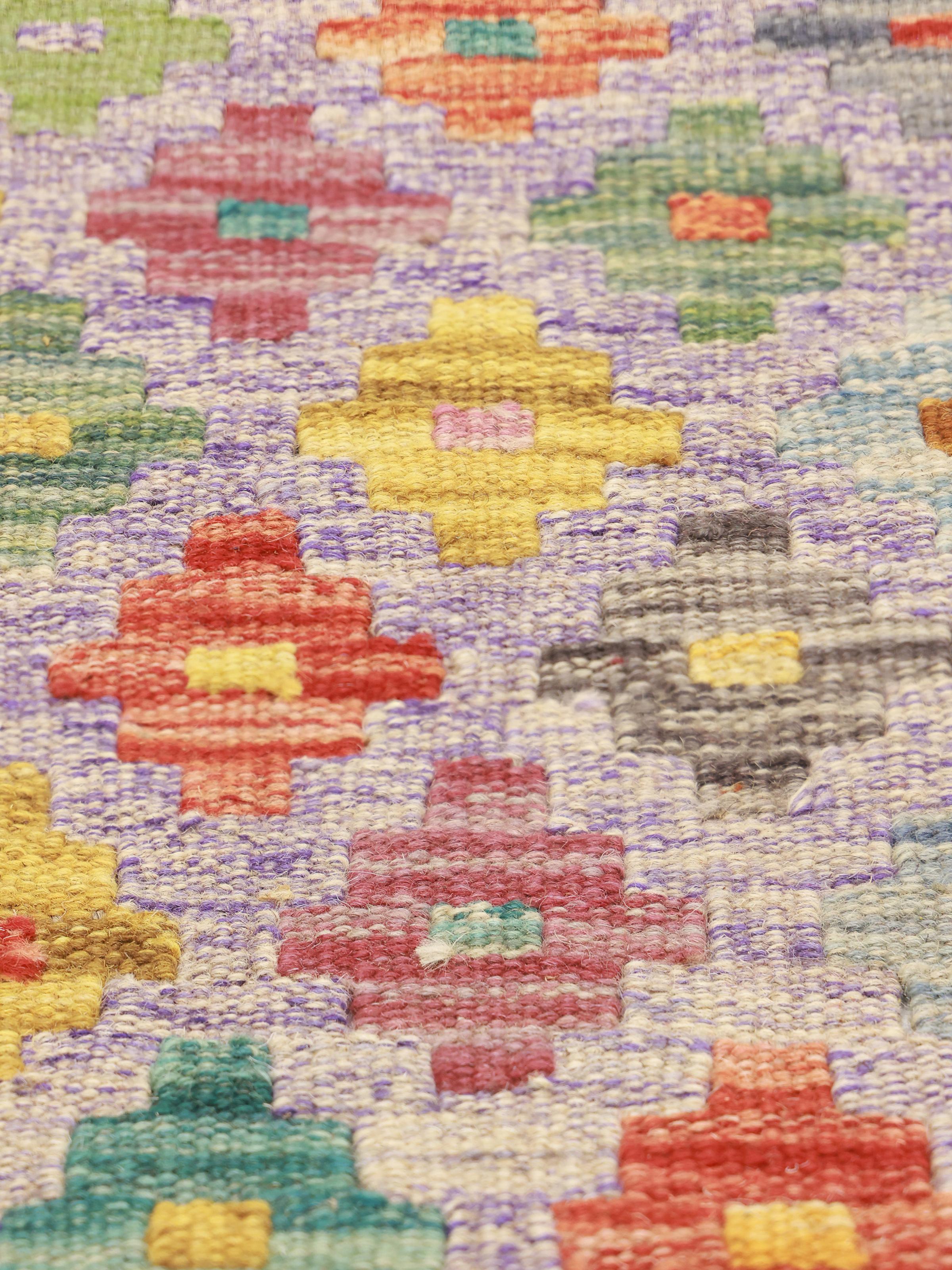
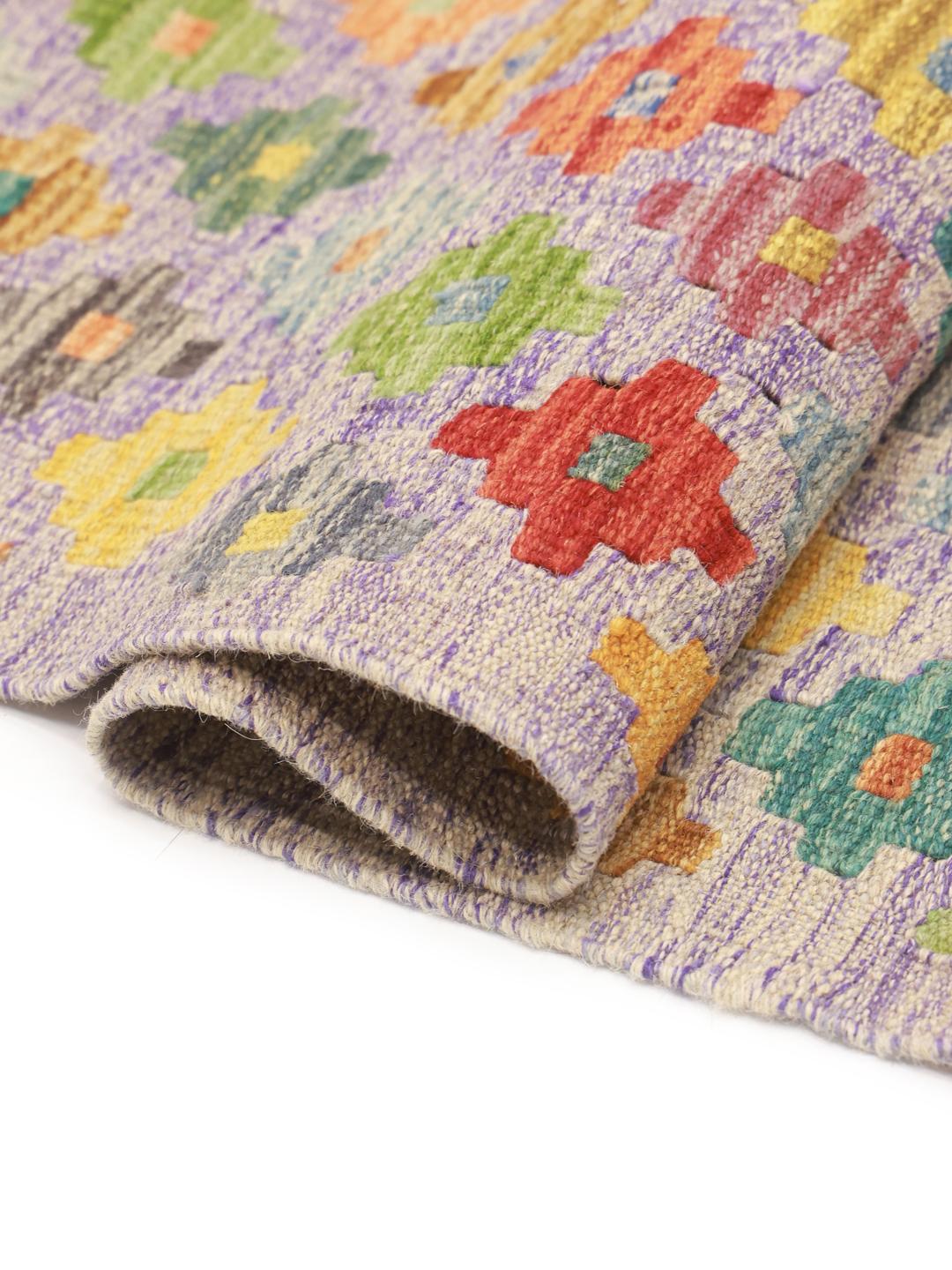
The term 'Kelim' refers to the specific flat-weaving technique where the weft threads are pulled tightly over the warp, creating a thin, durable, and reversible rug without a traditional pile. This method is highly prized for its versatility and the clarity it allows for geometric and symbolic designs. By using wool as the primary material, the weavers ensure that the final product is not only robust but also naturally resistant to the elements, reflecting the practical needs of the cultures that developed them.
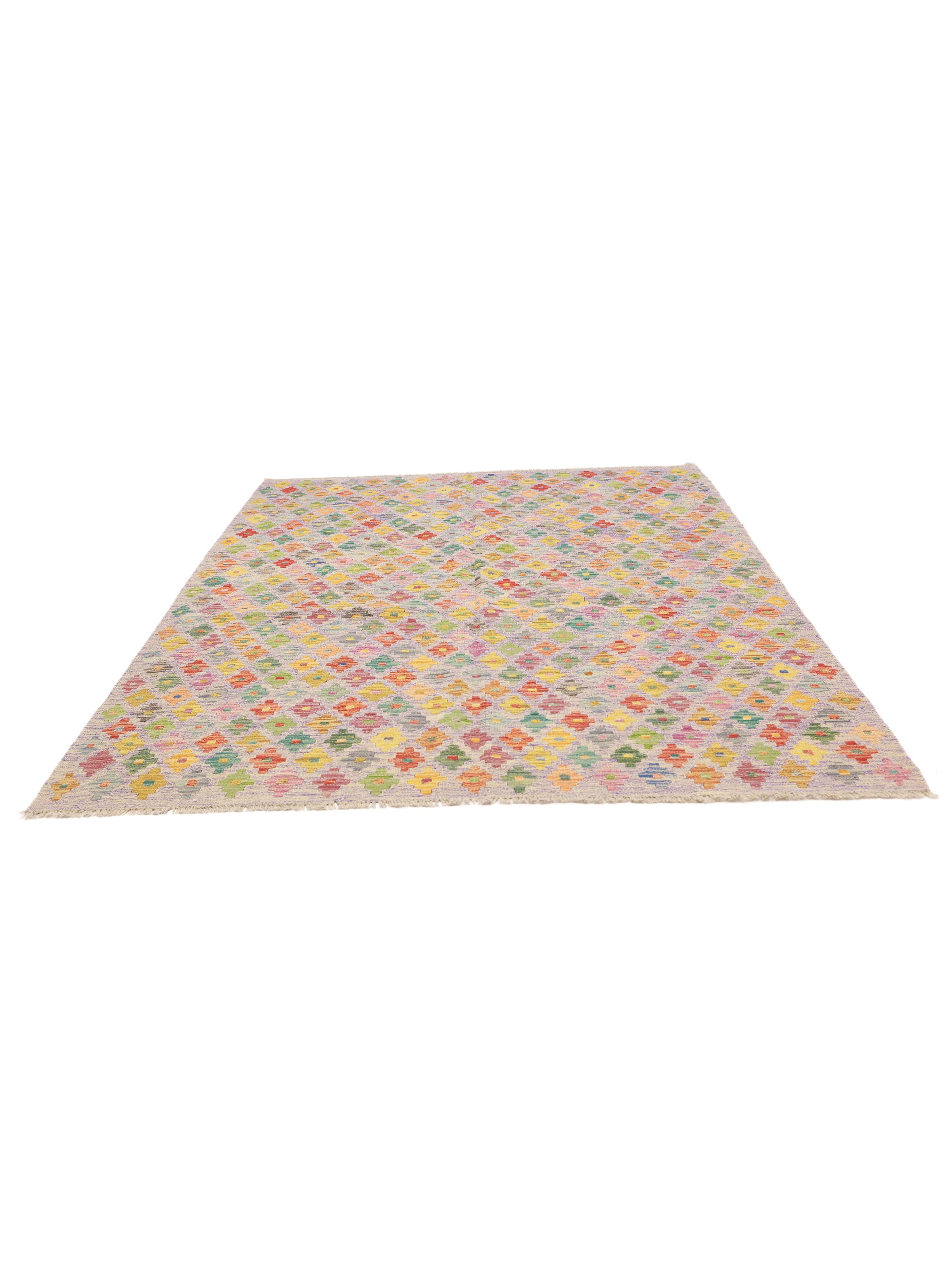
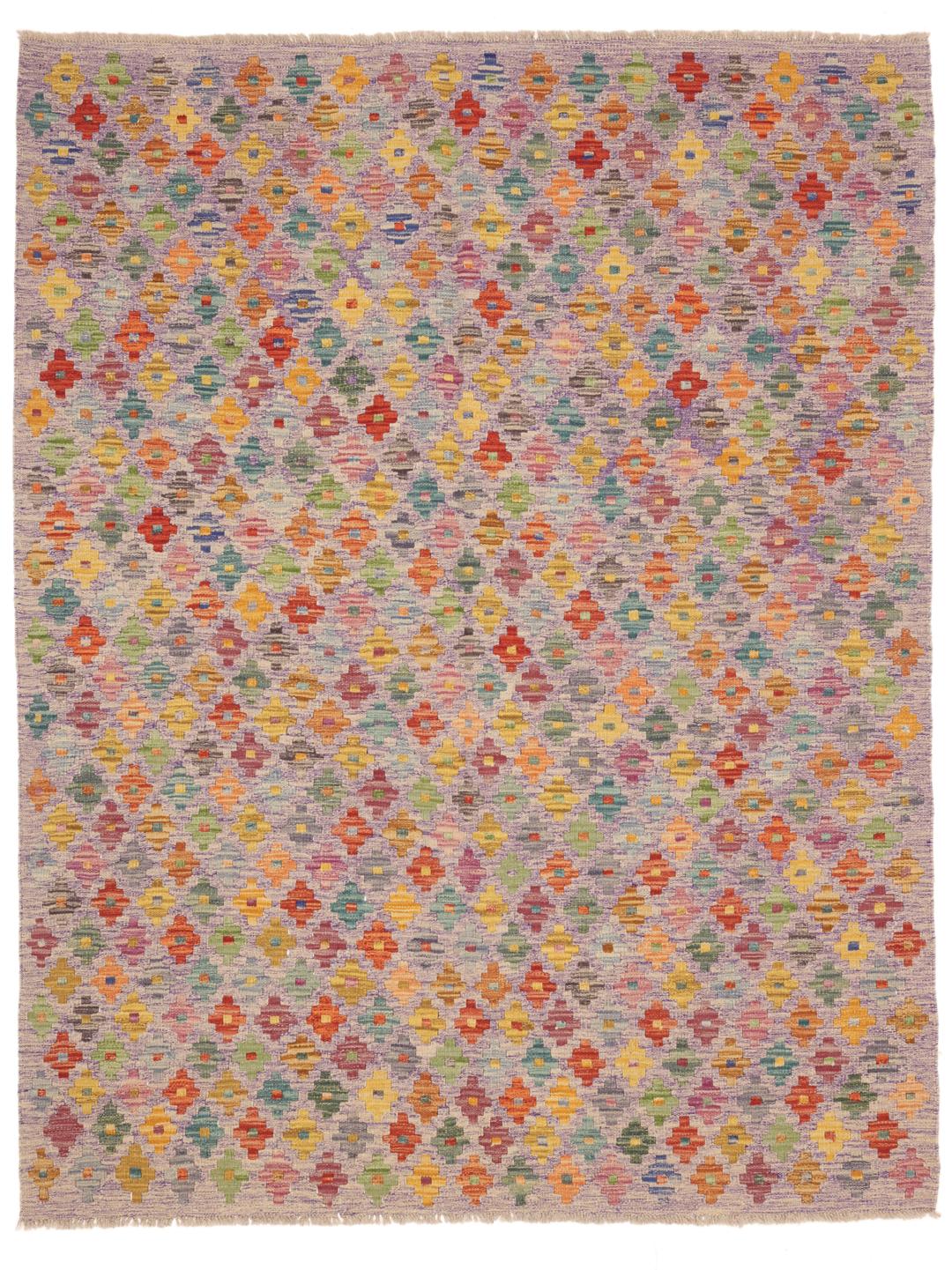
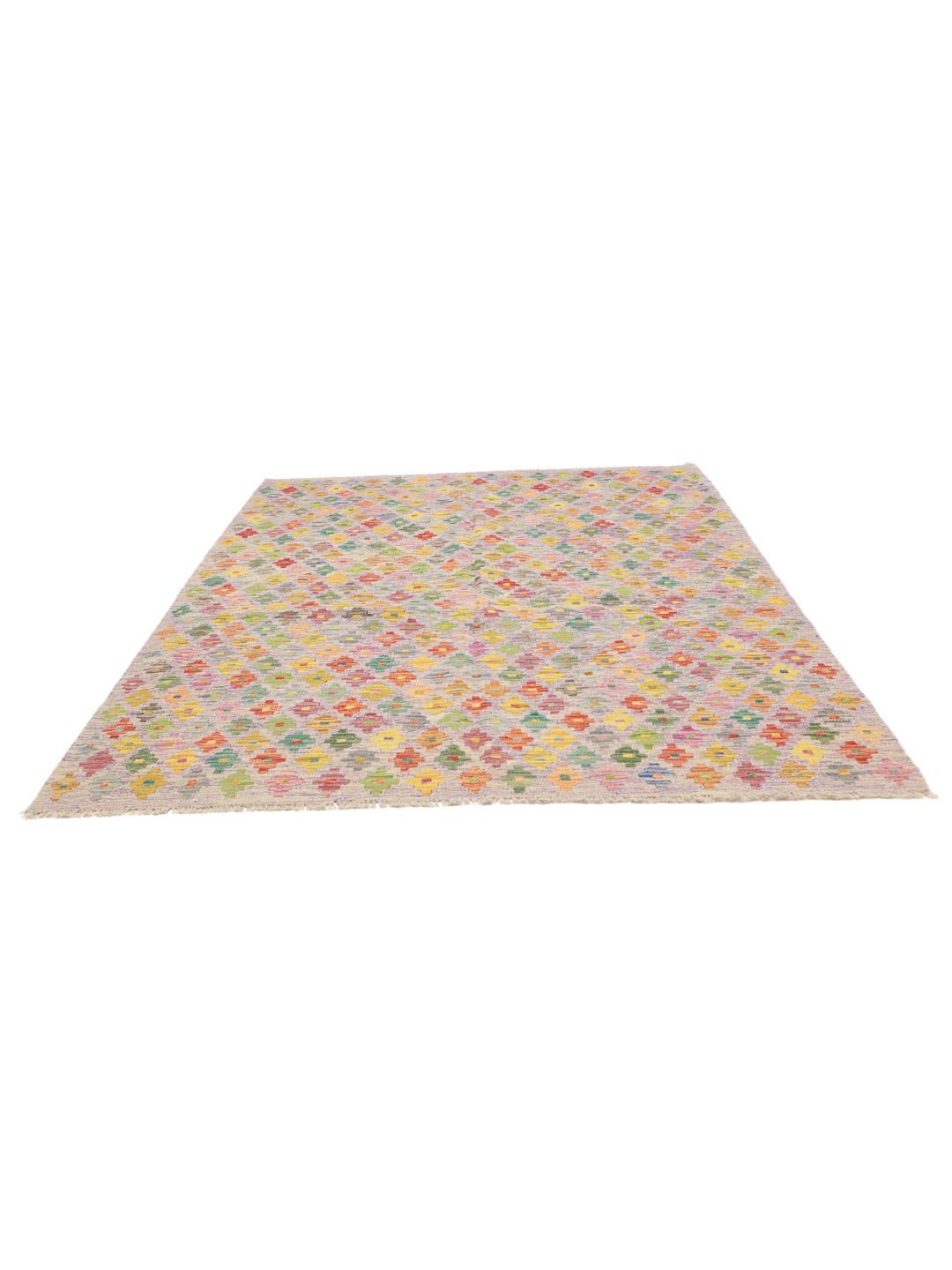
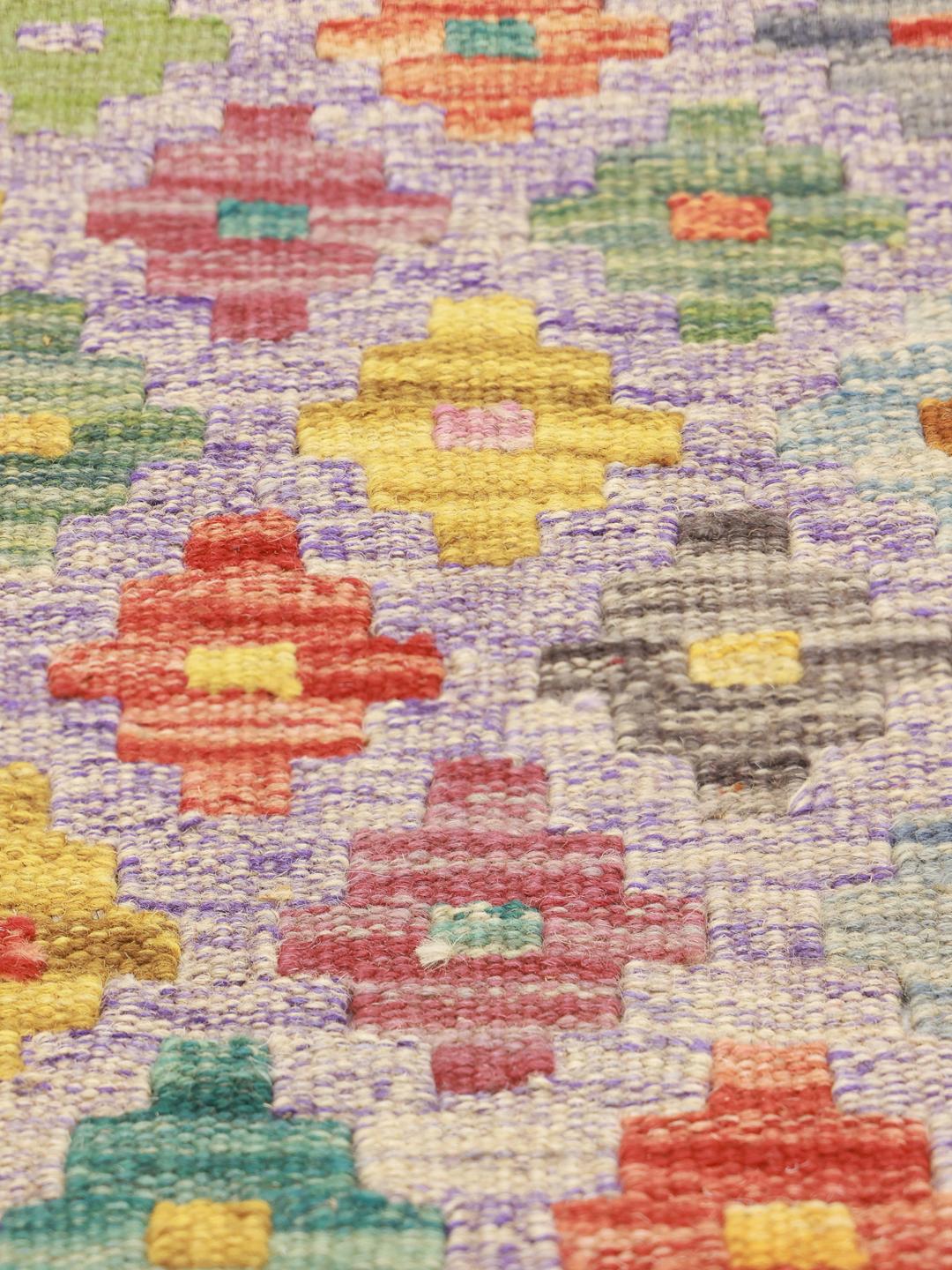
Visually, Kelim Afghan rugs are famous for their bold geometric language. Common motifs often include diamonds, triangles, and stylized floral or tribal symbols, all arranged in repeating patterns that tell the story of the weaver's heritage. The use of vibrant, natural dyes and complex colour palettes is a signature element, often resulting in pieces that serve as artistic expressions of tribal identity and regional pride.
Collecting these rugs is a way to preserve a rich cultural legacy. They are valued by enthusiasts not only for their aesthetic beauty but also for the human skill required to produce them. Owning a Kelim is an invitation to bring a piece of living history into your home, connecting your personal space with the enduring artistry and traditions of the Middle Eastern weaving communities.