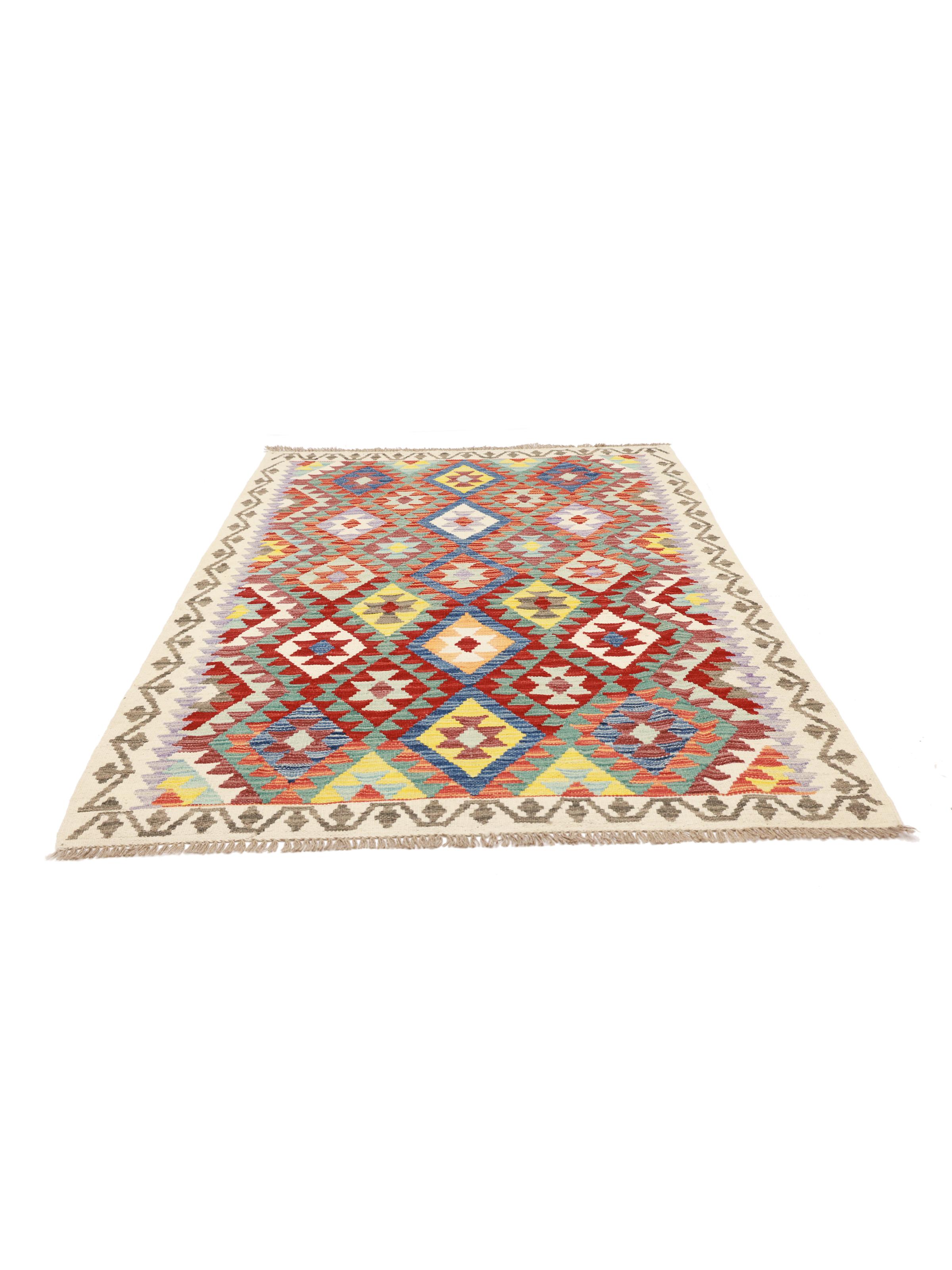
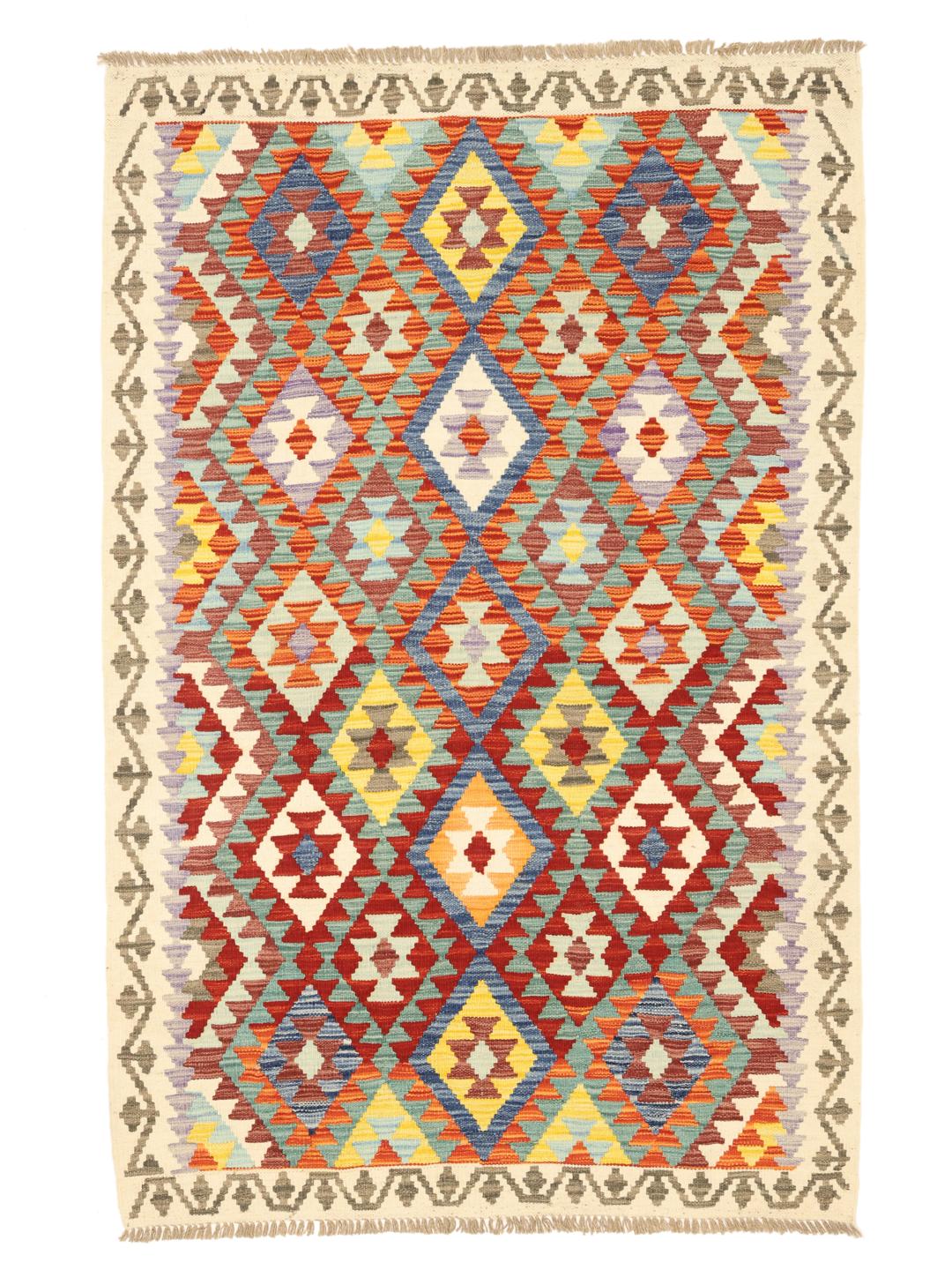
The Kelim tradition in Afghanistan is deeply rooted in the nomadic history of the region. These flat-woven rugs have been produced for centuries by tribal groups who required durable, portable, and functional textiles for their daily lives. Over time, these weaving practices evolved into the sophisticated styles recognised today, blending ancient techniques with regional artistic expressions.
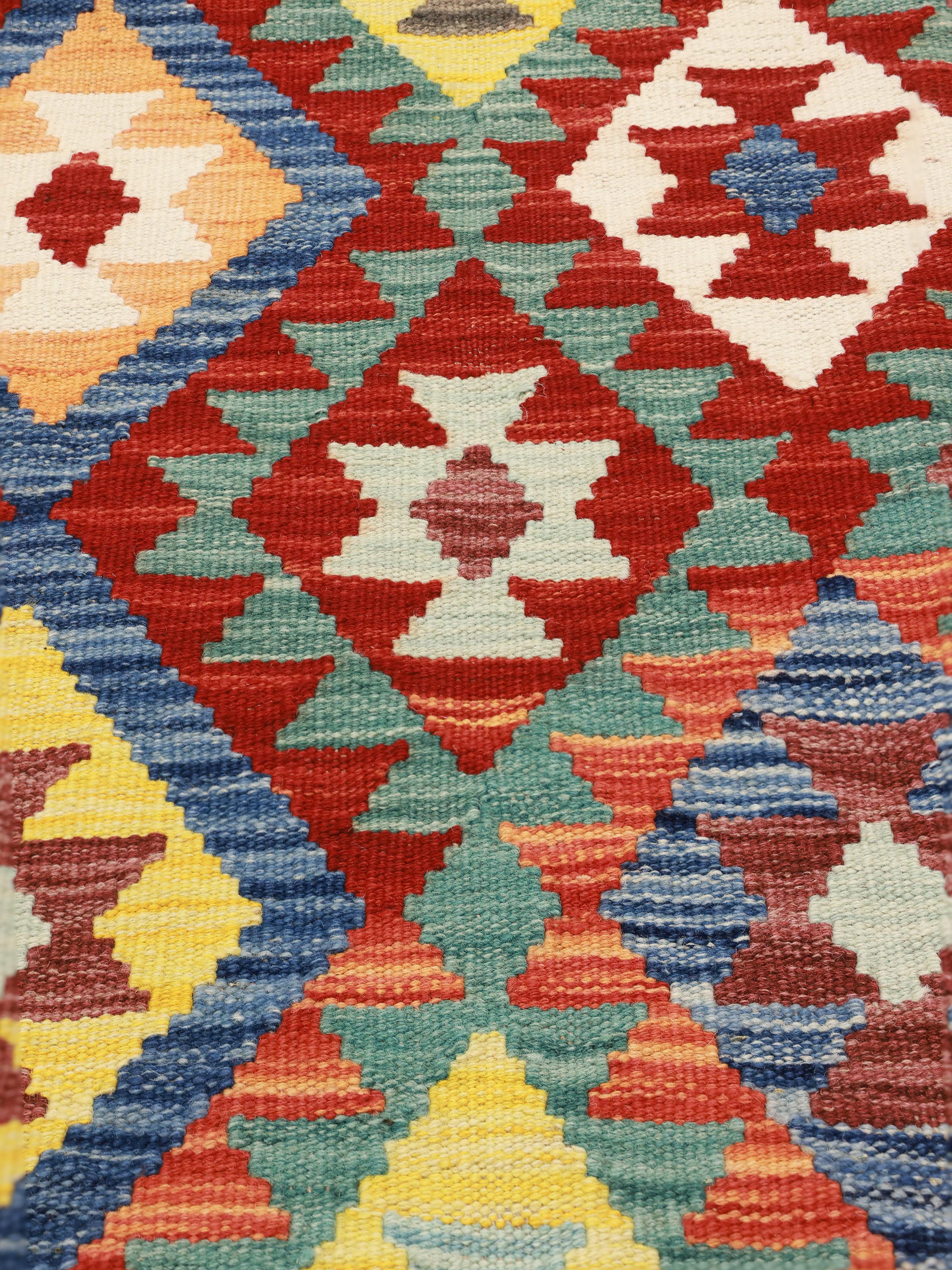
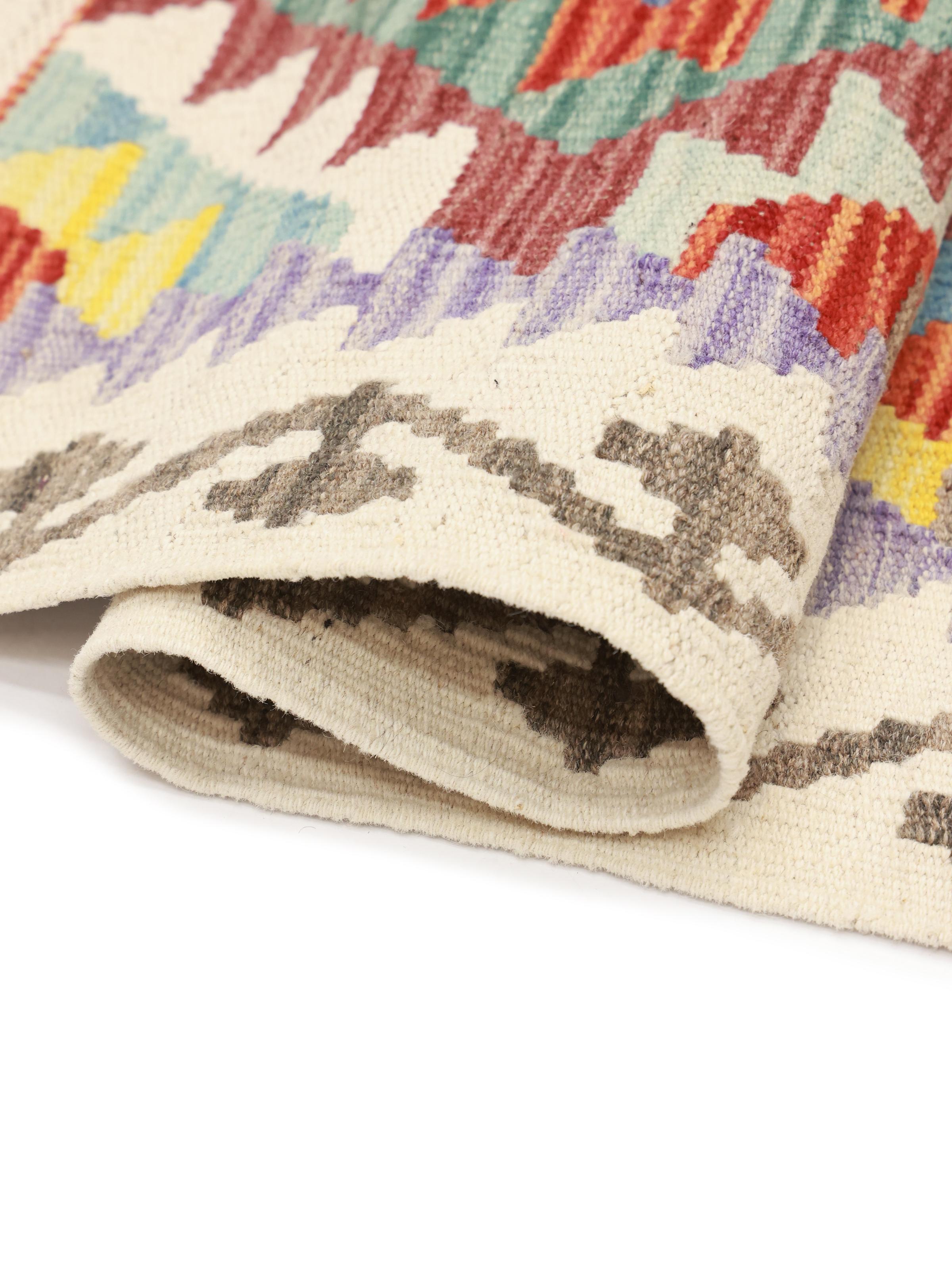
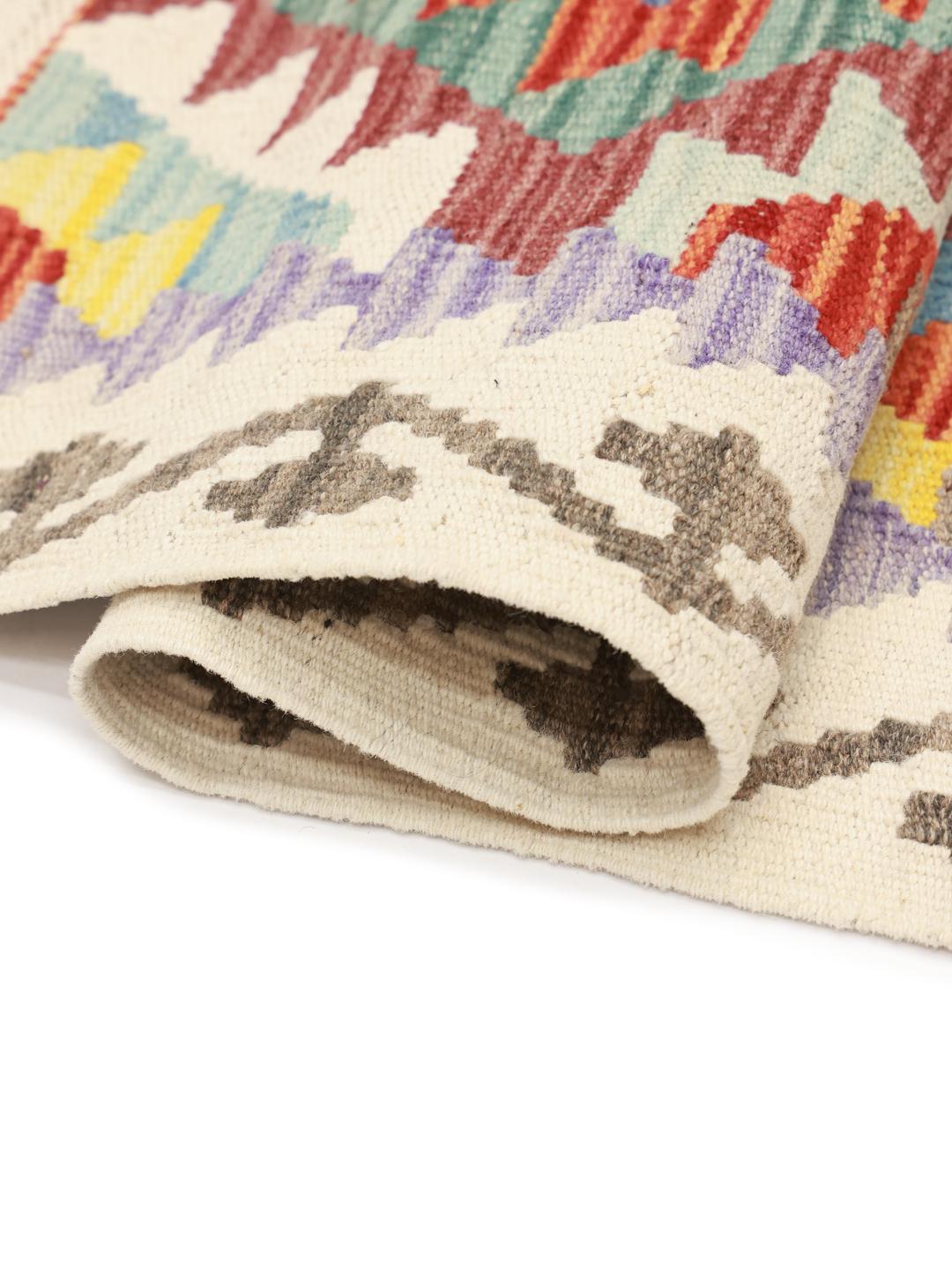
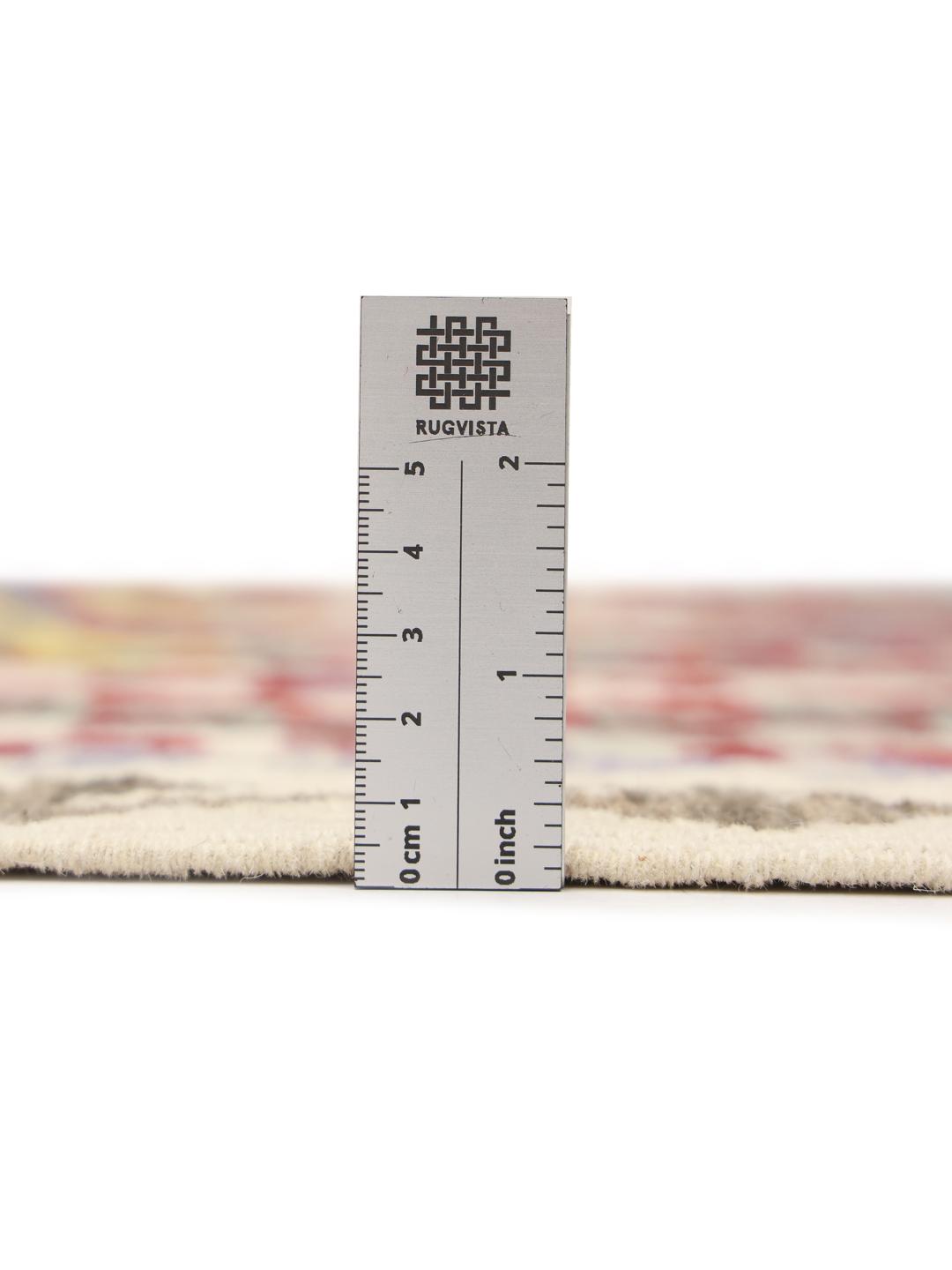
The term Kelim refers to the specific flat-weave technique used, where there is no pile. This construction creates a thin, reversible rug that is prized for its versatility and portability. Because the pattern is created by the interlacing of the coloured weft threads, the design is often identical on both sides, which is a hallmark of high-quality, authentic weaving.
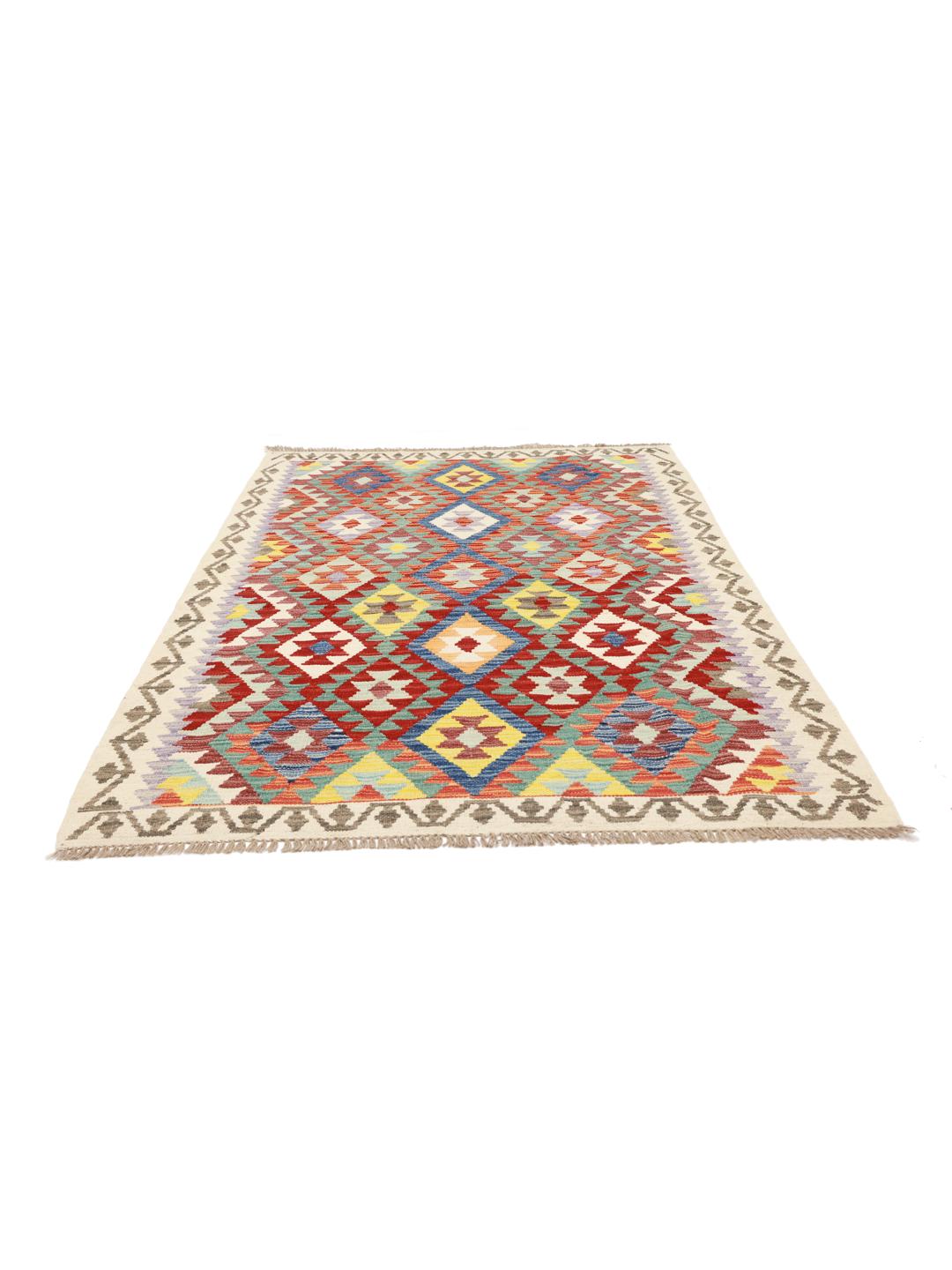
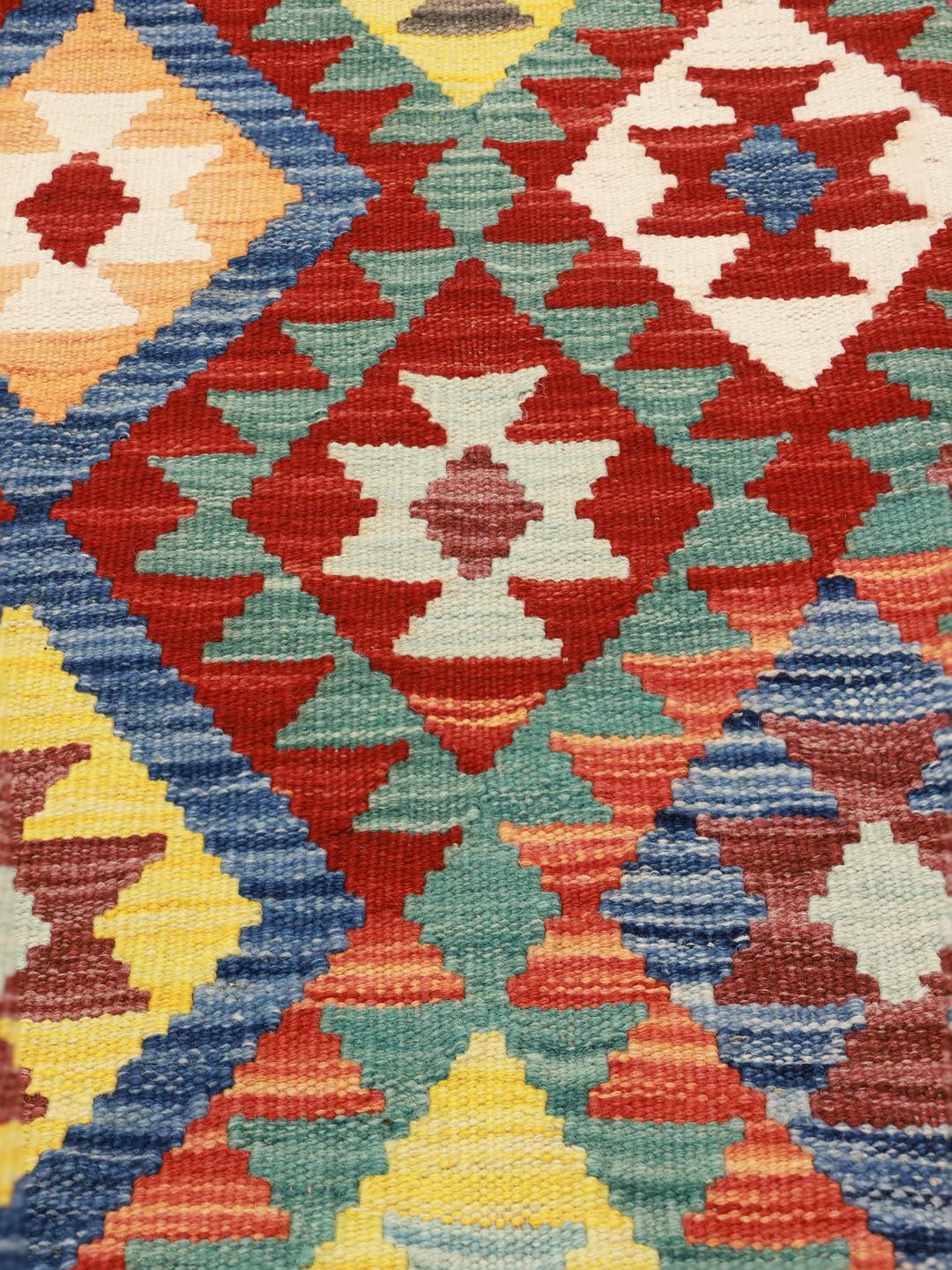
Visually, these rugs are defined by their geometric language. You will often see repeating diamond motifs, zig-zags, and stylised tribal symbols that have been passed down through generations. The use of vibrant, natural-looking colour palettes is a signature of the Afghan tradition, often reflecting the natural dyes available in the region's diverse landscapes.
Owning a piece from this tradition is about more than just decor; it is about preserving a legacy of craftsmanship. These rugs are collected for their cultural weight and the skill required to produce them without the aid of modern equipment. By choosing an Afghan Kelim, you are participating in a long-standing history of artistry that connects the modern home to ancient nomadic traditions.