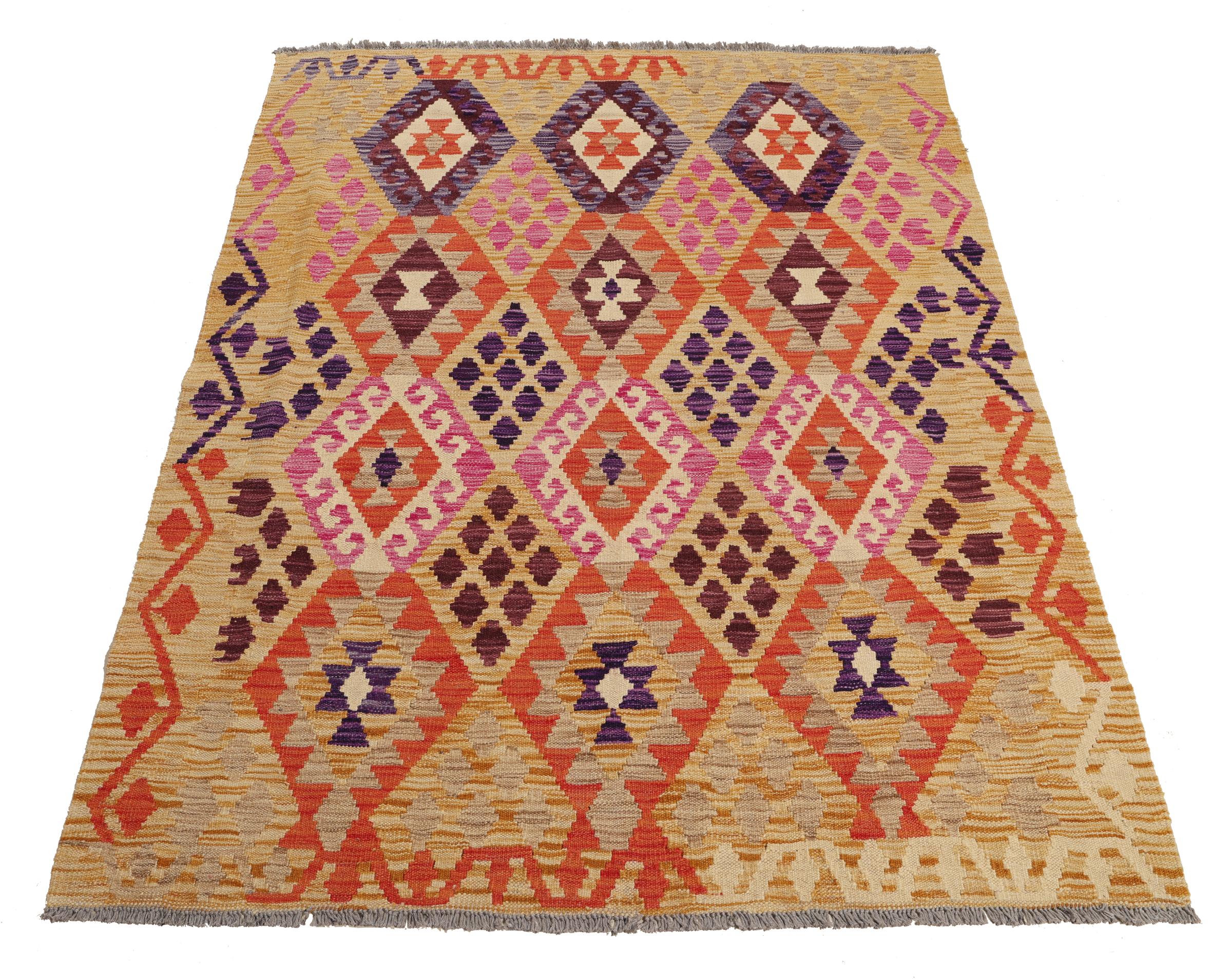
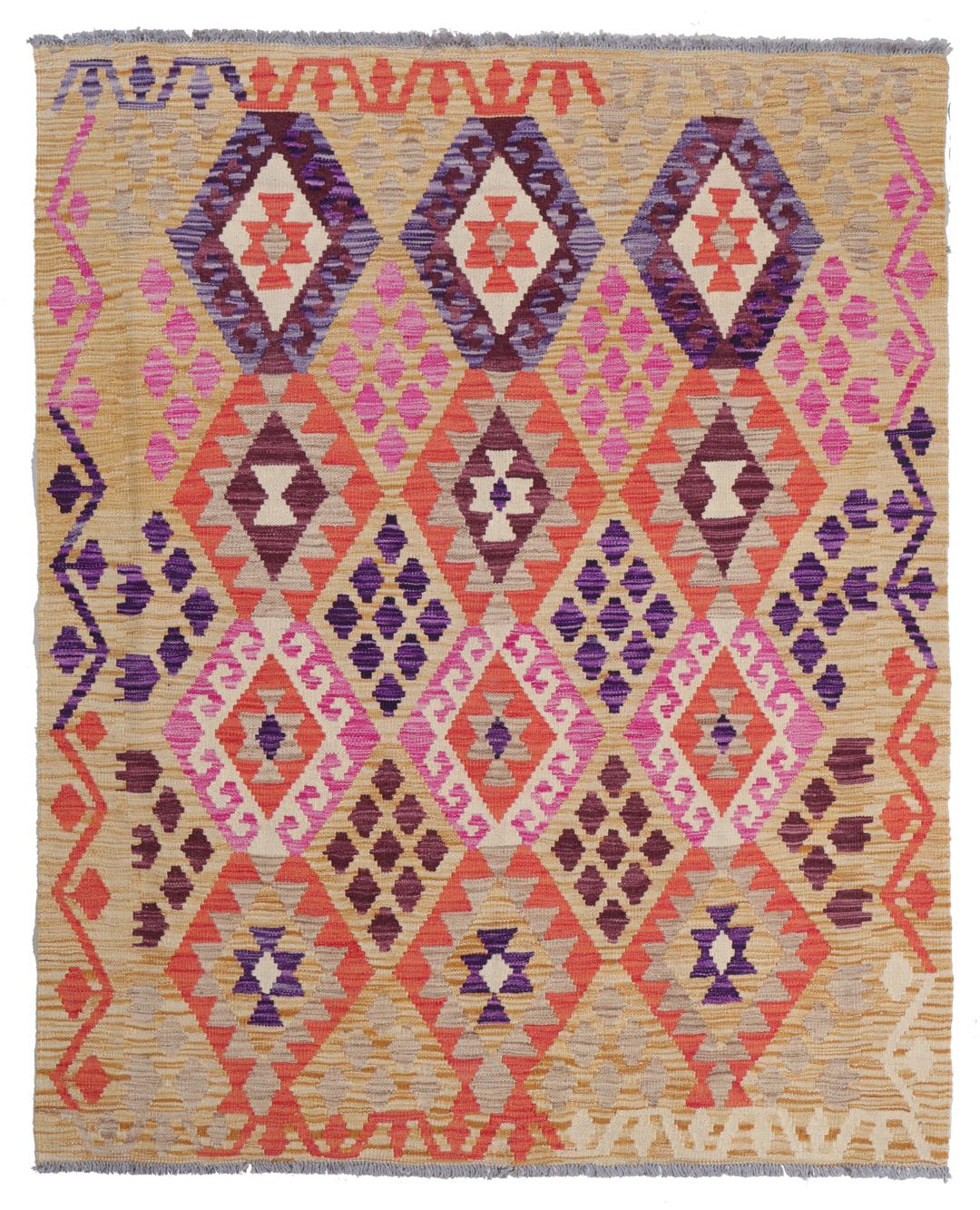
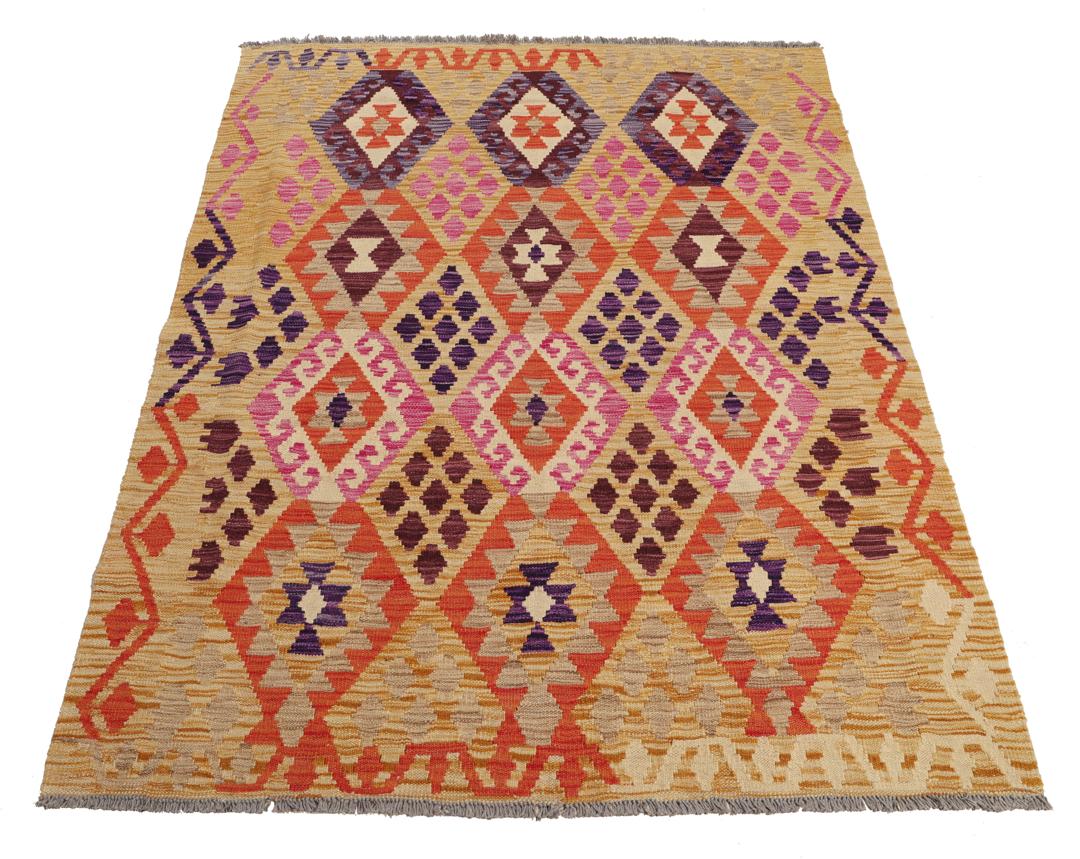
The tradition of Kelim weaving in Afghanistan is deeply rooted in the nomadic history of the region. These rugs were historically crafted by tribal groups for practical use in tents, serving as floor coverings, blankets, and storage bags. Over time, these functional pieces evolved into the intricate, decorative rugs we cherish today, serving as a vital link to the heritage of the Middle East.
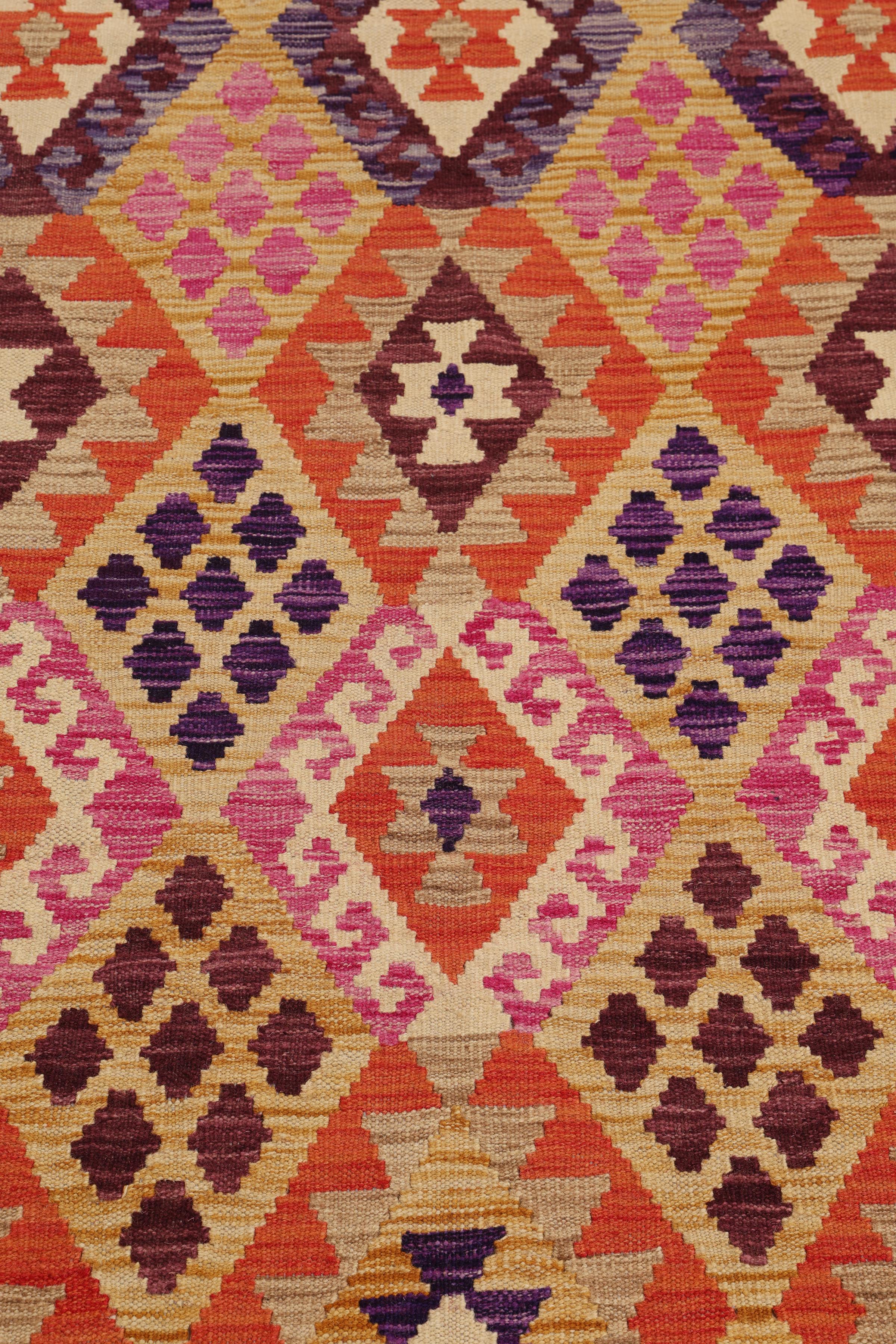
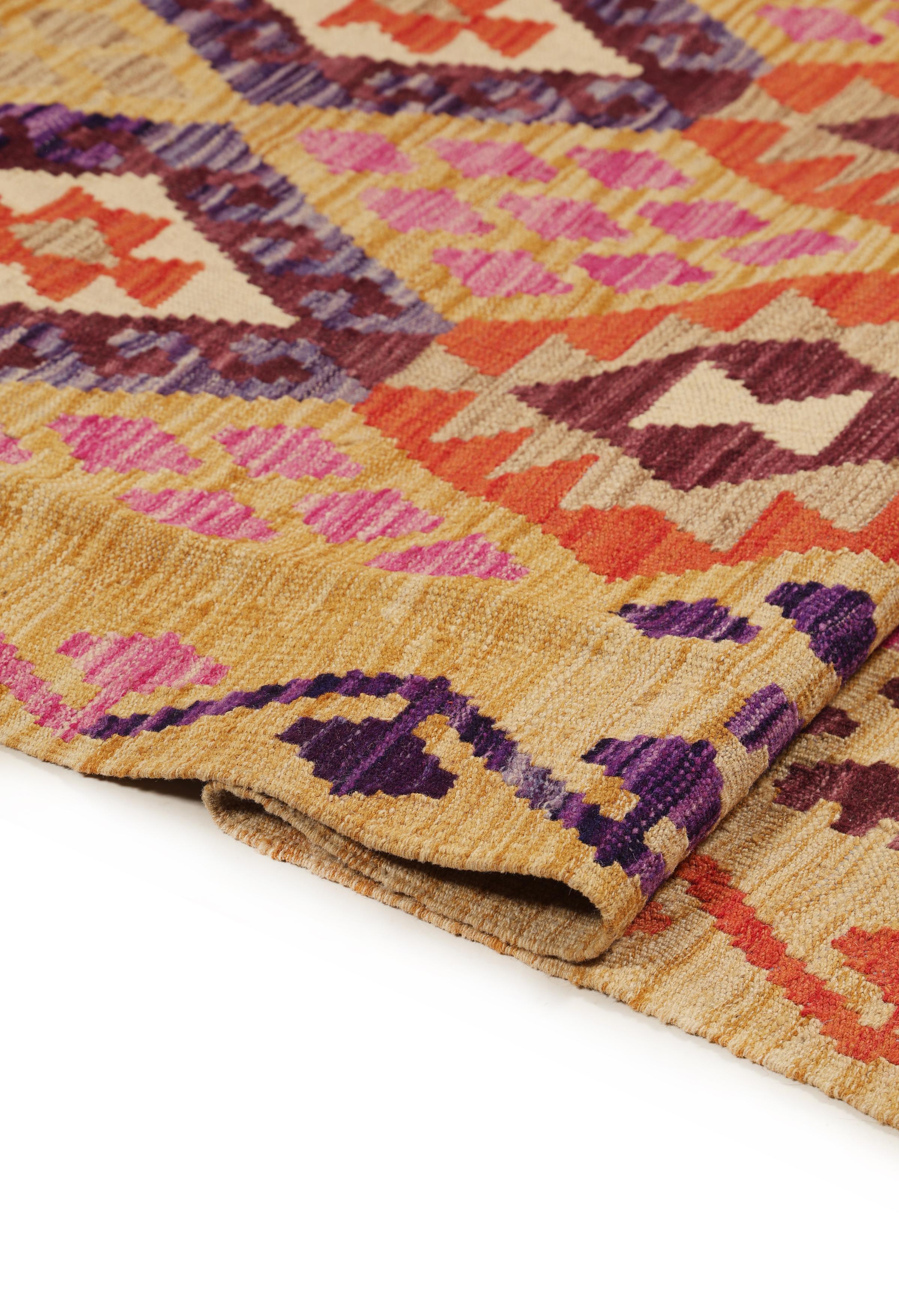
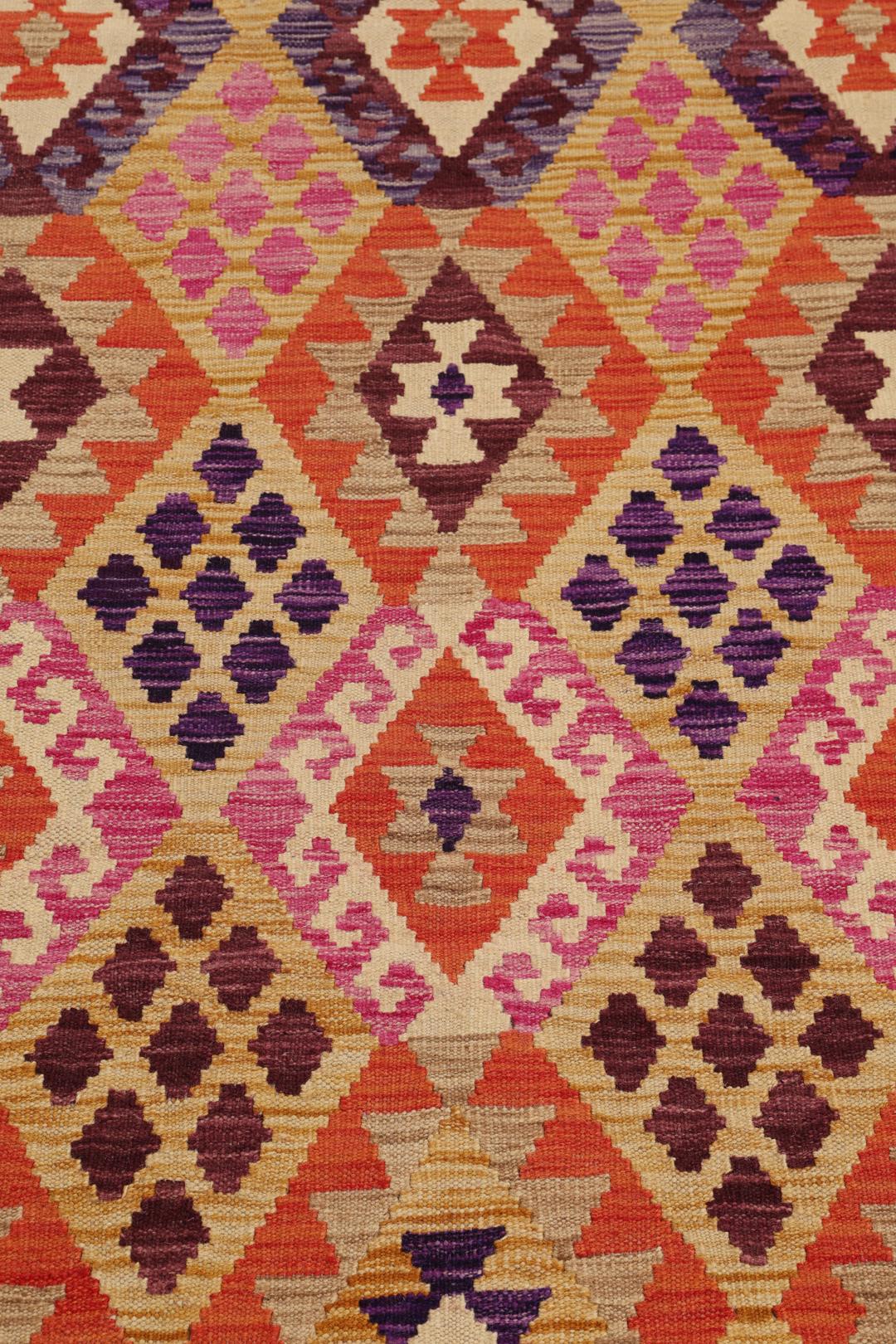
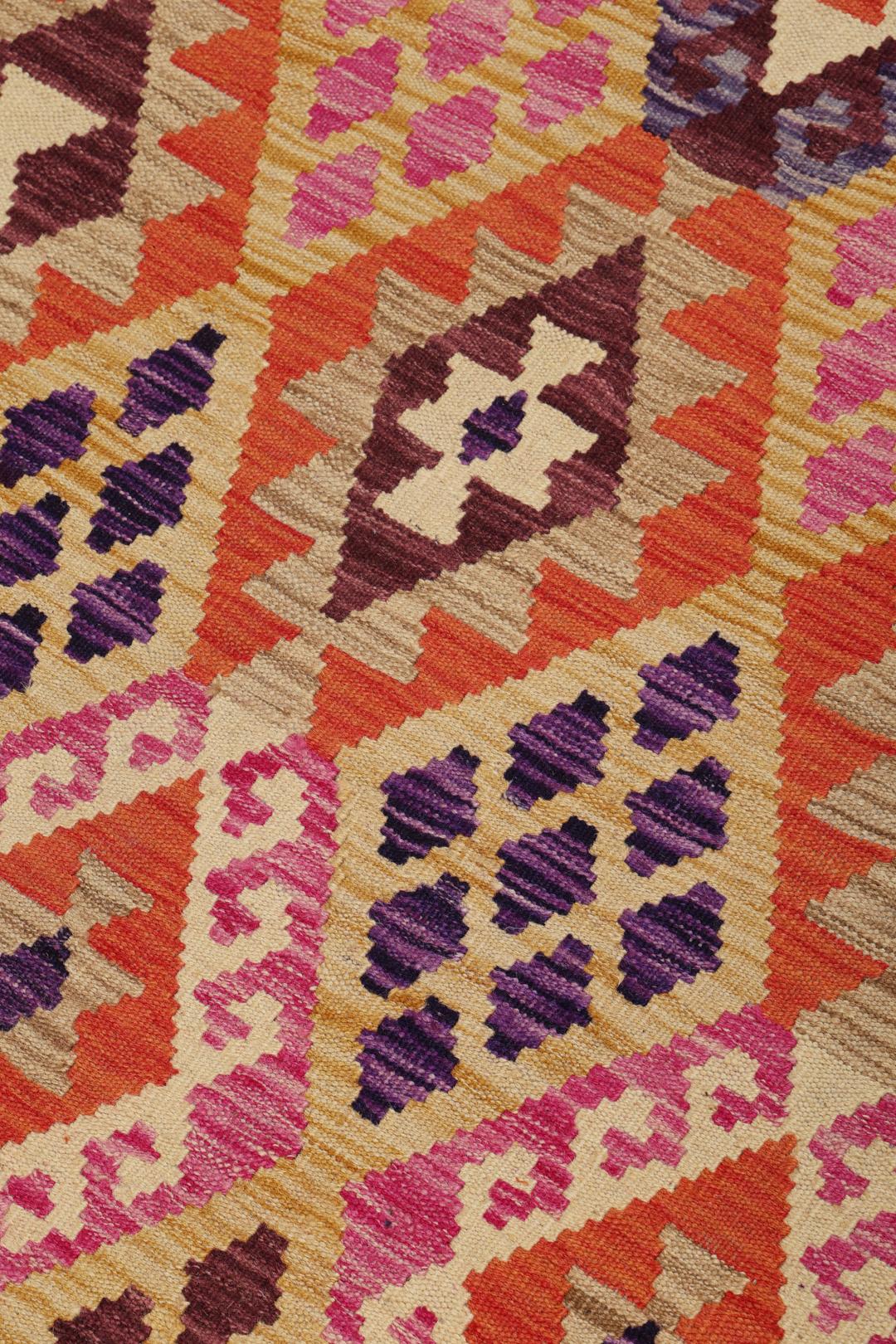
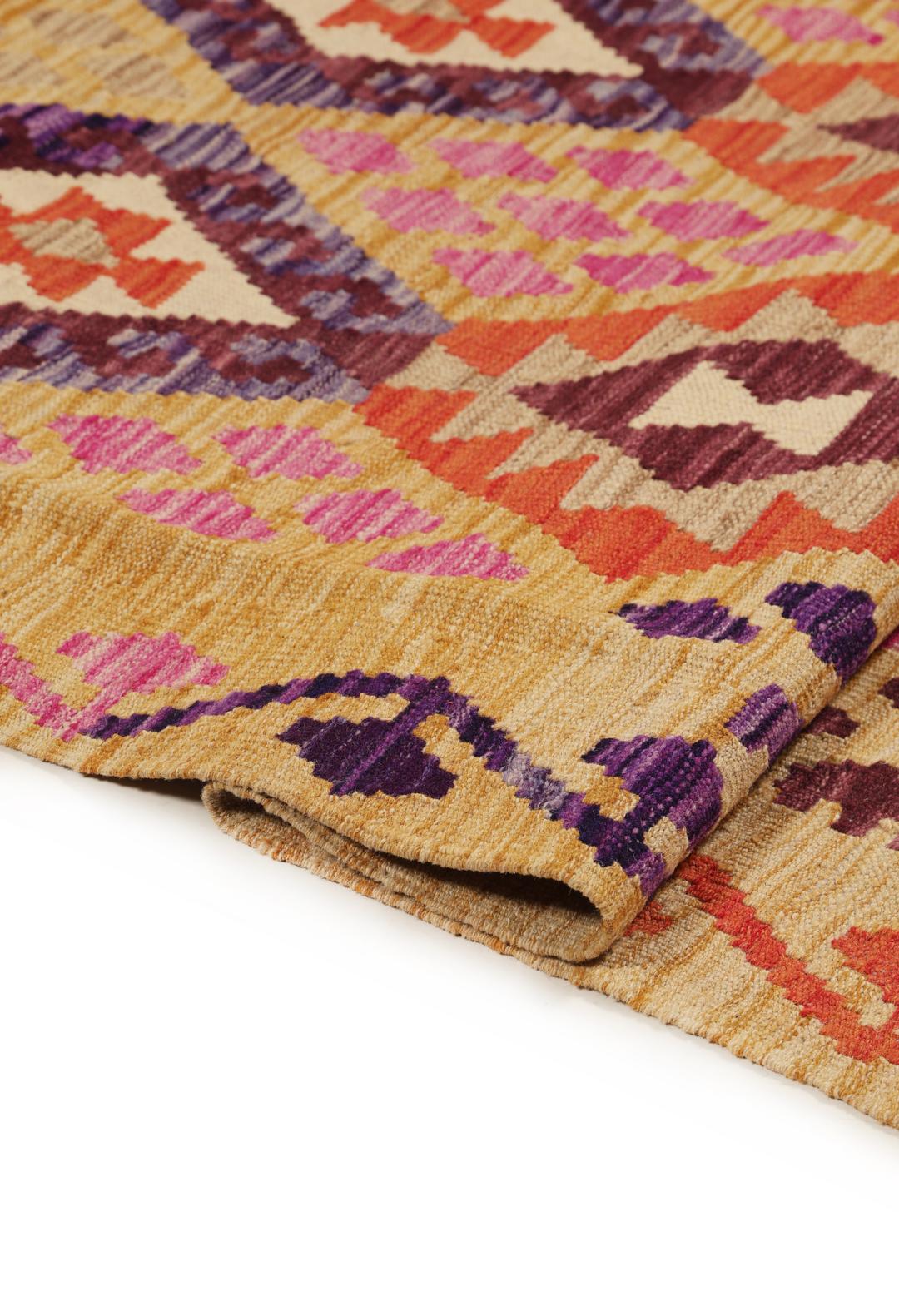
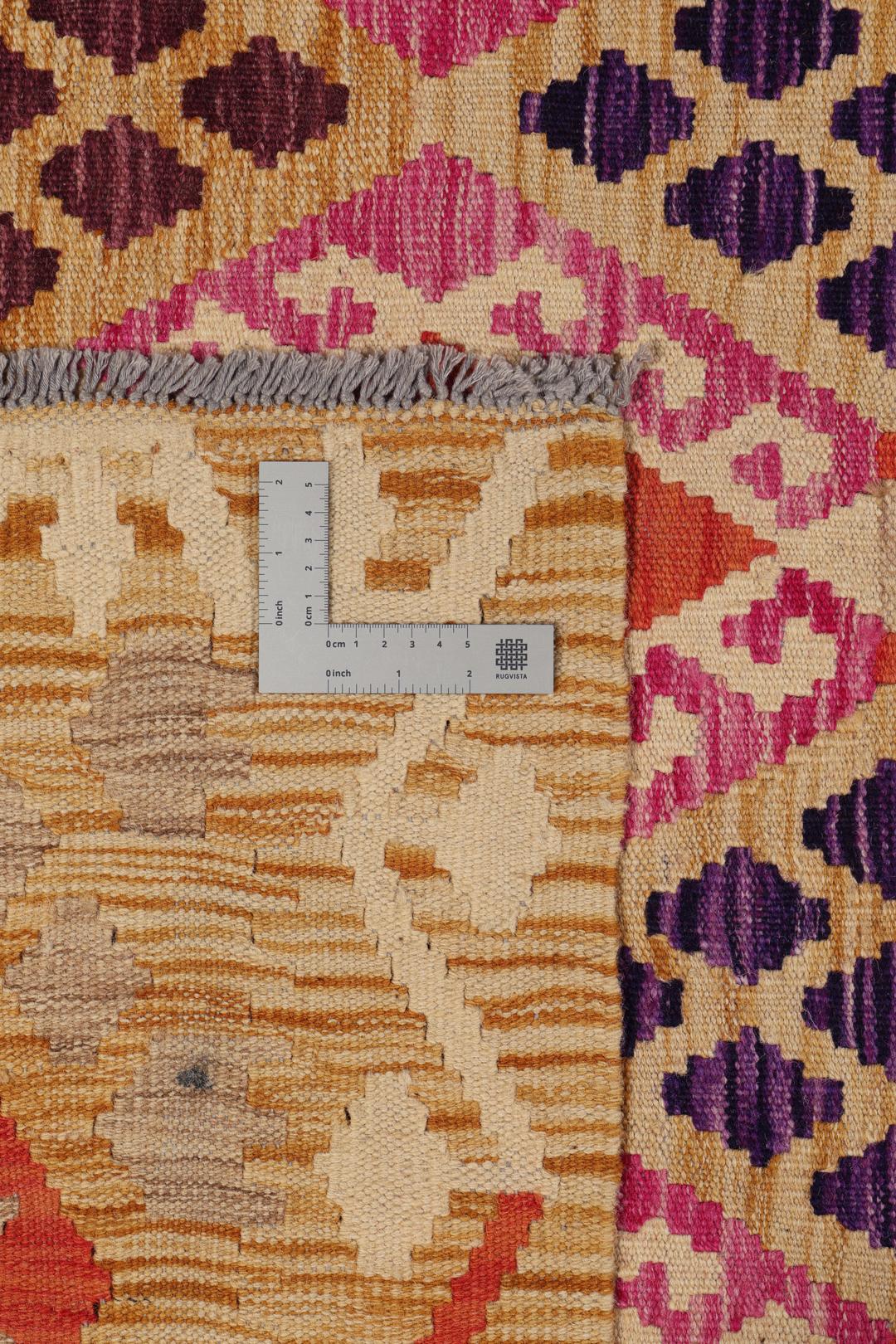
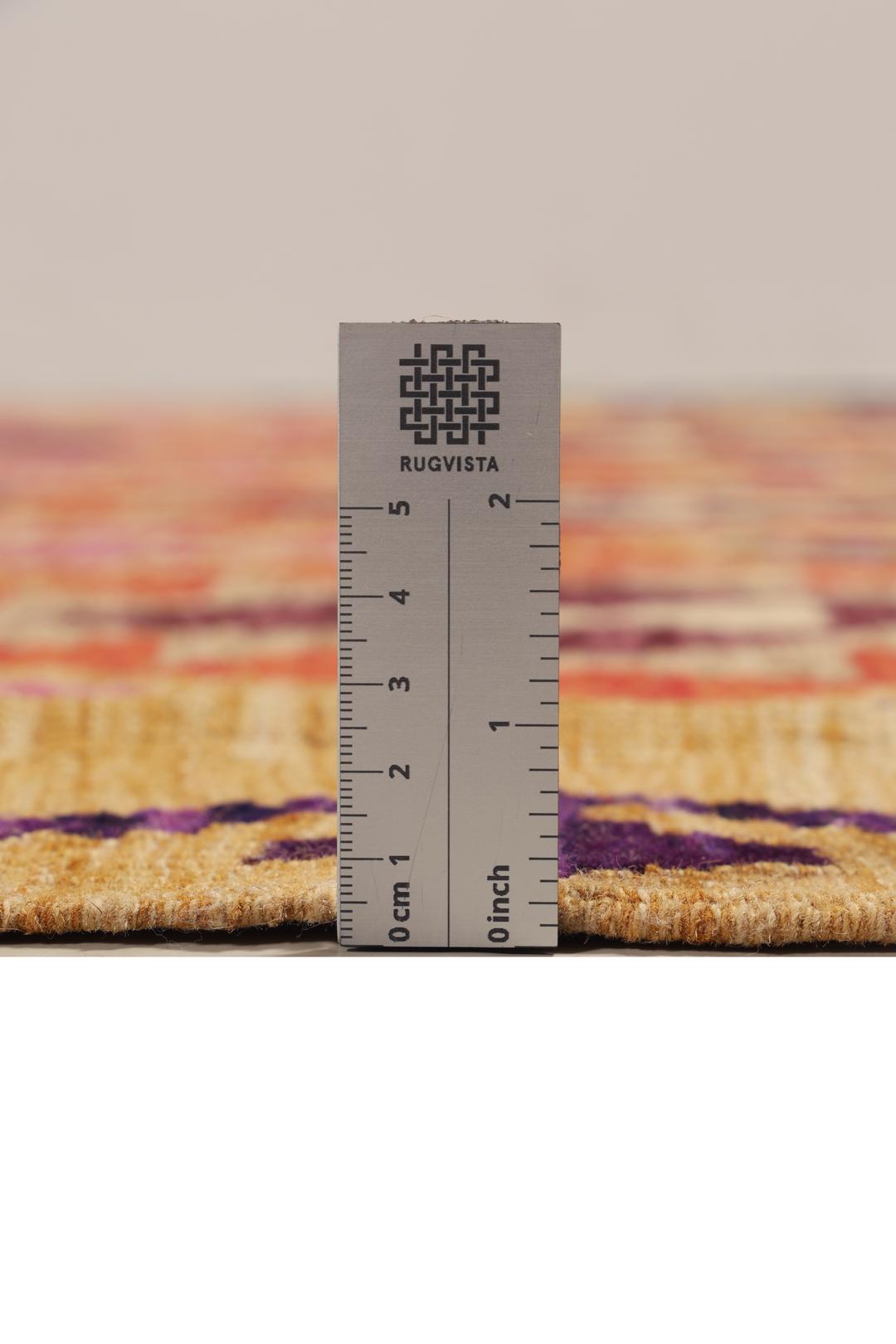
The term 'Kelim' refers specifically to the flat-weaving technique where the warp and weft threads are interlaced to create a smooth surface without a pile. This method is fundamental to the rug's durability and distinctively clean appearance. The precision required in this process is high, as the weaver must create the pattern through the interweaving of coloured threads rather than knotting them into a foundation.
Signature design elements in these rugs often include bold, geometric motifs such as diamonds, triangles, and stylized floral forms. These patterns are not merely decorative but are deeply symbolic, often representing protection, prosperity, or the natural landscape of the region. The use of vibrant, contrasting colours is a hallmark of the Afghan style, bringing a sense of energy and narrative depth to the finished piece.
Collectors value these rugs for their authenticity and the sheer level of human skill they represent. Owning an Afghan Kelim is an investment in cultural preservation, as the specific weaving techniques and traditional motifs are increasingly rare in a world of mass production. It is a piece that carries the weight of history, offering both beauty and a lasting connection to the artisan traditions of Central Asia.