The Kelim tradition in Afghanistan is deeply rooted in the nomadic and semi-nomadic cultures that have traversed the rugged landscapes of Central Asia for centuries. These flat-weave textiles were historically designed for versatility, serving as floor coverings, wall hangings, and functional storage bags during seasonal migrations. The craft has evolved over time, yet it remains a vital expression of regional identity, with weavers passing down specific motifs and colour palettes through generations.
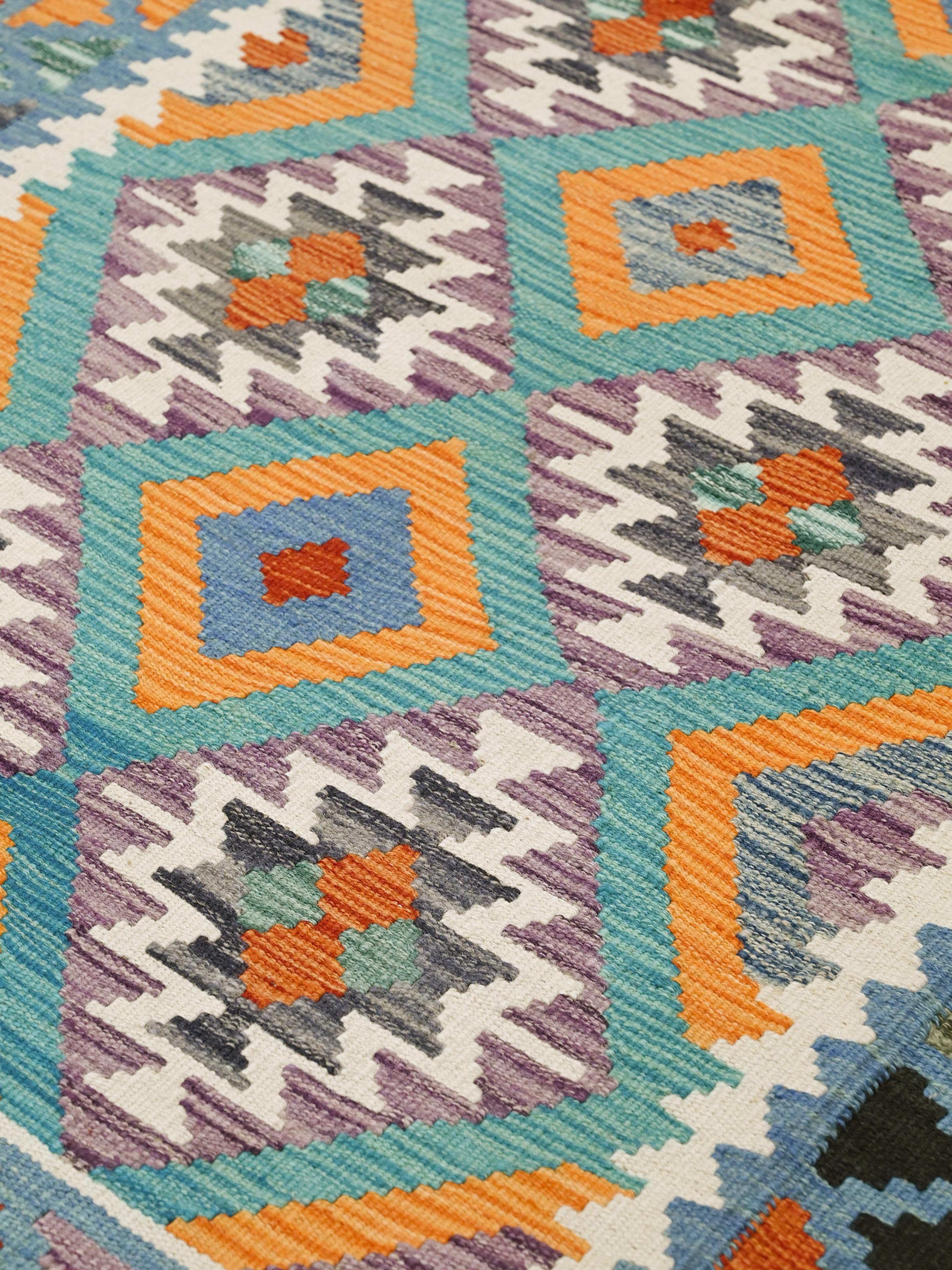
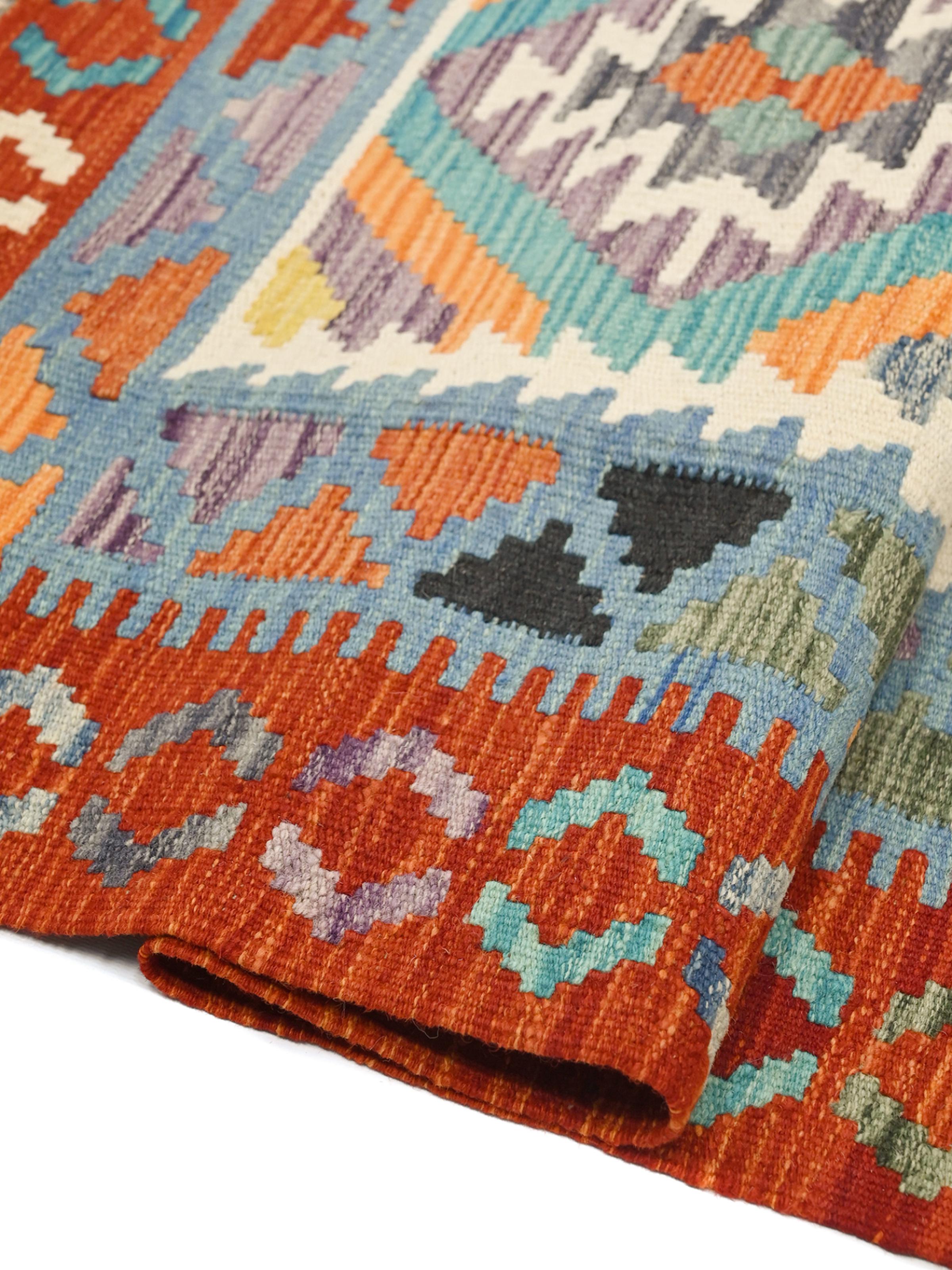
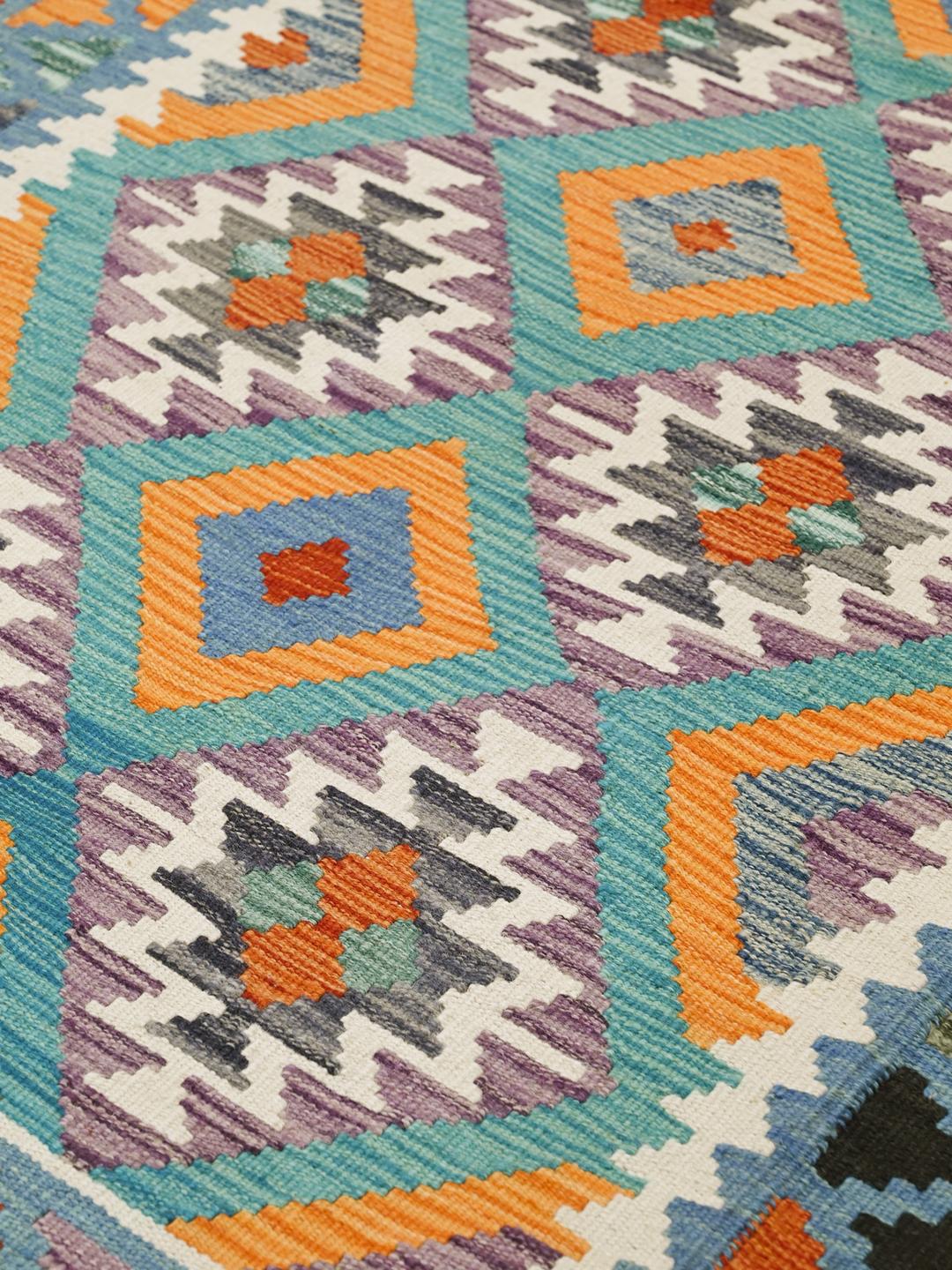
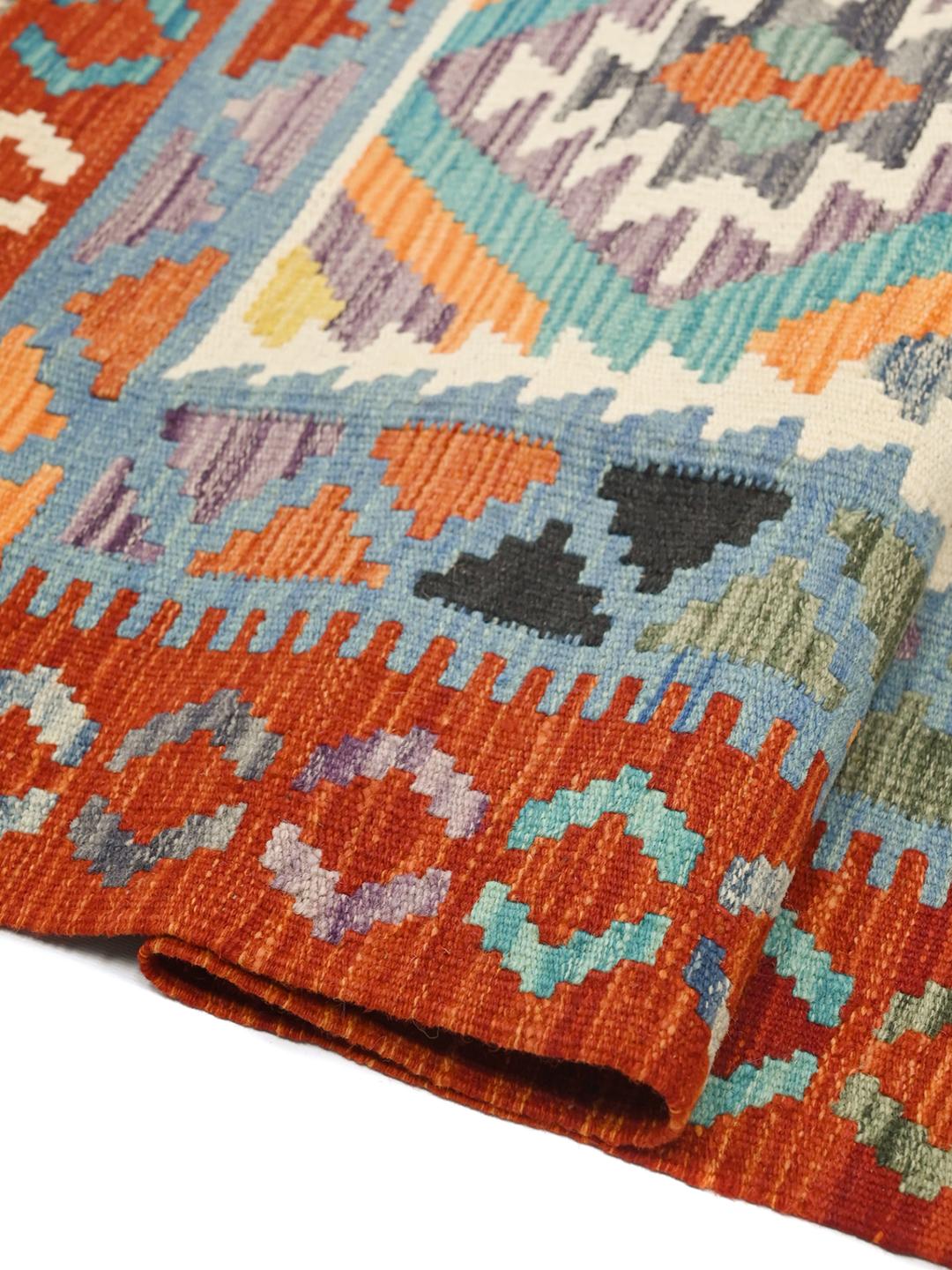
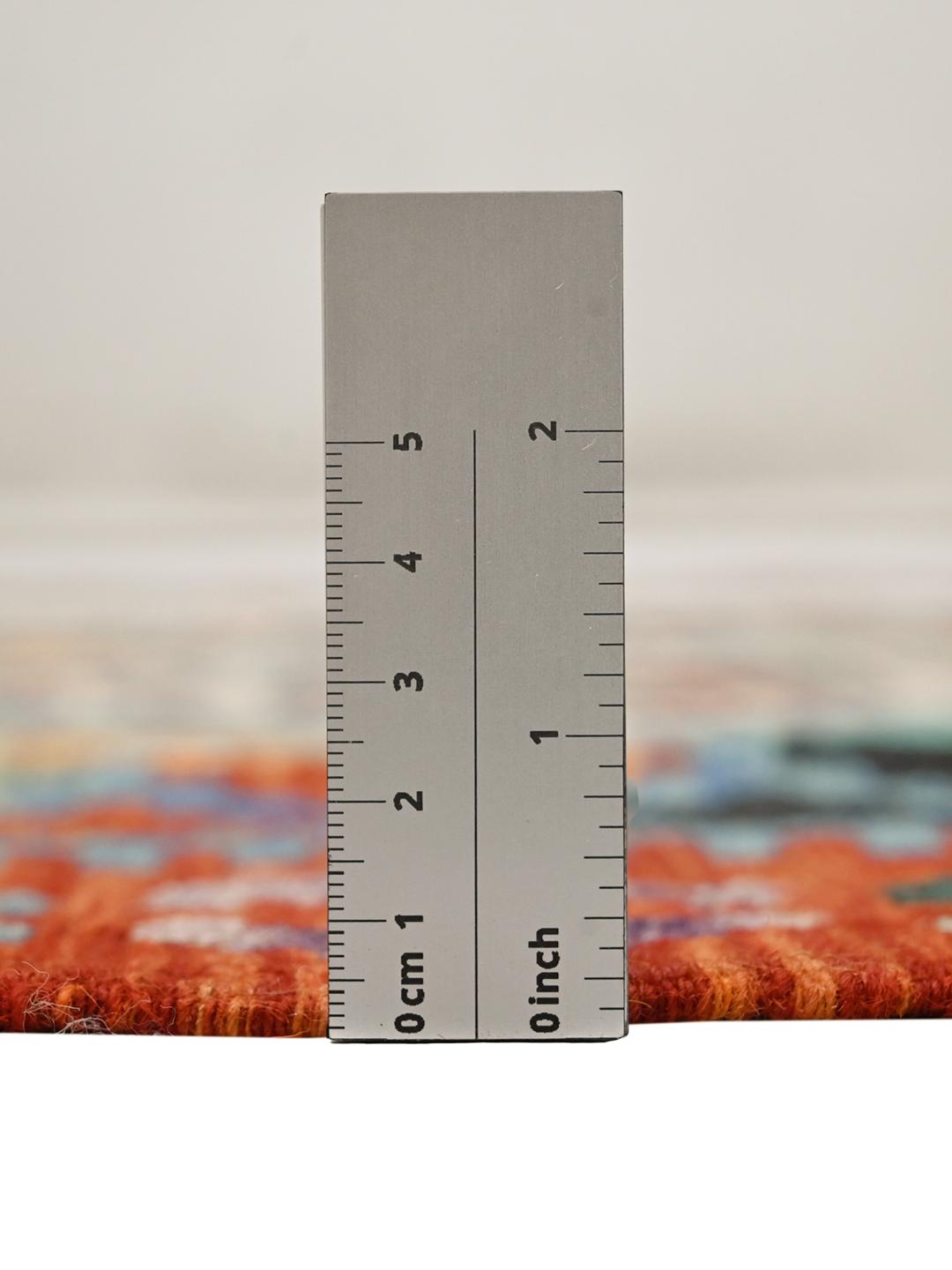
A Kelim is defined by its flat-weave technique, where no pile is created. Instead, the weaver interlocks the warp and weft threads to form the pattern directly into the structure of the fabric. This creates a reversible rug that is lightweight, durable, and highly portable. The absence of pile means that the clarity of the design relies entirely on the precision of the weave and the tension applied to the loom, showcasing the artisan's technical mastery.
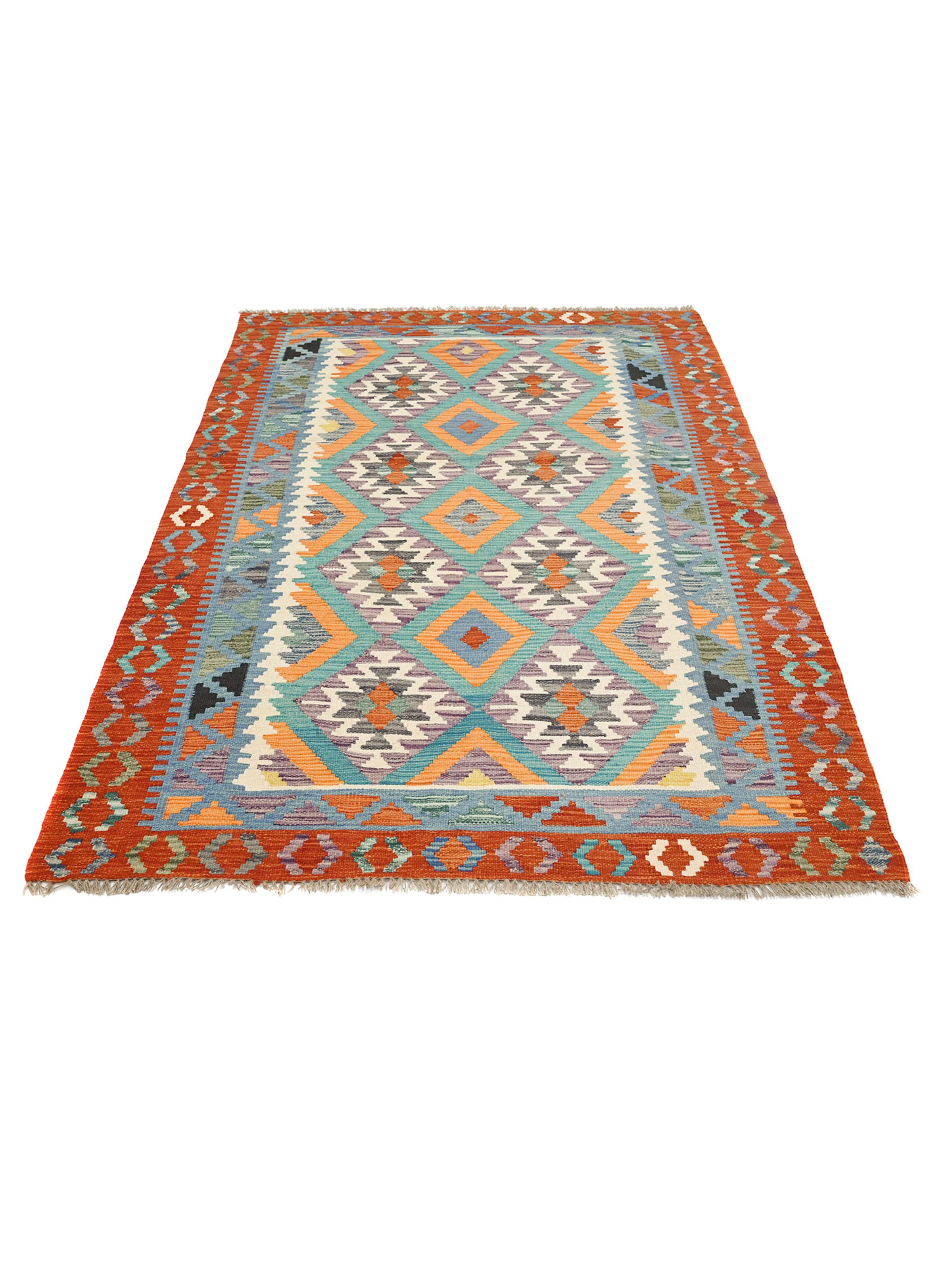
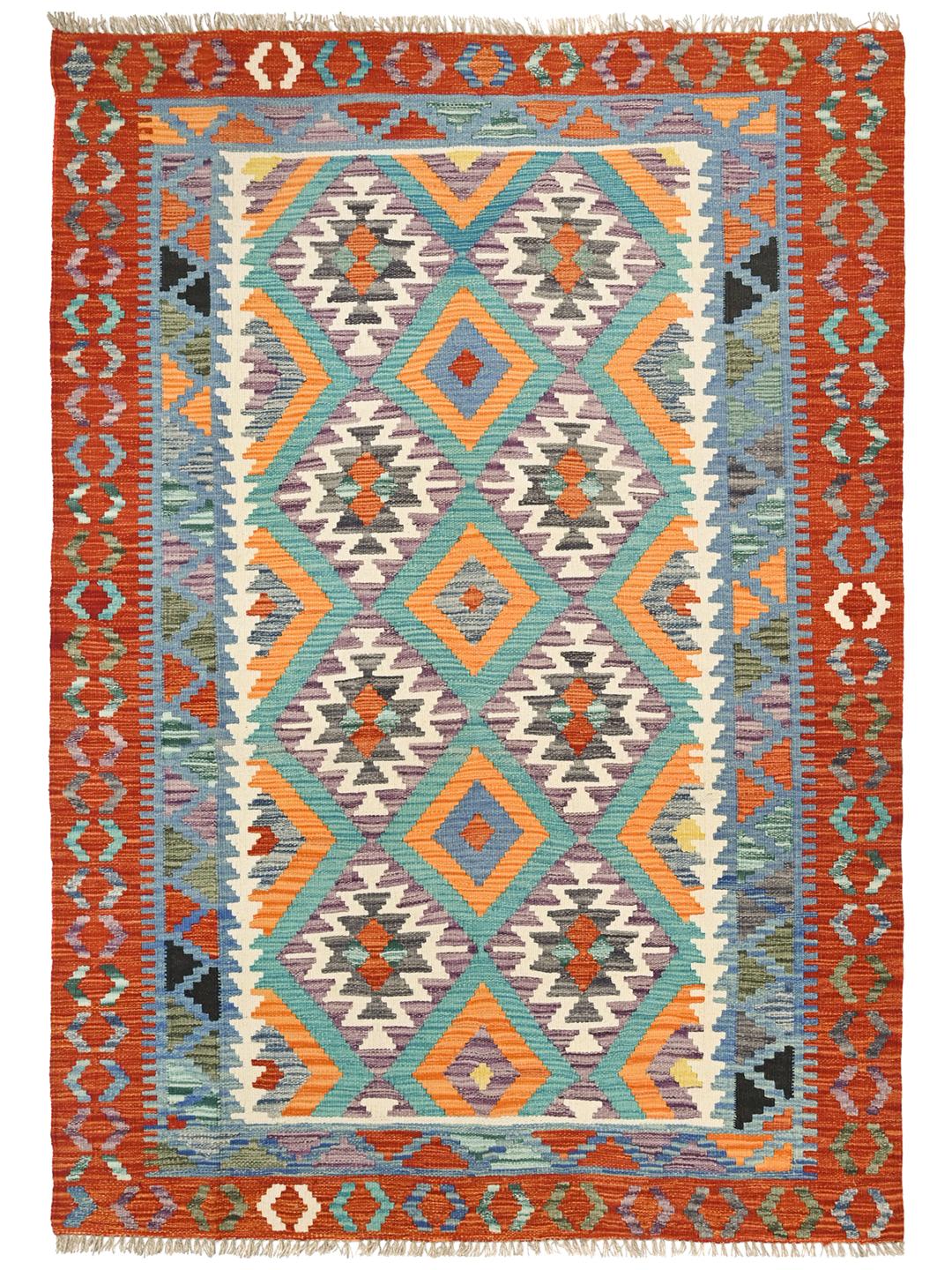
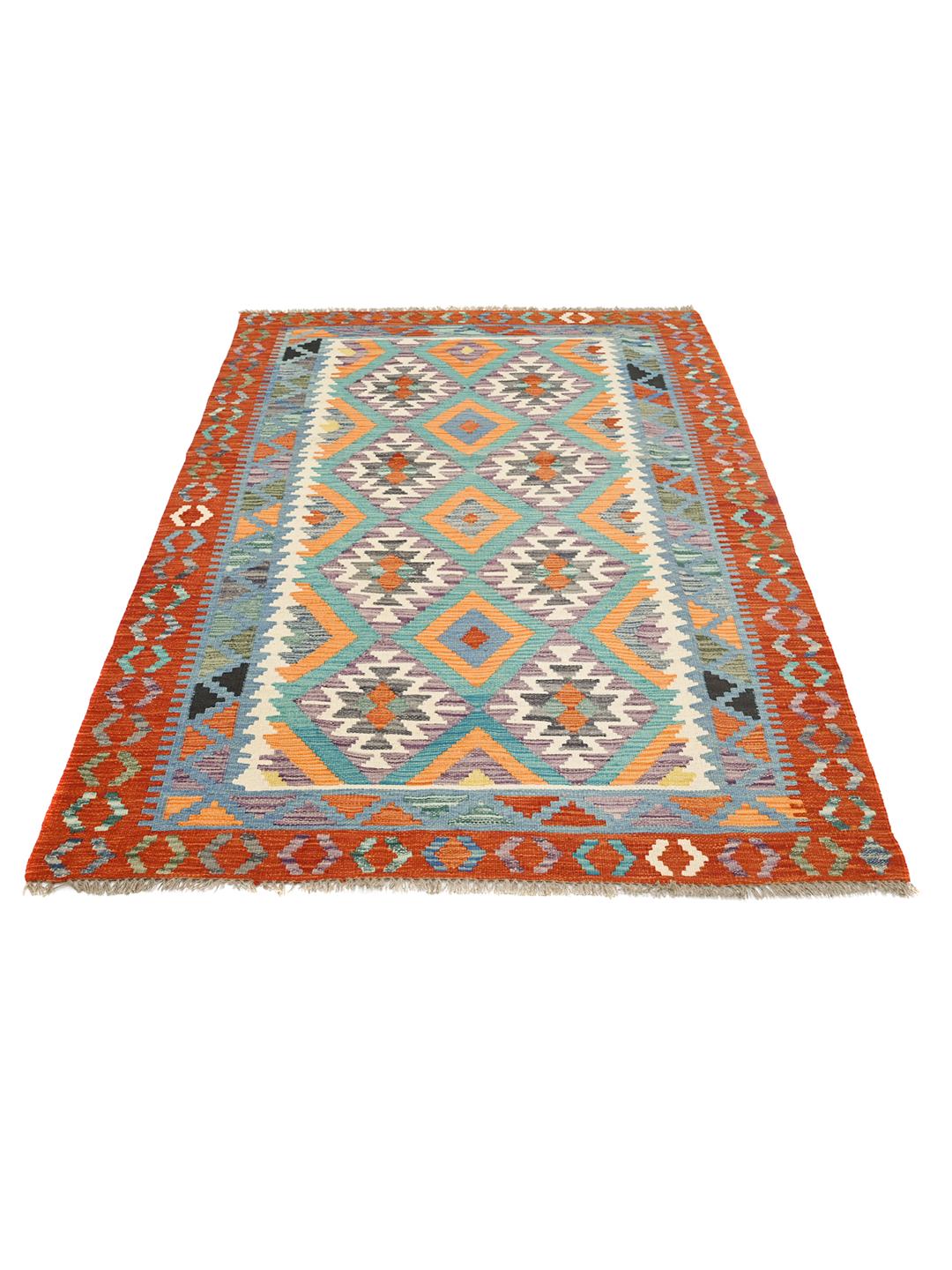
The visual language of this tradition is characterized by sharp, geometric forms. You will often find diamonds, triangles, and intricate stepped motifs that represent the natural world or local cultural symbols. The use of vibrant, contrasting colours is a signature of this style, often achieved through natural dyes that give the wool a rich, organic appearance. This rug features a bold diamond-centric layout that is classic to the region, framed by detailed borders that provide a sense of visual harmony.
Owning an Afghan Kelim is more than just selecting a floor covering; it is an investment in a storied craft tradition. These rugs are highly valued by collectors for their authenticity and the human effort embedded in every centimetre of the weave. By choosing a unique, hand-woven piece, you are supporting a legacy of skill that has survived the pressures of industrialisation, ensuring these artistic traditions continue to thrive in the modern world.