Kelim rugs have a long and storied history, originating from the nomadic tribes of the Middle East and Central Asia. Originally designed as functional items for nomadic life—serving as floor coverings, wall hangings, and even saddlebags—these rugs were prized for their portability and durability. Today, the Afghan Kelim tradition is recognised for its connection to these ancient routes, preserving techniques that have remained largely unchanged for centuries.
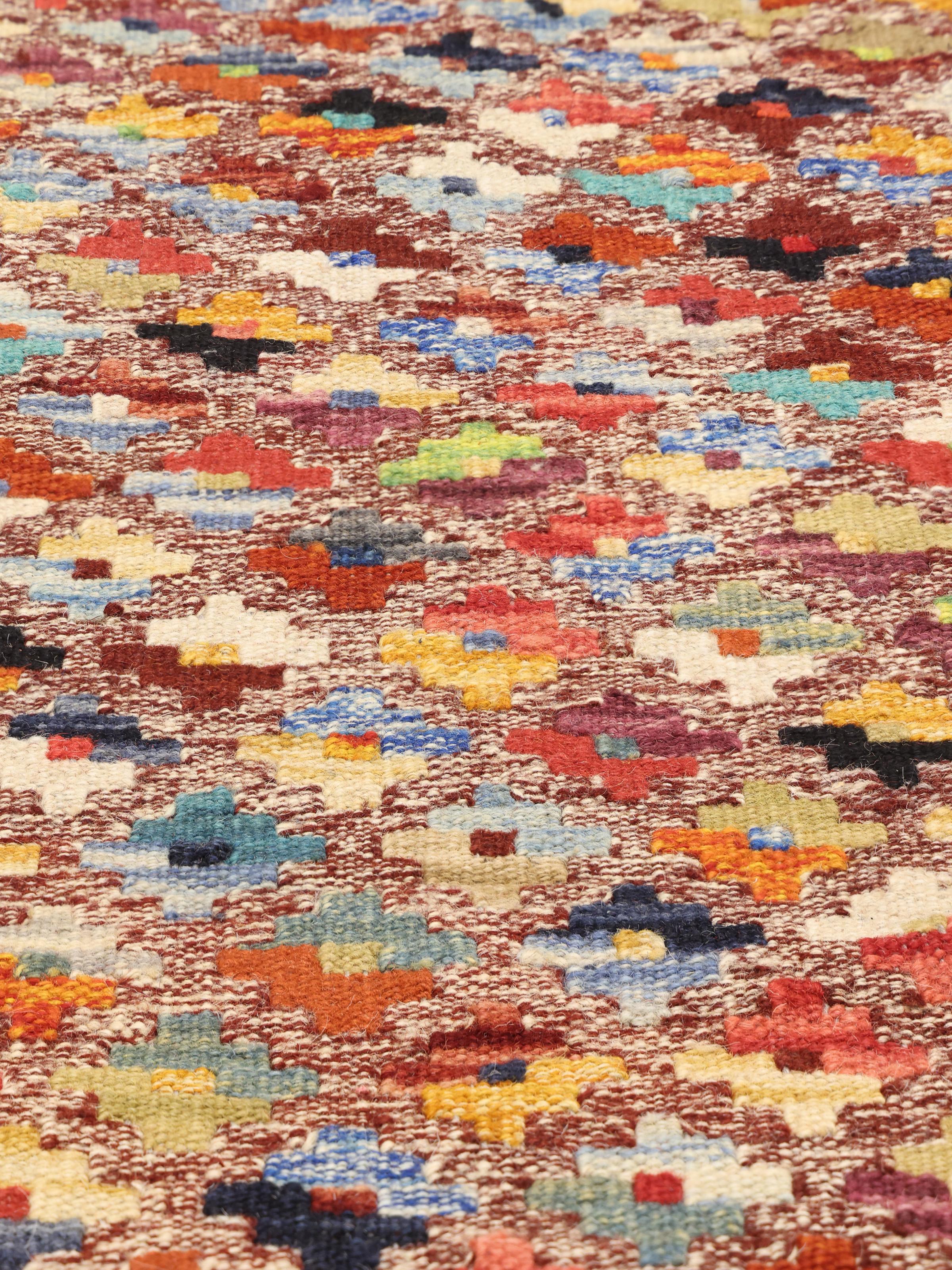
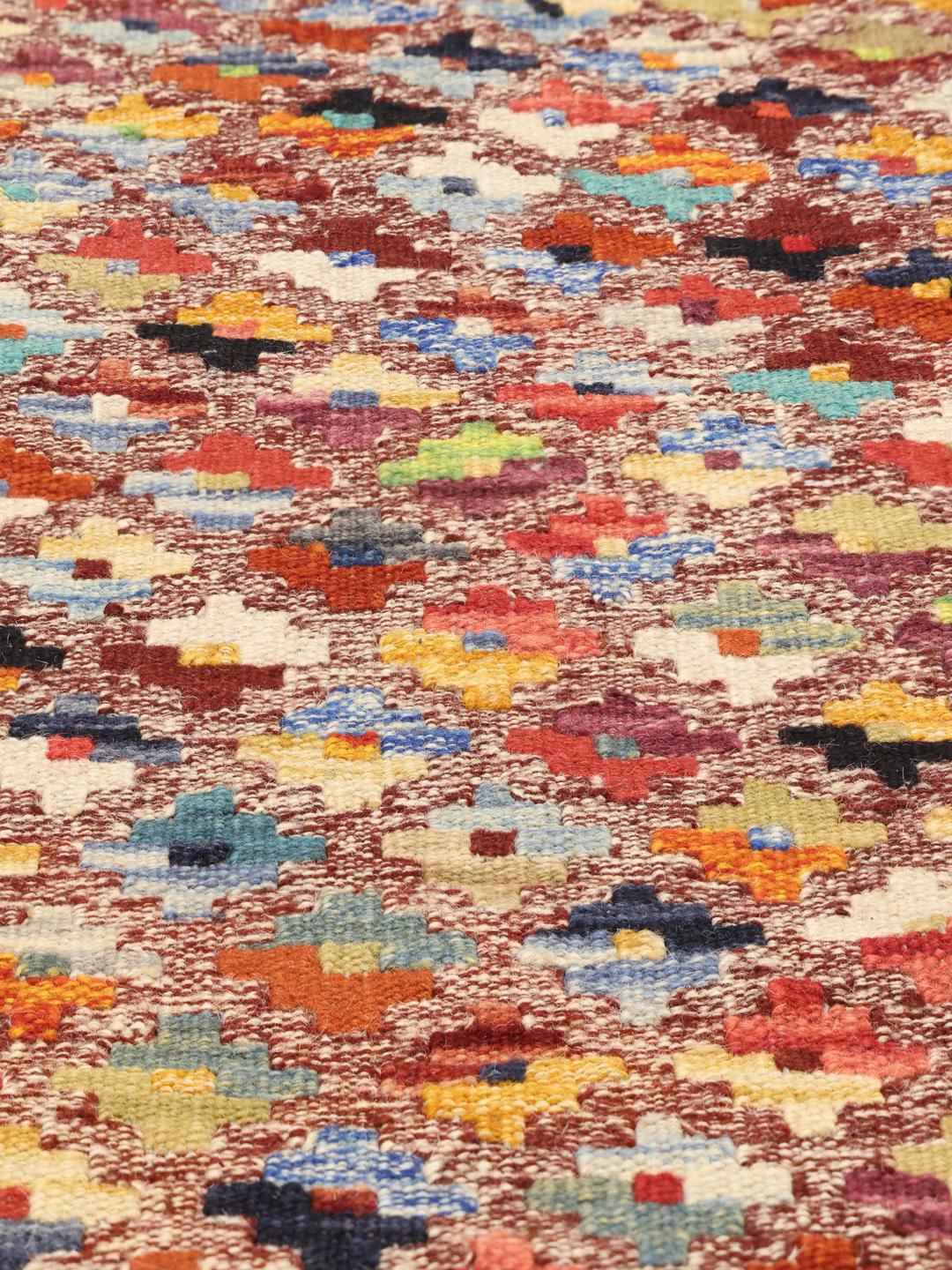
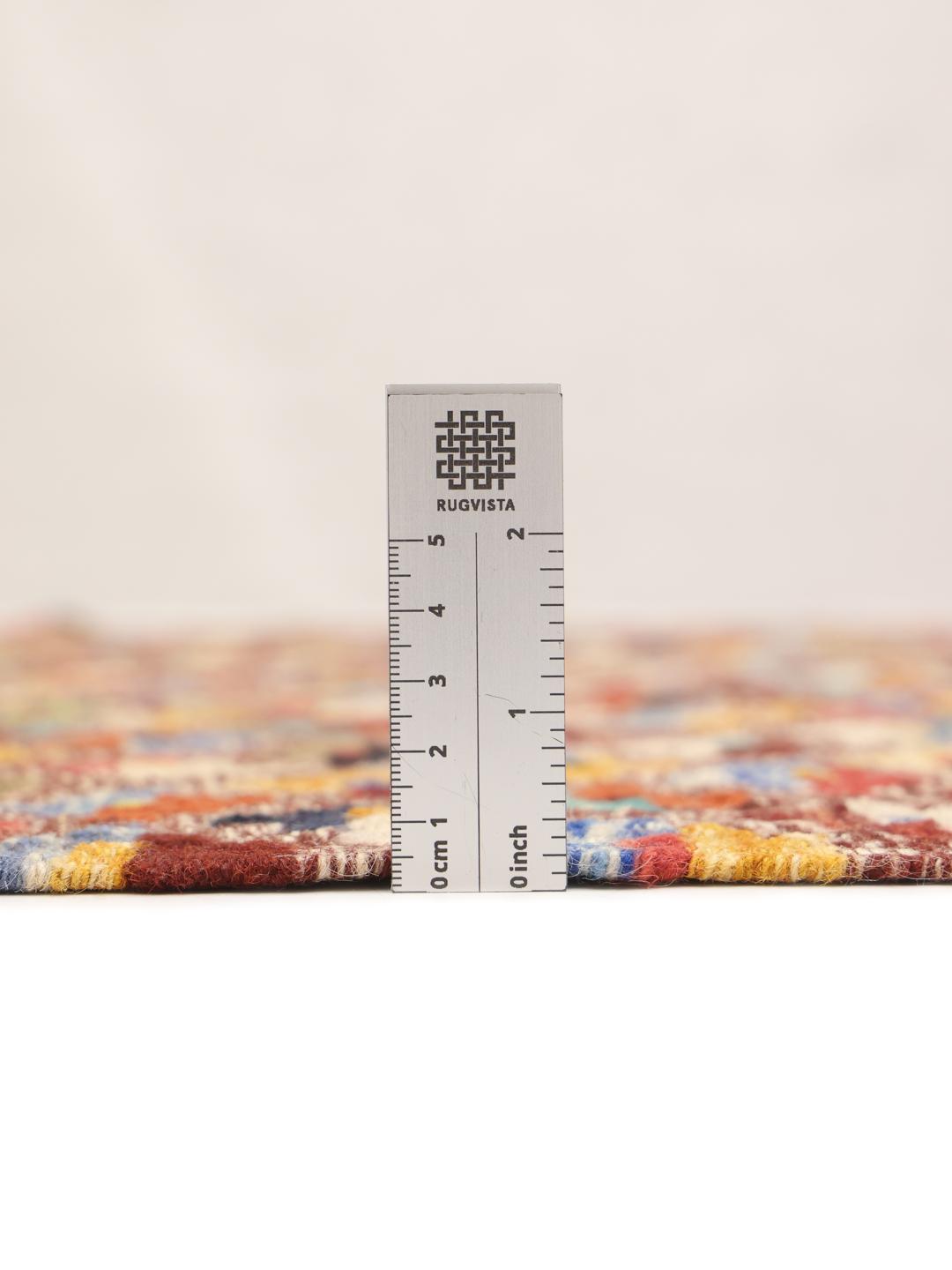
The term 'Kelim' refers to the flat-weave technique where no pile is created, as the weft threads are woven tightly over the warp threads. This lack of pile makes the rug thinner and more versatile than traditional knotted rugs. This specific construction method is what gives the Kelim its distinctive, clean look and makes it exceptionally long-lasting, as there is no pile to wear down over time.
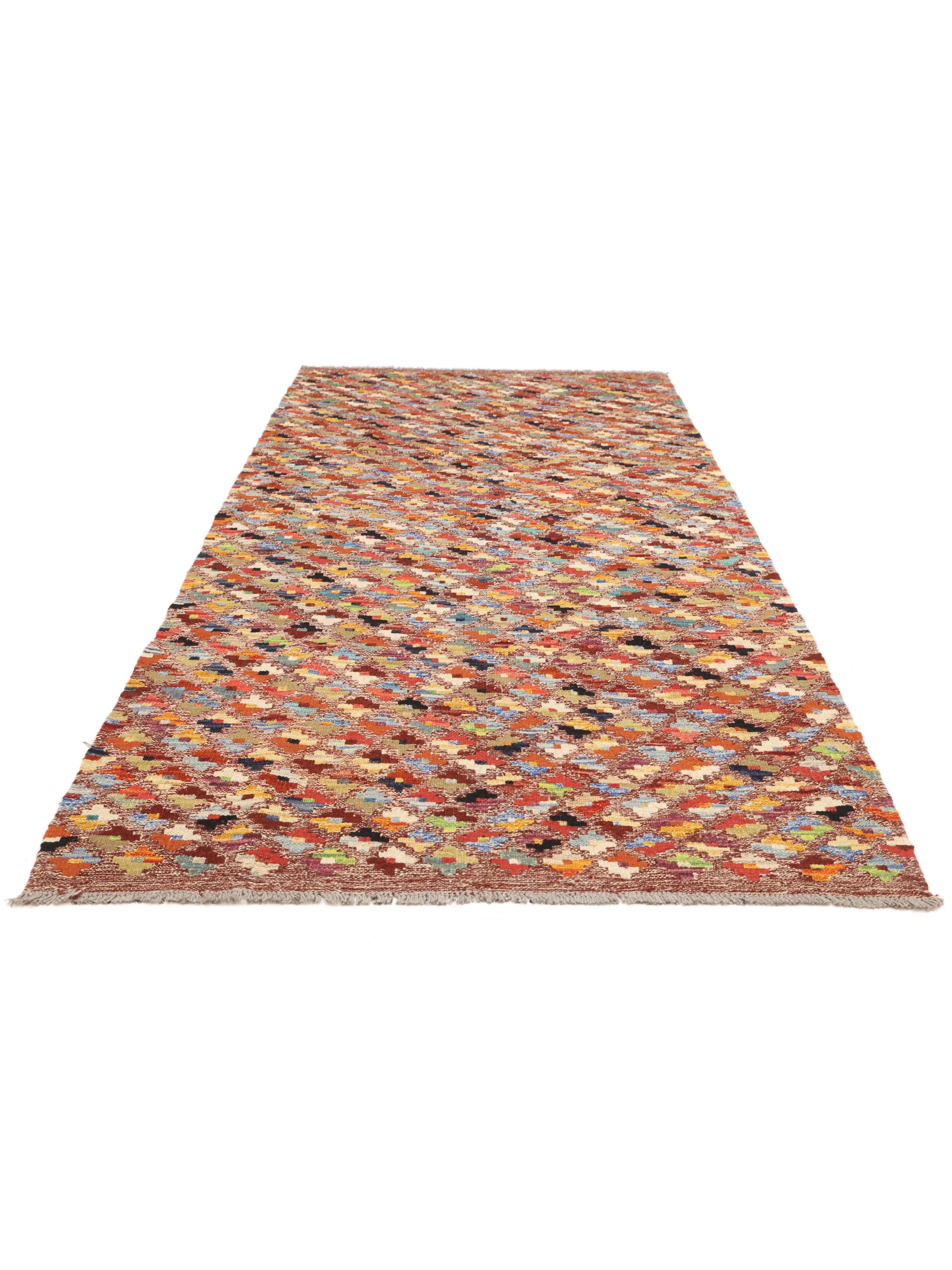
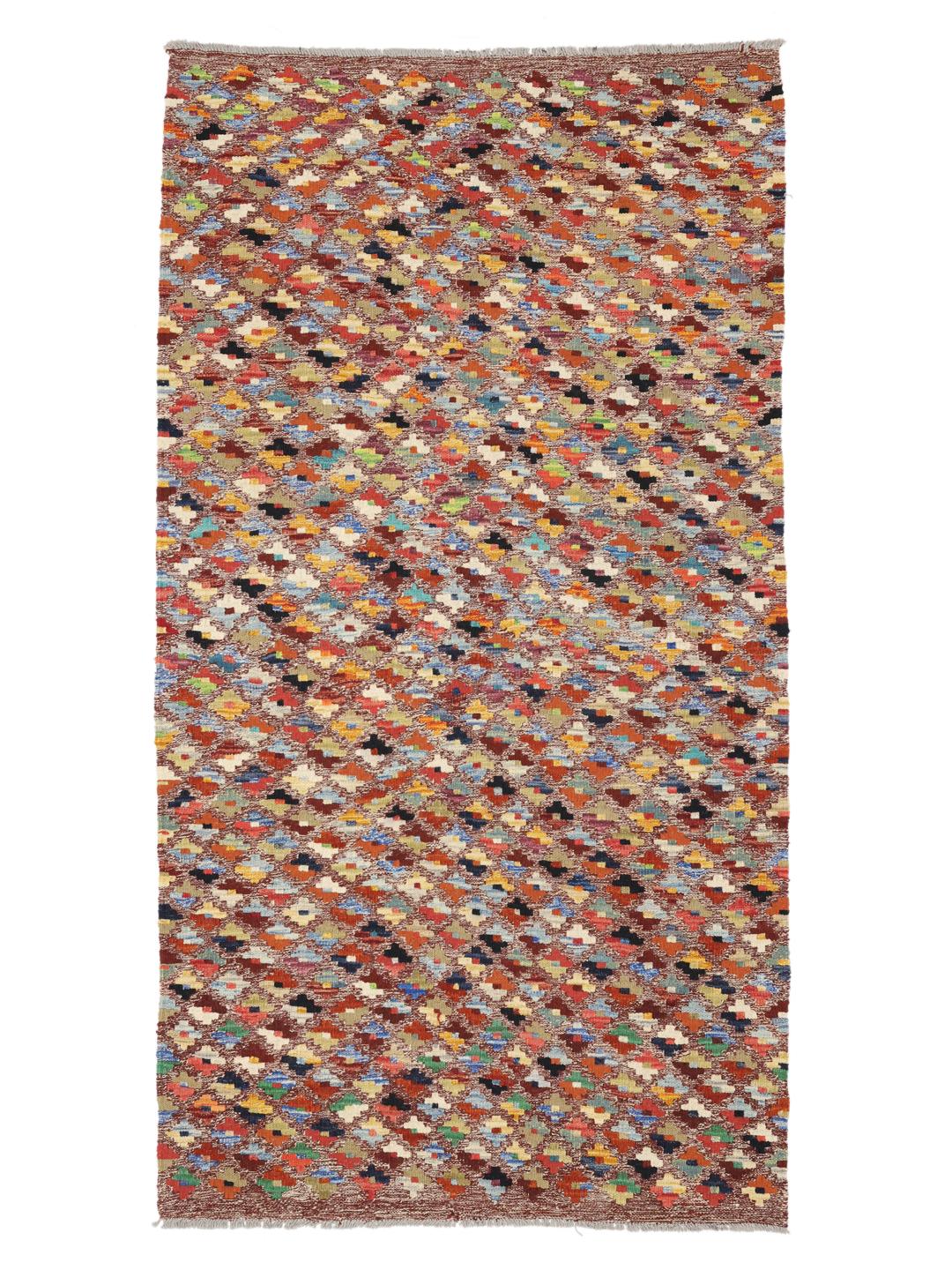
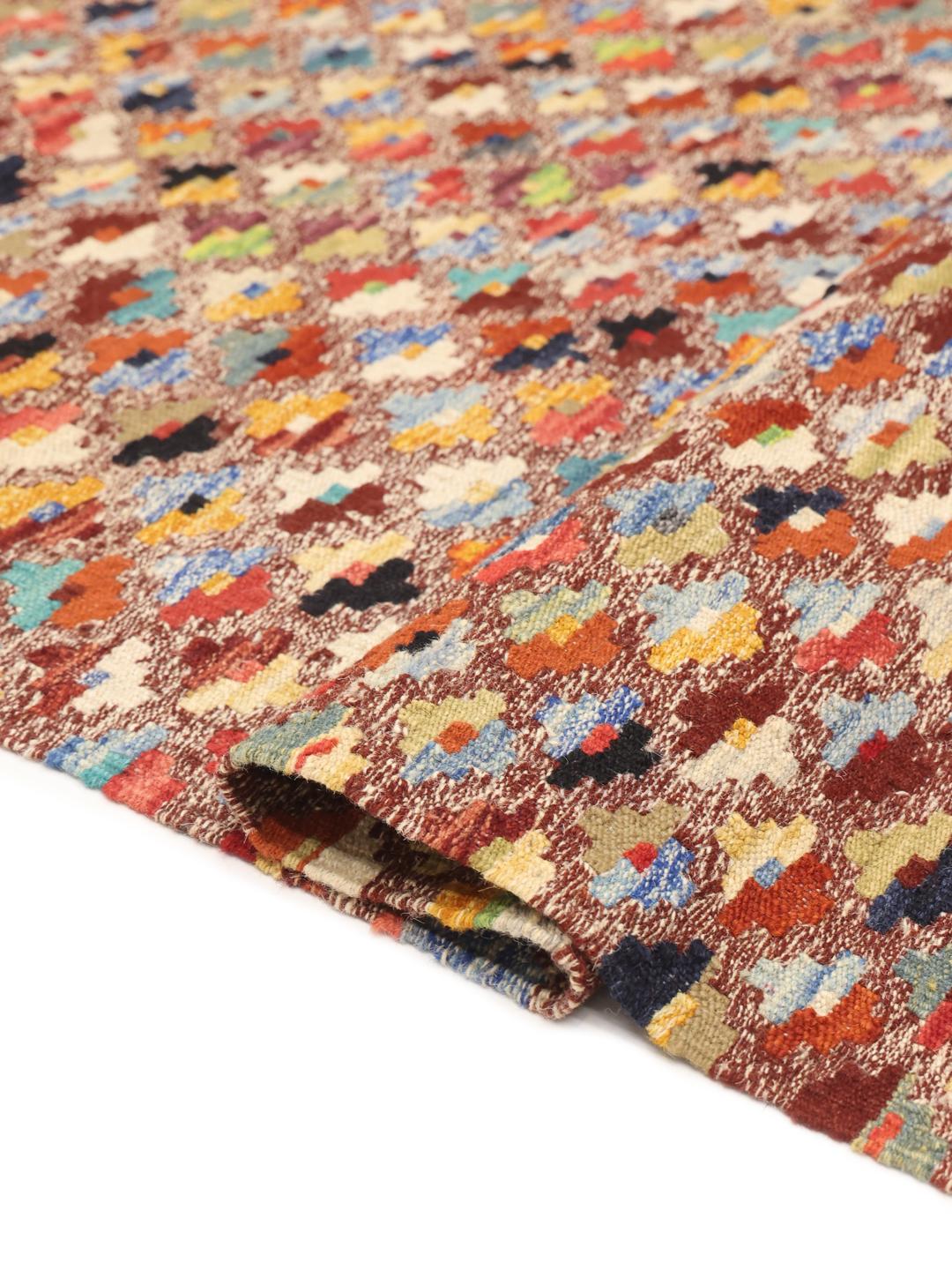
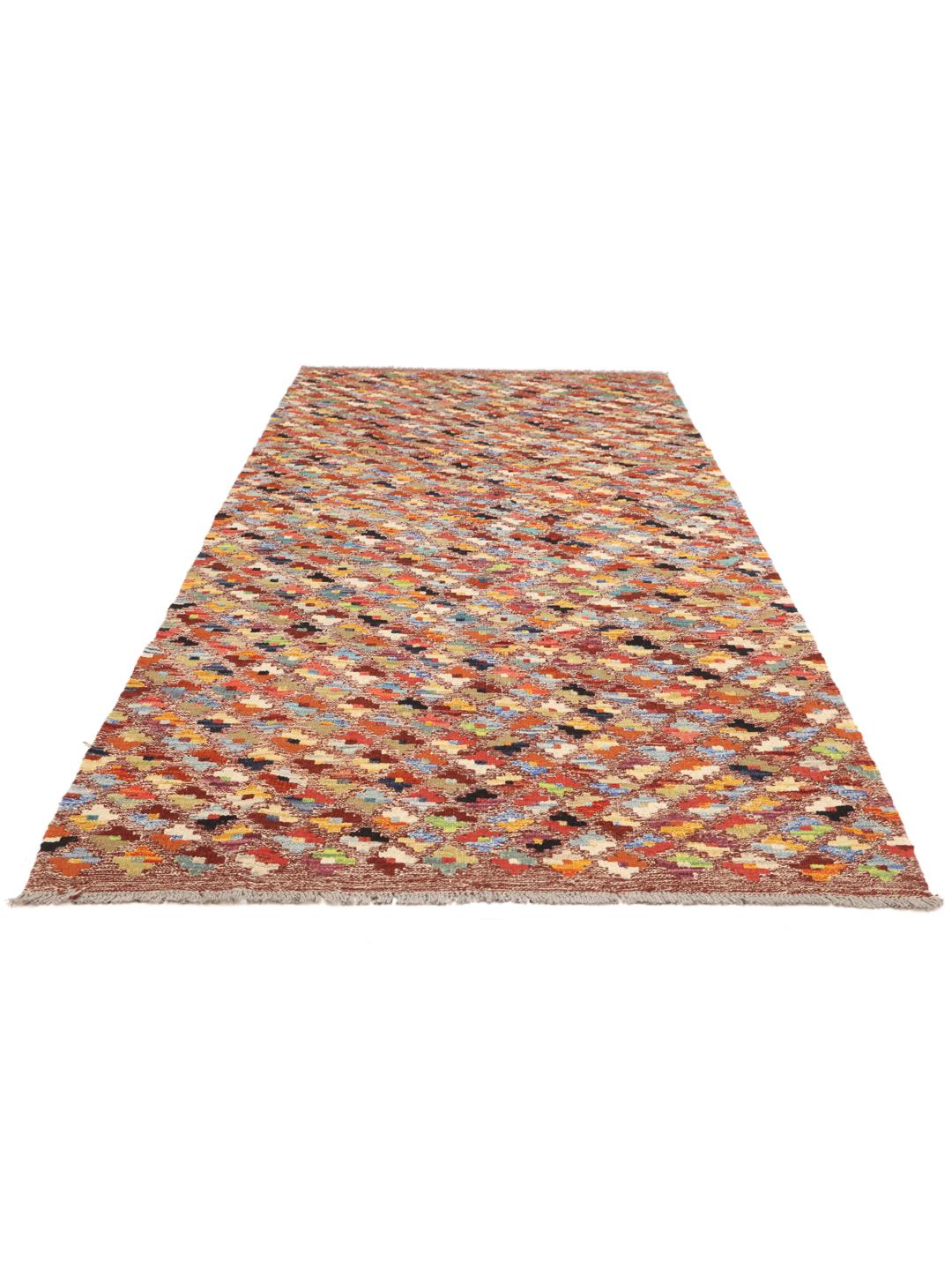
Visually, these rugs are defined by their vibrant, geometric language. The traditional motifs often include diamonds, triangles, and abstract shapes, which are arranged in rhythmic, repetitive patterns. The colour palettes are typically derived from natural dyes, giving them a rich, earthy saturation that ages gracefully. This particular rug captures that classic aesthetic, featuring a dynamic layout that highlights the weaver's ability to balance complex patterns with a sense of order.
Owning an authentic Afghan Kelim is an investment in cultural heritage. Collectors value these pieces not only for their visual beauty but for the skill required to produce them without the aid of modern machinery. By bringing a Kelim into your home, you are participating in a tradition of craft that honours the history of the region and the individual artisans who keep these ancient techniques alive.