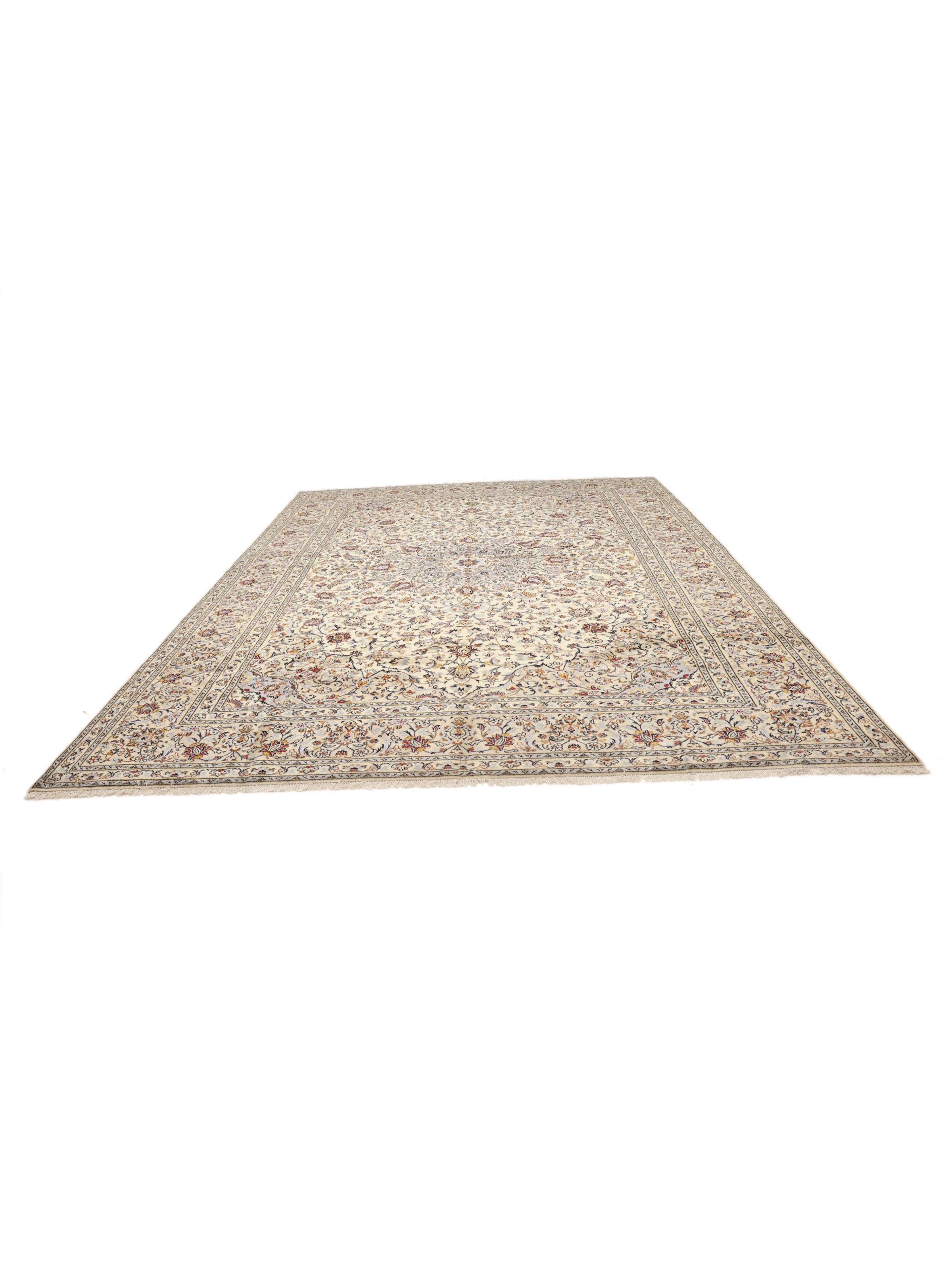
Keshan rugs originate from the historic city of Kashan in the Middle East, a region long celebrated for its exceptional contributions to textile art. Historically, the area was a key stop along the ancient trade routes, allowing local weavers to draw inspiration from diverse cultures and refined aesthetic traditions. This cross-pollination of ideas helped establish the city as a centre for weaving excellence, where the art of the rug was elevated to a high form of cultural expression.
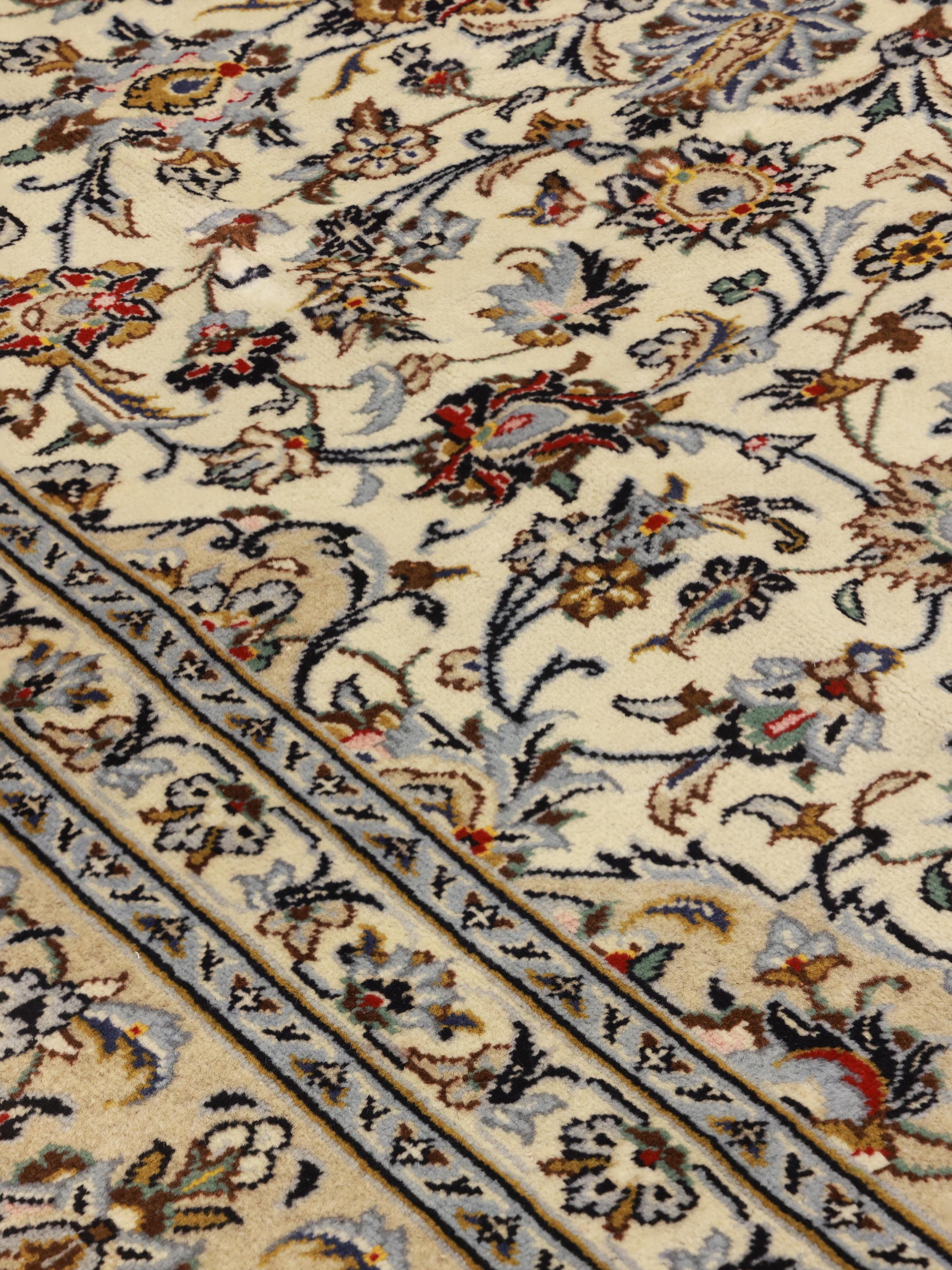
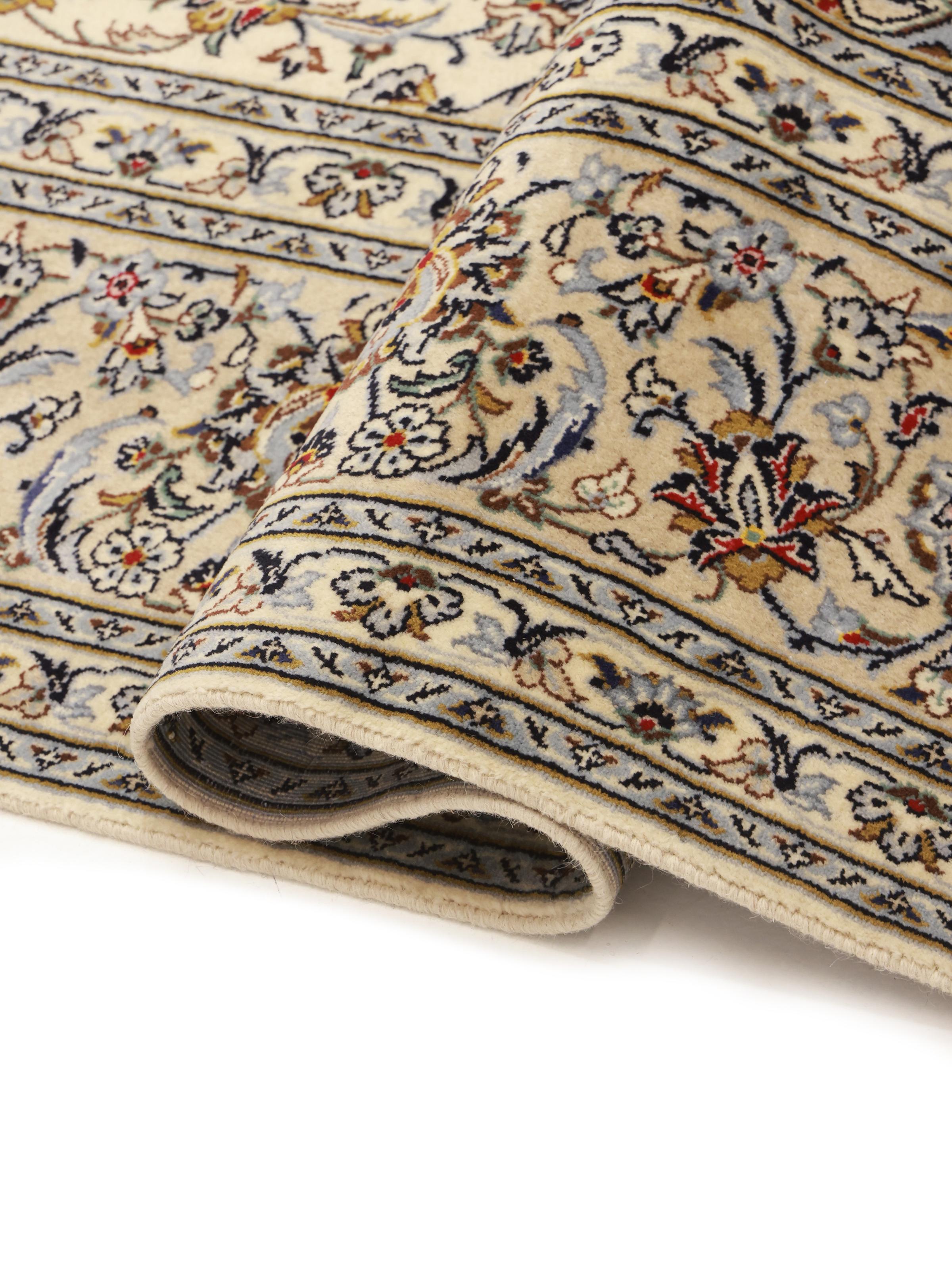
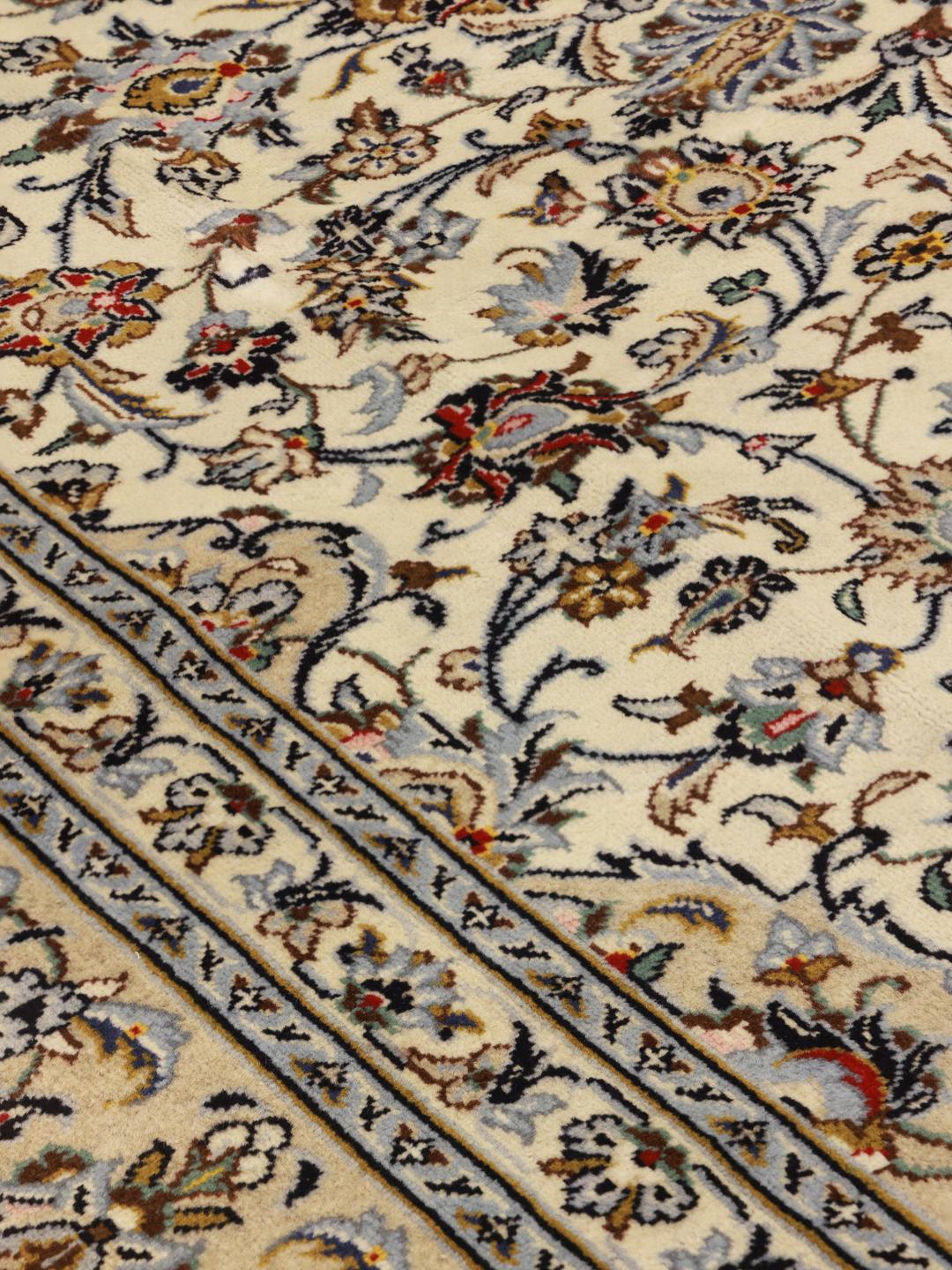
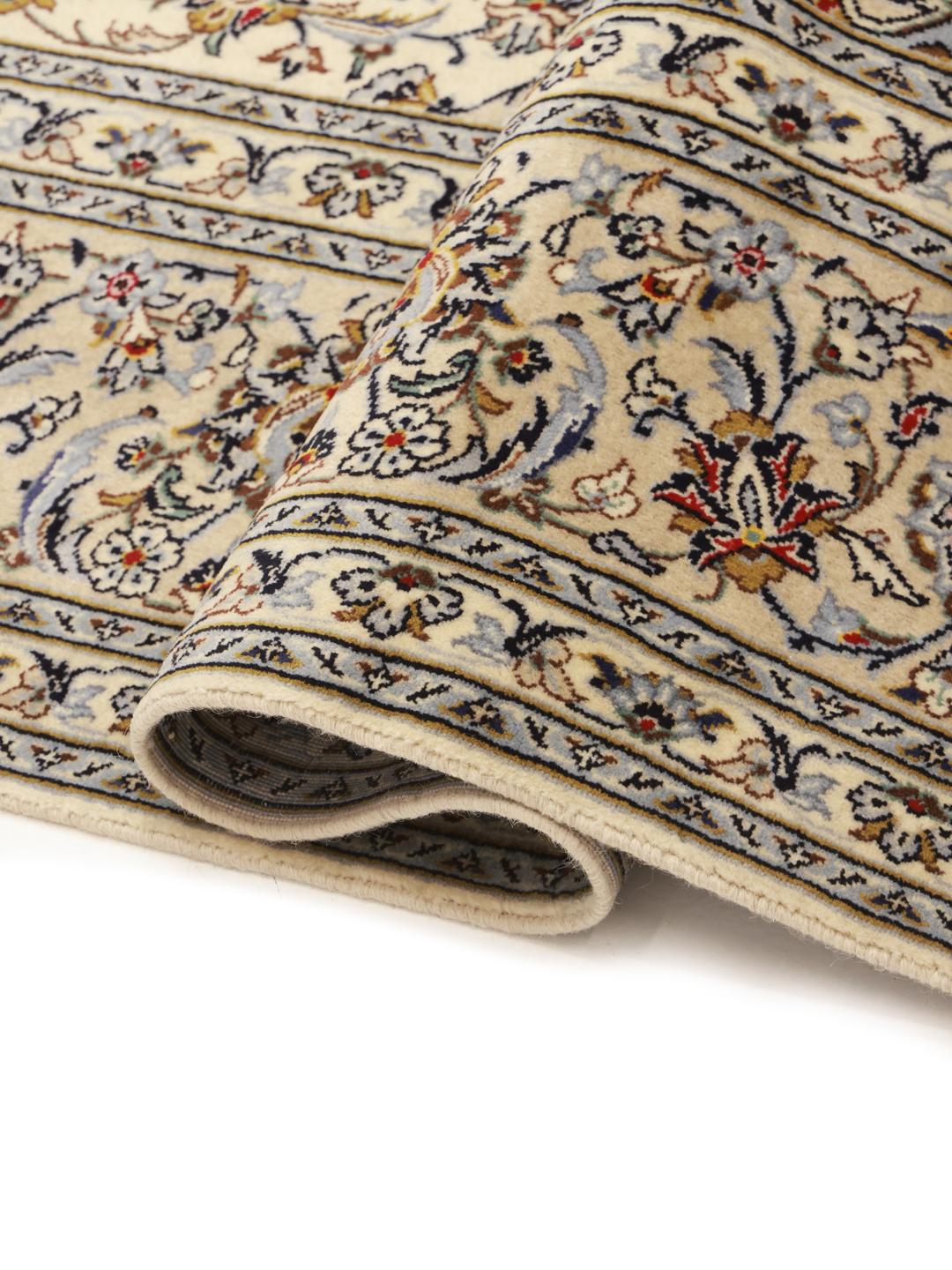
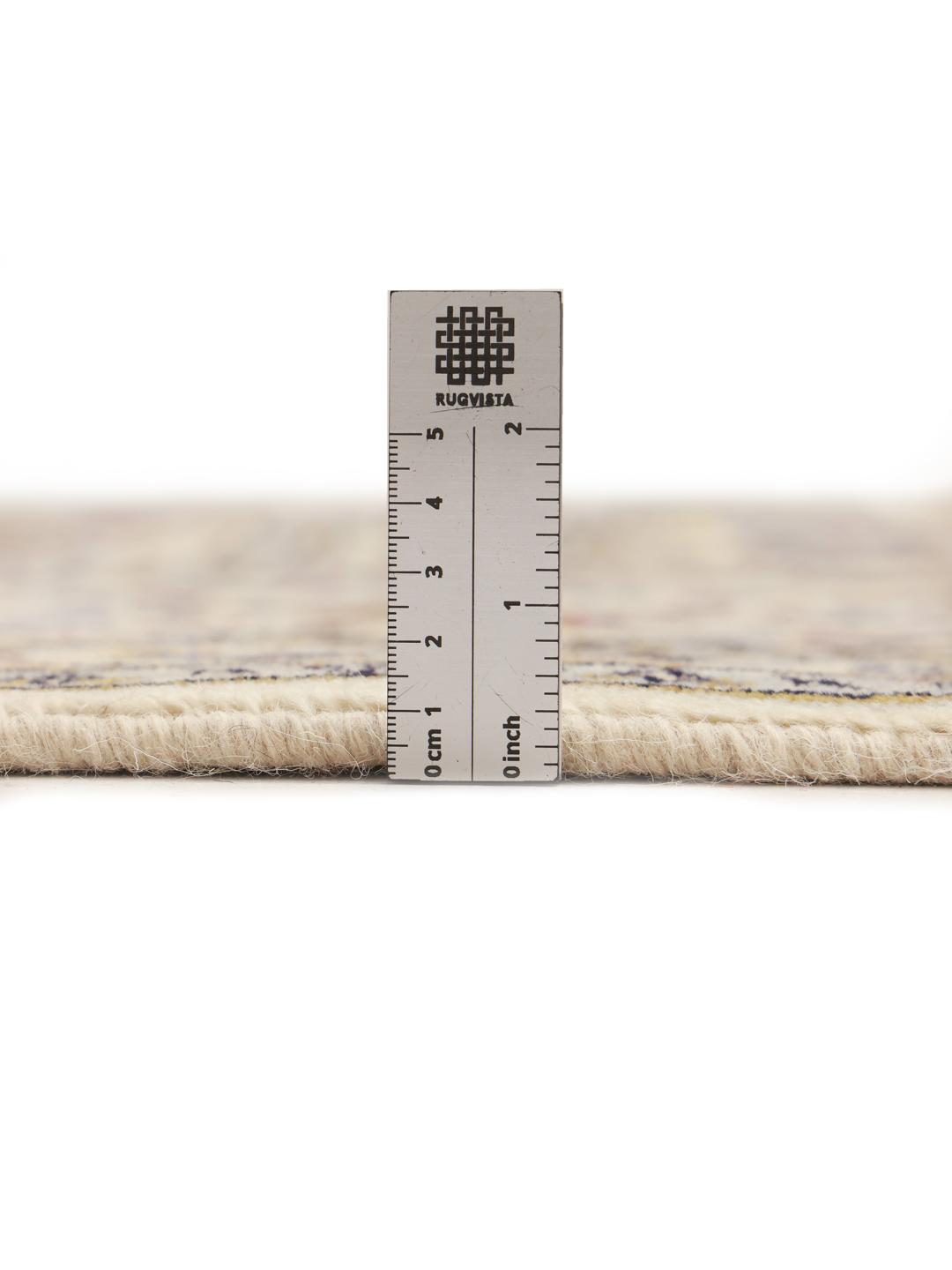
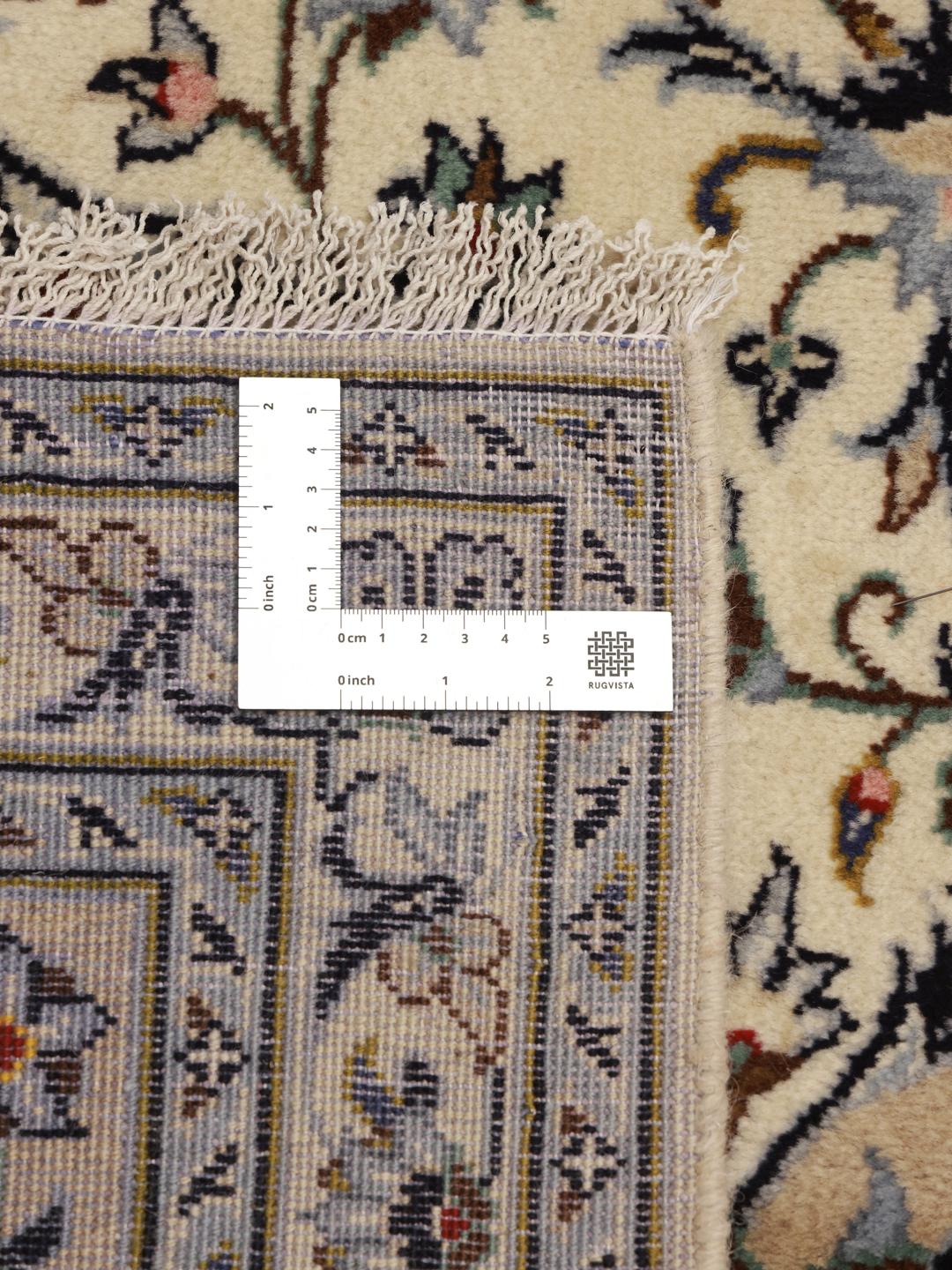
The term Keshan has become synonymous with a specific standard of quality and design. Traditionally, these rugs are defined by their sophisticated construction, which focuses on achieving a dense, soft pile that feels as good as it looks. The use of premium materials, combined with time-honoured weaving techniques, ensures that these rugs are not only visually striking but also structurally sound, capable of enduring for decades while maintaining their lustre and softness.
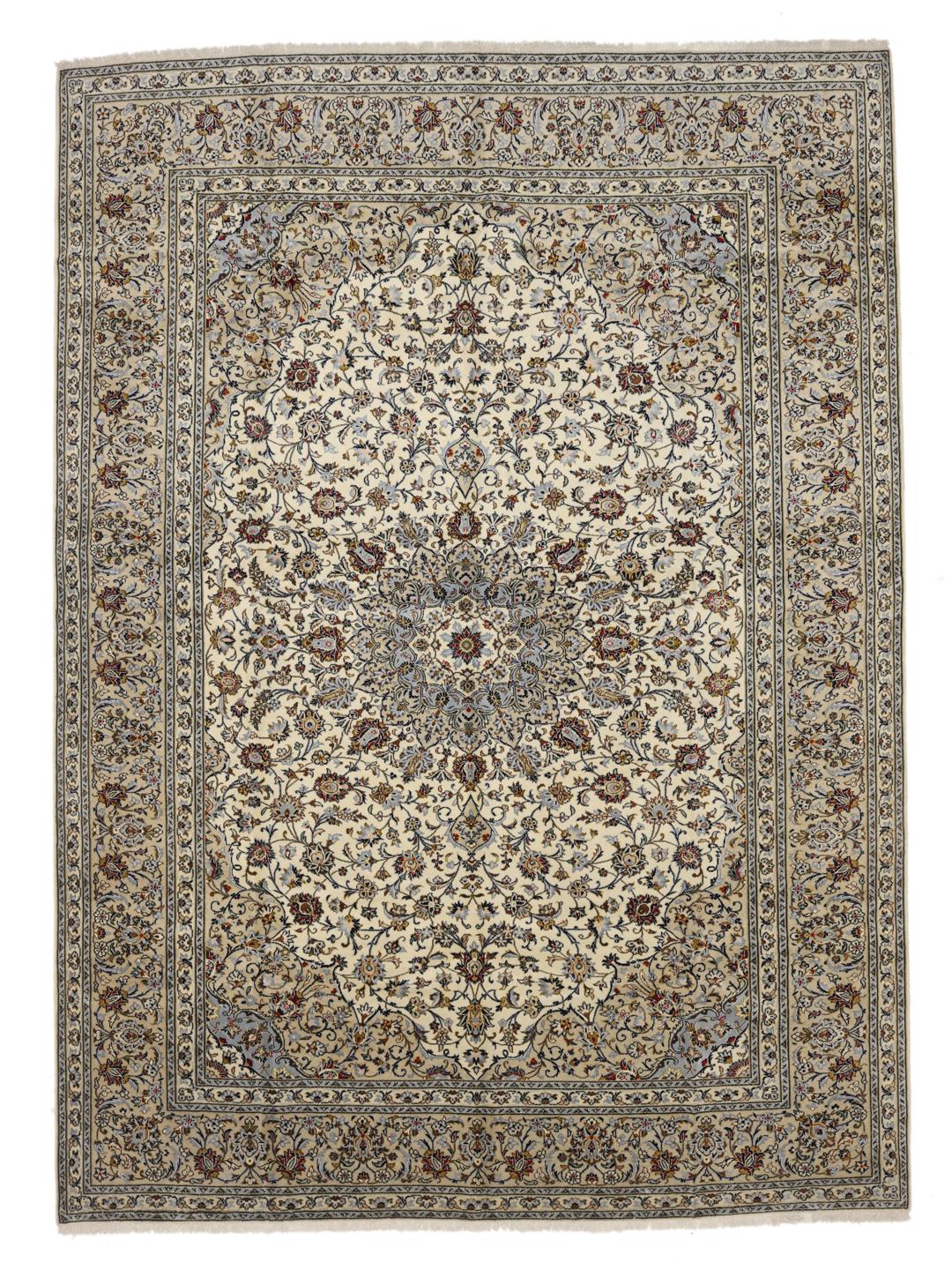
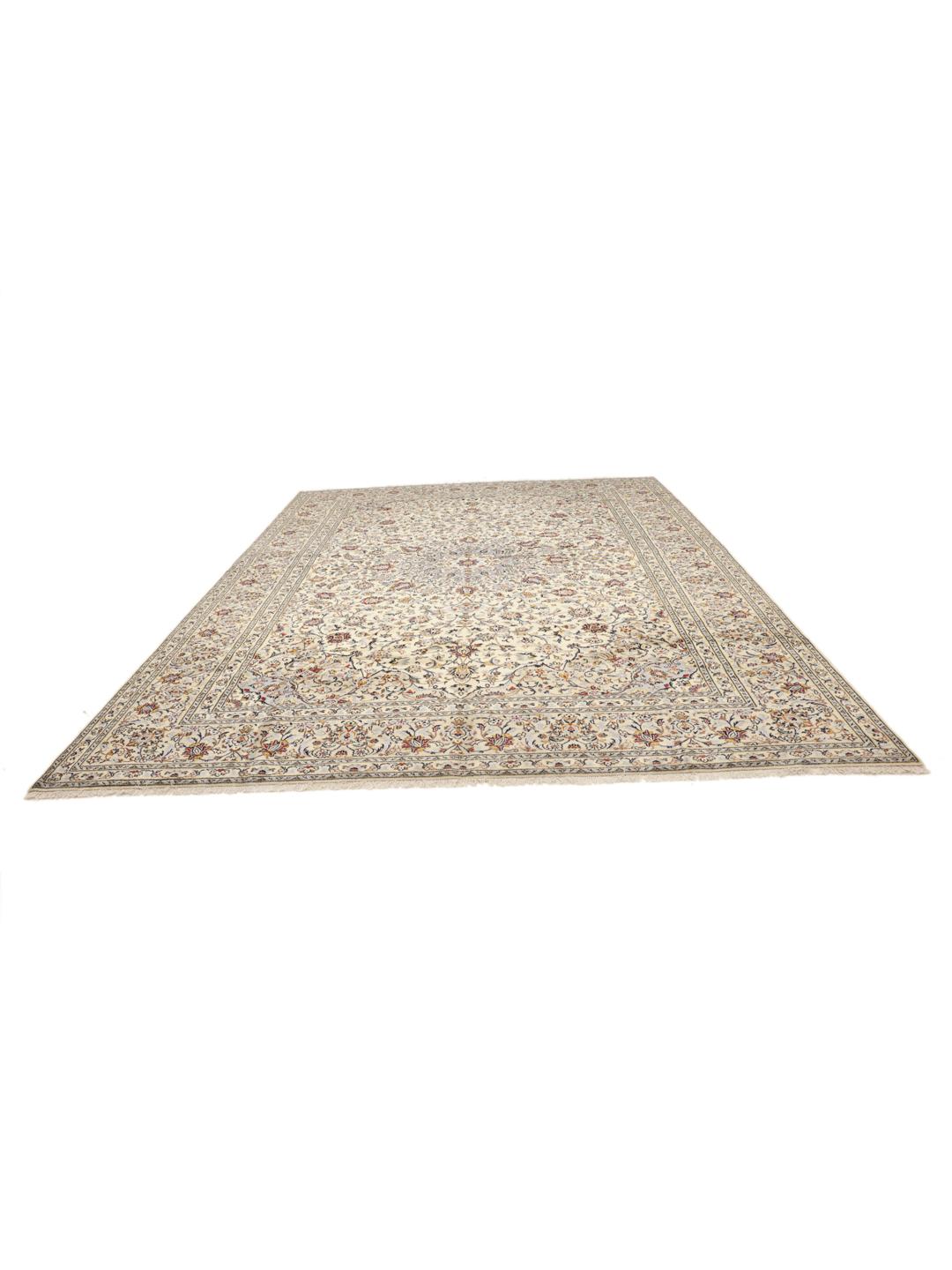
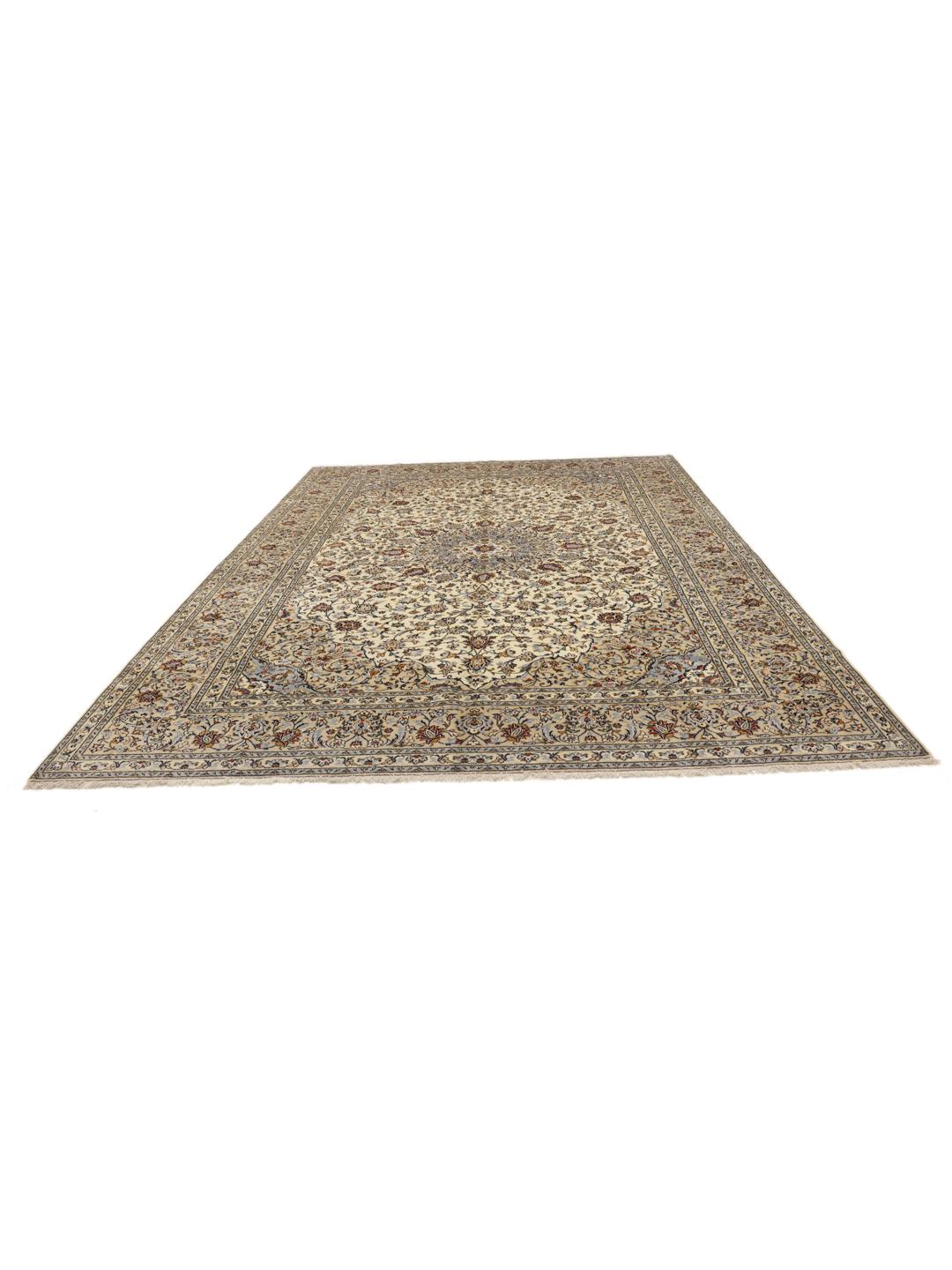
Visually, the Keshan style is instantly recognisable for its formal beauty. The design typically features a grand central medallion surrounded by a sea of intricate floral motifs, arabesques, and scrolling vines. The borders are often just as detailed, framing the field with repeating patterns that draw the eye inward. While the classic palette often includes deep, rich tones, the beige background of this particular piece offers a lighter, more versatile aesthetic that fits seamlessly into contemporary homes.
Owning a piece from this tradition is about more than just floor decor; it is about preserving a legacy of skill and heritage. Collectors value these rugs for their ability to bring a sense of history and gravitas into a space. Each rug acts as a testament to the weaver's dedication, representing a bridge between the ancient traditions of the Middle East and the modern home. It is a rare opportunity to own a tangible piece of art that carries such deep cultural and artistic significance.