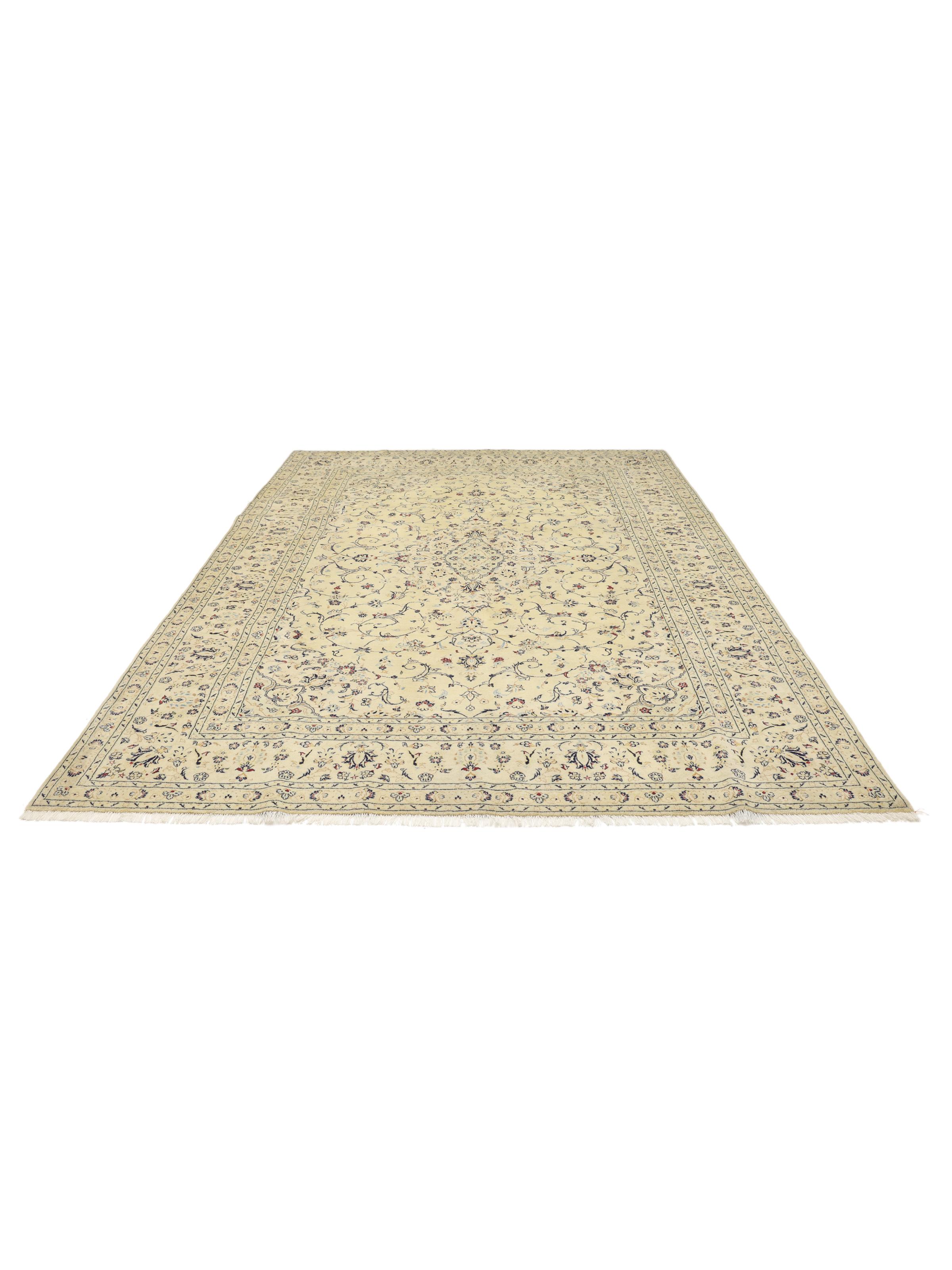
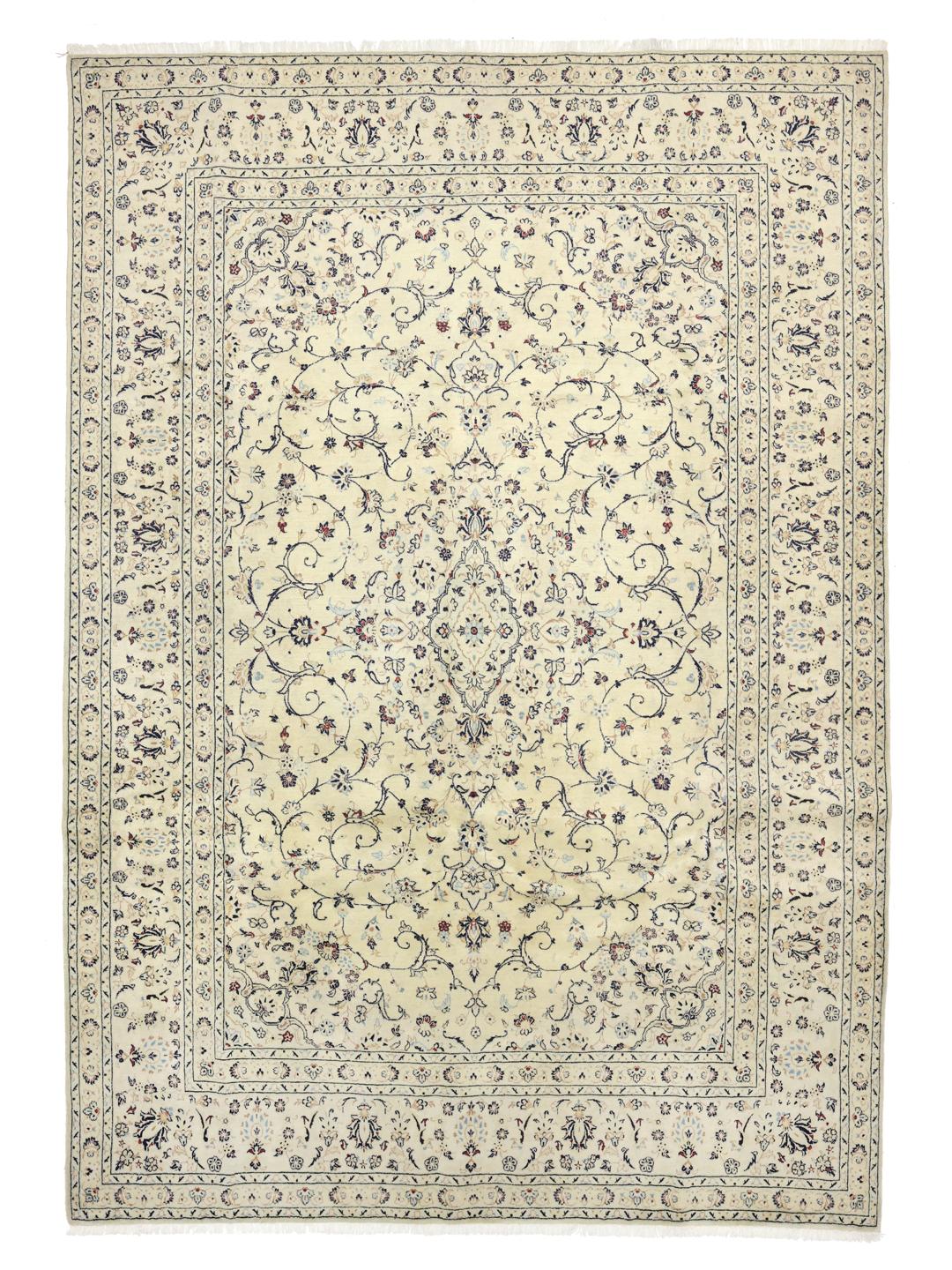
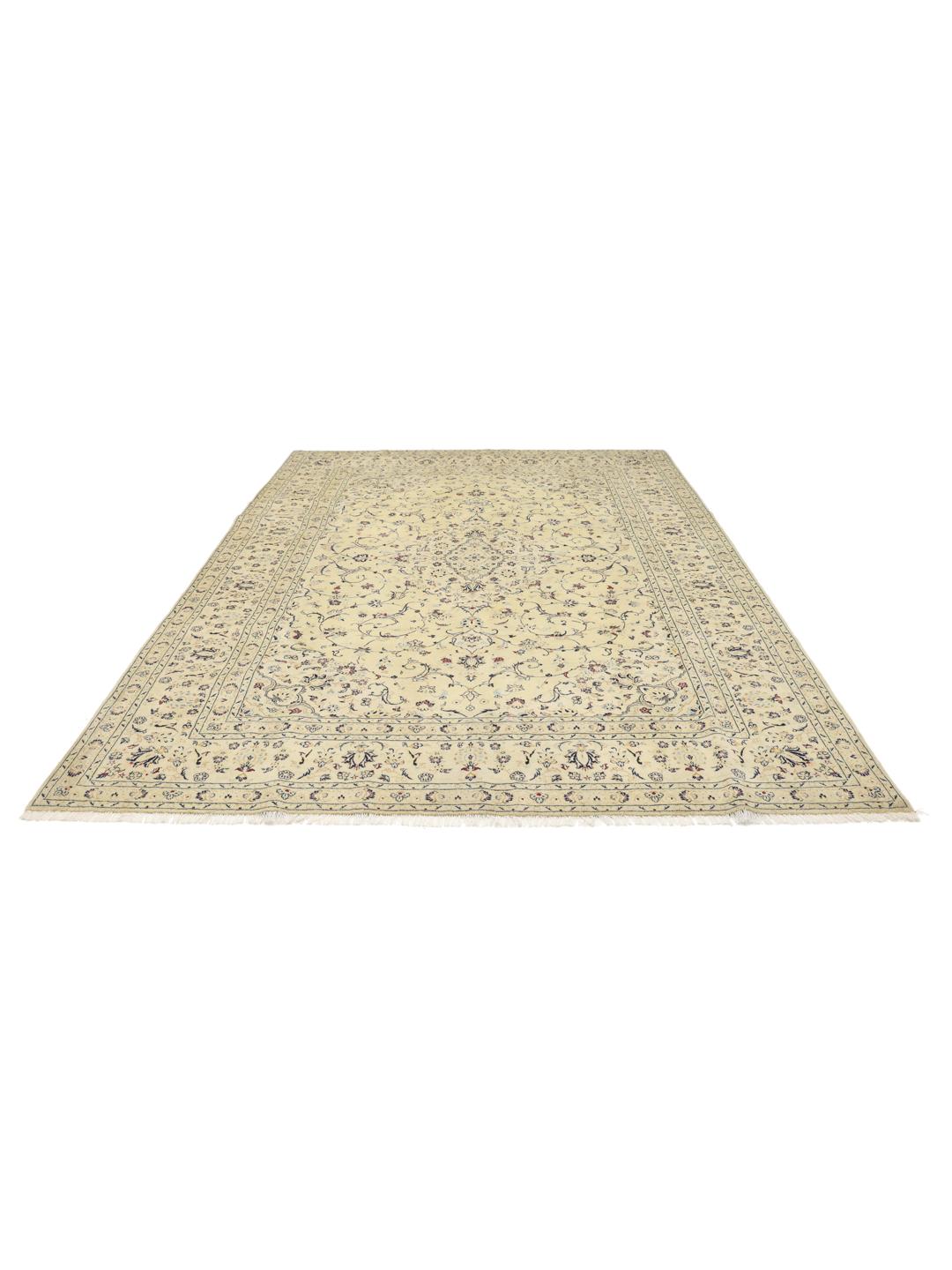
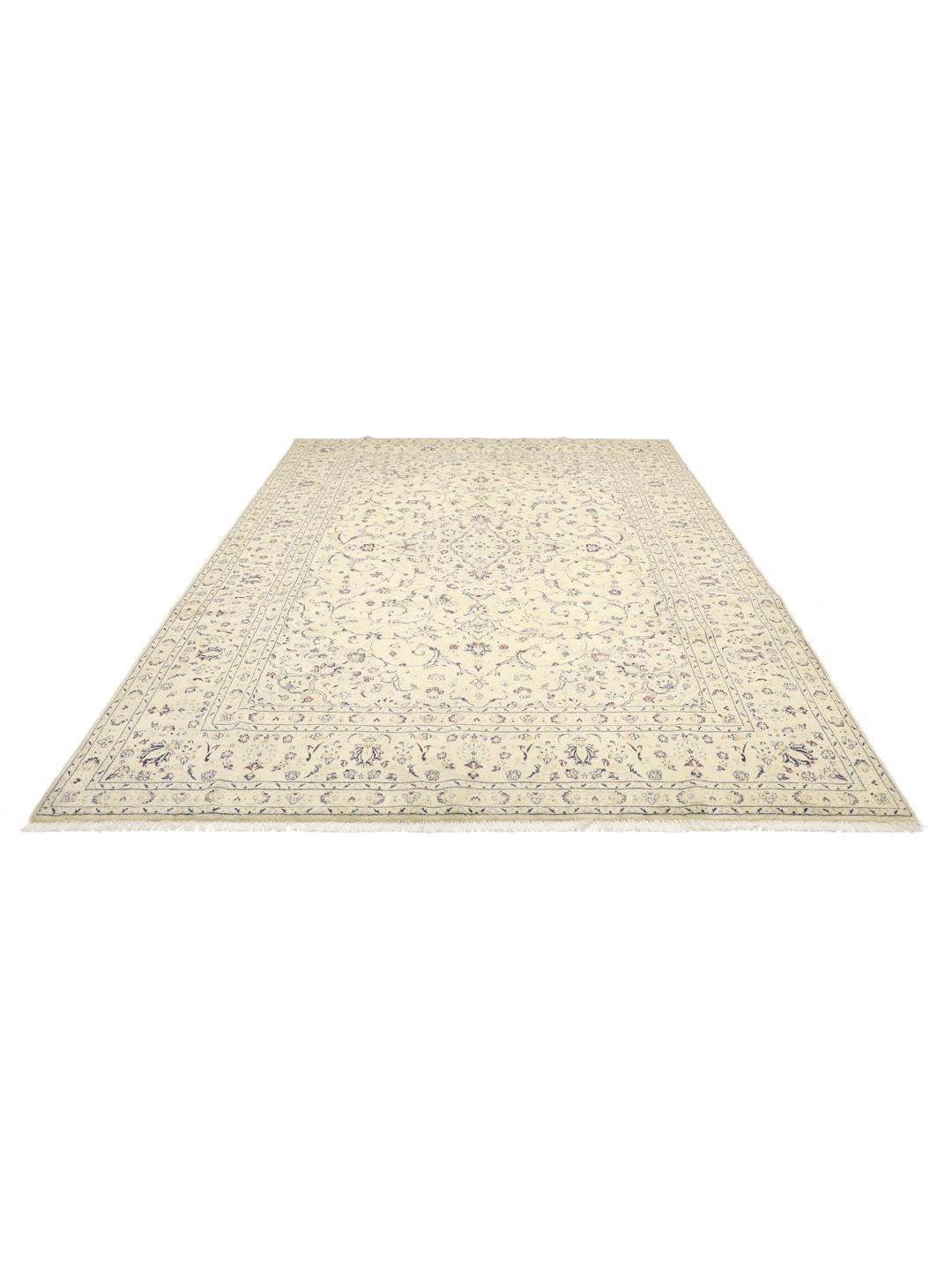
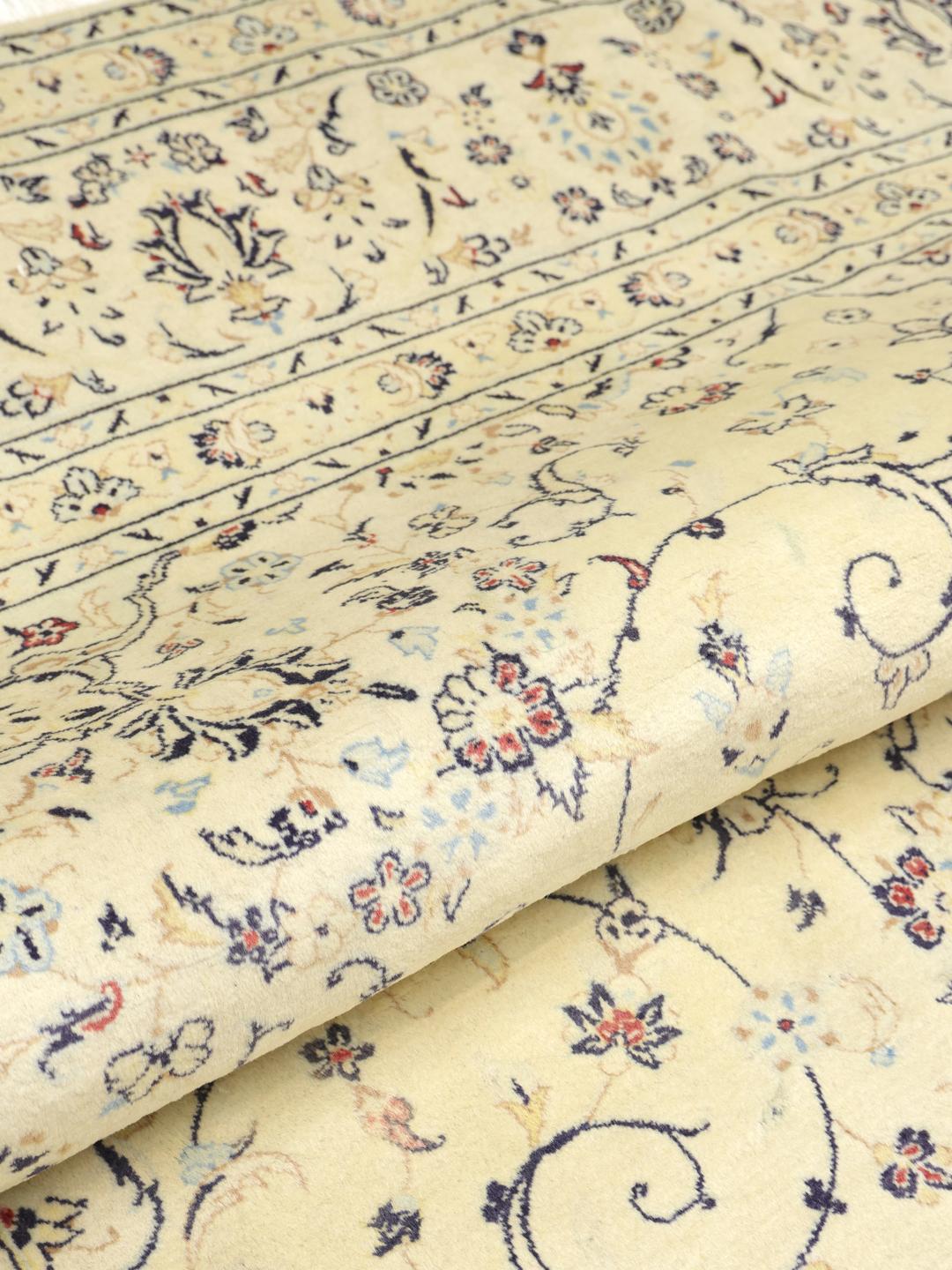
The Keshan rug tradition hails from the historic city of Kashan, a desert oasis that has been a centre of artistic production for centuries. Historically, these rugs were highly esteemed for their fine weave and sophisticated designs, often adorning royal palaces and elite homes across the Middle East. The craft has evolved over generations, with modern weavers continuing to honour these ancient techniques while producing pieces that remain highly sought after by collectors worldwide.
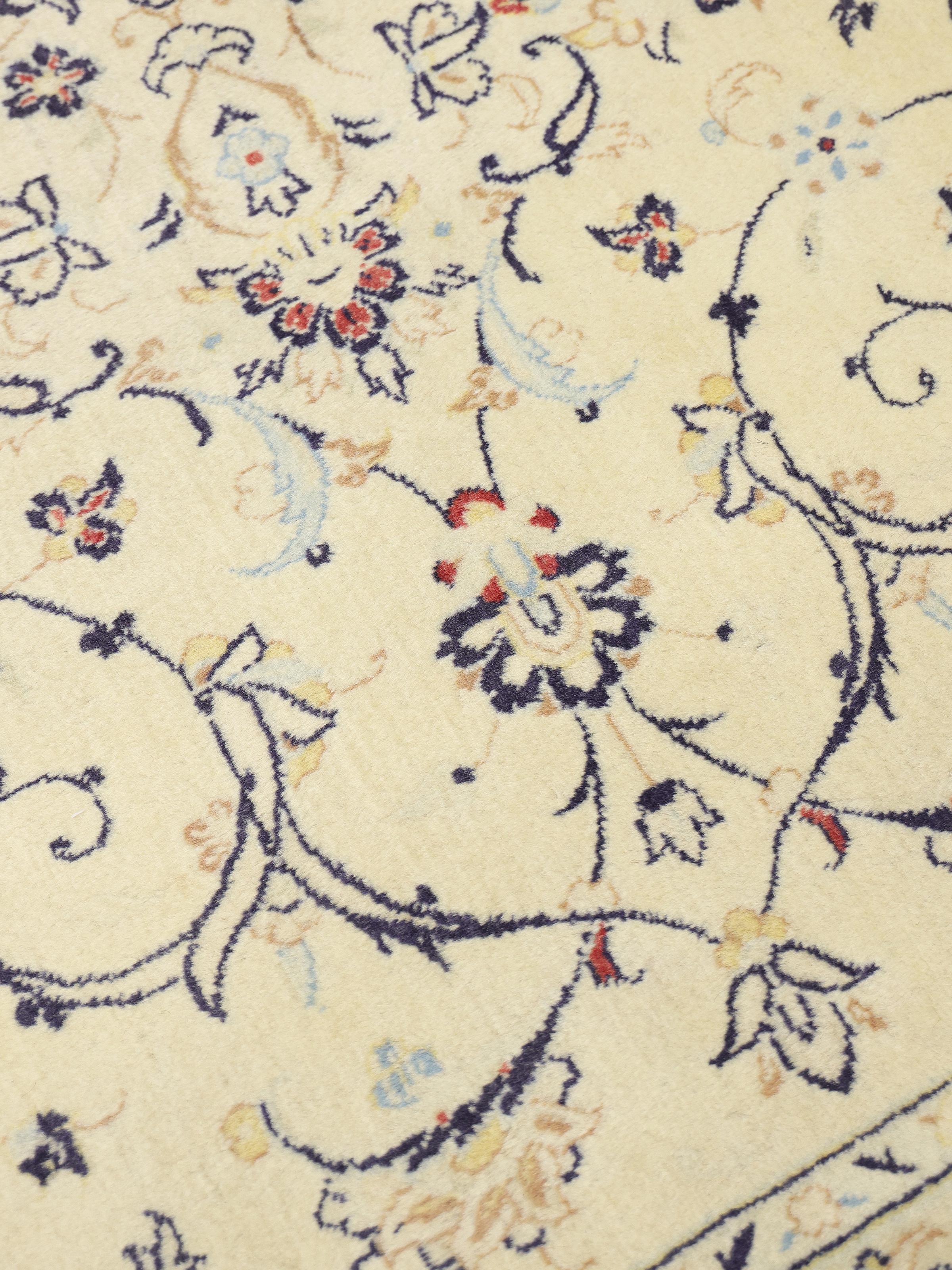
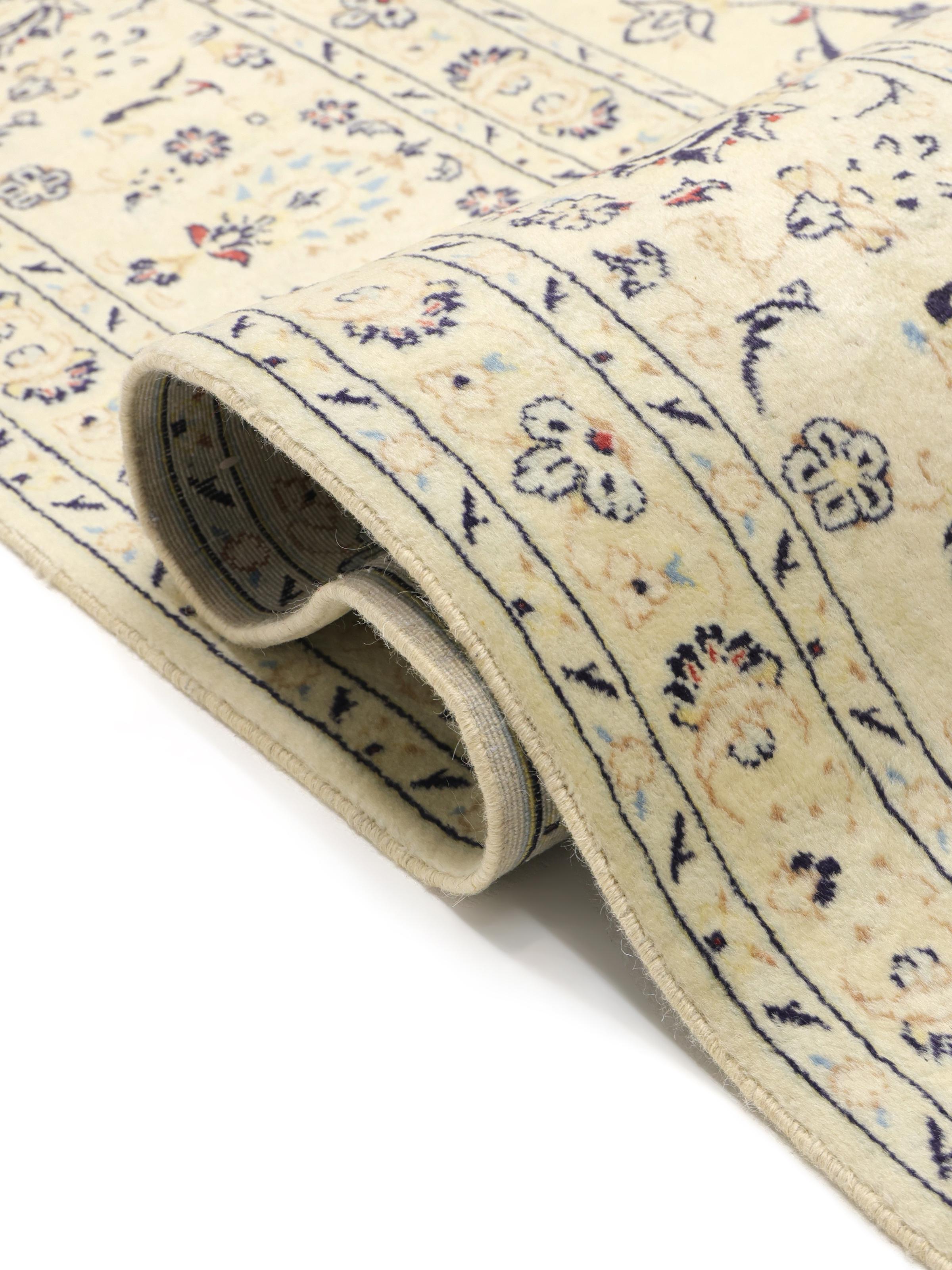
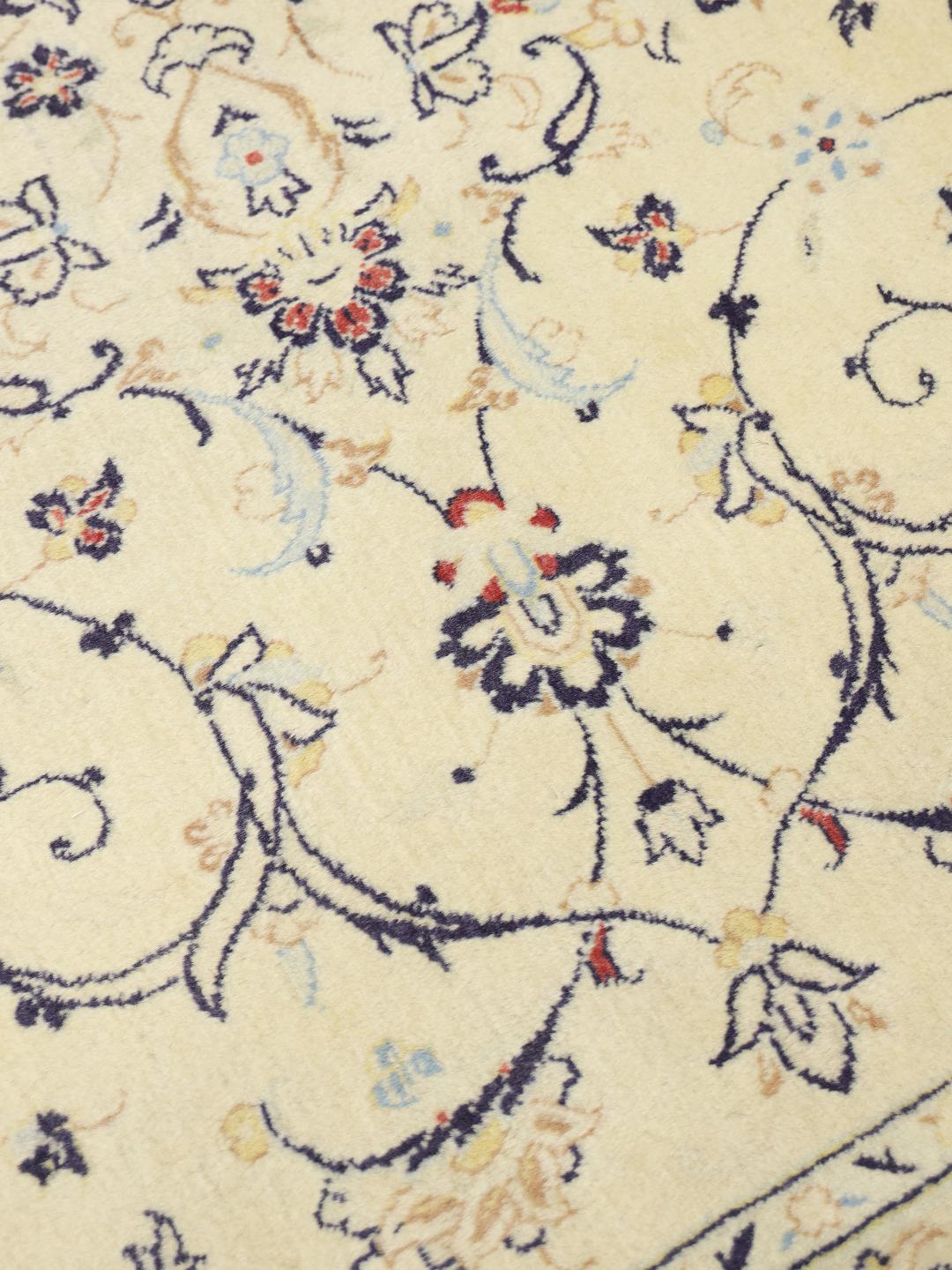
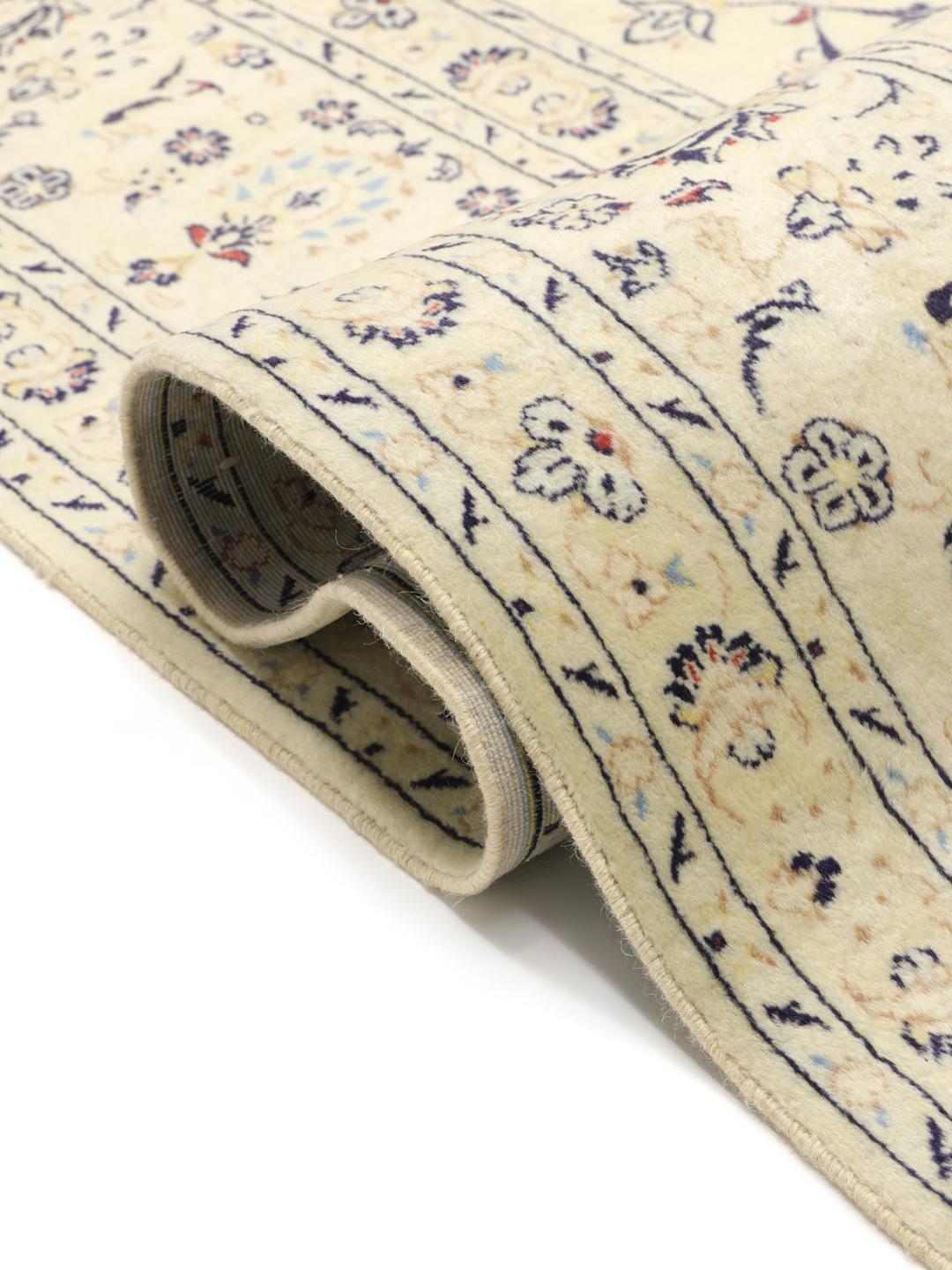
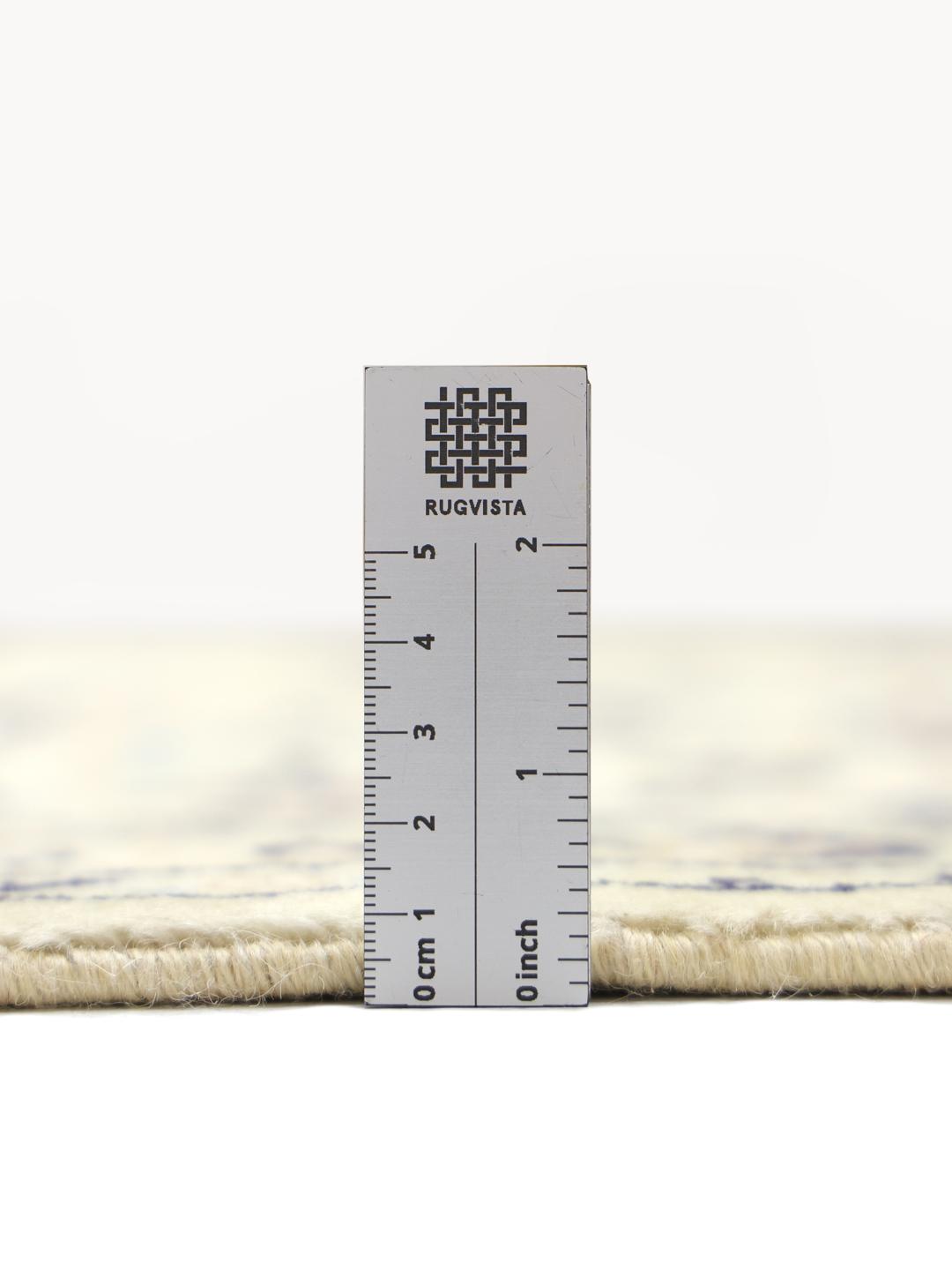
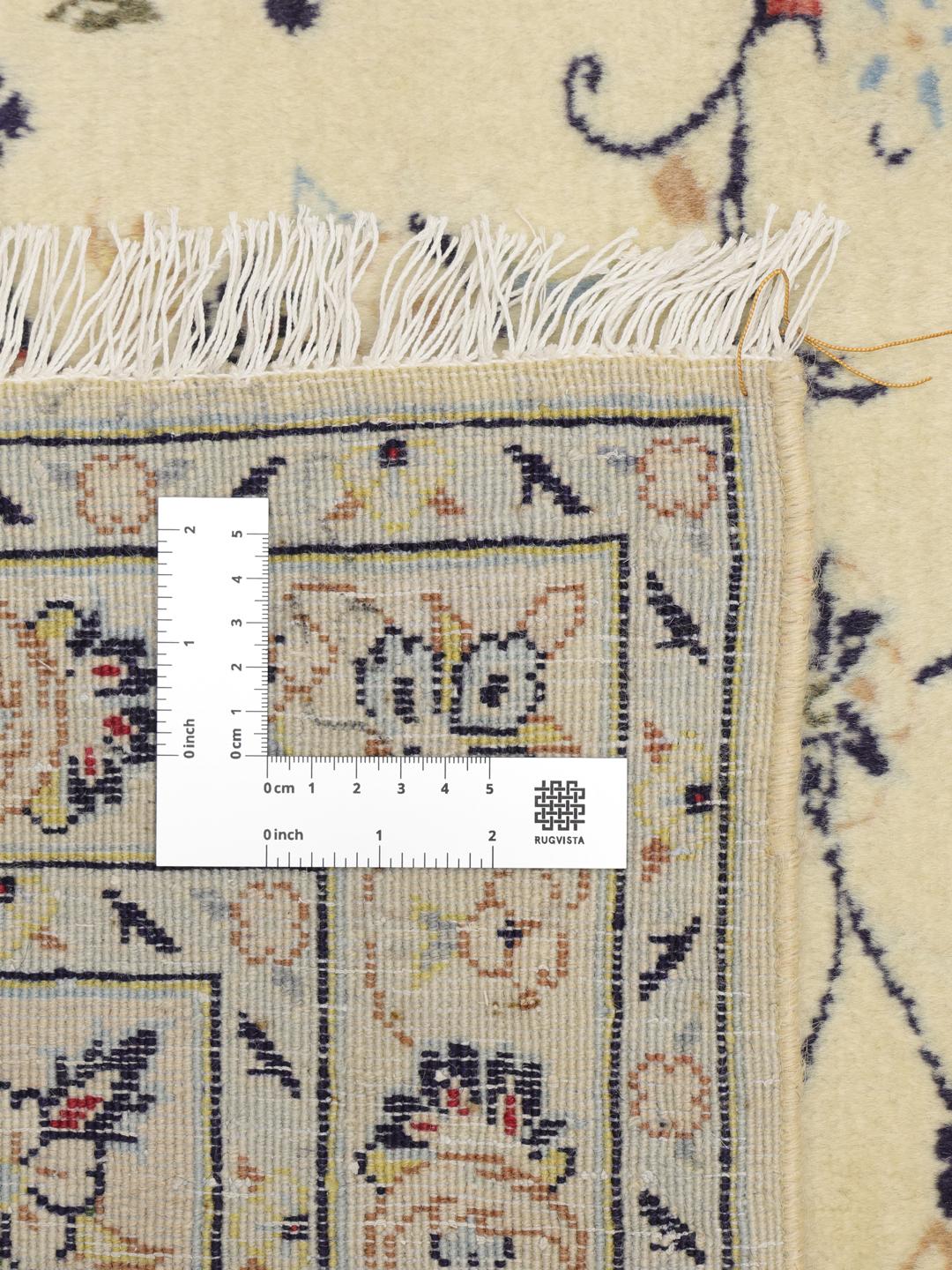
The term hand-knotted refers to the traditional method where each knot is individually tied to the foundation, a process that creates a highly durable and long-lasting fabric. This technique allows for the creation of intricate, curved designs that are difficult to achieve with other methods. The wool pile, when knotted in this way, gains a beautiful lustre and a depth of colour that ages gracefully, developing a unique character that only improves as the rug settles into its environment.
Signature design elements of the Keshan style often include a prominent central medallion, which acts as the heart of the rug, surrounded by elaborate floral arrangements and vines. The borders are typically formal and ornate, framing the central field with precision. This specific rug reflects these traditions, showcasing a harmonious balance between the central motifs and the surrounding patterns, which creates a look of timeless order and aesthetic depth.
Owning a piece from this tradition is an investment in cultural heritage and refined skill. These rugs are valued not just for their visual appeal, but for the human story embedded in every fibre. Collectors treasure them because they represent a pinnacle of artistic expression in textile form, serving as a connection to a long line of master weavers whose work continues to influence contemporary interior design through its enduring elegance and quality.