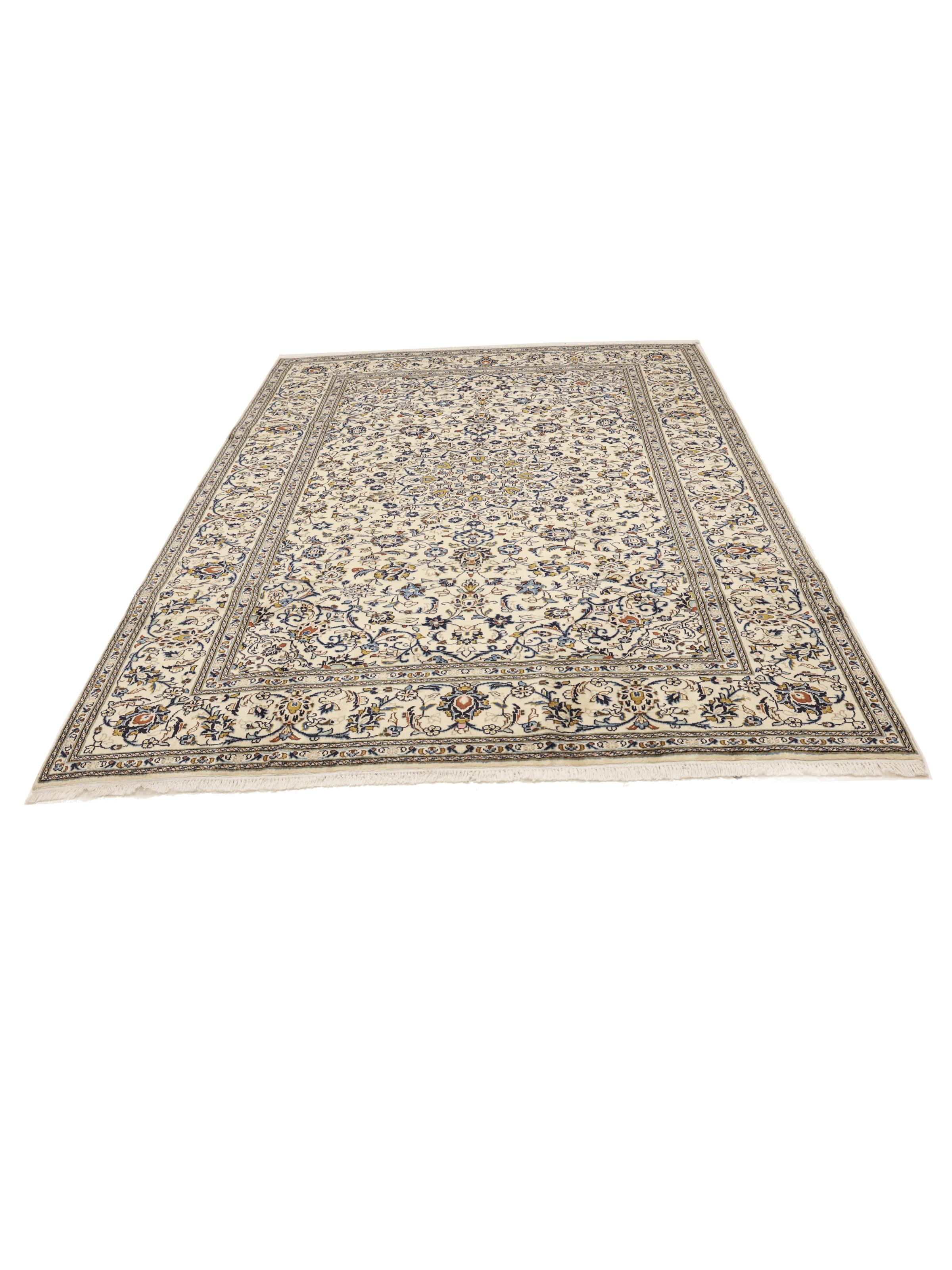
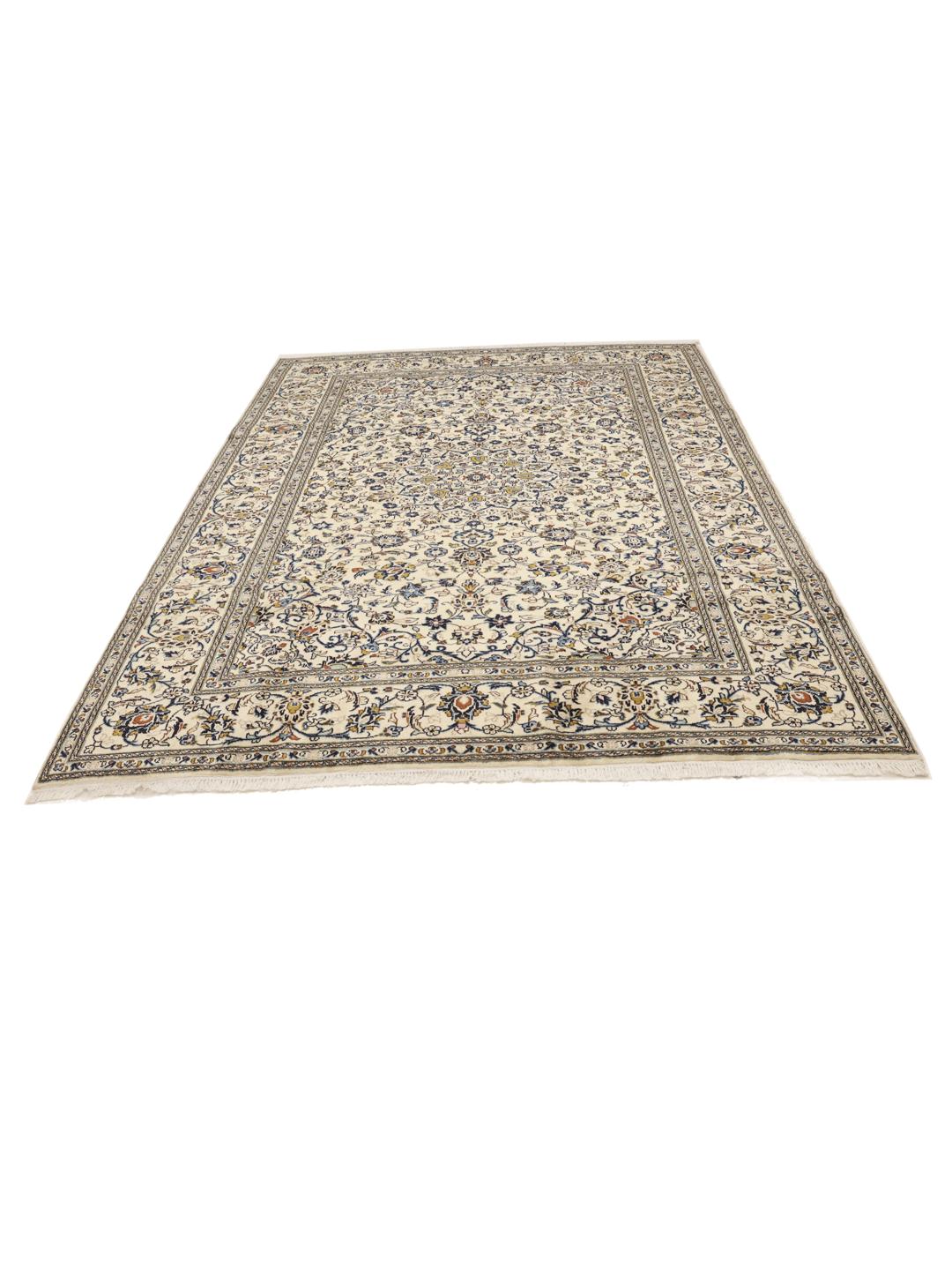
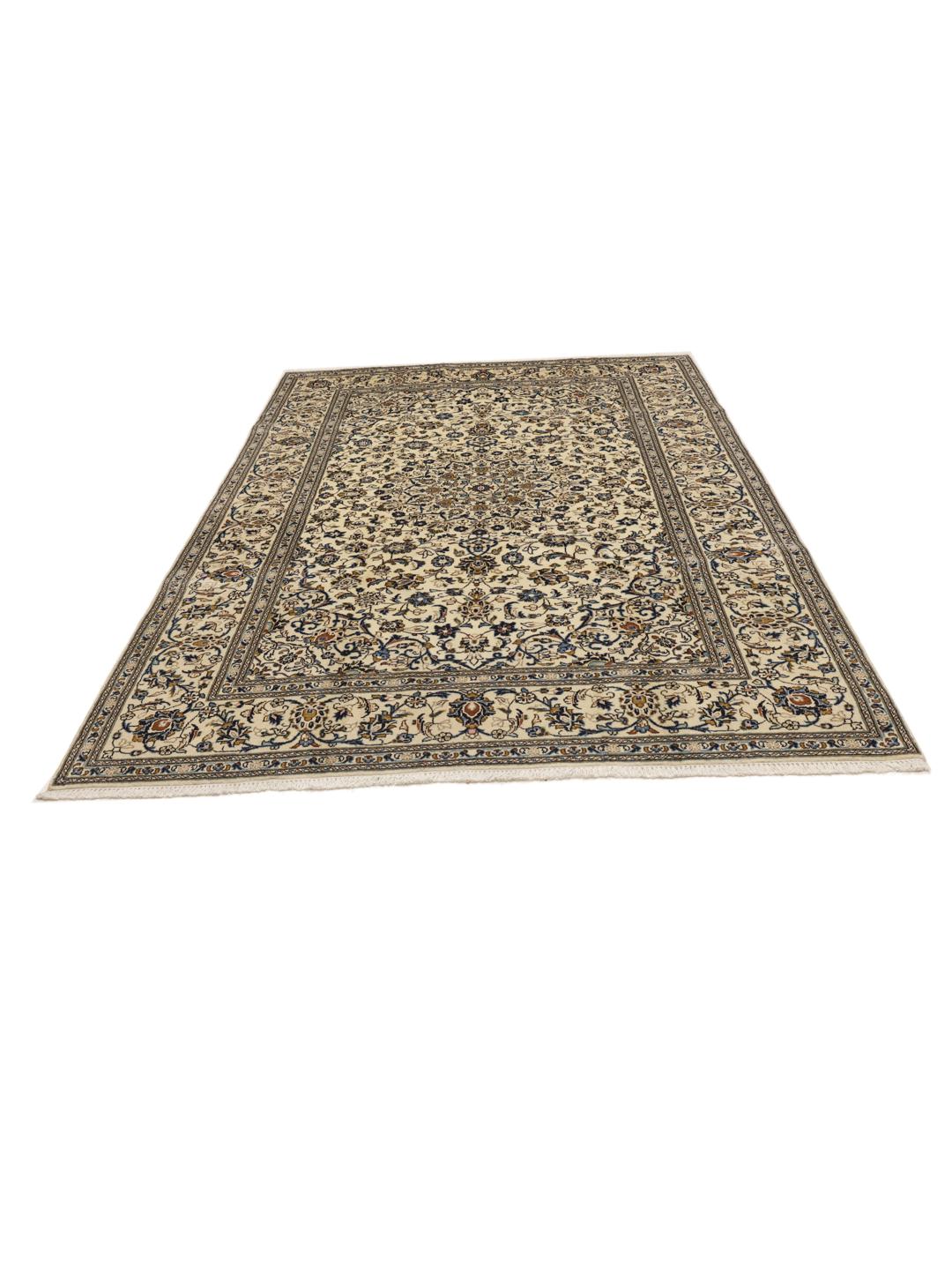
The Keshan rug tradition originates from the historic city of Kashan in the Middle East, a region long celebrated as a centre for textile production and artistic innovation. Historically, the area was a key stop along the Silk Road, which facilitated the exchange of designs, materials, and techniques between diverse cultures, ultimately shaping the refined style we recognise today.
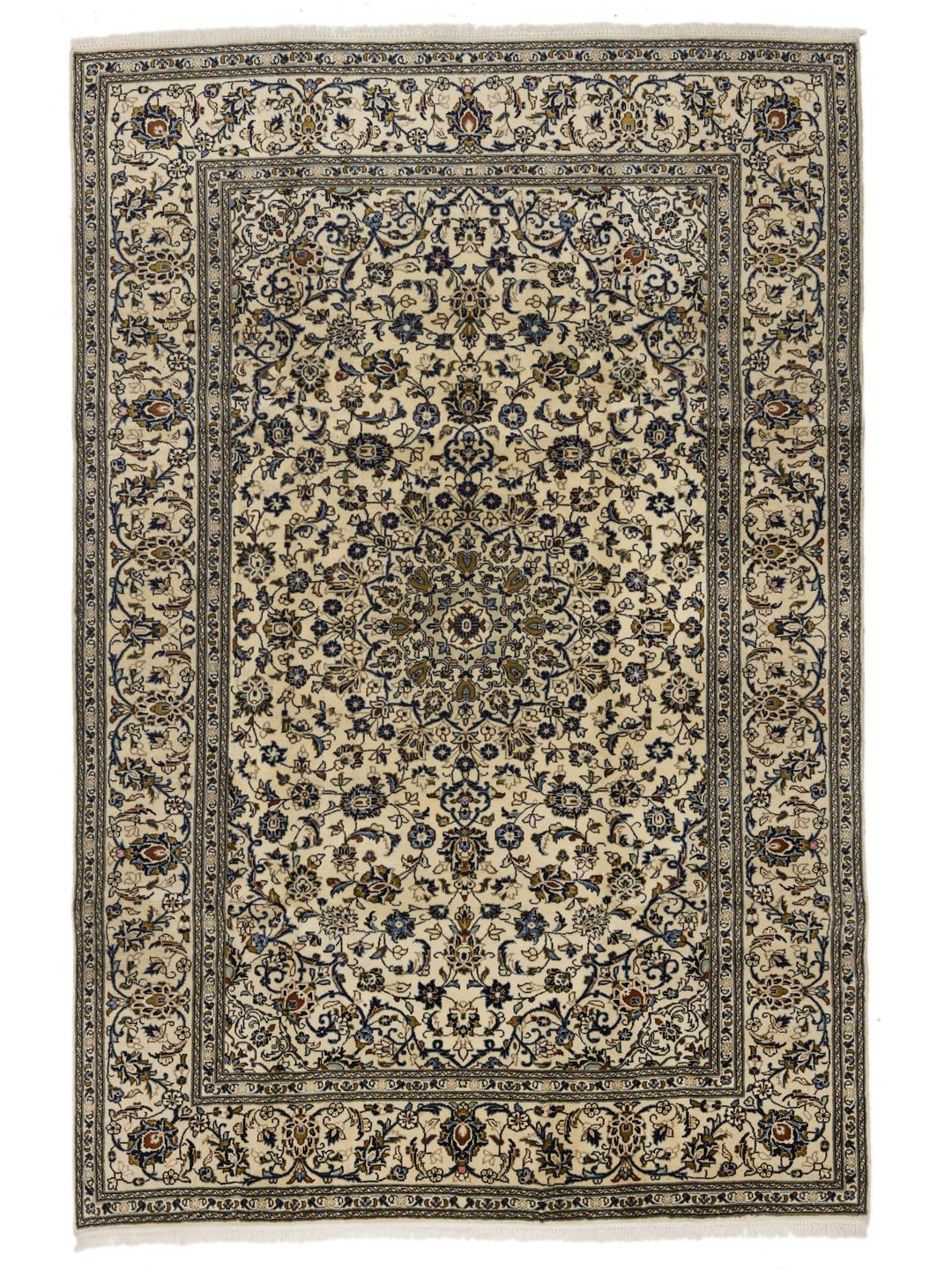
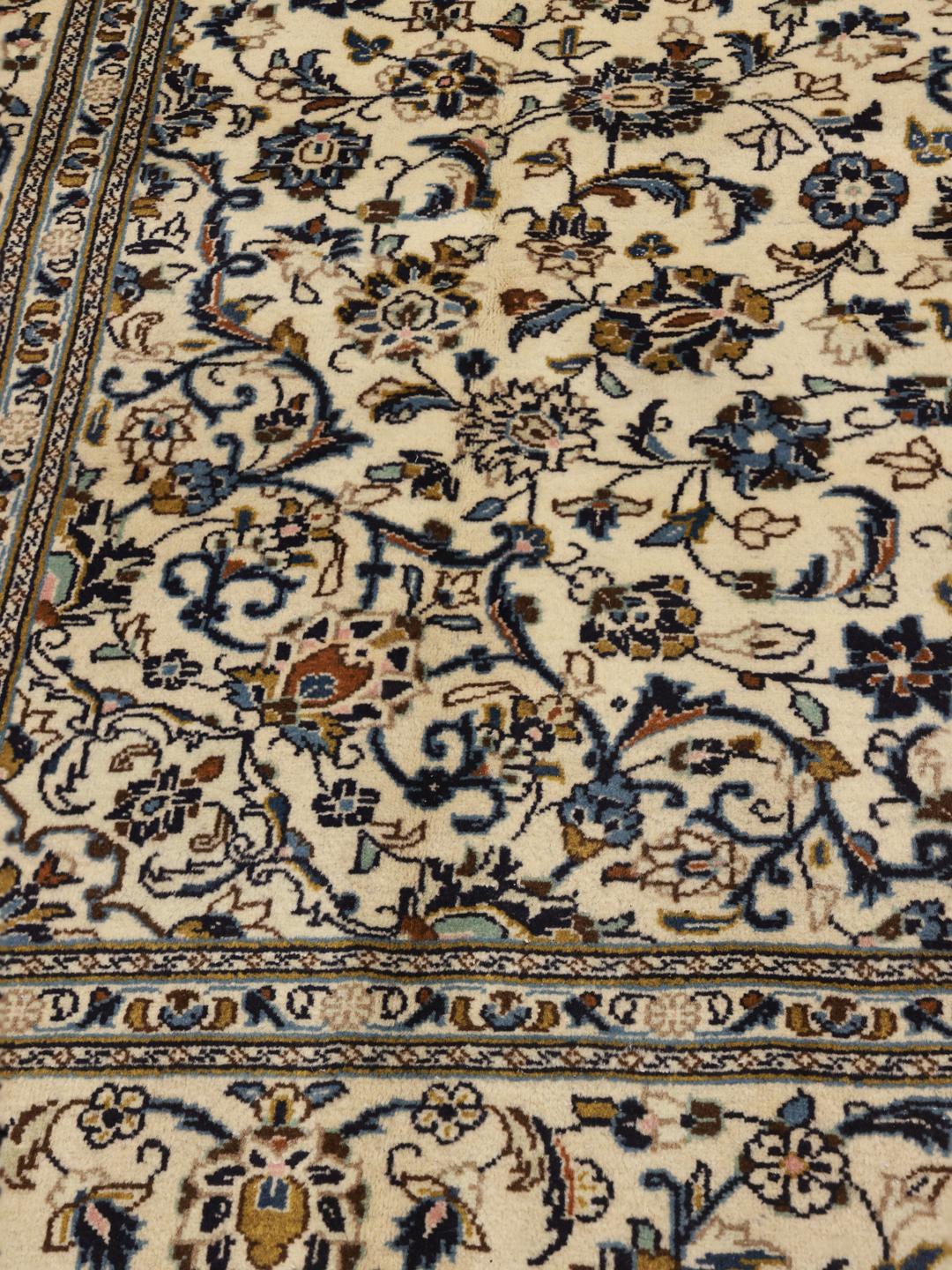
The term Keshan refers to both the origin and the specific design language that has evolved over centuries. These rugs are highly regarded for their balance of complexity and harmony, often utilising a central medallion surrounded by dense, flowing floral vines and palmettes. This classic layout is designed to draw the eye inward, creating a sense of order and beauty.
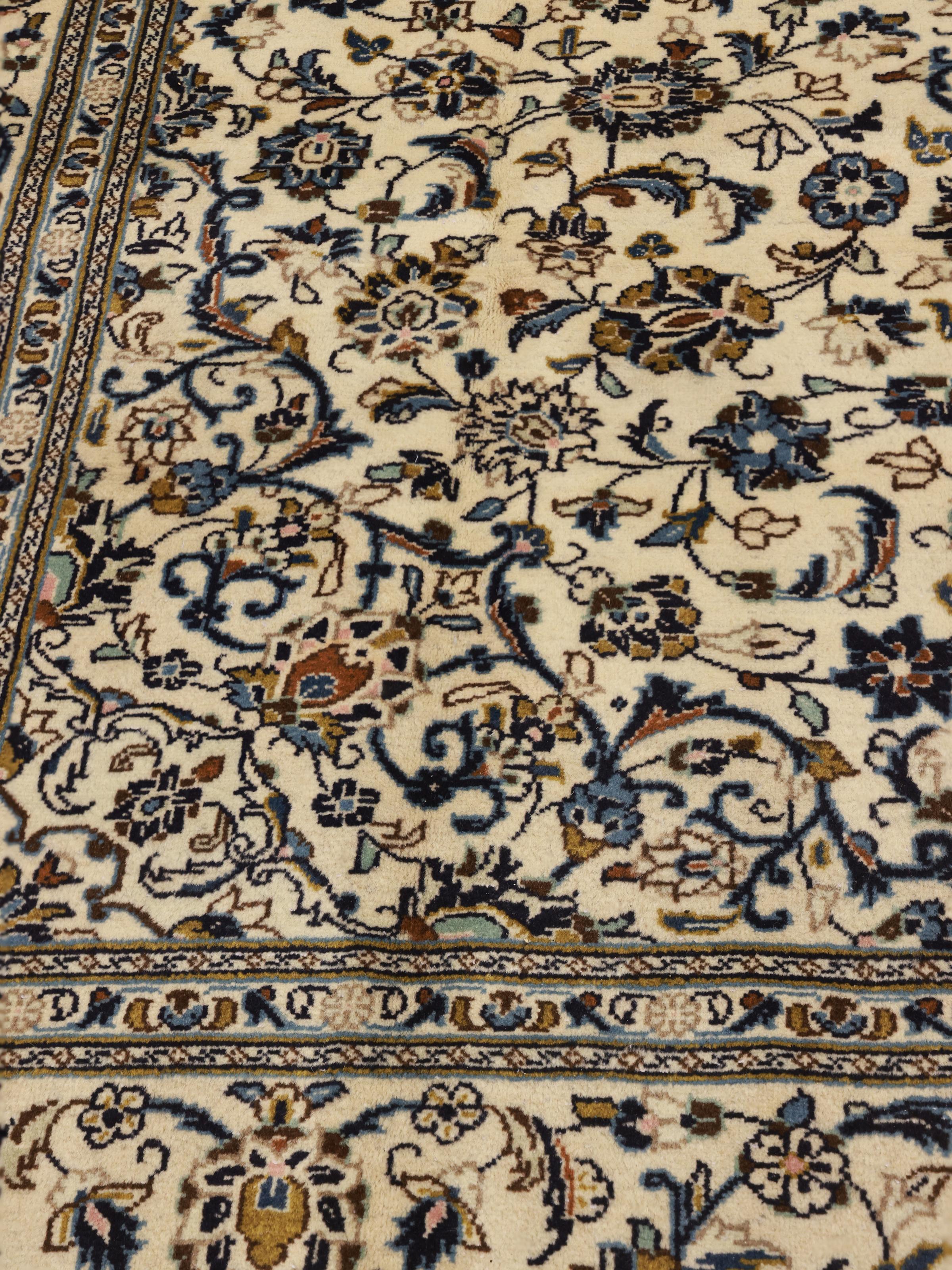
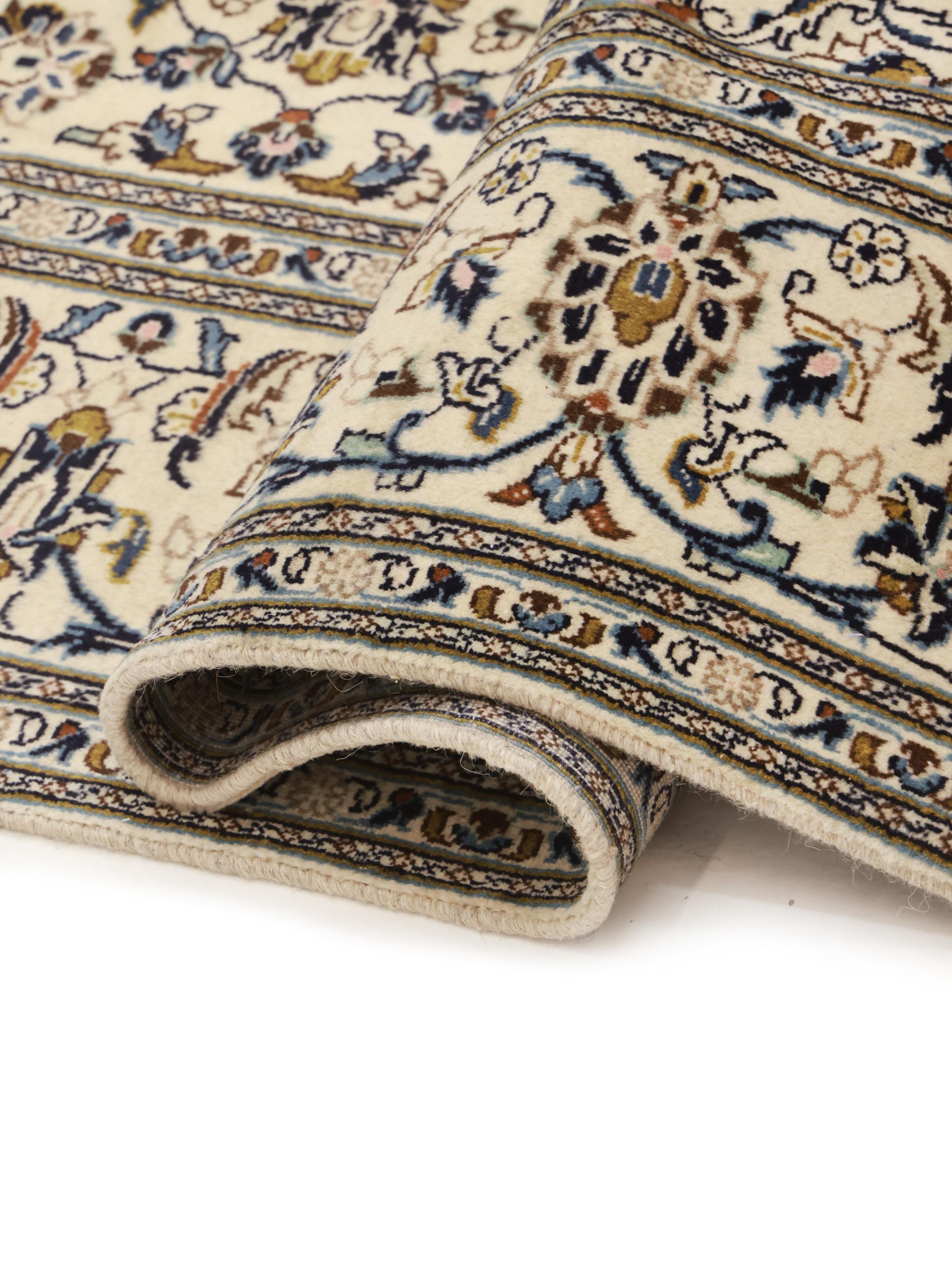
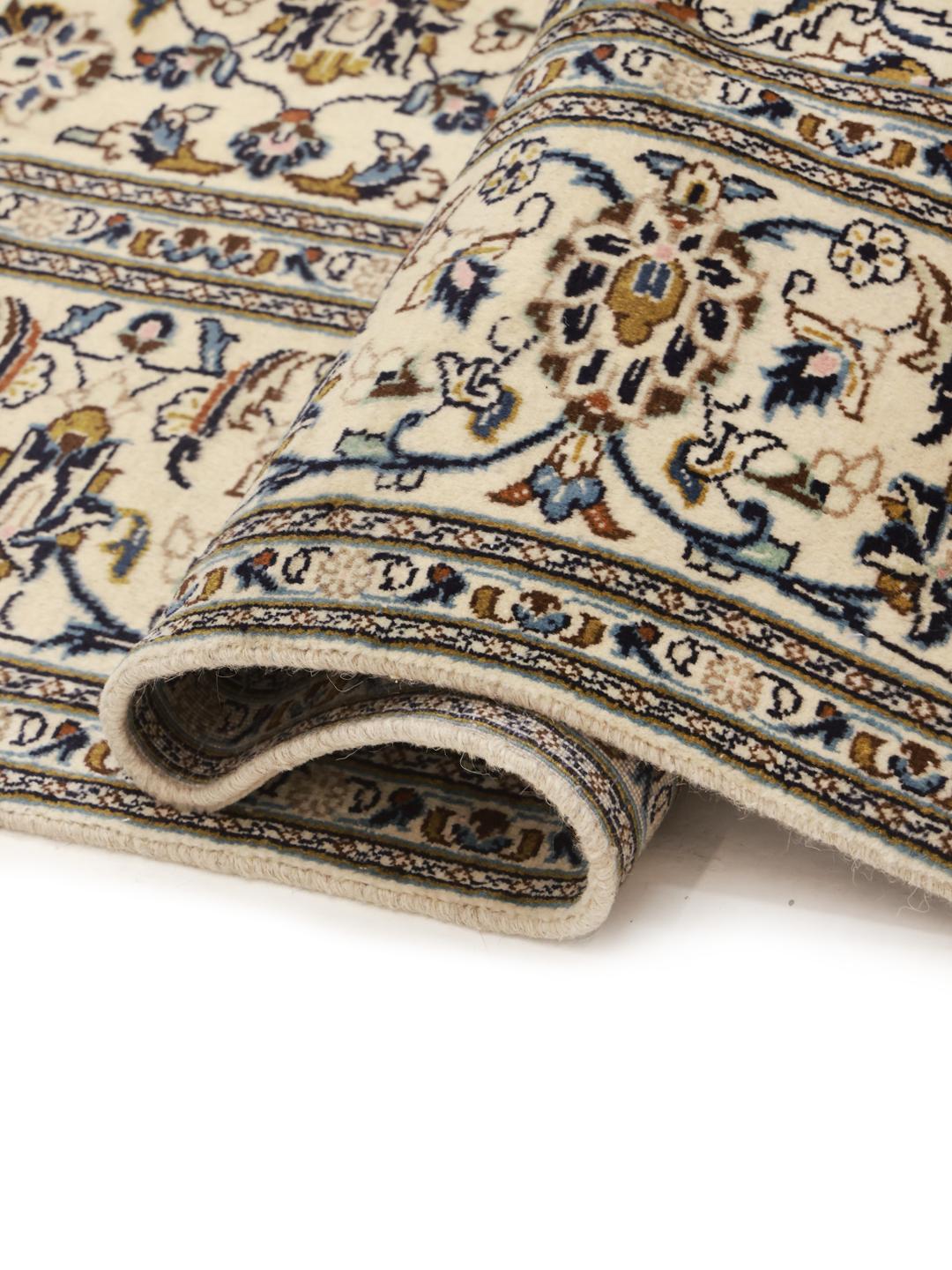
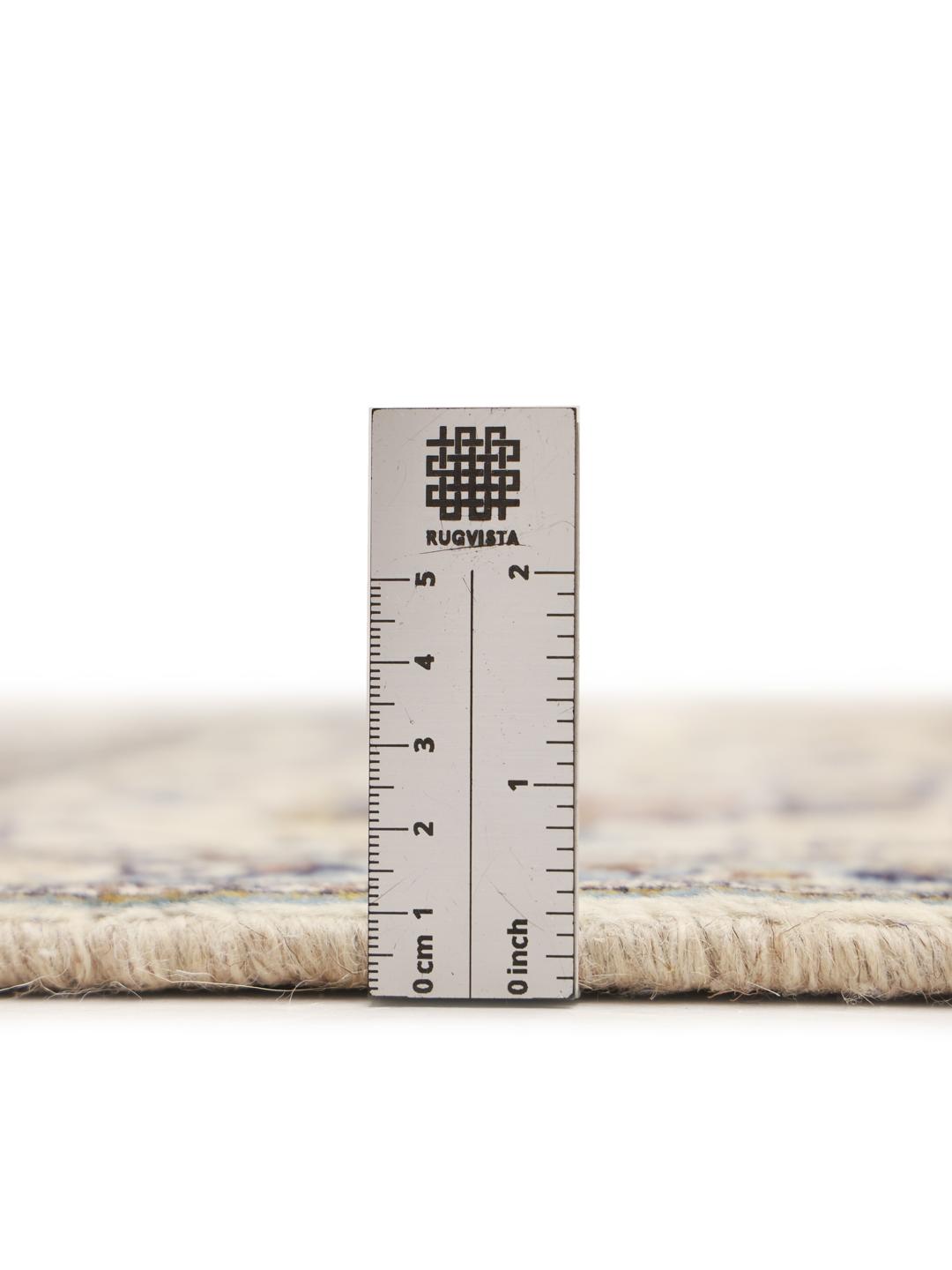
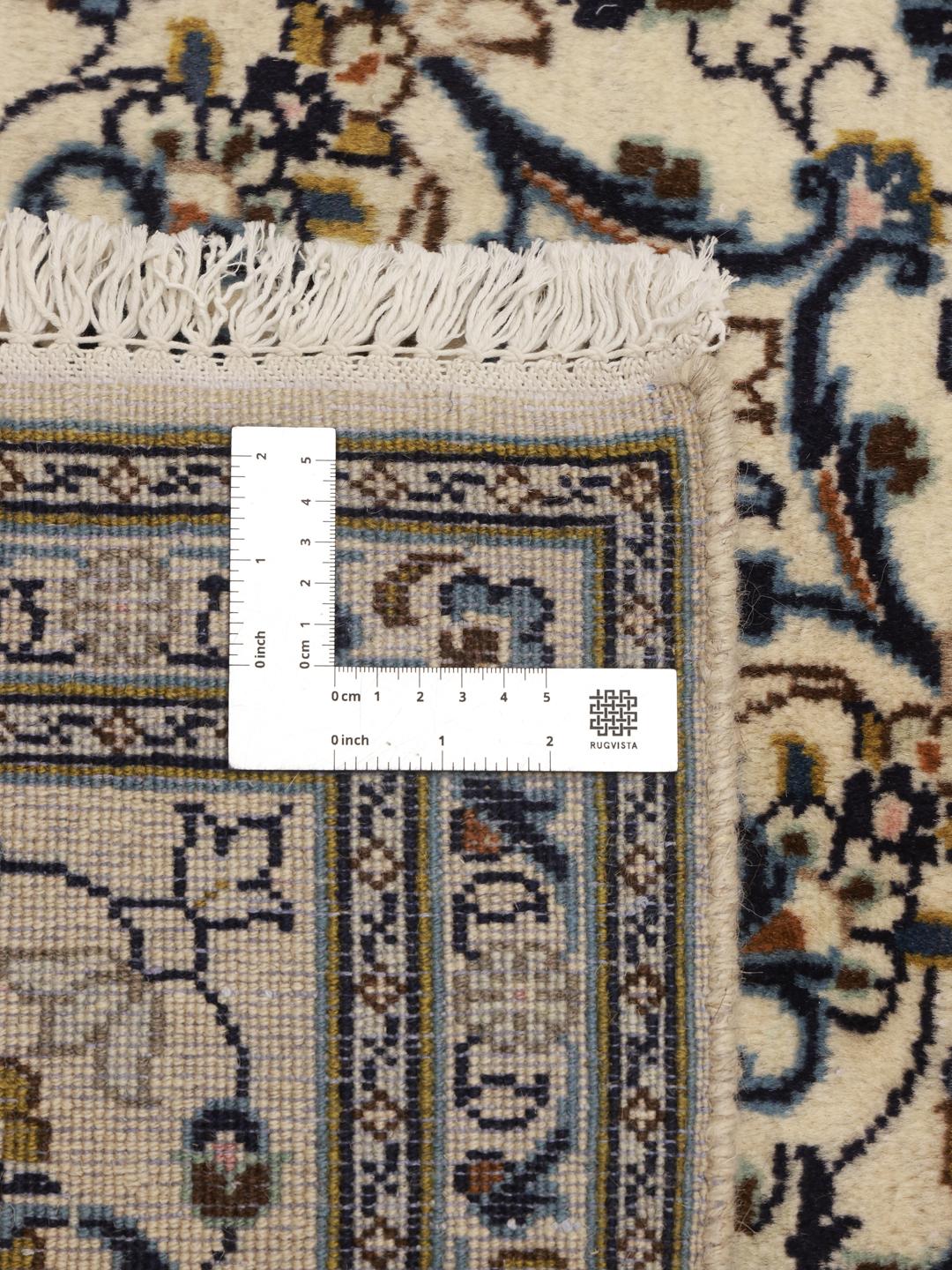
Technically, the quality of a Keshan rug is defined by the skill of the knotting and the quality of the materials used. The density and precision of the knots are what allow for such elaborate, curvilinear patterns to be executed so clearly. This focus on detail is why these rugs have remained a staple in refined interiors for generations, valued for their ability to bring a sense of history into a modern setting.
Collectors and enthusiasts value these rugs not just for their appearance, but for the story they tell. Owning a Keshan is an investment in a tradition that prizes patience, skill, and aesthetic continuity. Each piece serves as a link to the past, preserving a cultural legacy that continues to be relevant in contemporary homes.