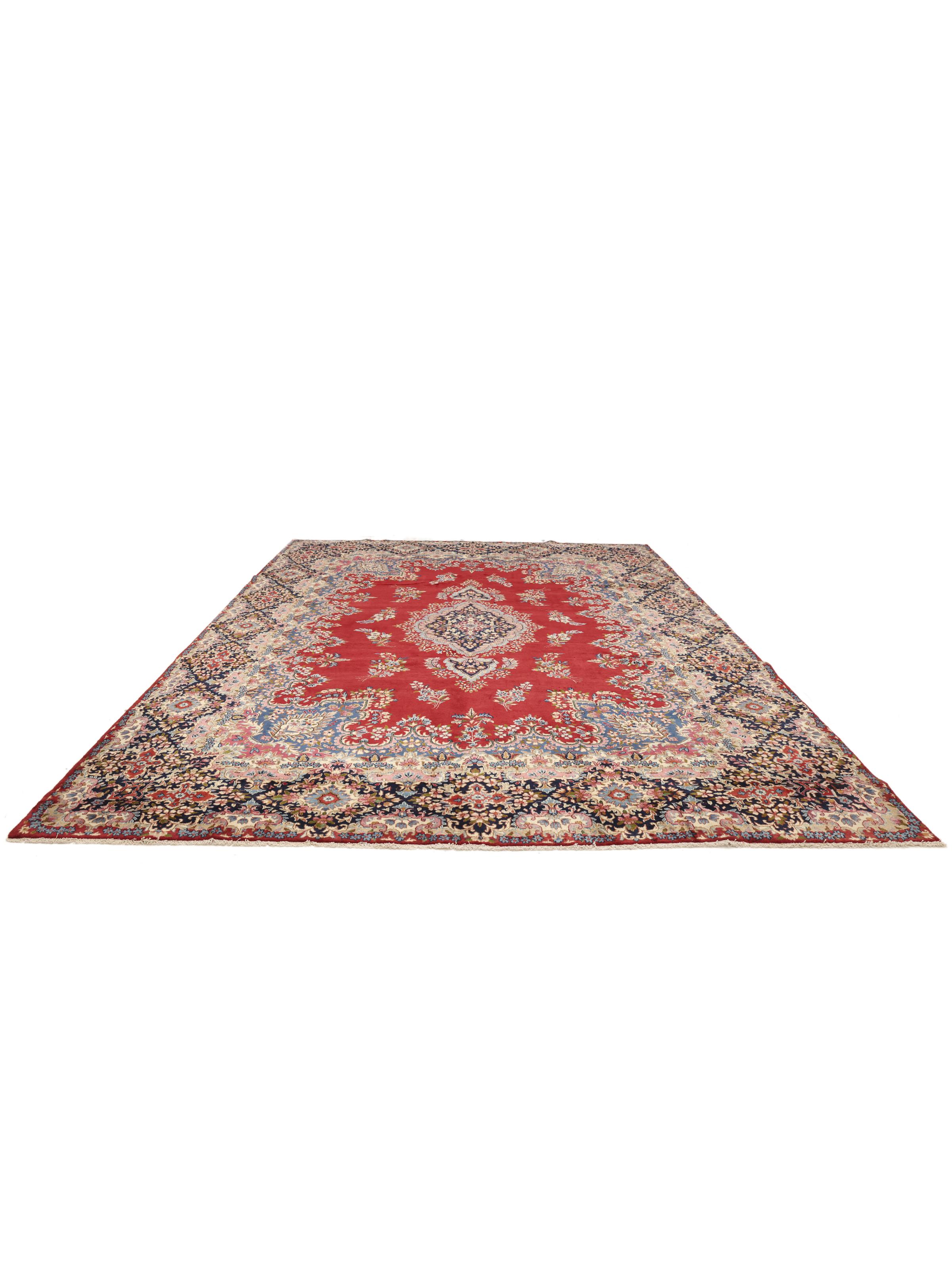
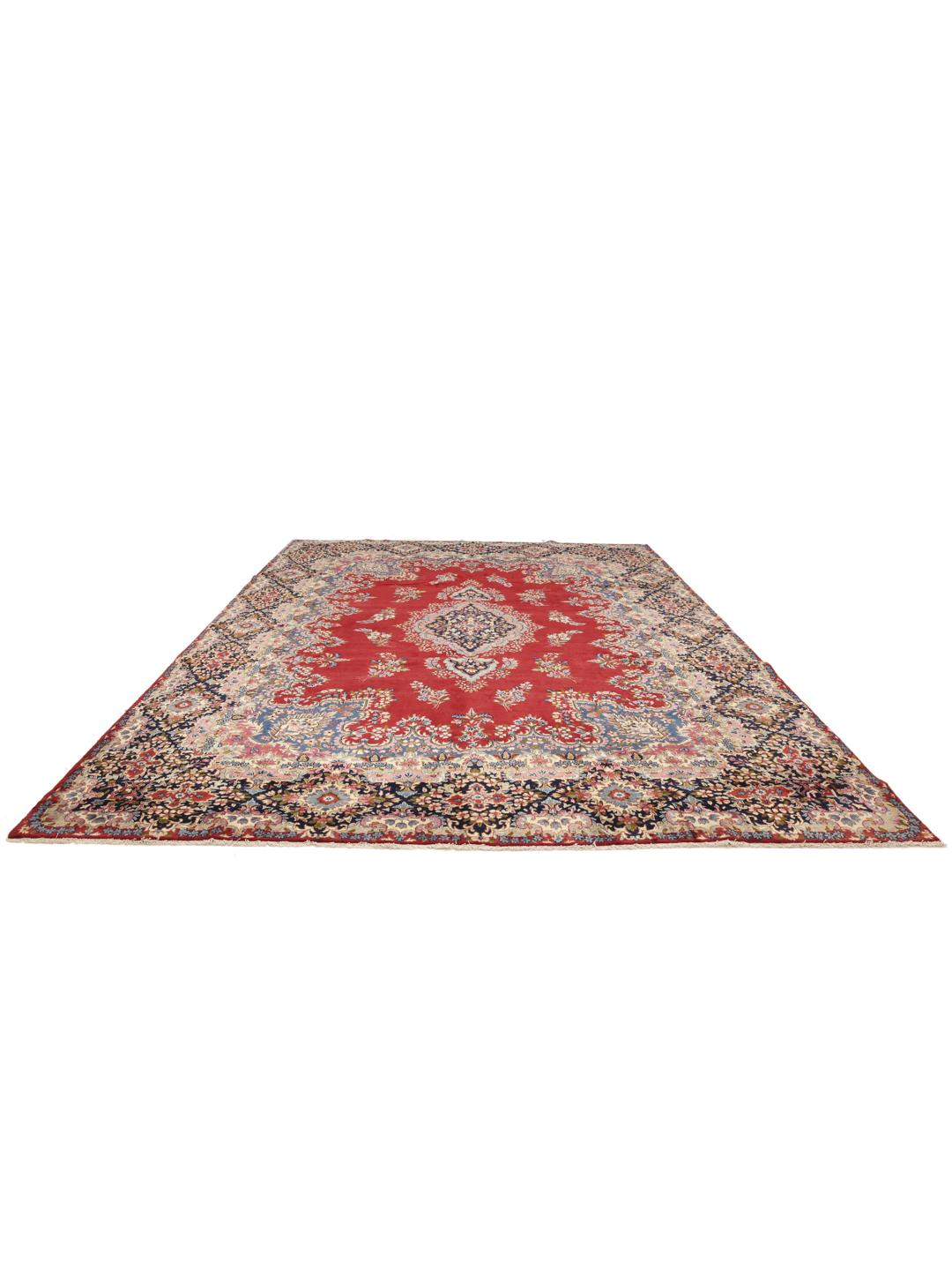
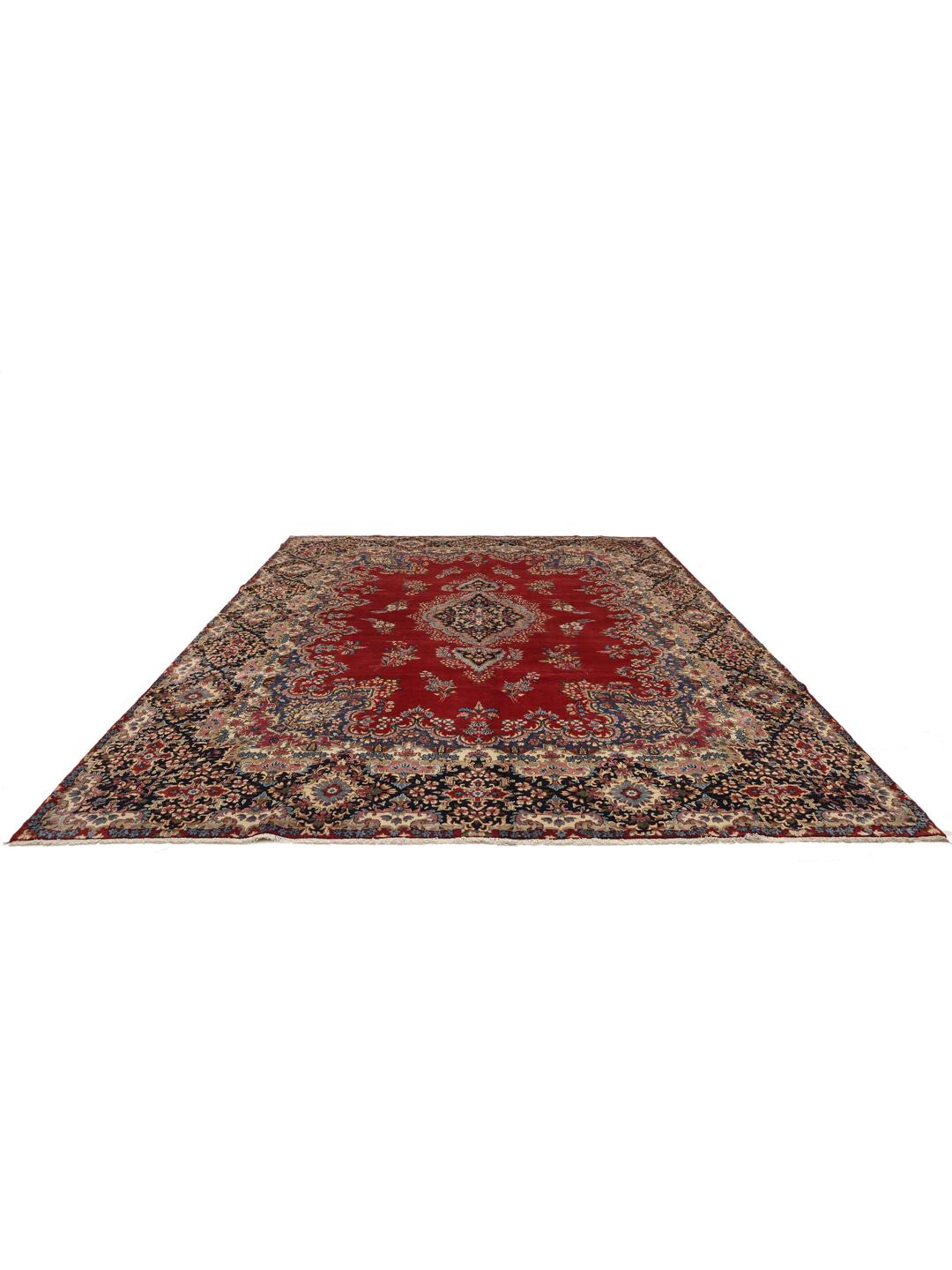
Kerman rugs originate from the desert city of Kerman in the southeastern part of the Middle East. Historically, this region has been a centre for exquisite textile production for centuries, celebrated for its ability to blend artistic innovation with deep-rooted regional traditions. The city's location on historical trade routes allowed it to absorb diverse aesthetic influences, which eventually crystallised into the sophisticated, highly detailed style that collectors recognise today.
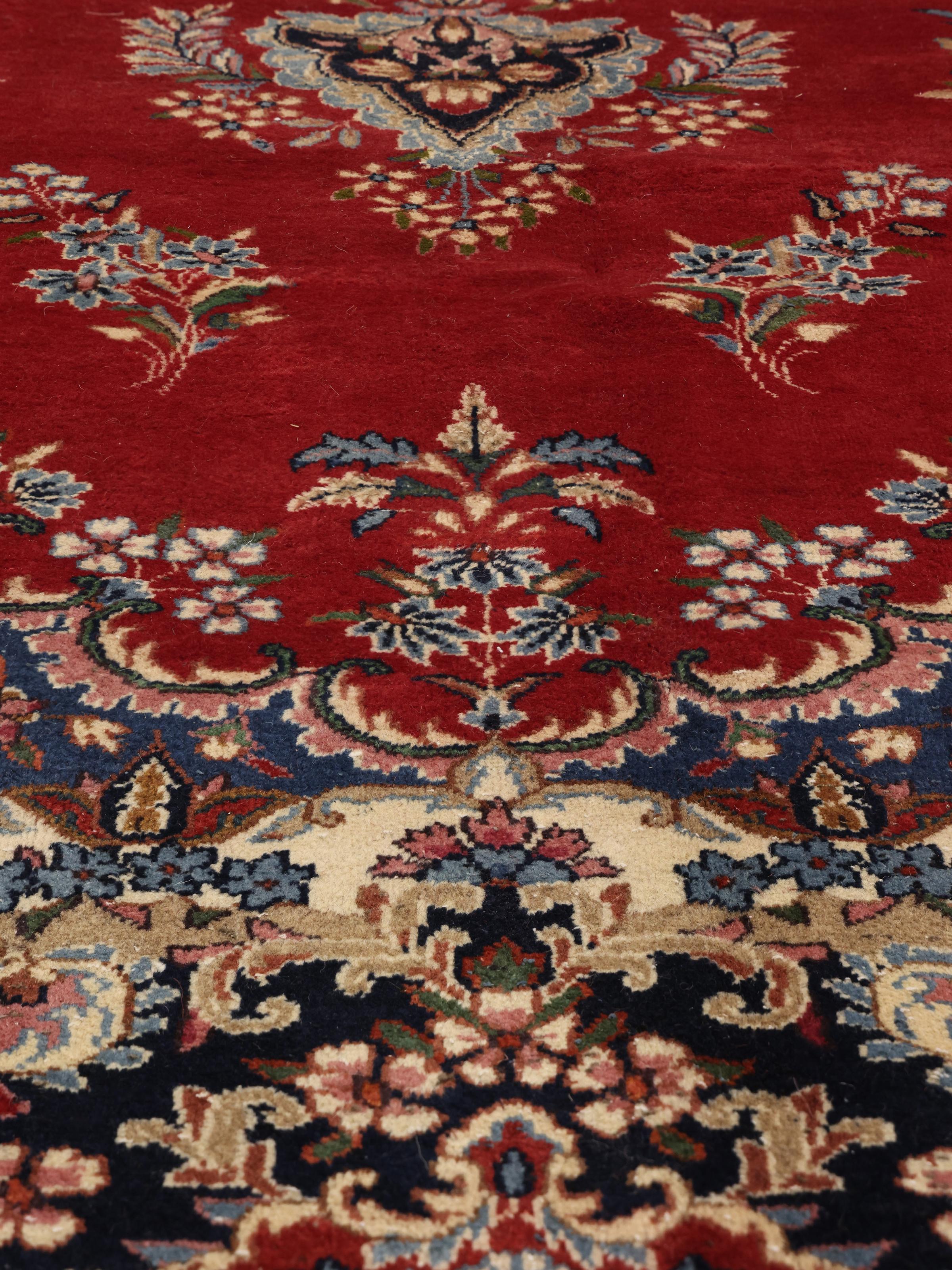
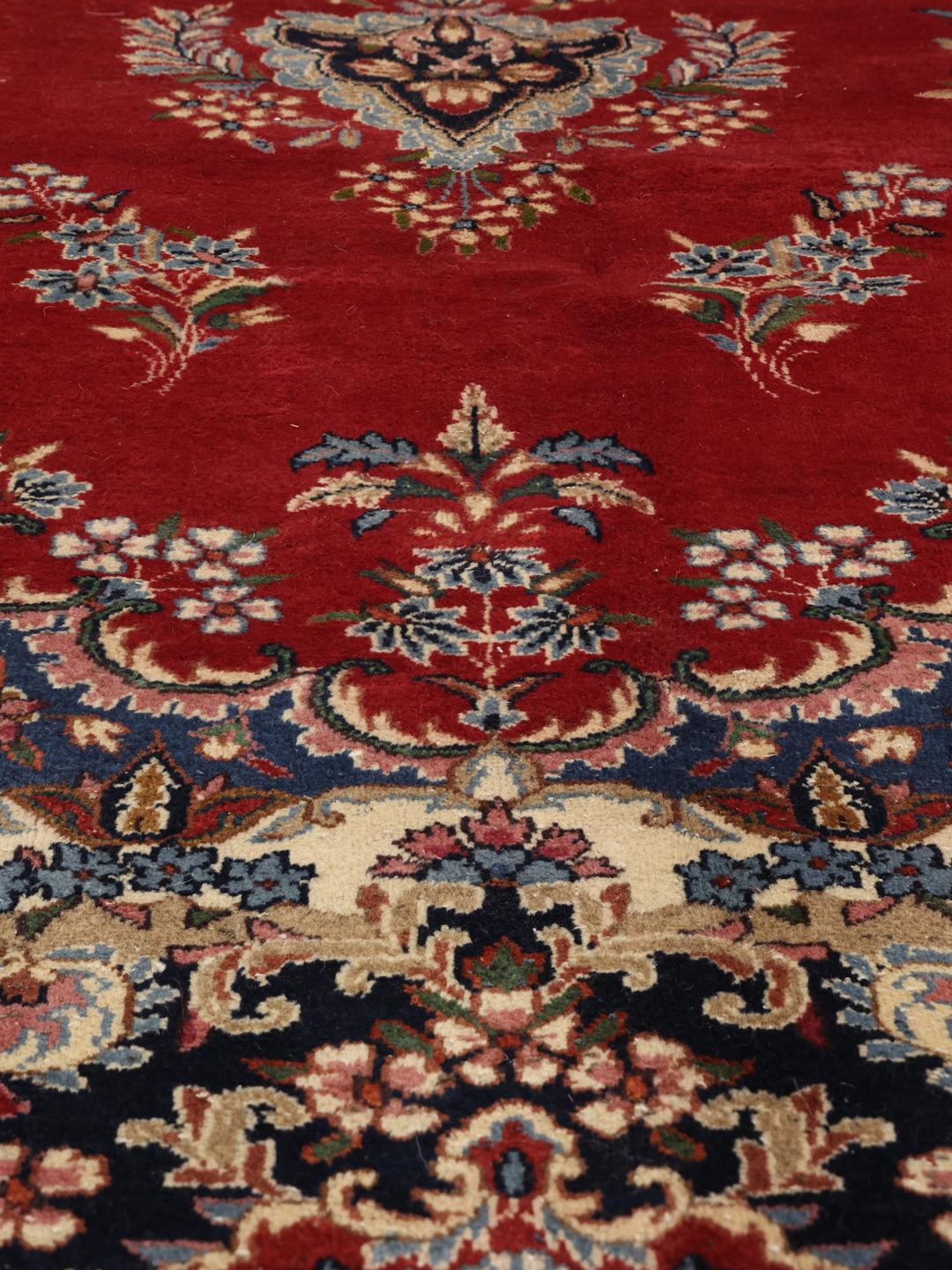
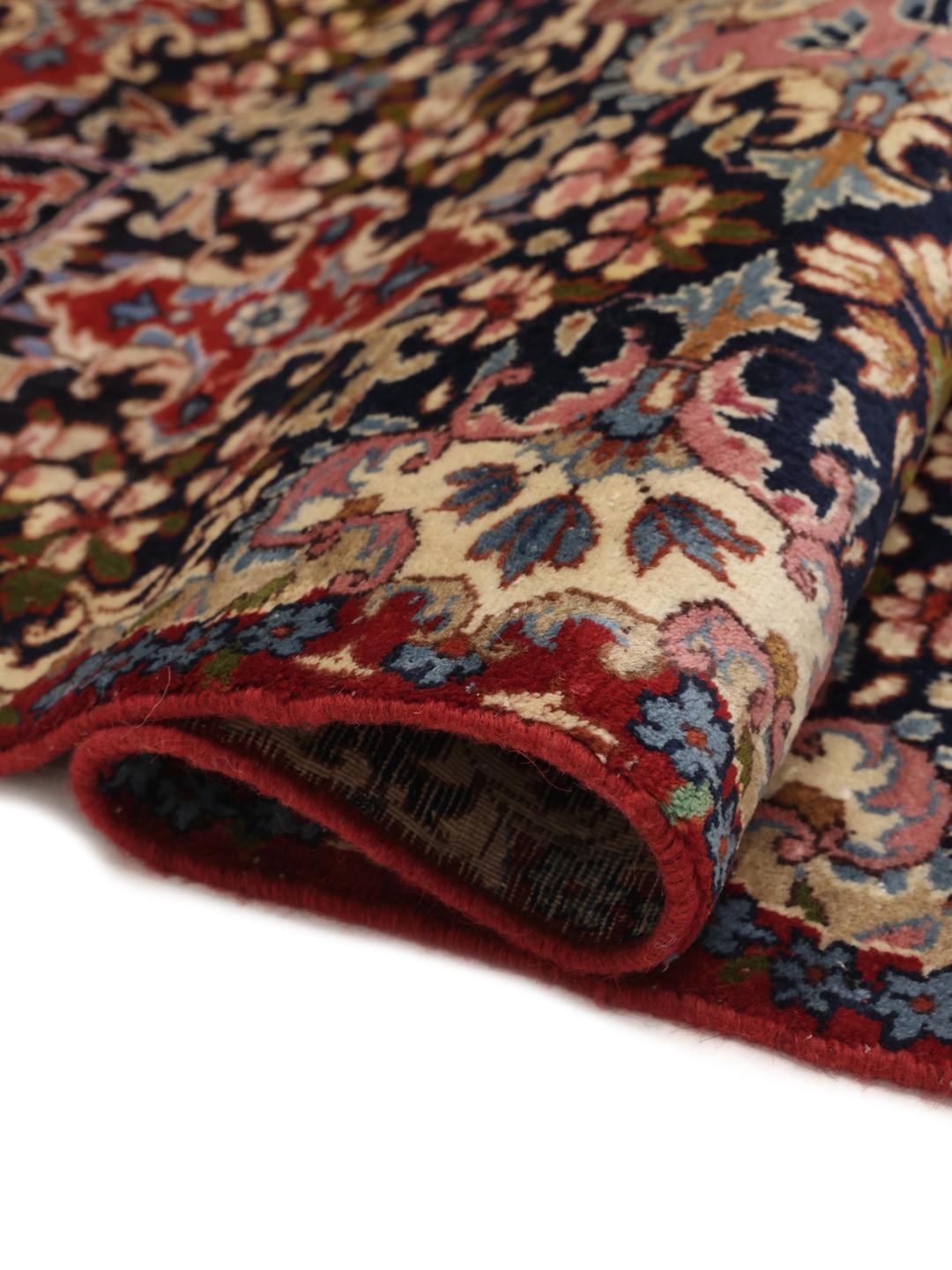
The term Kerman refers to both the city of origin and the specific design tradition that emphasises intricate, often floral-based compositions. These rugs are renowned for their wide colour palettes and delicate, flowing patterns. Unlike more tribal or geometric styles, Kerman designs often mimic the elegance of classical garden scenes, utilising curved lines and detailed botanicals that require a high degree of technical skill to execute properly.
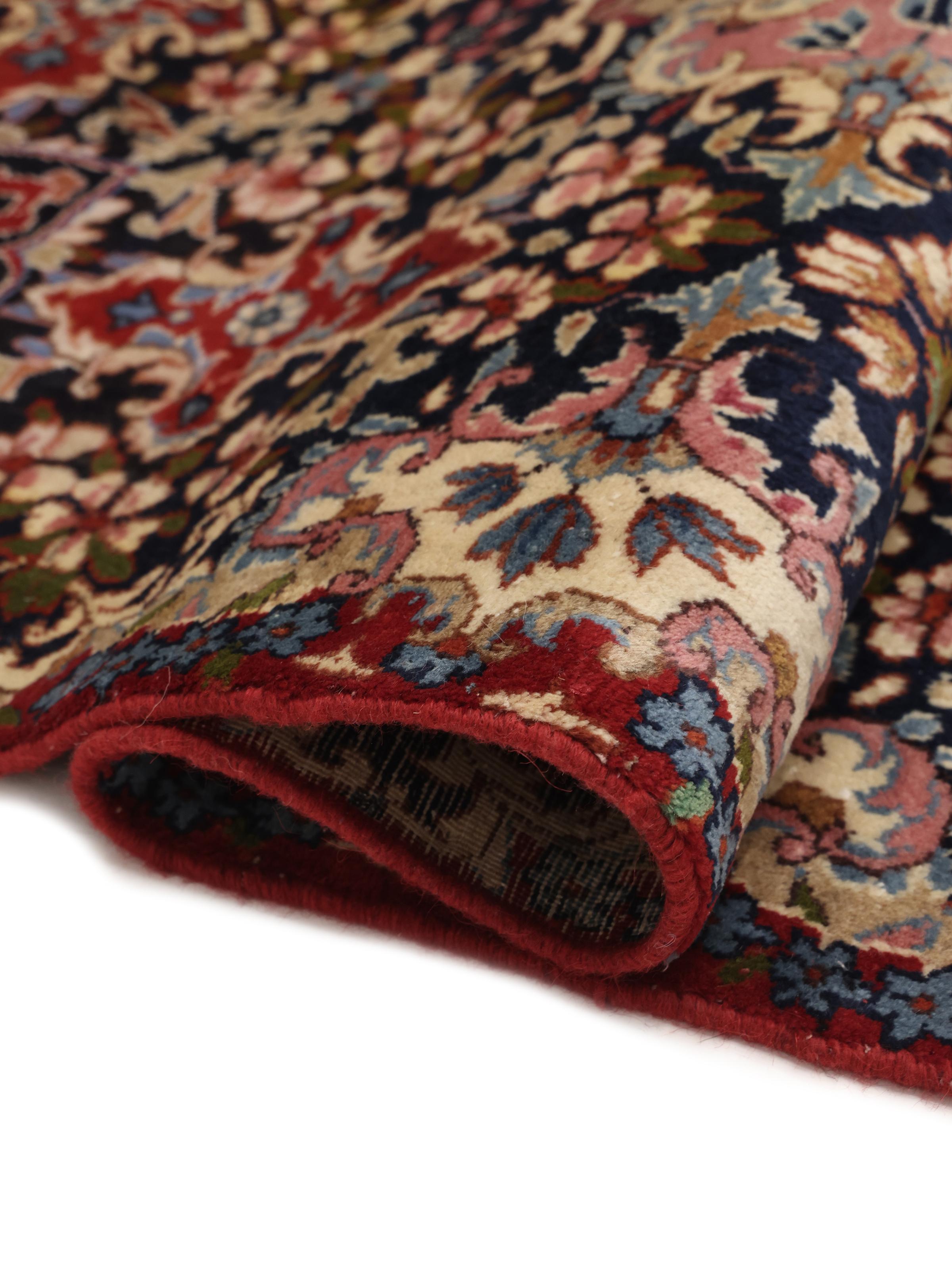
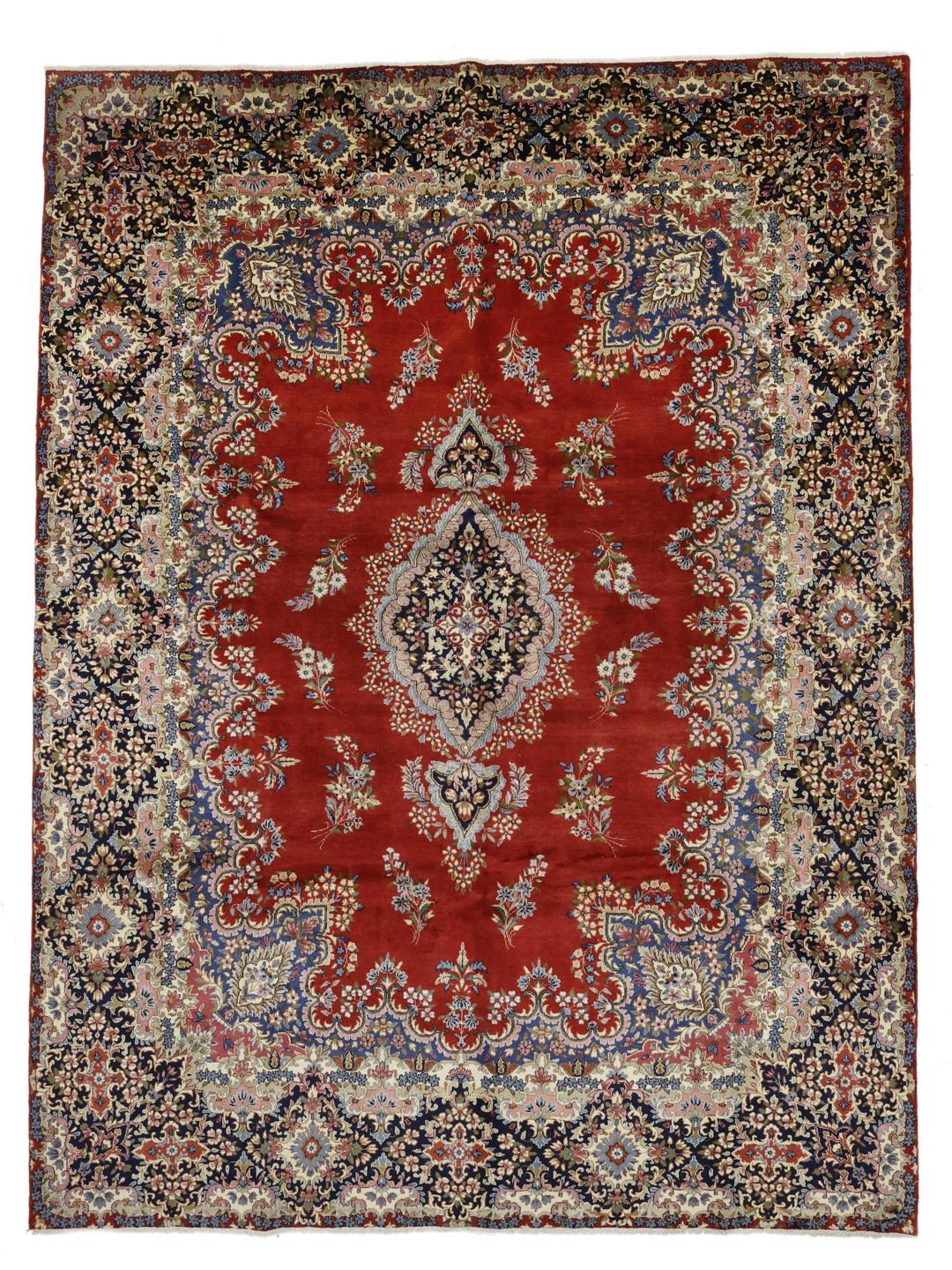
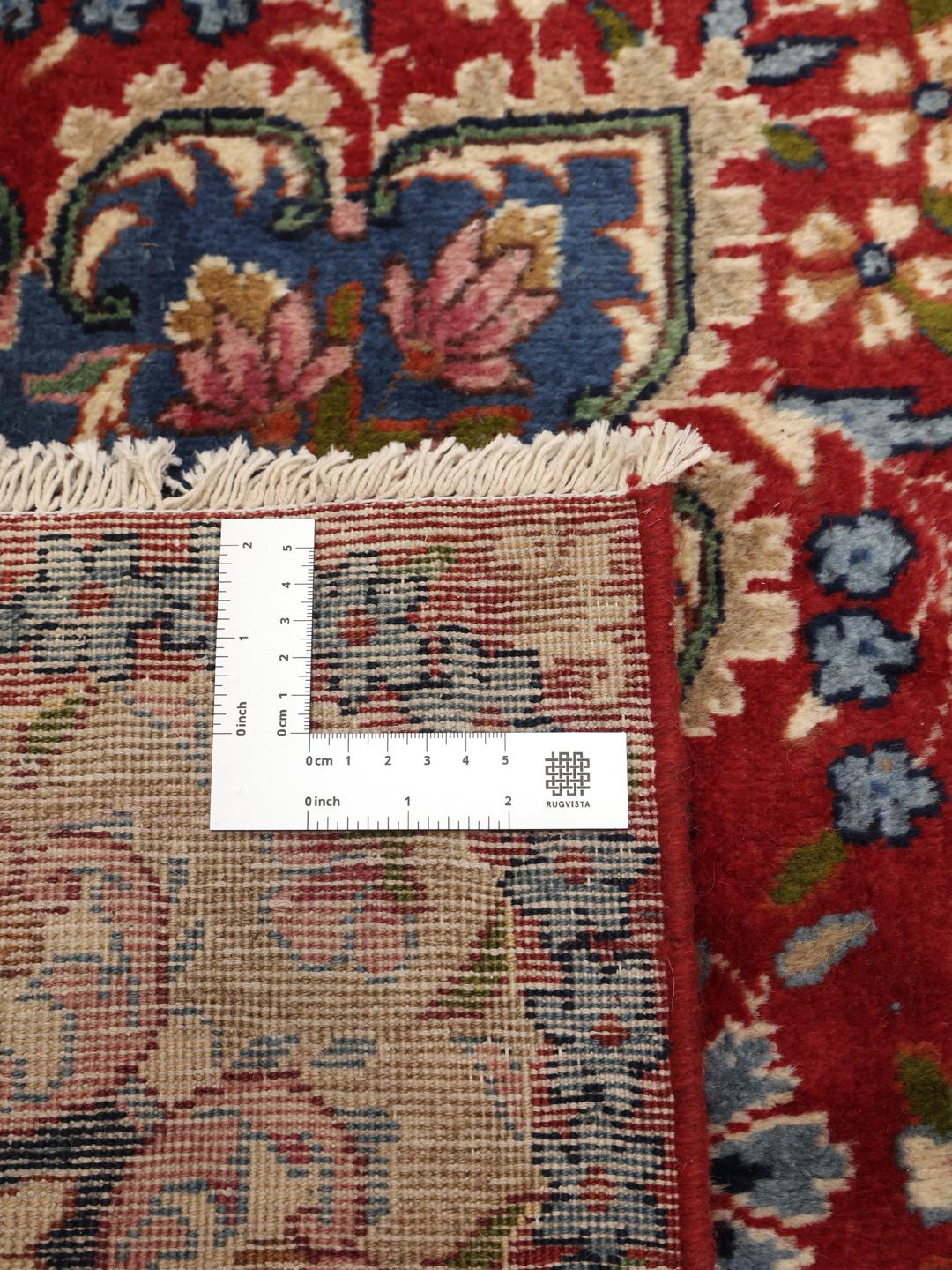
Signature design elements of these rugs often include a central medallion surrounded by a field of 'Shah Abbas' palmettes, scrolling vines, and flowers. The borders are typically elaborate, framing the central field to create a sense of harmony. It is common to see a sophisticated use of contrast, where the primary field colour is complemented by rich tones in the floral motifs, creating a sense of depth that is characteristic of the finest examples from this region.
Owning a Kerman rug is widely considered an investment in cultural heritage. These pieces are highly valued by collectors for their blend of historical significance and artistic complexity. By bringing a piece like this into your home, you are not just acquiring a floor covering but a tangible connection to a long-standing tradition of craft that prizes patience, detail, and the pursuit of visual beauty.