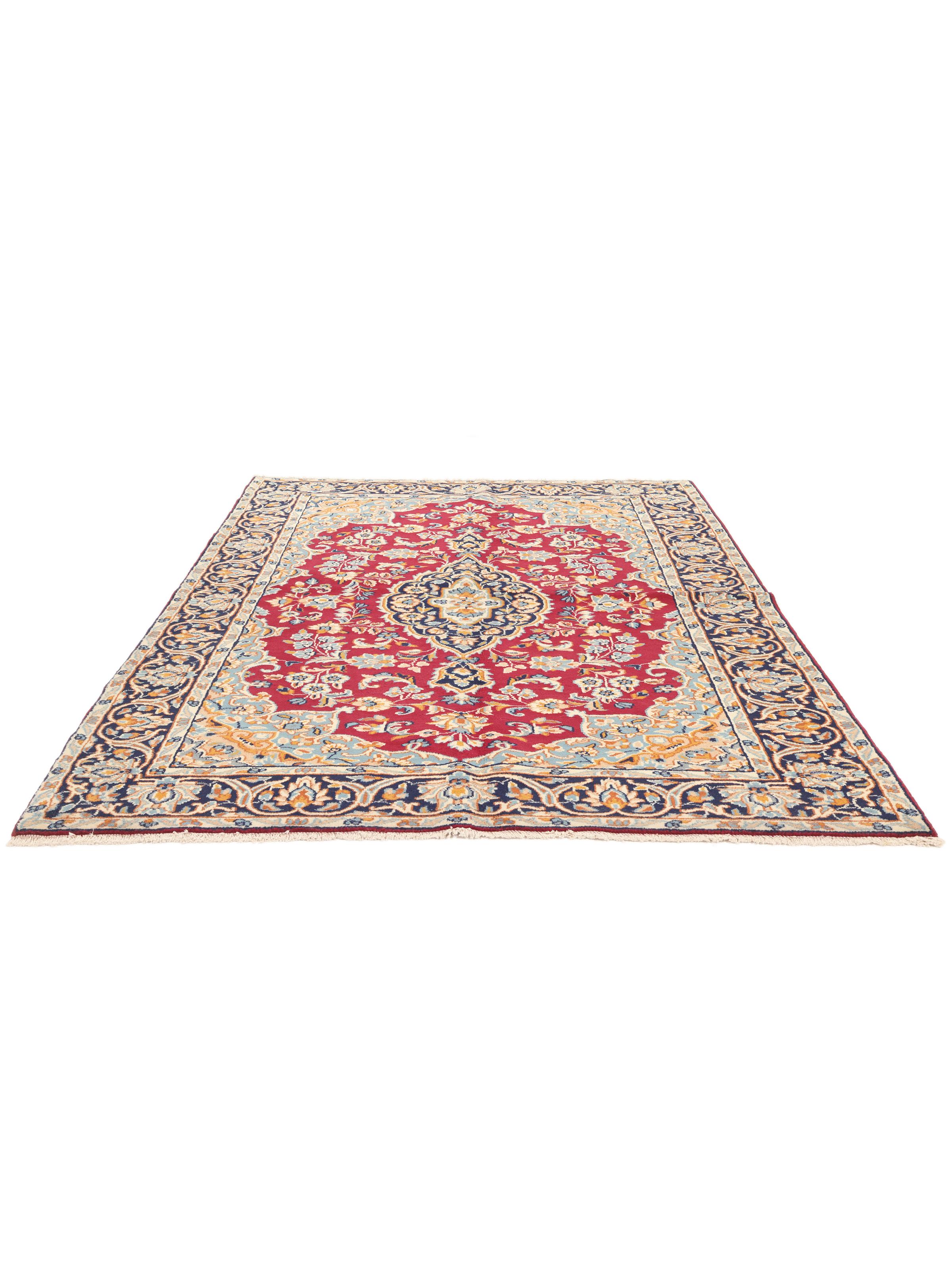
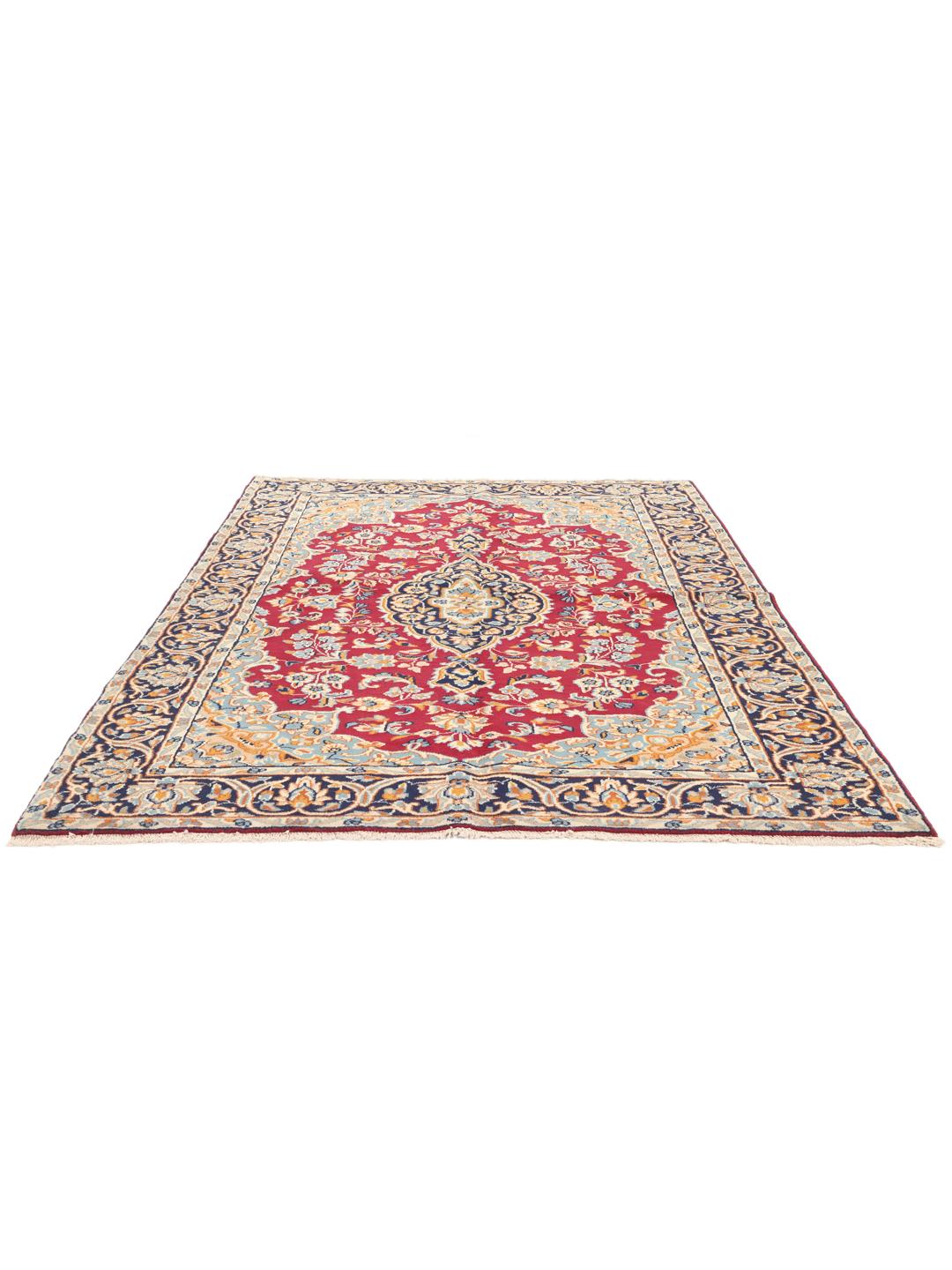
Kerman rugs originate from the desert city of Kerman in the Middle East, a region with a centuries-old history of textile excellence. Historically, the area was a key hub for trade along the caravan routes, which allowed weavers to exchange ideas and techniques with diverse cultures, eventually leading to the development of the distinct Kerman style known today.
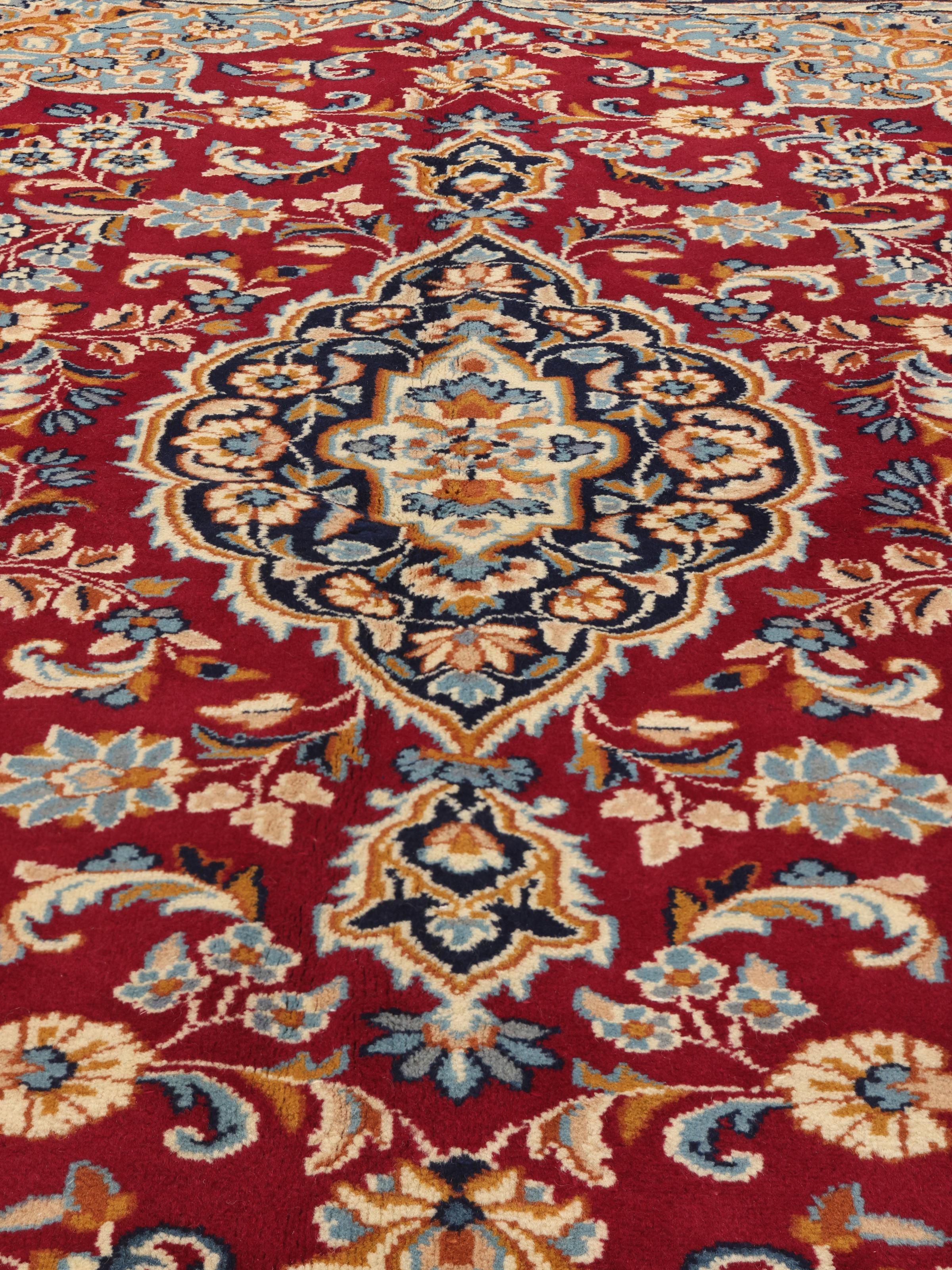
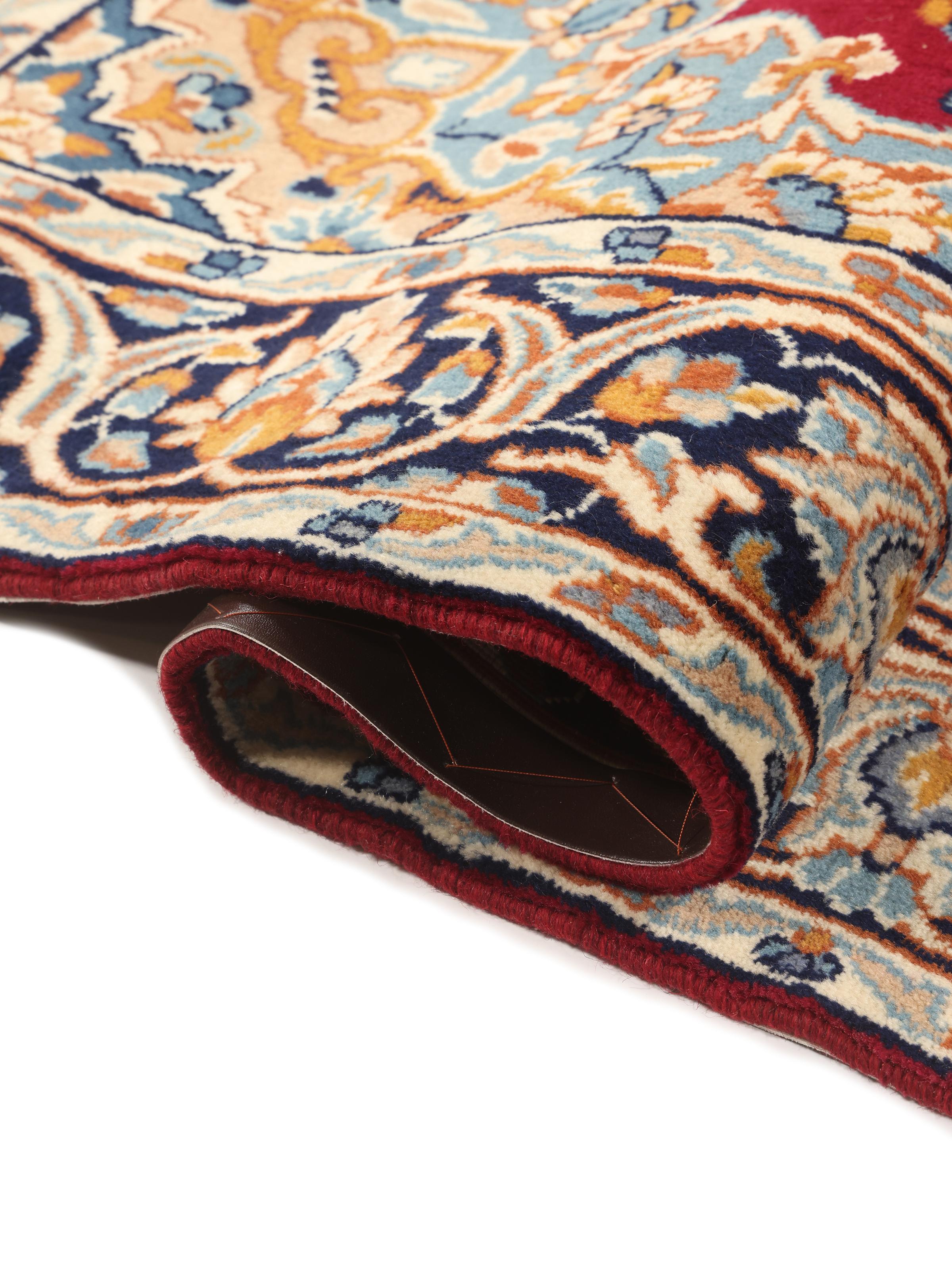
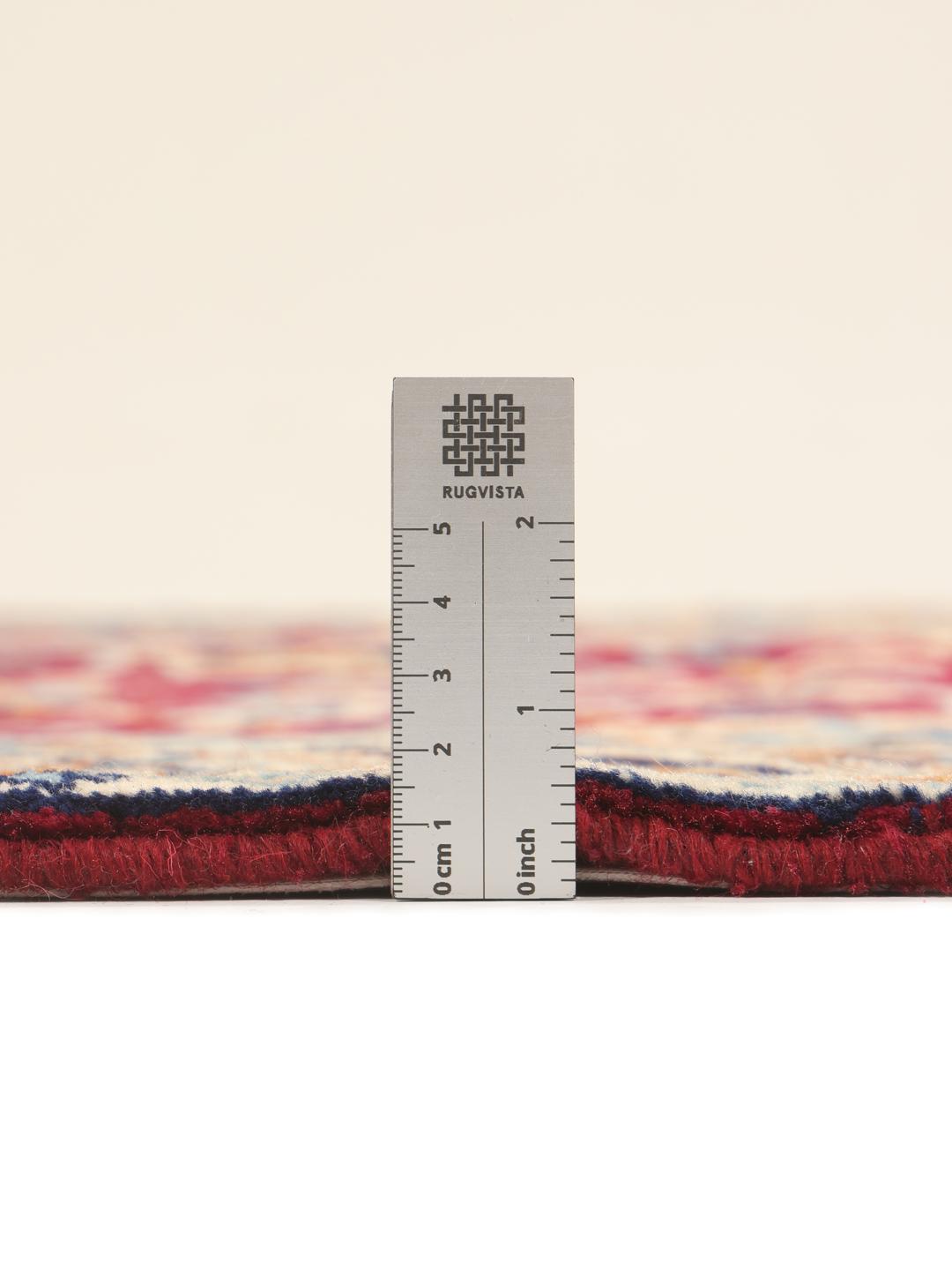
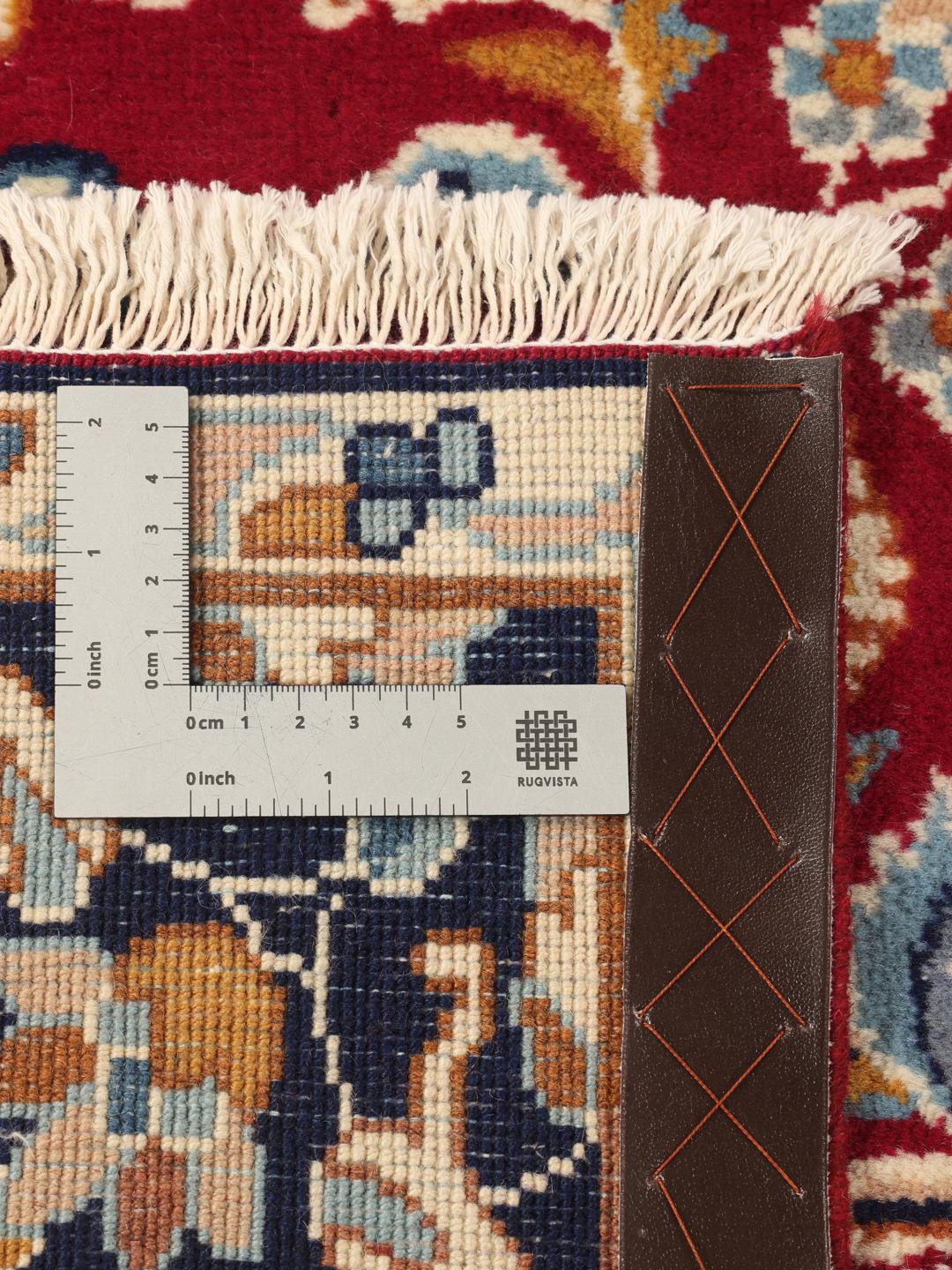
The quality of a Kerman rug is often judged by the fineness of its knotting and the quality of the wool used. The tradition of using a cotton foundation provides the stability needed for the elaborate, flowing designs that are characteristic of this region. This structural choice ensures that the rug retains its shape over decades of use, making these pieces highly valued for their endurance.
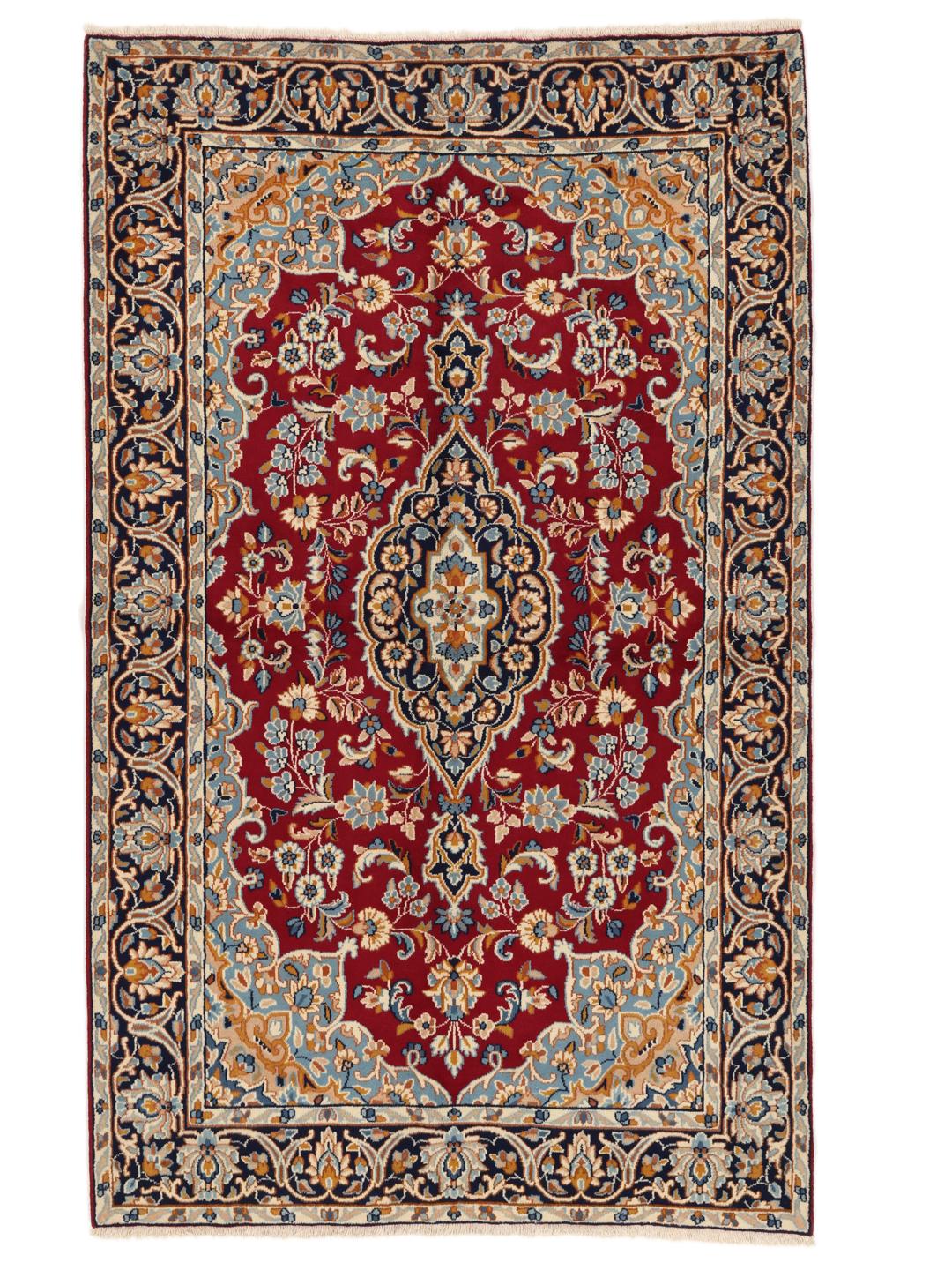
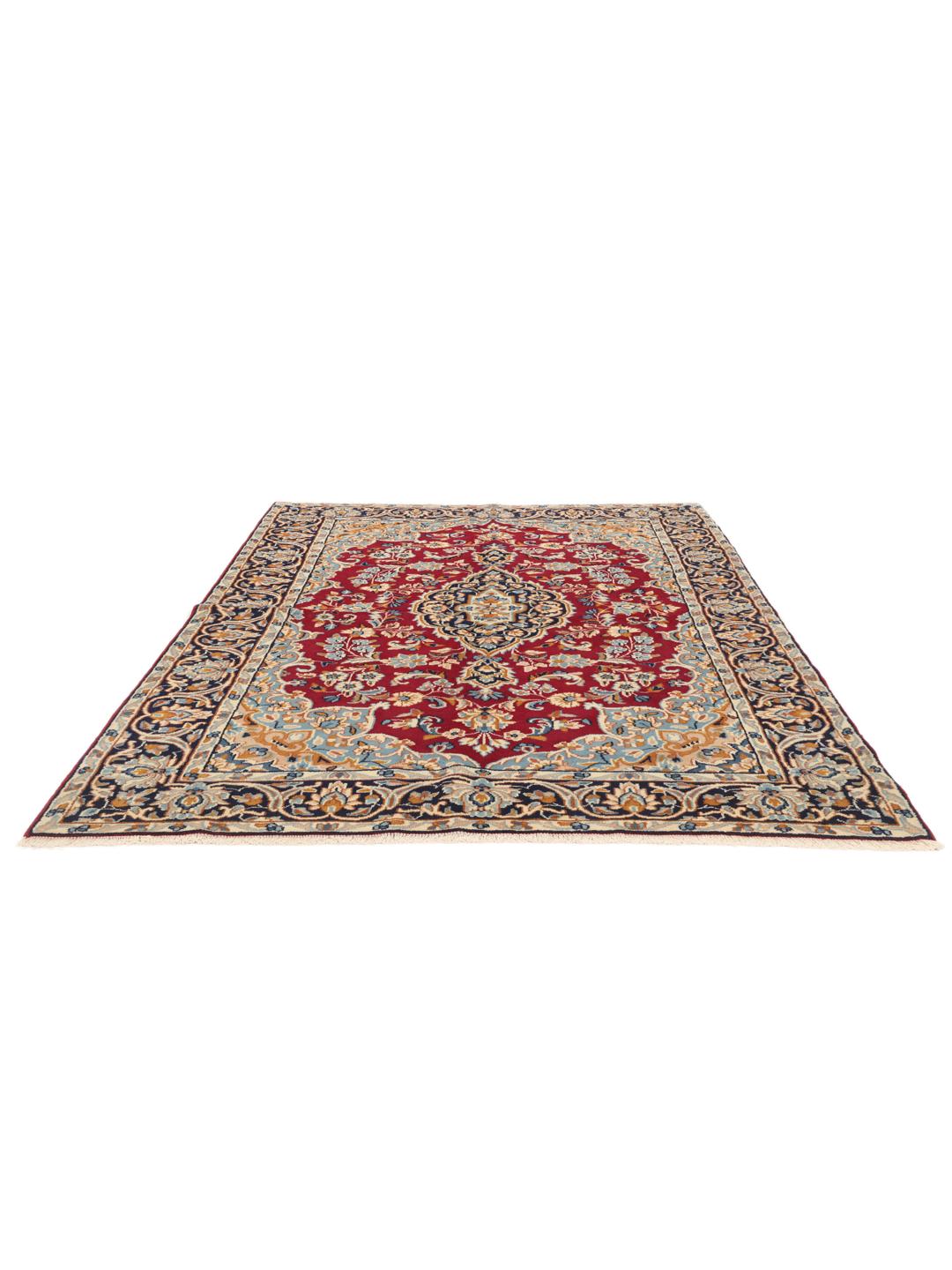
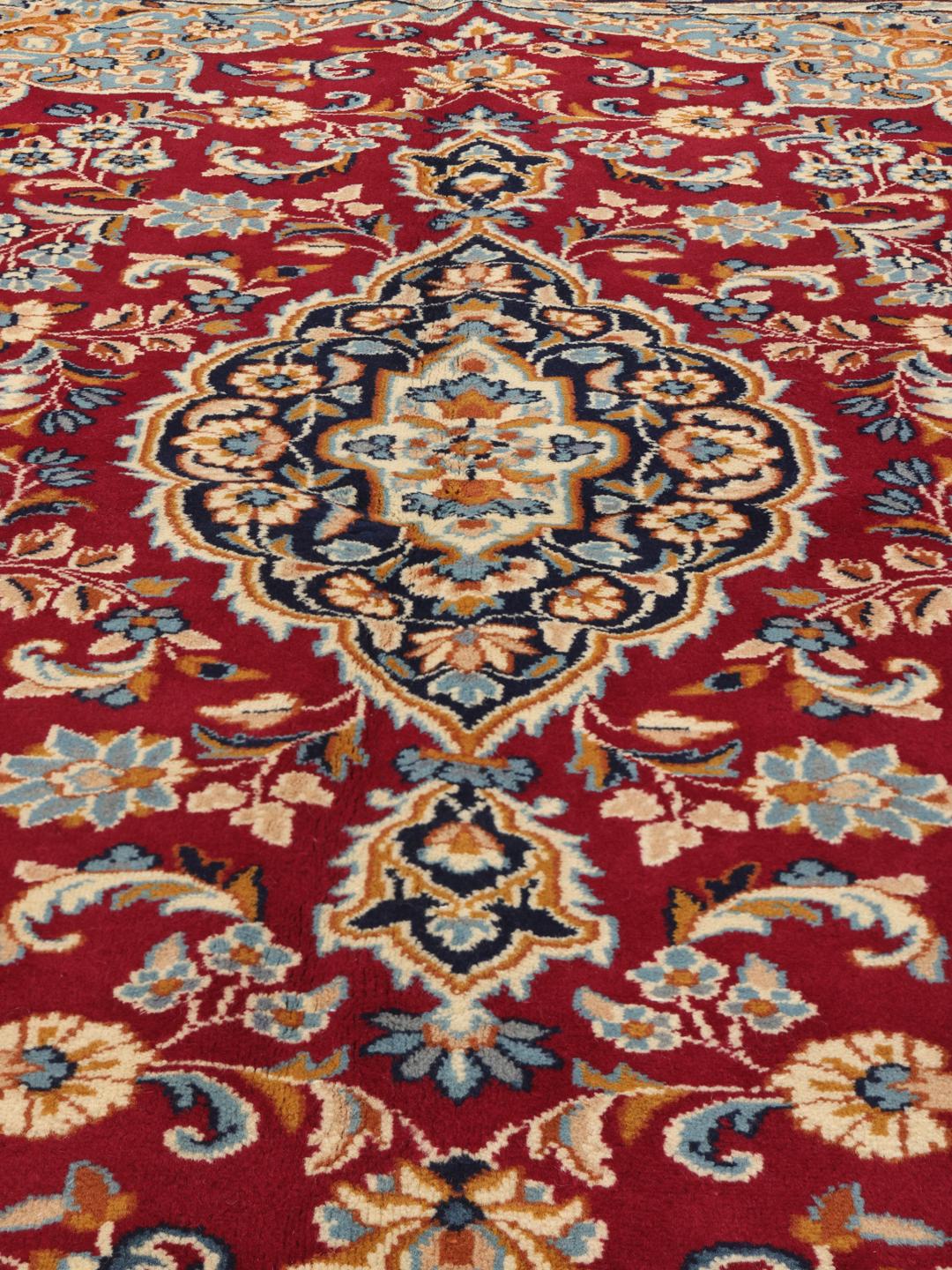
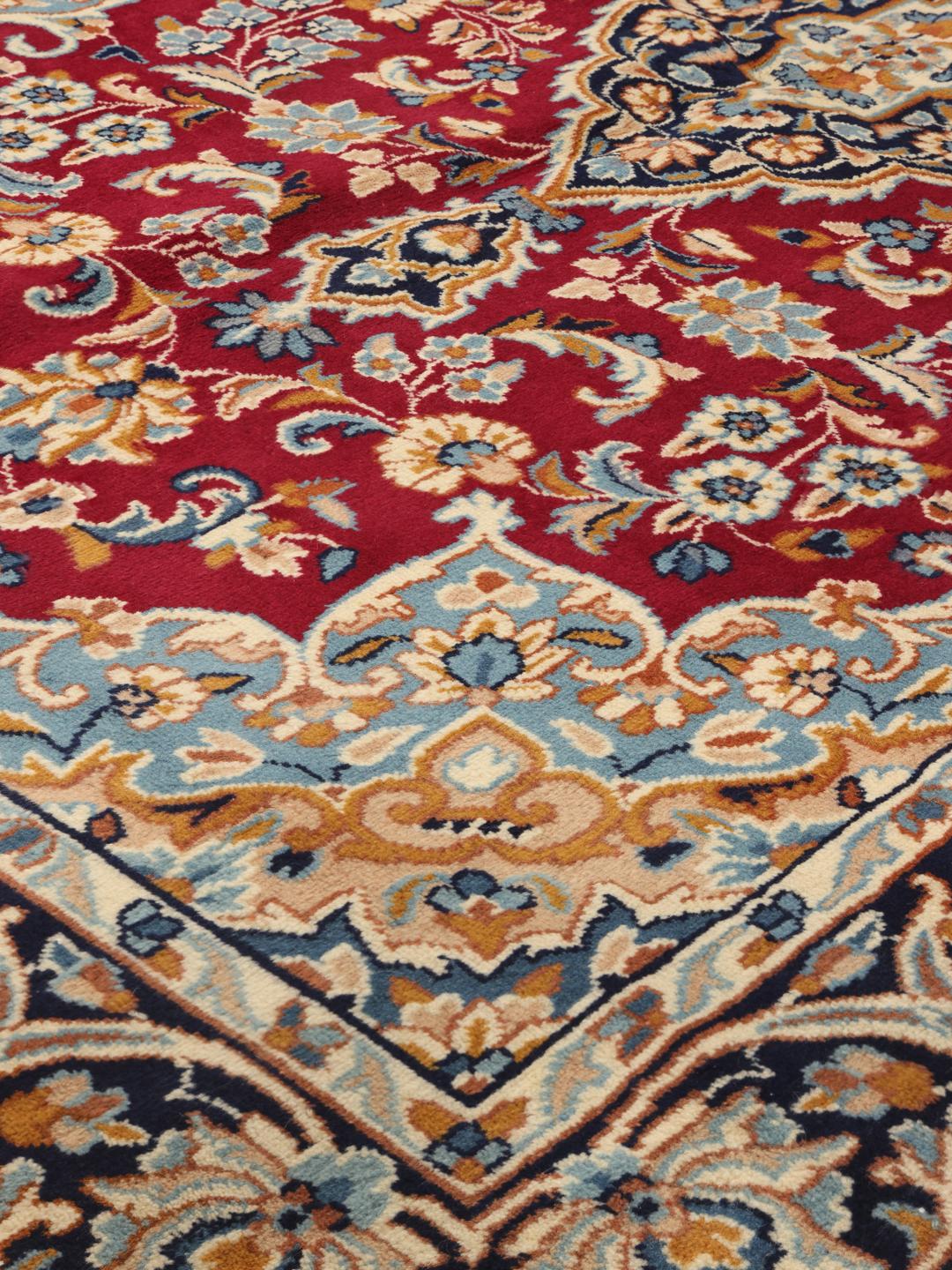
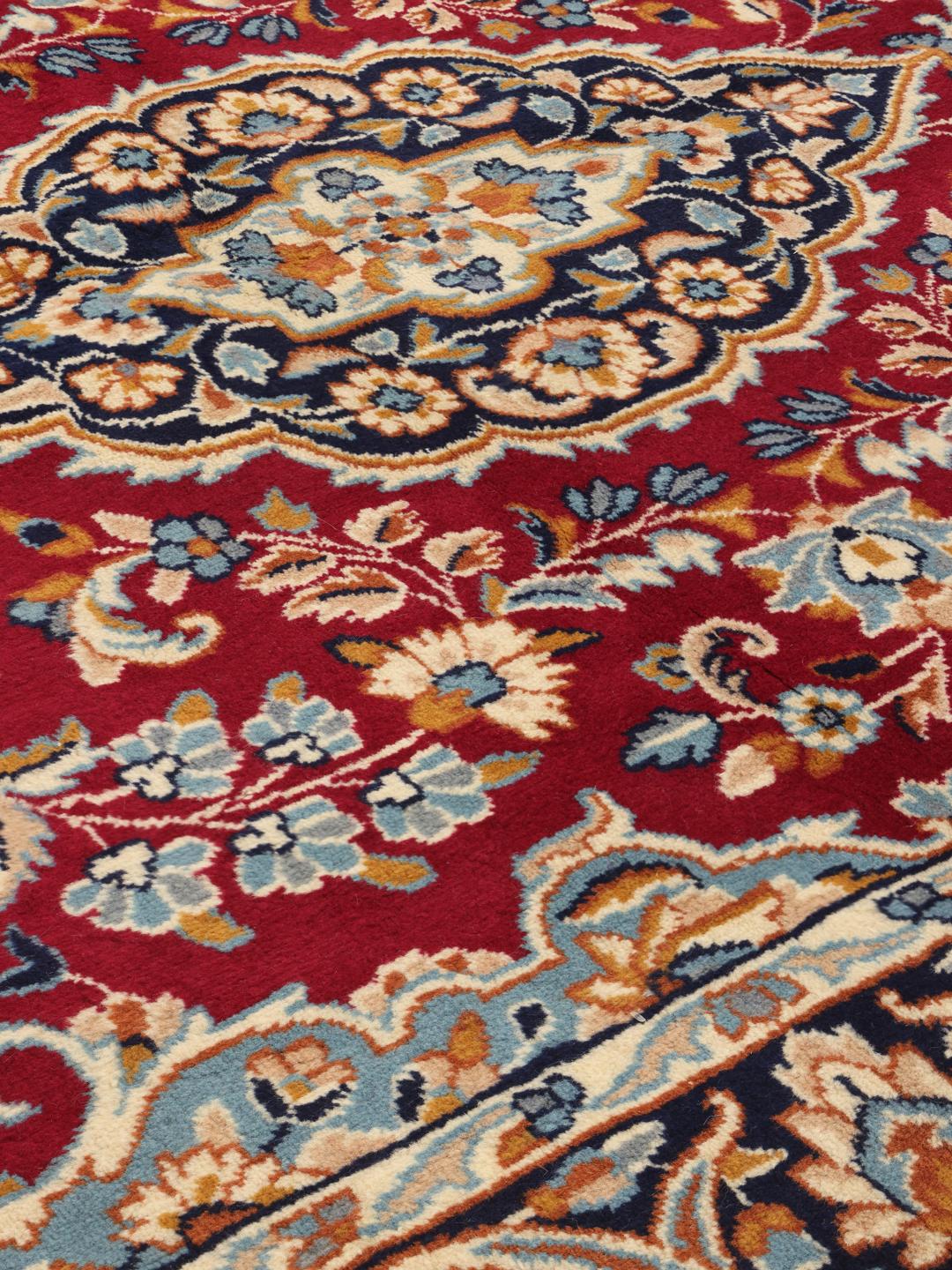
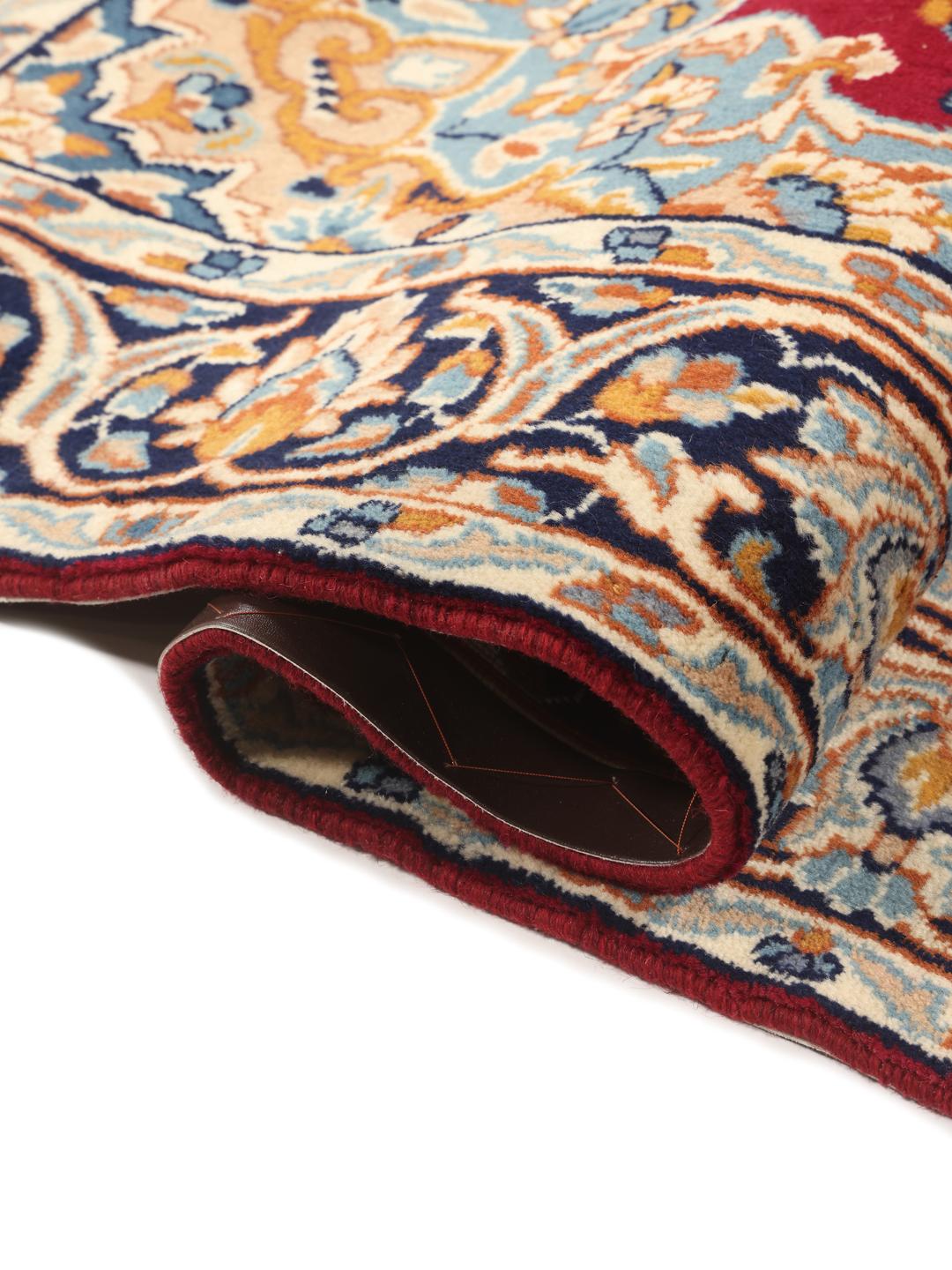
Visually, Kerman rugs are famous for their sophisticated floral compositions. Unlike more geometric tribal styles, these rugs often feature flowing vines, palmettes, and central medallions that create a sense of movement and elegance. The use of a vibrant red field, as seen here, is a hallmark of the tradition, paired with contrasting blues and soft natural tones to create a balanced, harmonious aesthetic.
Owning a Kerman rug is an investment in a living tradition. Collectors and homeowners alike value these pieces not only for their visual impact but for the human skill and cultural history they represent. They are considered some of the most refined examples of Middle Eastern weaving, prized for their ability to blend formal elegance with a warm, inviting feel.