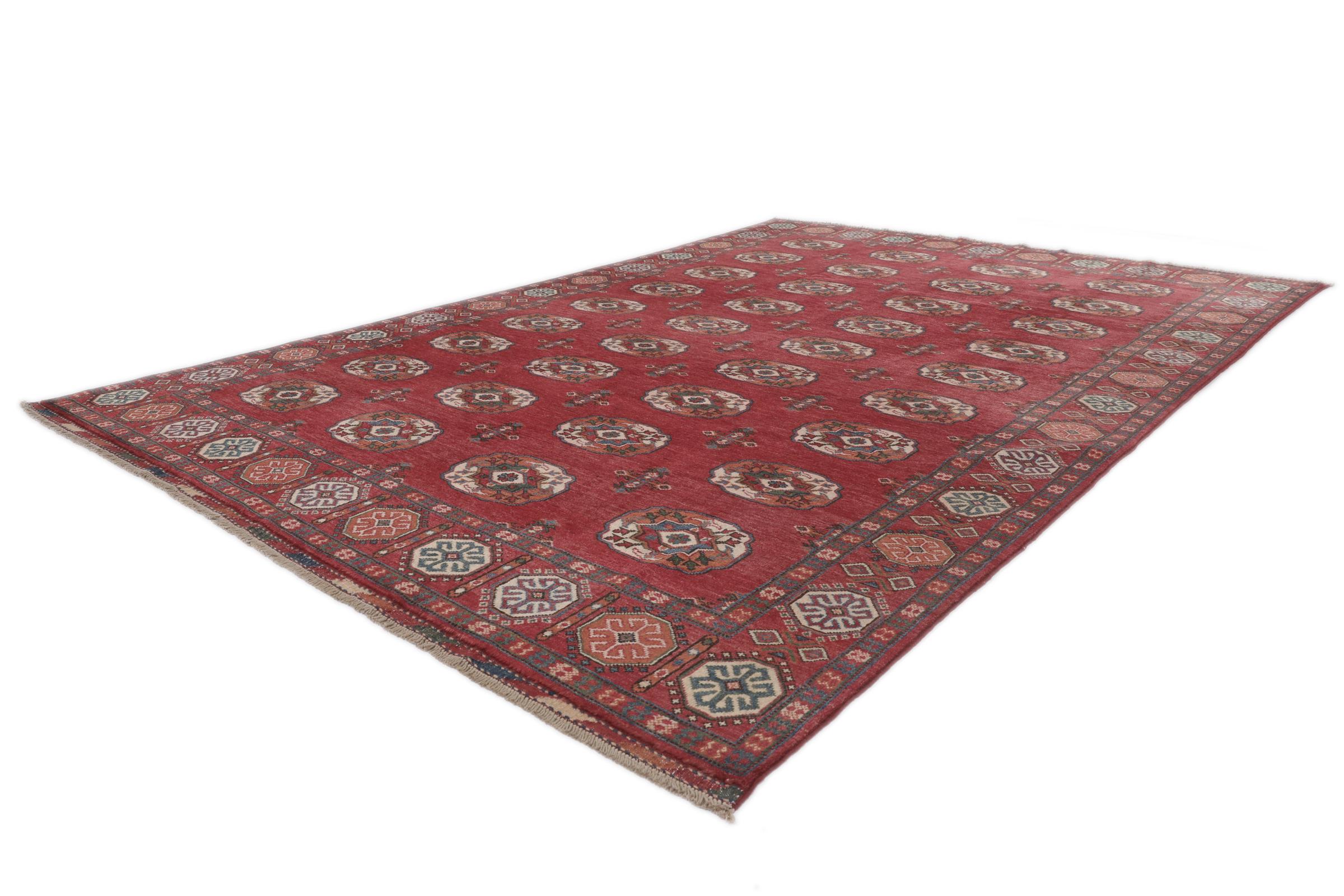
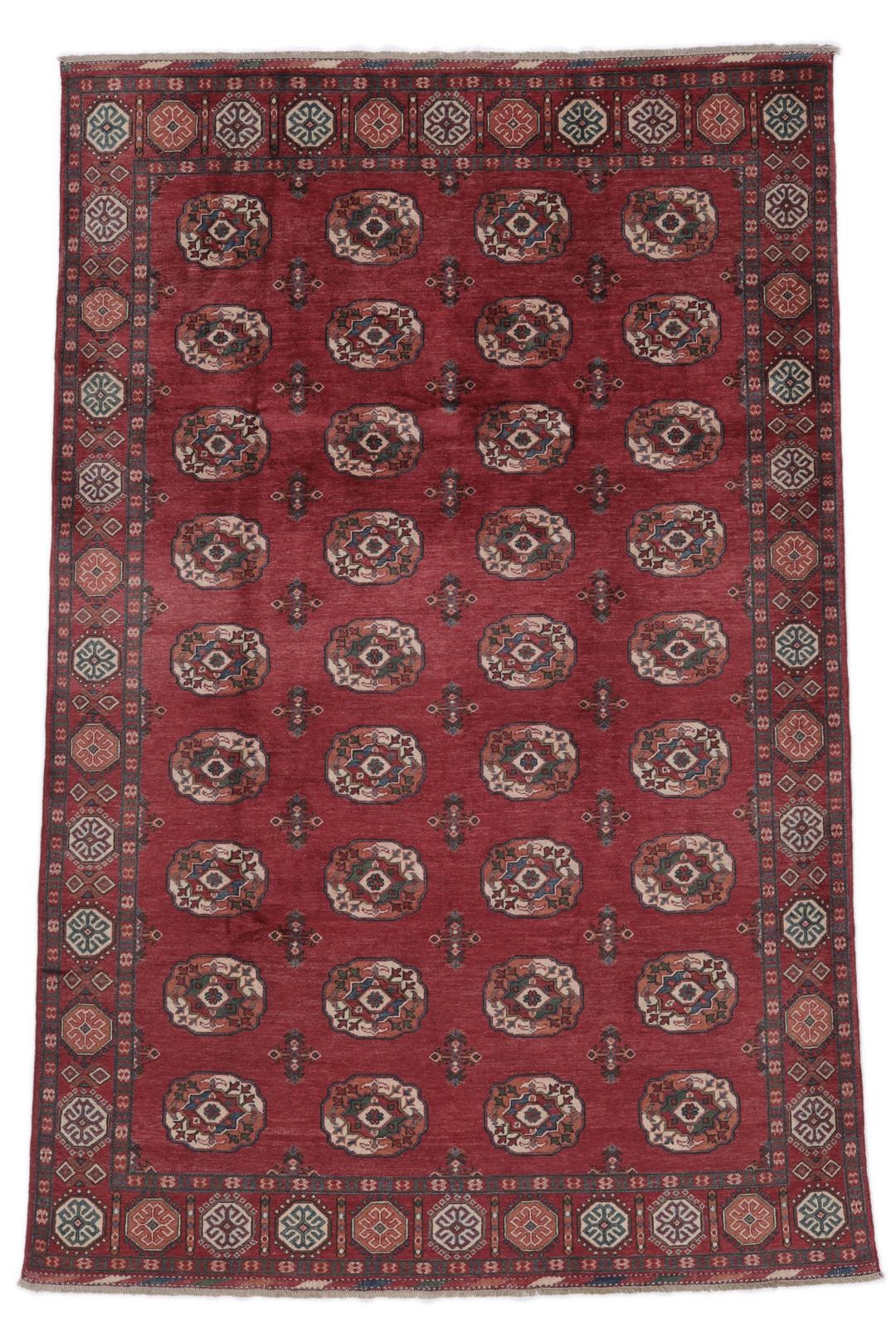
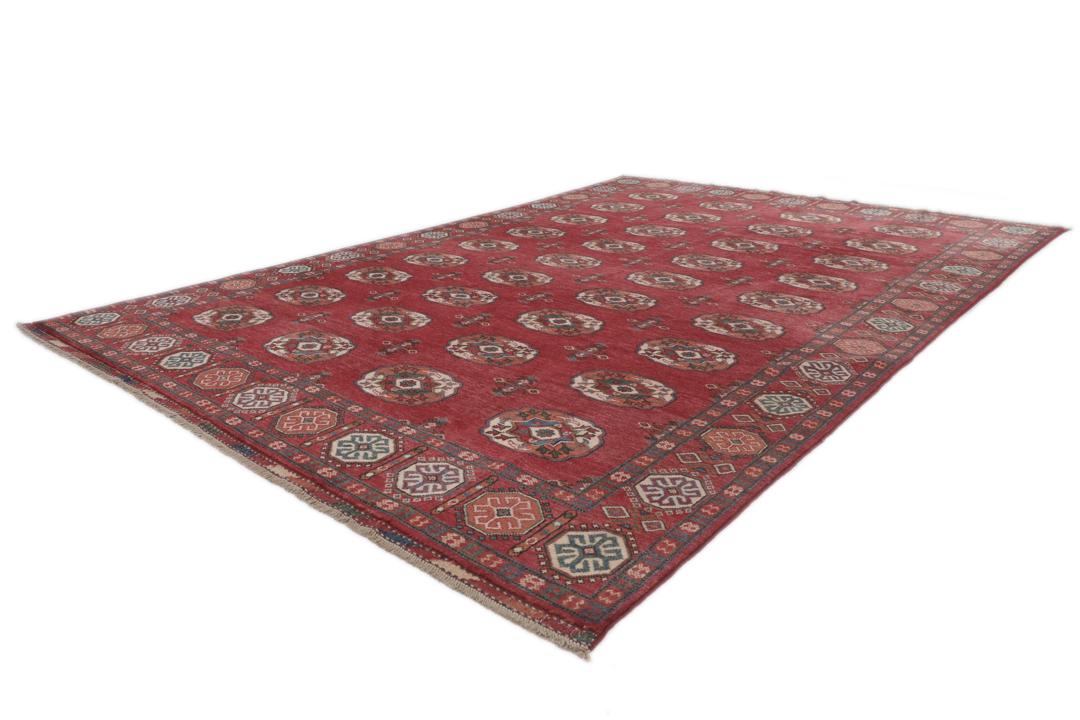
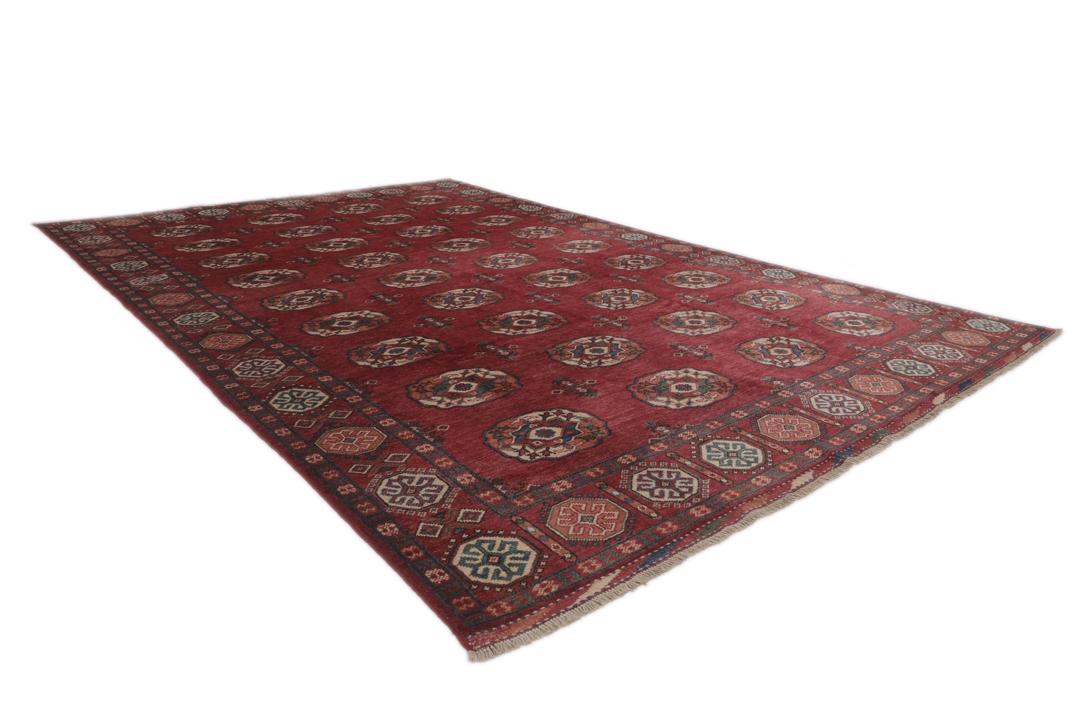
Kazak rugs represent a storied tradition of weaving that has long been celebrated across the Middle East and Central Asia. Originally created by nomadic and semi-nomadic groups, these rugs are renowned for their bold, graphic designs and vibrant use of natural dyes. While the term Kazak refers to a specific aesthetic style, the modern legacy of these rugs is deeply rooted in the skilled craftsmanship found in Afghanistan, where weavers continue to honour these ancient techniques.
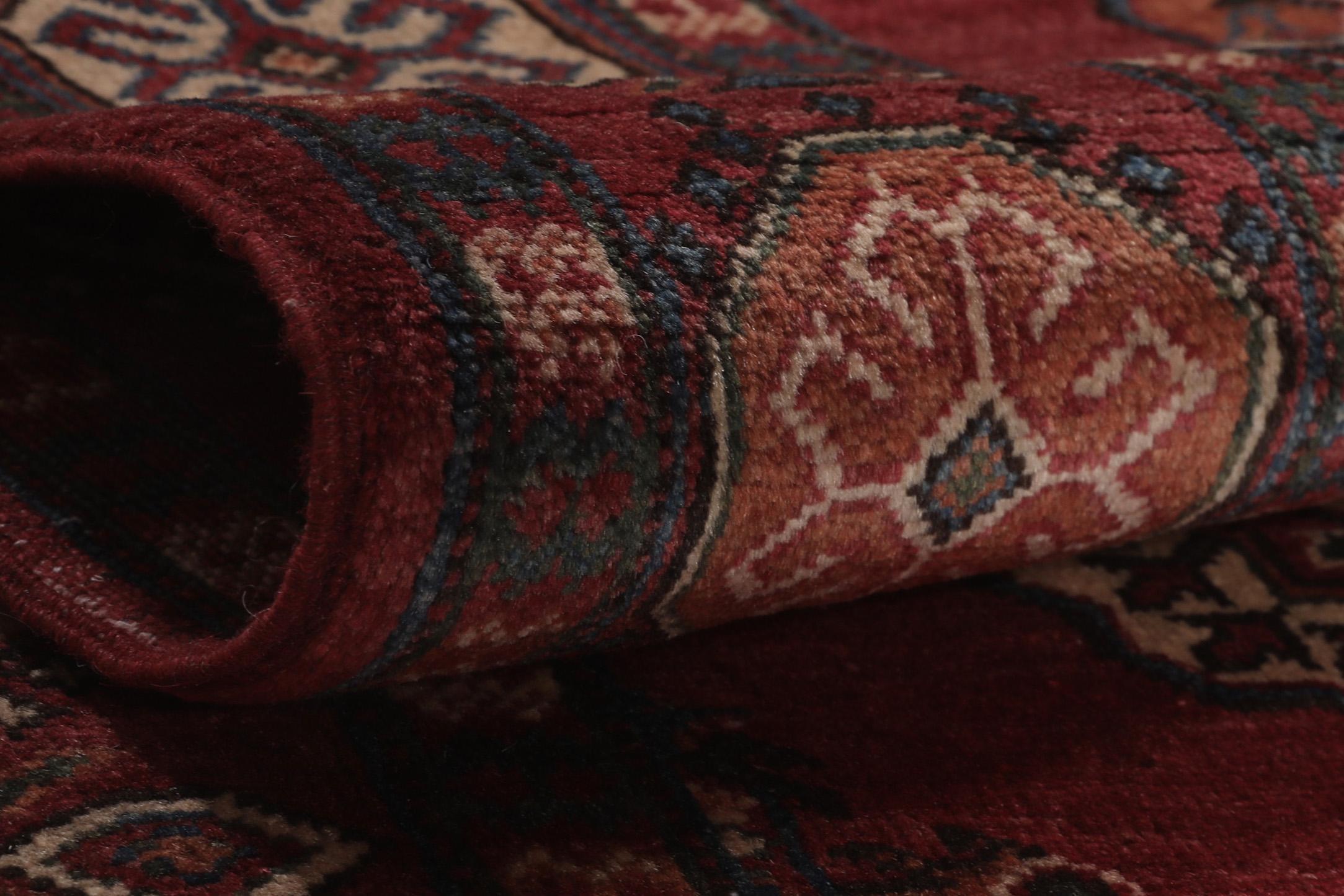
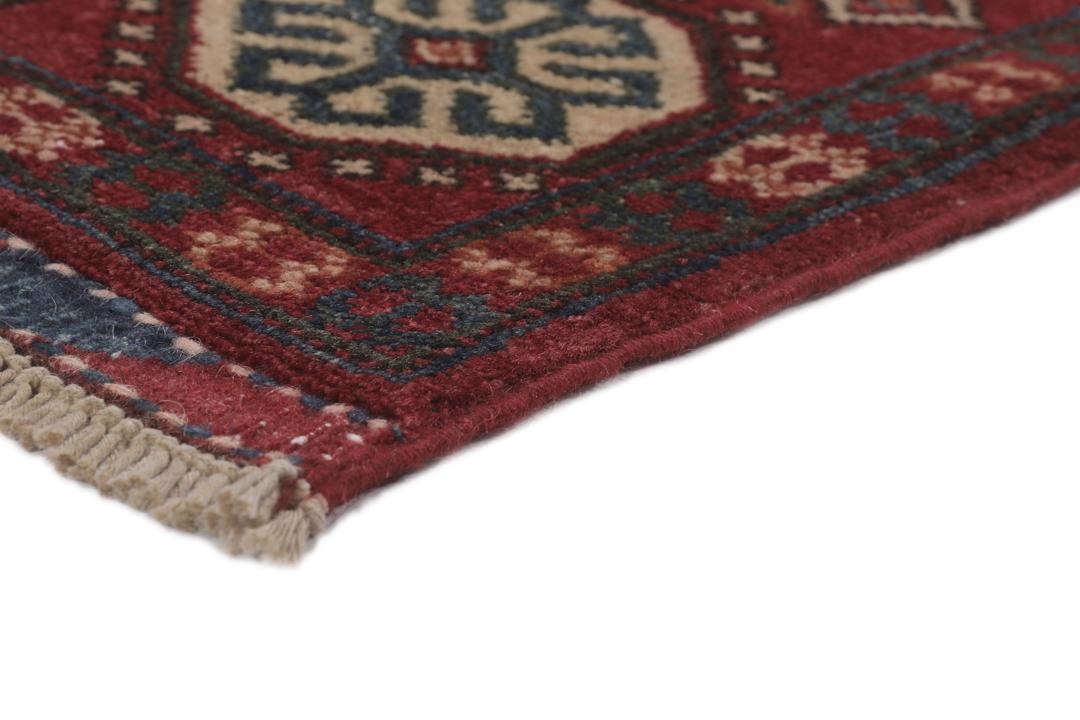
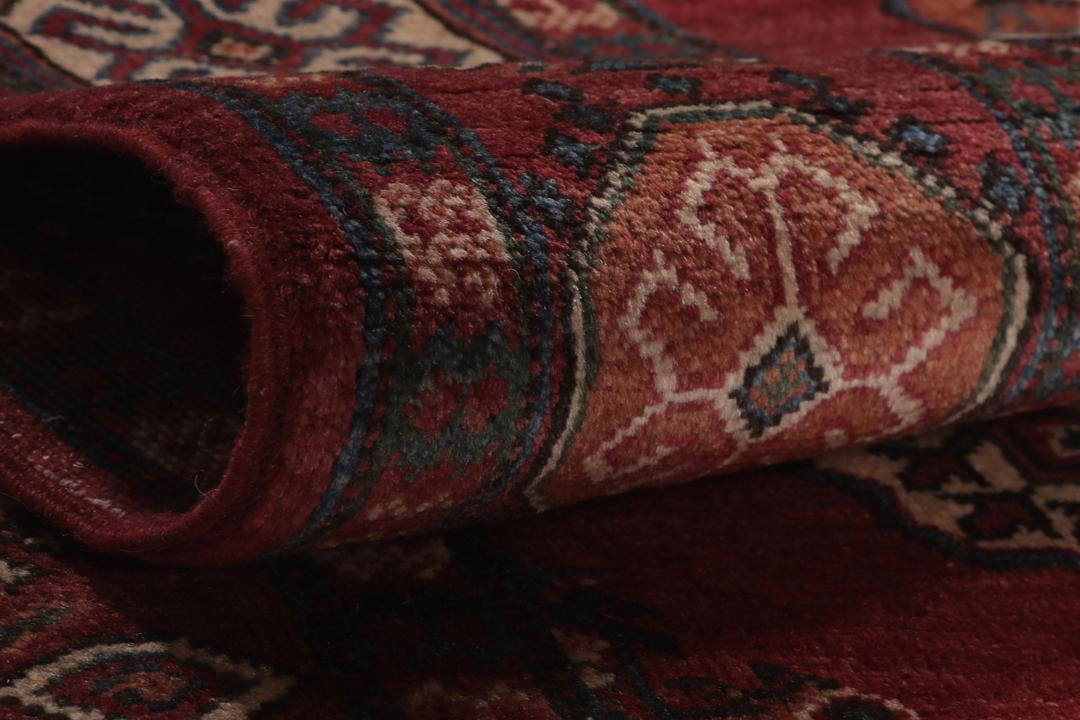
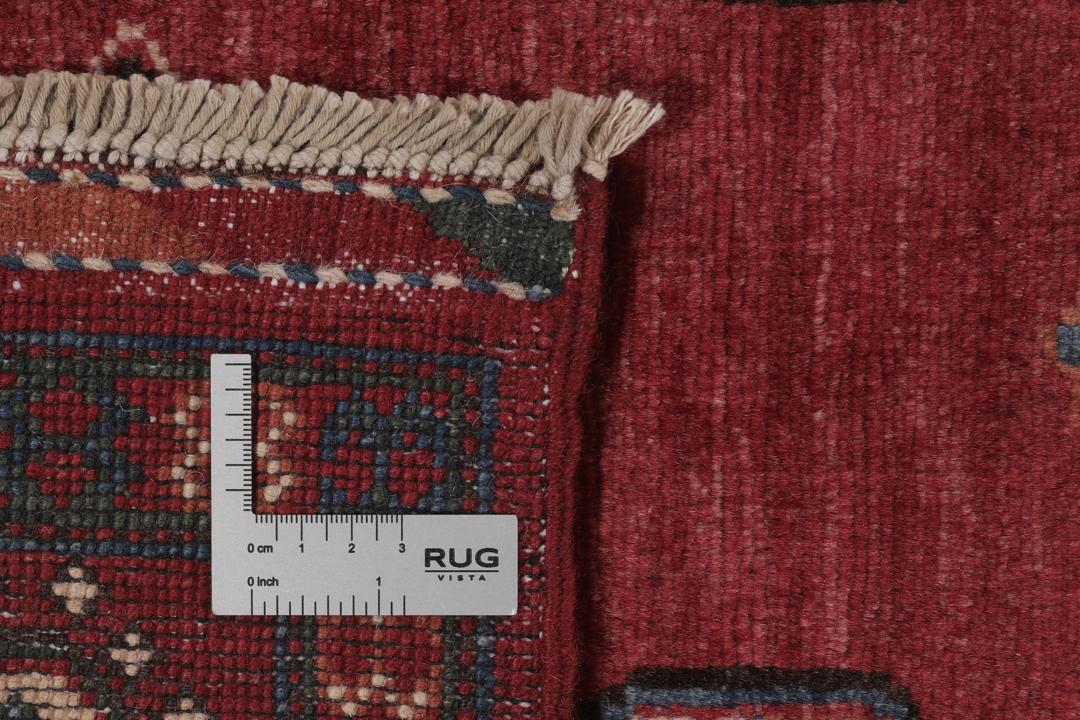
The technical construction of these rugs is what sets them apart in terms of longevity and quality. A true hand-knotted Kazak is characterised by its sturdy foundation and dense wool pile, which are designed to withstand the rigours of daily life. The use of traditional looms and manual knotting techniques ensures that the pile remains upright and vibrant, providing a tactile experience that is far superior to mass-produced floor coverings.
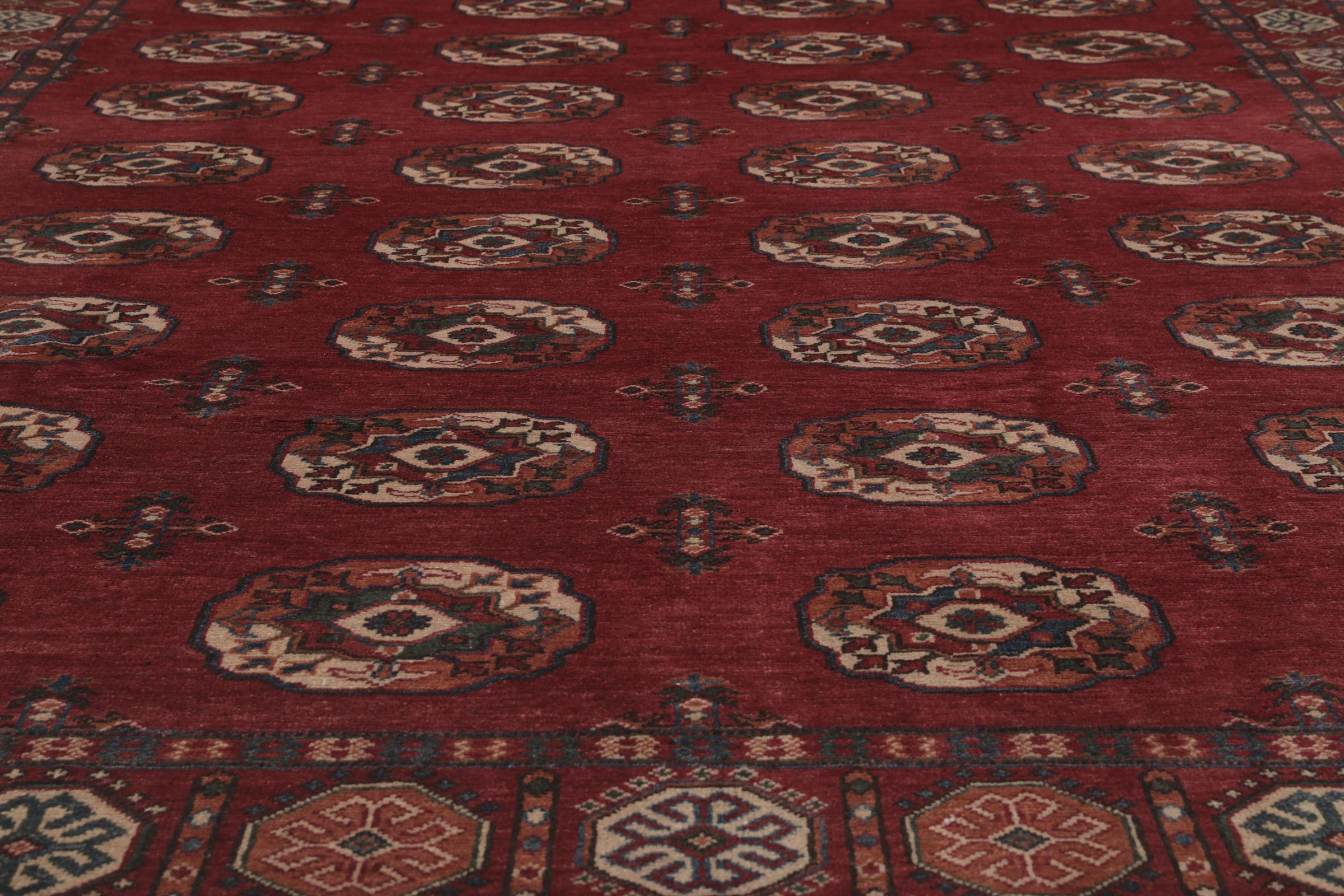
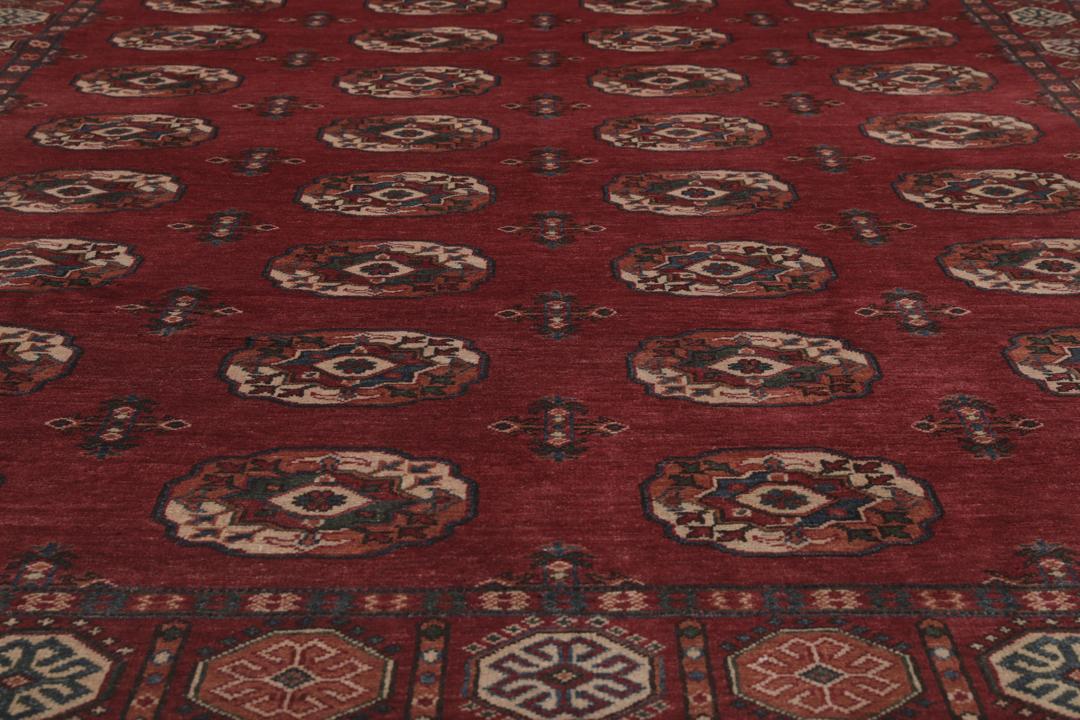
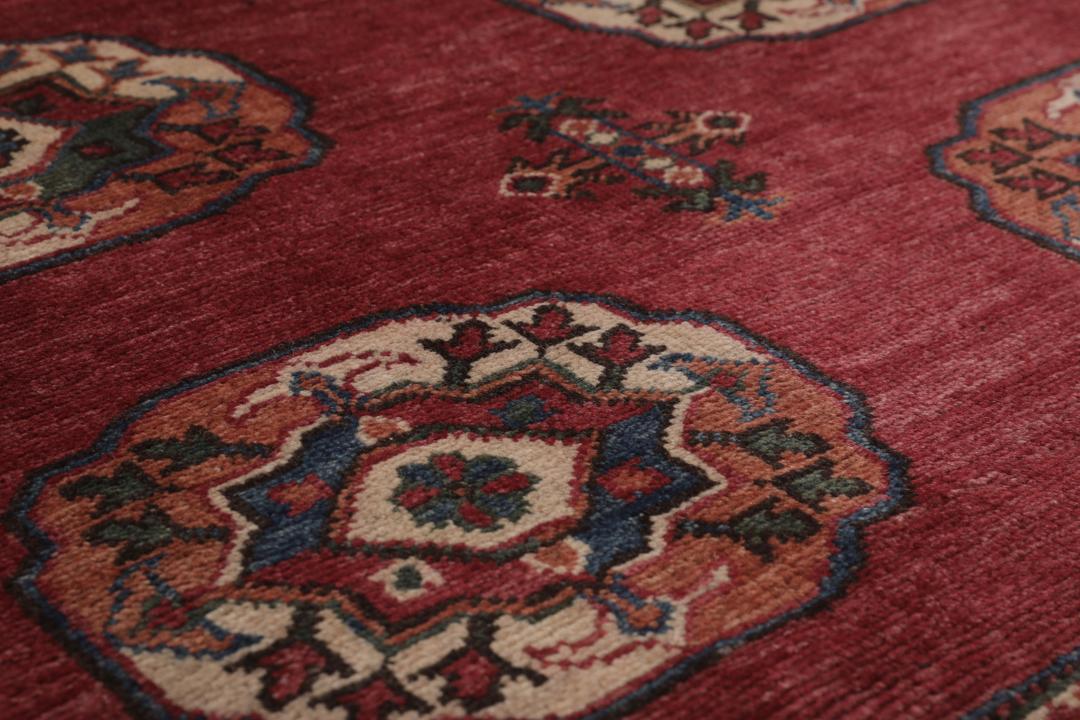
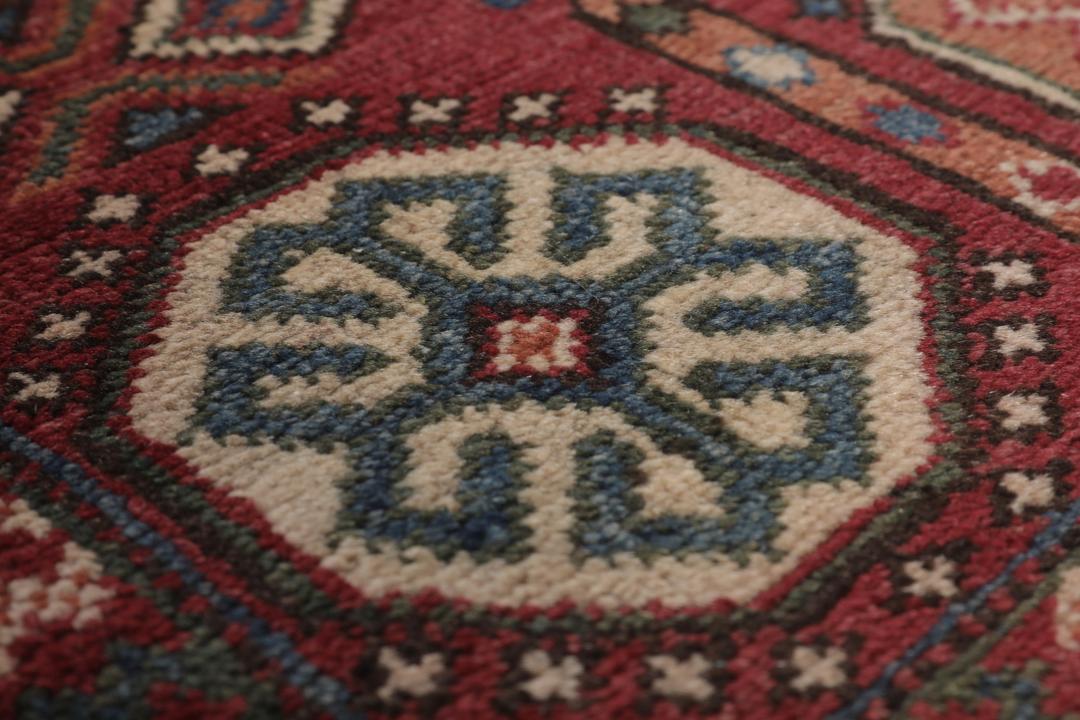
Visually, these rugs are defined by their geometric language. The field is typically adorned with stylised medallions, often referred to as gul or tribal motifs, which are frequently inspired by the natural world or ancestral heritage. The strong, primary colour palettes, especially the use of deep reds, are signature elements that provide a striking contrast against the geometric shapes, making them unmistakable in any interior setting.
Owning a Kazak rug is about more than just decoration; it is about acquiring a piece of cultural history. These rugs are highly valued by collectors and enthusiasts alike because they represent a marriage of artistic expression and practical utility. By choosing a hand-knotted piece, you are supporting a craft tradition that has been passed down through generations, ensuring that these skills and stories remain a vital part of our modern homes.