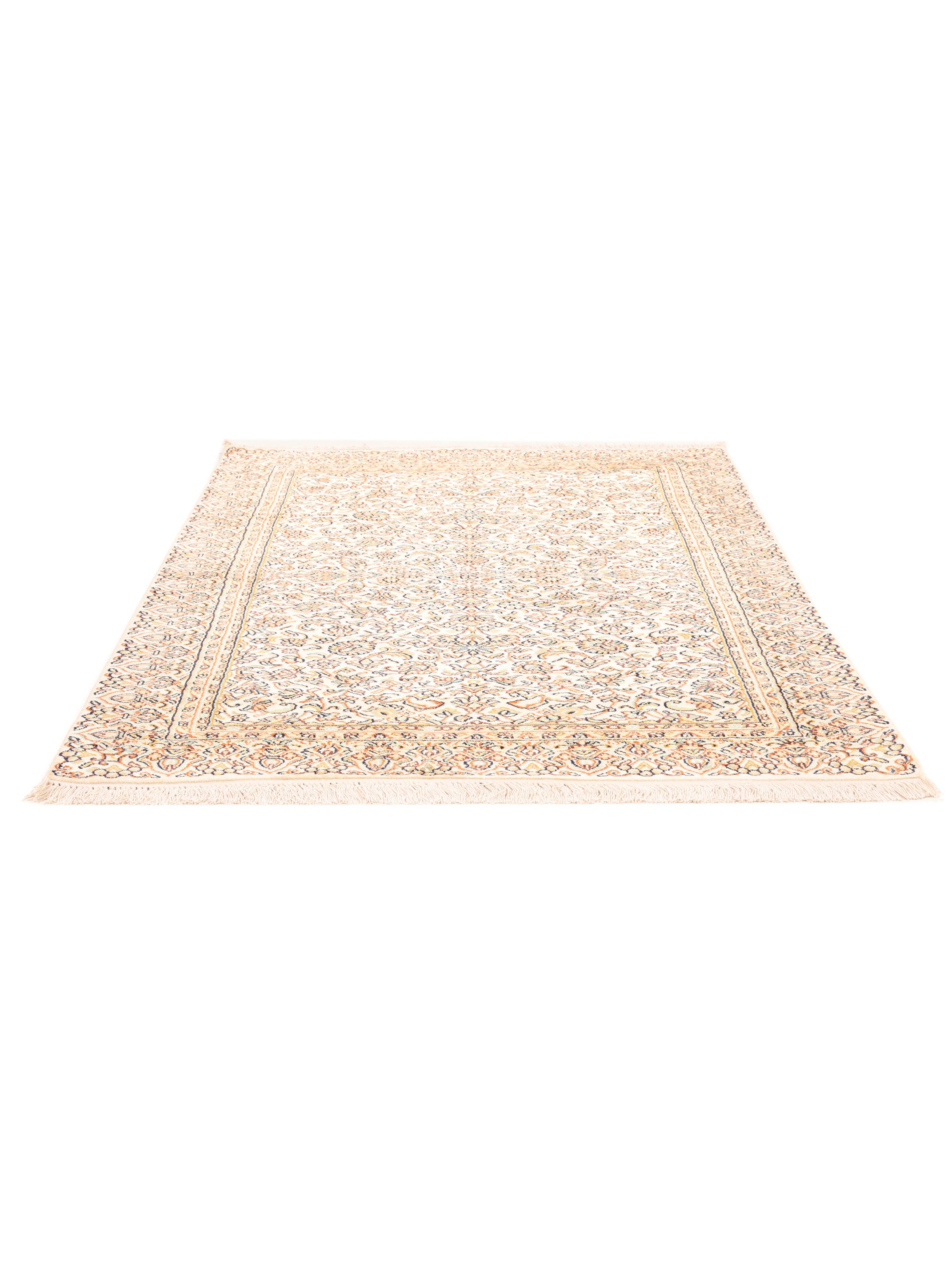
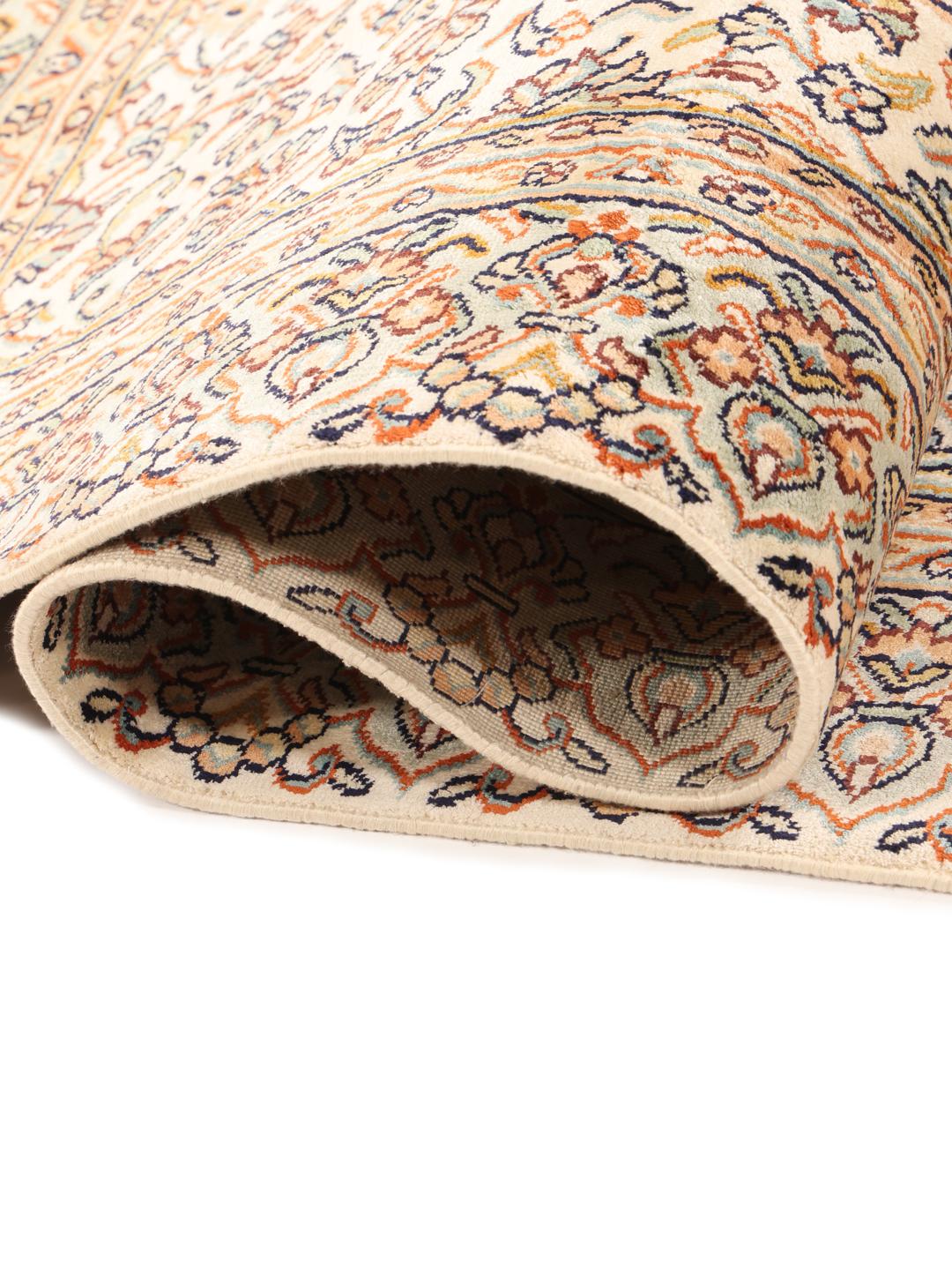
The tradition of weaving in Kashmir, India, is a storied craft that dates back centuries, deeply influenced by the cultural exchanges along the historic Silk Road. Originally introduced to the region by Central Asian artisans, the craft evolved to reflect the local aesthetic, characterised by a unique focus on intricate, nature-inspired motifs that draw heavily from the lush landscapes of the Kashmir Valley.
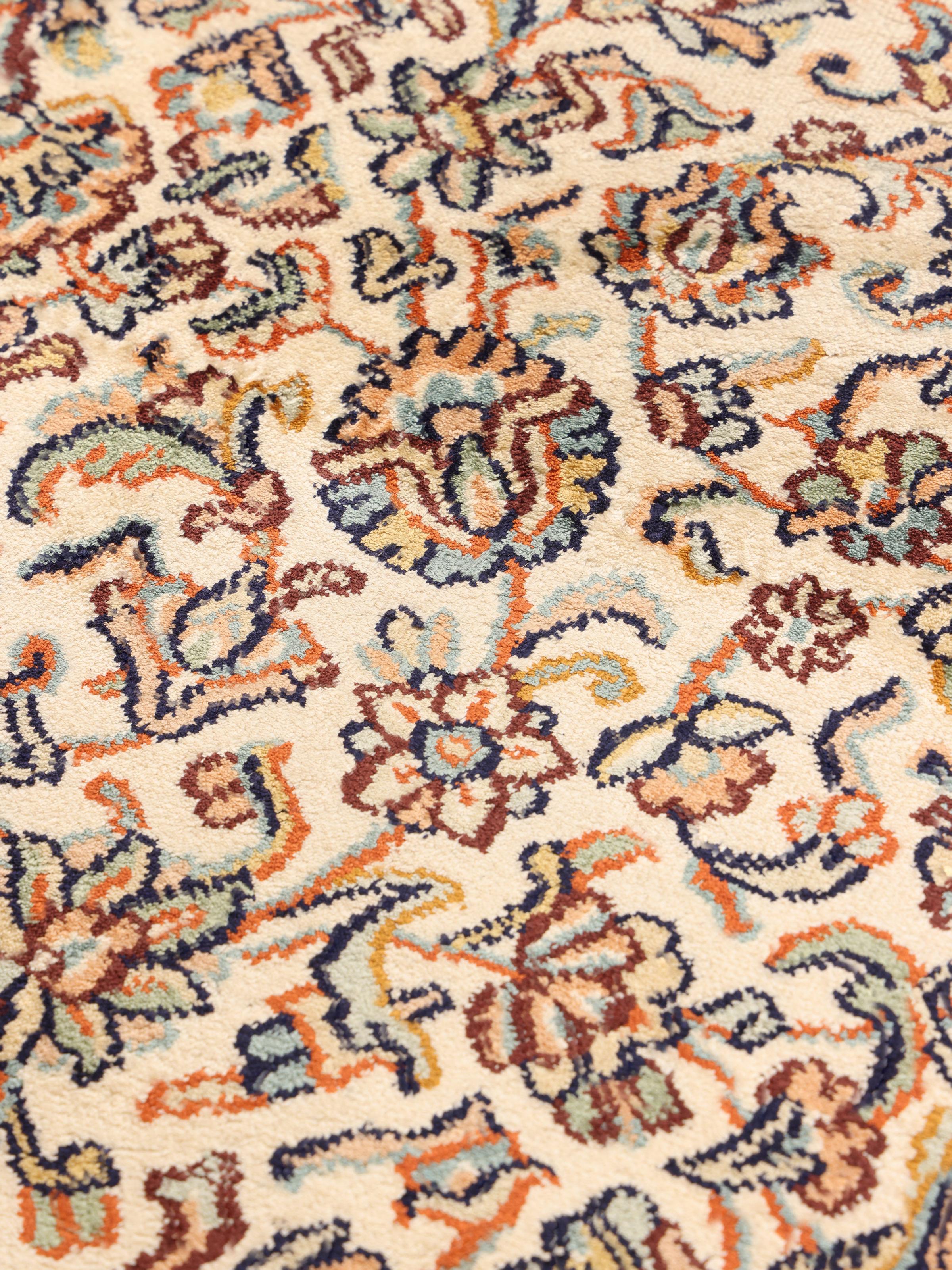
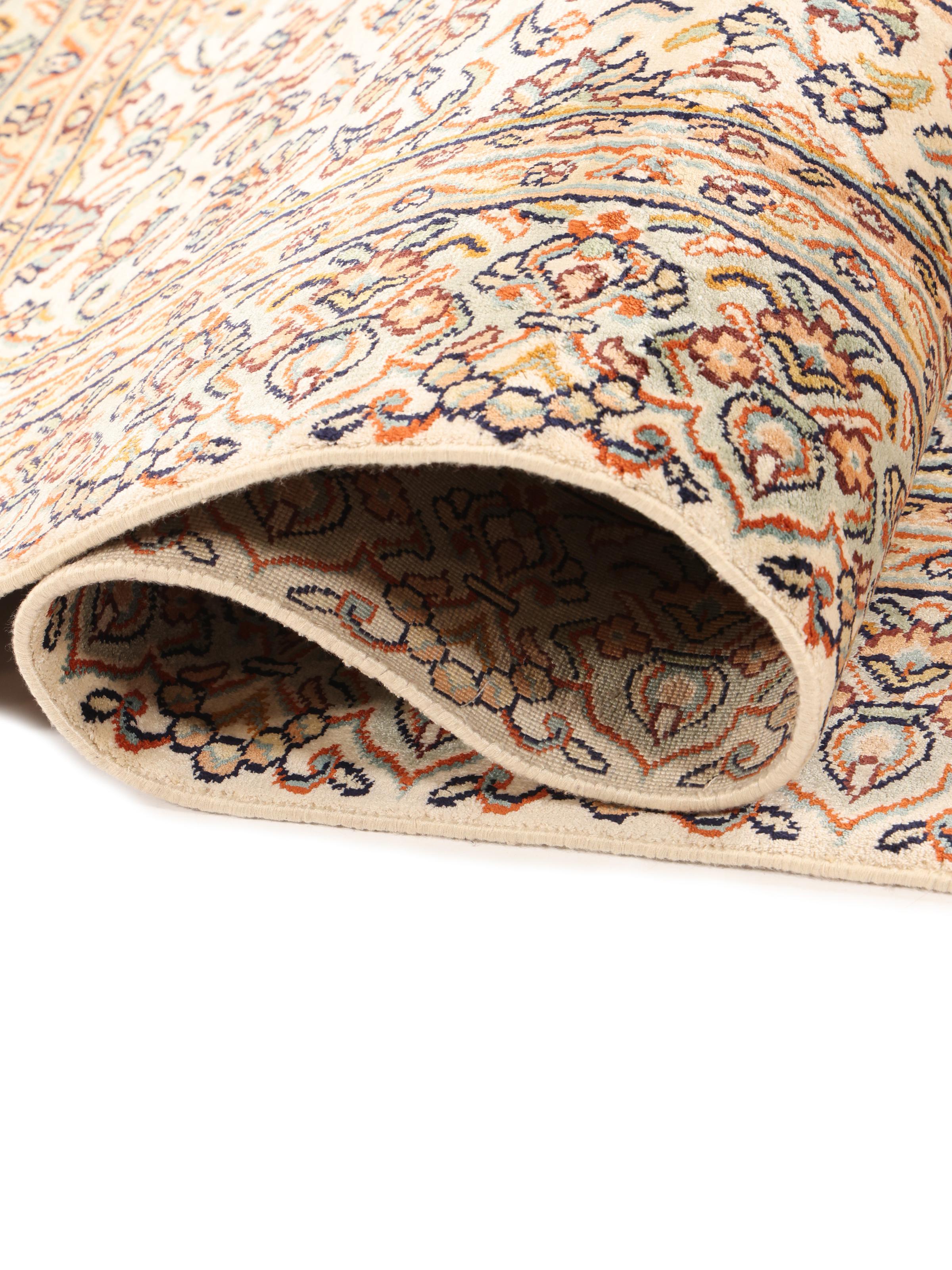
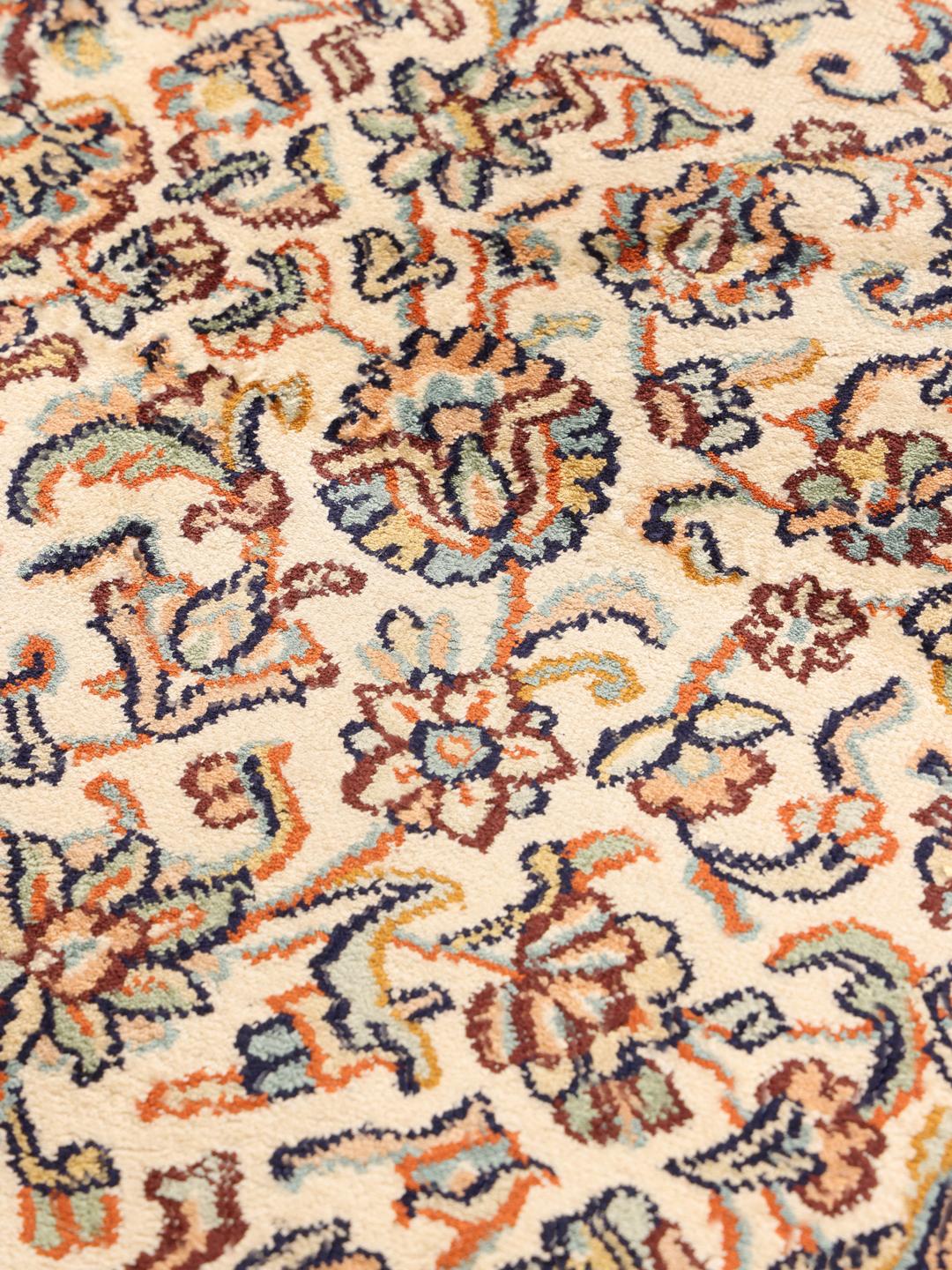
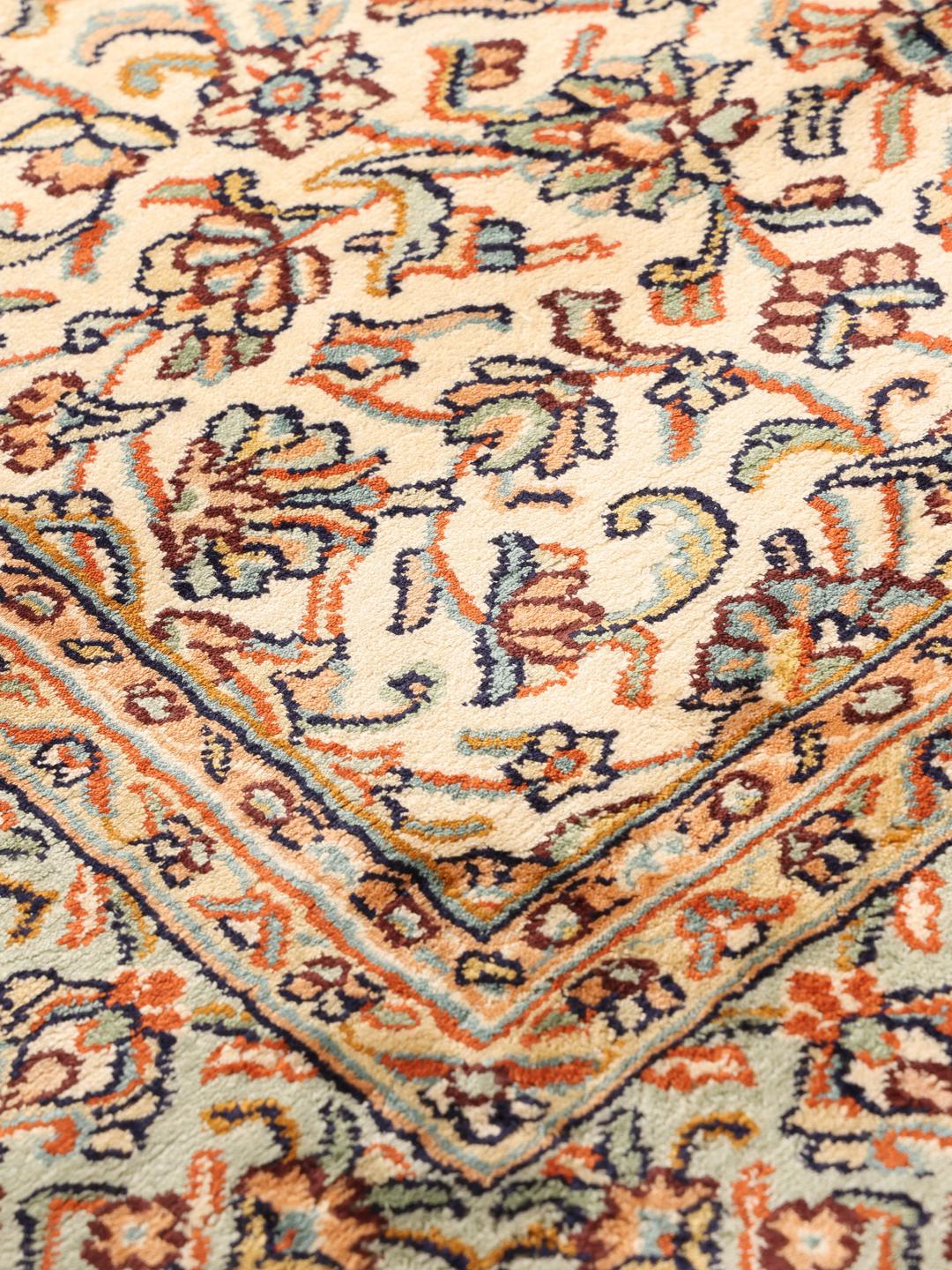
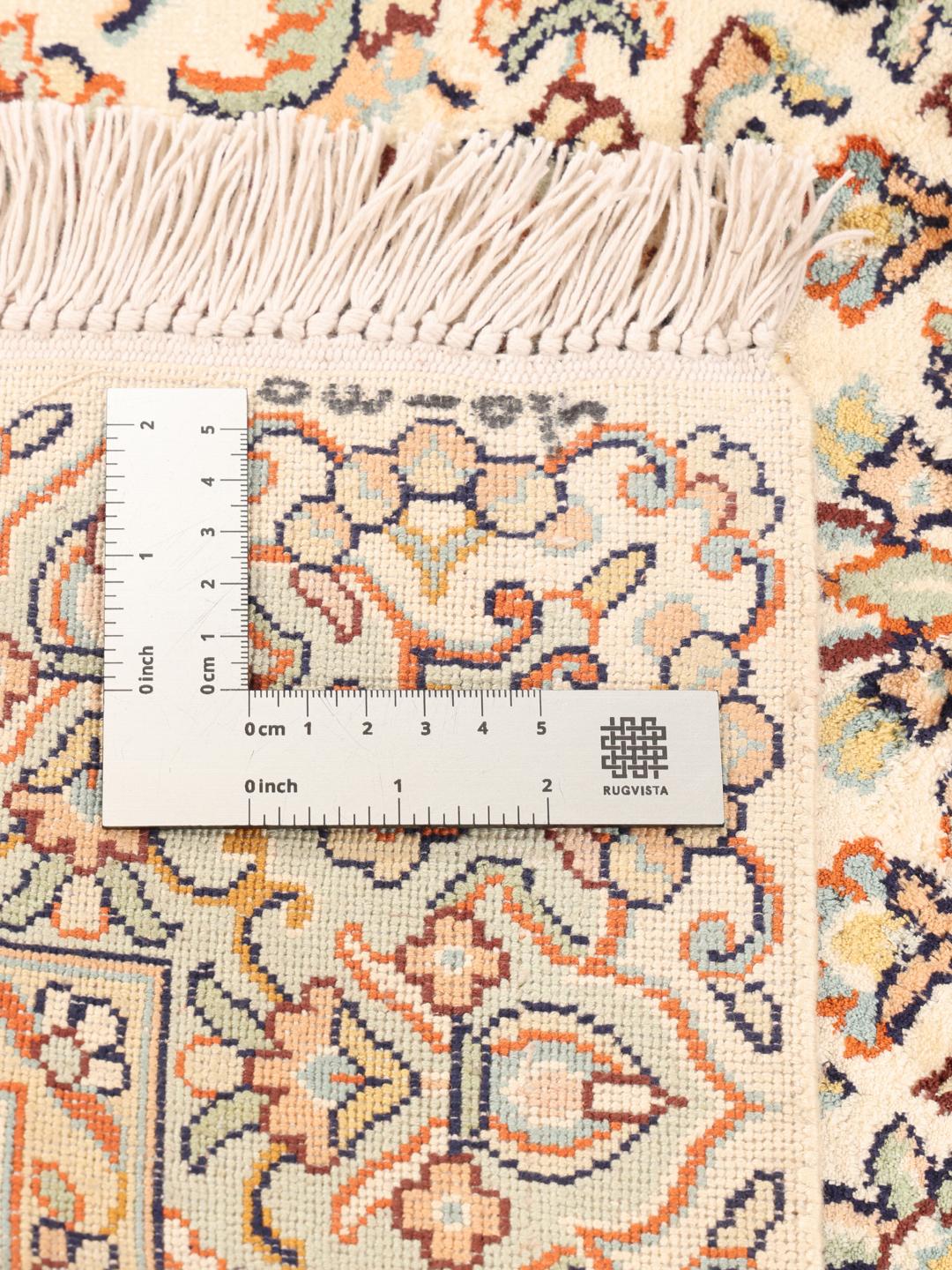
Technical excellence is the hallmark of the Kashmir weaving tradition, where the use of fine, long-staple threads allows for a level of detail that is difficult to achieve elsewhere. The mastery of the knotting technique is passed down through generations, with artisans refining their ability to create complex, curvilinear designs that appear almost painterly. This focus on precision ensures that the rug is not only a decorative element but a functional masterpiece.
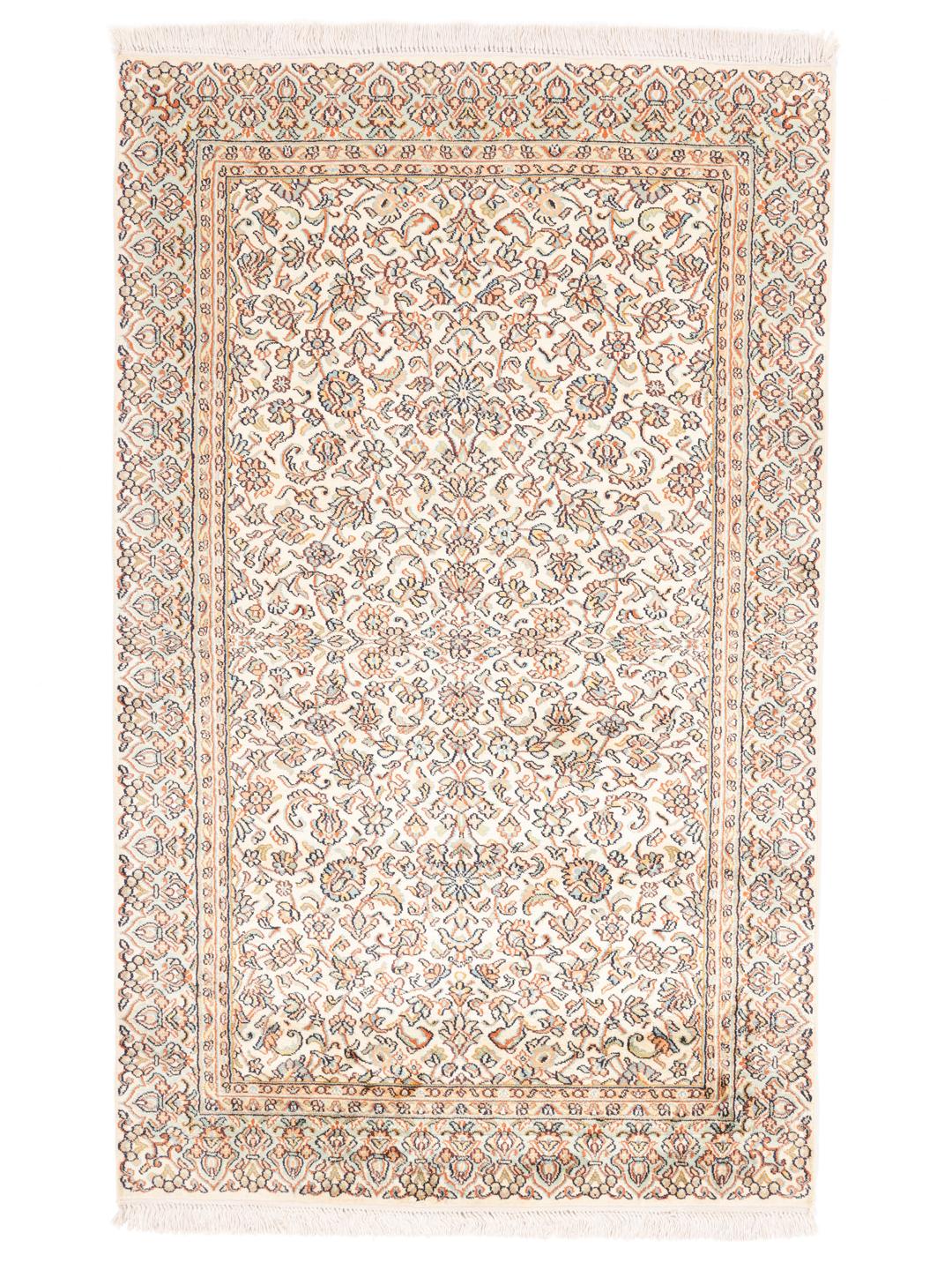
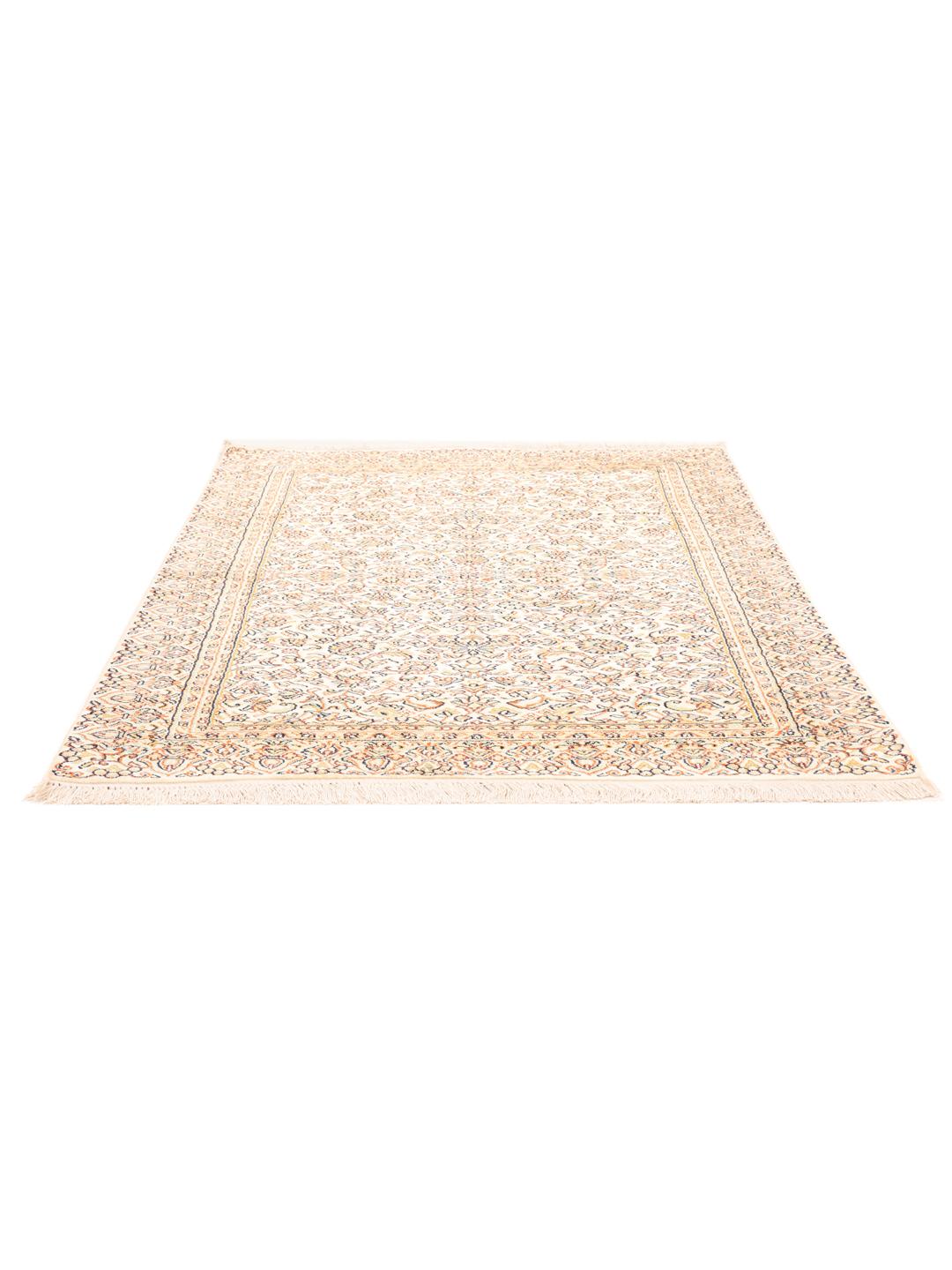
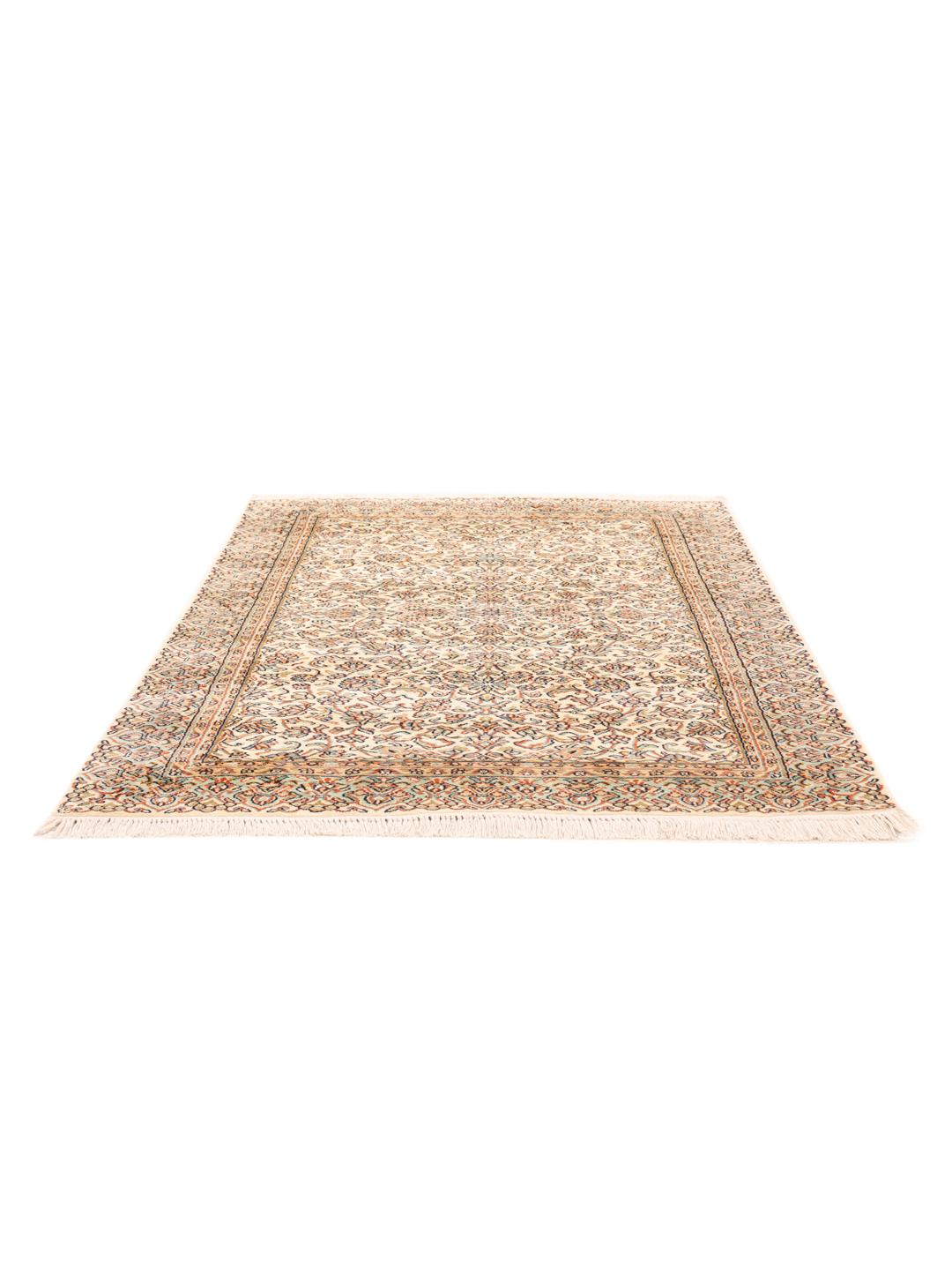
The signature design language of these rugs often features the iconic floral and vine patterns, known locally as the 'tree of life' or elaborate paisley motifs. These designs are meticulously balanced within a formal border, creating a sense of harmony and proportion. While traditional colour palettes often lean into earthy or soft floral tones, the artistry lies in how these colours are layered to provide depth and movement to the field.
Owning a piece from this tradition is a way to connect with a legacy of immense skill and cultural heritage. These rugs are highly prized by collectors for their durability and the way they age, often becoming more beautiful with time. They represent a commitment to the preservation of traditional craft, offering a sense of history and human connection that makes them truly special for any home.