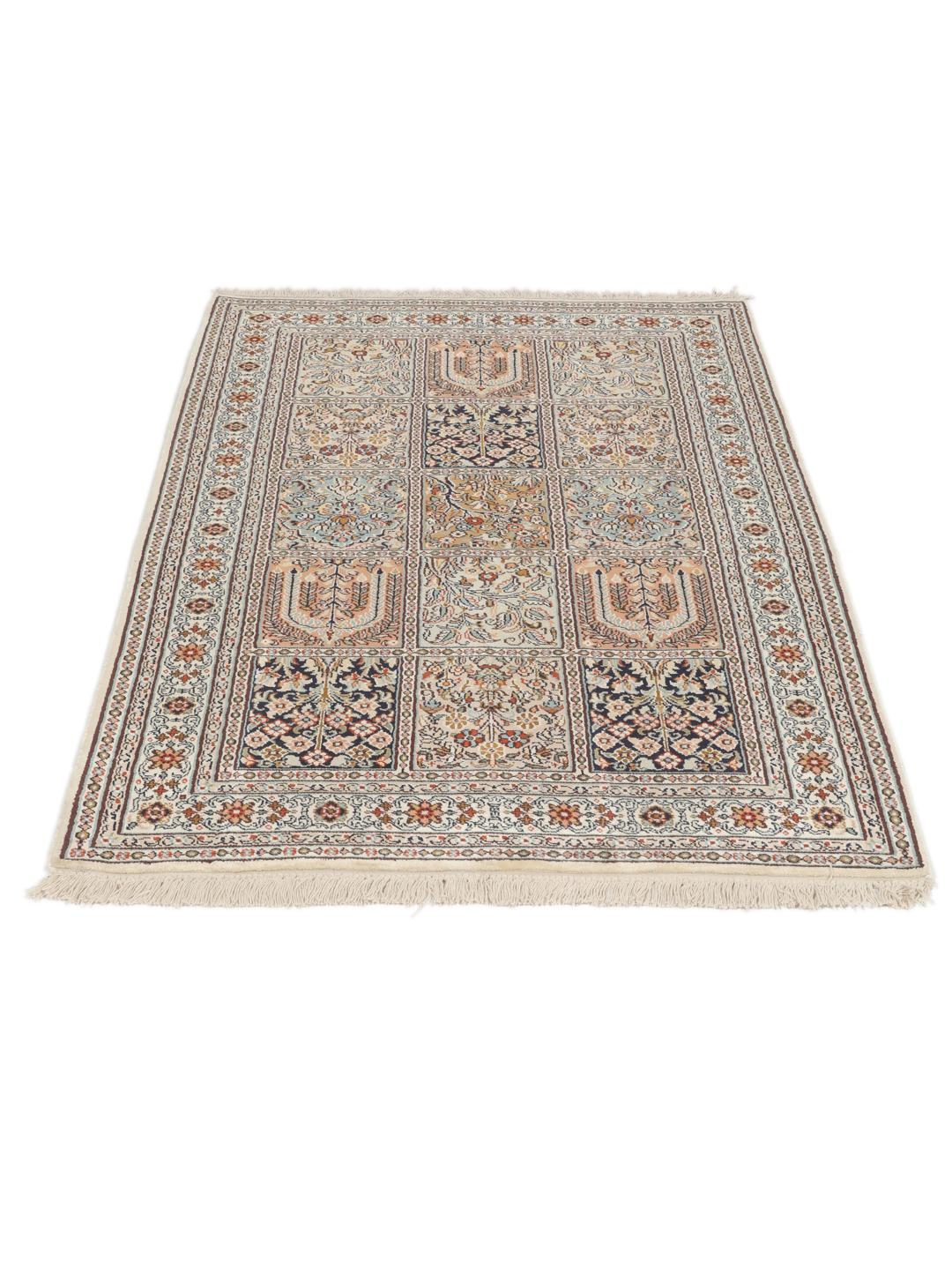
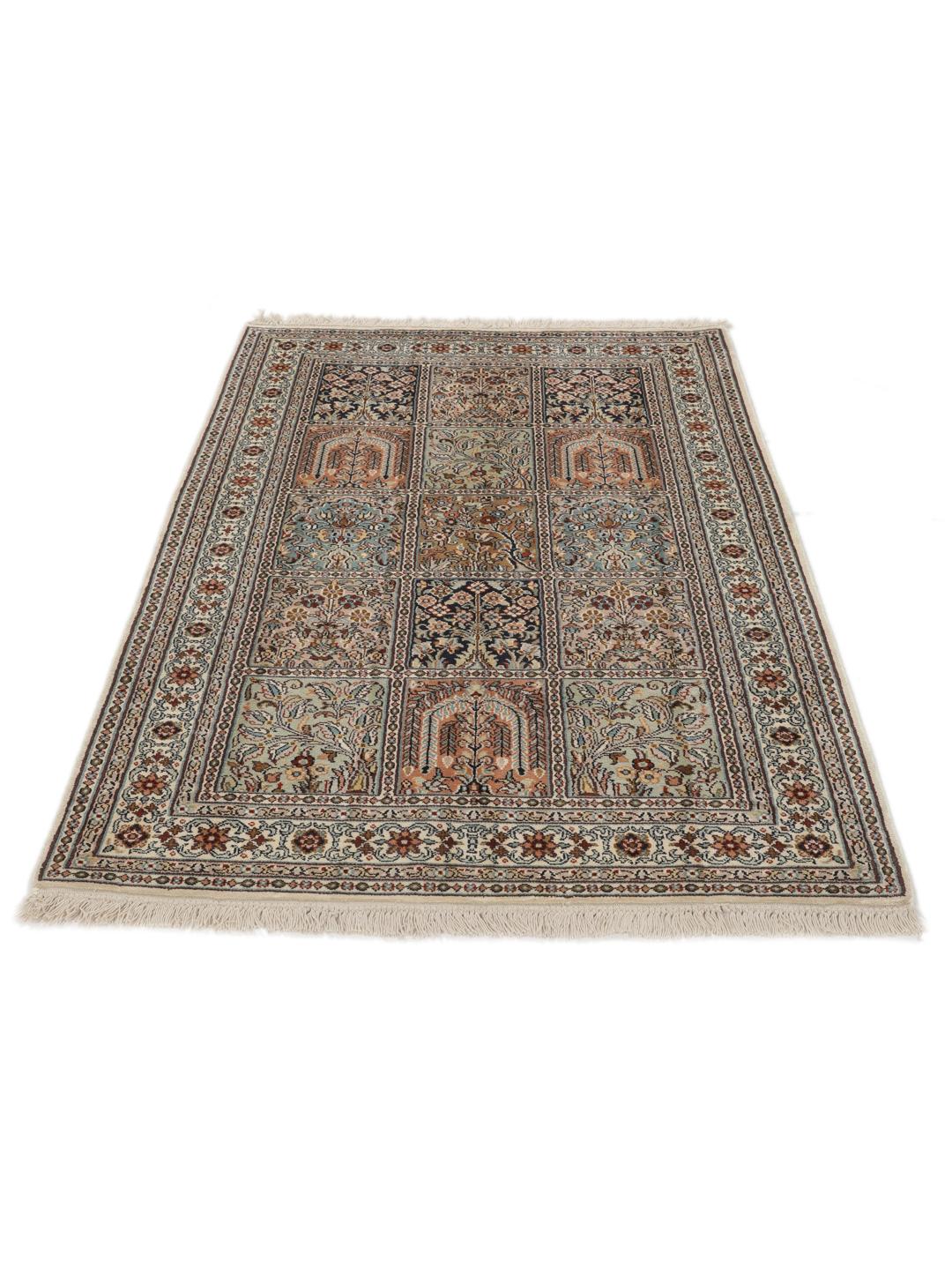
Kashmir rugs are celebrated for their deep roots in the tradition of shawl weaving, an art form that has flourished in the Kashmir Valley for centuries. Originally, the intricate designs and fine materials were reserved for elite garments, but over time, these techniques were adapted into the creation of floor coverings that carry the same level of prestige and artistry. Today, India remains the heart of this craft, keeping alive the methods passed down through generations of skilled weavers.
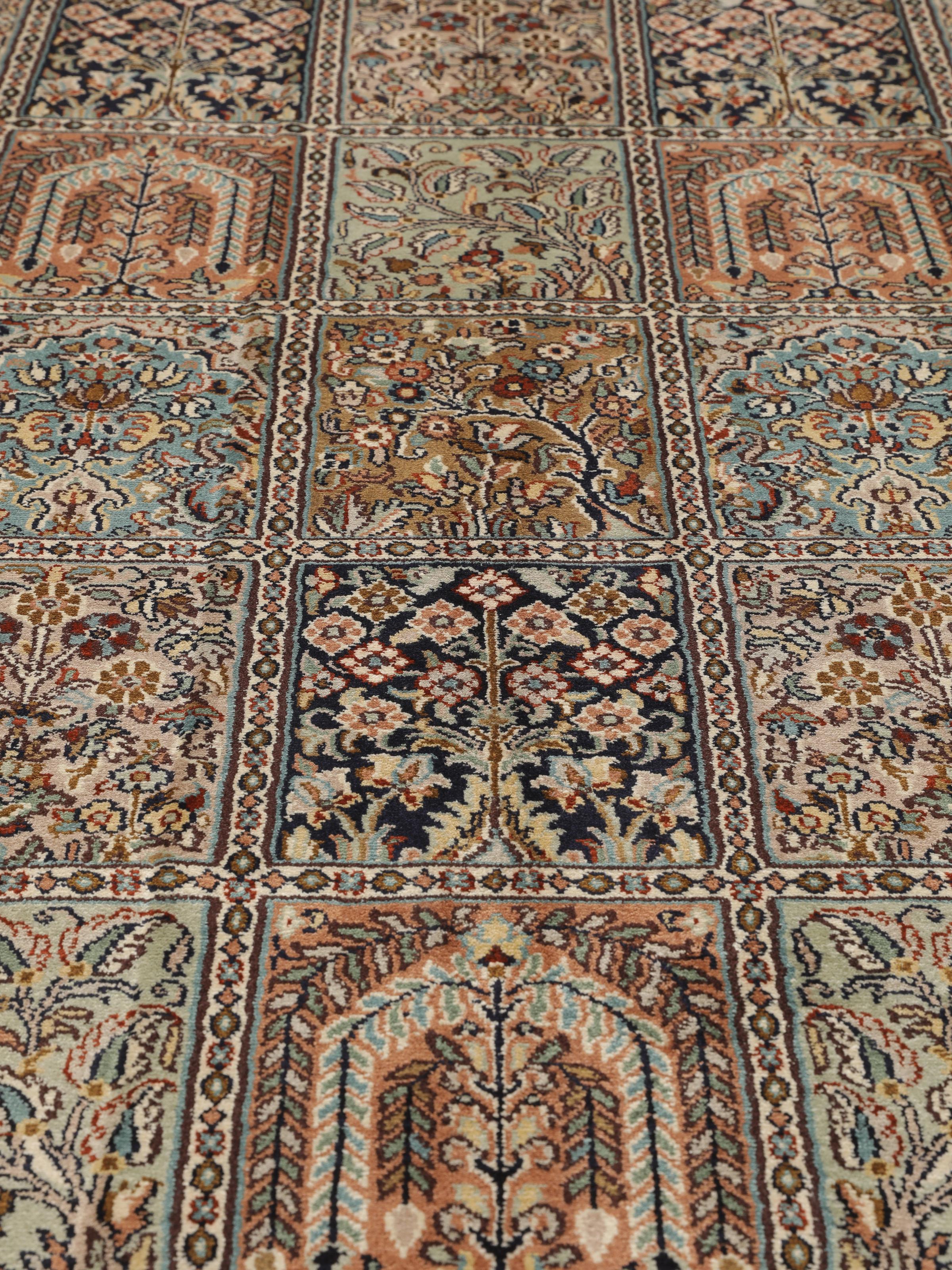
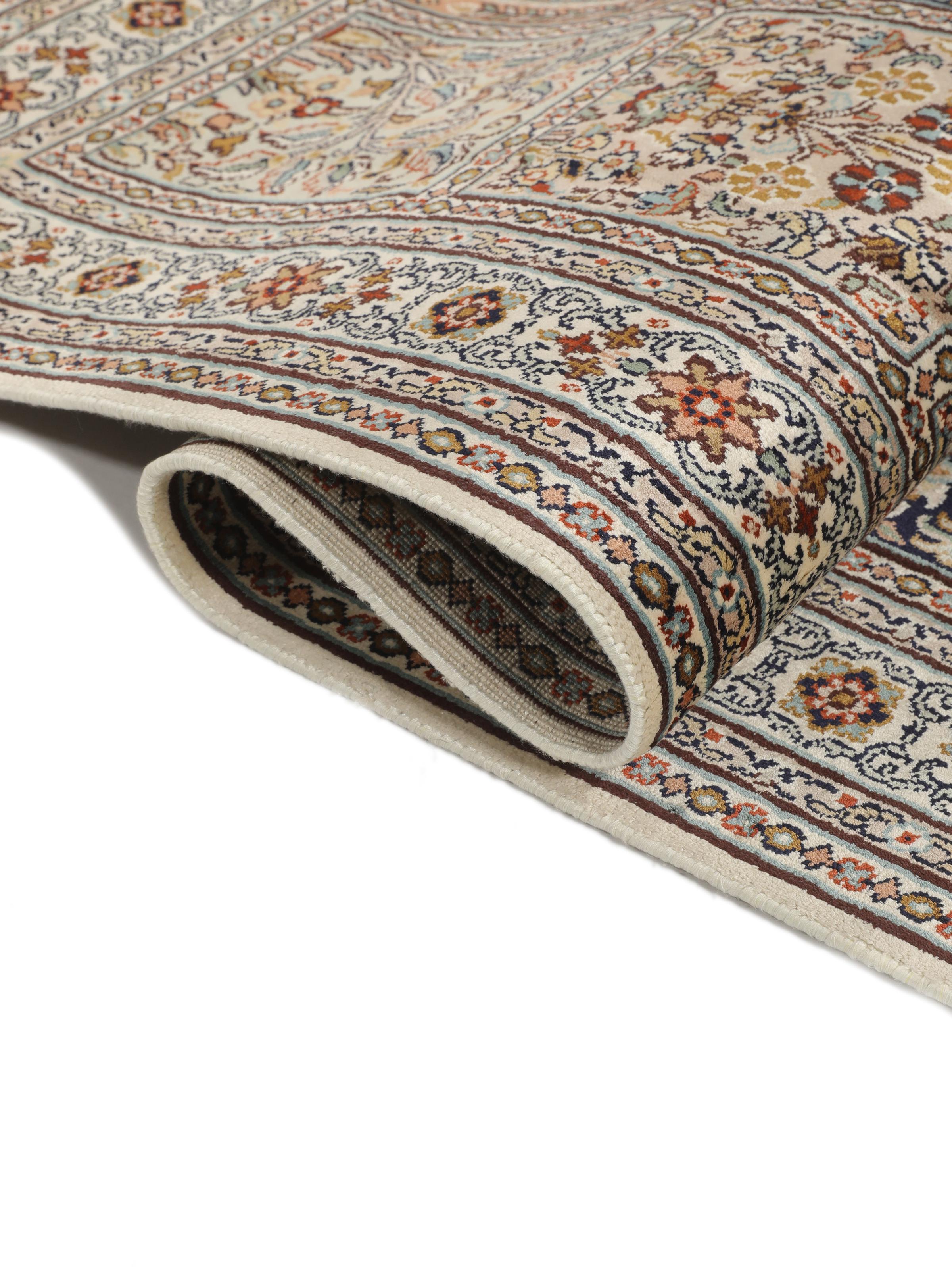
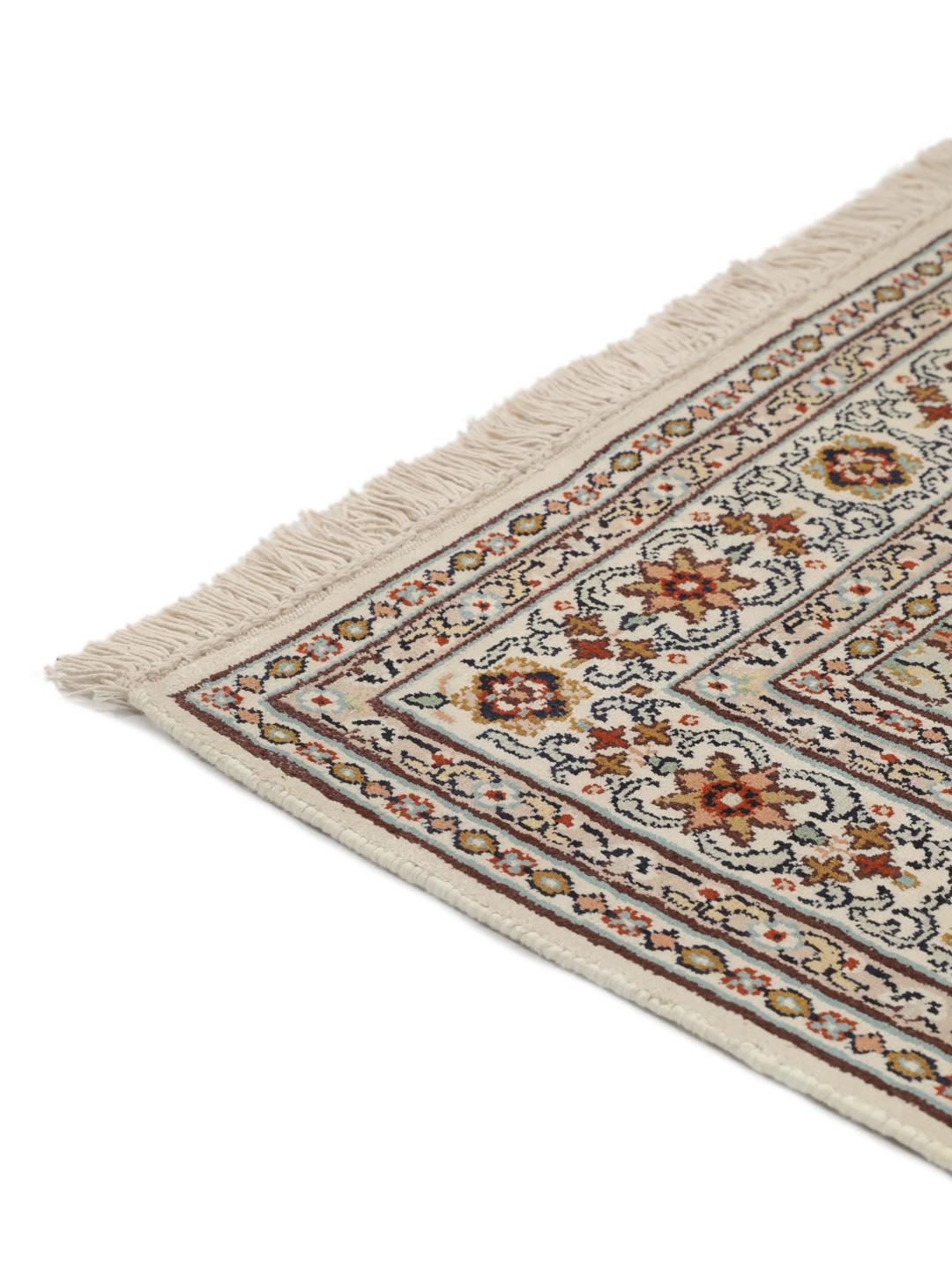
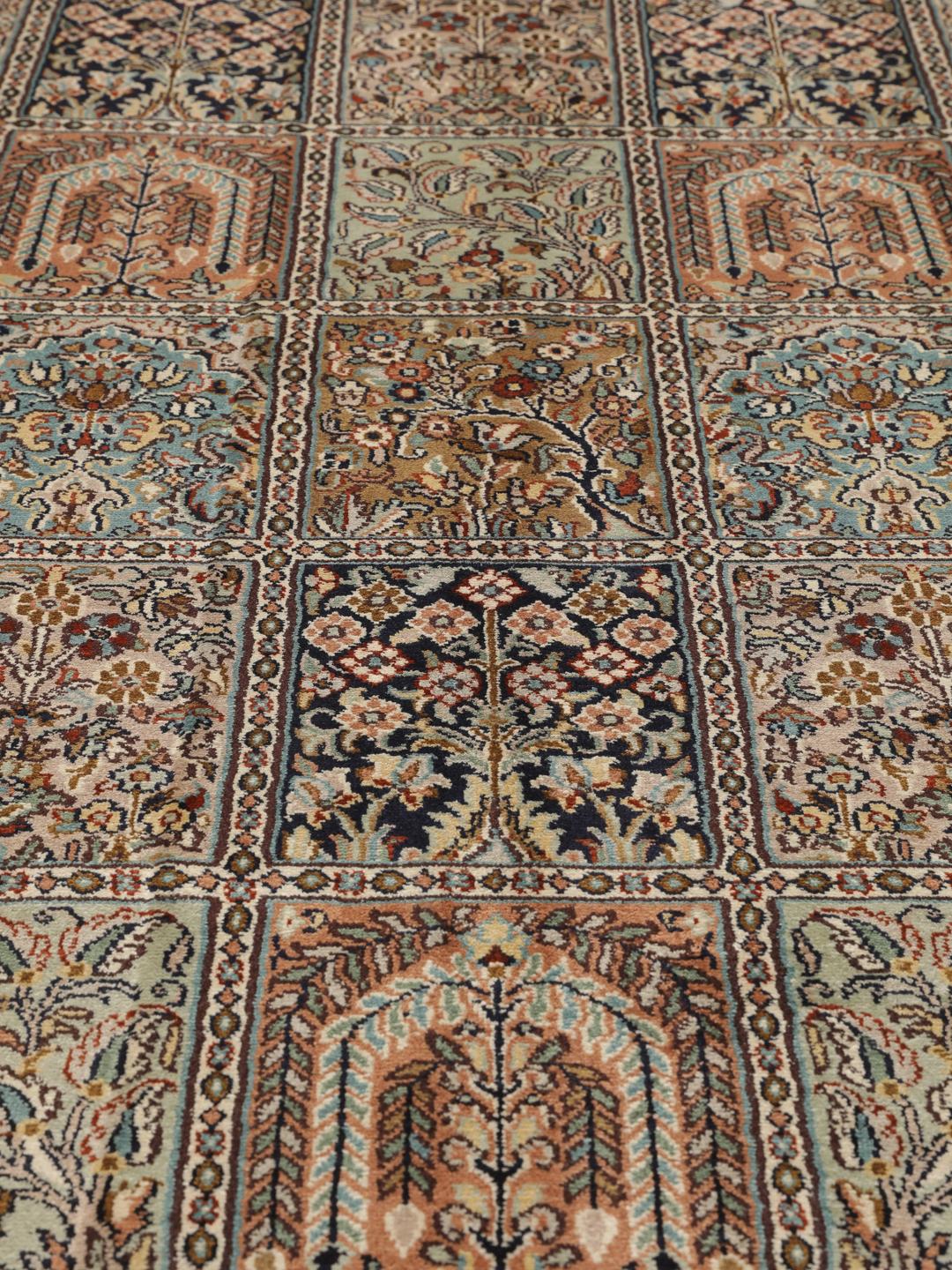
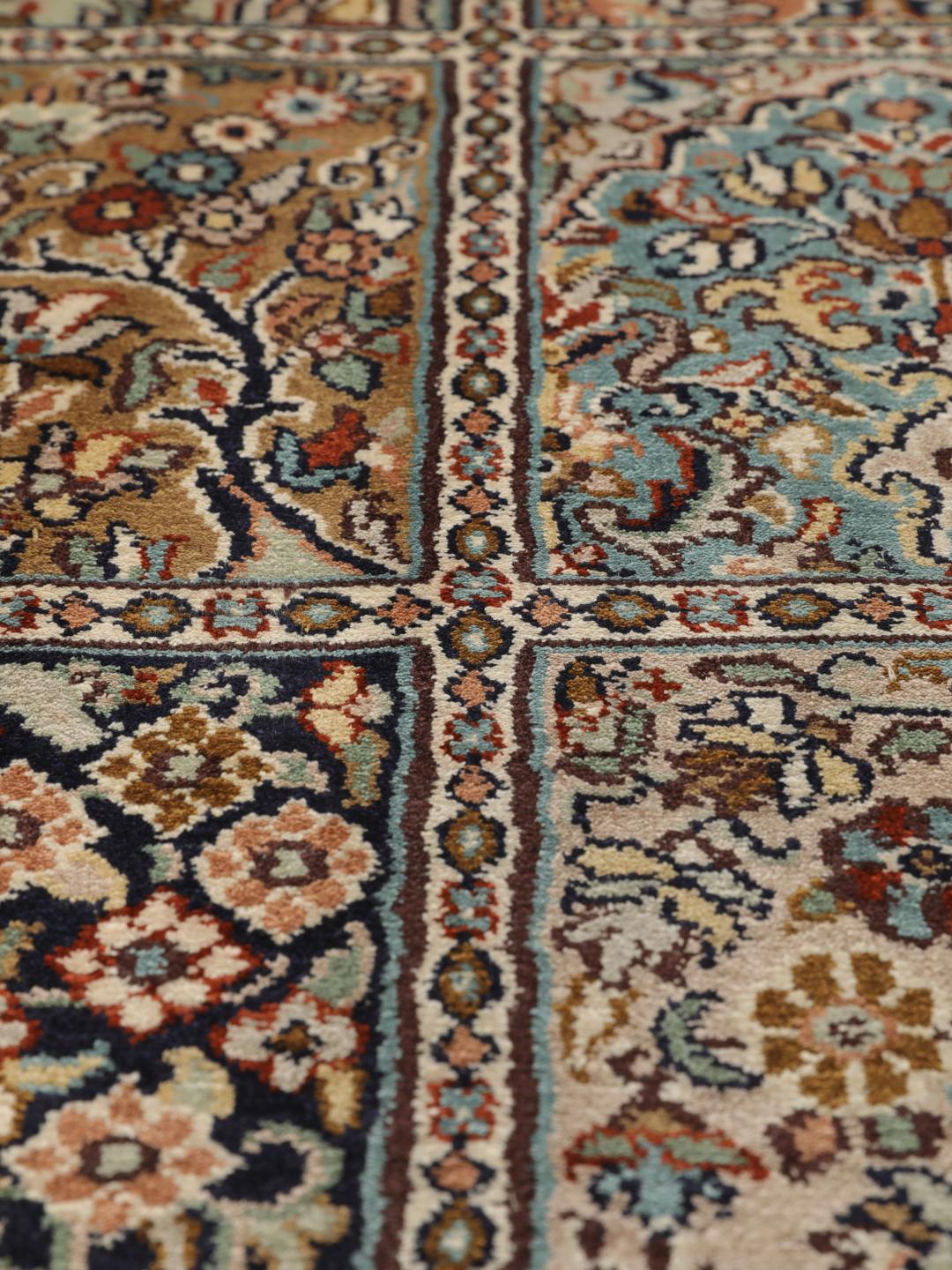
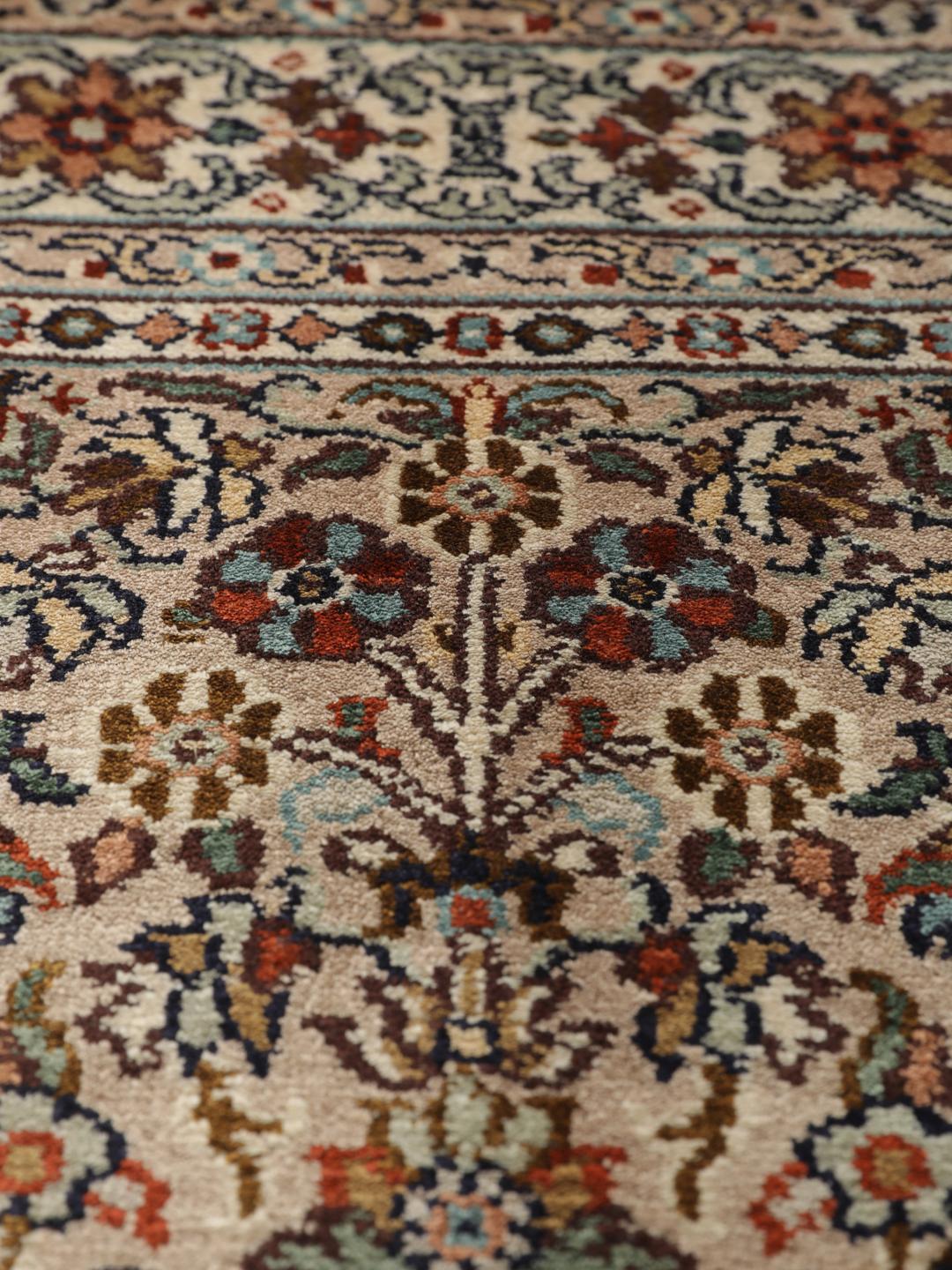
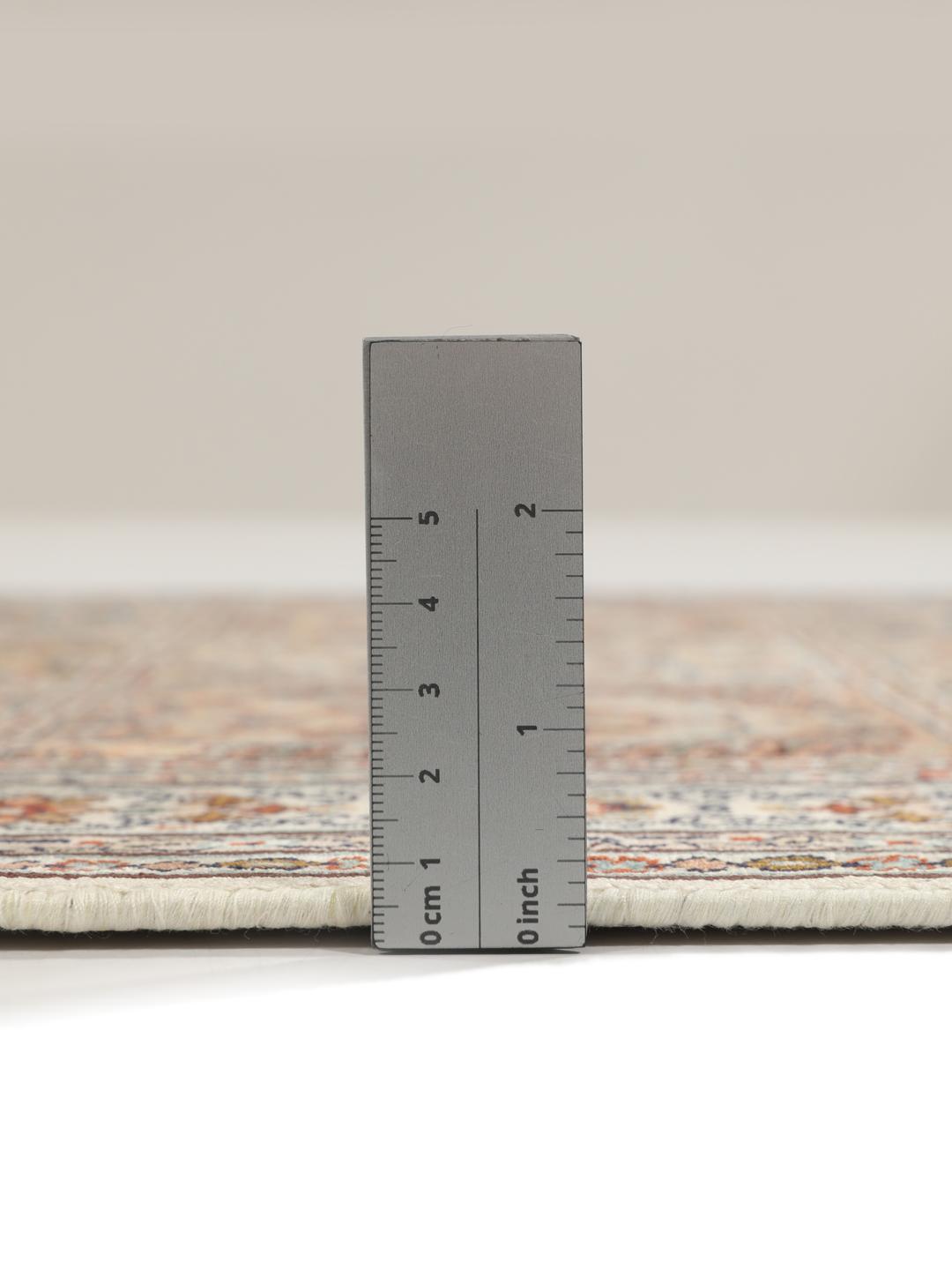
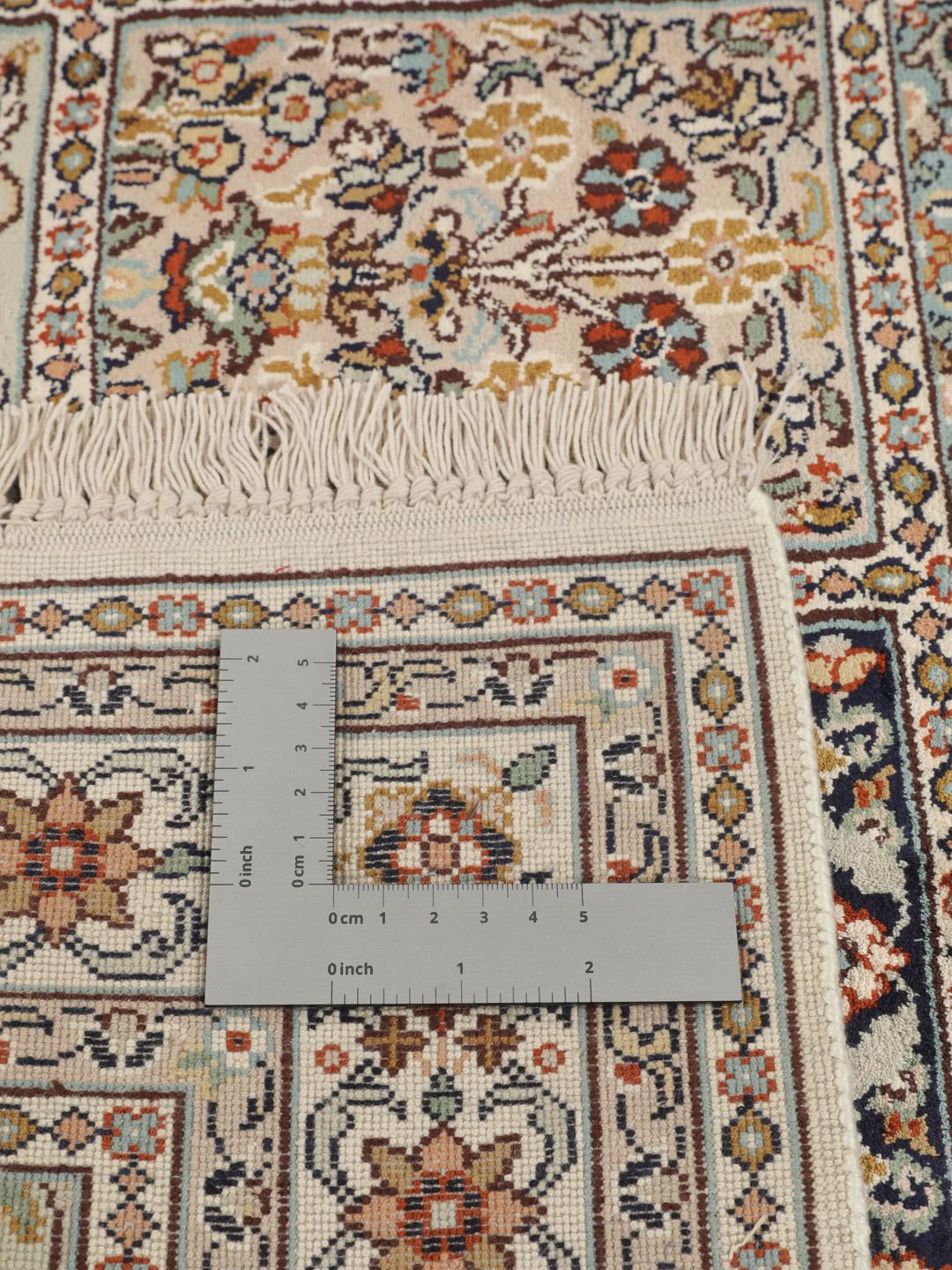
The quality of these rugs is often defined by the use of fine materials and a high knot density. A dense knot count is essential for achieving the level of detail seen in these traditional patterns, as it allows for the crisp, fluid lines that define the floral and geometric motifs. This precision ensures that the rug is not only visually stunning but also capable of maintaining its structure and elegance over many years of use.
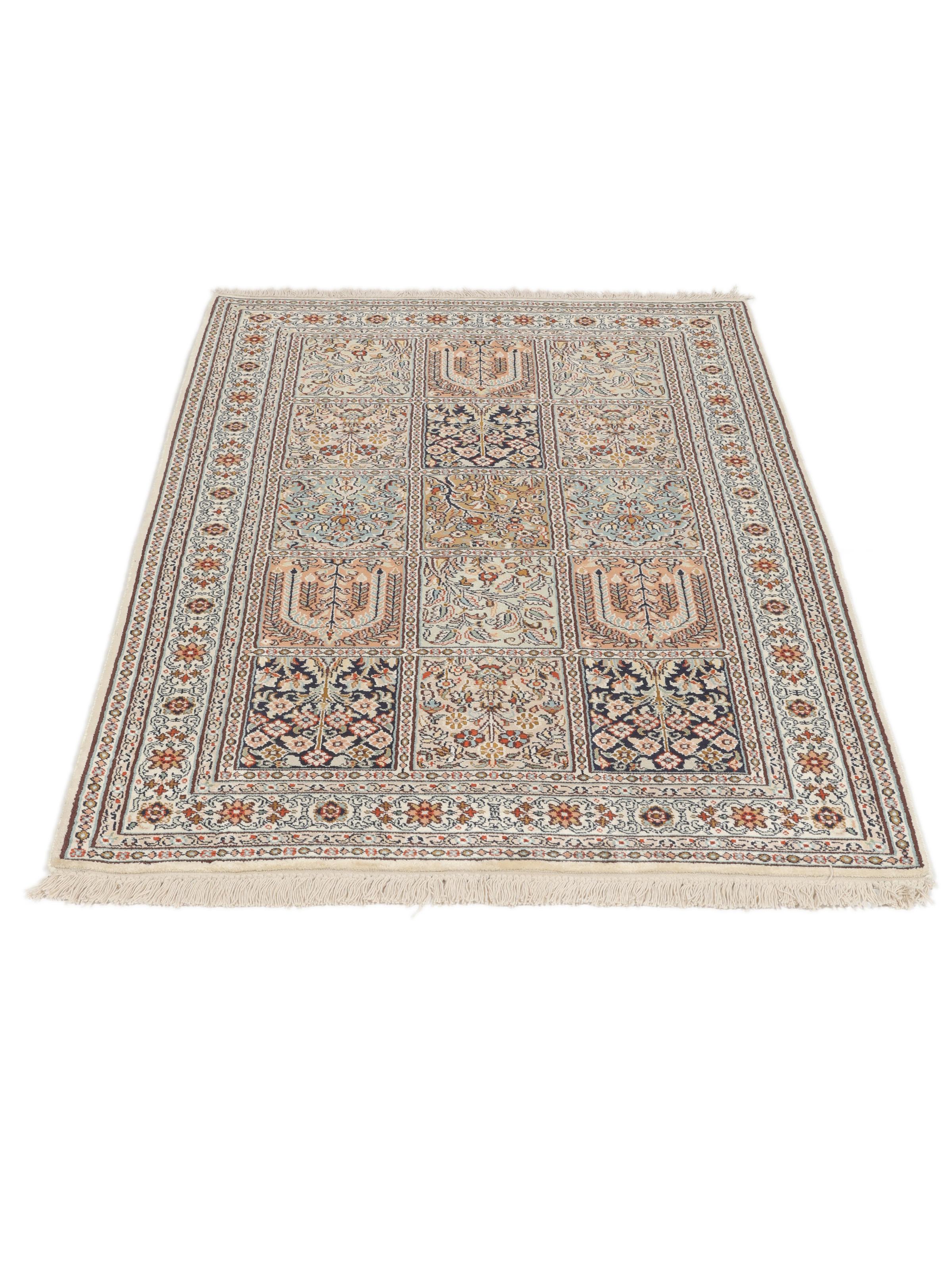
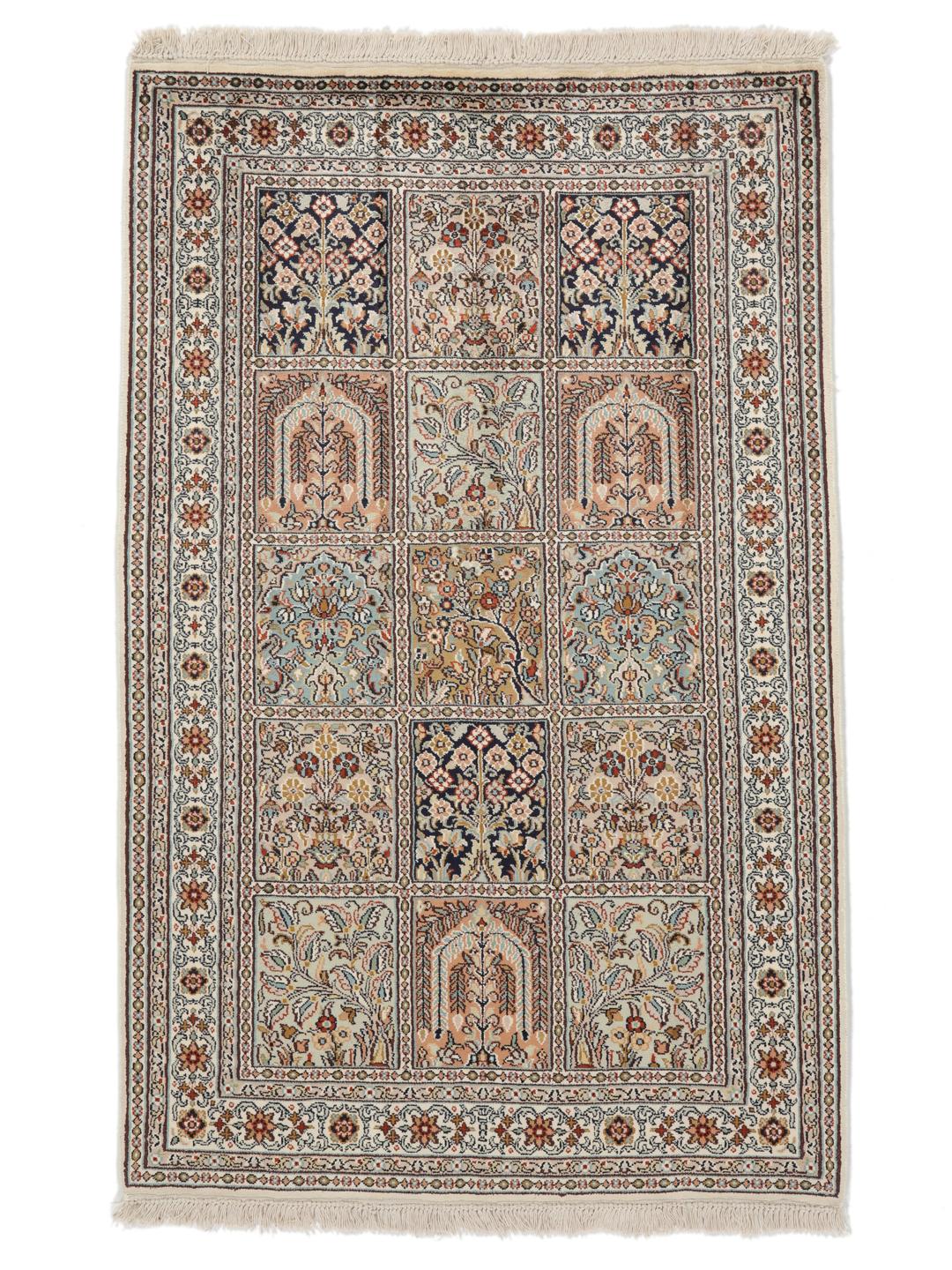
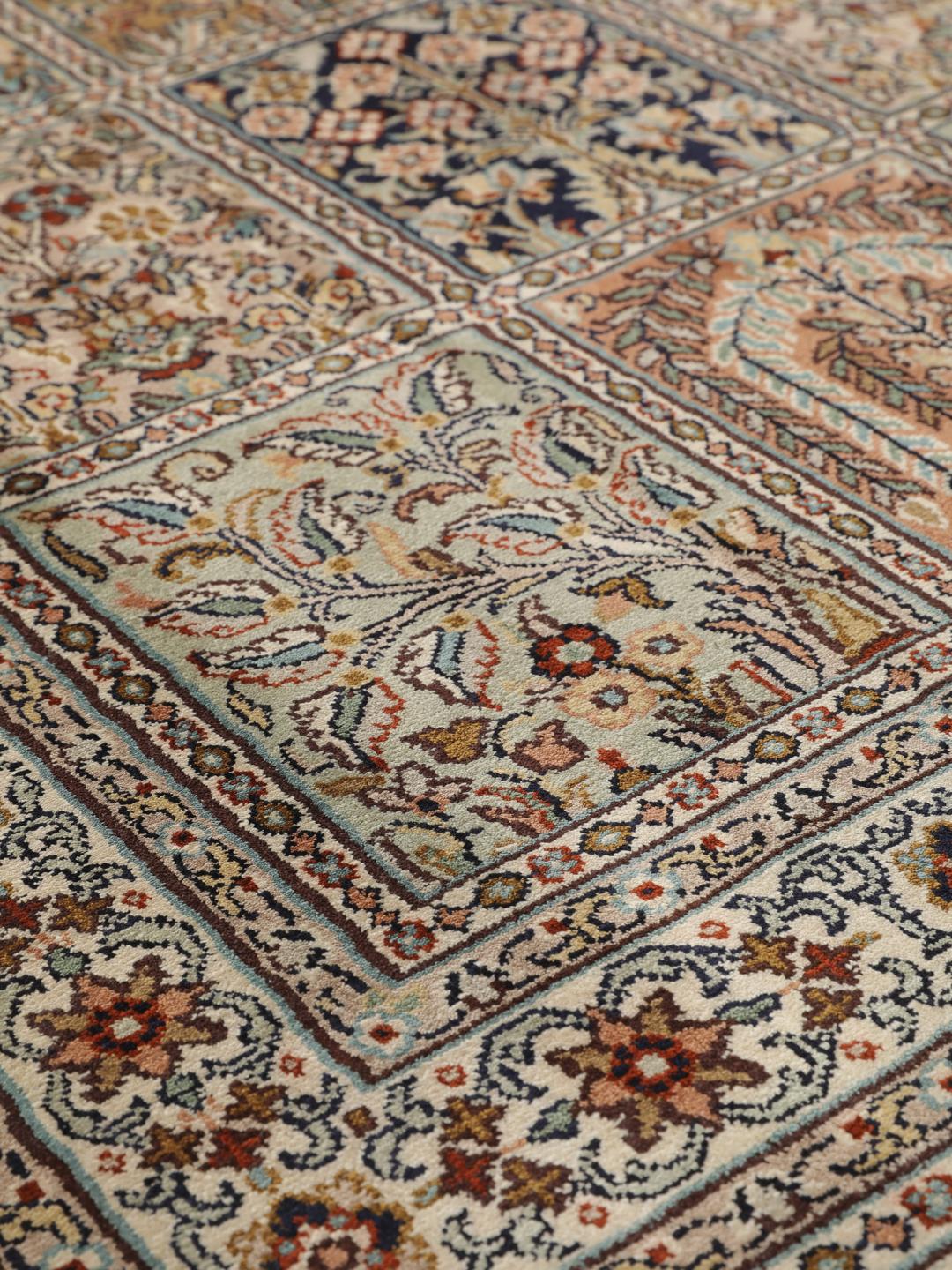
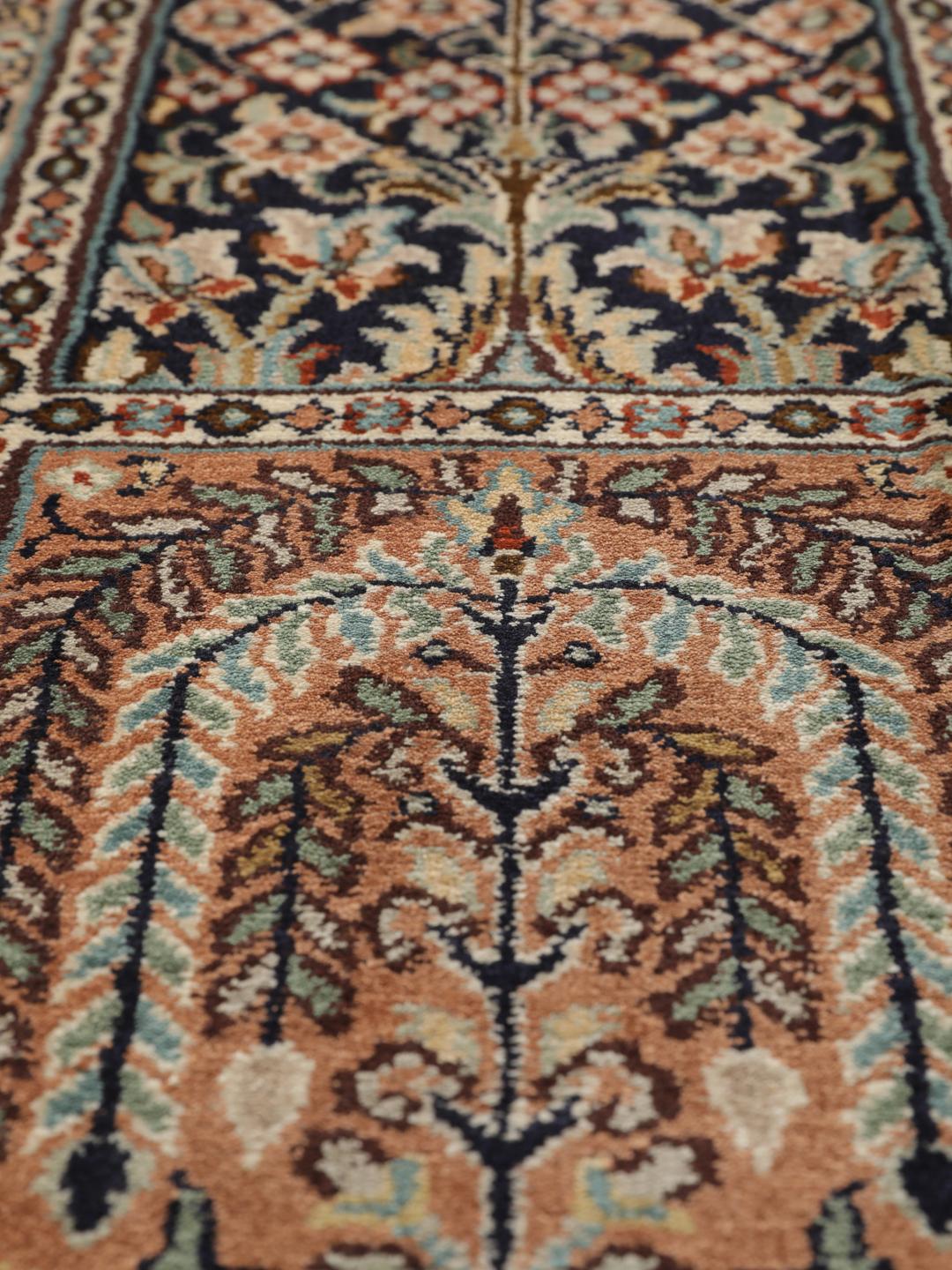
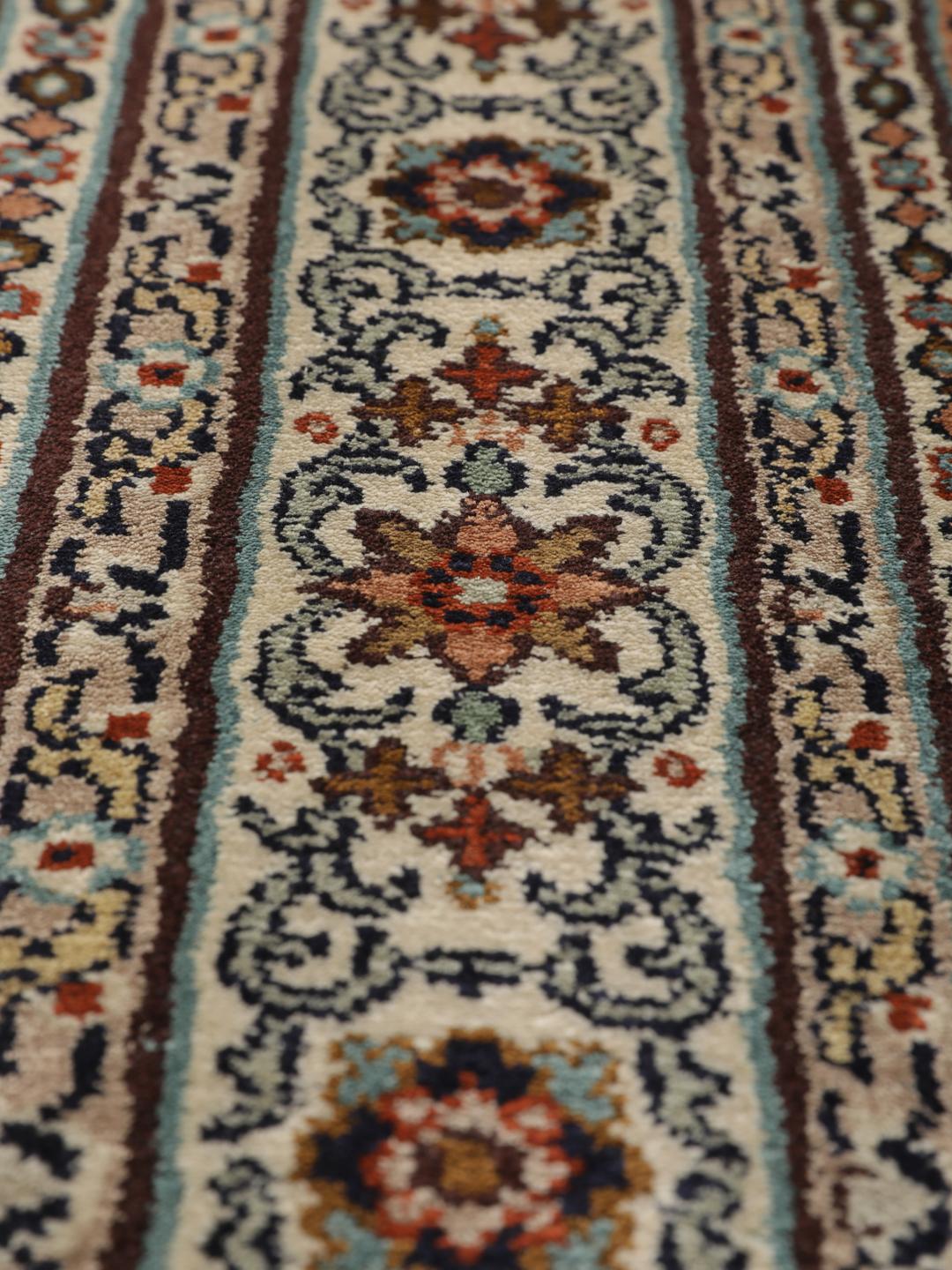
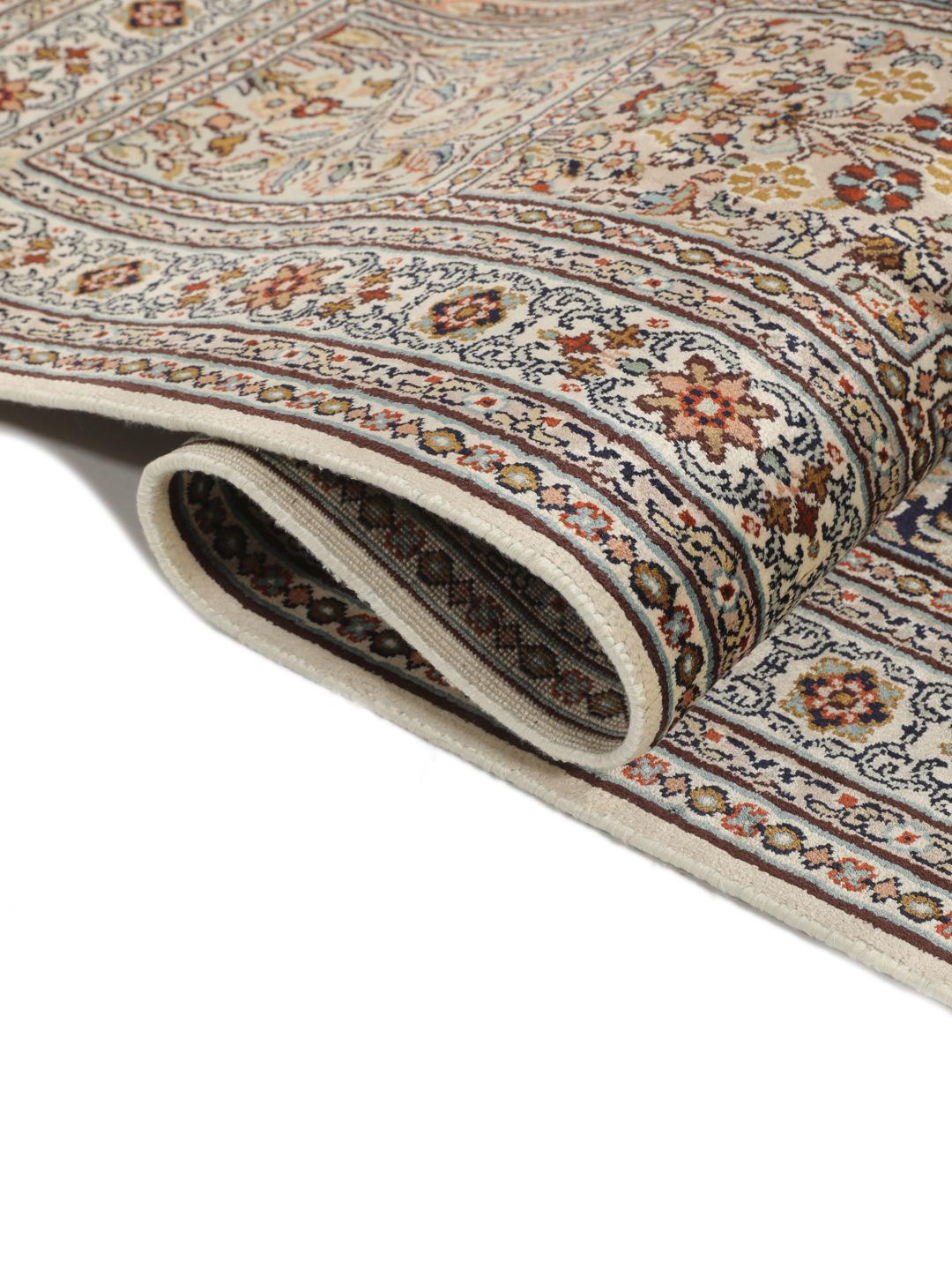
Signature design elements in Kashmir silk rugs frequently include the use of the tree of life, intricate floral sprays, and geometric panels that draw inspiration from historical architectural details. The patterns are often balanced and symmetrical, enclosed by ornate borders that frame the composition. In this specific piece, the use of a grid-like layout with varied motifs is a classic interpretation of the regional style, showcasing a harmonious blend of nature and geometry.
Owning a Kashmir silk rug is a testament to the appreciation of heritage and refined skill. These rugs are highly valued by collectors and interior enthusiasts alike because they represent a marriage of aesthetic beauty and significant human labour. To possess one is to own a piece of cultural history that continues to be relevant, offering a timeless quality that transcends changing trends in home decor.