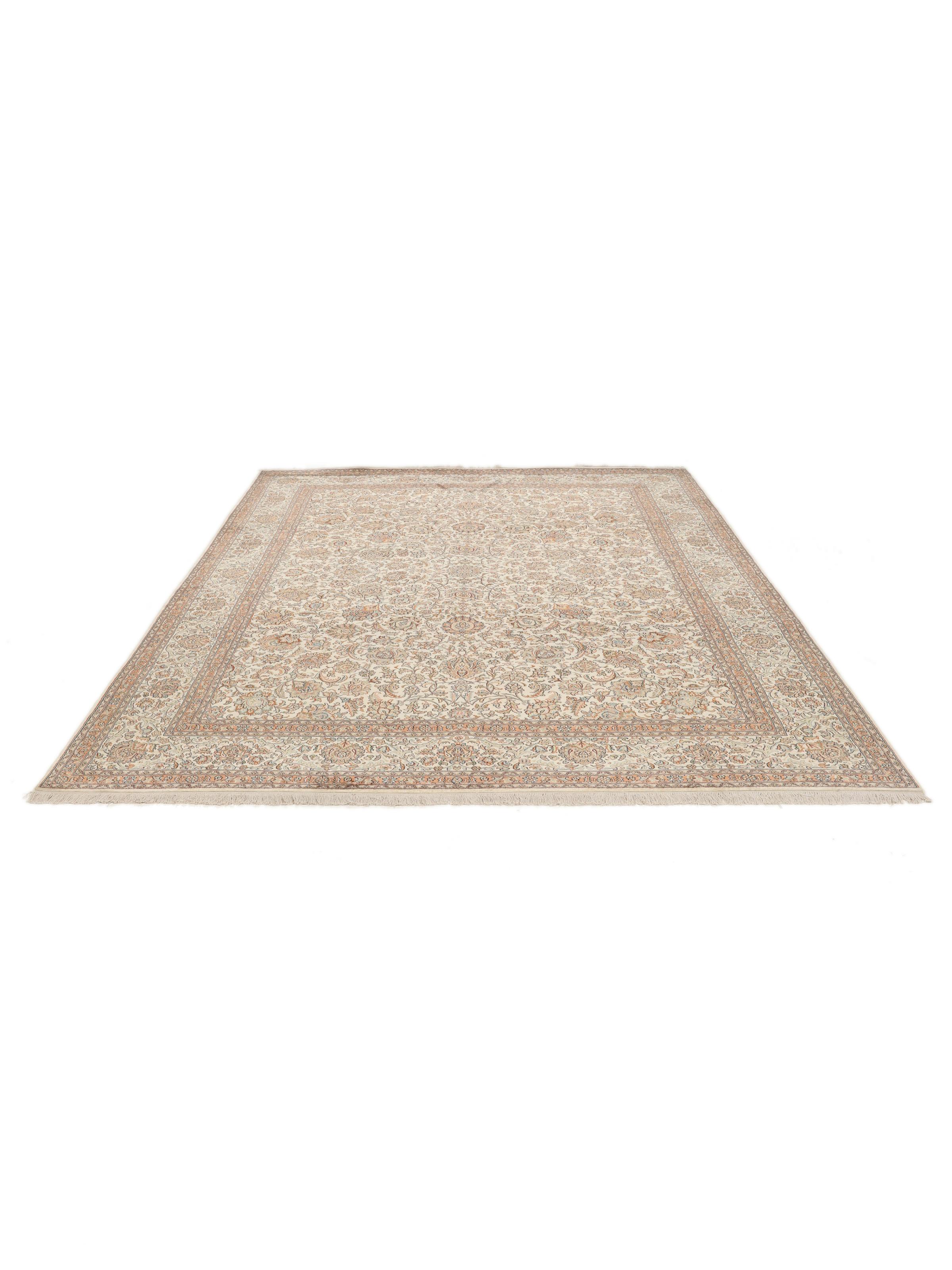
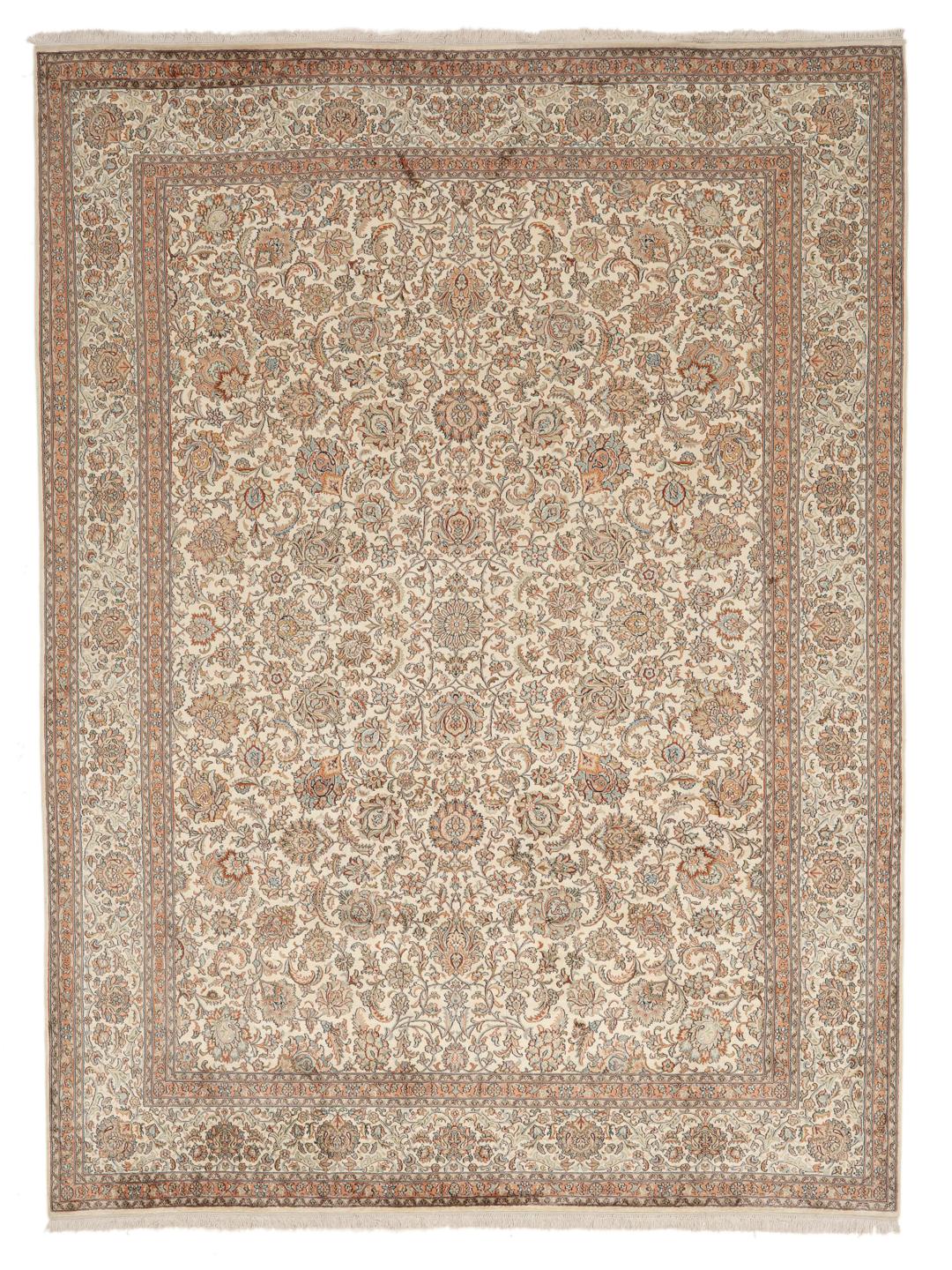
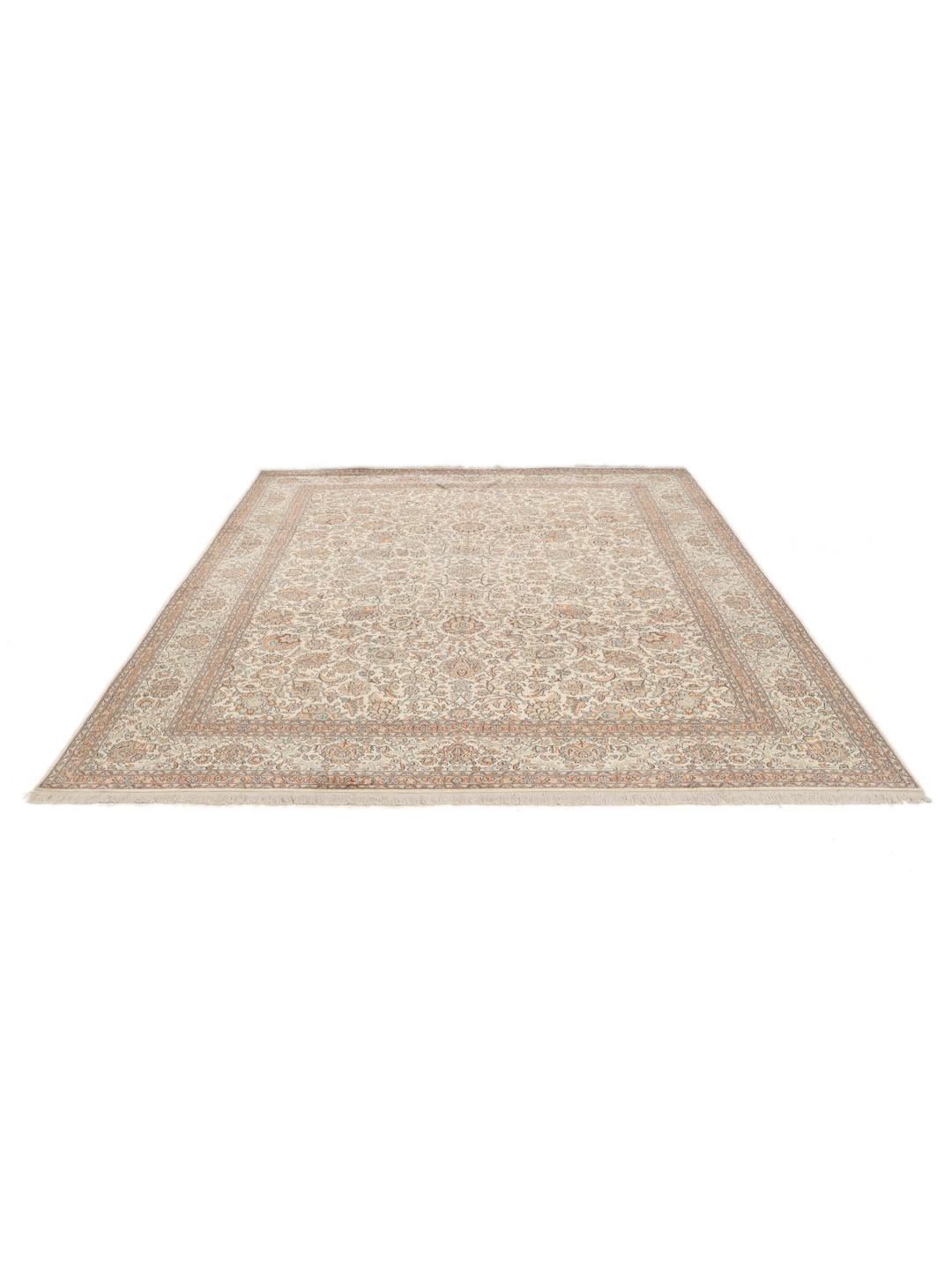
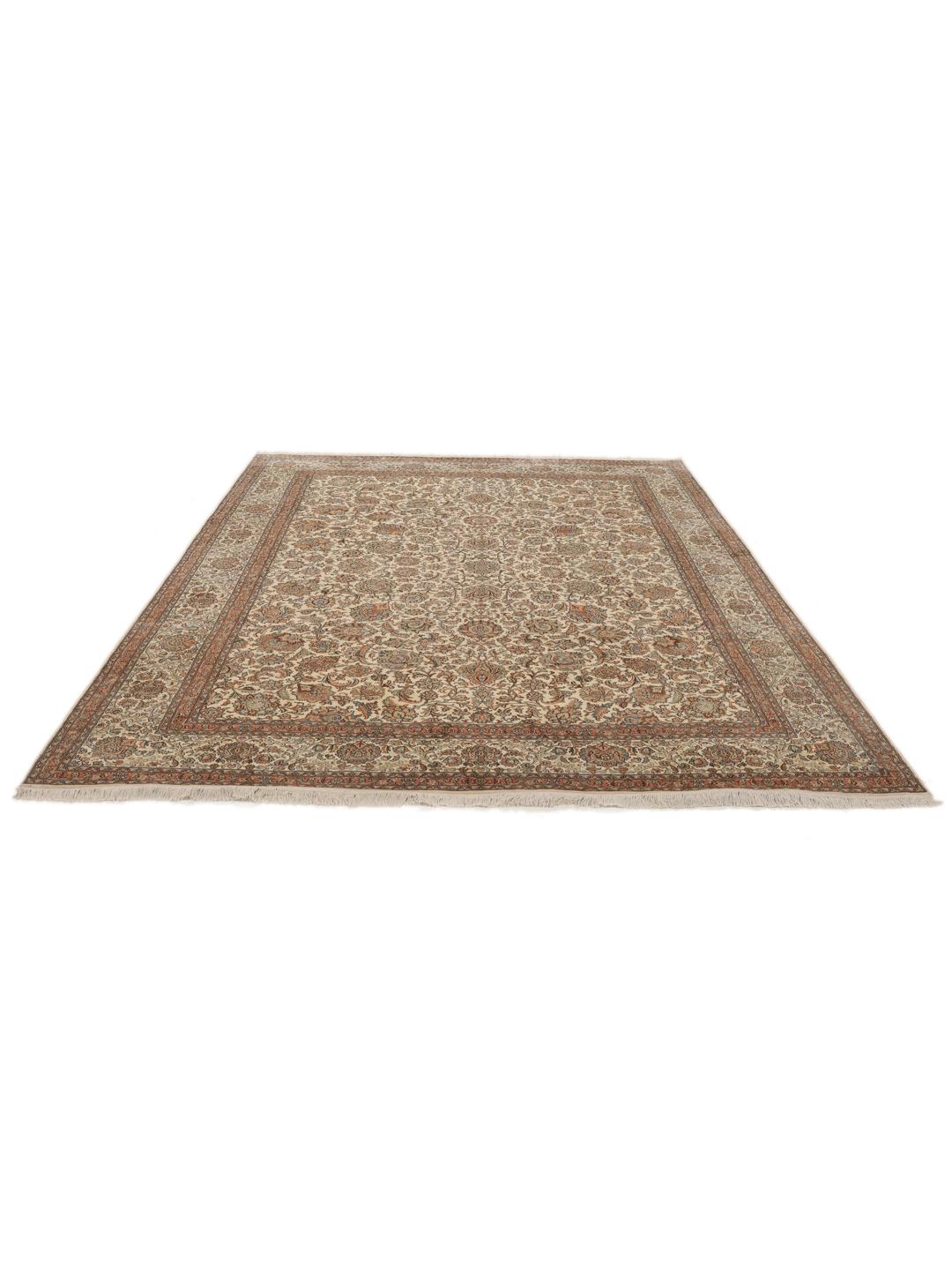
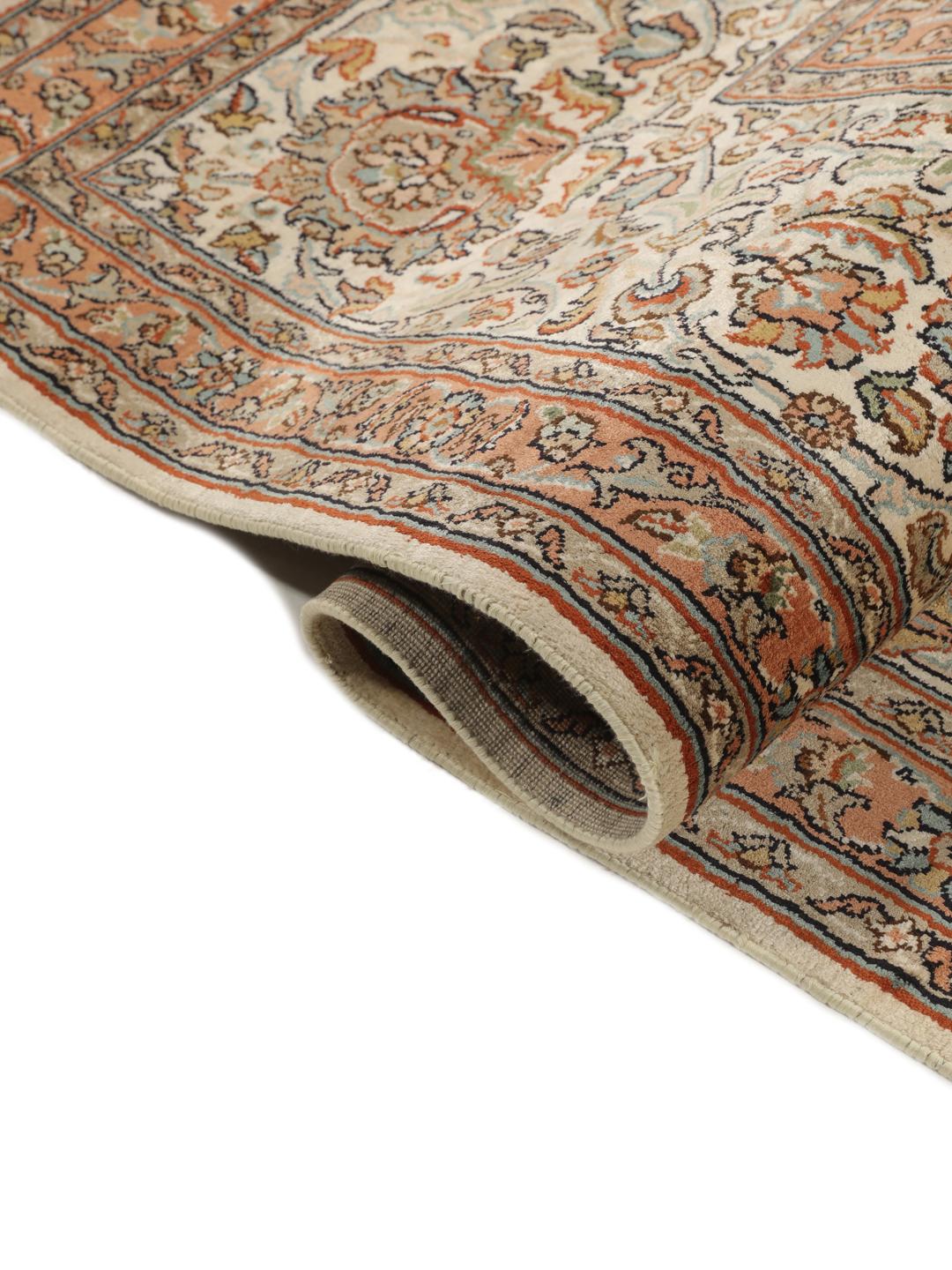
Kashmir silk rugs are celebrated globally for their connection to the ancient weaving traditions of Northern India. This region has long been a centre for textile arts, blending local craftsmanship with influences that travelled along historical trade routes. The evolution of these rugs into the fine silk pieces we see today is a result of generations of artisans refining their techniques to create works that are as durable as they are visually striking.
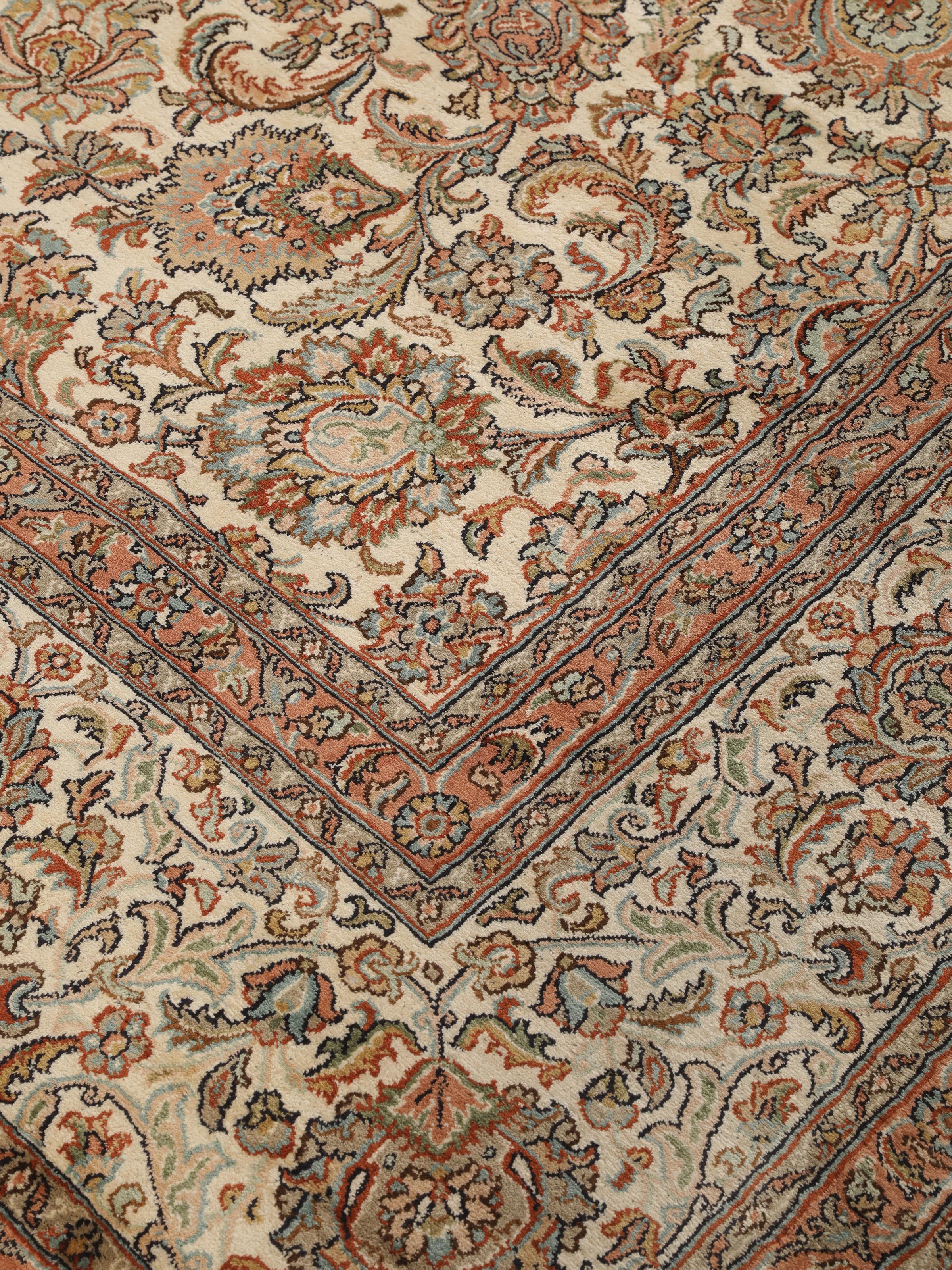
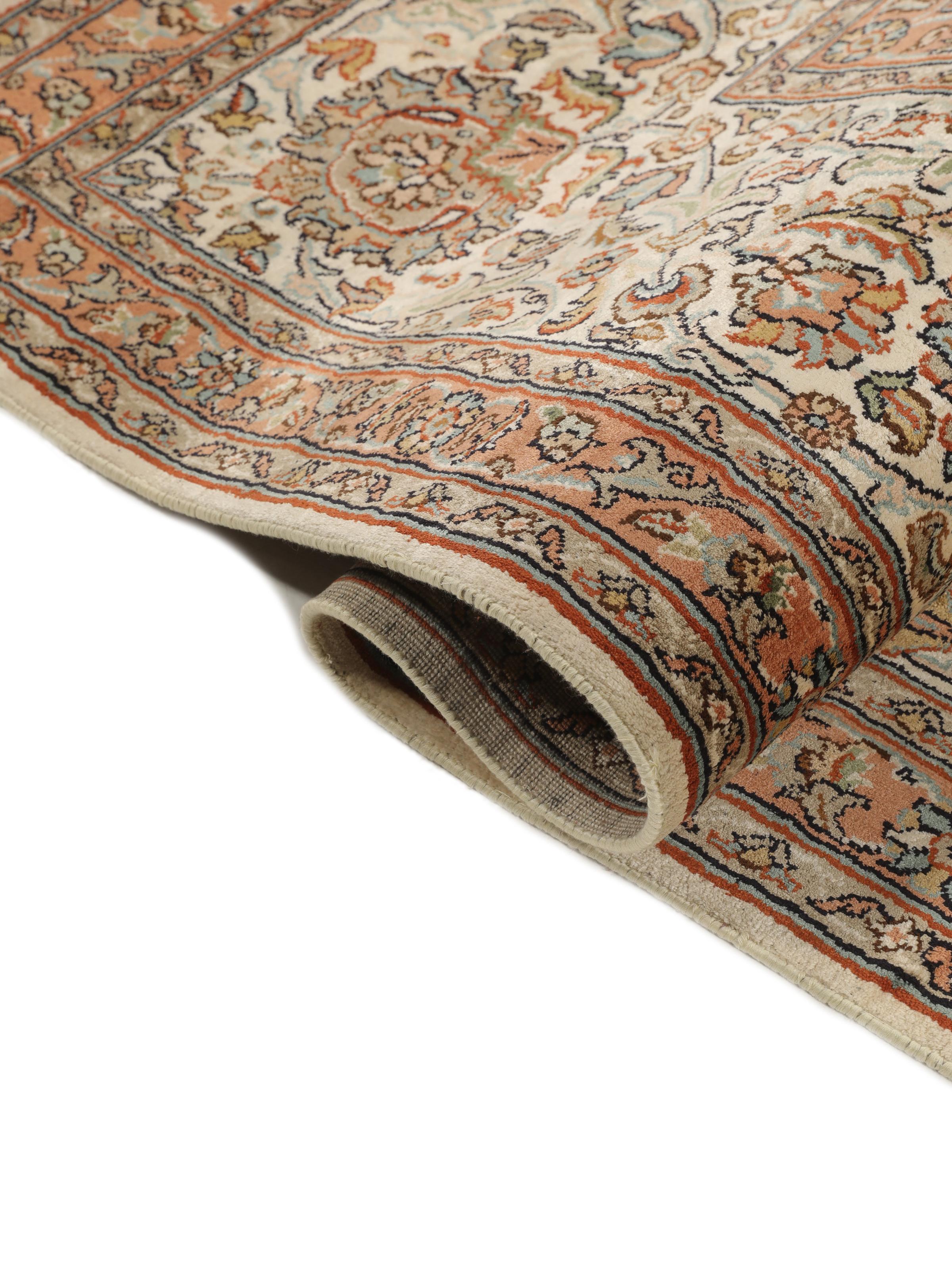
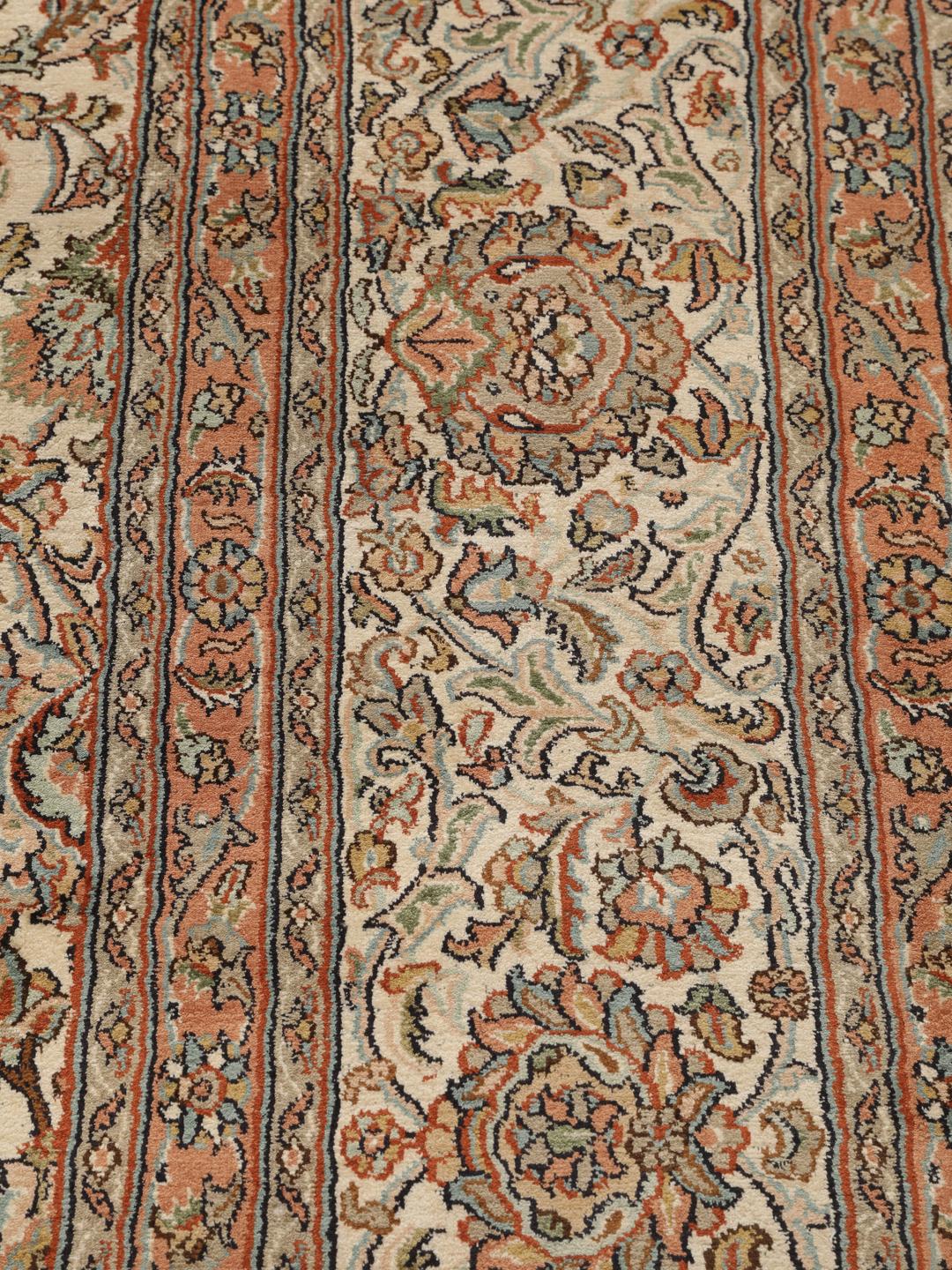
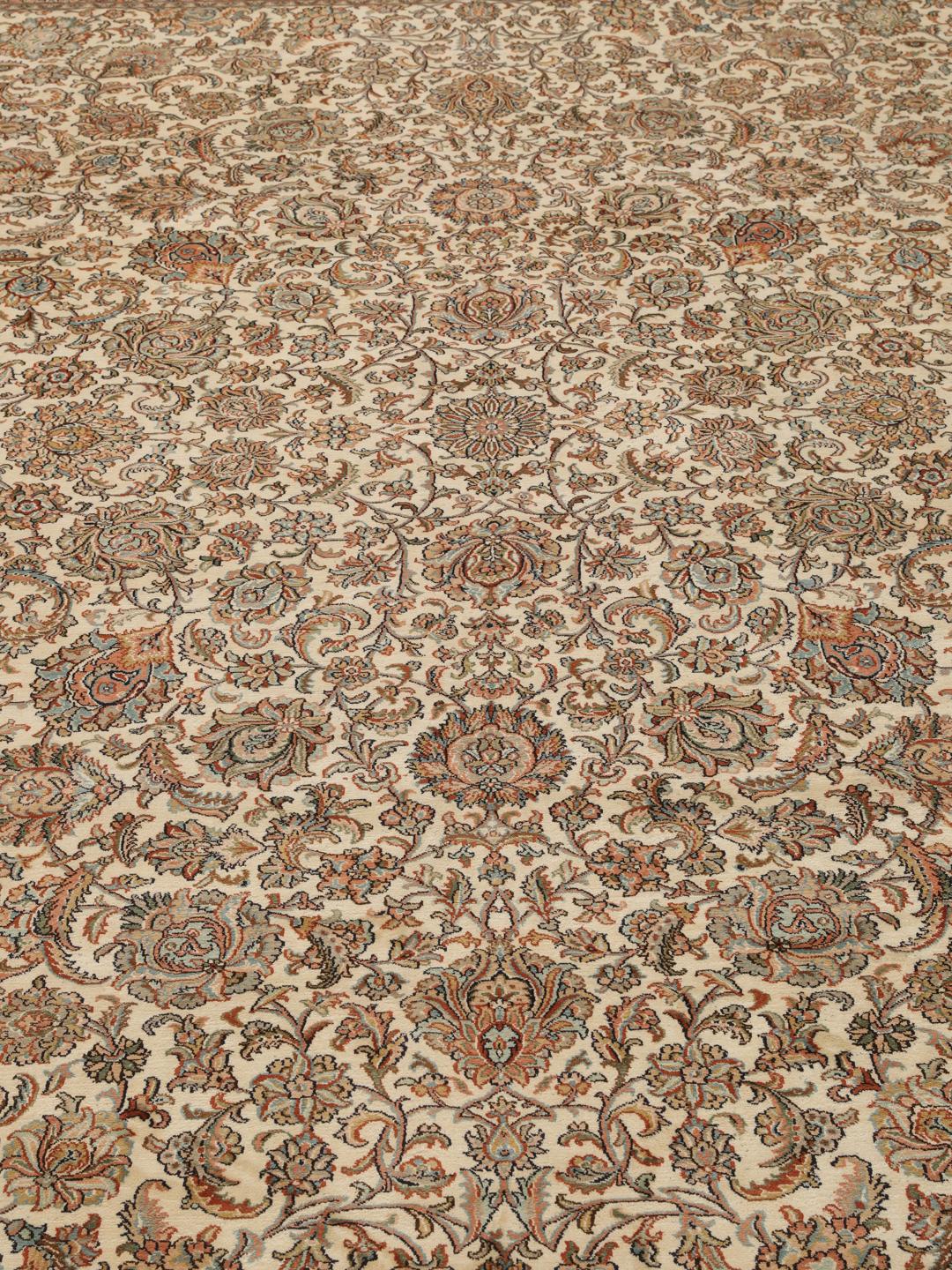
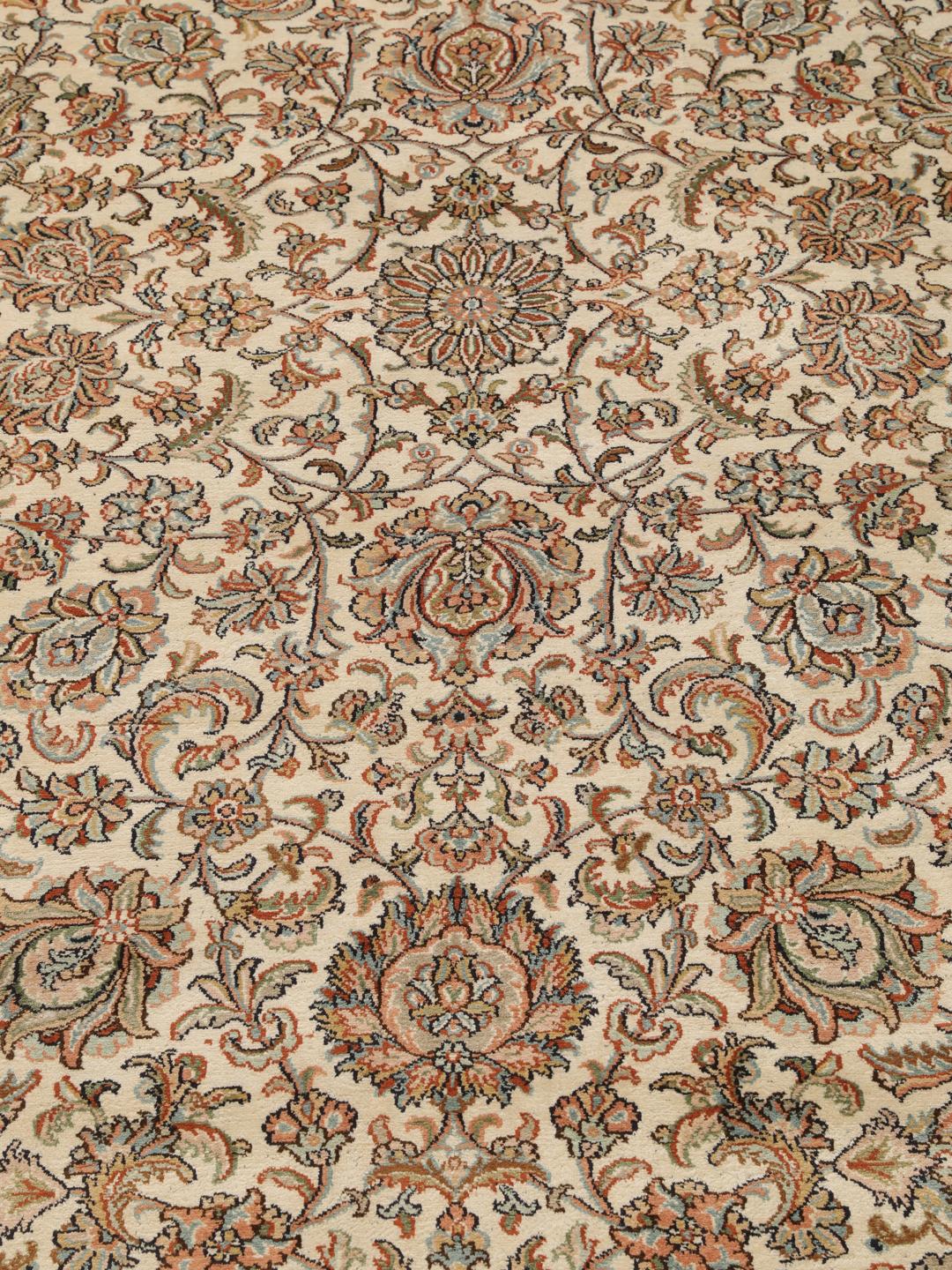
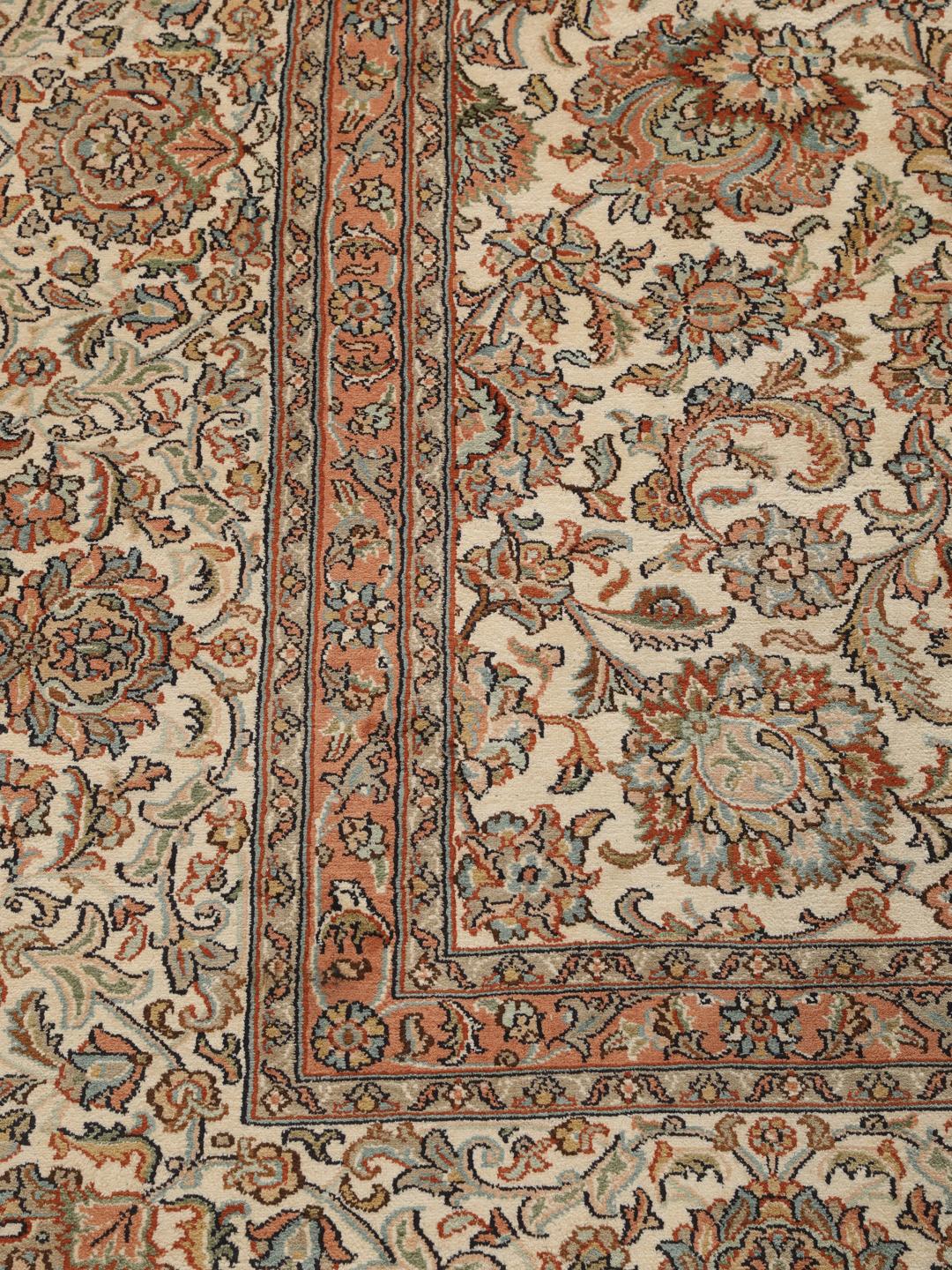
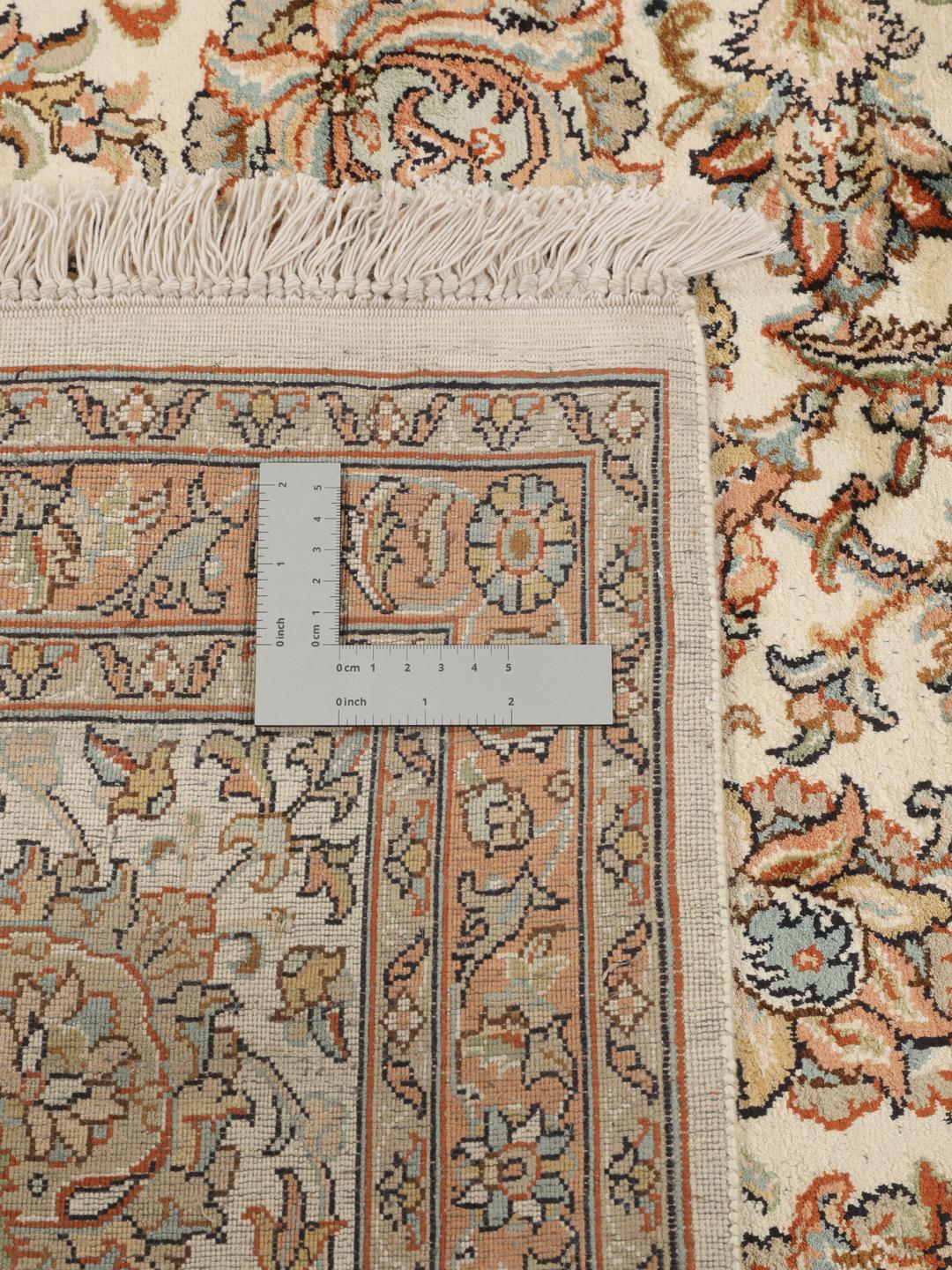
The term Kashmir silk refers not just to the material, but to a specific style of construction that emphasises fine detail and intricate, flowing compositions. The use of silk as the primary material for the pile is a defining feature, chosen for its natural lustre and the ability to hold vibrant, nuanced colours. This choice of material requires a high degree of technical mastery, as the silk must be handled with precision to ensure an even, consistent pile that showcases the depth of the design.
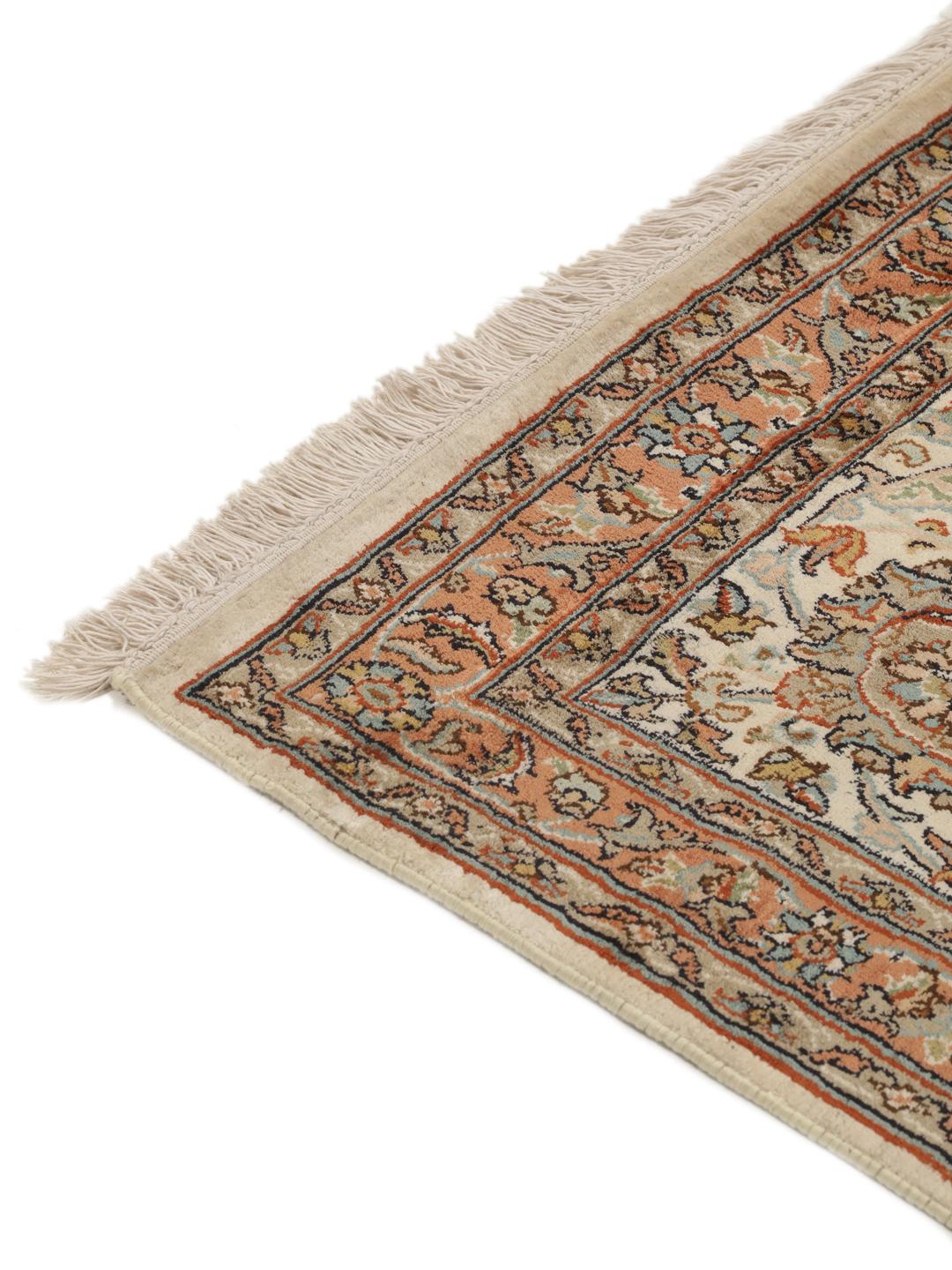
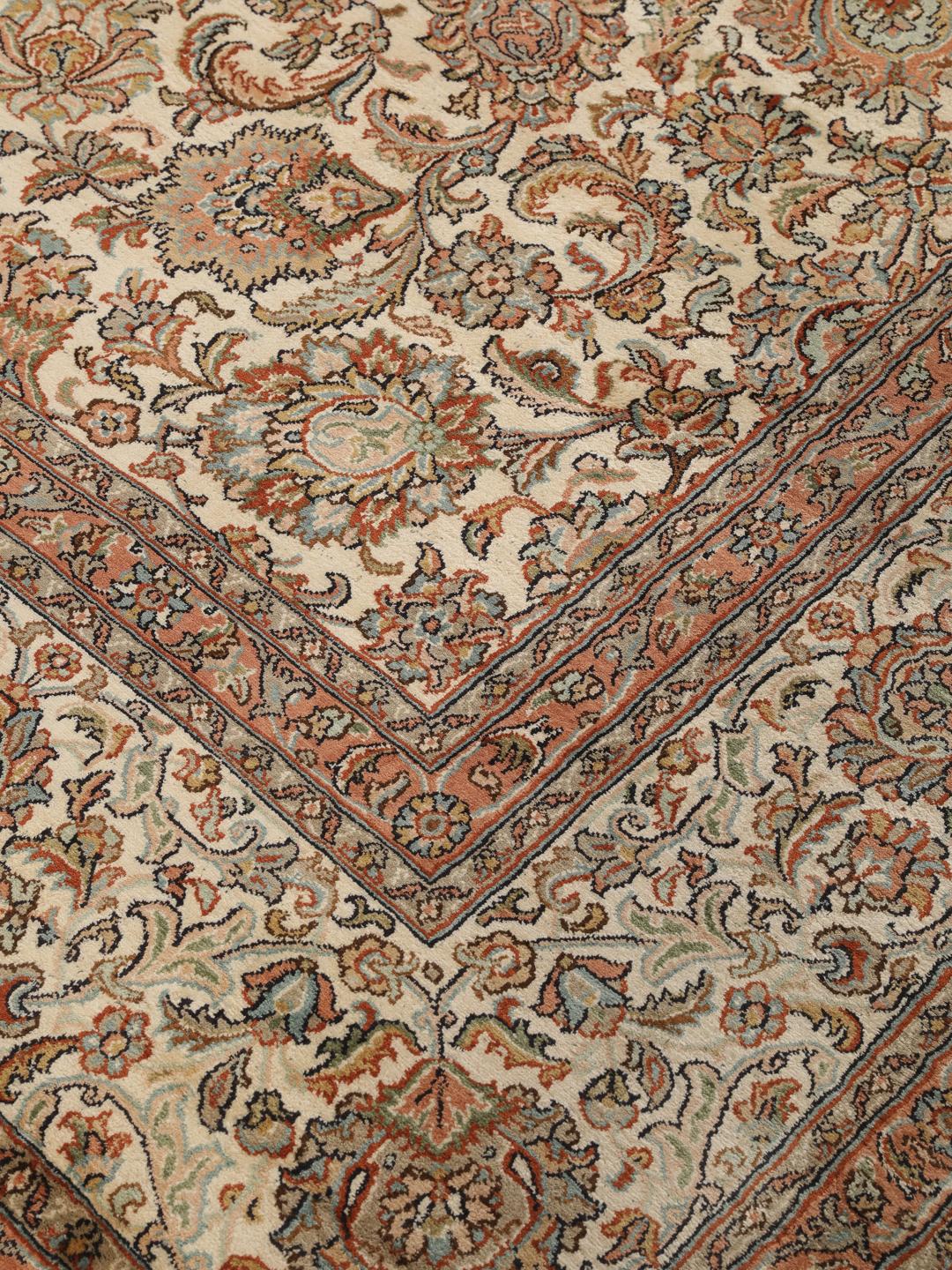
Signature design elements in these rugs often include elaborate floral motifs, vines, and palmettes that mirror the lush landscapes of the Kashmir region. These patterns are frequently enclosed by complex, multi-layered borders that frame the central field. While traditional patterns are common, each rug often contains subtle variations in colour or motif placement, reflecting the individual hand of the person who created it and distinguishing it from mass-produced floor coverings.
These rugs are highly valued by collectors and interior enthusiasts alike for their cultural weight and the undeniable skill required to produce them. Owning a Kashmir silk rug is an investment in a legacy of artistry. It represents a connection to a slow, deliberate way of making things, where the value lies in the human touch, the quality of the materials, and the enduring beauty that only a hand-crafted object can provide.