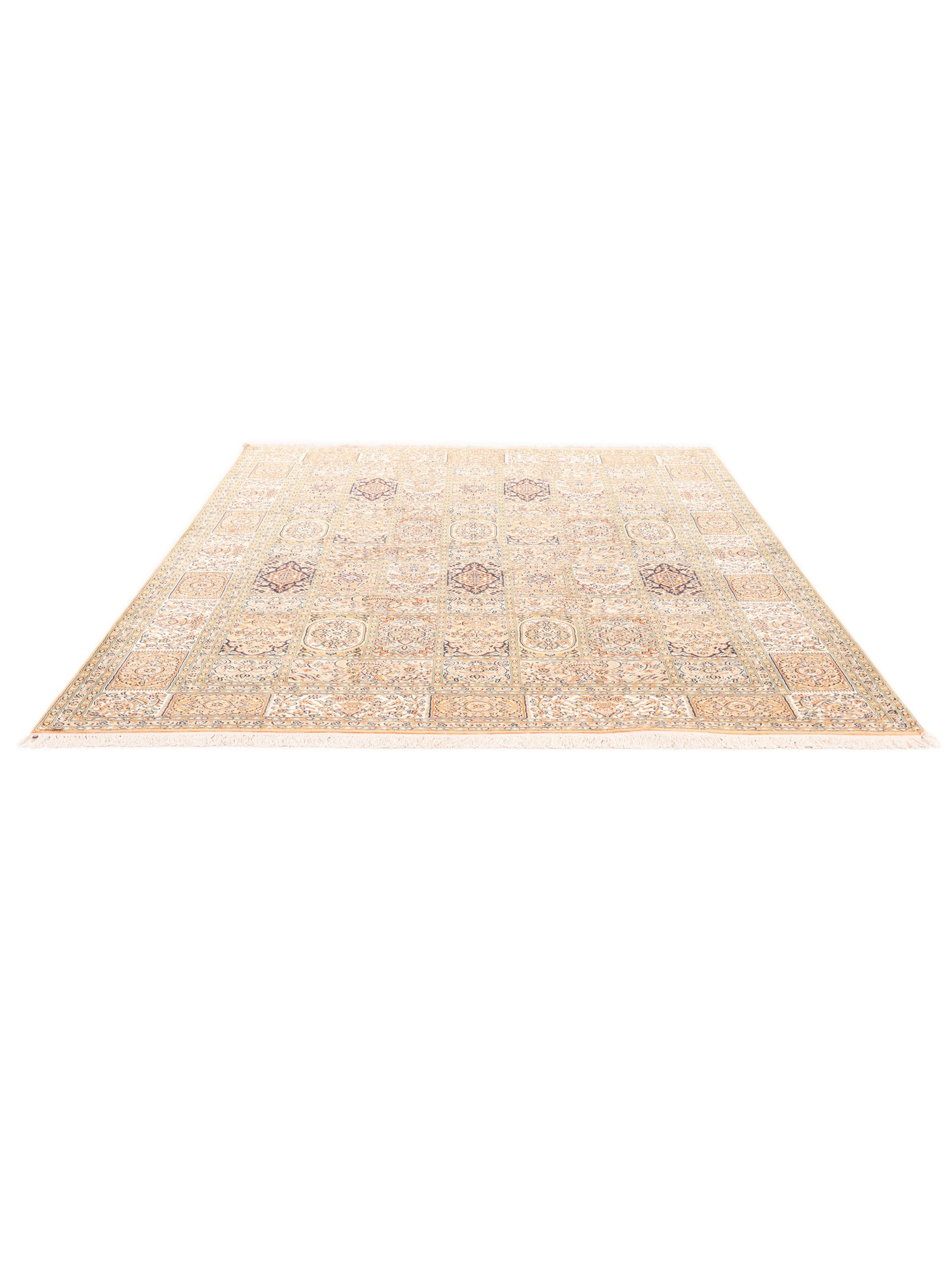
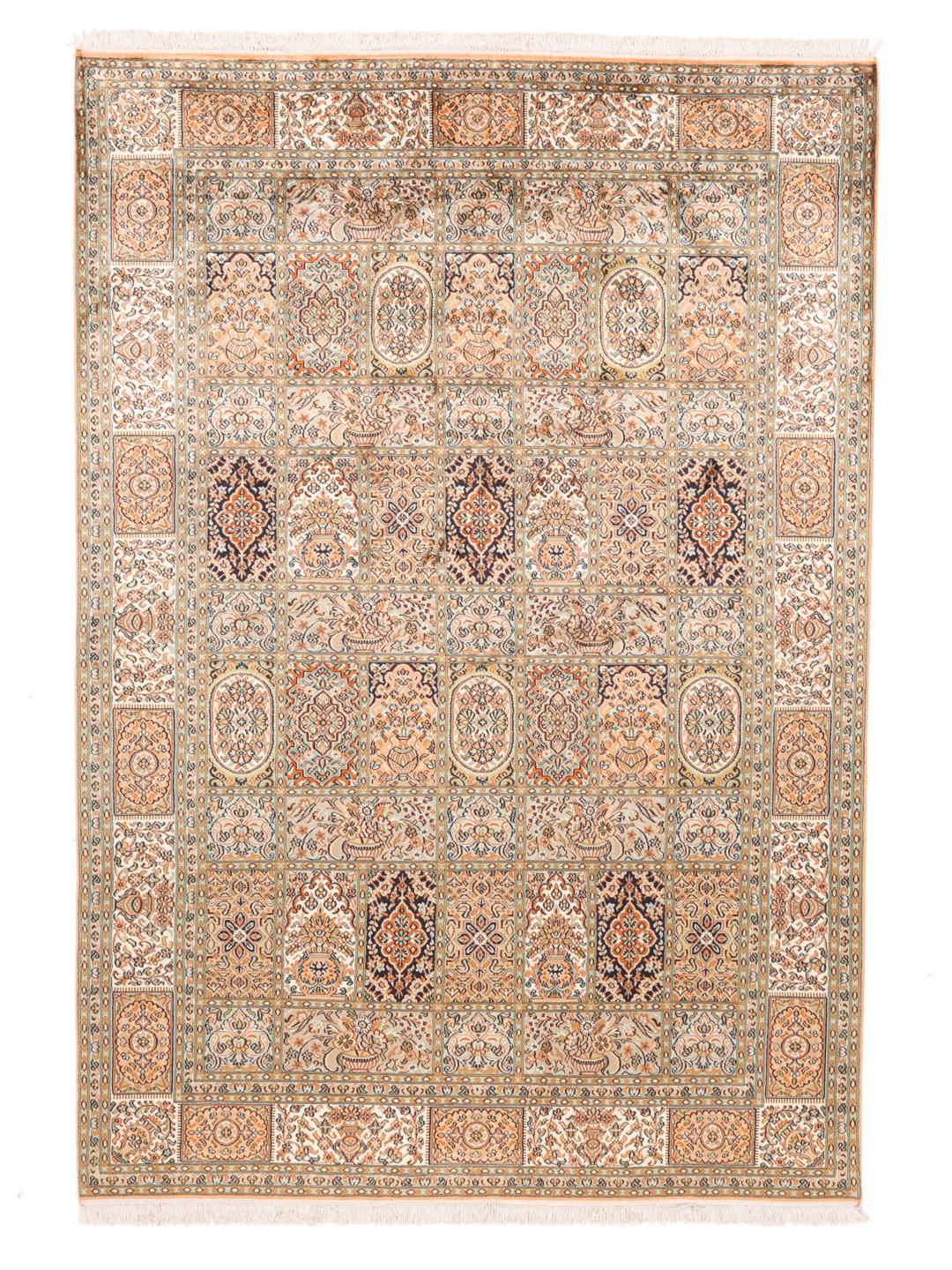
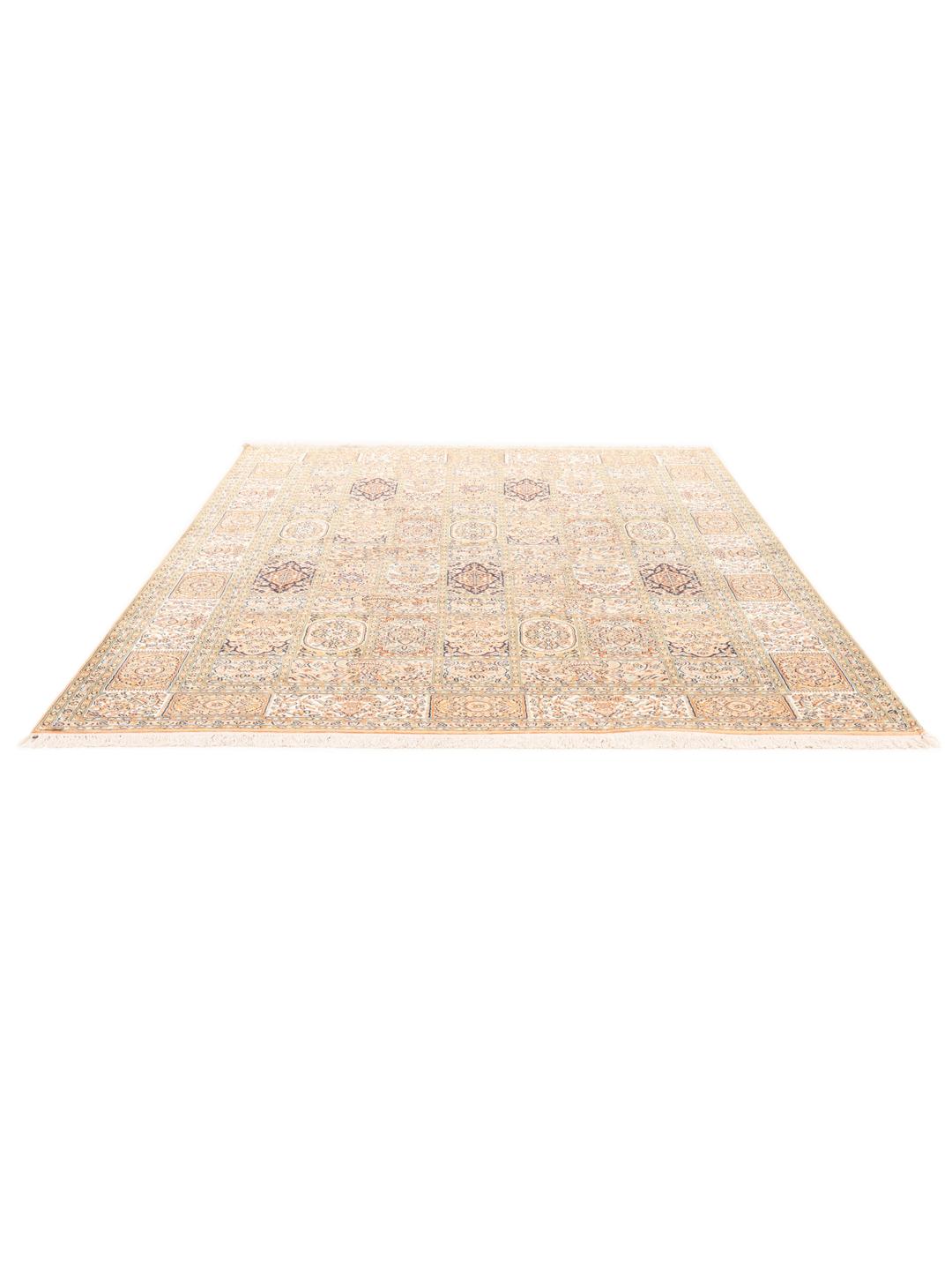
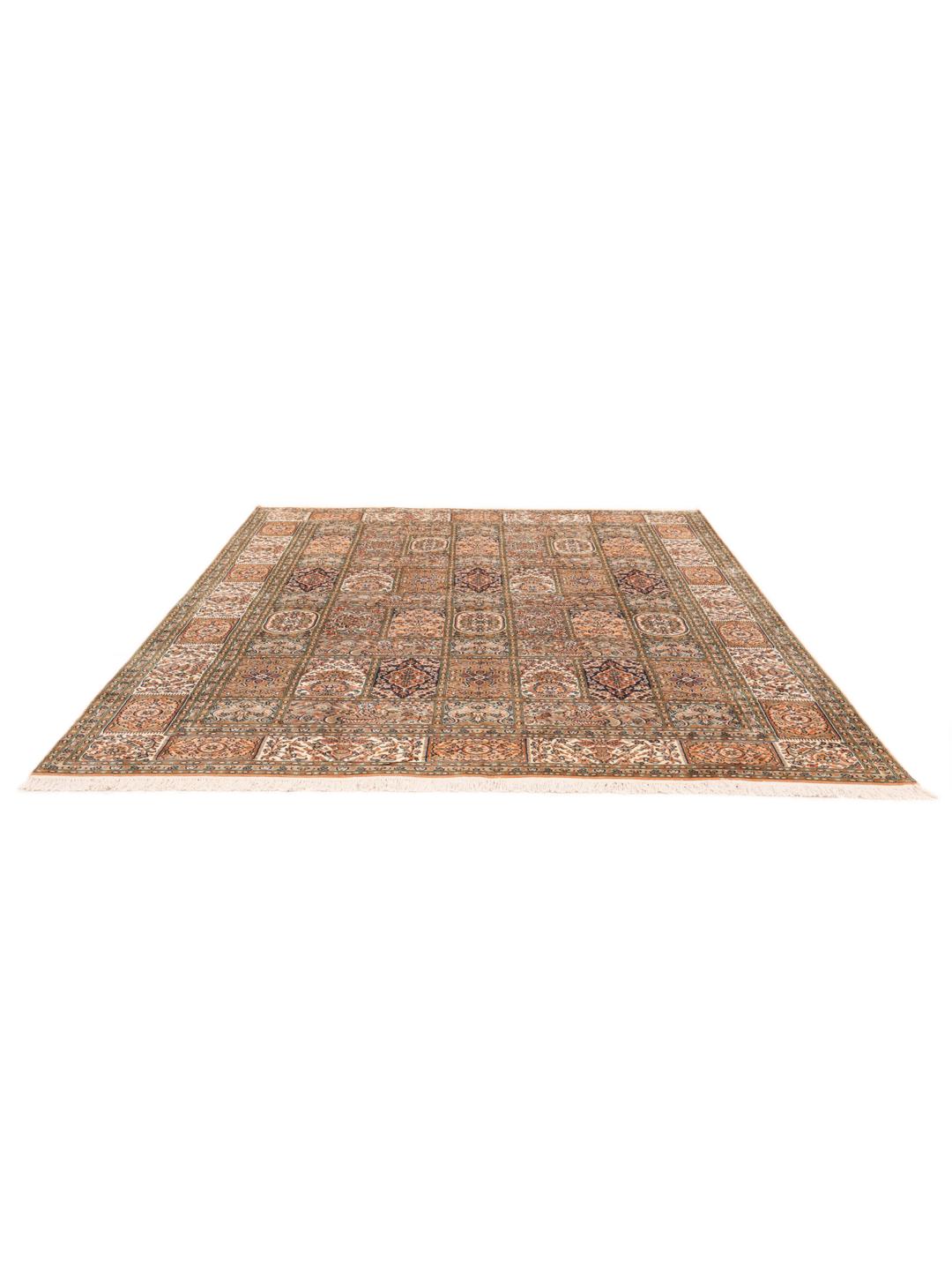
Kashmir rugs are celebrated worldwide for their roots in the deep artistic traditions of the Indian subcontinent. Historically, the craft was influenced by Middle Eastern weaving techniques brought to the region centuries ago, which then evolved into a distinct style defined by local aesthetics and the abundant availability of high-quality silk. This fusion of influences created a unique heritage where the art of the loom became a central pillar of cultural identity.
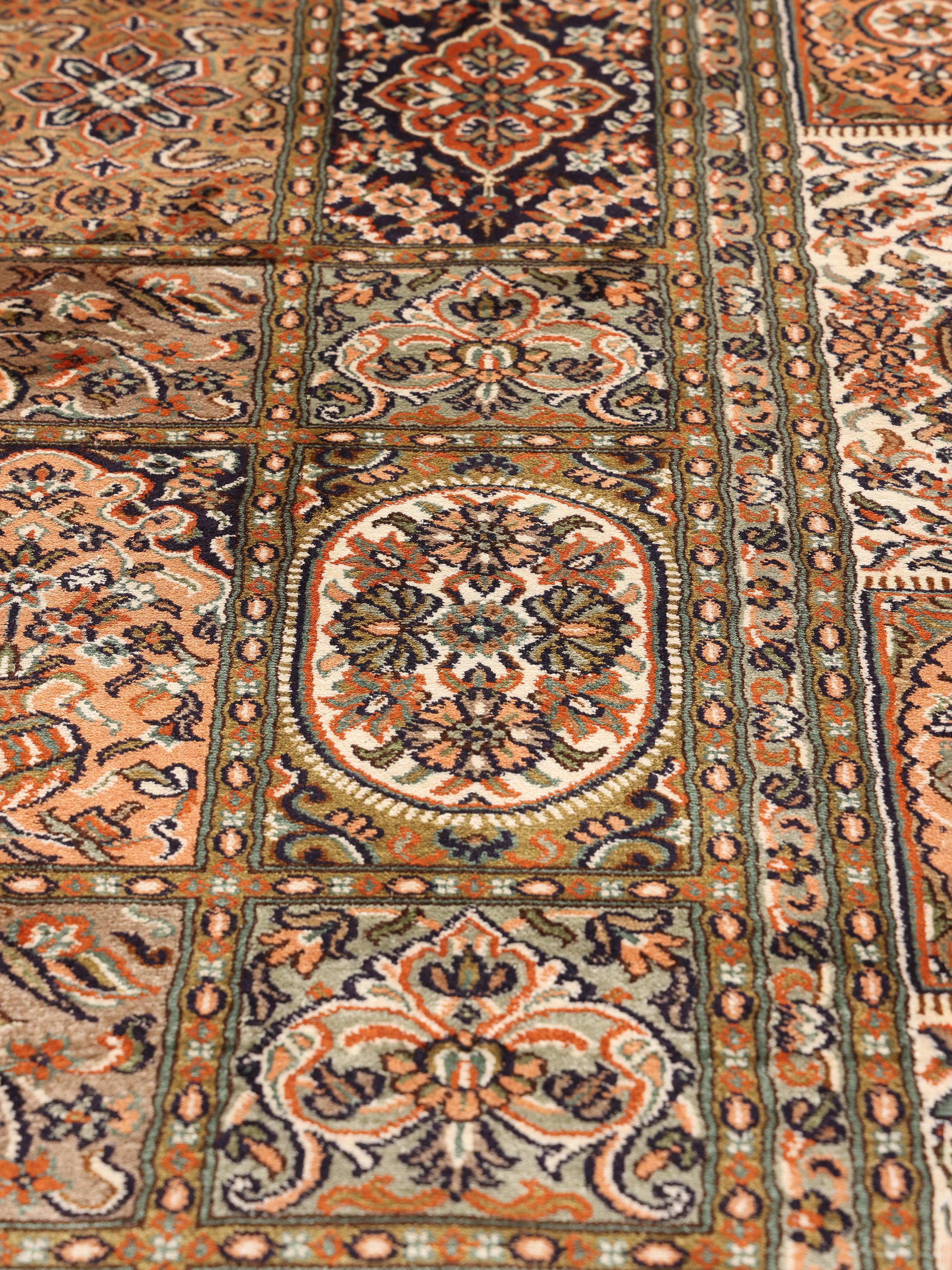
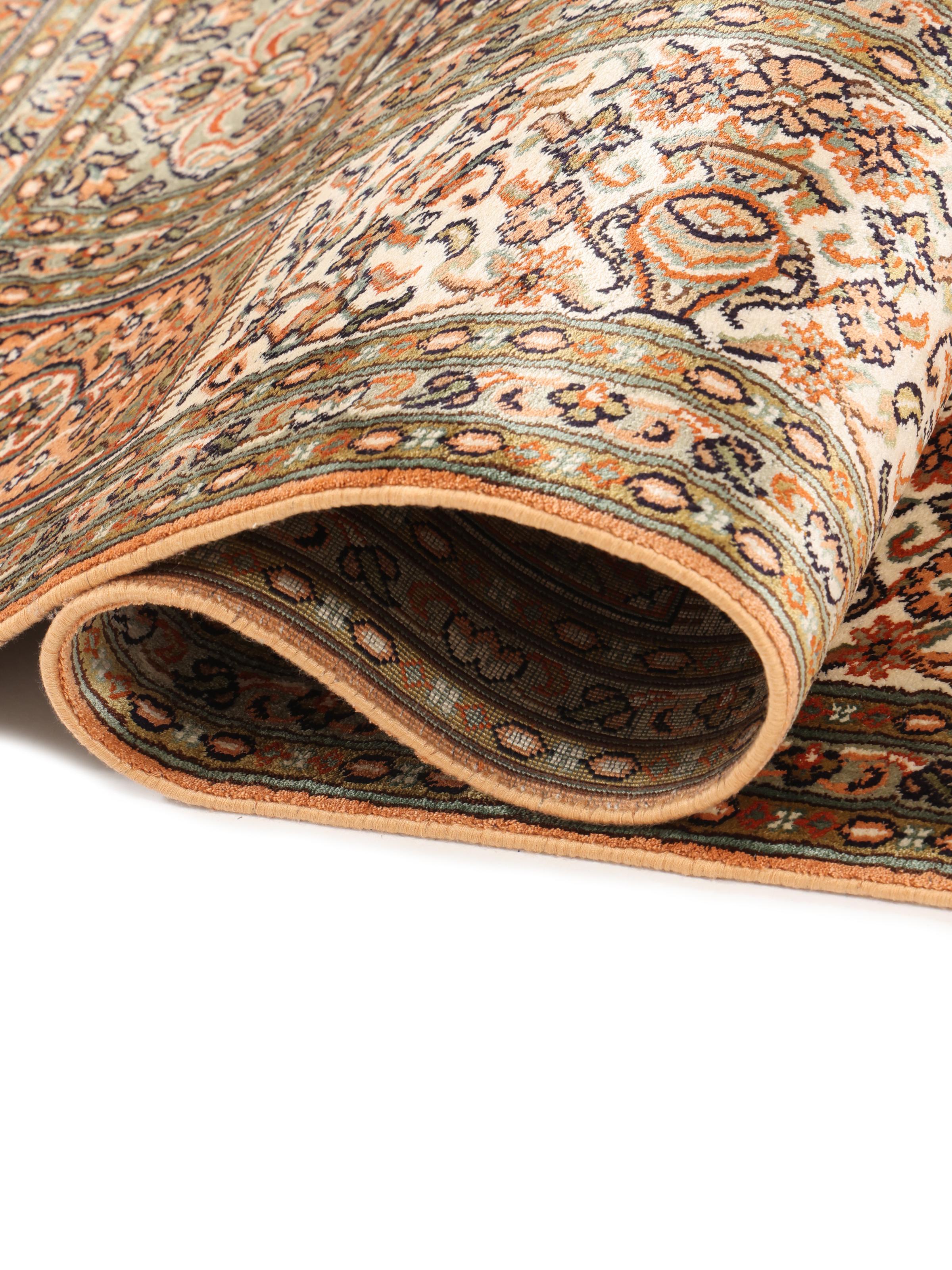
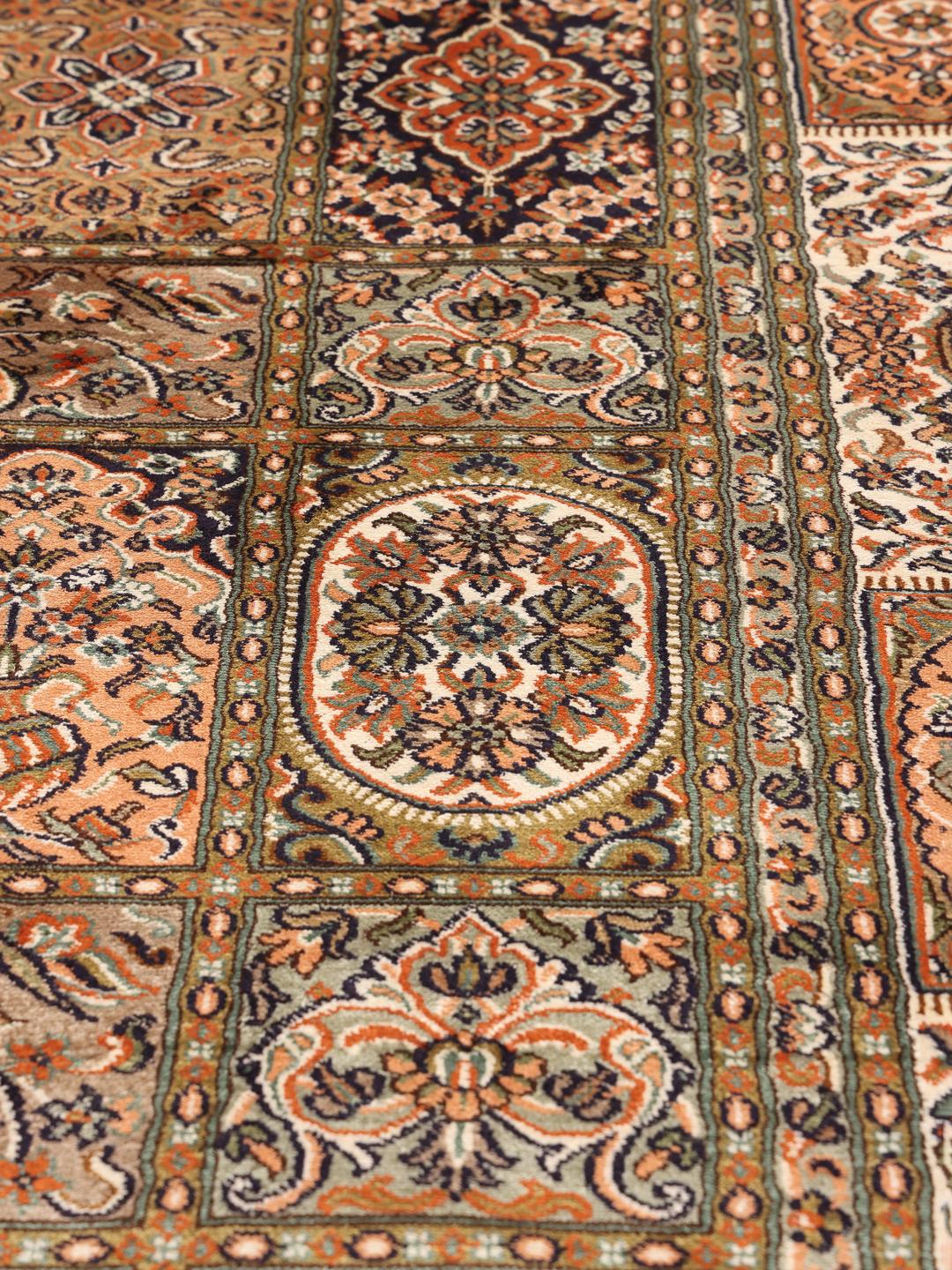
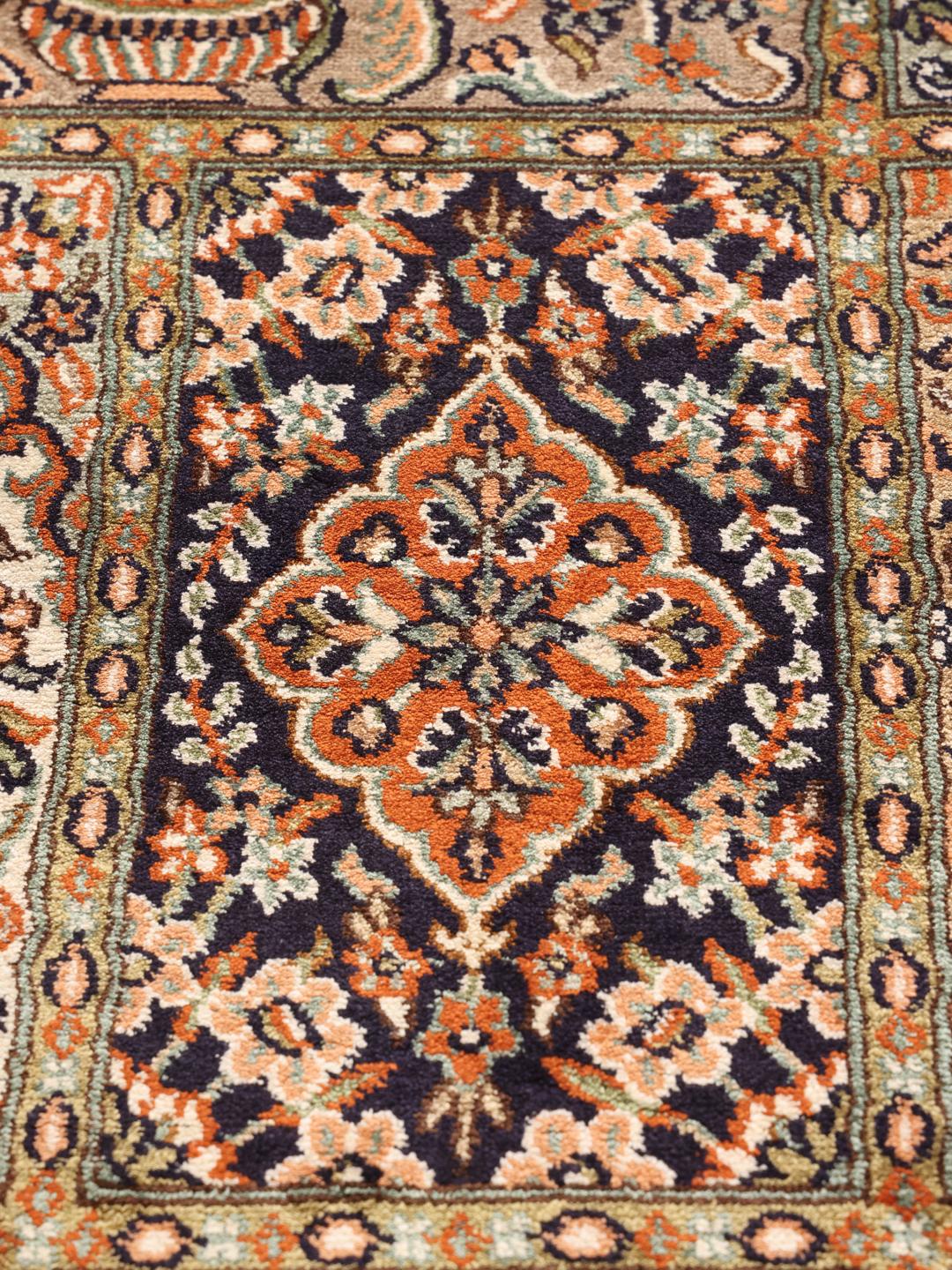
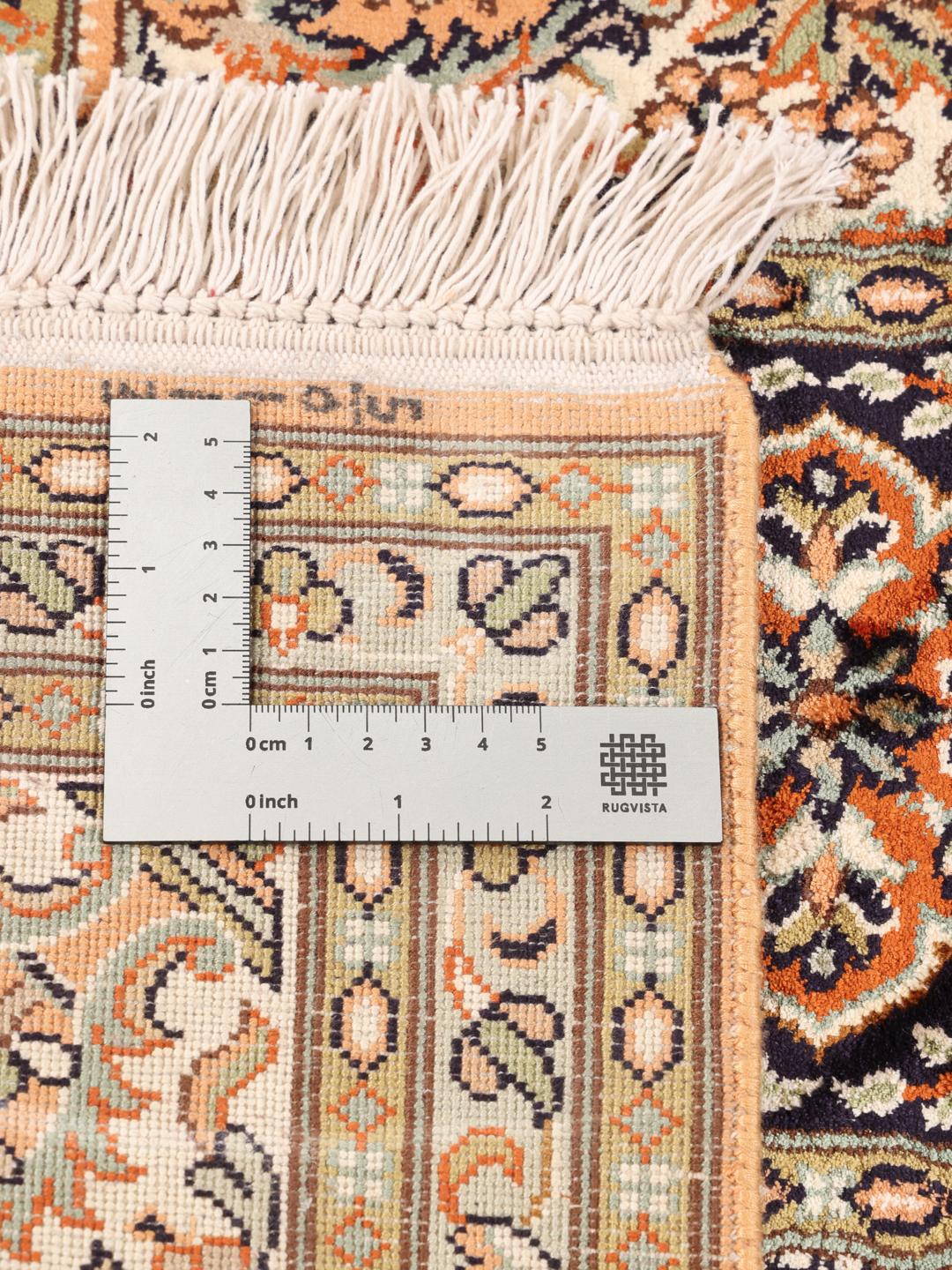
The technical term 'hand-knotted' refers to the process where each individual strand is tied by hand onto the foundation, a method that is far more demanding than machine production. This is significant because it allows for an extraordinary level of detail and a pile that is incredibly dense and lustrous. When you choose a hand-knotted silk piece, you are choosing a construction method that has been perfected over generations to ensure maximum durability and visual depth.
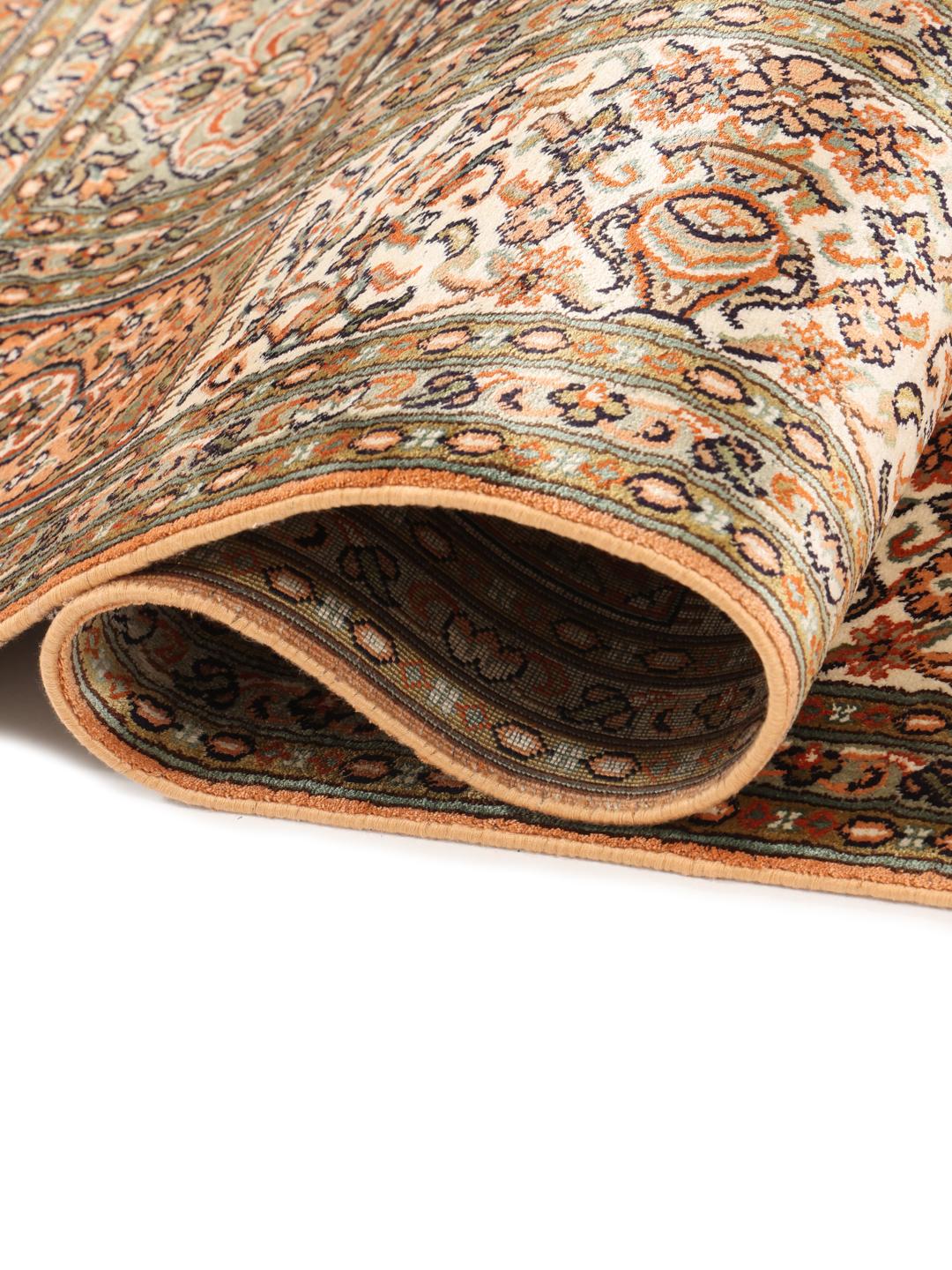
Visually, these rugs are known for their intricate floral motifs and ornate, balanced compositions. Often inspired by gardens and nature, the designs frequently feature sweeping vines, delicate petals, and sophisticated borders that frame the central field. The use of silk enhances these patterns, allowing the light to catch the curves of the design and creating a sense of movement that is rarely achieved with other materials.
Owning a Kashmir silk rug is a testament to the appreciation of human skill and historical continuity. These rugs are highly valued by collectors and homeowners alike, not just for their aesthetic beauty, but as symbols of a craft that refuses to be rushed. By bringing such a piece into your home, you are continuing a legacy of beauty, preserving a traditional craft, and investing in an object of lasting cultural value.