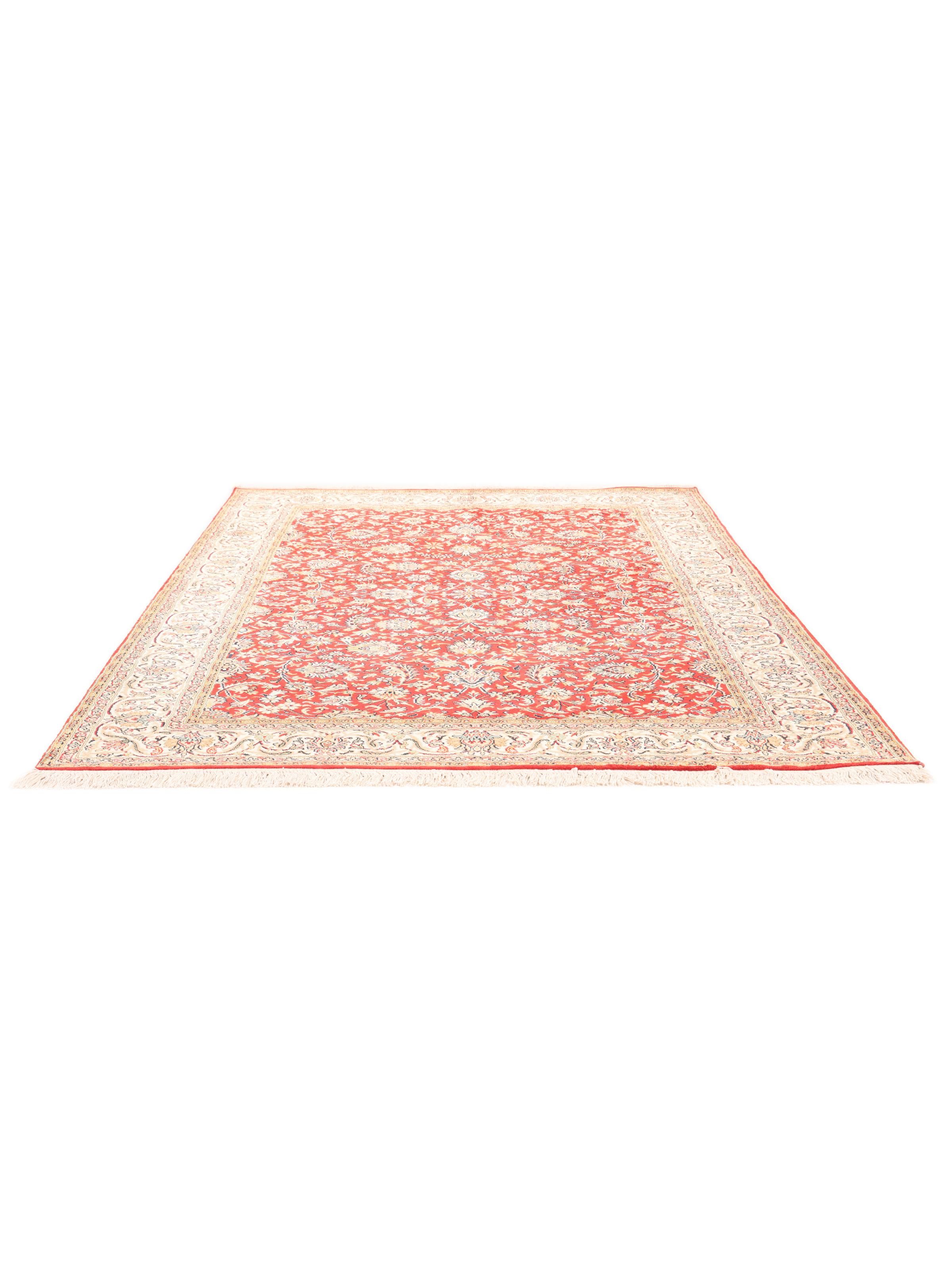
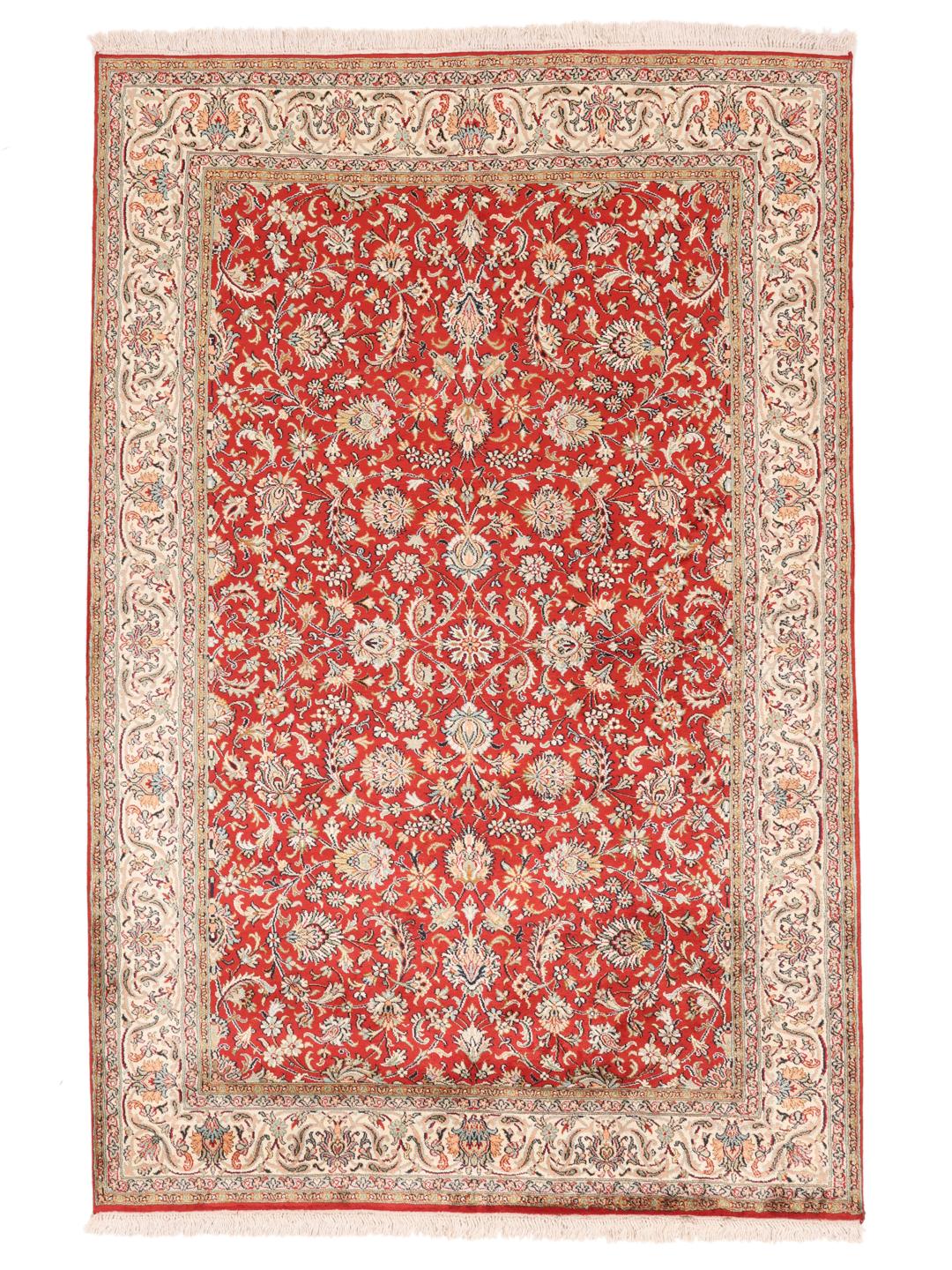
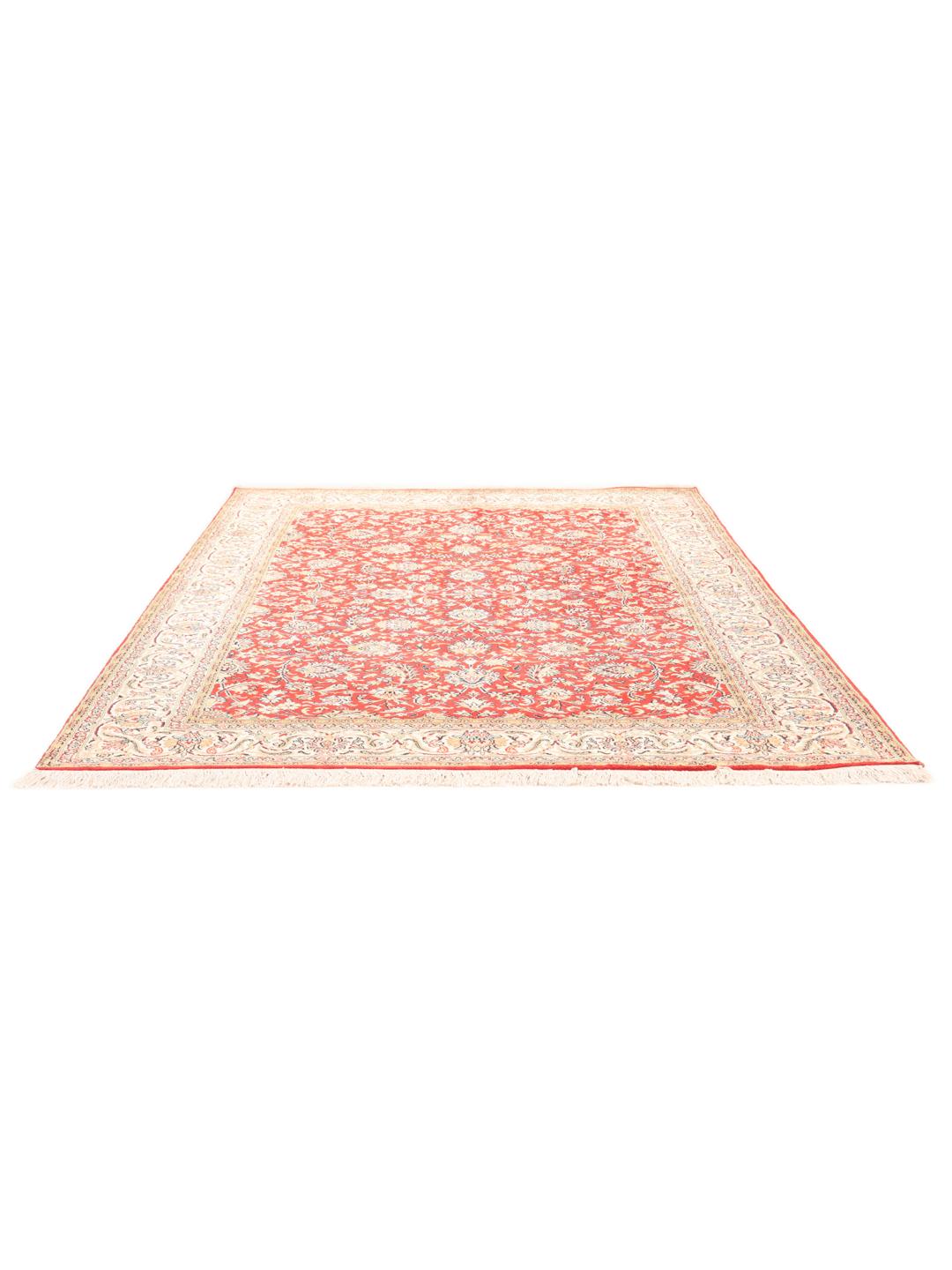
Kashmir silk rugs are celebrated globally for their exquisite detail and the rich cultural heritage of the region they originate from. Traditionally, the art of weaving these pieces in the Kashmir valley has been influenced by both Middle Eastern and Central Asian techniques, evolving over centuries to become a distinct craft known for its fine quality and delicate floral imagery. These rugs serve as a bridge between ancient traditions and contemporary home decor.
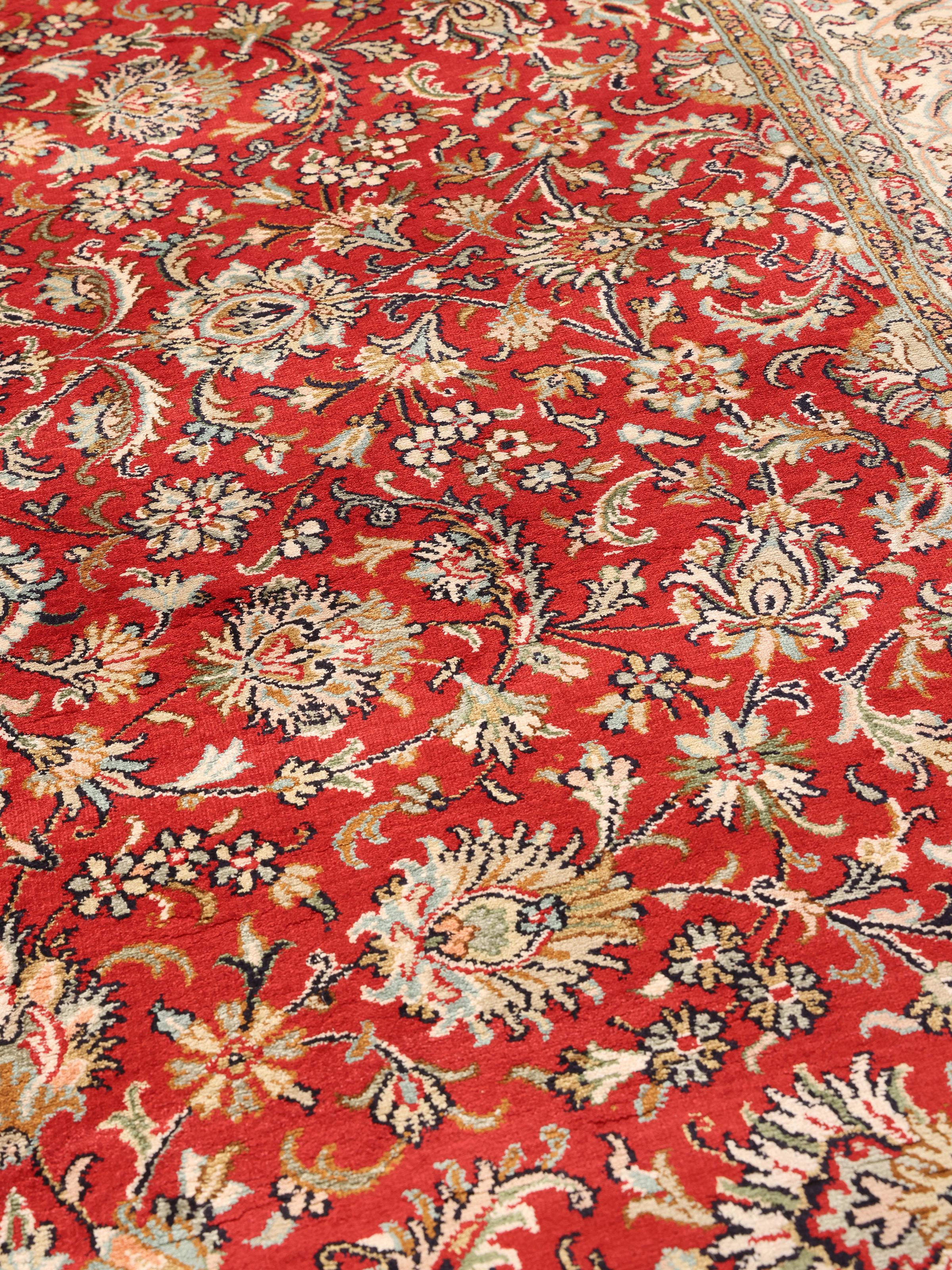
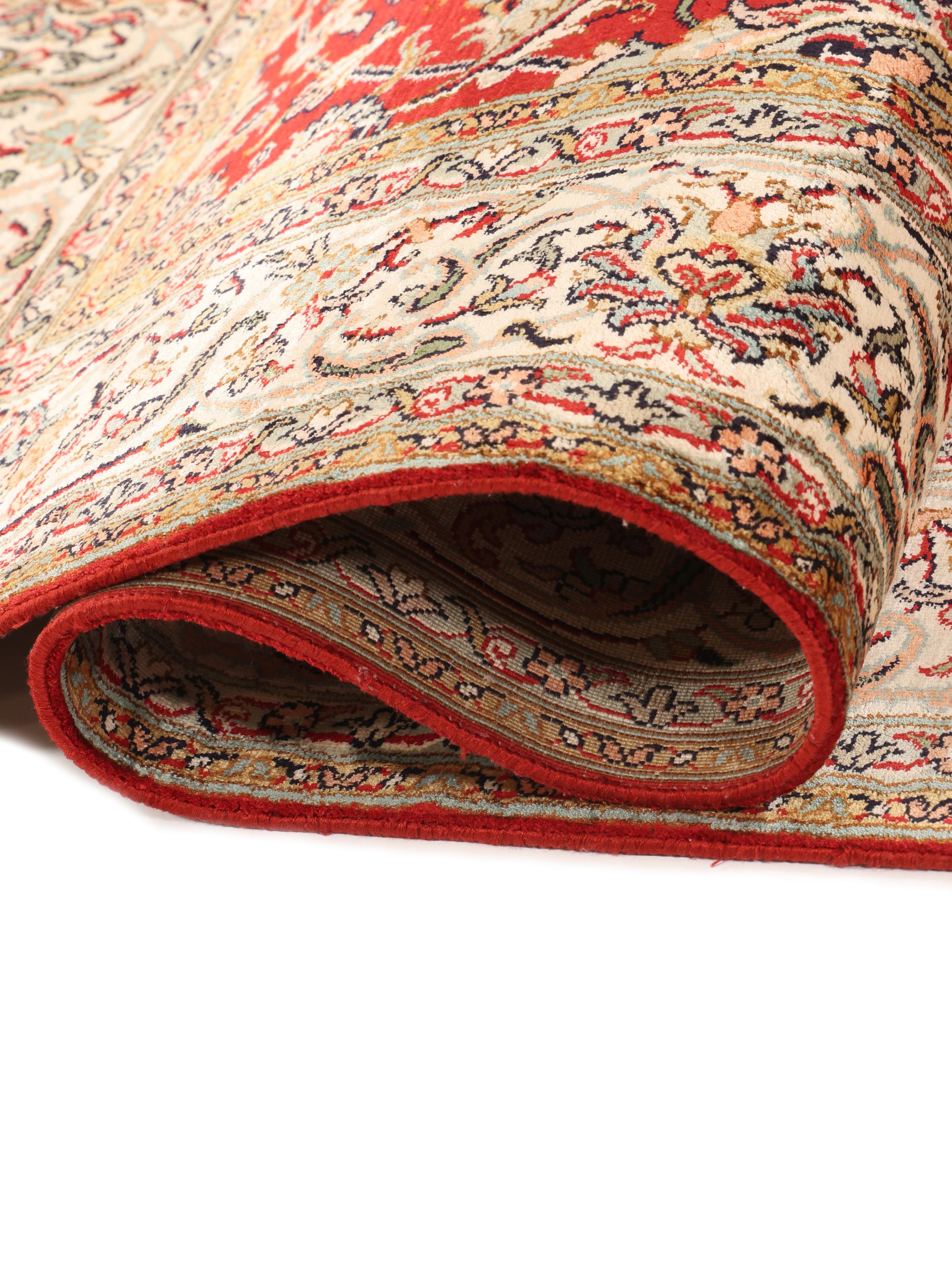
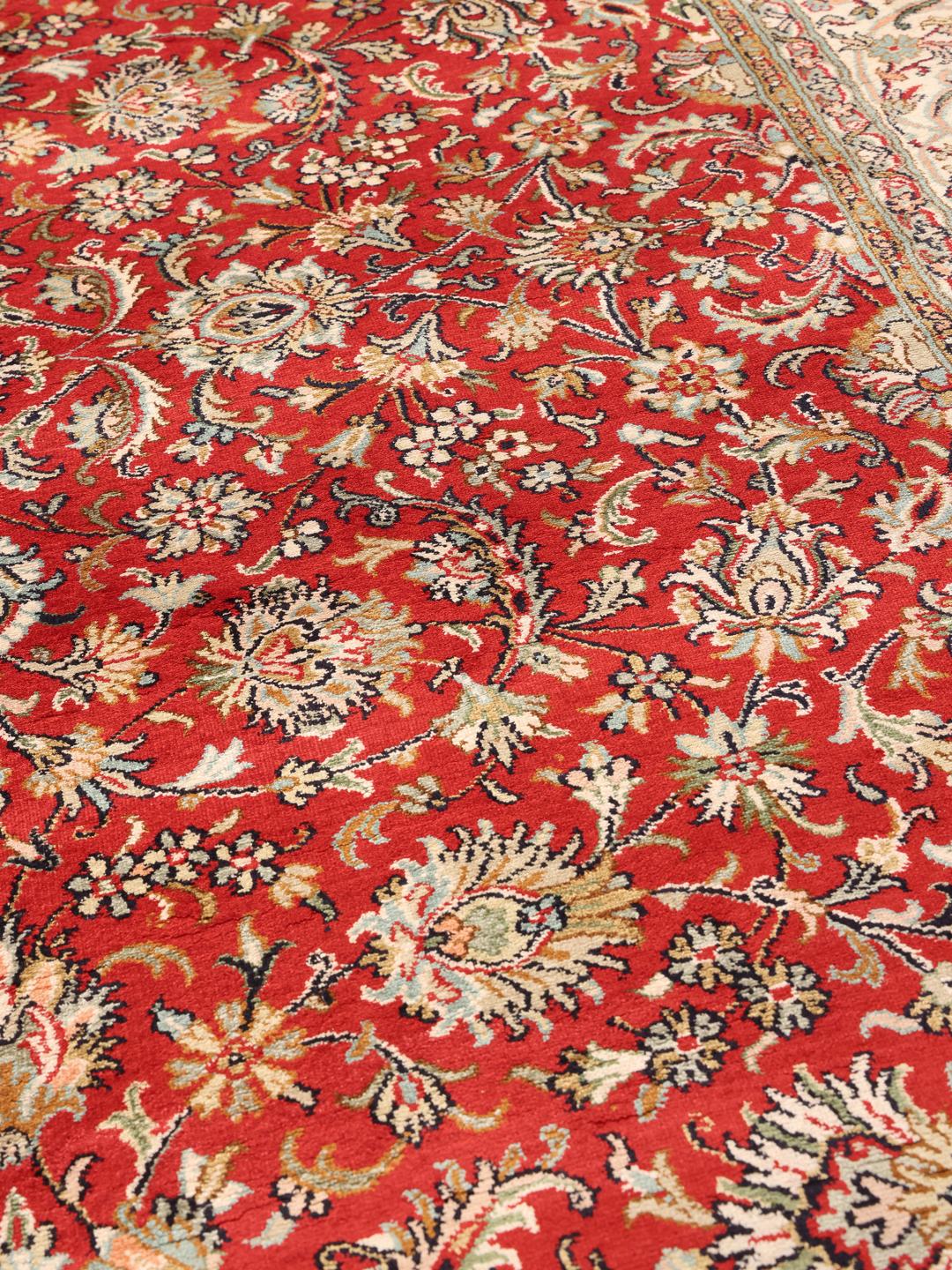
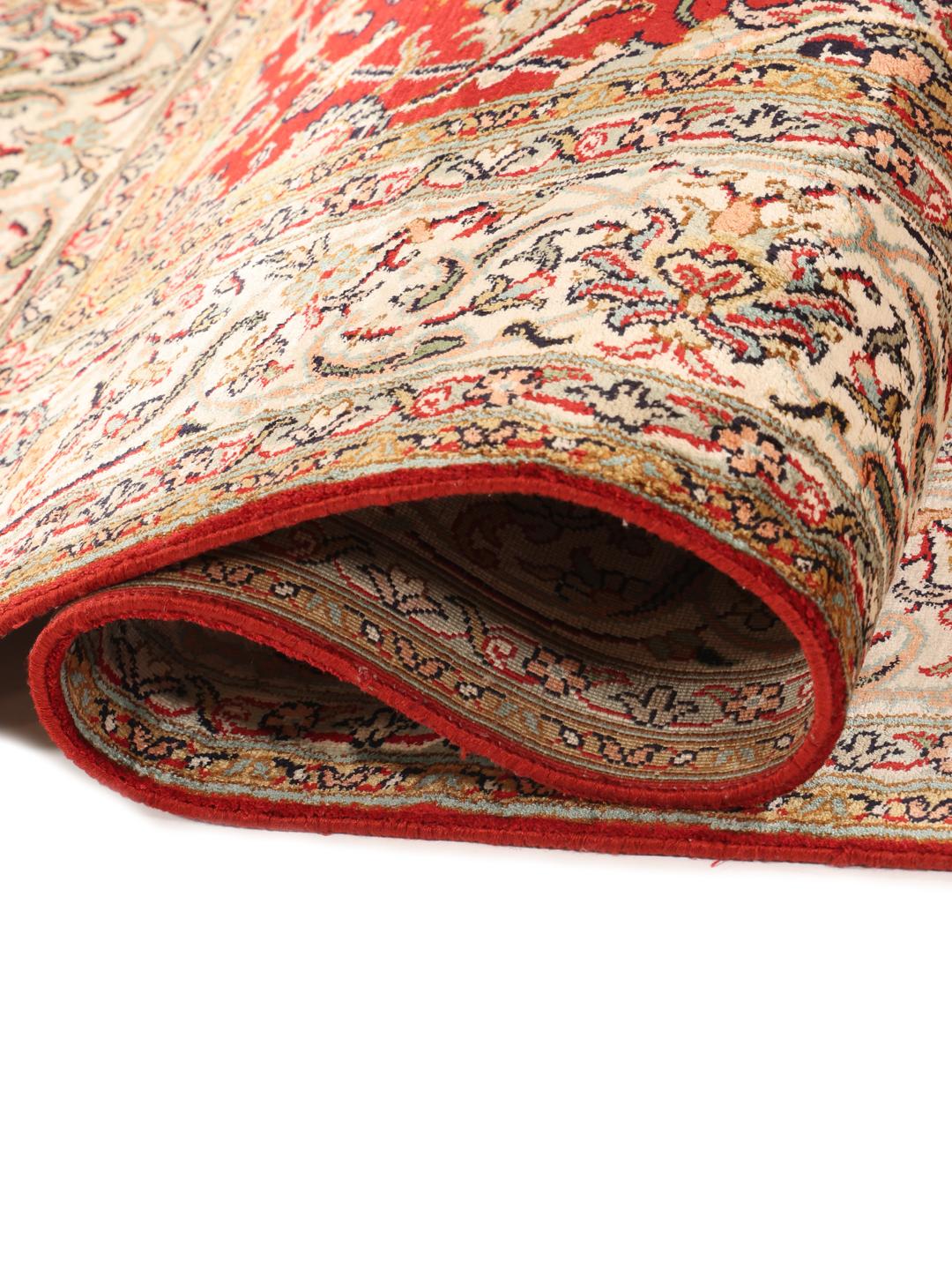
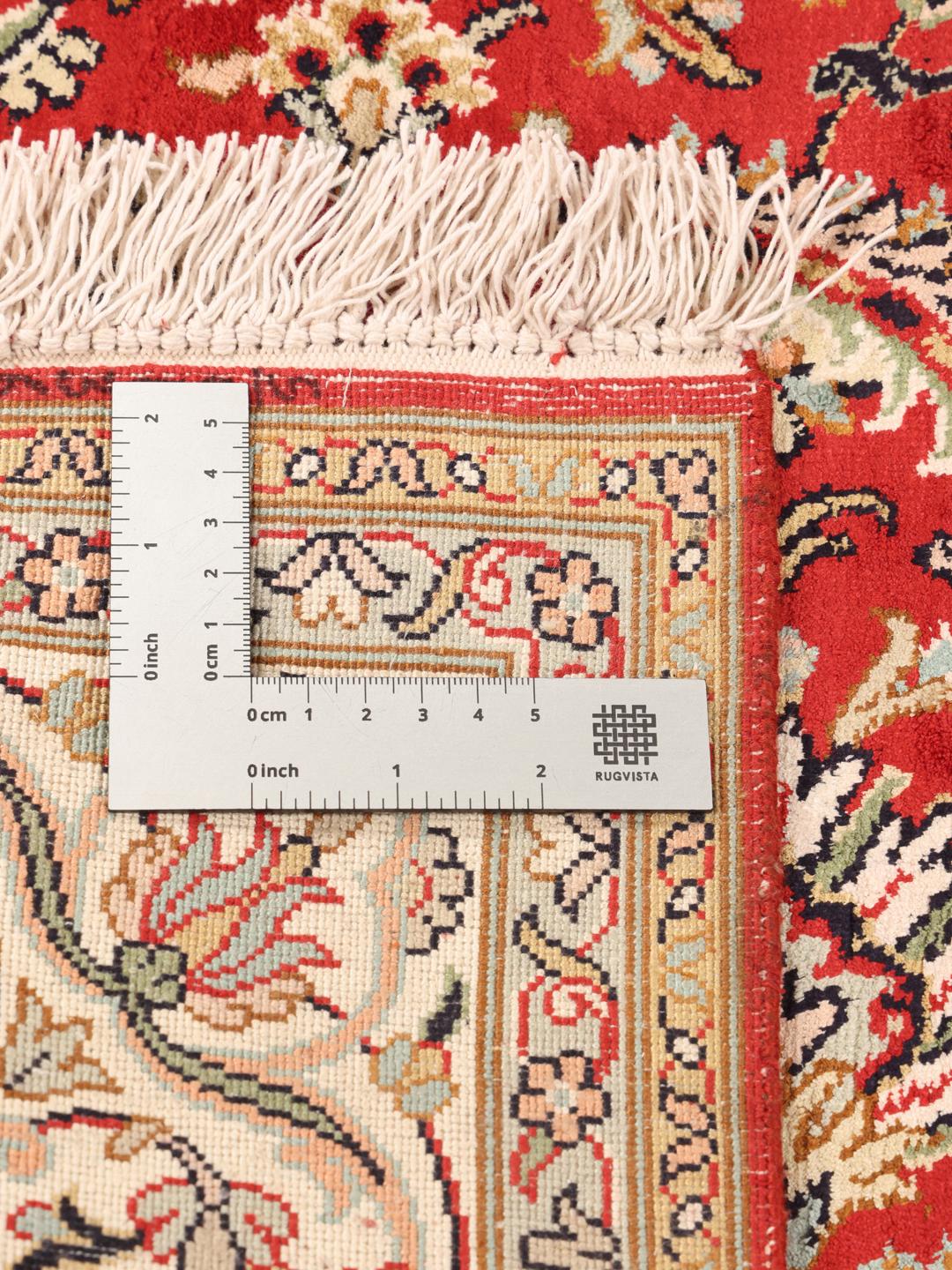
The term 'hand-knotted' refers to the essential method of creating the rug, where each individual knot is tied by hand. This process is significant because it allows for a much higher level of precision compared to other weaving styles. For the owner, this means a rug with a tighter, more uniform pile that is less prone to shedding and better able to maintain its intricate design integrity over many decades of use.
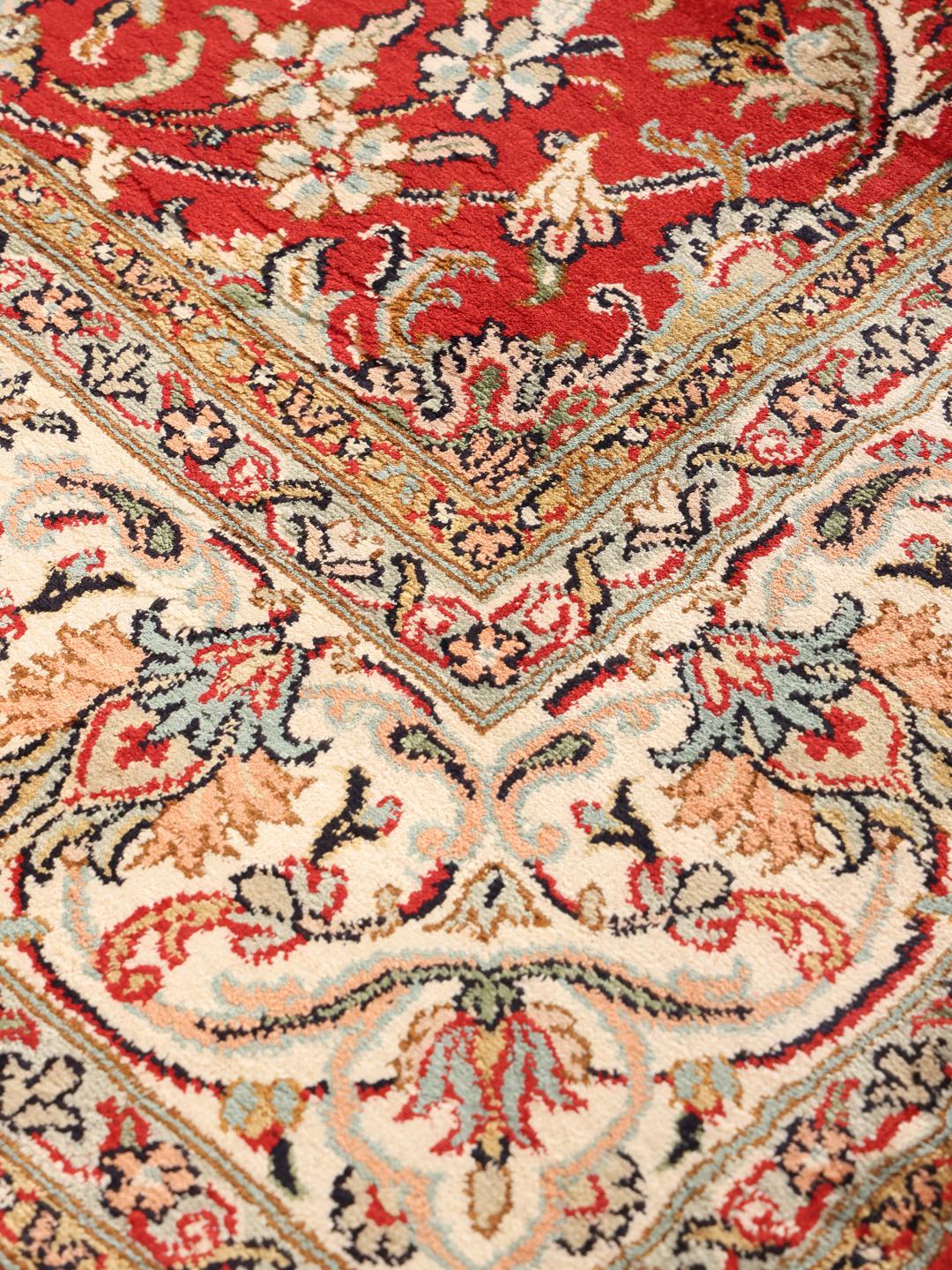
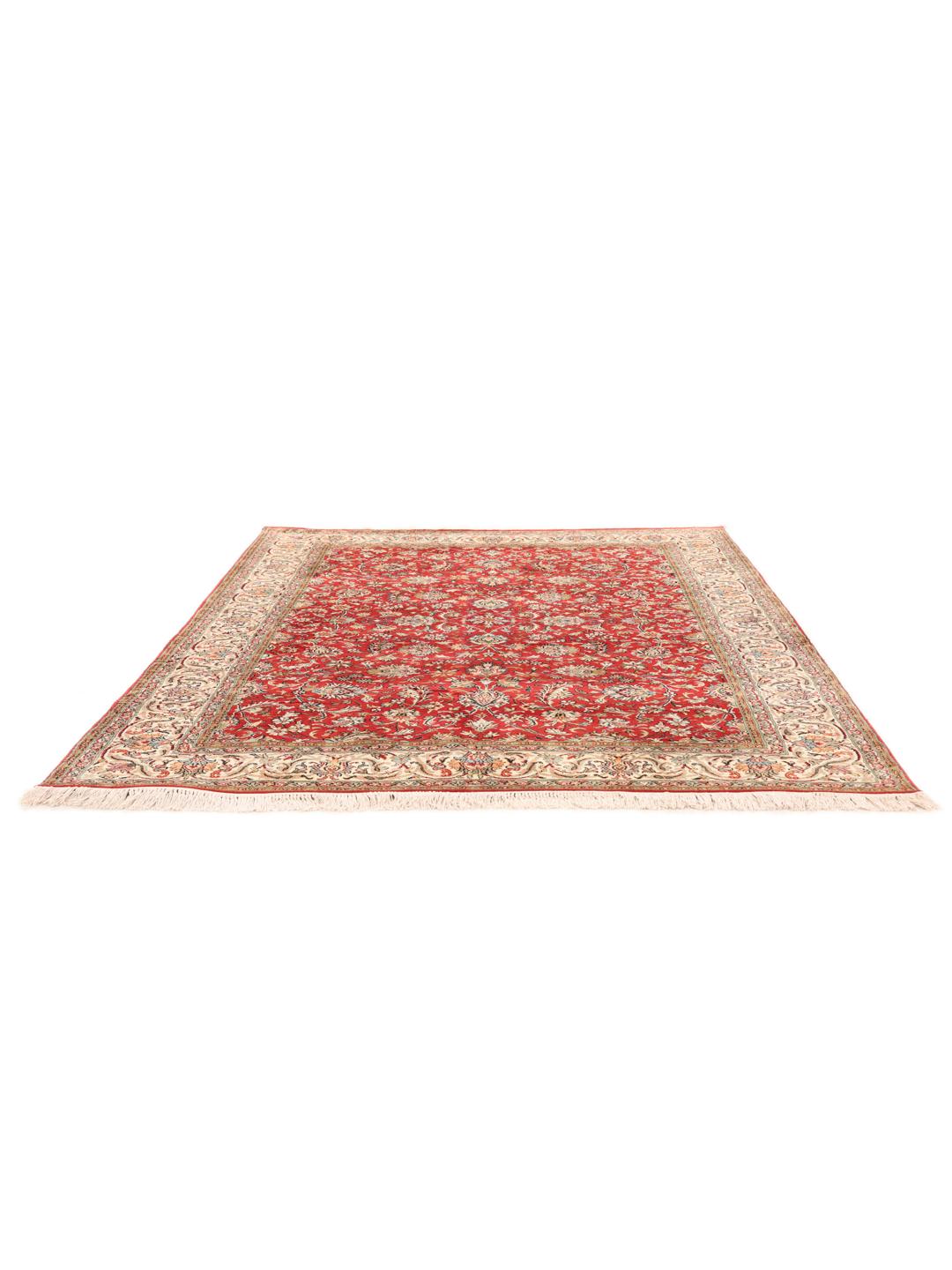
Signature design elements in Kashmir silk rugs often feature elaborate floral patterns, such as the famous tree-of-life or dense garden scenes, rendered in a sophisticated colour palette. The borders are typically filled with scrolling vines and palmettes, framing the central field with formal elegance. While many follow these traditional motifs, each rug remains unique due to the weaver's interpretation of the design, ensuring that even within the same tradition, no two pieces are ever identical.
These rugs are highly valued by collectors and enthusiasts alike, not only for their aesthetic brilliance but for the skill required to produce them. Owning a Kashmir silk rug is seen as an investment in heritage and artistry. It represents a dedication to preserving a craft that has been passed down through generations, making the rug a meaningful addition to any home that values authentic, high-quality, and culturally significant items.