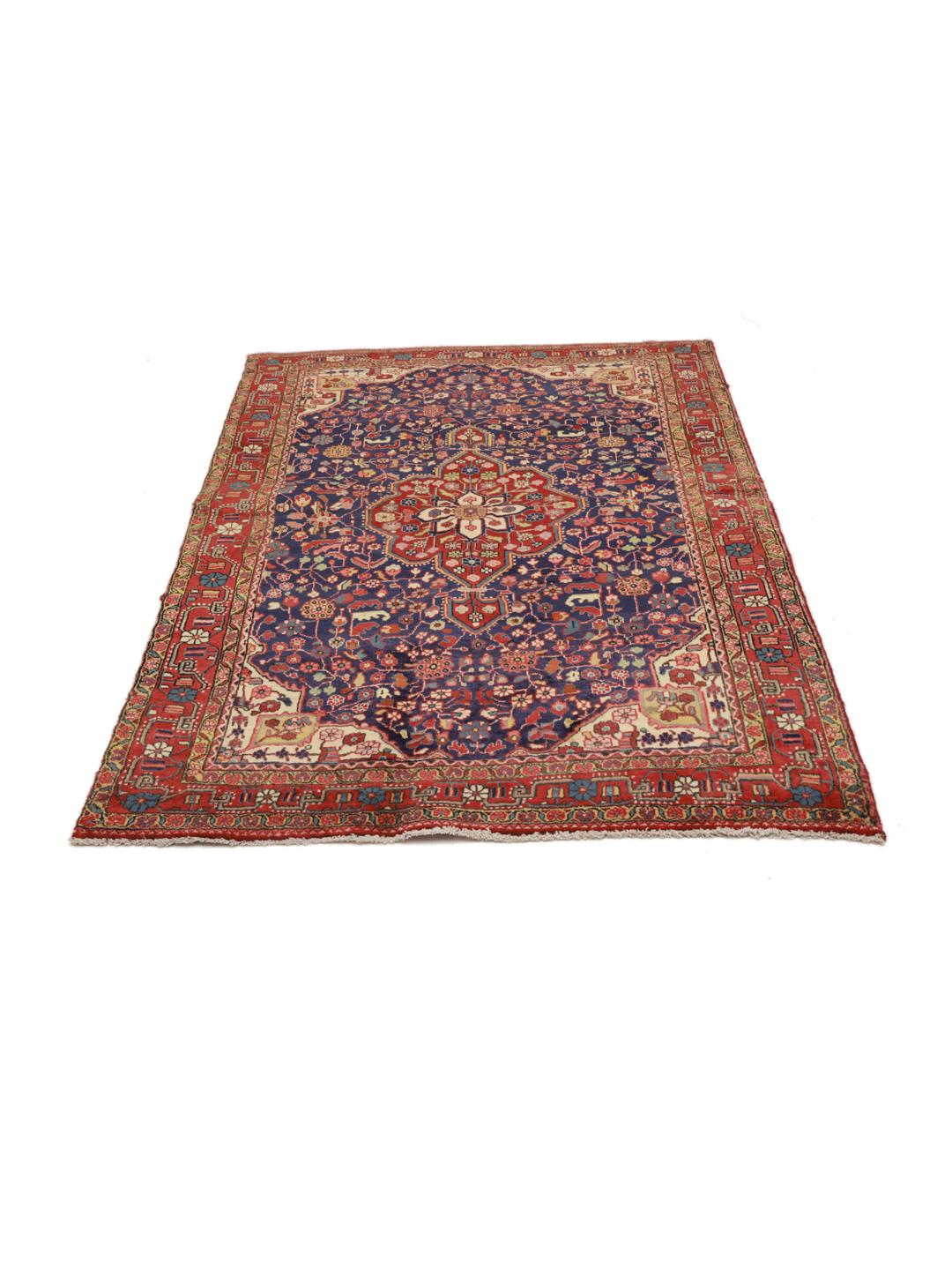
Jozan rugs hail from a small village in the Malayer region of the Middle East, an area long celebrated for its distinctive weaving traditions. These rugs are often considered the finest examples produced in this region, known for their high-quality wool and sophisticated designs. The craft has been passed down through generations, with weavers developing a unique style that bridges the gap between nomadic influences and more formal, courtly aesthetics.
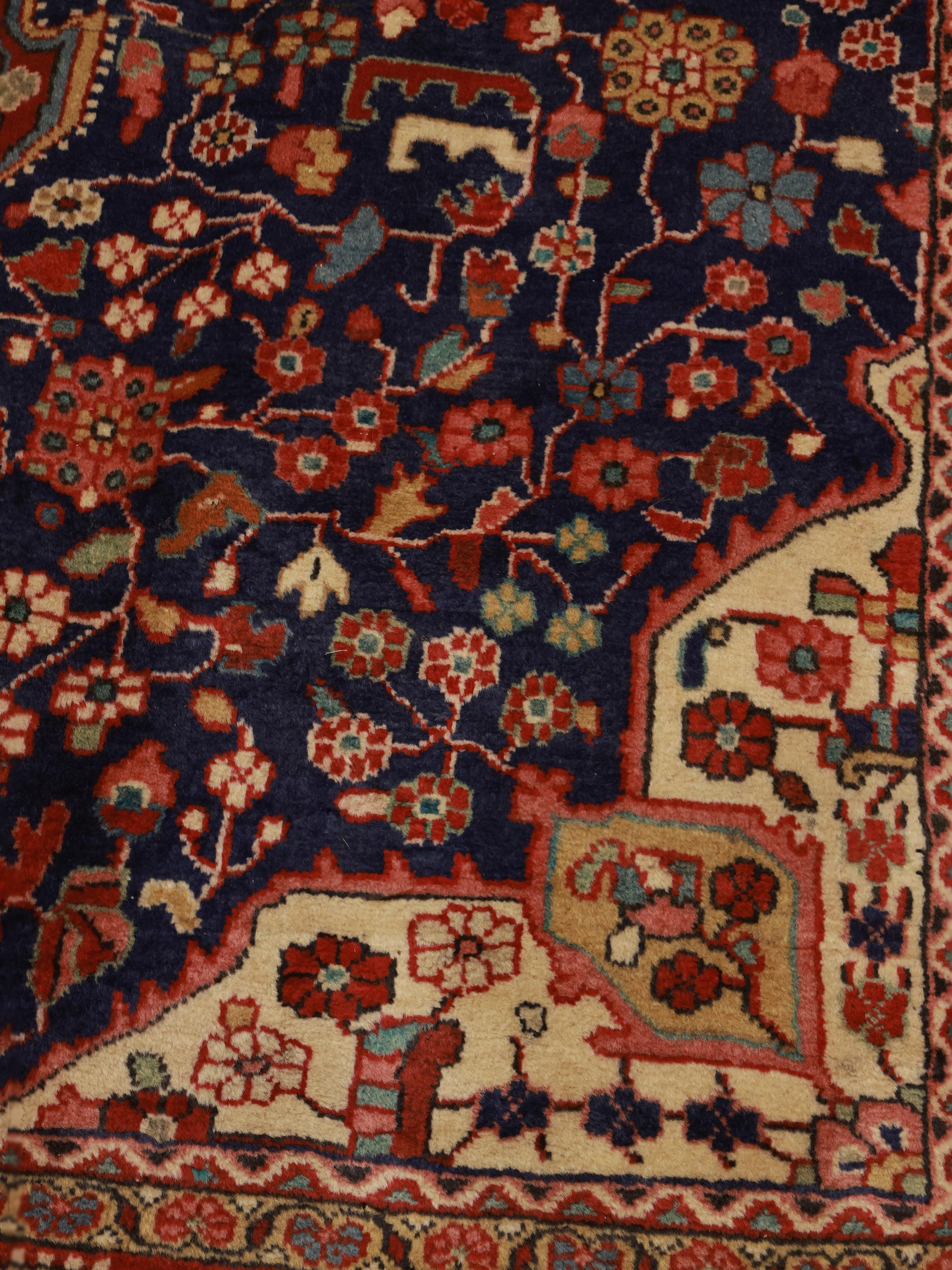
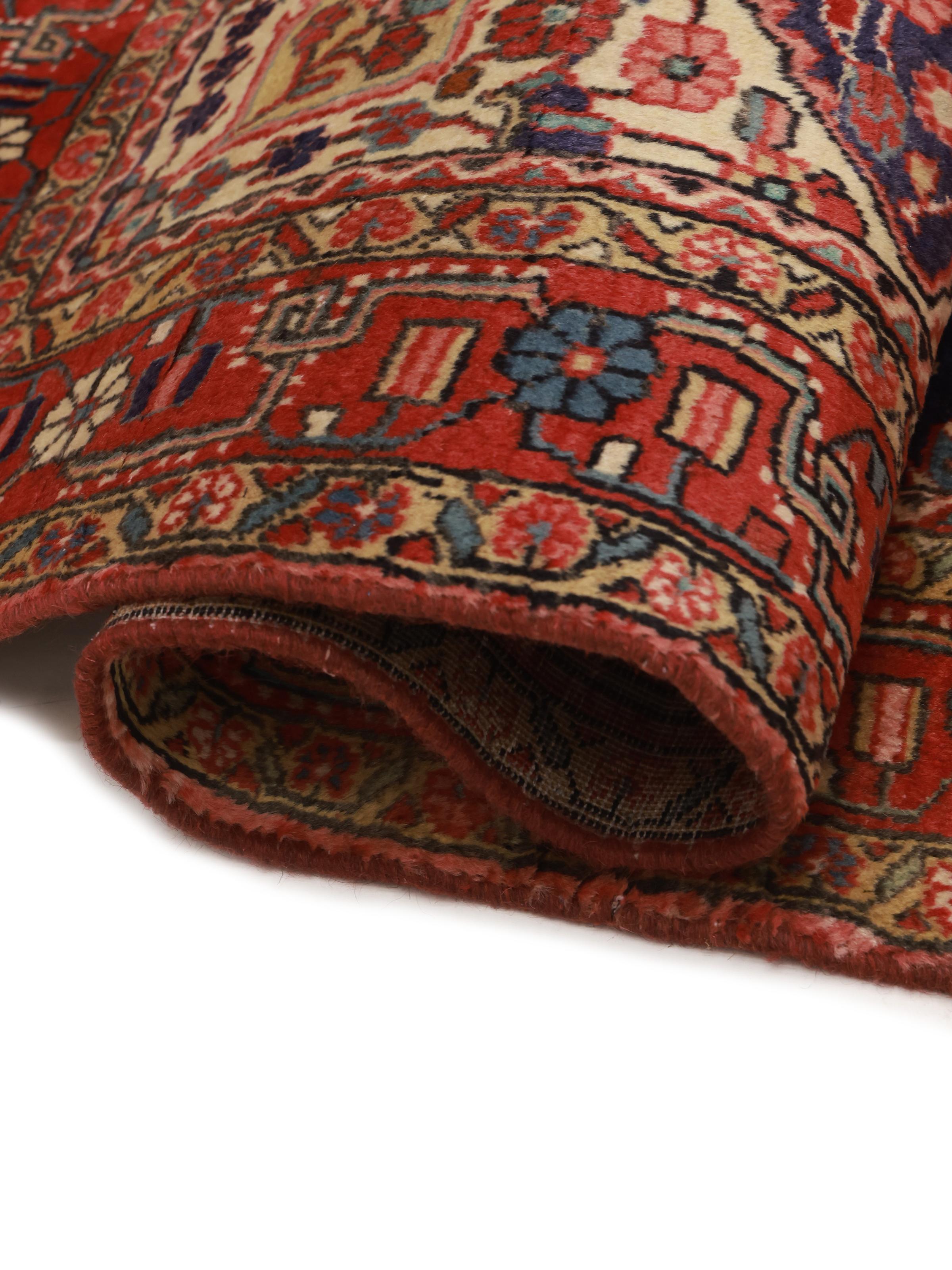
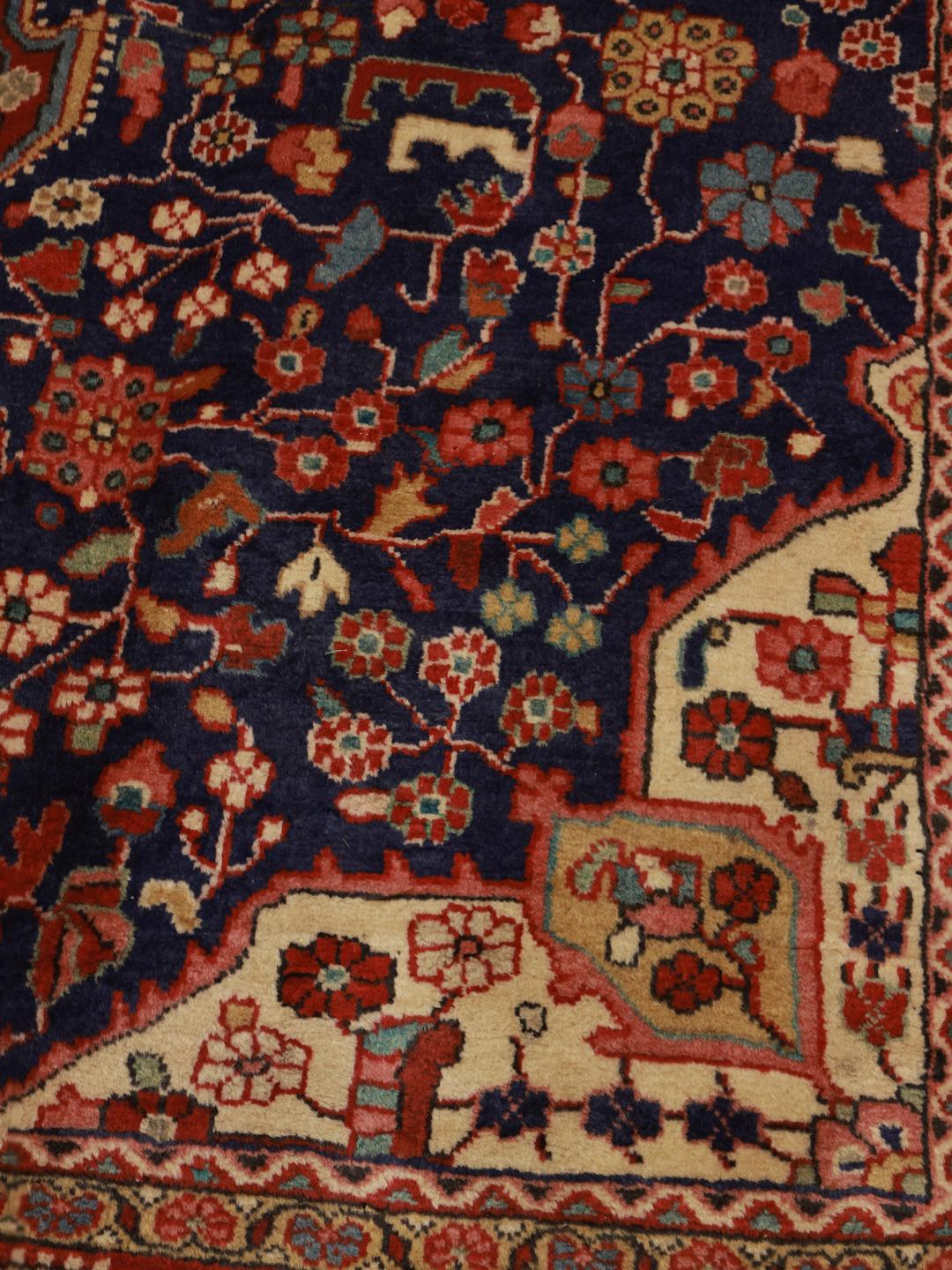
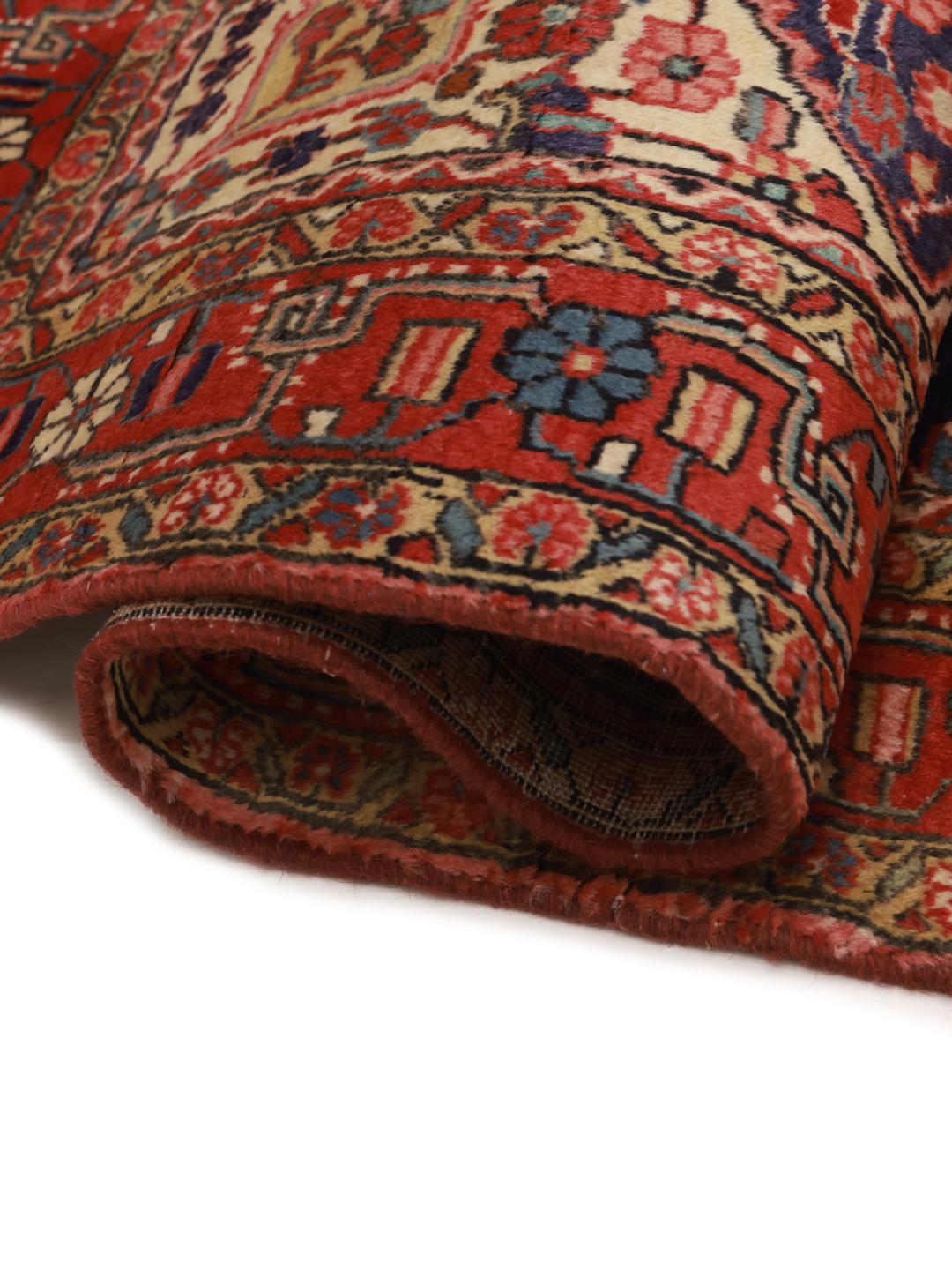
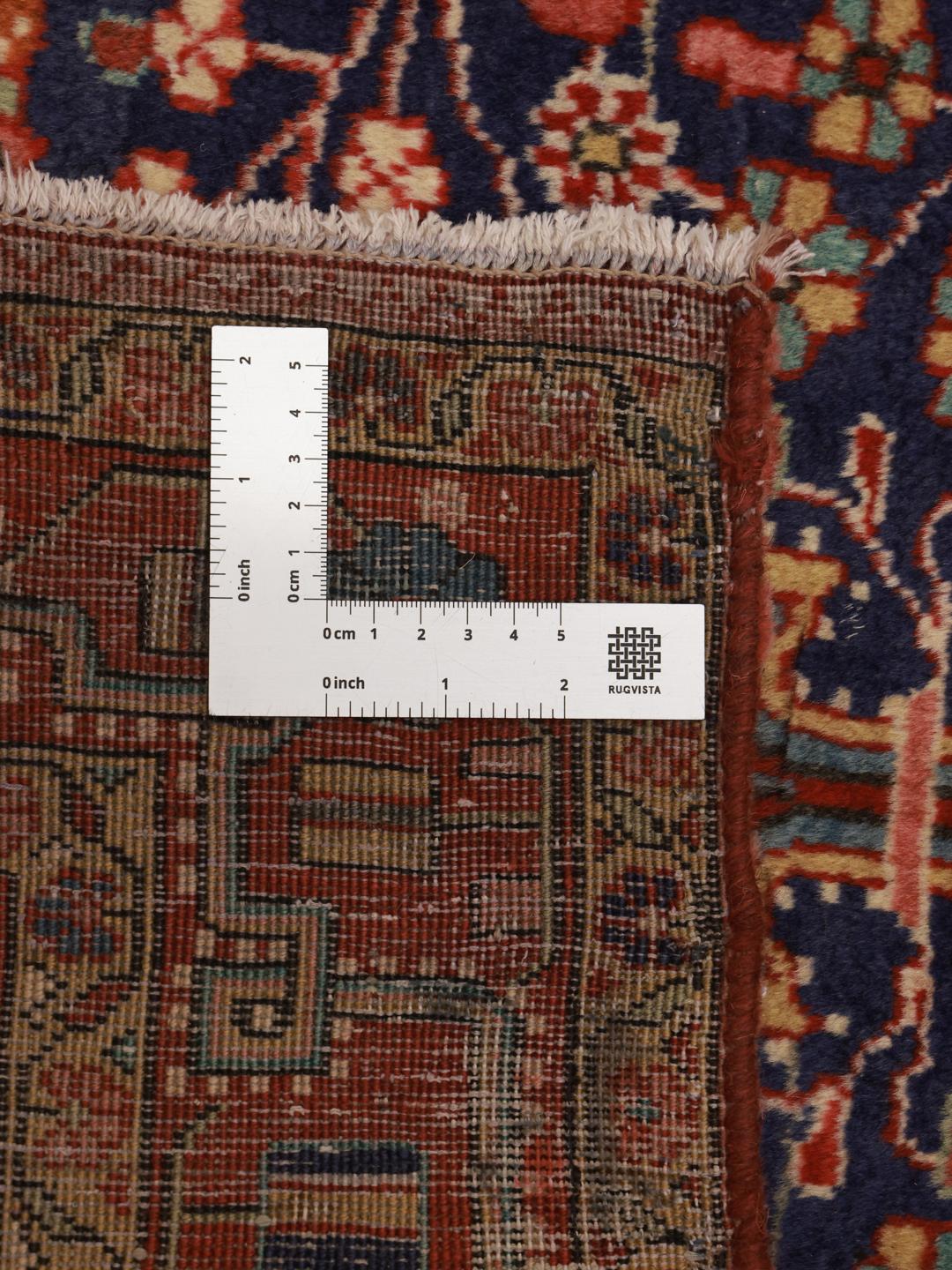
The technical quality of a Jozan is defined by its dense, sturdy construction. The term 'hand-knotted' here refers to the precise placement of thousands of knots, which allows for the intricate, curvilinear floral designs that are characteristic of this tradition. This density is not just for show; it is what gives the rug its durability and its soft, luxurious handle, making it a practical choice for those who value both form and function.
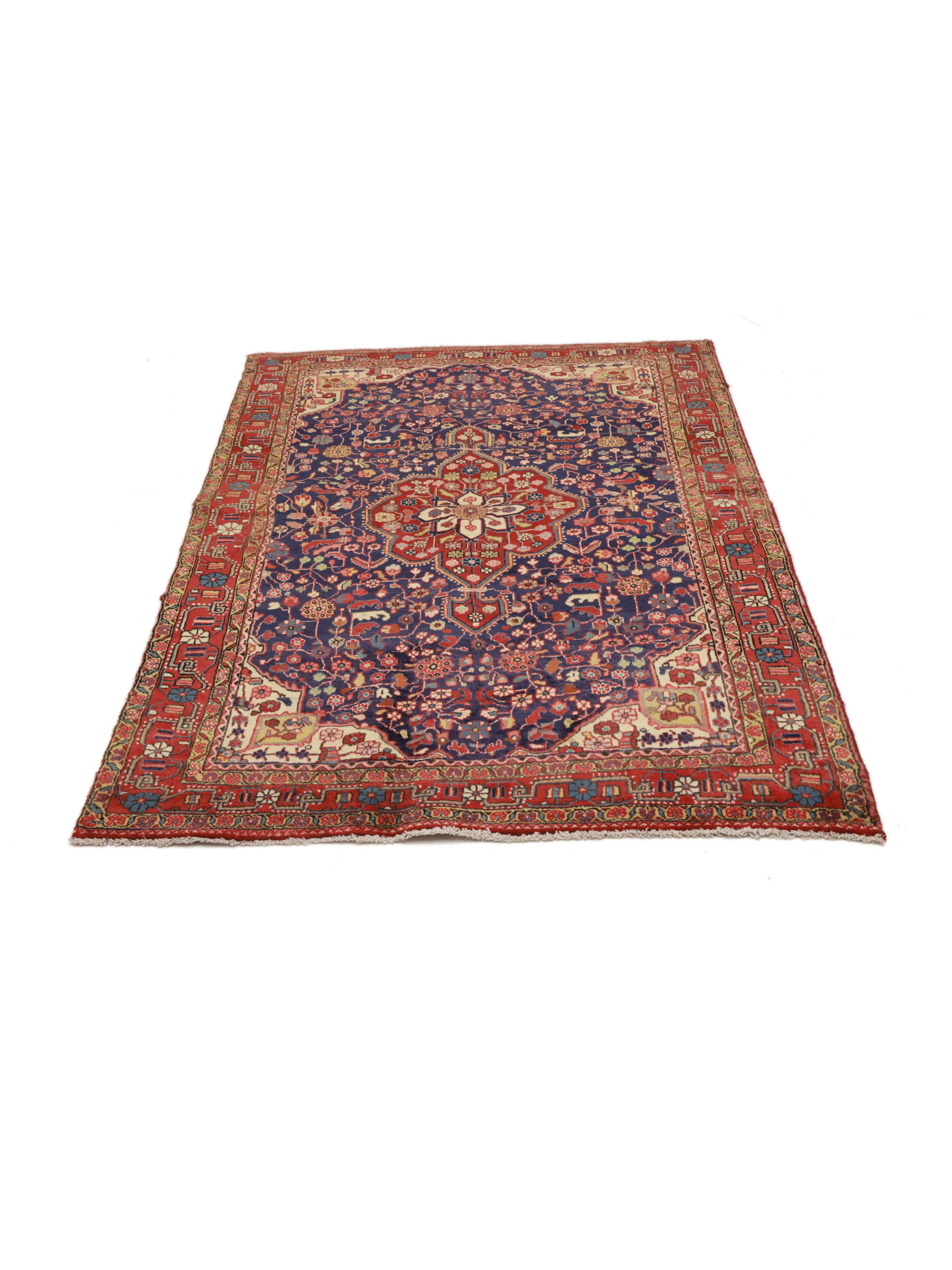
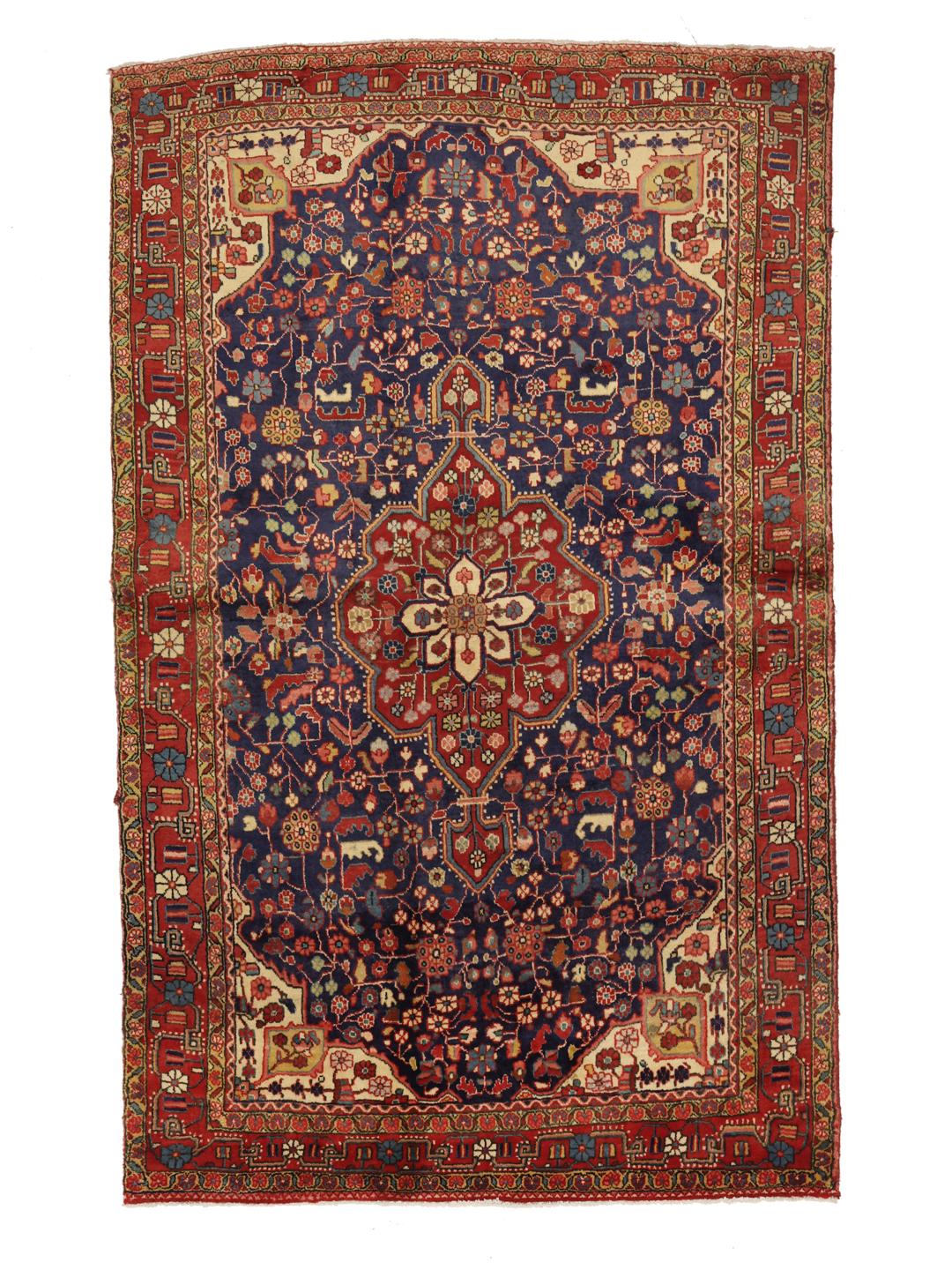
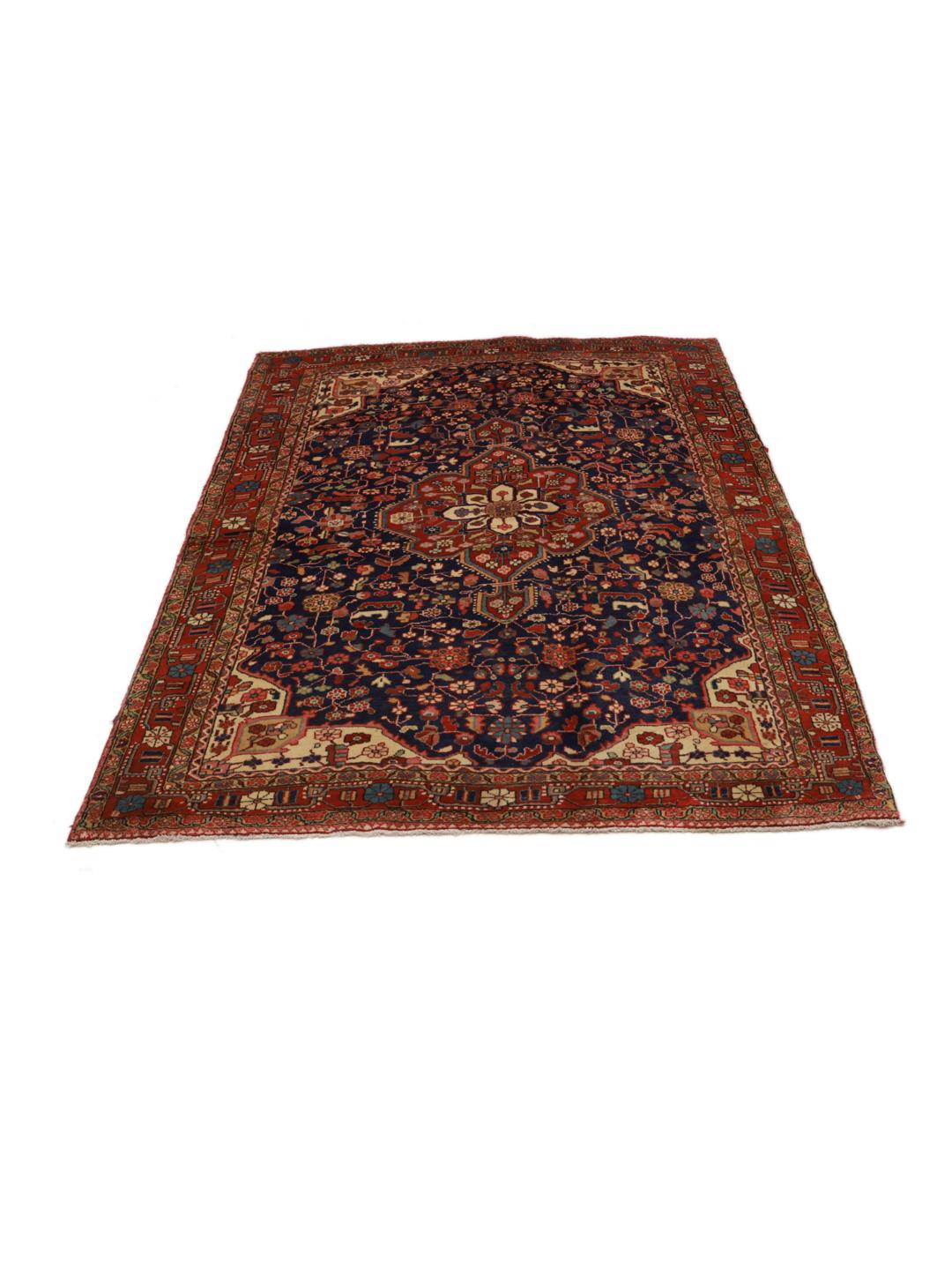
Signature design elements of these rugs often include a central medallion surrounded by a 'garden' of floral motifs, such as vines, blossoms, and leaves. While many rugs from this region are geometric, the Jozan is noted for its ability to incorporate flowing, organic shapes into a structured framework. The colour palette typically features deep, saturated blues and earthy reds, often derived from natural dyes, which give the rug its characteristic depth and warmth.
Owning a Jozan rug is an opportunity to connect with a rich cultural heritage. These pieces are highly valued by collectors for their blend of technical precision and artistic flair. They represent a significant investment in human skill and regional history, serving as a testament to the enduring appeal of traditional, slow-made textiles that bring authenticity and soul to modern living spaces.