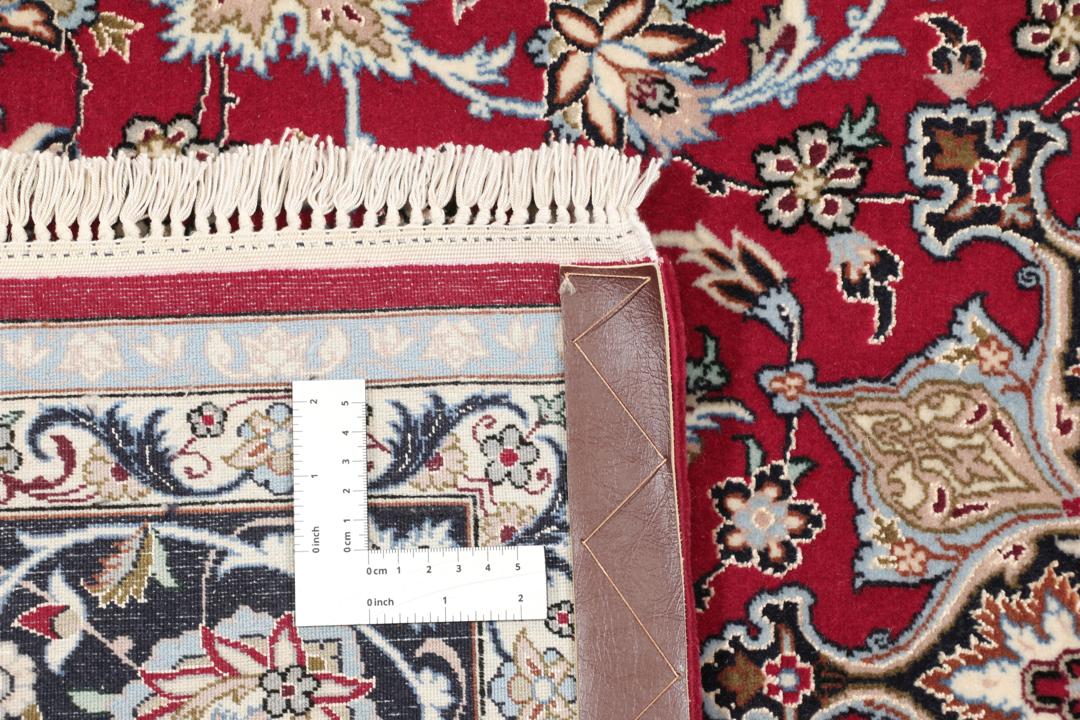
Isfahan rugs originate from the city of Isfahan in the Middle East, a place historically known as a centre for artistic and architectural excellence. The city's tradition of rug making is deeply influenced by the grand aesthetic of its historic mosques and palaces, which often feature elaborate tile work and floral designs. This cultural background informs the rug's balanced, sophisticated appearance, making Isfahan synonymous with the highest standards of the craft.
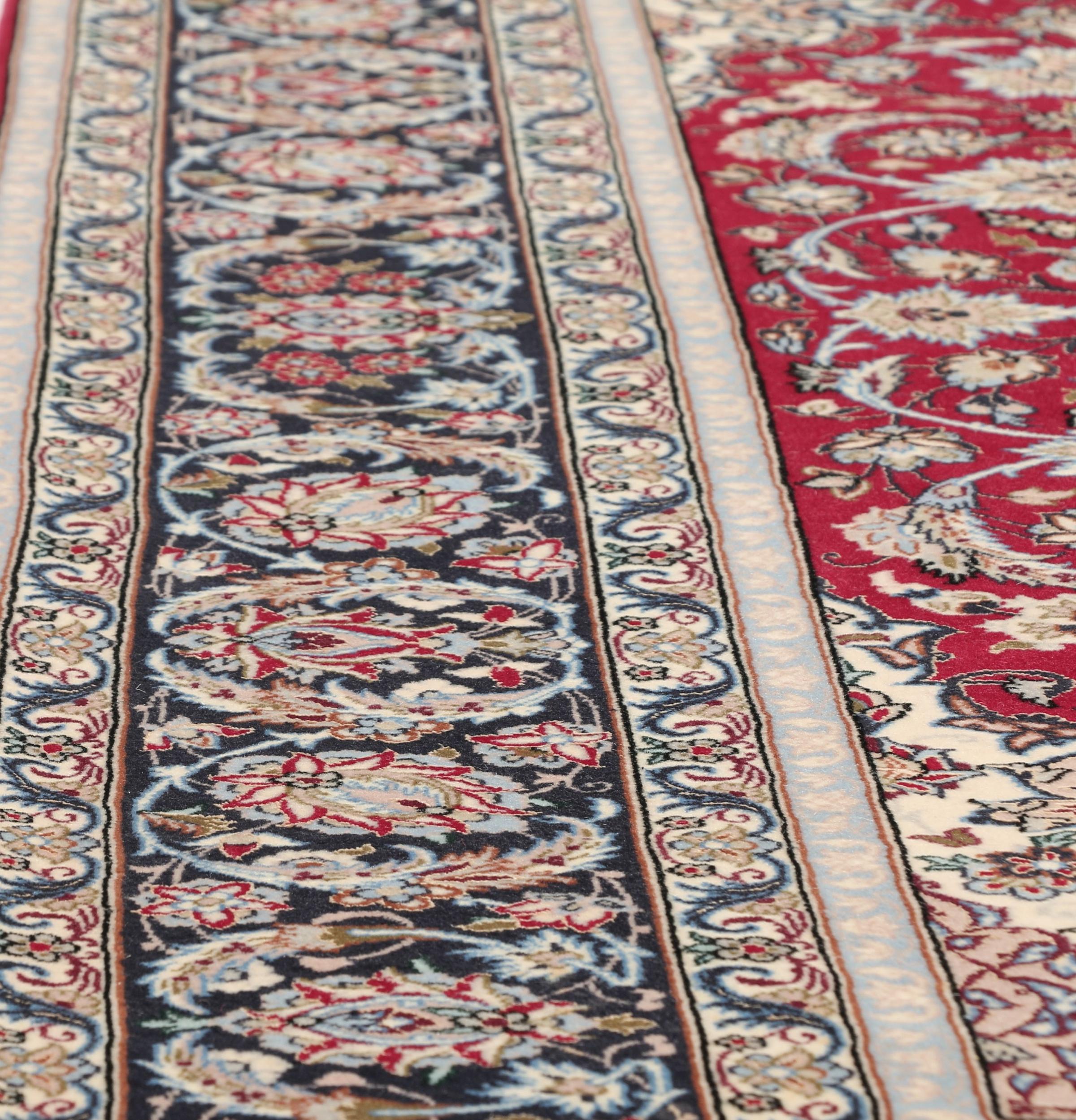
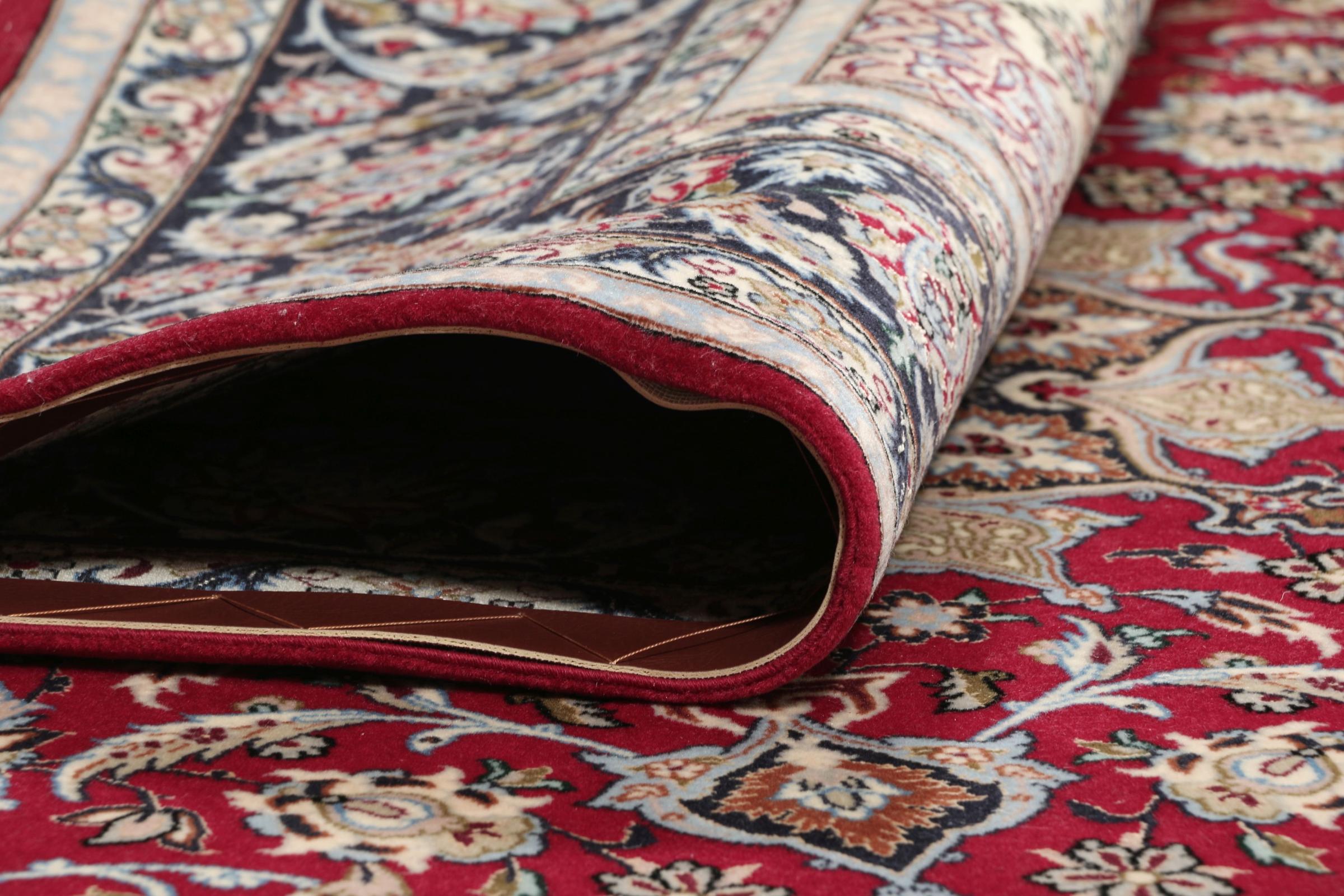
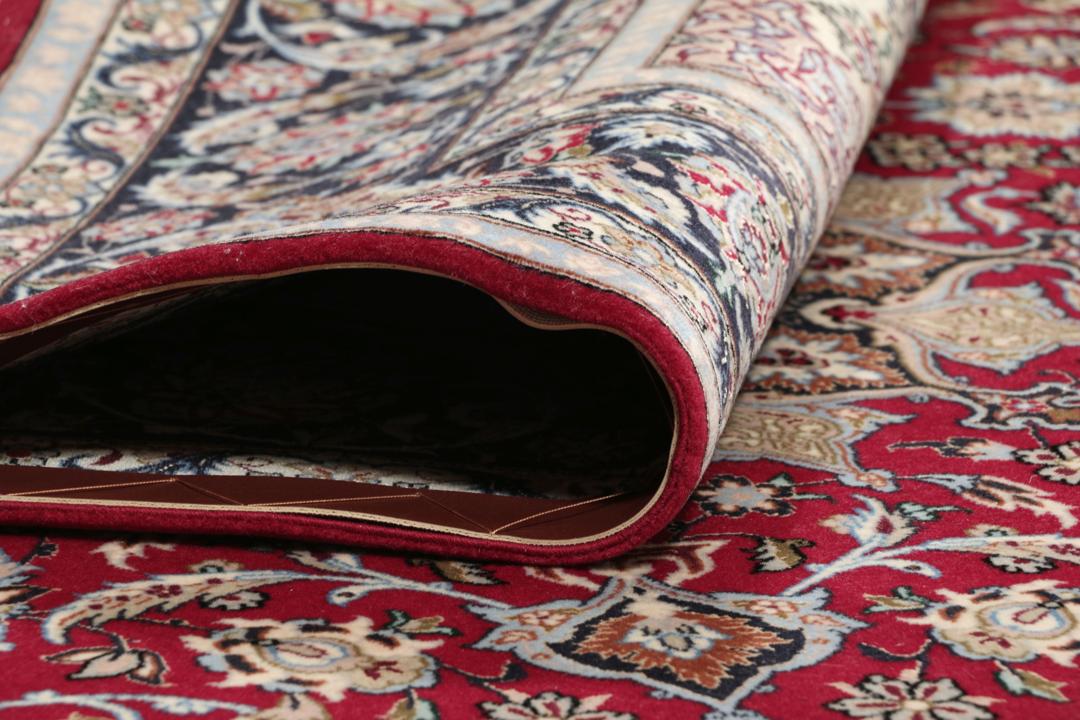
Technical mastery is a hallmark of this tradition, where the focus remains on achieving extreme precision in every knot. The use of high-quality materials and a refined knotting technique allows for the creation of intricate, curvilinear patterns that are difficult to achieve in other styles. This focus on detail is what sets Isfahan apart, ensuring that the rug is not only a floor covering but a complex, harmonious design that reflects centuries of technical evolution.
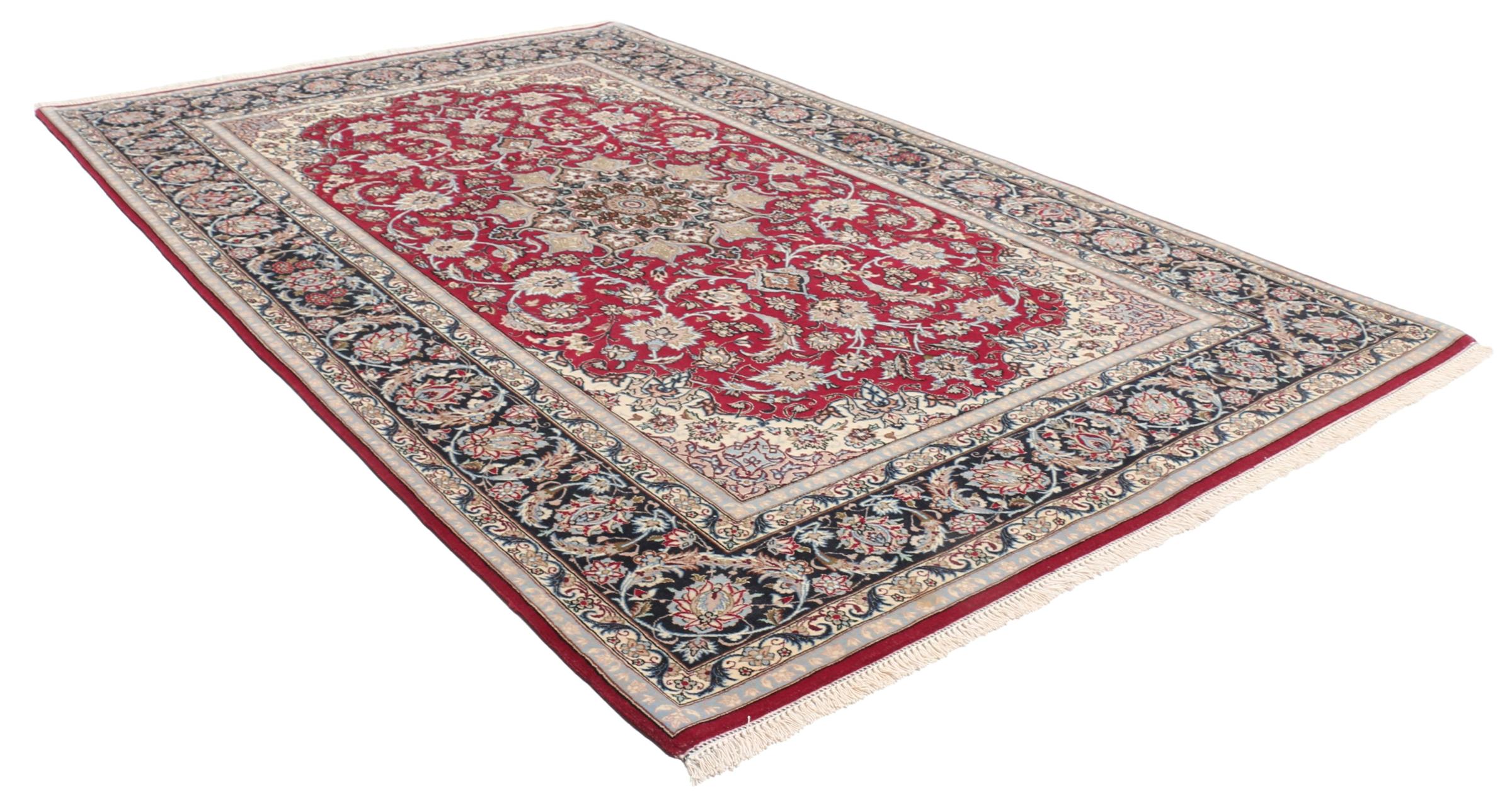
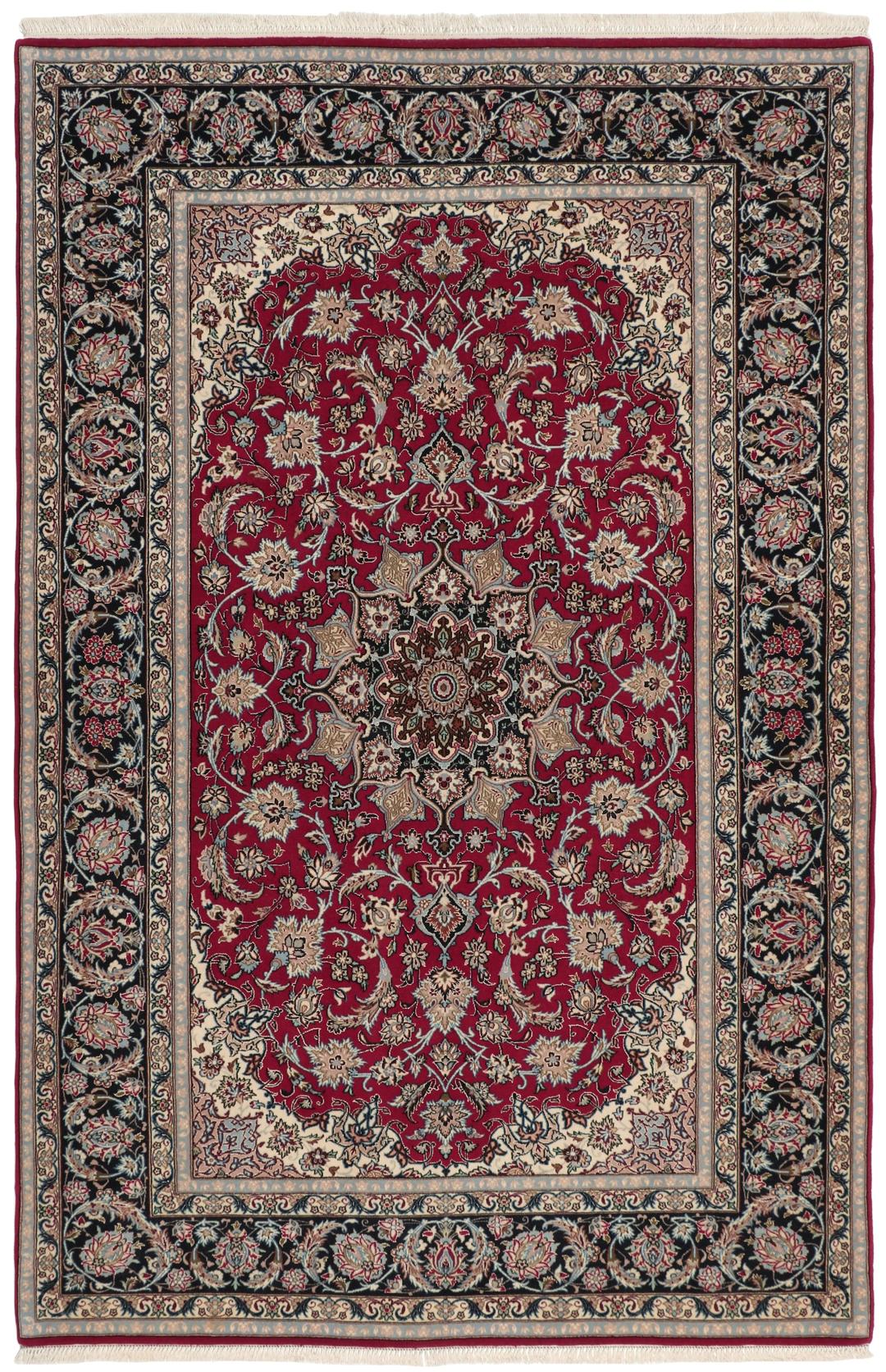
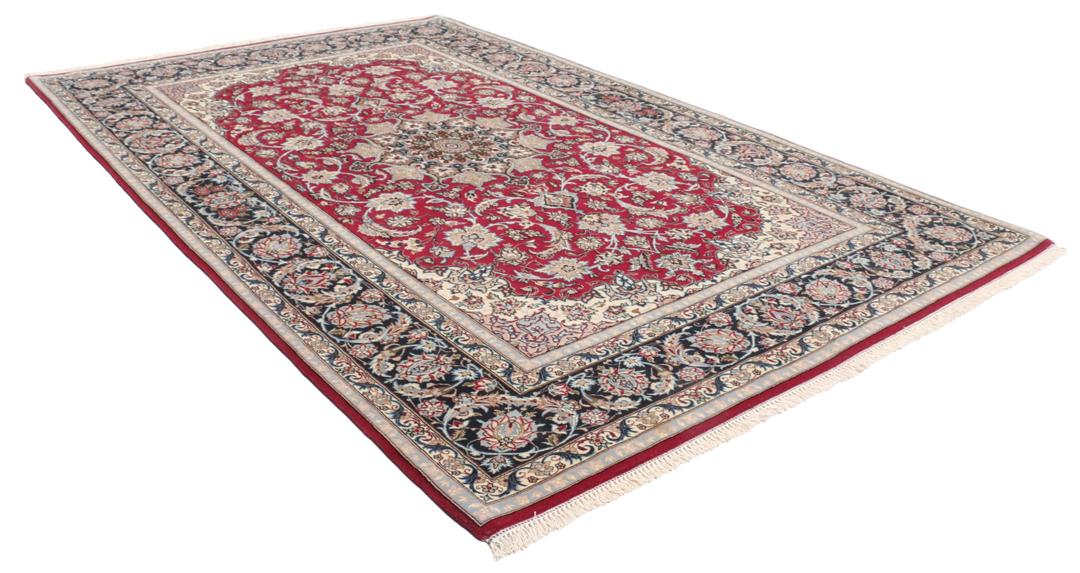
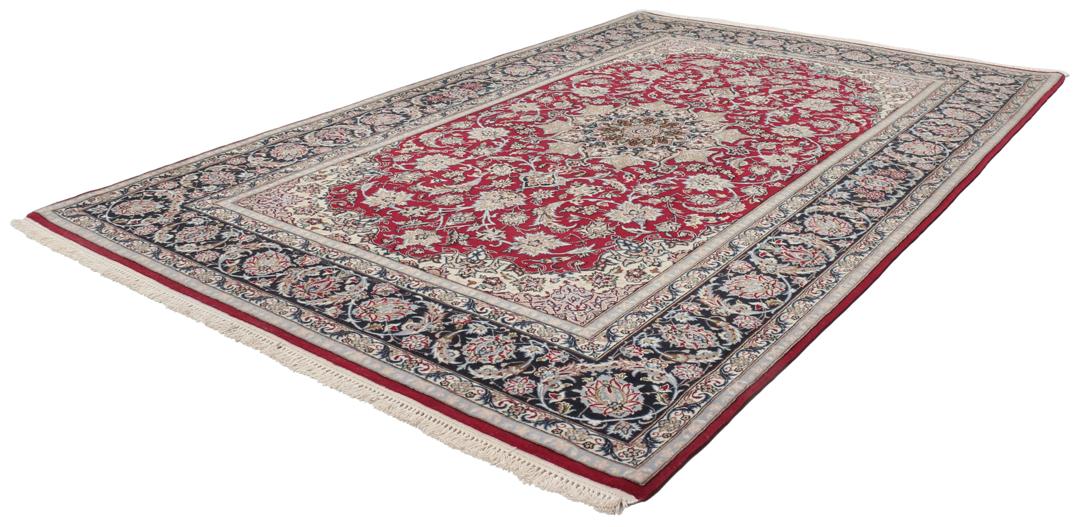
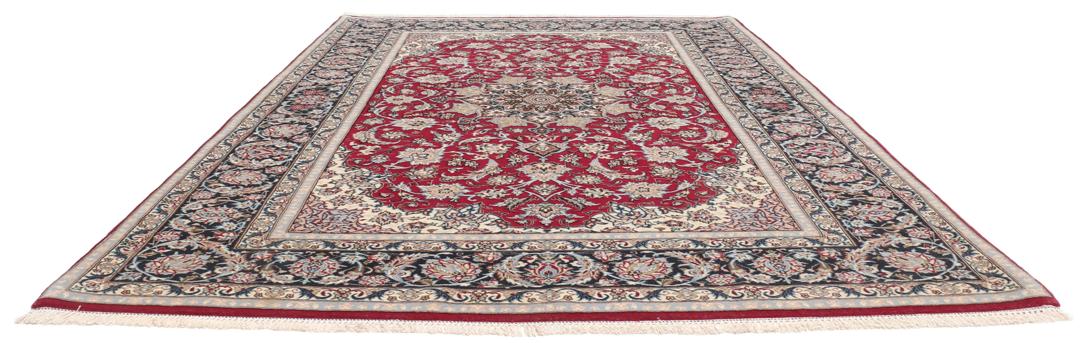
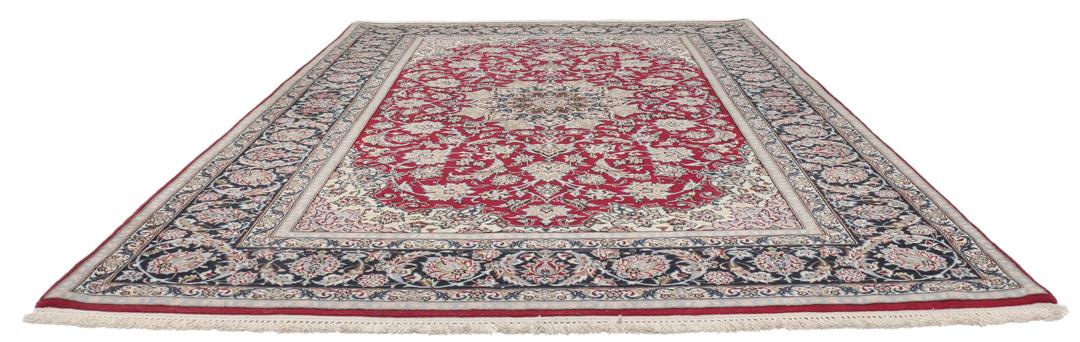
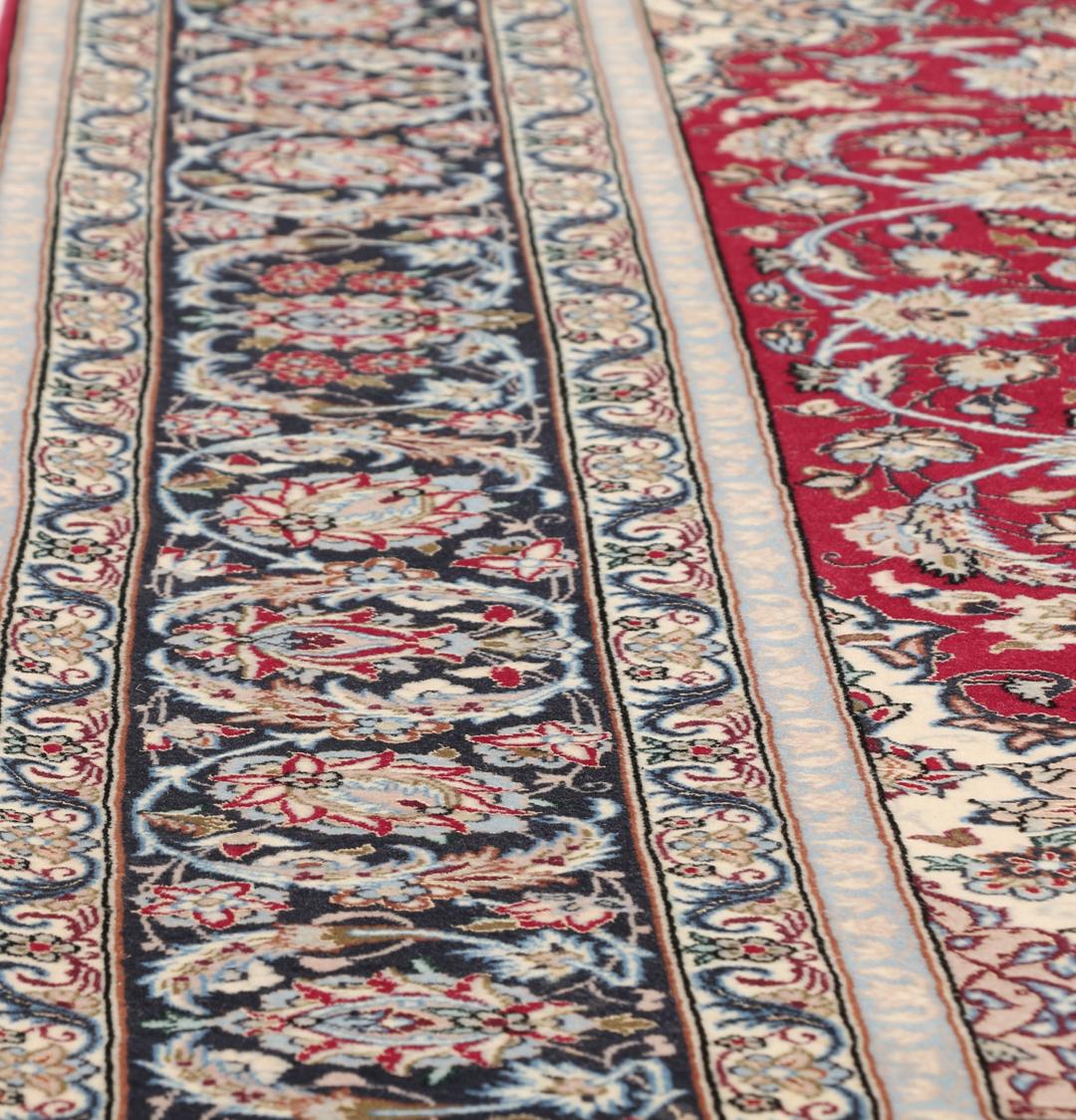
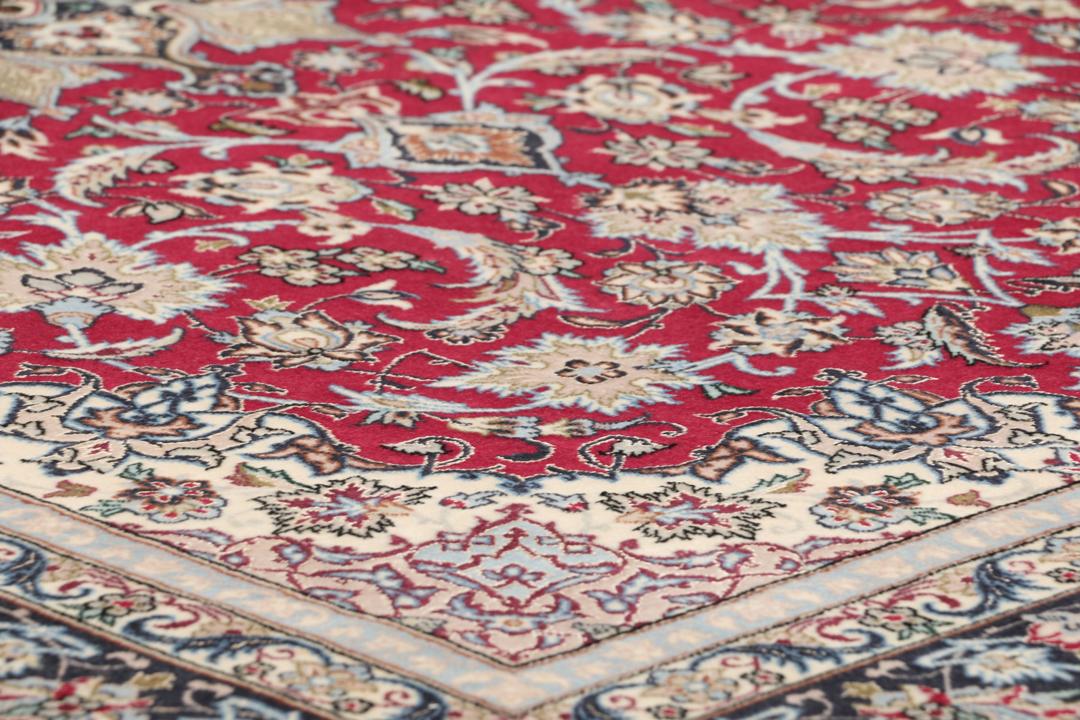
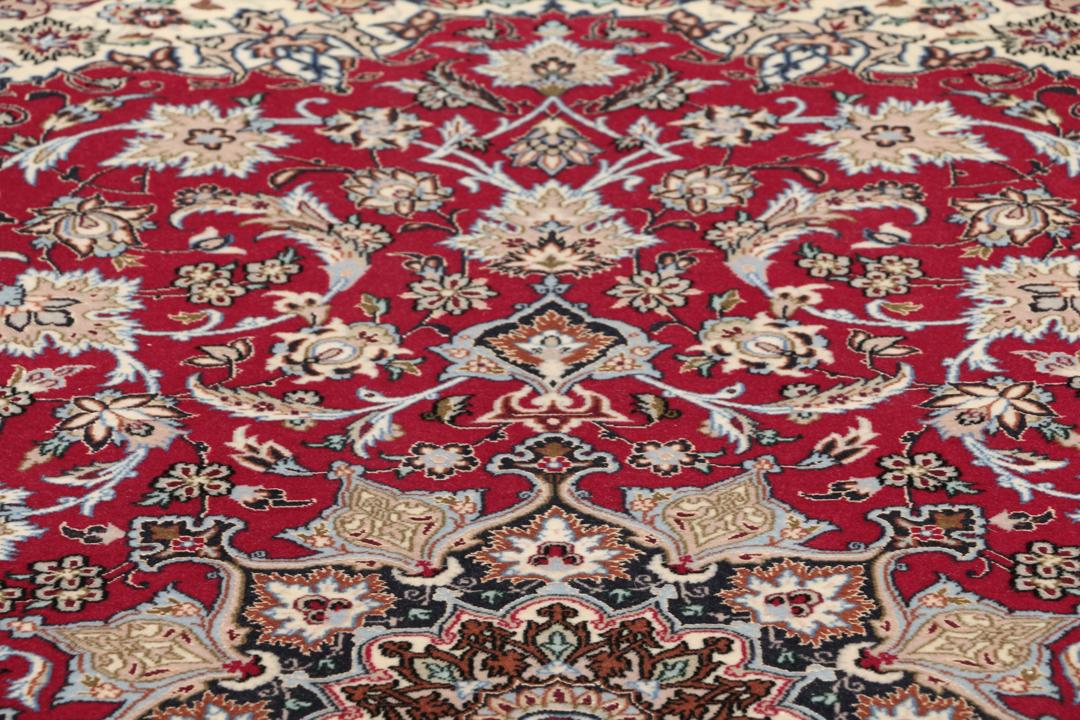
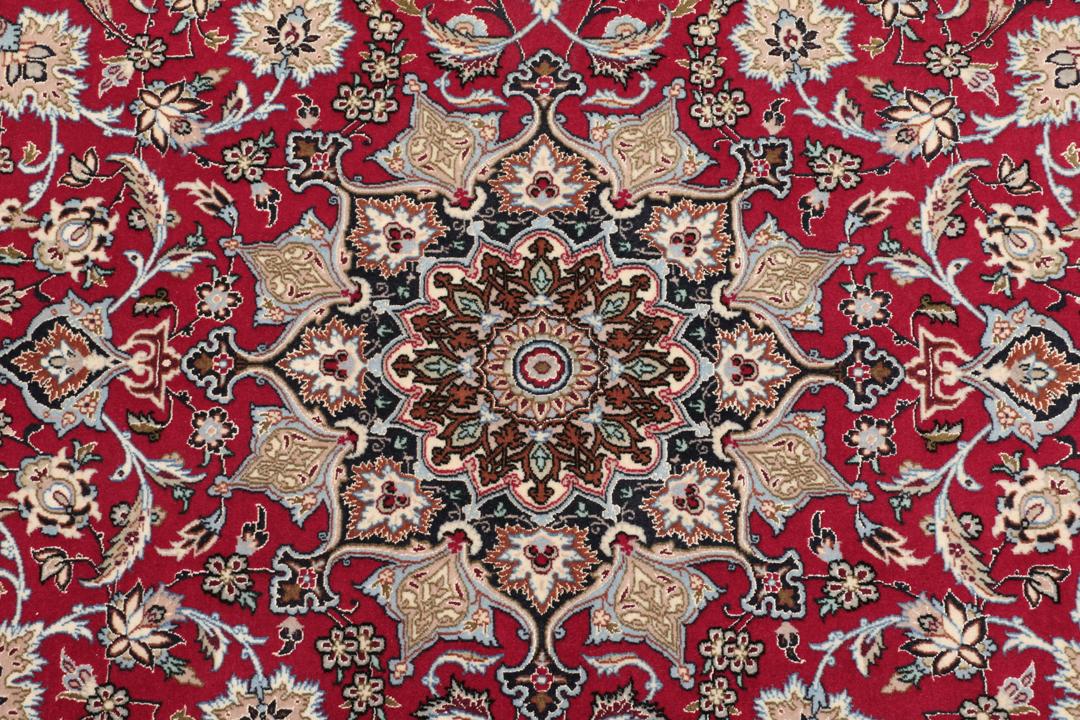
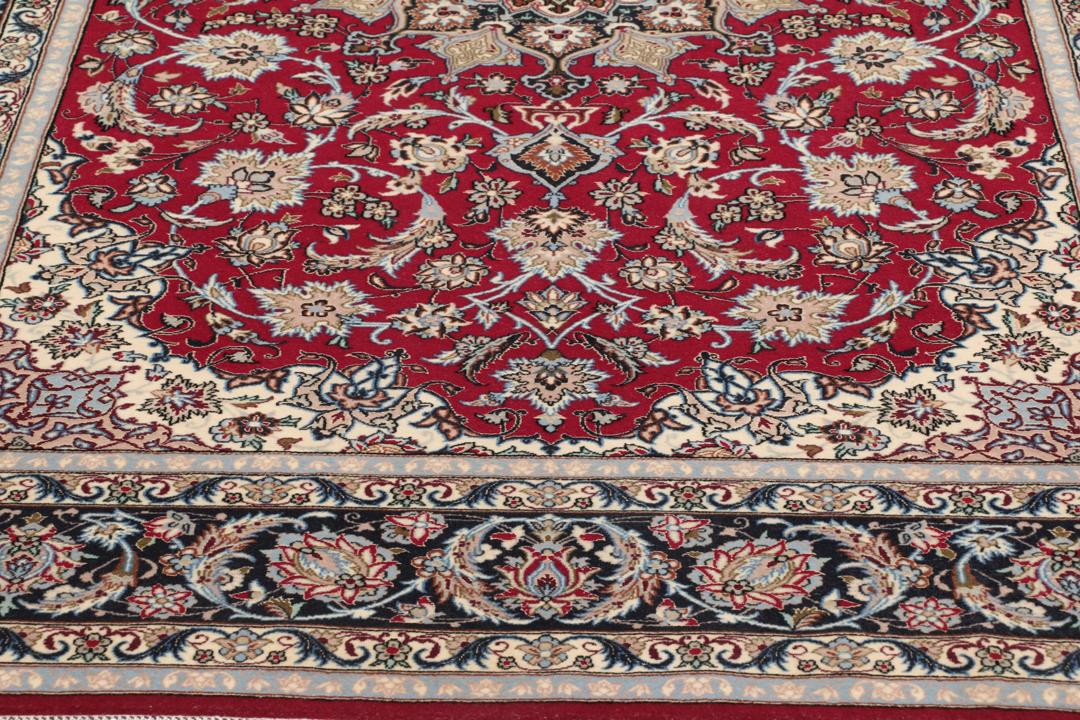
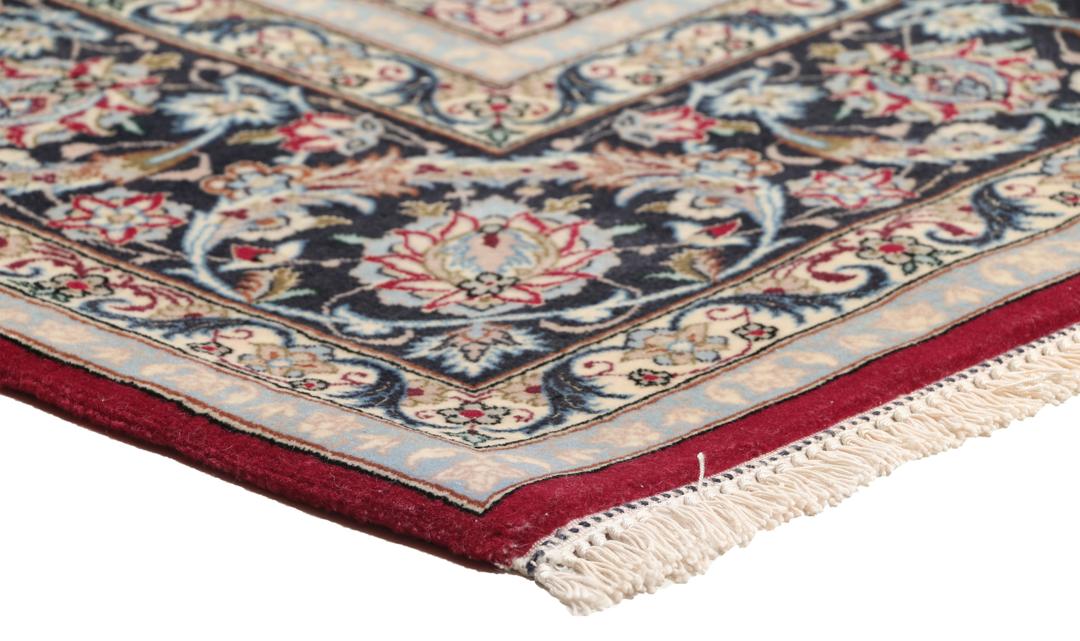
The signature design of an Isfahan rug typically features a central medallion surrounded by a field of densely packed floral sprays, vines, and palmettes. The borders are often equally detailed, providing a frame that reinforces the central composition. While the red and black palette here is classic, it is the fluidity of the drawing and the sharpness of the motifs that truly identify the piece as an authentic product of this esteemed weaving school.
Owning an Isfahan rug is a statement of appreciation for heritage and refined skill. These rugs are highly valued by collectors because they represent the pinnacle of regional craftsmanship, where artistic intent meets long-term durability. By acquiring such a piece, you are maintaining a connection to a long-standing tradition of beauty, ensuring that this level of artistry is preserved and enjoyed in your own home.