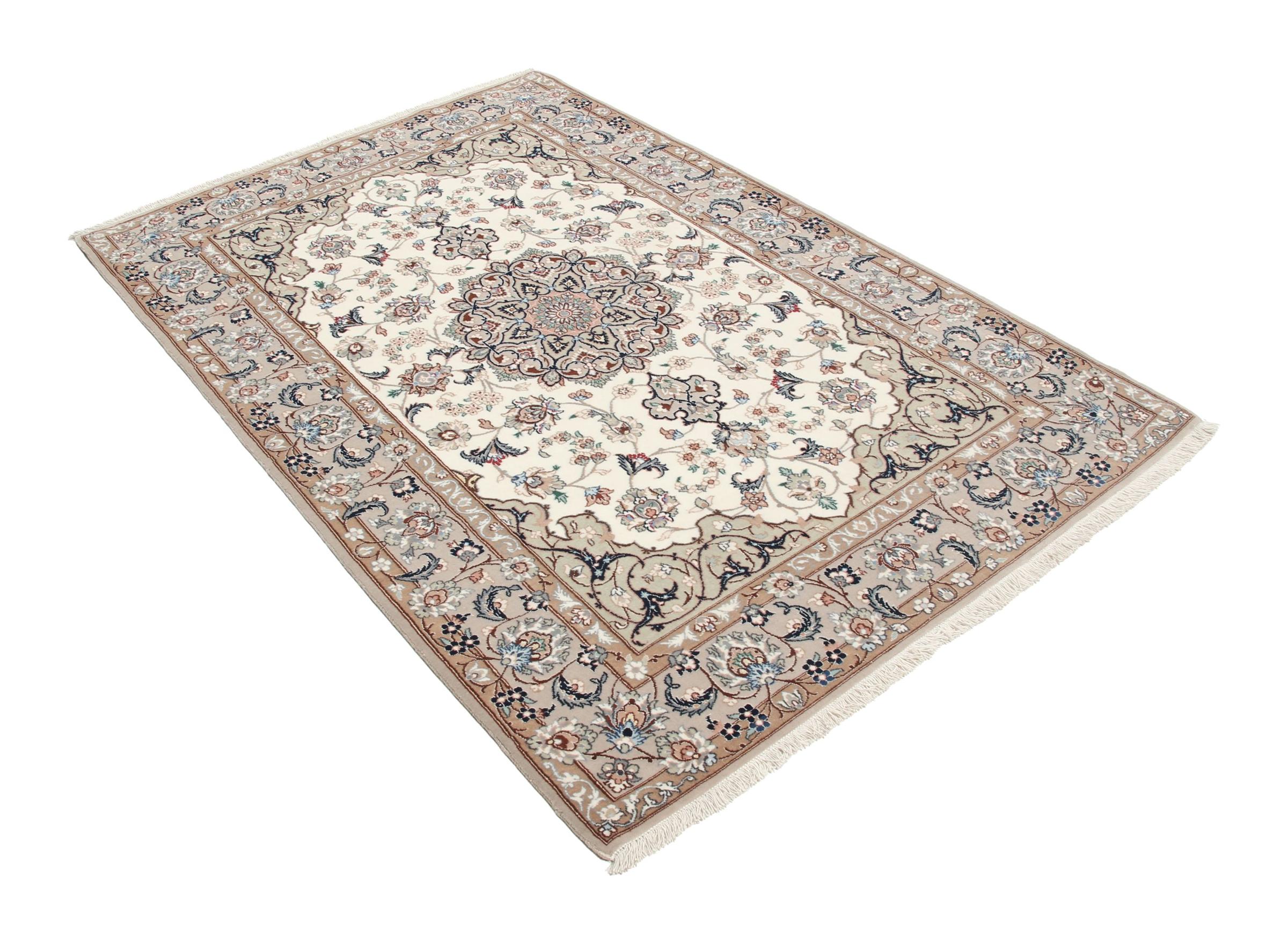
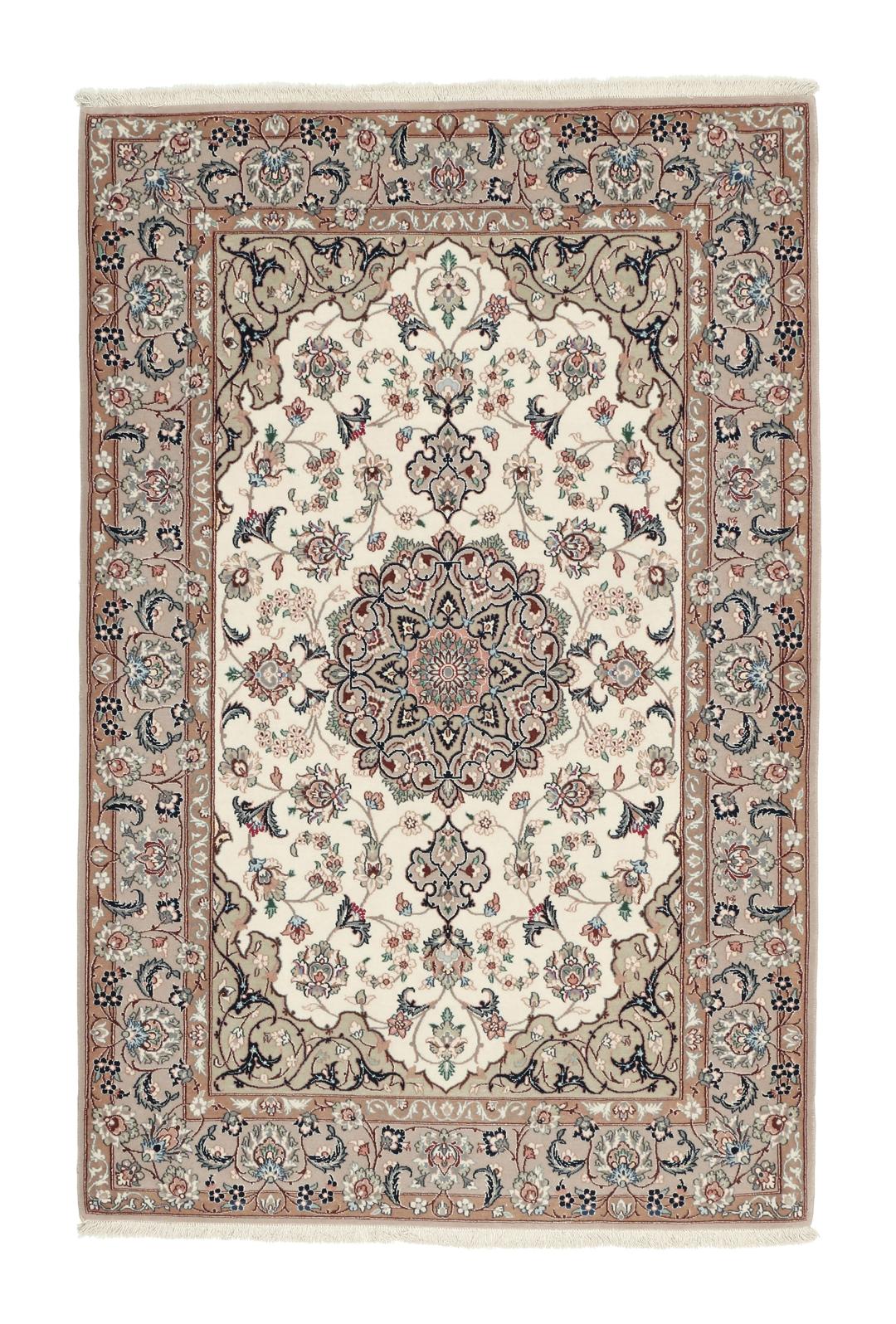
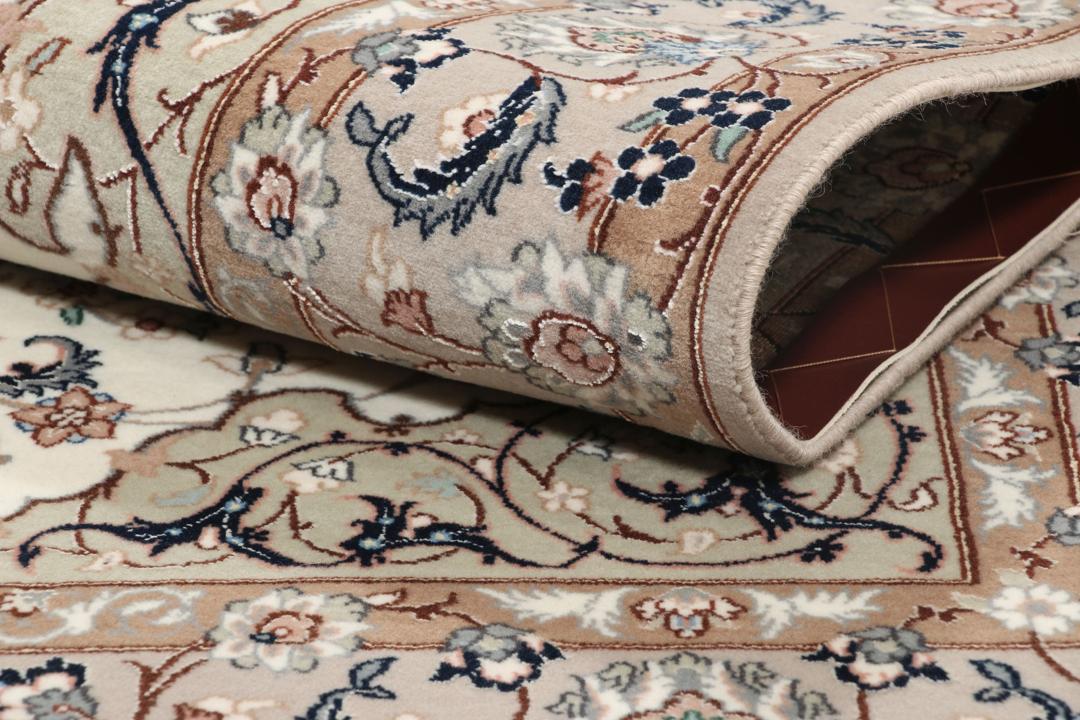
Isfahan rugs originate from one of the most culturally significant cities in the Middle East, a centre of art and architecture that has defined regional weaving traditions for centuries. Historically, the city has been a hub for royal patronage, leading to the development of highly sophisticated, intricate designs that were often commissioned for palaces and elite homes.
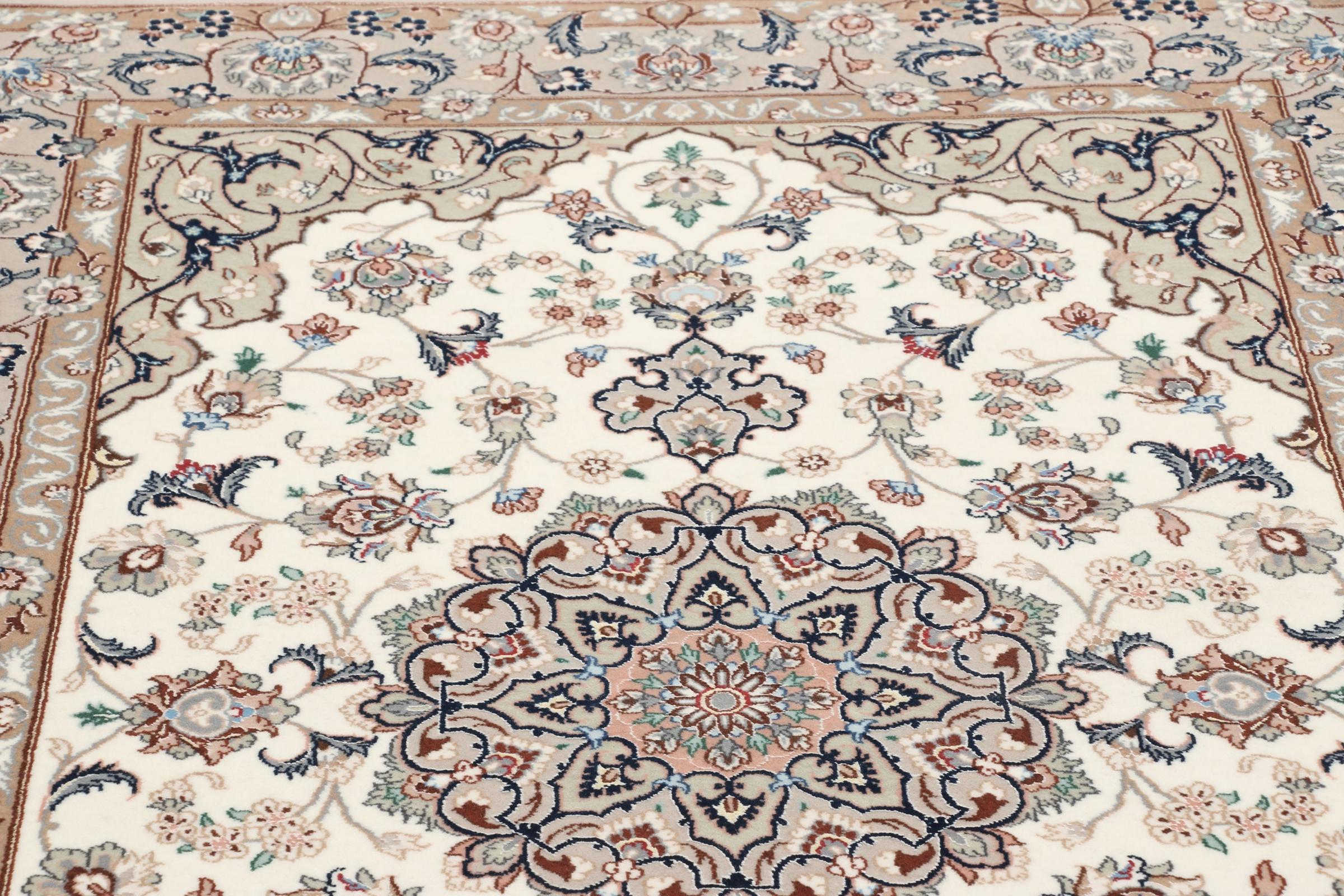
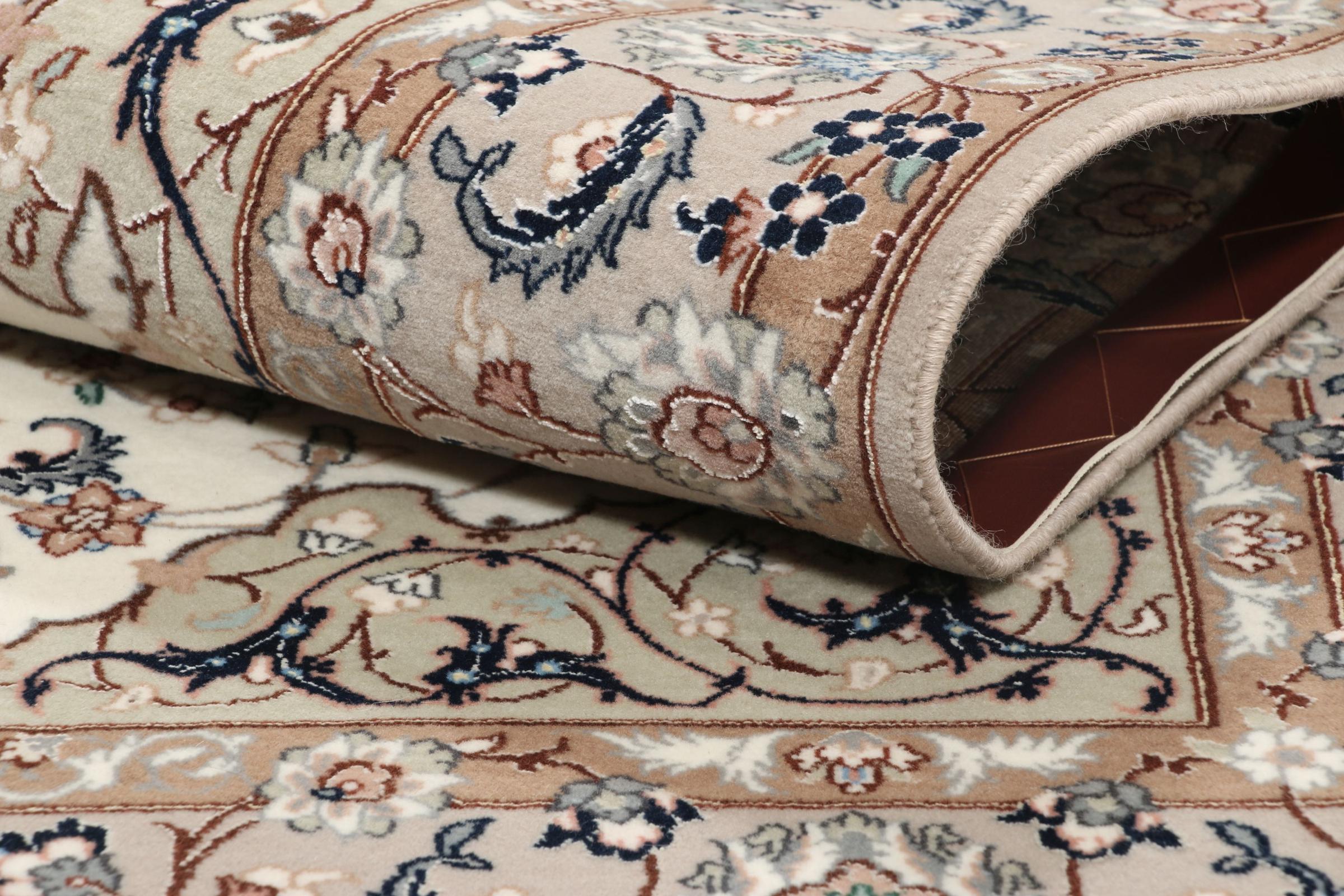
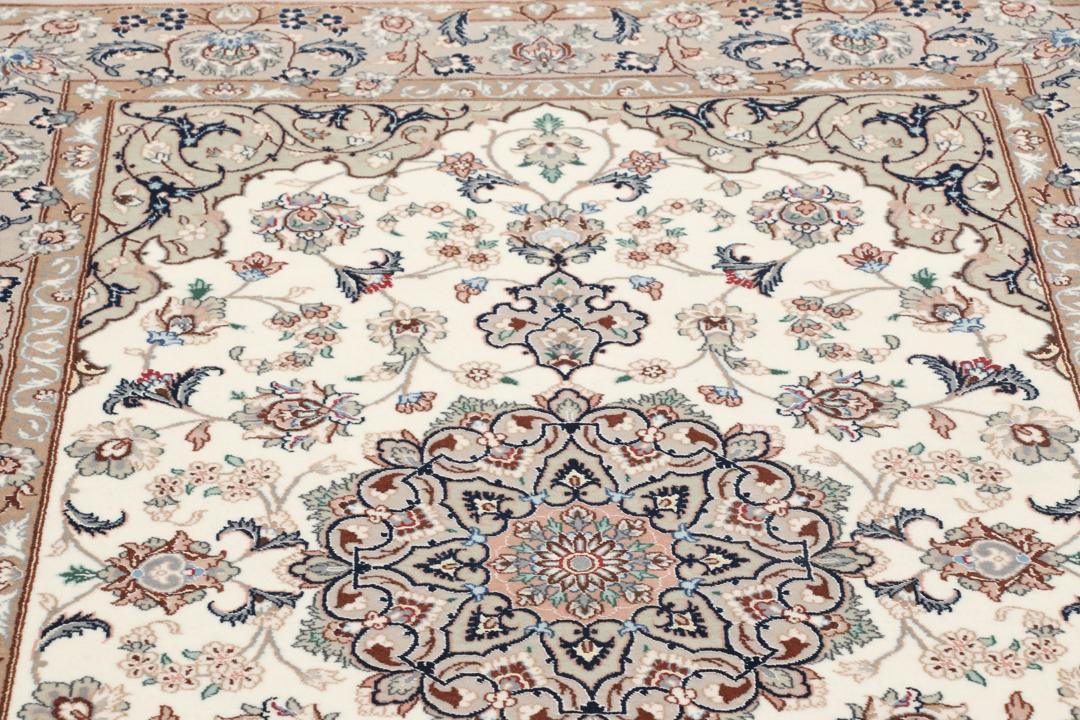
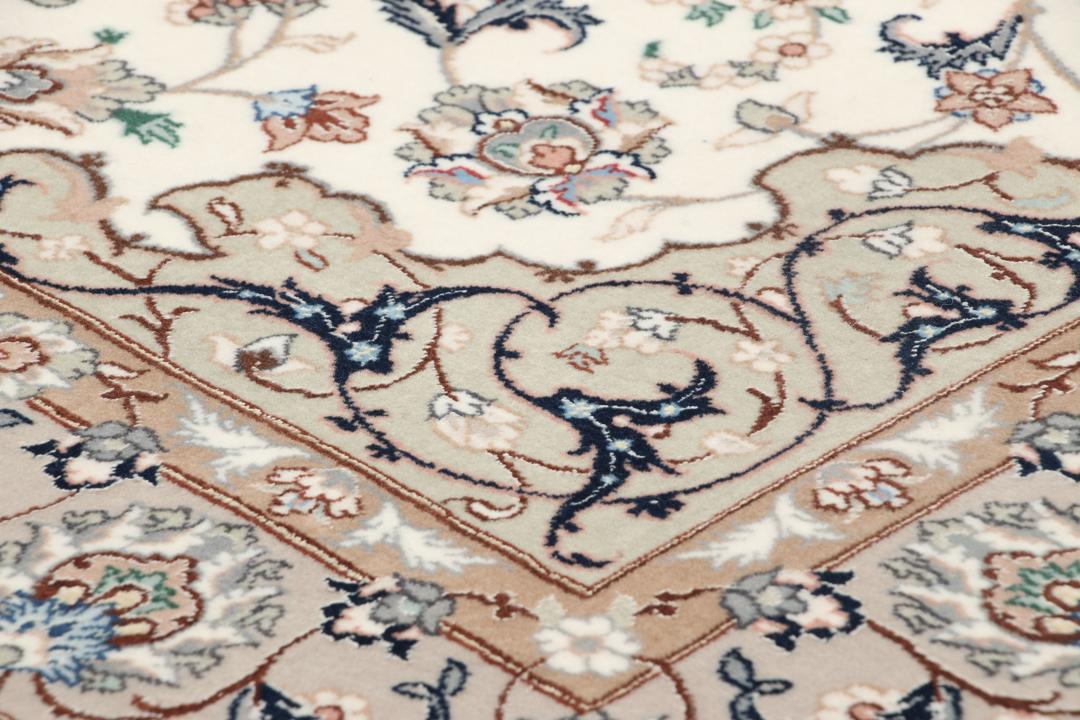
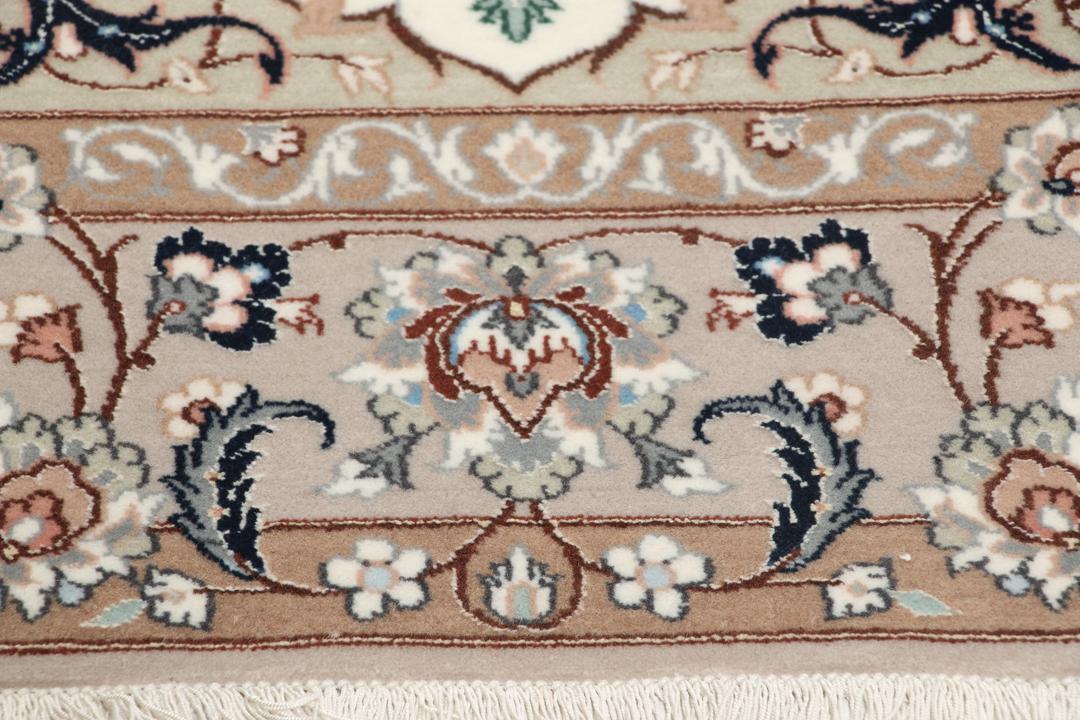
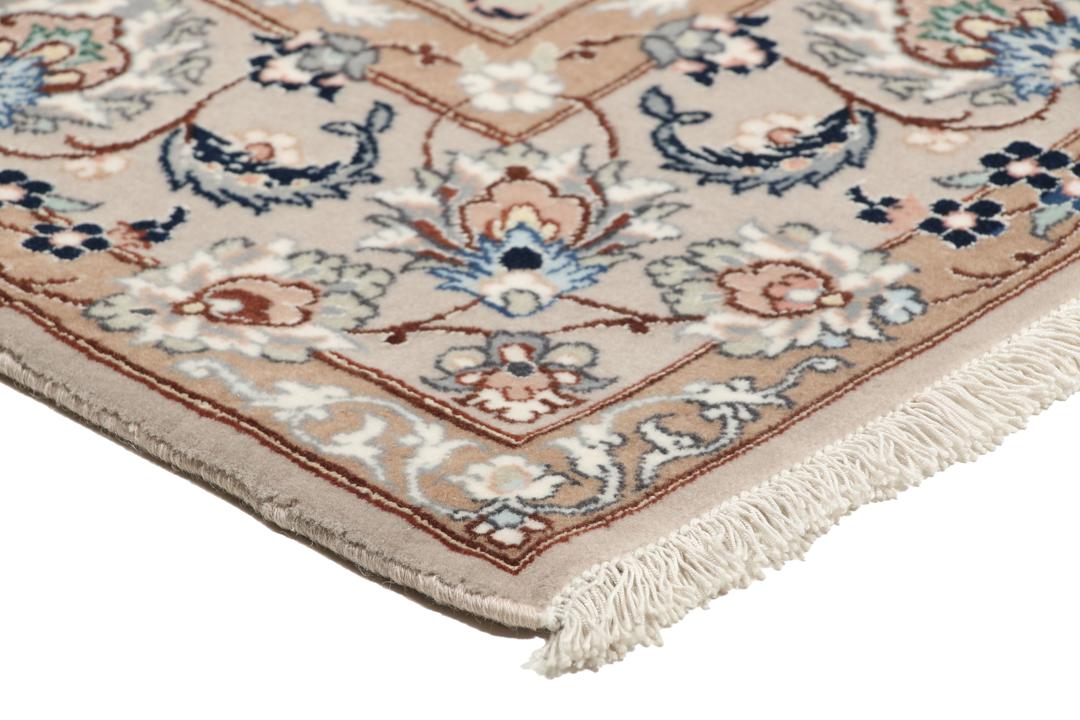
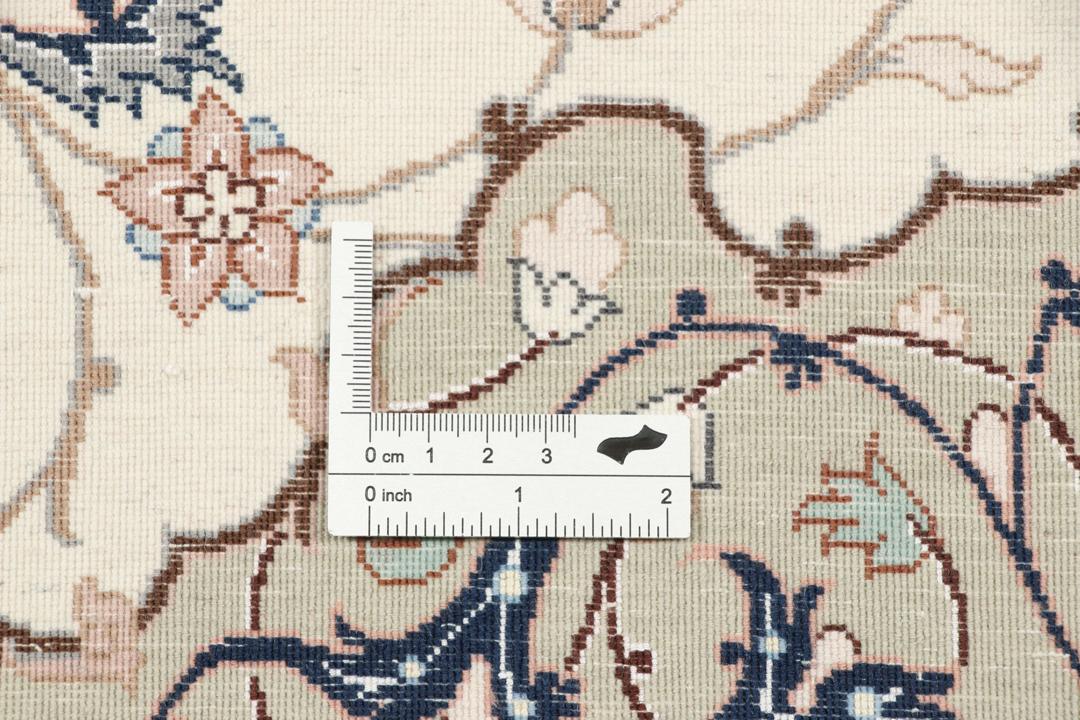
The technical mastery required to produce an Isfahan rug is legendary, often utilising a very high knot density to allow for incredibly fine, curvilinear floral patterns. This density is not merely for aesthetics; it provides a structural integrity that keeps the rug lying flat and resilient against heavy foot traffic, ensuring that the elaborate designs remain crisp and vibrant for generations.
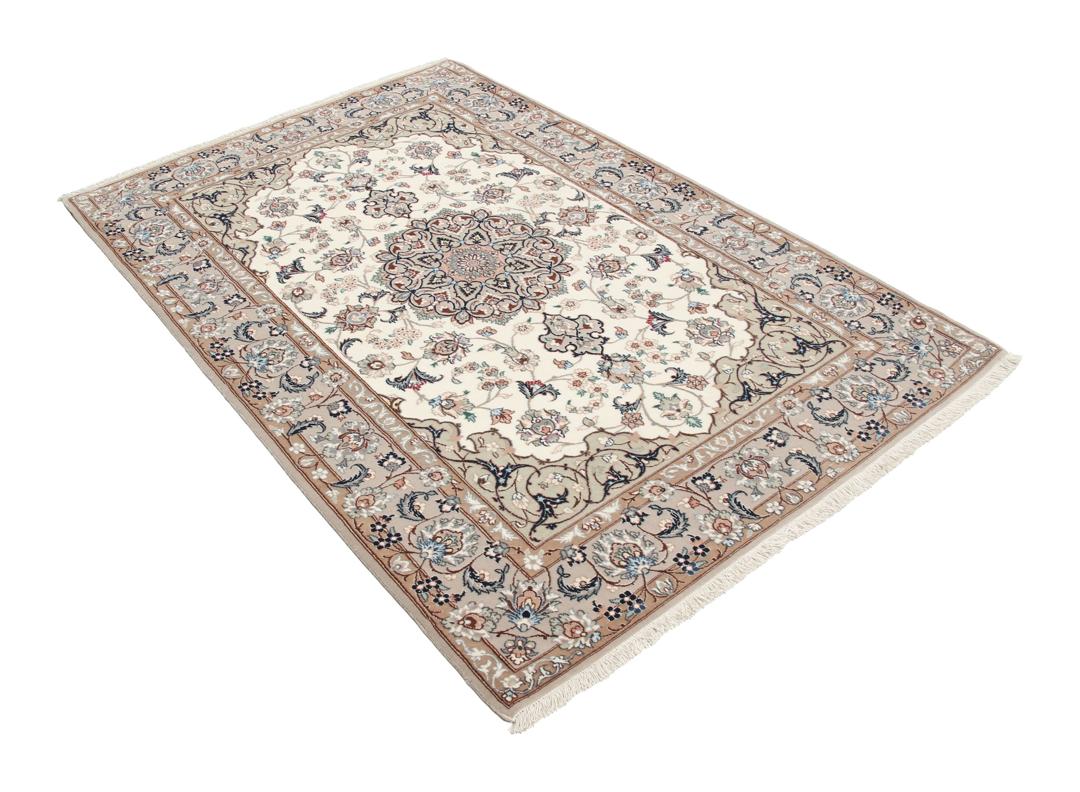
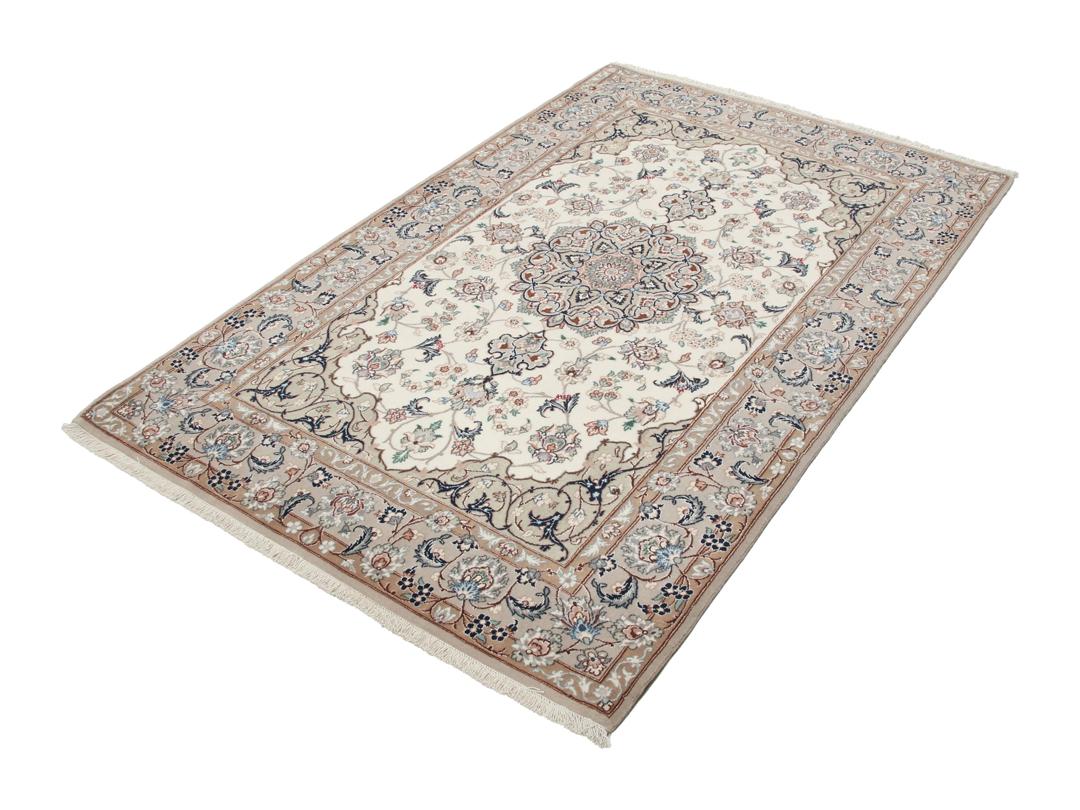
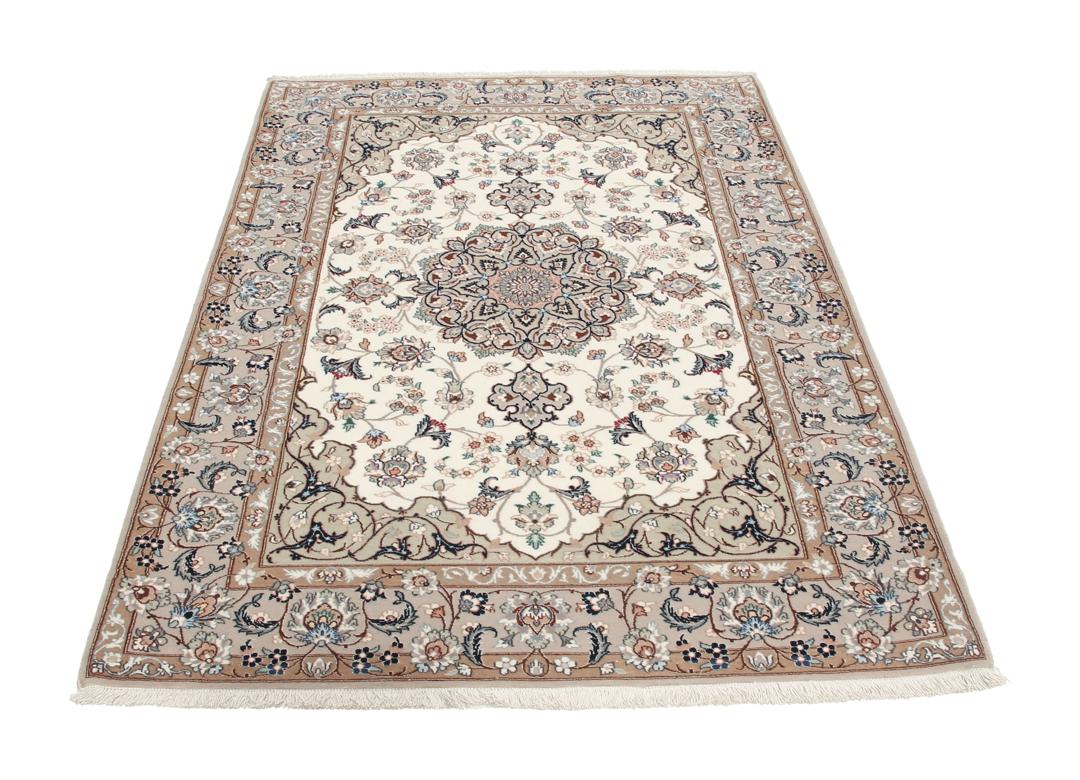
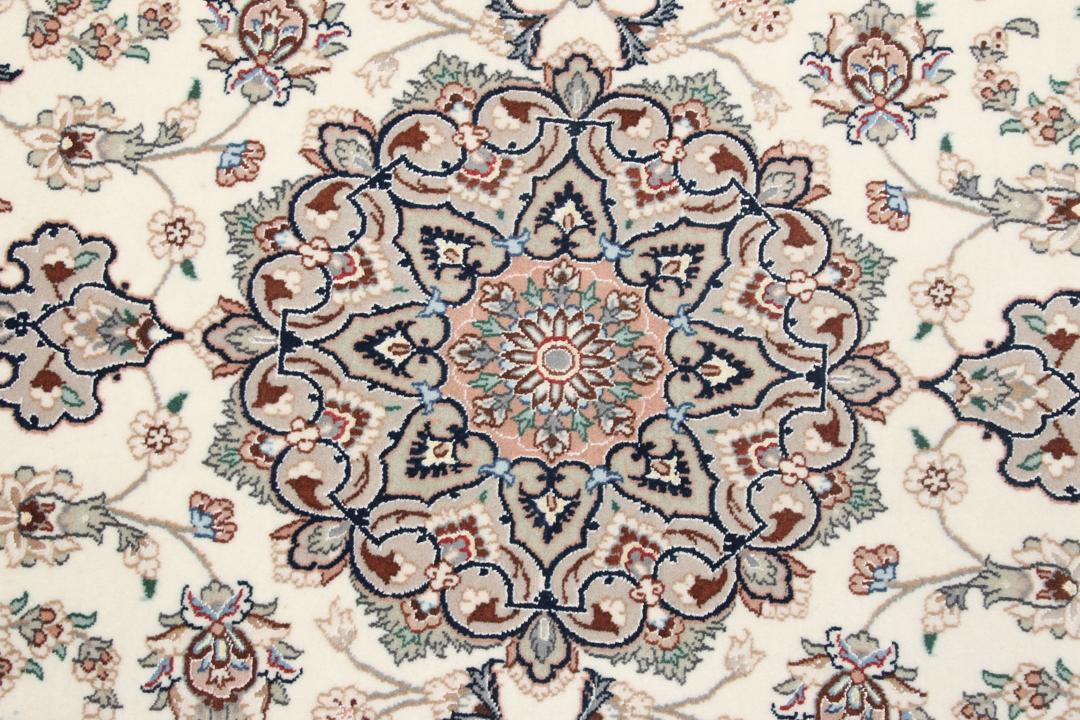
Signature design elements of the Isfahan style typically include a central, ornate medallion surrounded by a field of densely packed floral sprays, vines, and palmettes. These rugs are renowned for their harmonious colour palettes, which often feature soft, elegant tones that allow the complexity of the pattern to take centre stage without overwhelming the room.
Collectors value these rugs for their exceptional balance of artistic composition and technical precision. Owning an Isfahan rug is an investment in a living tradition, representing a standard of skill and cultural heritage that has been refined over generations of master weavers who dedicate their lives to perfecting this intricate craft.