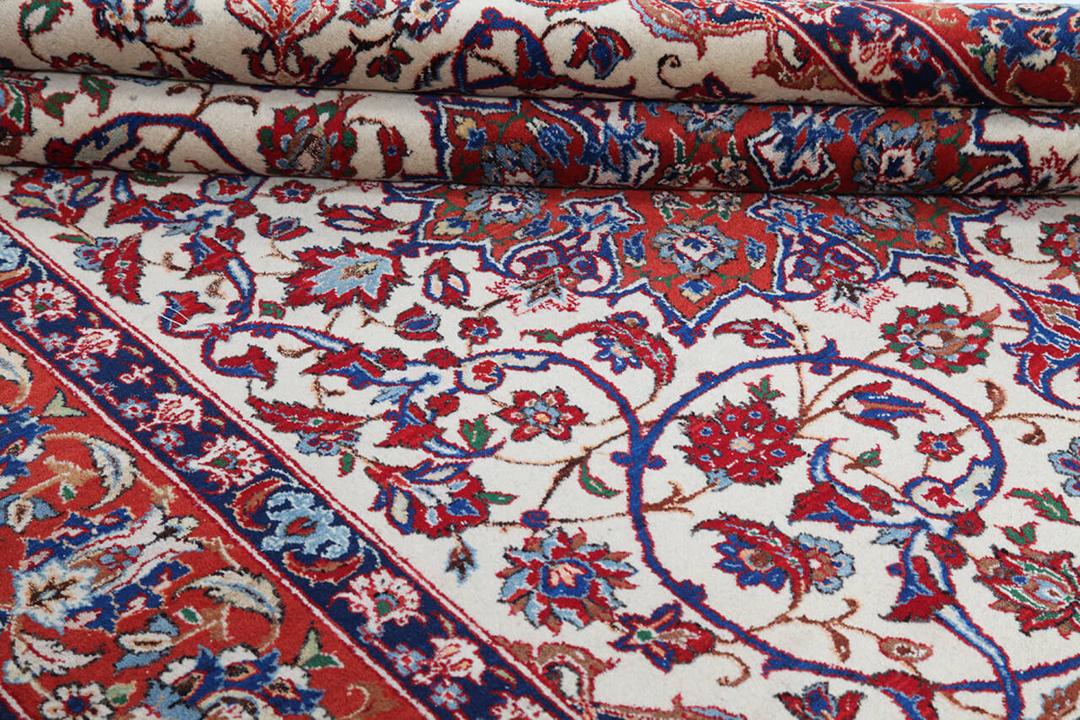
Isfahan rugs originate from one of the most culturally significant cities in the Middle East, a centre of art and architecture for centuries. Traditionally, these rugs were produced for royal courts and high-ranking officials, which explains the refinement and elegance that define the style even today. The tradition has evolved over generations, maintaining a reputation for excellence that spans the globe.
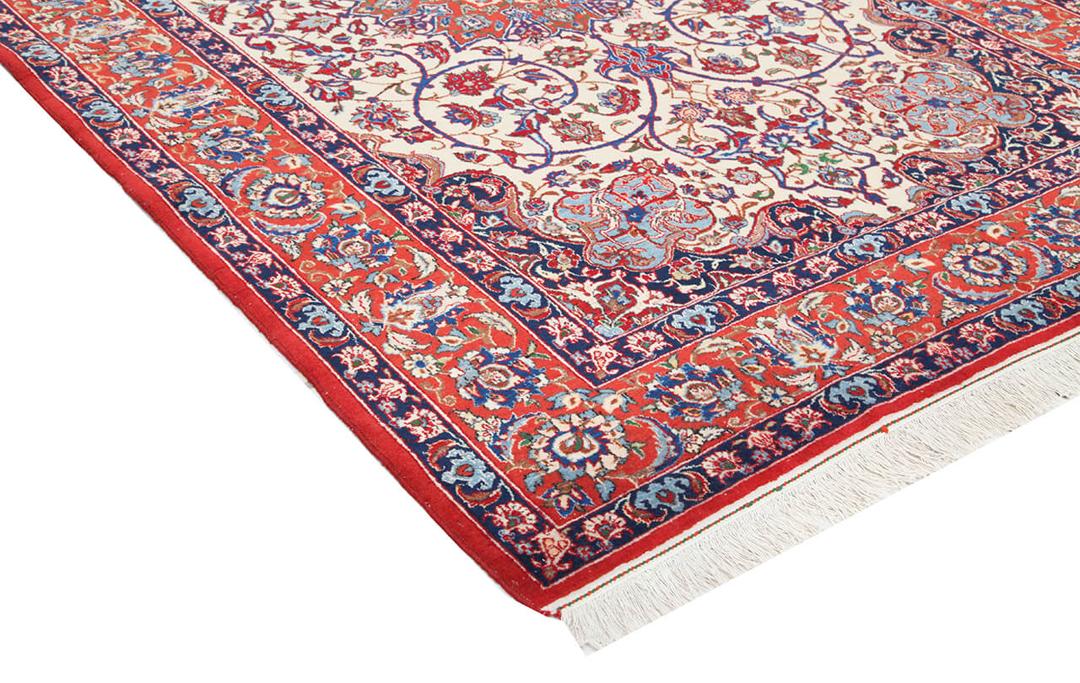
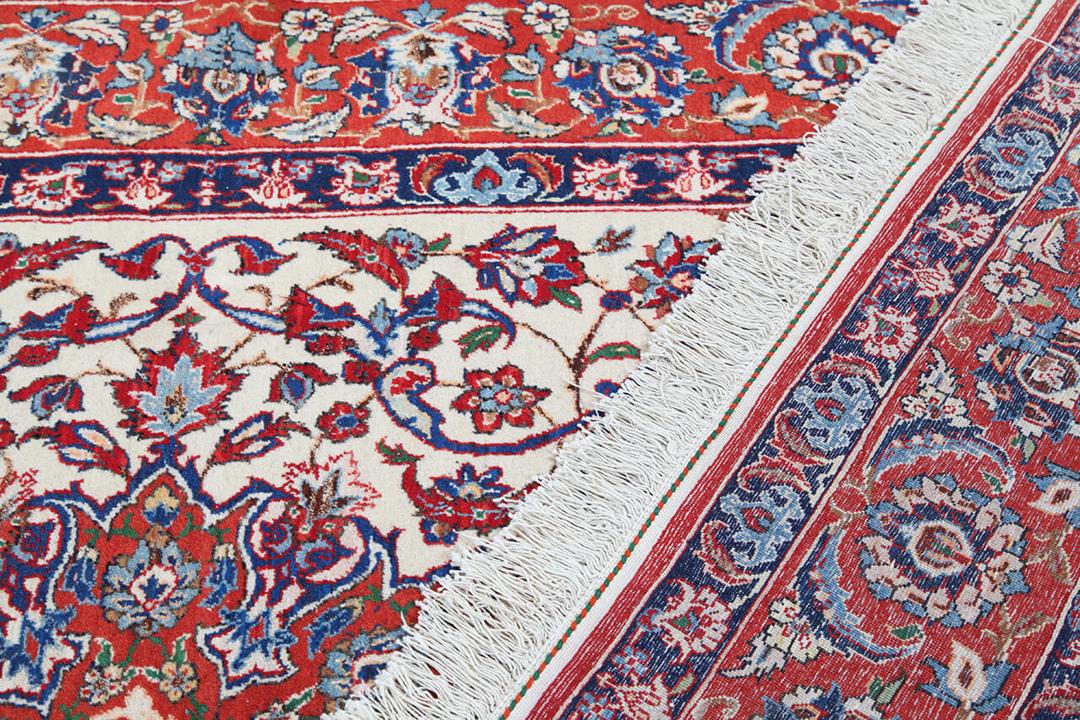
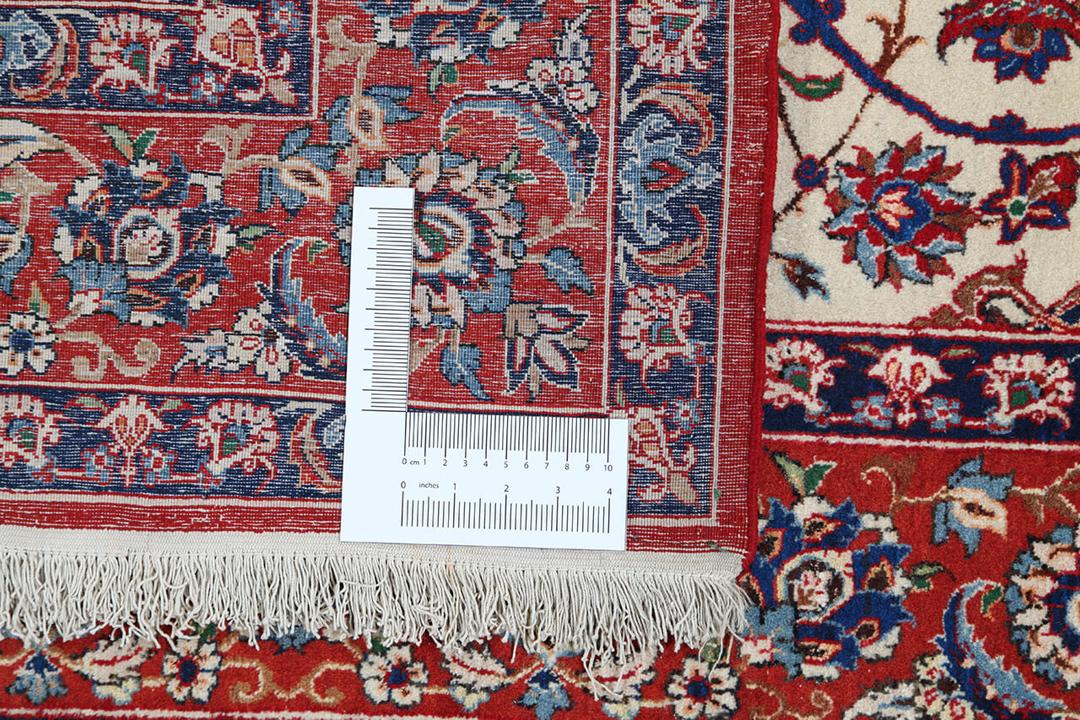
The term 'Isfahan' refers to a specific standard of quality and design that is recognised by collectors for its technical precision. The knotting technique used in these pieces is exceptionally fine, allowing for the creation of intricate, curvilinear patterns that are difficult to achieve in simpler weaving traditions. This technical prowess is what makes them so sought after for their durability and visual clarity.
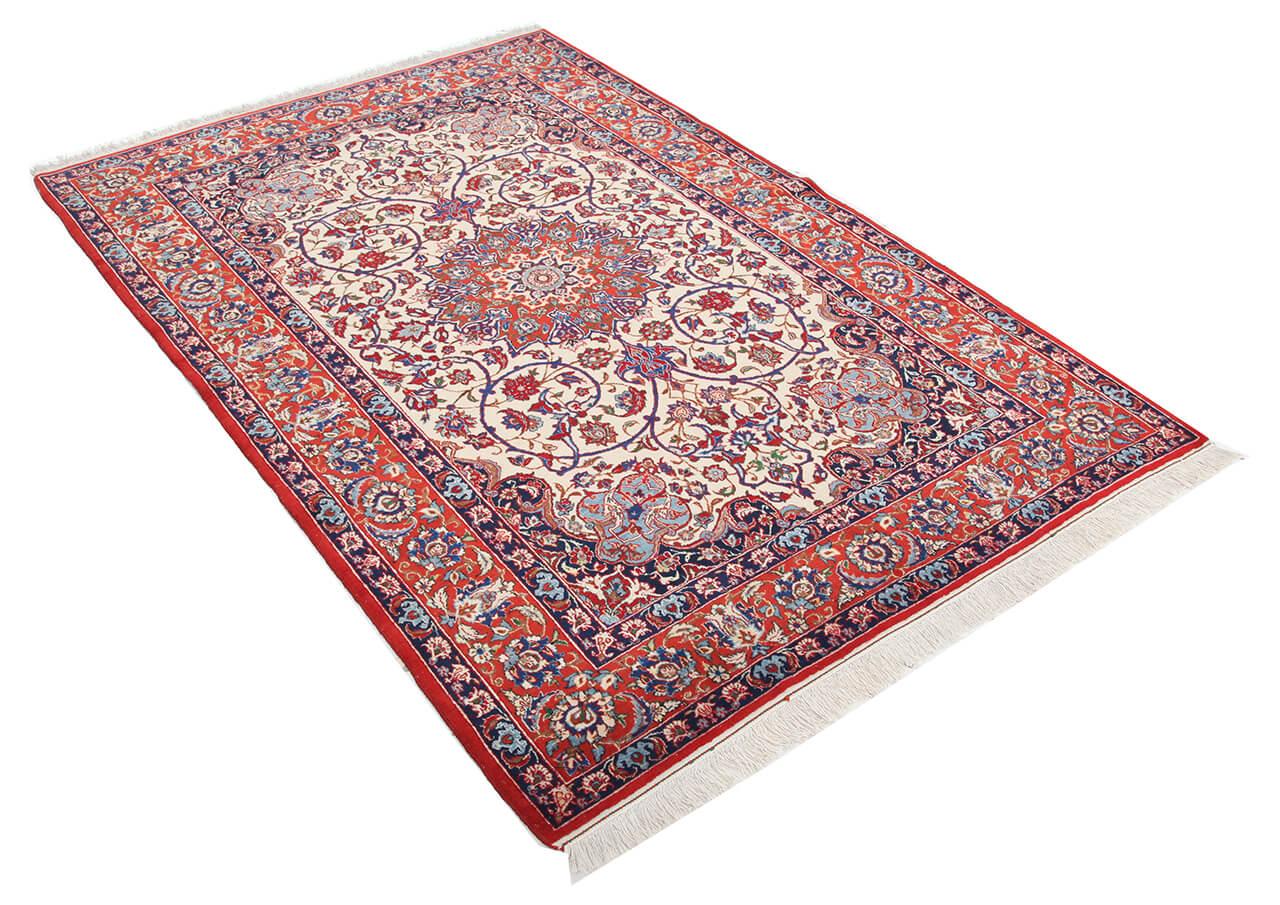
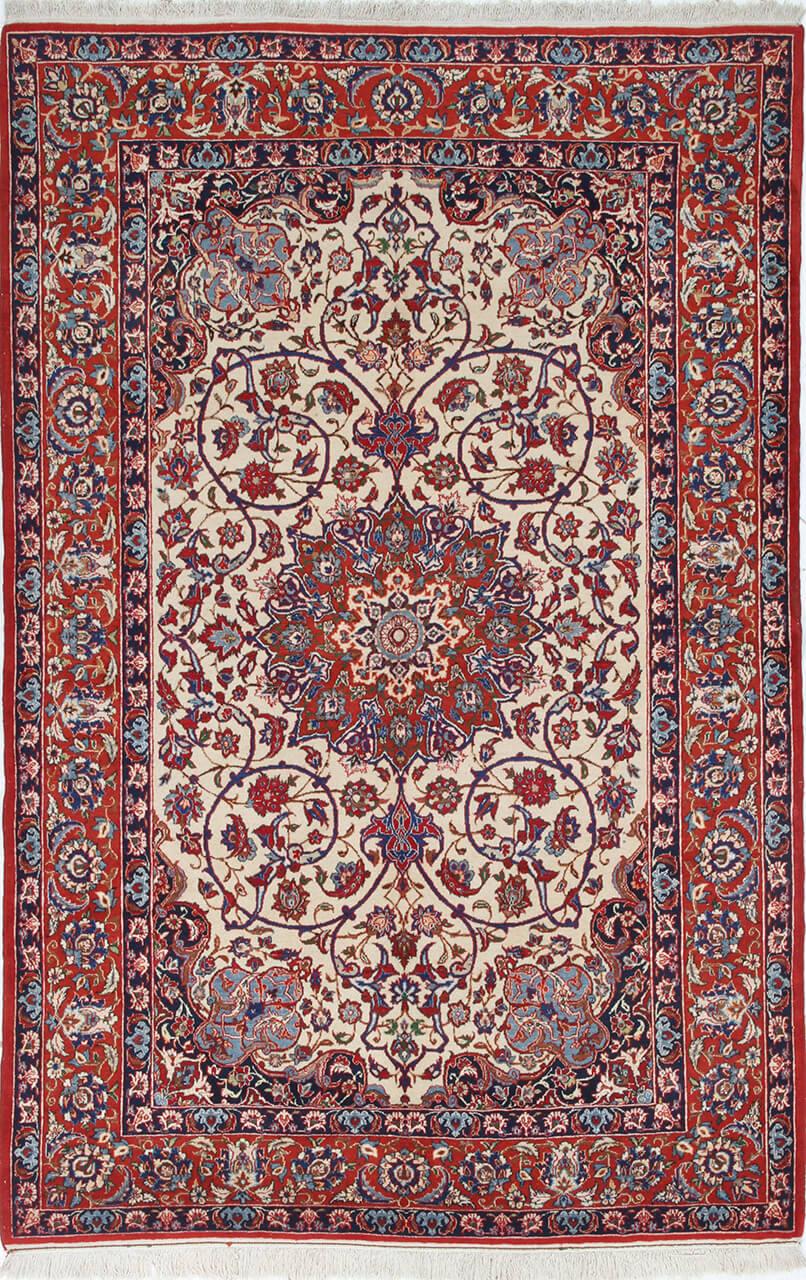
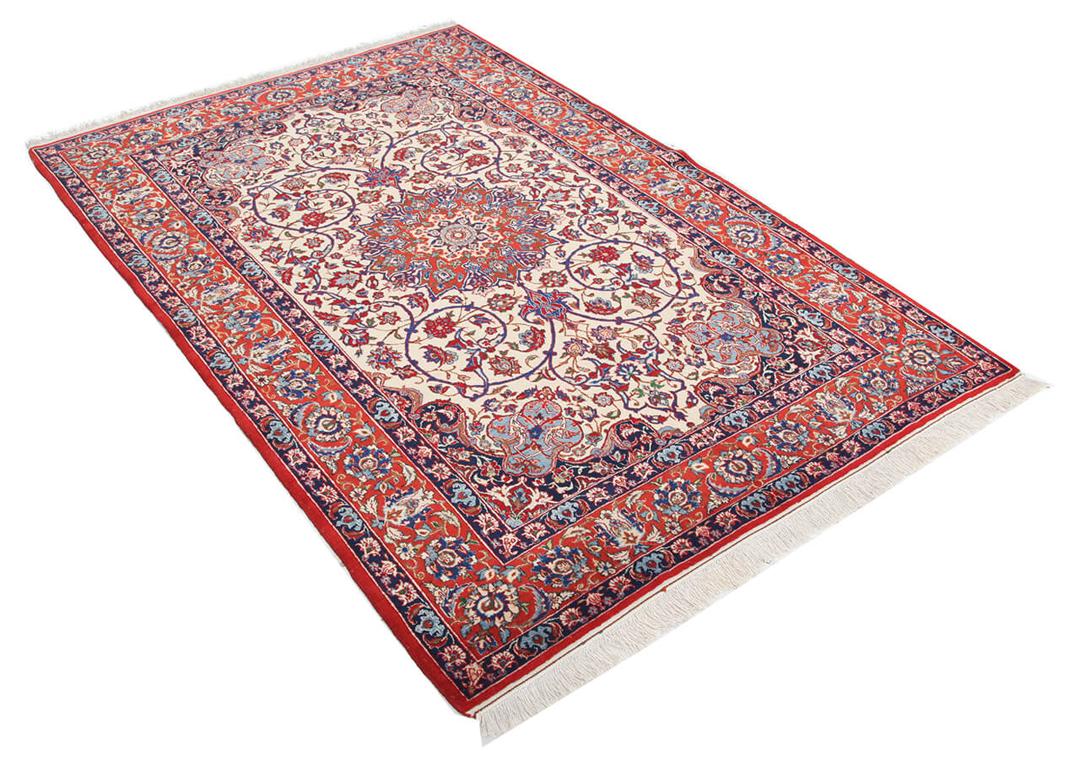
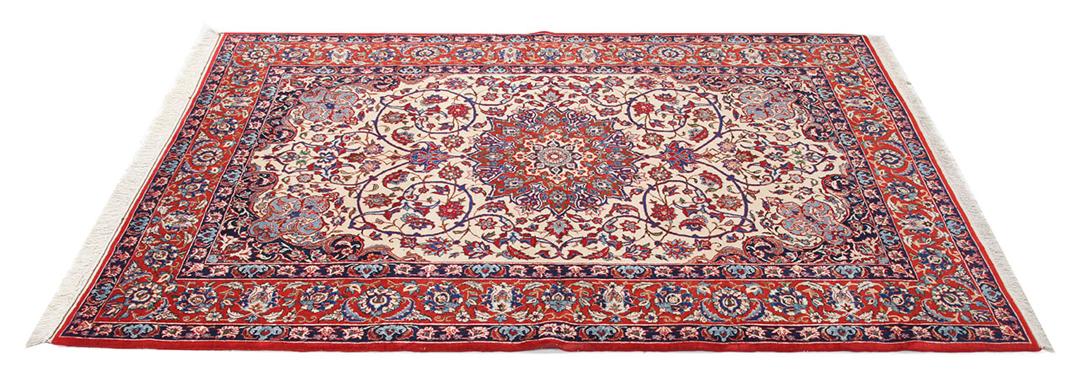
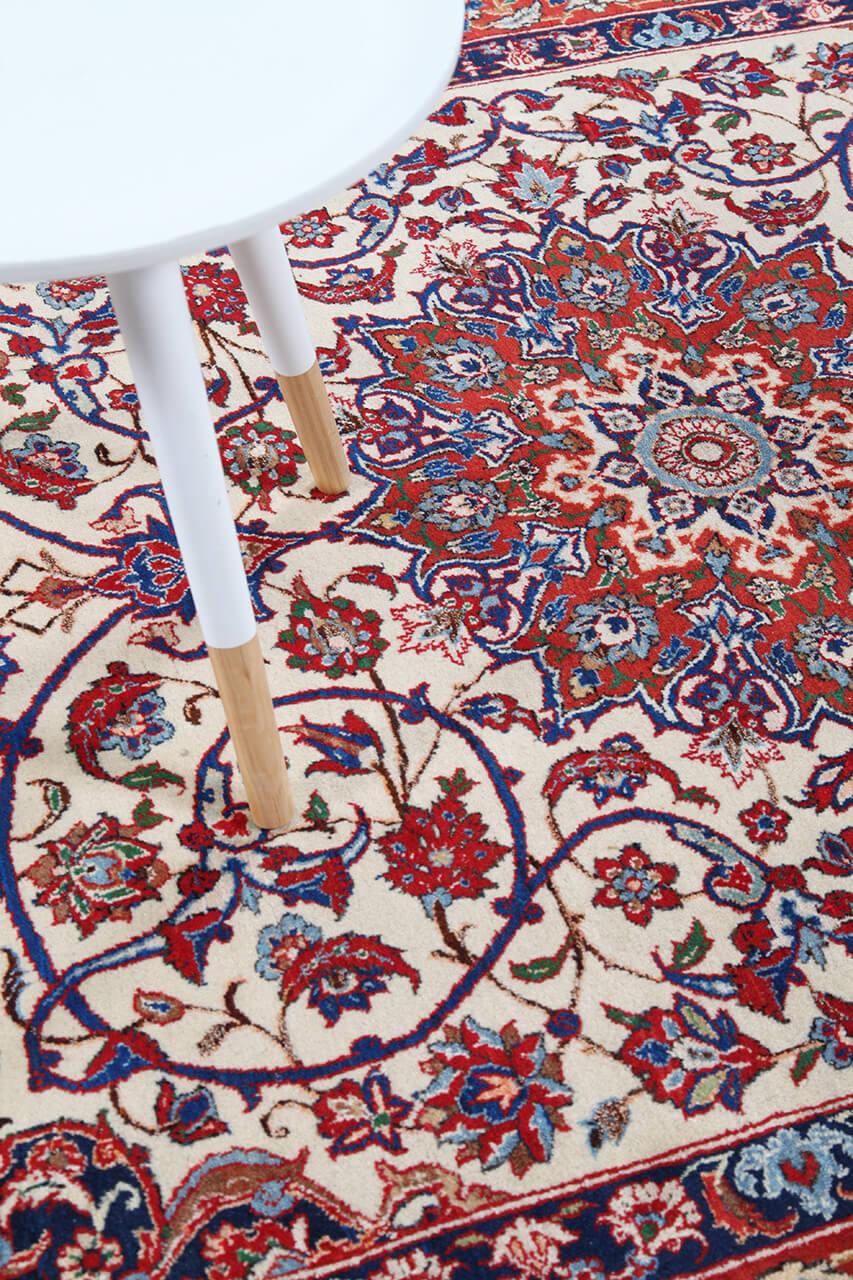
Design-wise, Isfahan rugs are famous for their balanced, sophisticated layouts. They typically feature a central medallion, which acts as the focal point, surrounded by dense, flowing floral vines and palmettes. The border is often as detailed as the centre, creating a harmonious frame that reflects the artistic sensibilities of the region's historical master weavers.
Collecting an antique Isfahan is about acquiring a piece of cultural heritage. These rugs are valued not just for their appearance, but for the immense skill required to weave them. Owning one means preserving a craft tradition that has been perfected over centuries, offering a level of prestige and lasting quality that remains unmatched in the world of interior textiles.