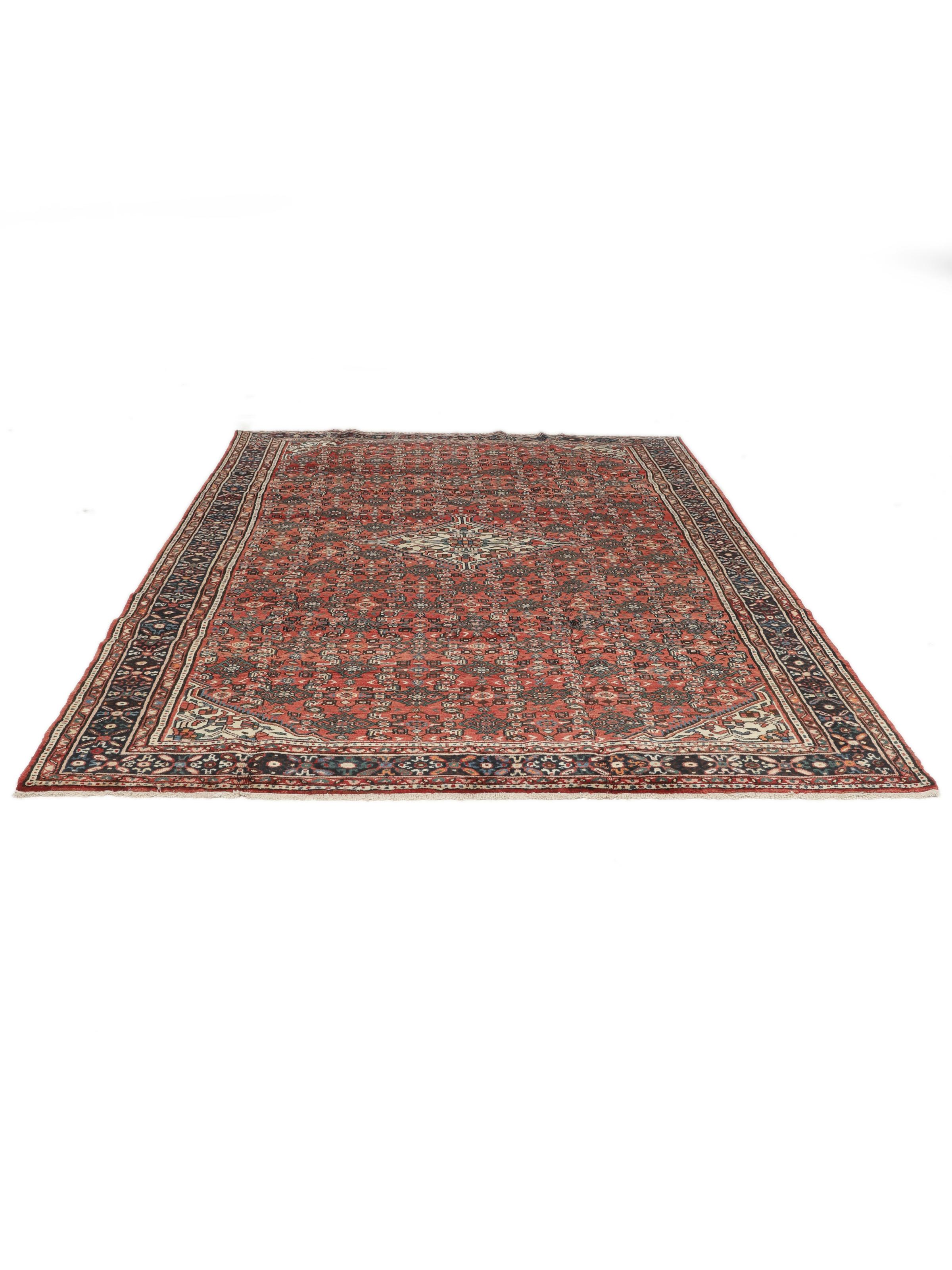
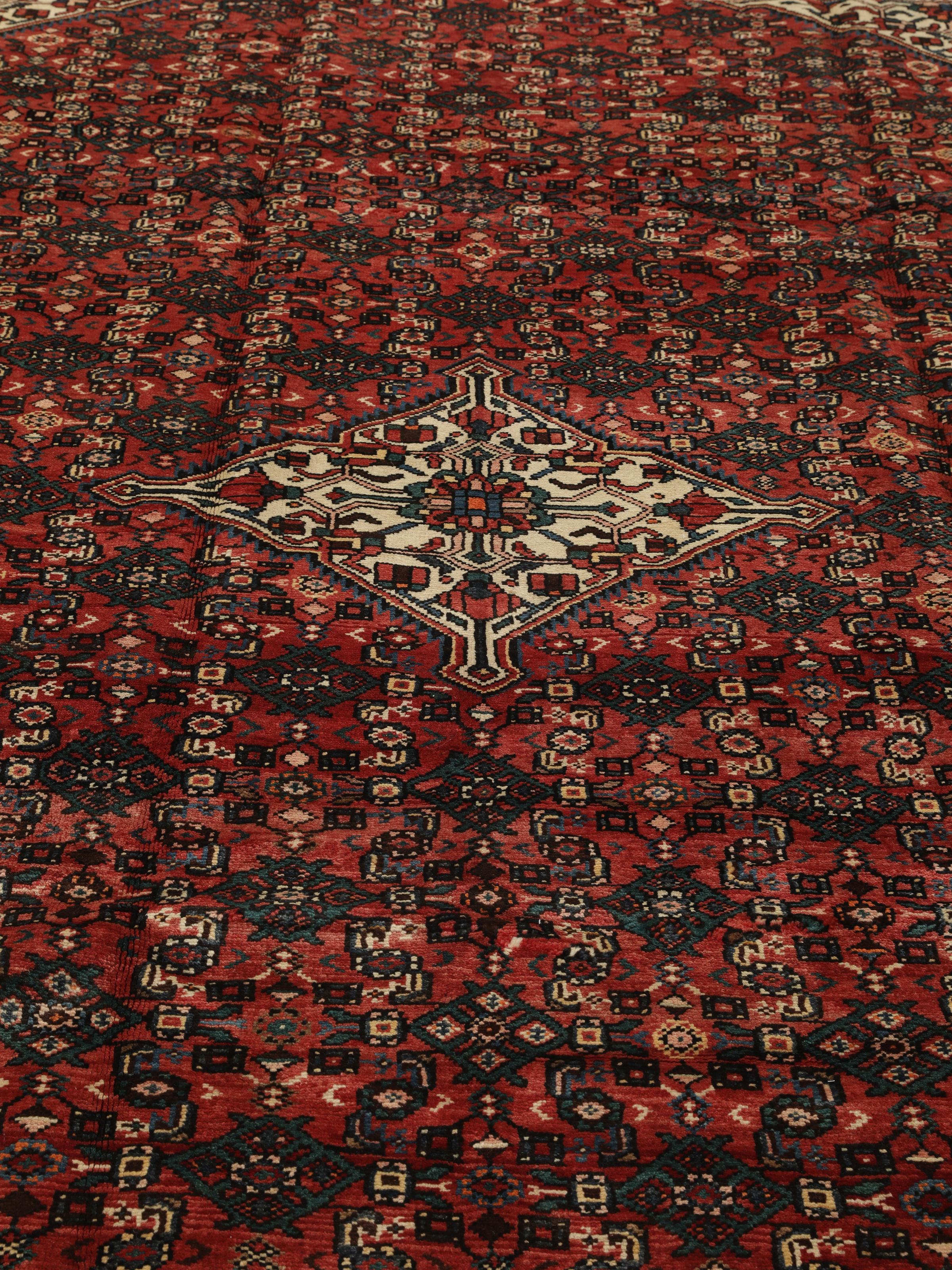
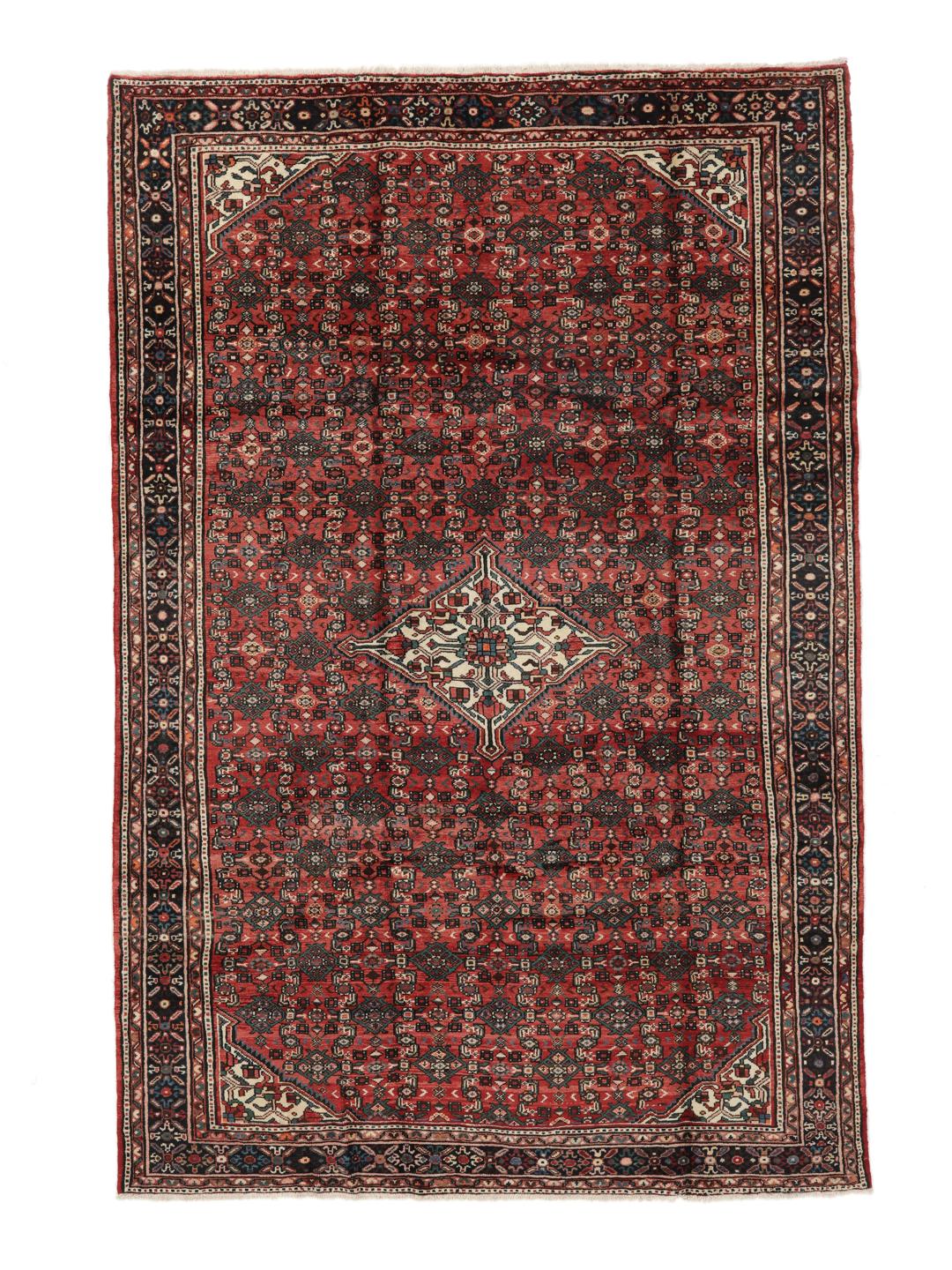
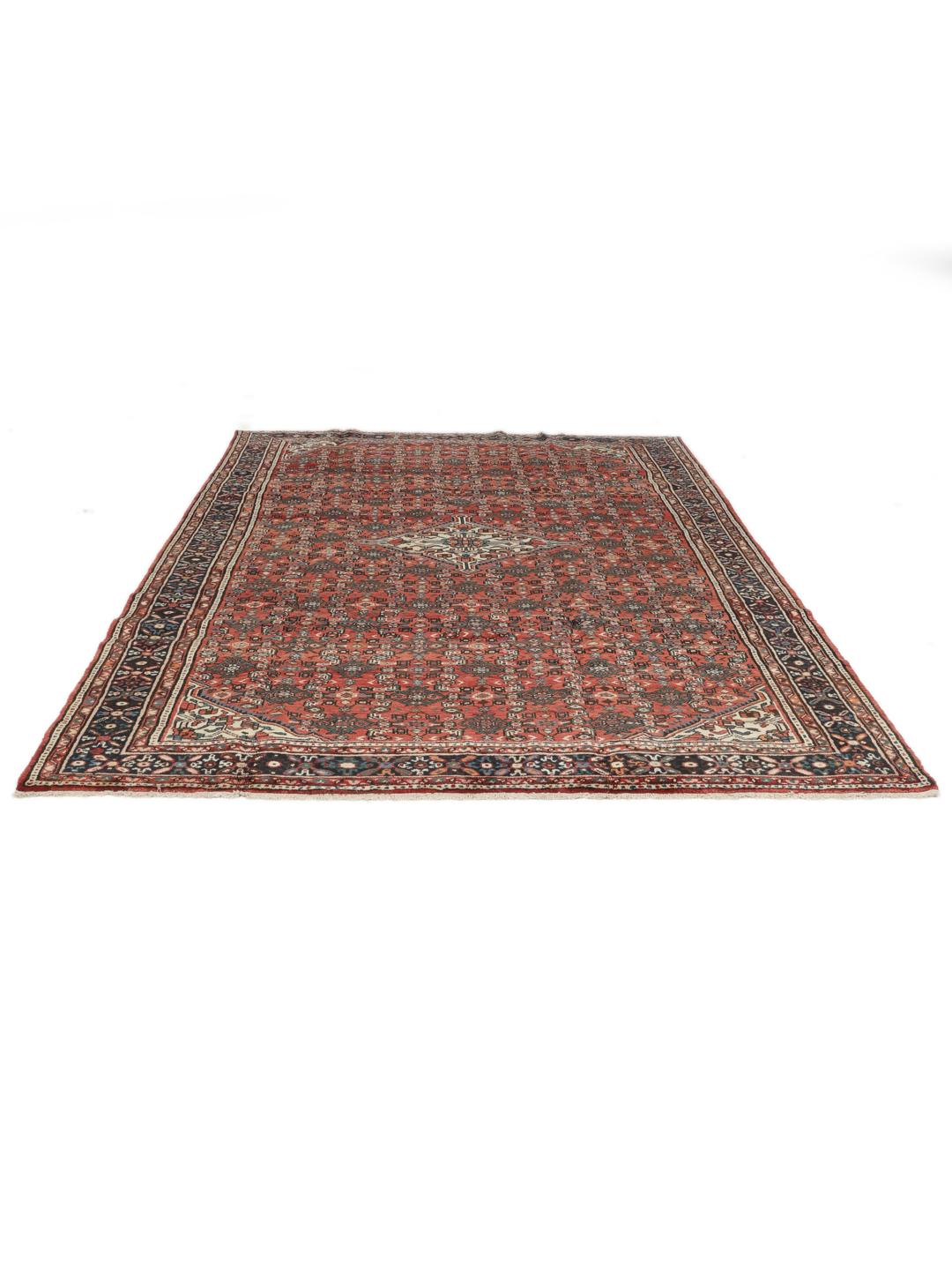
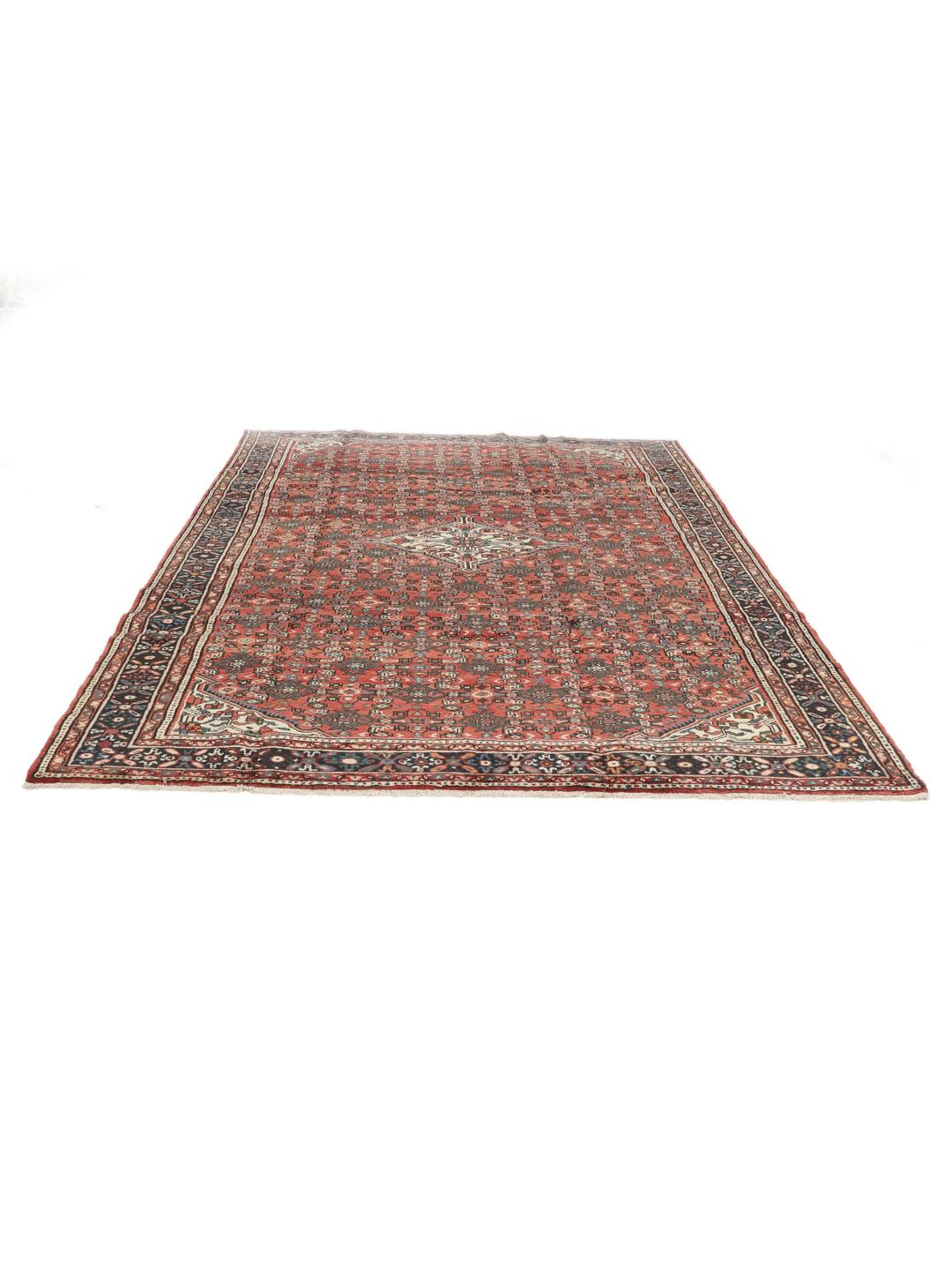
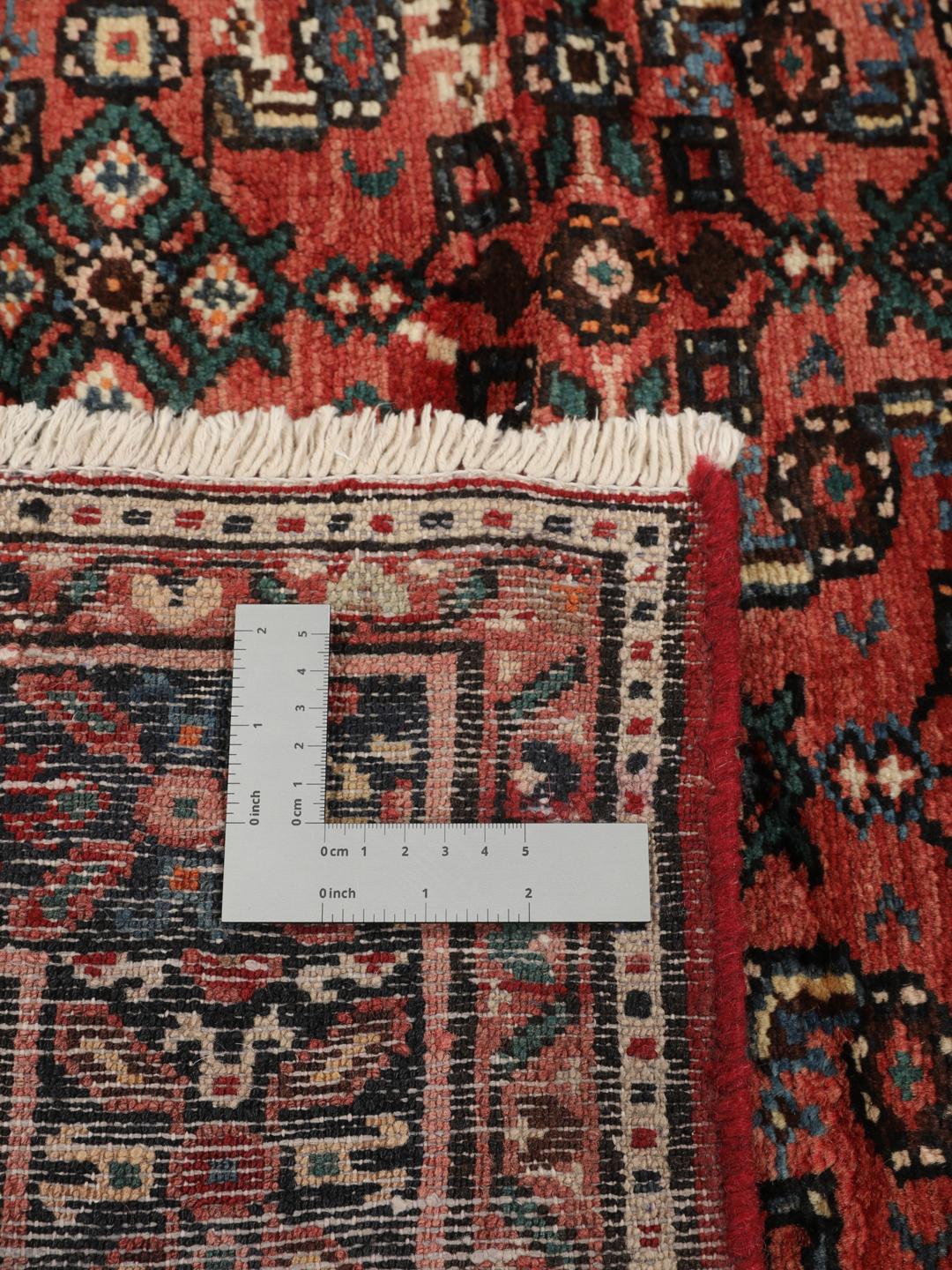
Hosseinabad rugs originate from the Hamadan region in the Middle East, an area long celebrated for its robust and characterful weaving traditions. These rugs are deeply connected to the village life of the region, where the craft has been passed down through families for centuries, evolving into a distinct style that is recognisable for its durability and bold, expressive aesthetics.
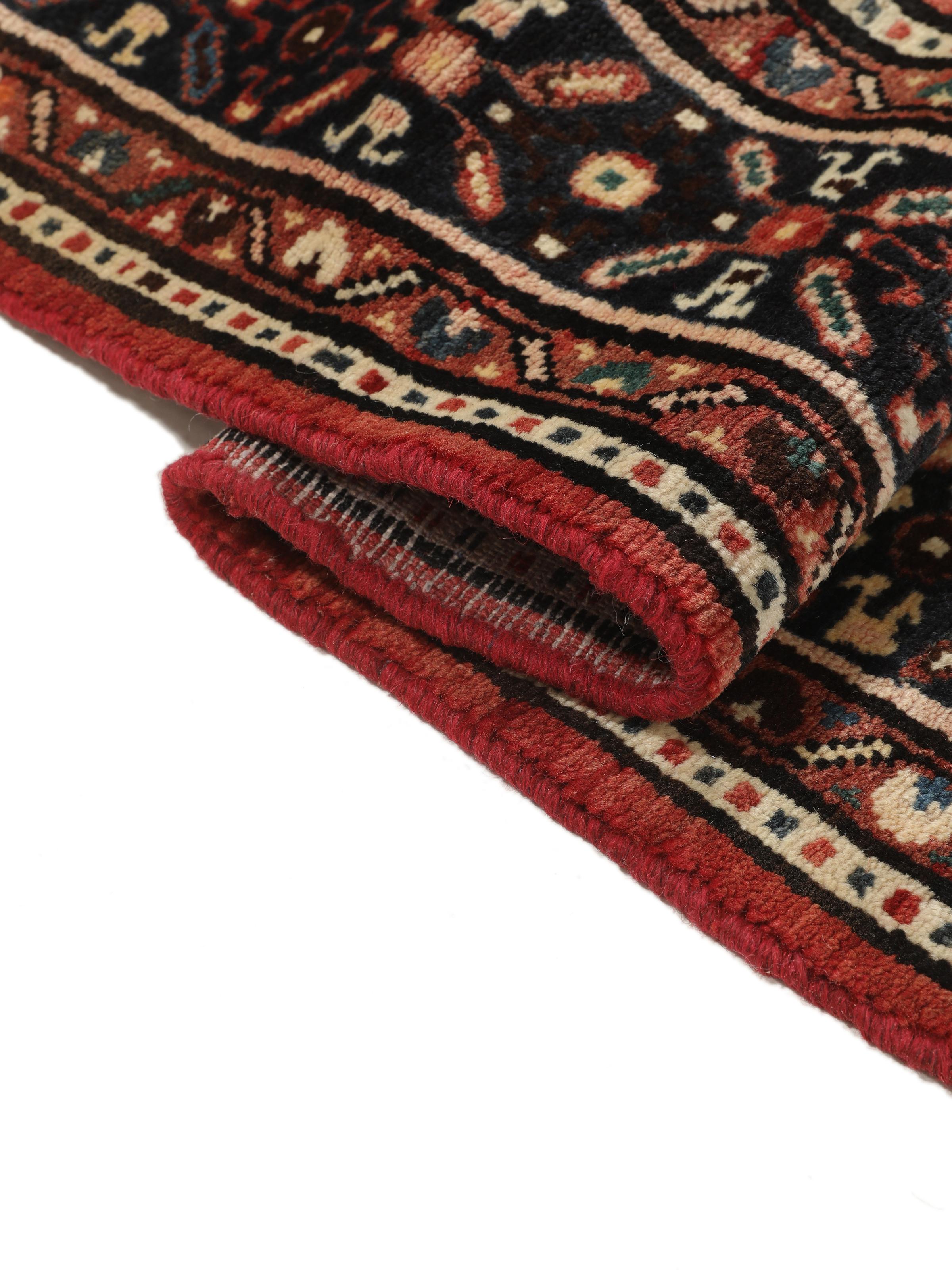
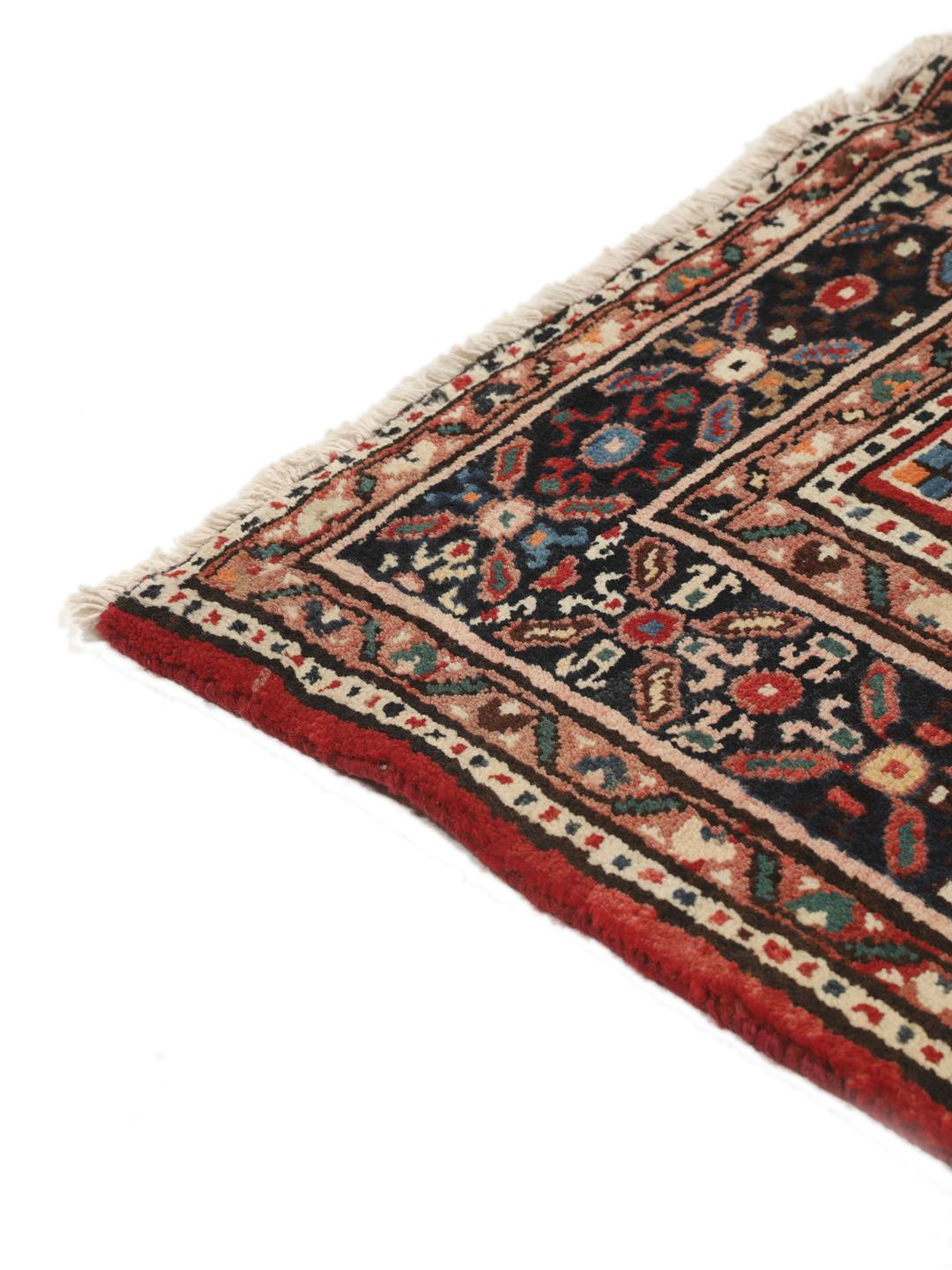
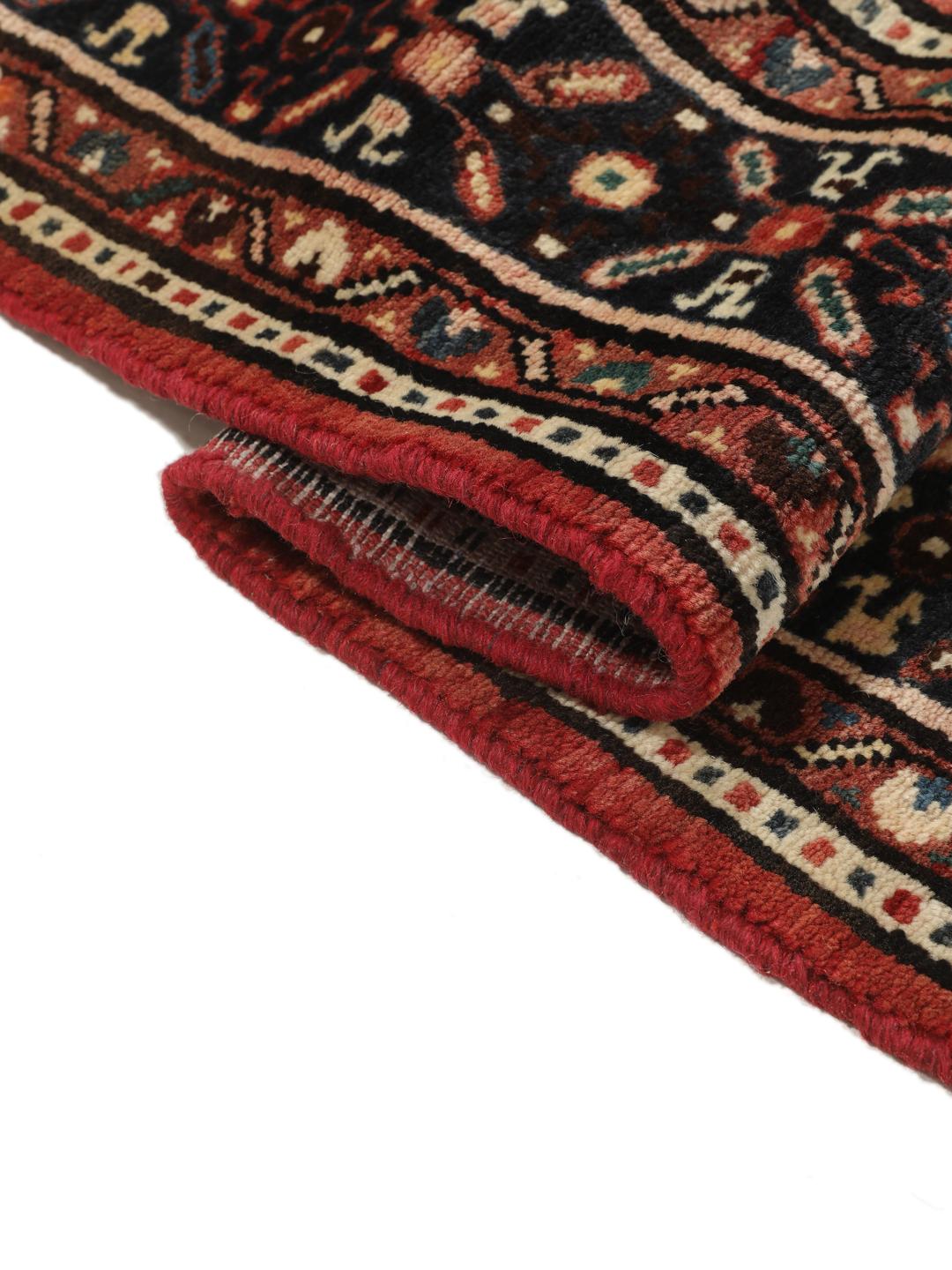
The technical quality of a Hosseinabad rug is rooted in its foundation. The use of wool, often sourced from local mountain sheep, provides a naturally lanolin-rich fibre that is both soft and incredibly resilient. This material choice is fundamental to the rug's longevity, as the fibres are naturally resistant to wear and maintain their colour saturation even after decades of use.
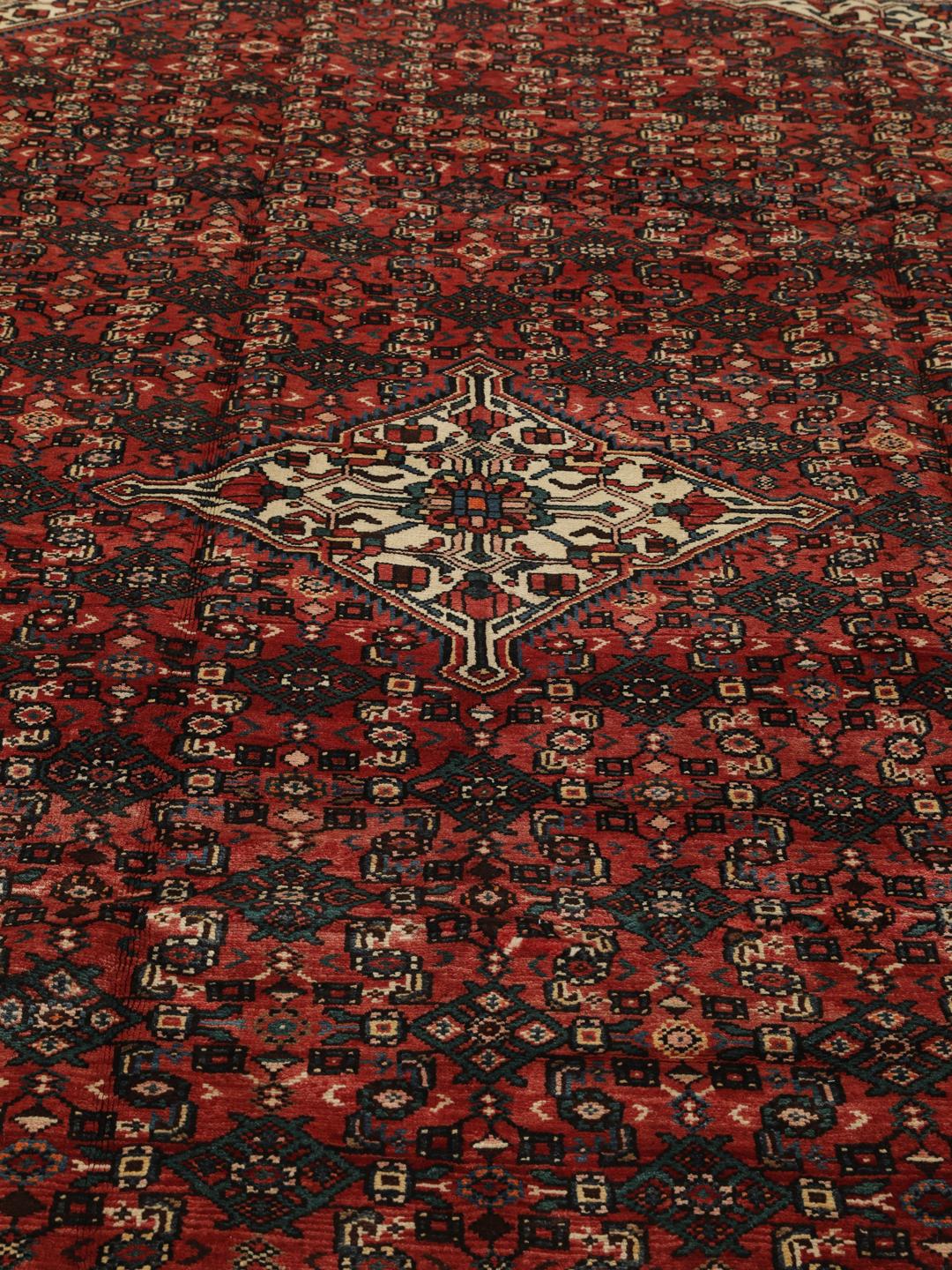
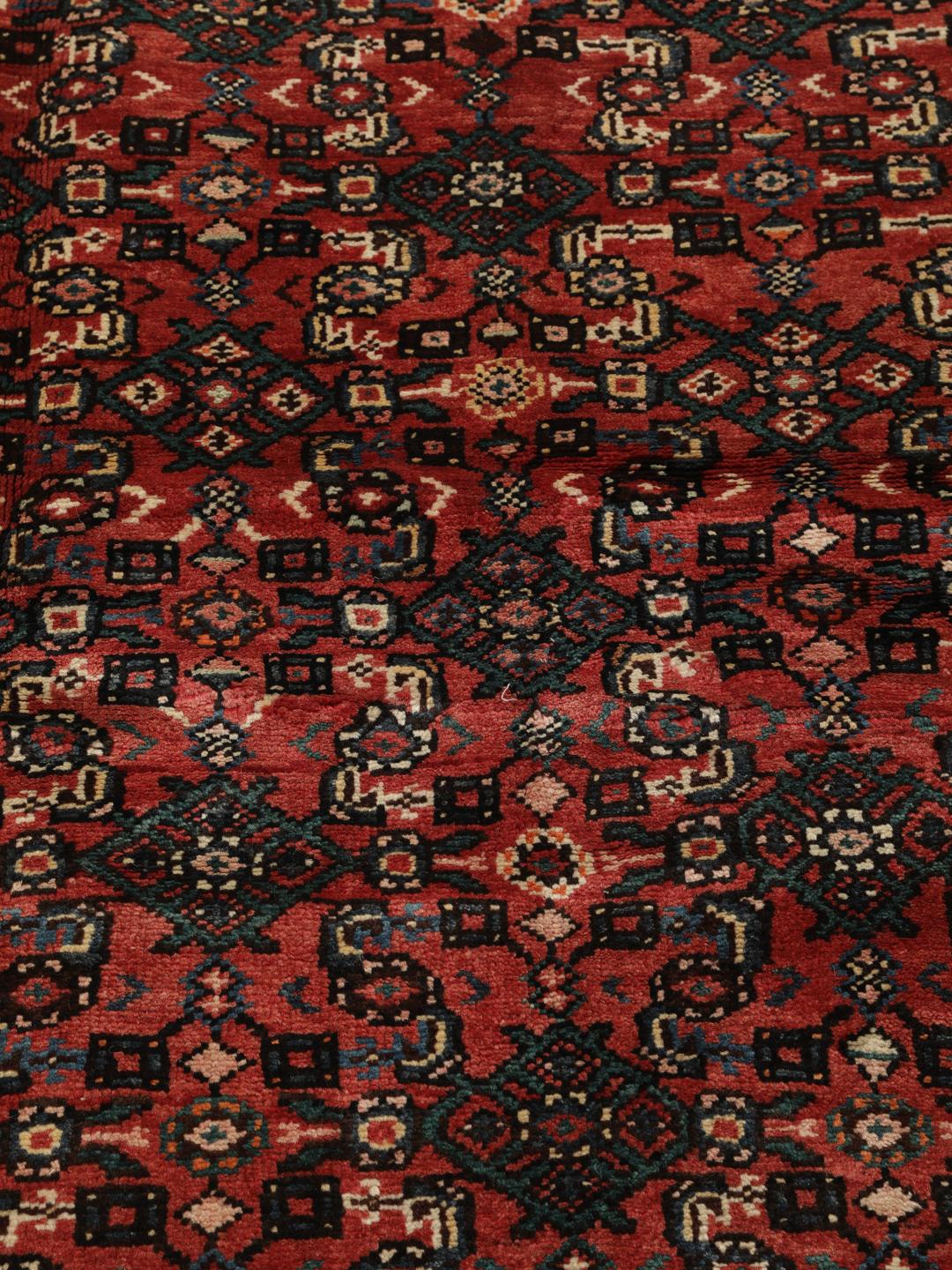
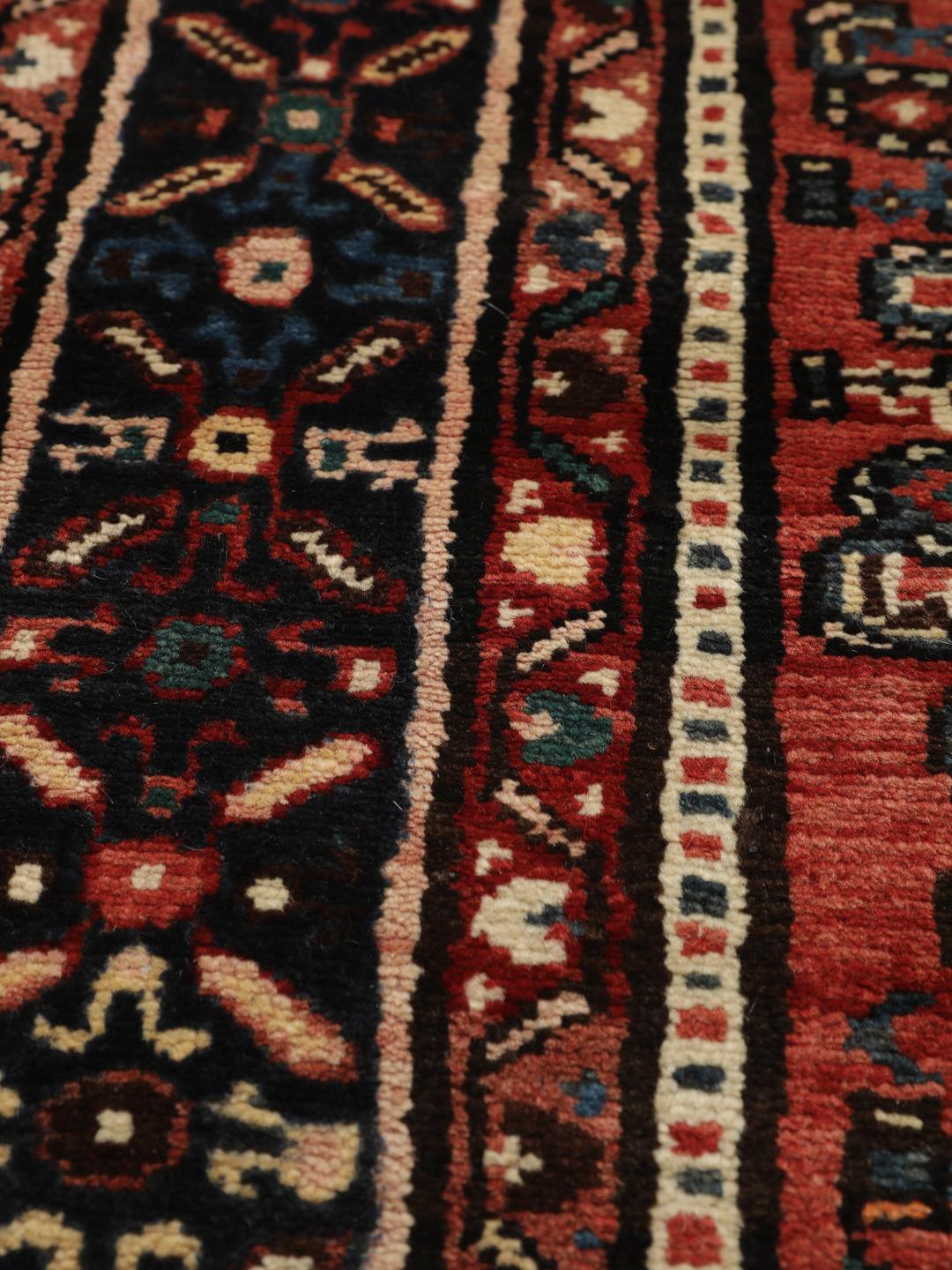
Visually, these rugs are defined by their vibrant, often geometric interpretations of traditional floral and medallion motifs. The borders are typically wide and well-defined, framing the central field with intricate patterns that reflect the natural beauty of the surrounding landscapes. While many rugs from this tradition follow specific layouts, each piece remains unique due to the weaver's personal interpretation of the design.
Collecting a Hosseinabad rug is an appreciation of the skill and cultural narrative embedded in every stitch. These pieces are valued for their authenticity and the sense of history they bring into a modern home. Owning one is a commitment to preserving a traditional craft, ensuring that these beautiful, hand-made expressions of art continue to be appreciated as valuable parts of our living environments.