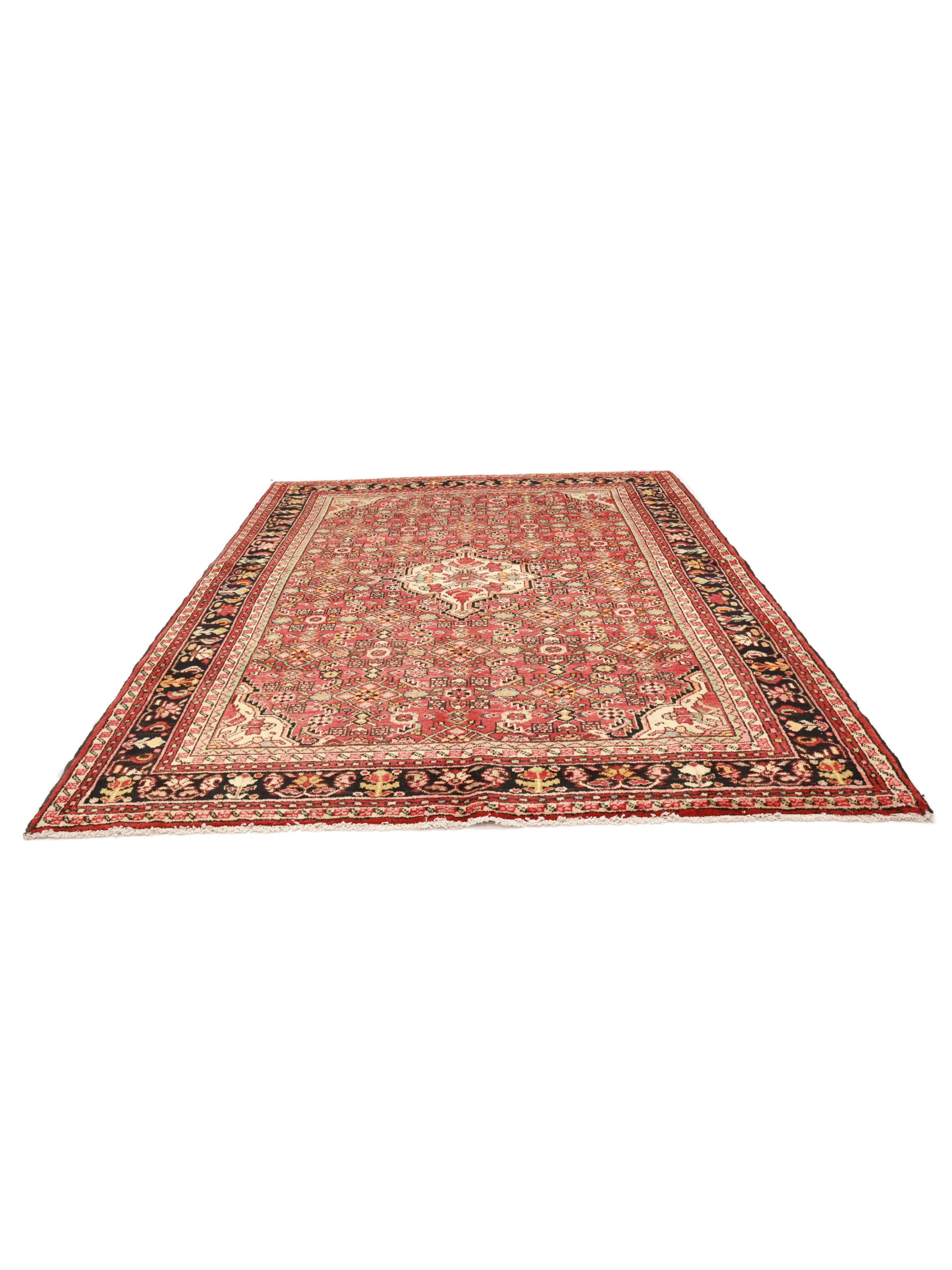
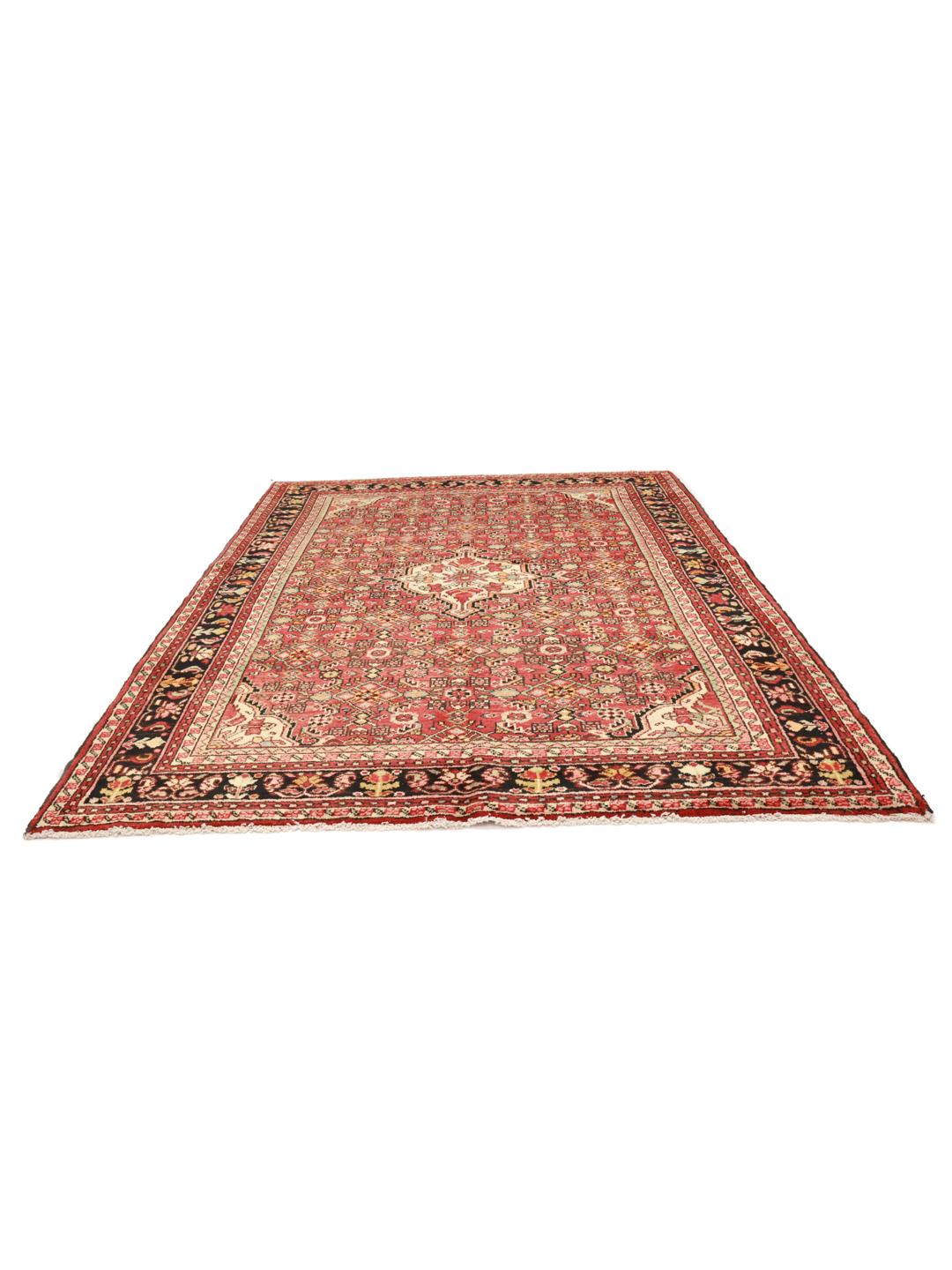
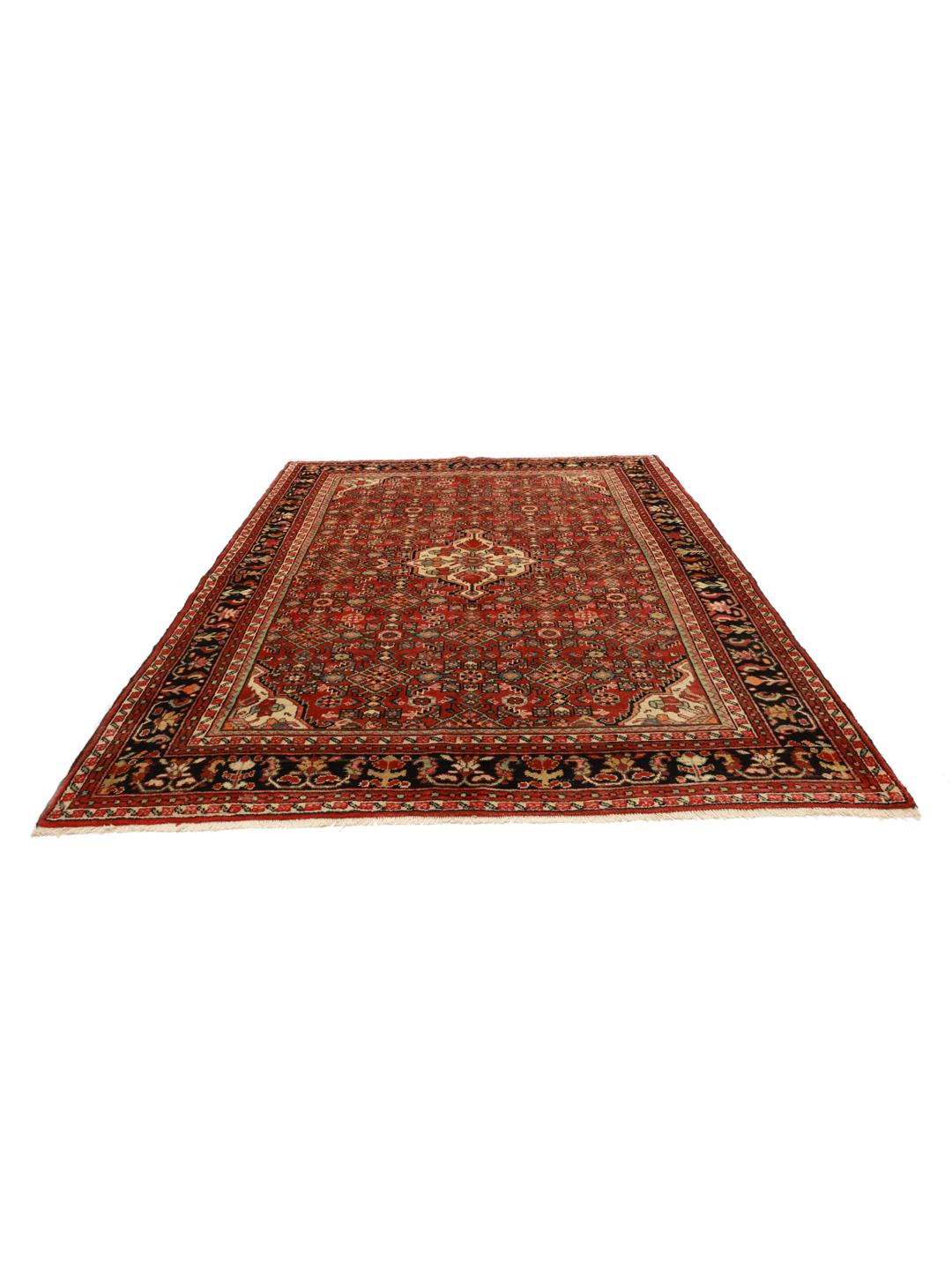
Hosseinabad rugs originate from the Hamadan region in the Middle East, a part of the world with a deep-rooted history in textile production. These rugs are renowned for their robust construction and the use of high-quality wool, which is traditionally sourced from local sheep. The region has long been a hub for weaving, serving as a primary source for both nomadic and village-made rugs that have been traded across the area for centuries.
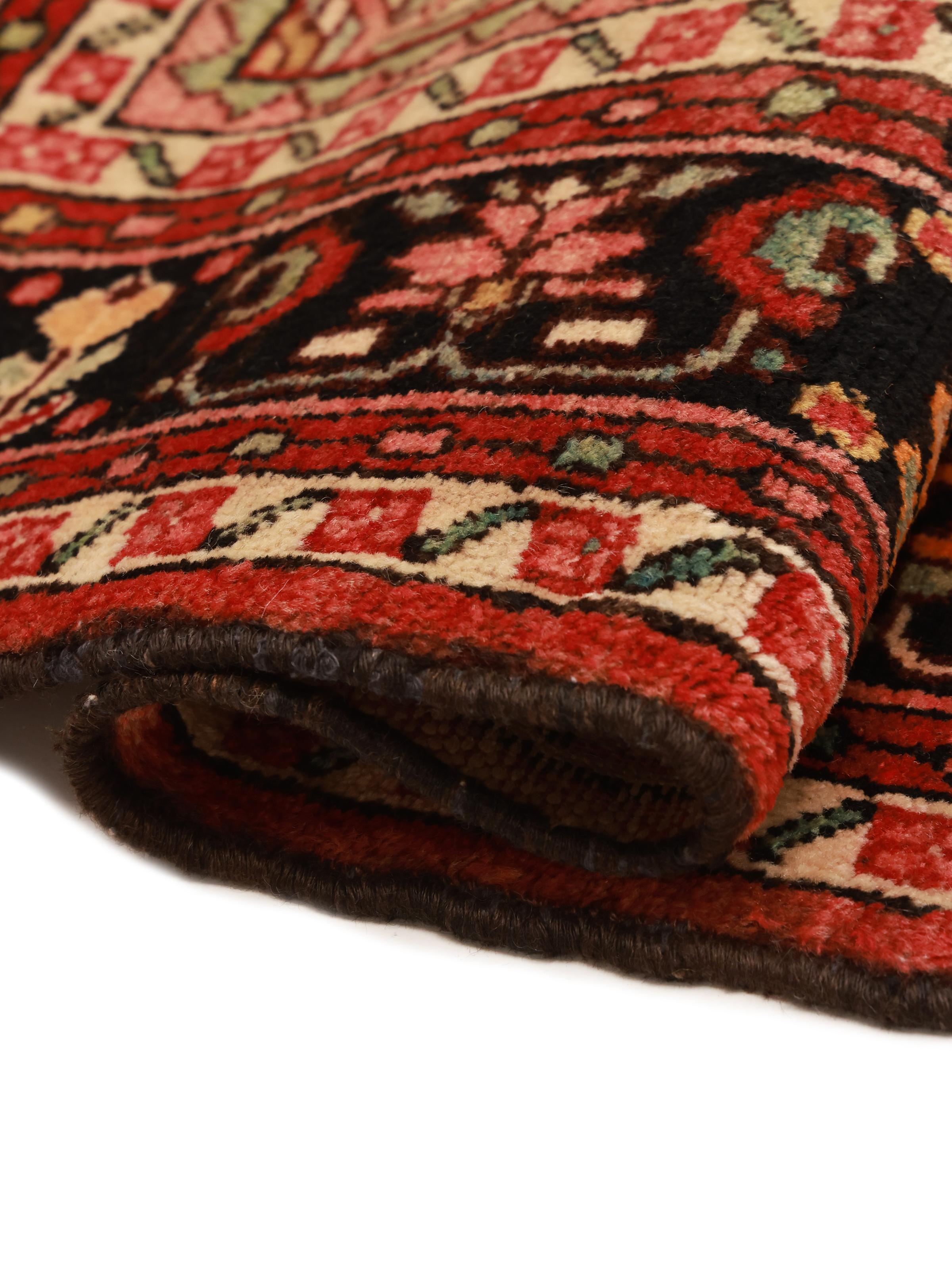
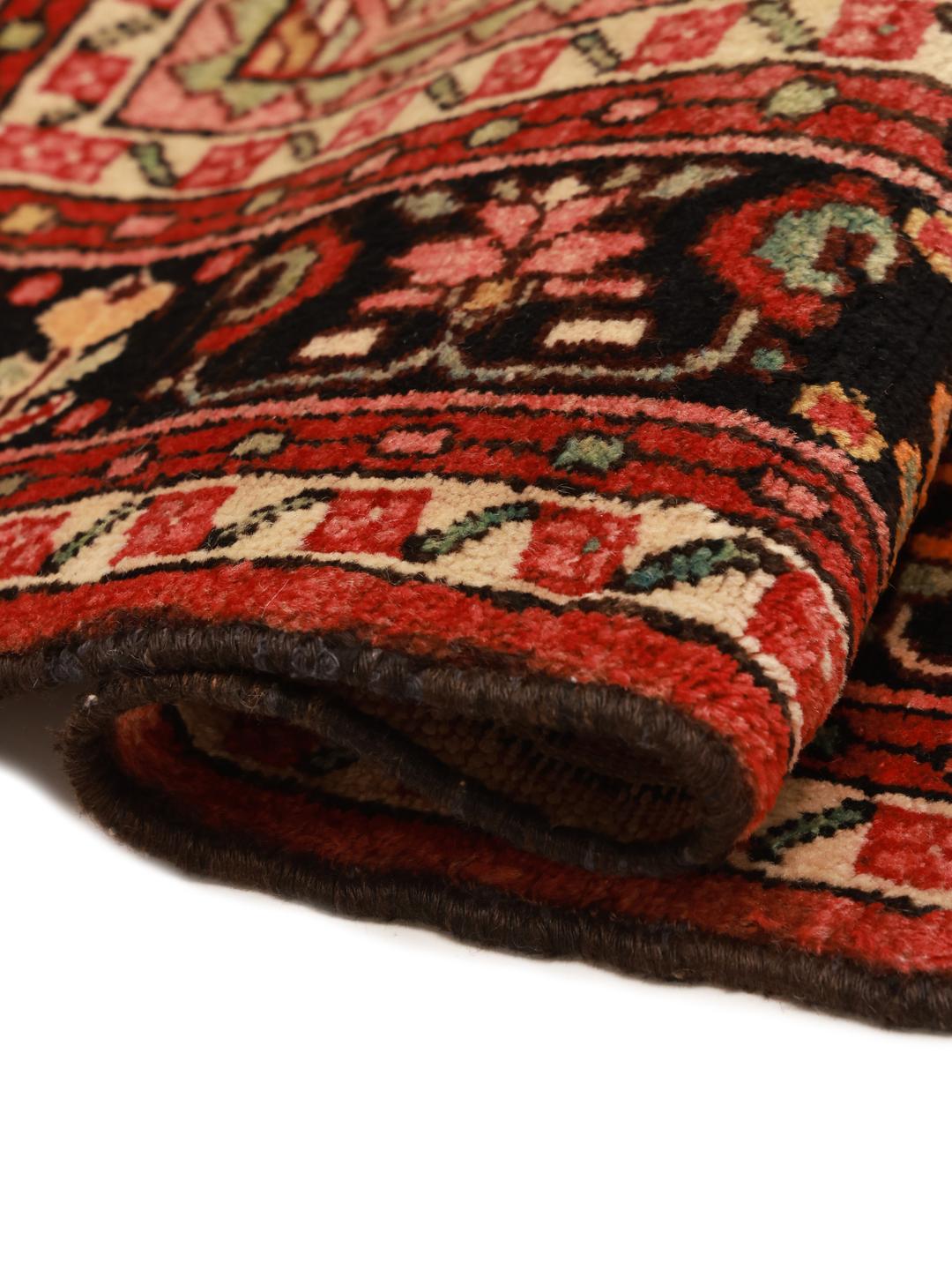
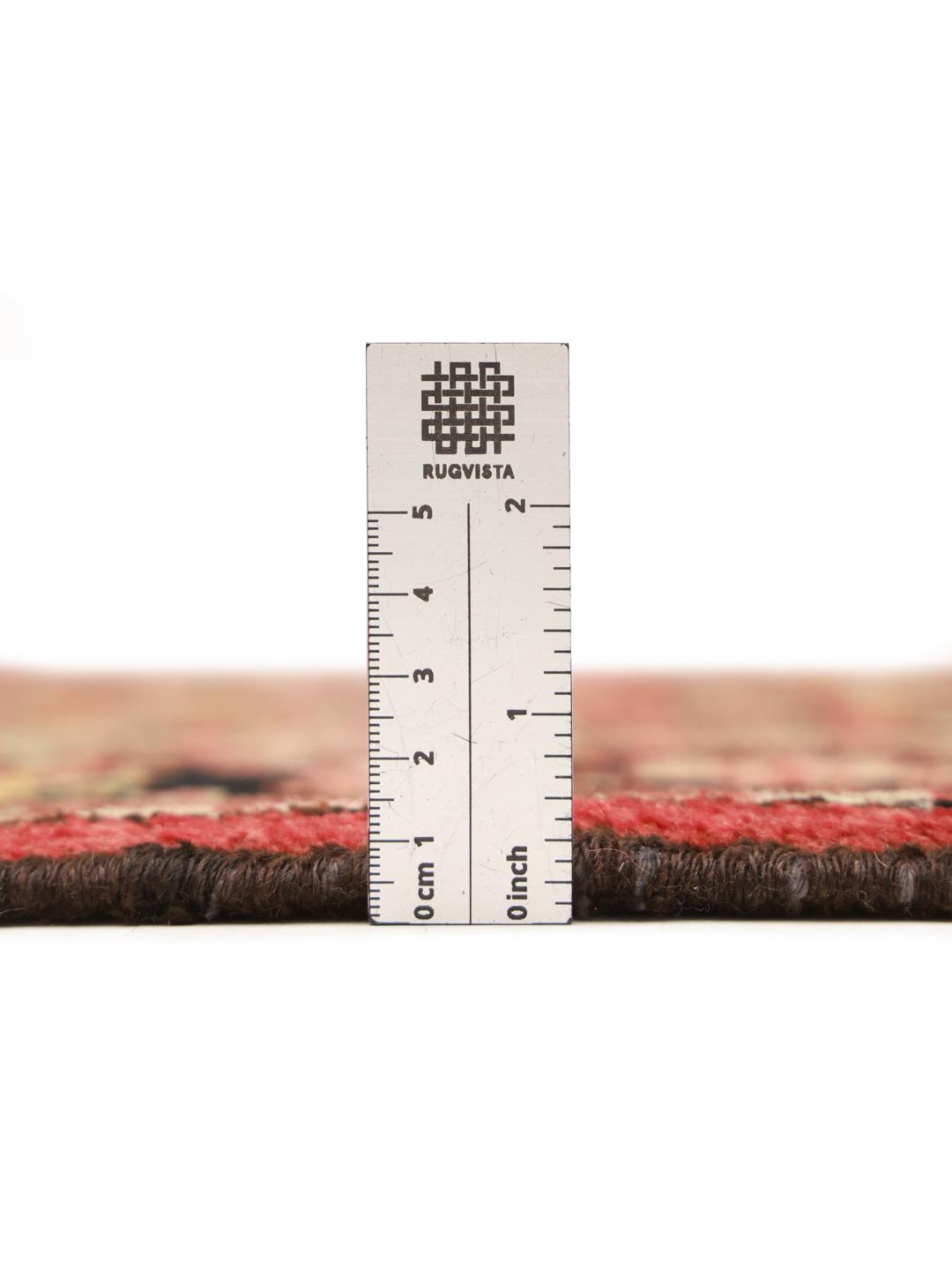
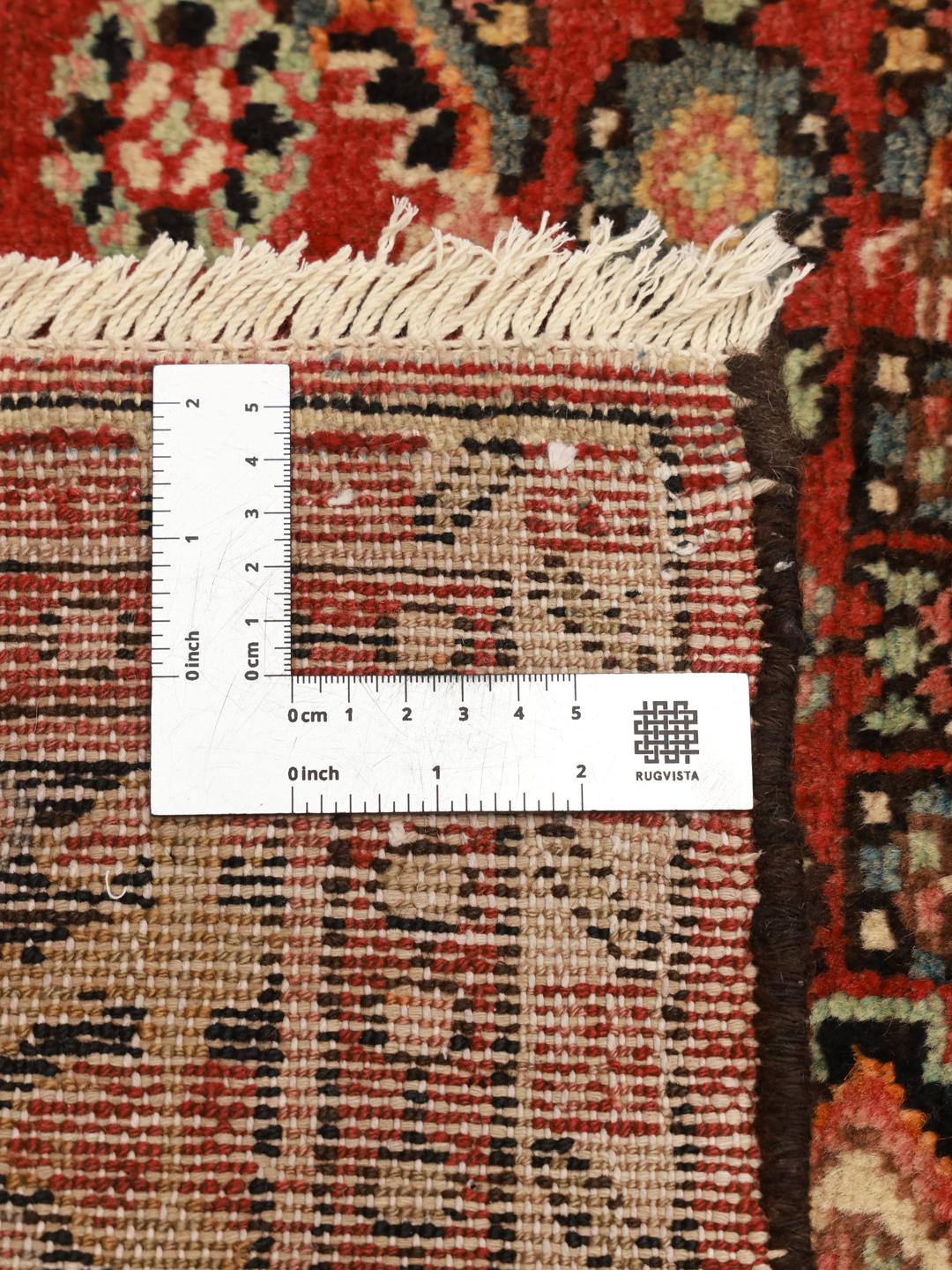
The term Hosseinabad often refers to a specific style of village weaving that prioritises durability and traditional aesthetics. These rugs are built on a foundation of cotton, which provides the necessary strength to support a dense pile. This construction choice is essential for the longevity of the rug, allowing it to remain flat and stable even in high-traffic areas of the home, while the wool pile ensures a soft, comfortable texture.
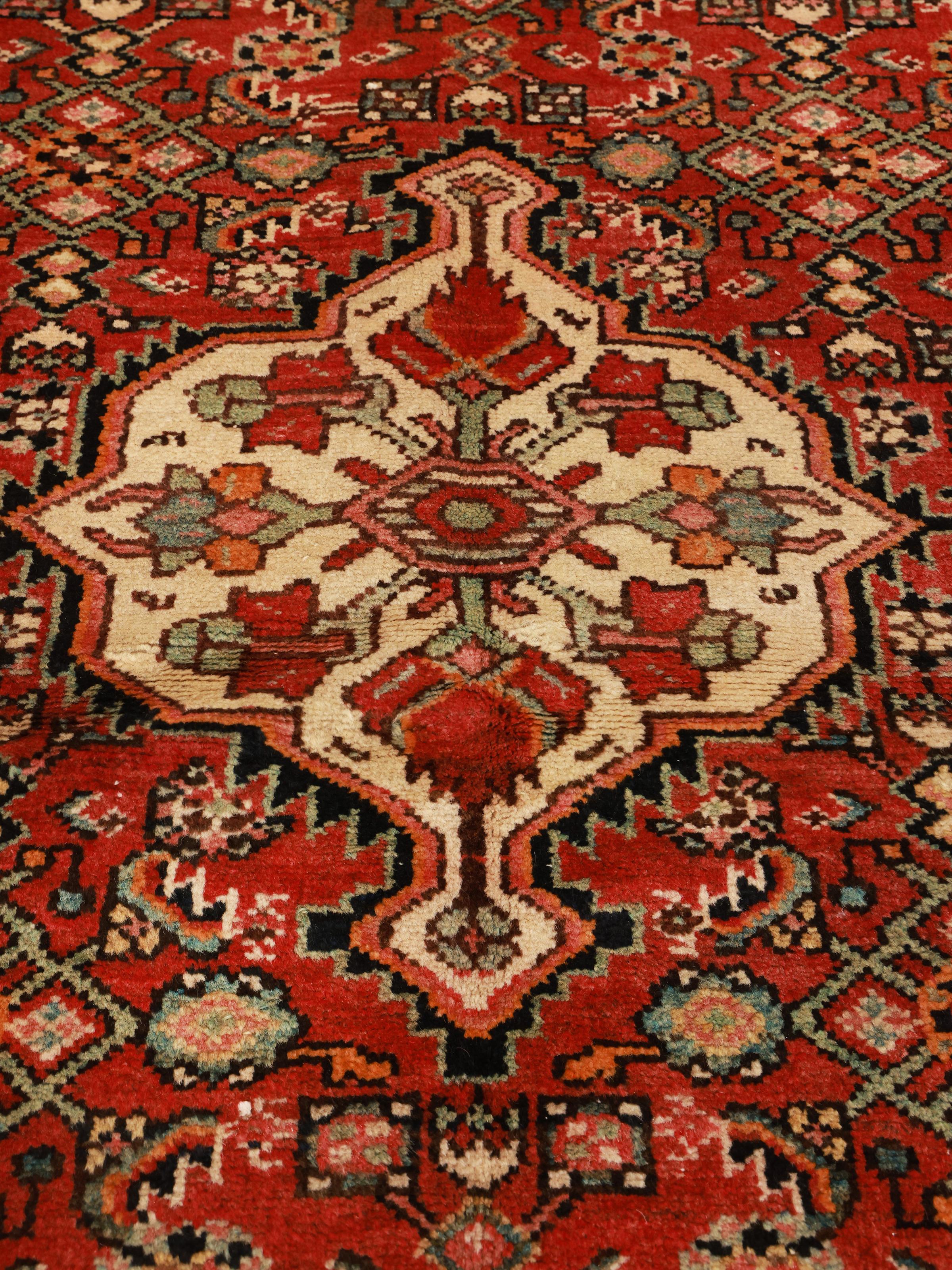
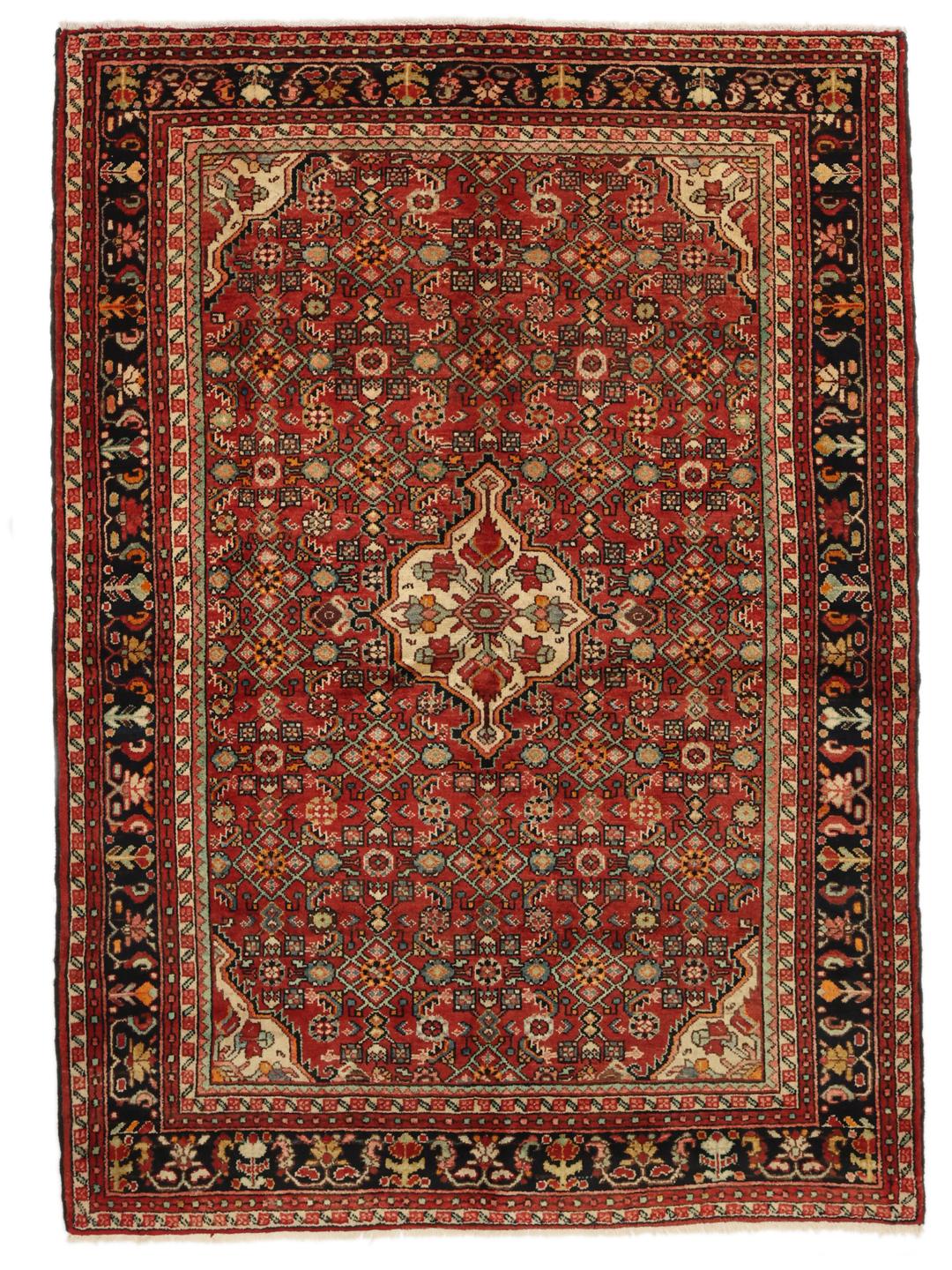
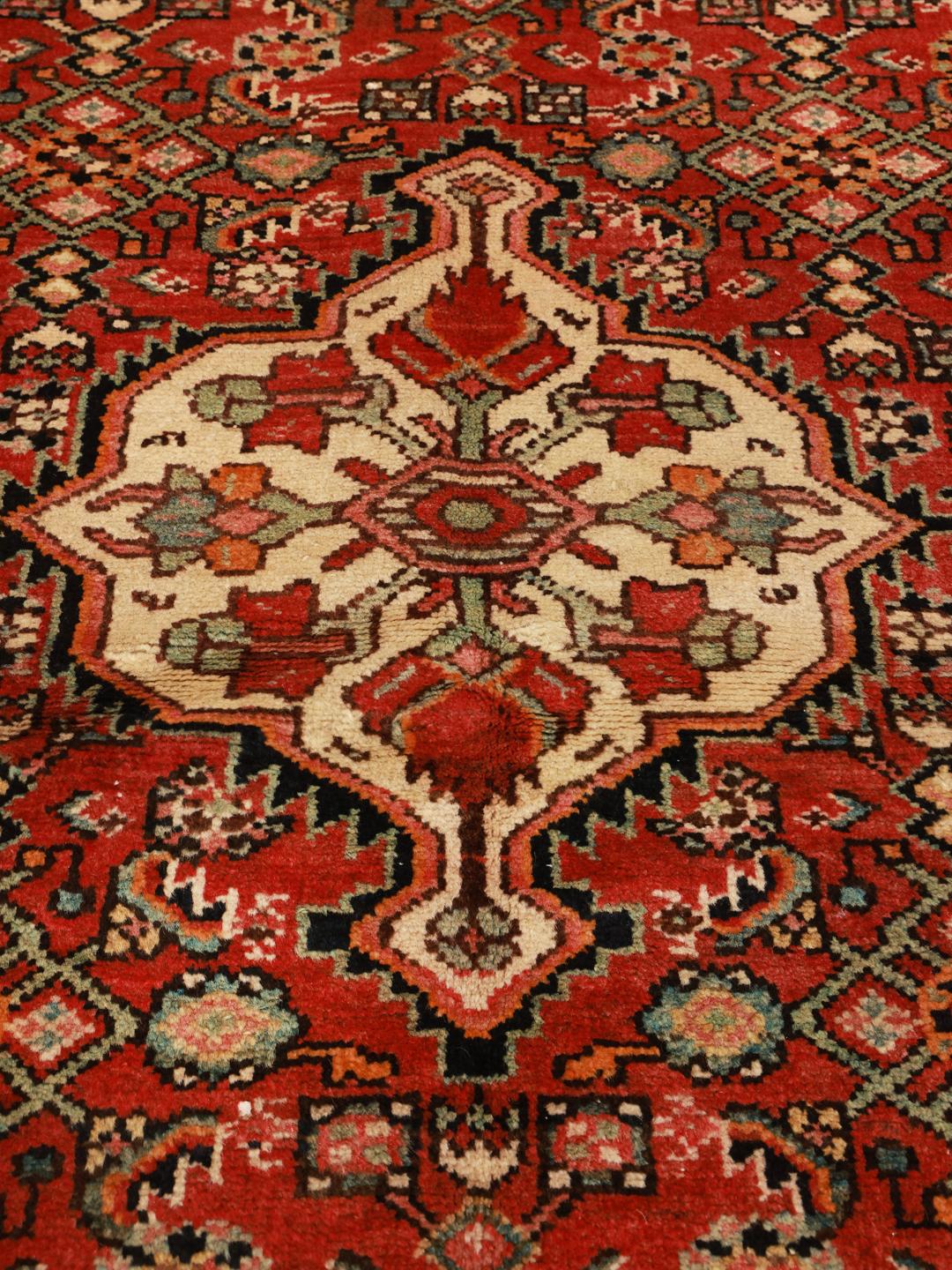
Visually, these rugs are defined by their bold, geometric interpretations of floral and tribal motifs. The central medallion is a signature element, often surrounded by a field of repeating, stylized botanical patterns. The use of deep red, often paired with contrasting dark blues and ivories, creates a timeless colour palette that is instantly recognisable to those familiar with the regional traditions of the Middle East.
Collecting a rug from this tradition is an investment in human skill and cultural heritage. Each piece acts as a historical record, preserving design motifs that have been passed down through generations of weavers. By bringing a Hosseinabad rug into your home, you are not just acquiring a floor covering, but a piece of history that embodies the patience, artistry, and dedication of the people who created it.