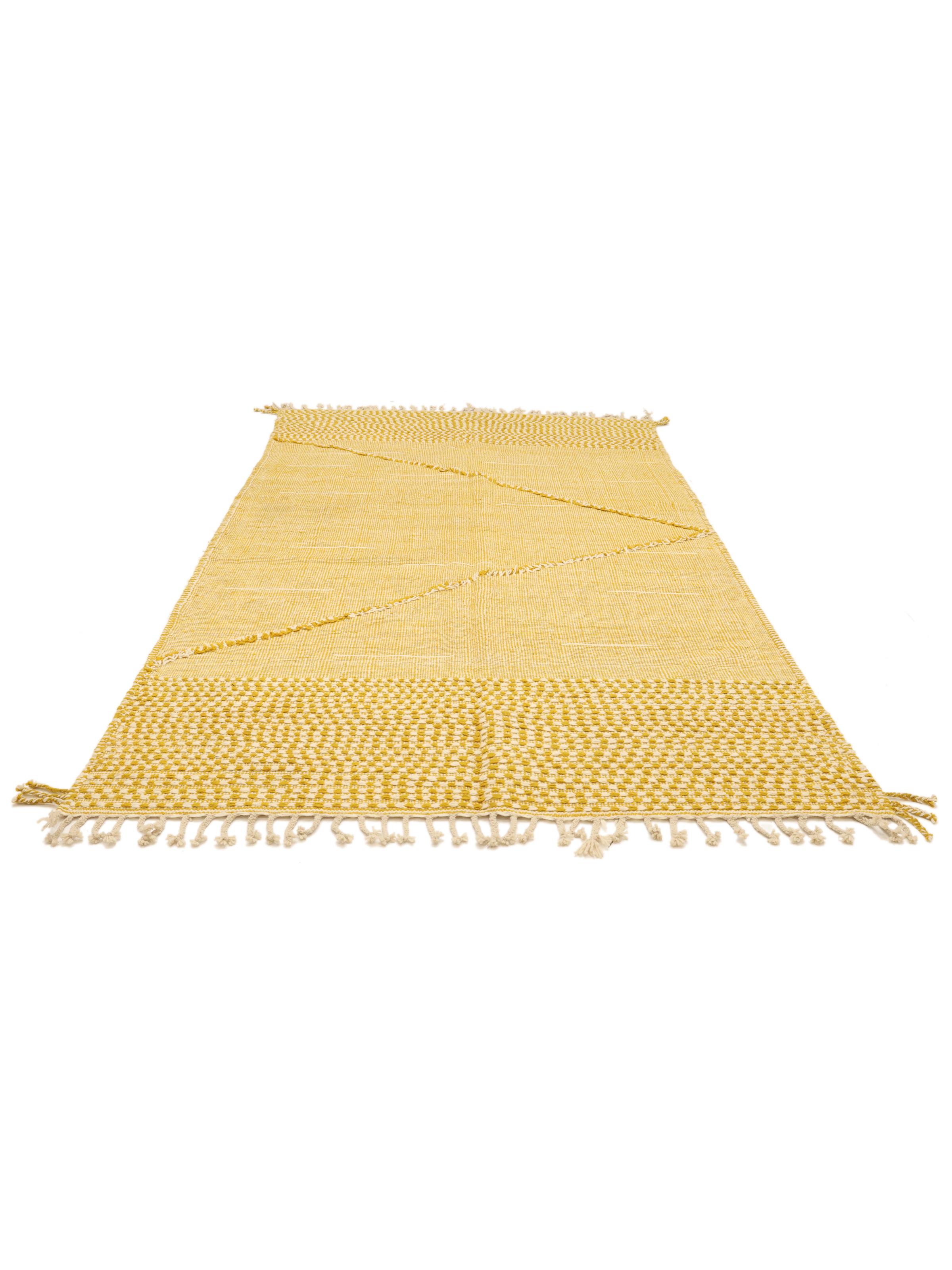
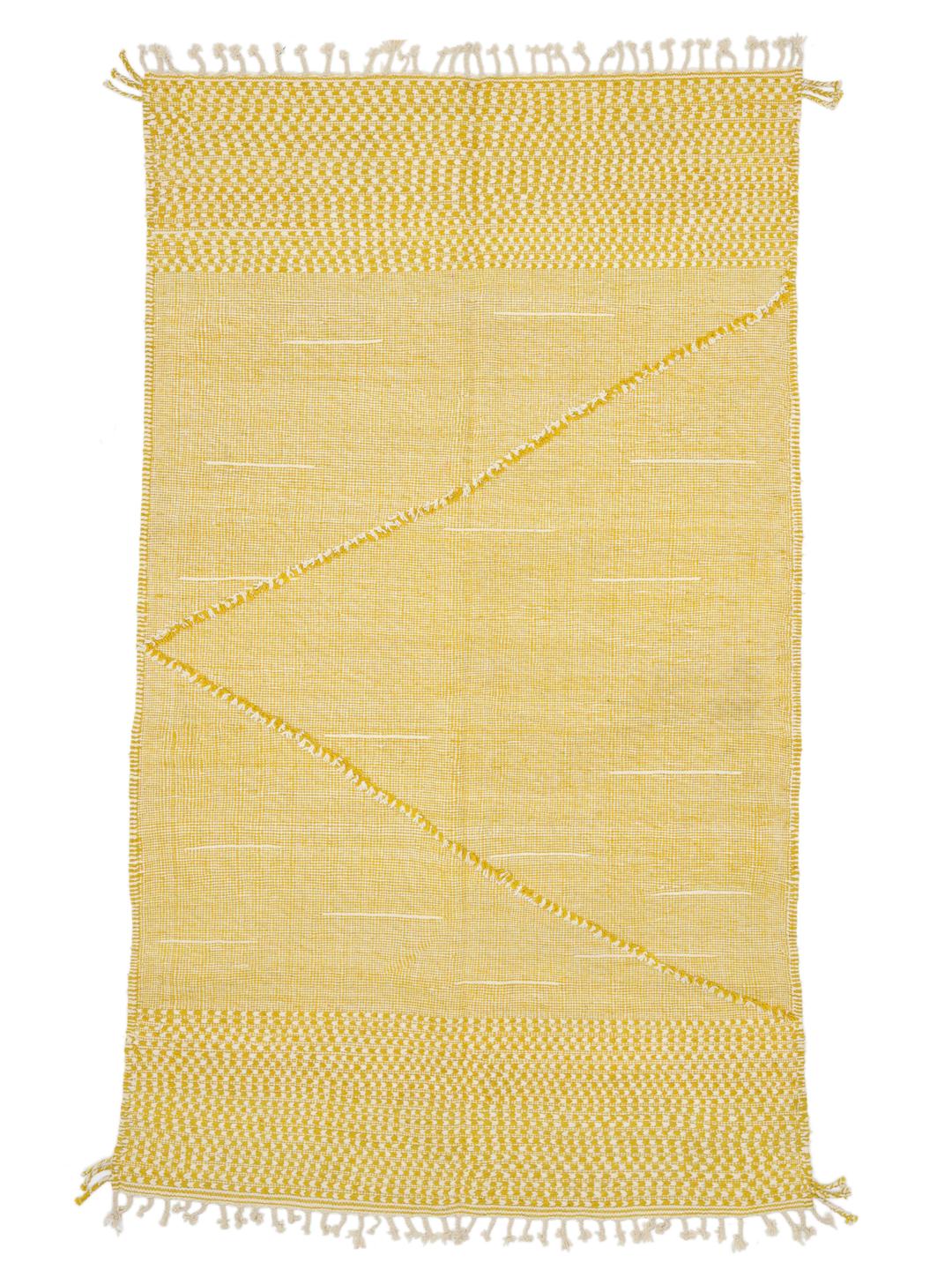
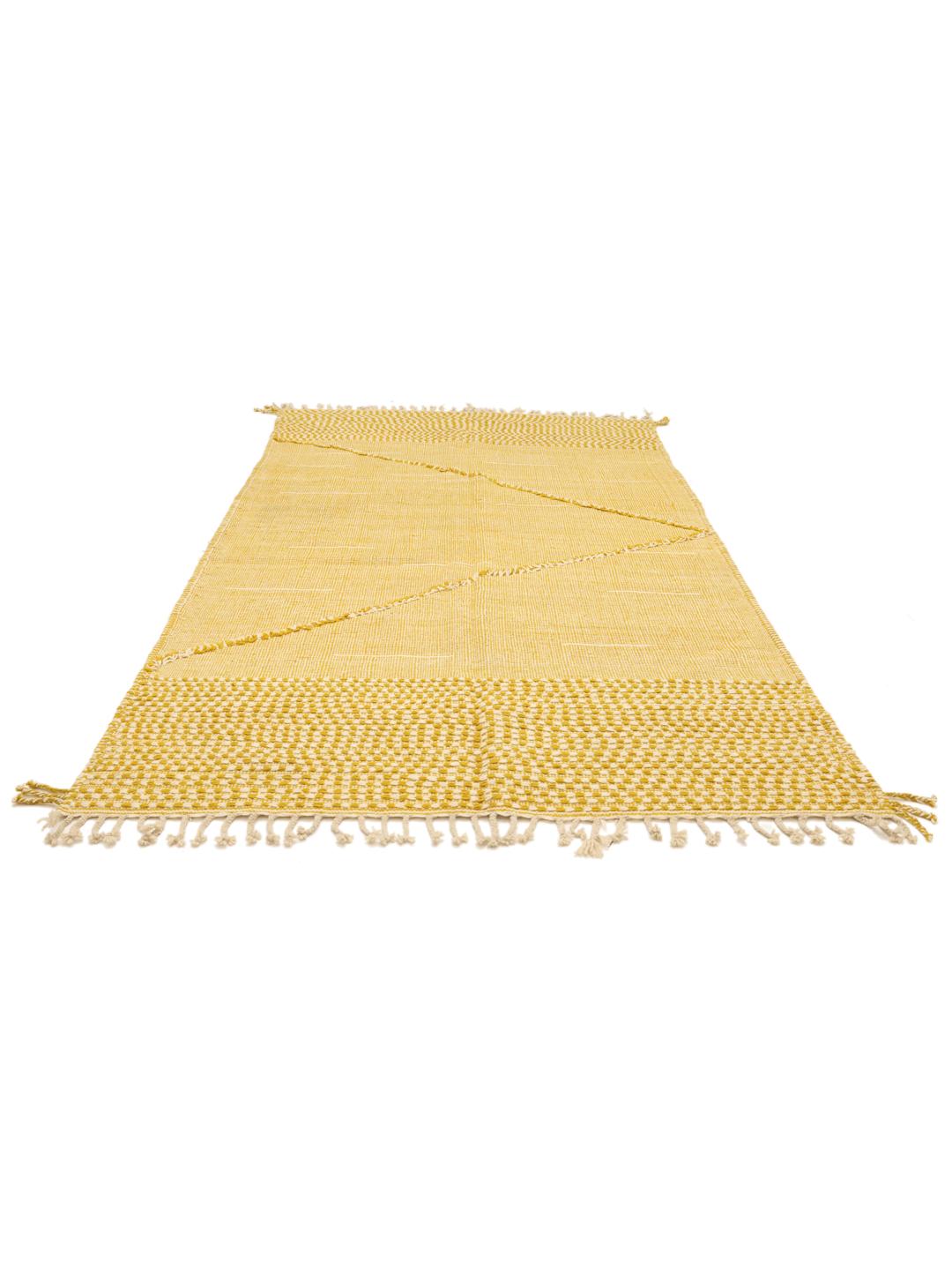
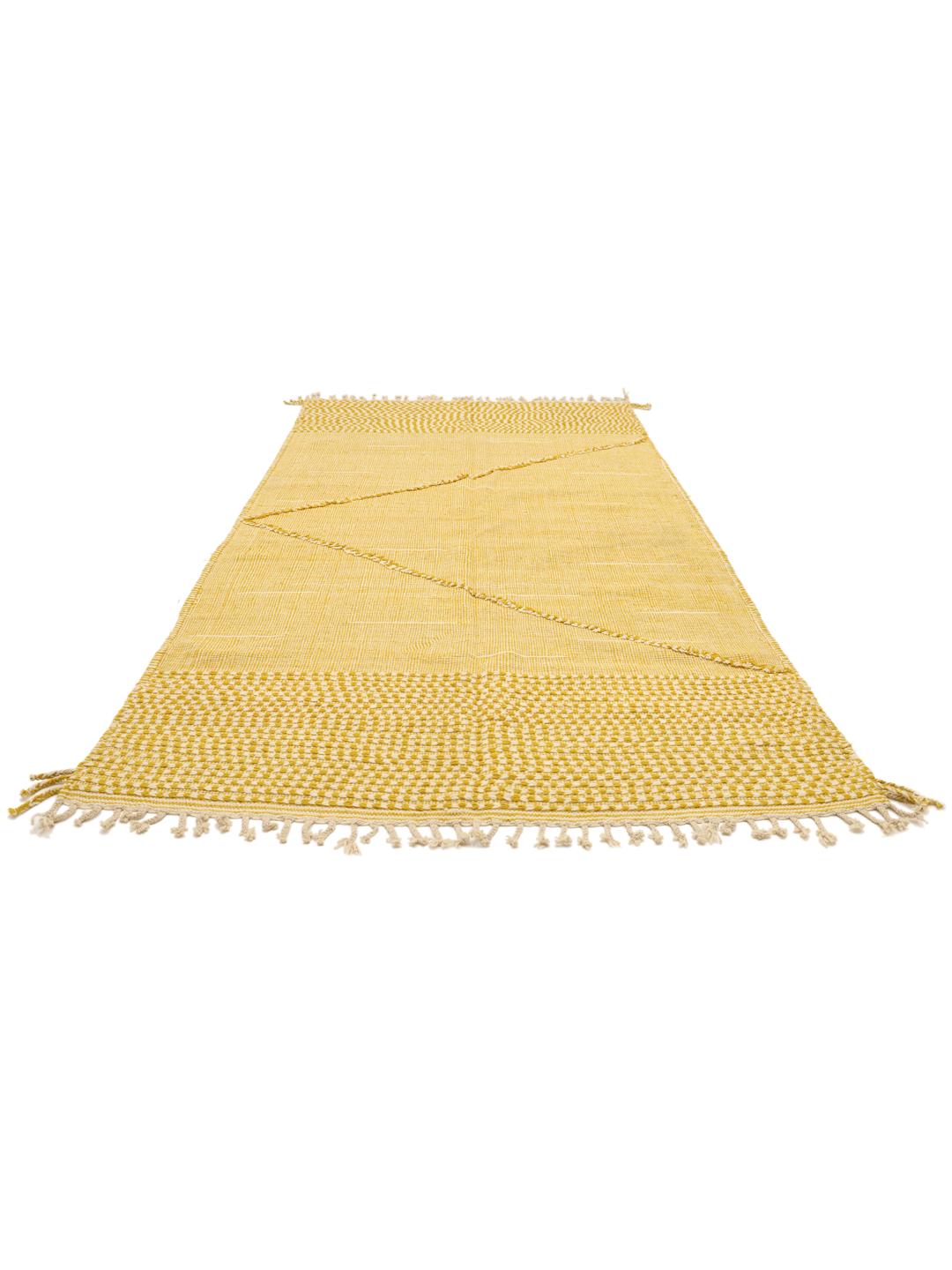
The High Atlas region of Morocco is a cradle of textile tradition, where the art of weaving has been passed down through generations. These Kelim rugs are deeply connected to the nomadic and semi-nomadic lifestyles of the local Berber tribes, who have long used their weaving skills to create practical yet beautiful items for their homes. This tradition is not merely about floor coverings; it is a cultural expression of the landscape, the climate, and the stories of the people who reside in the mountains.
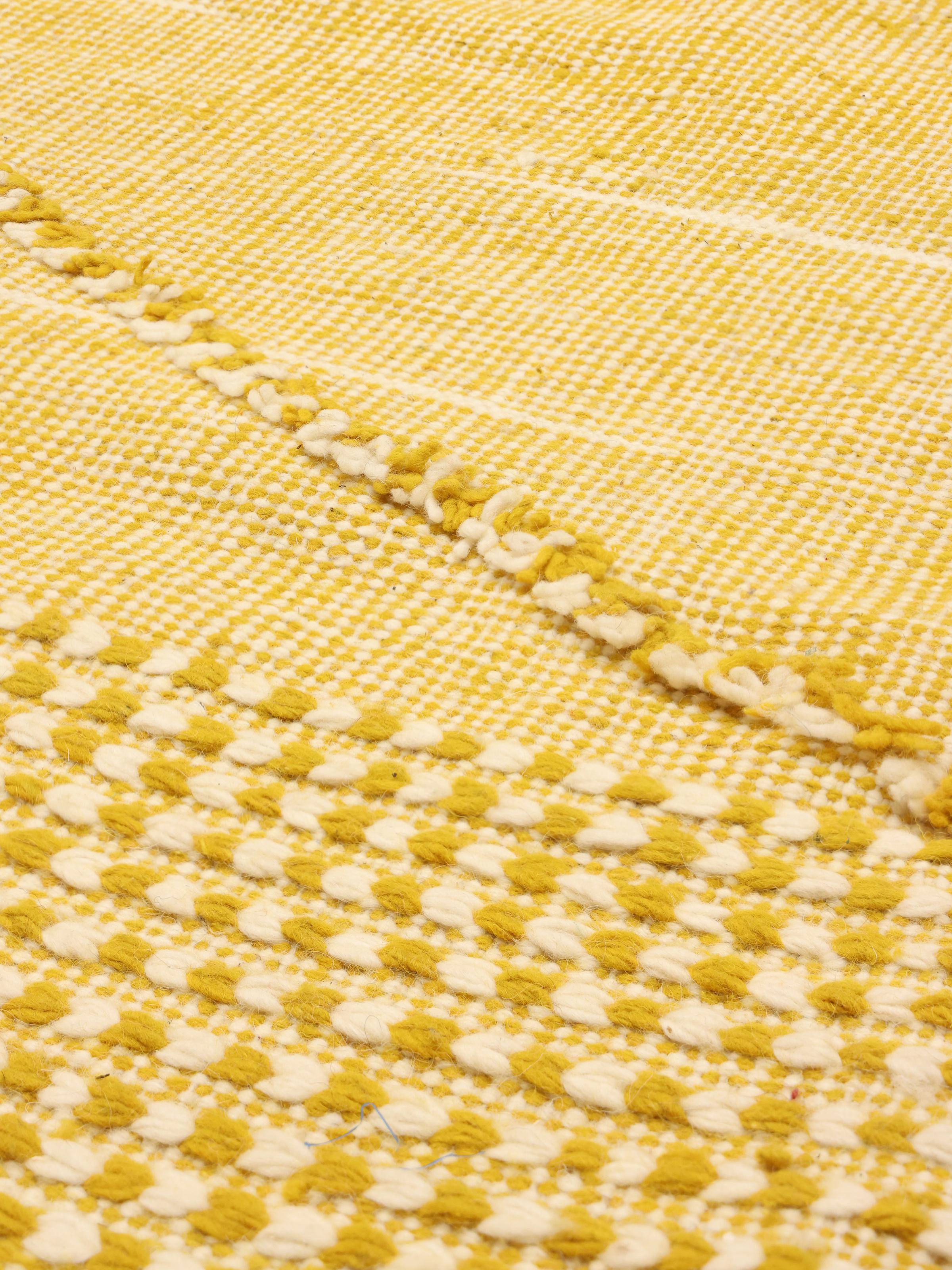
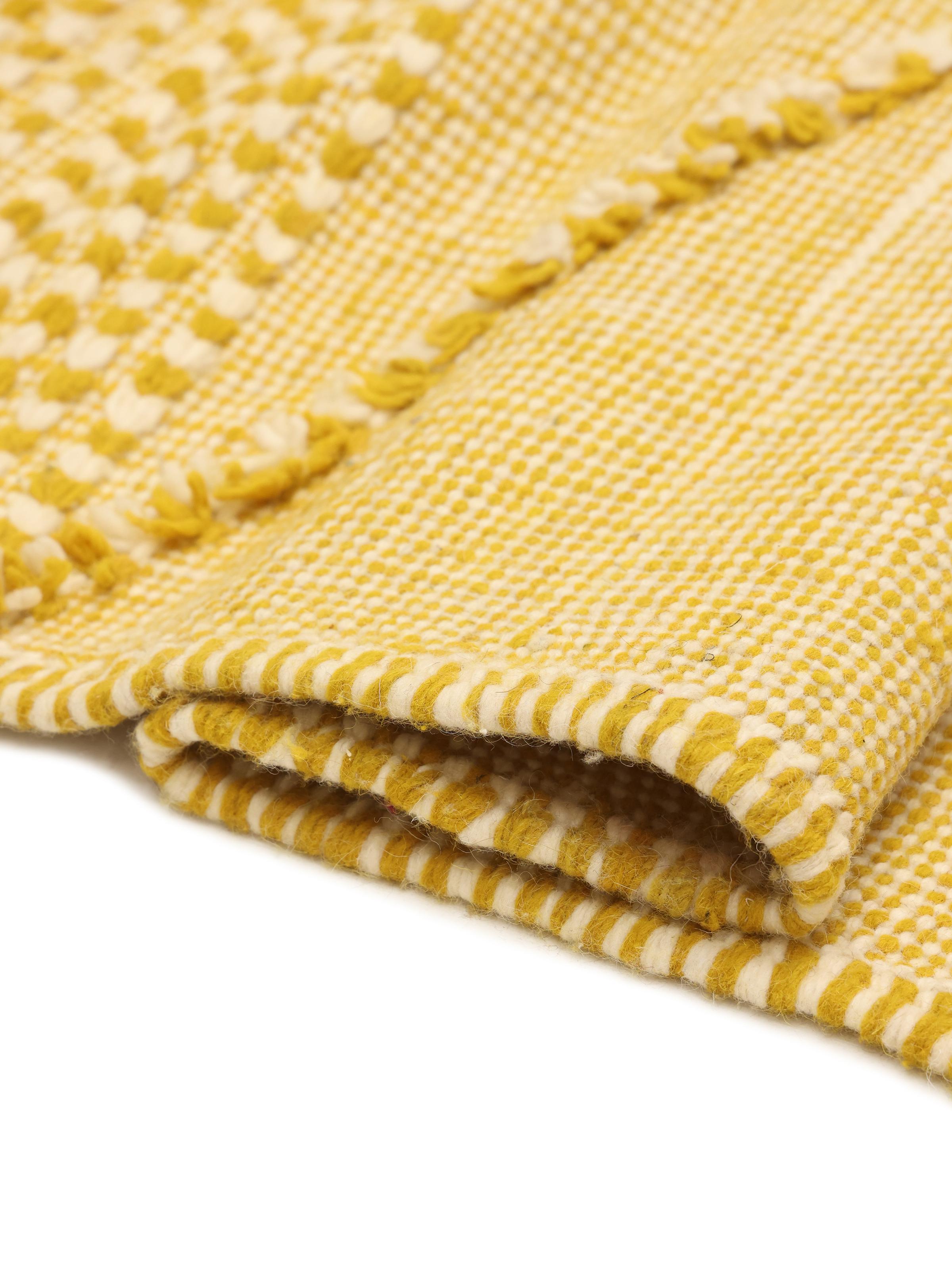
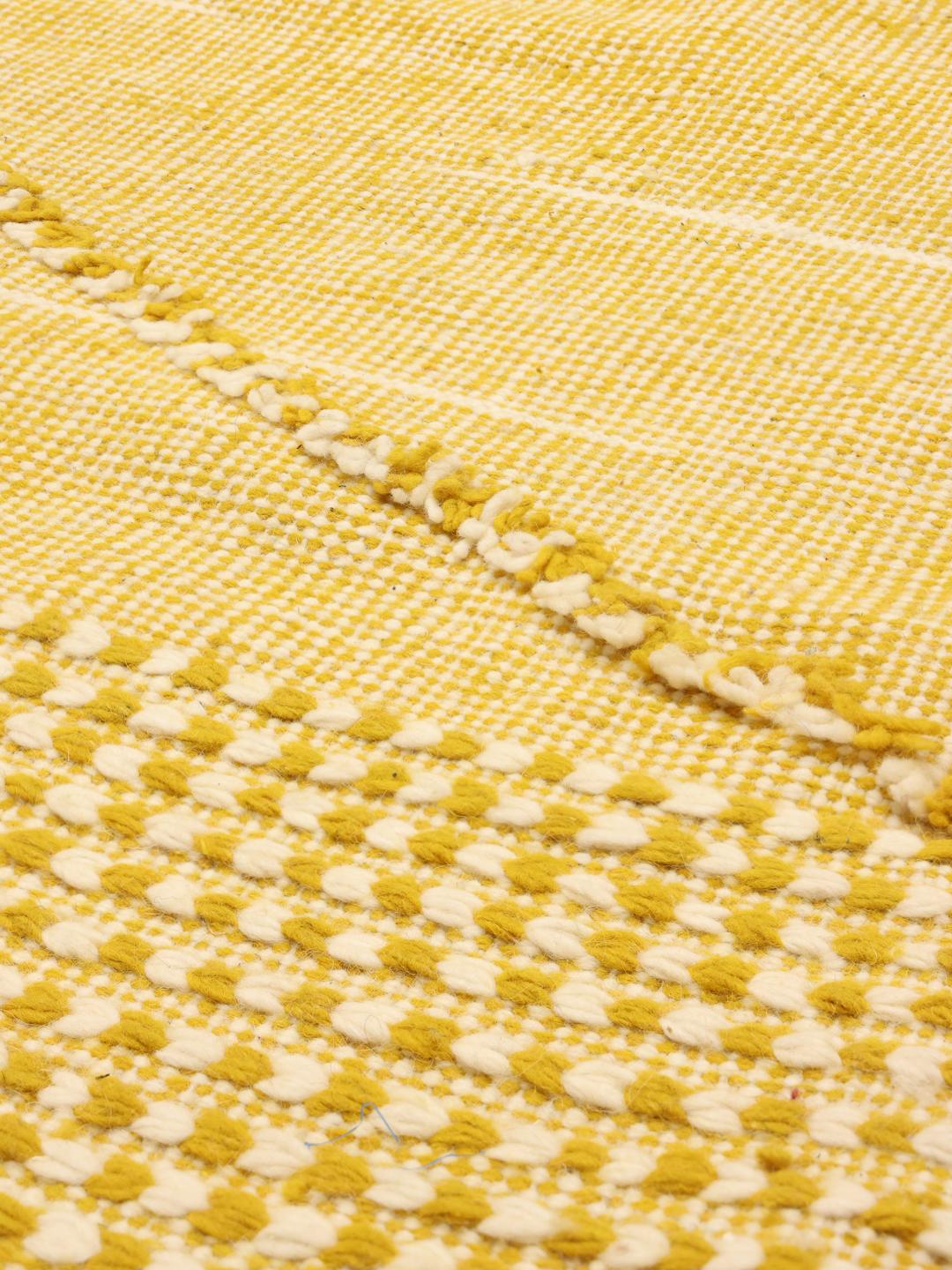
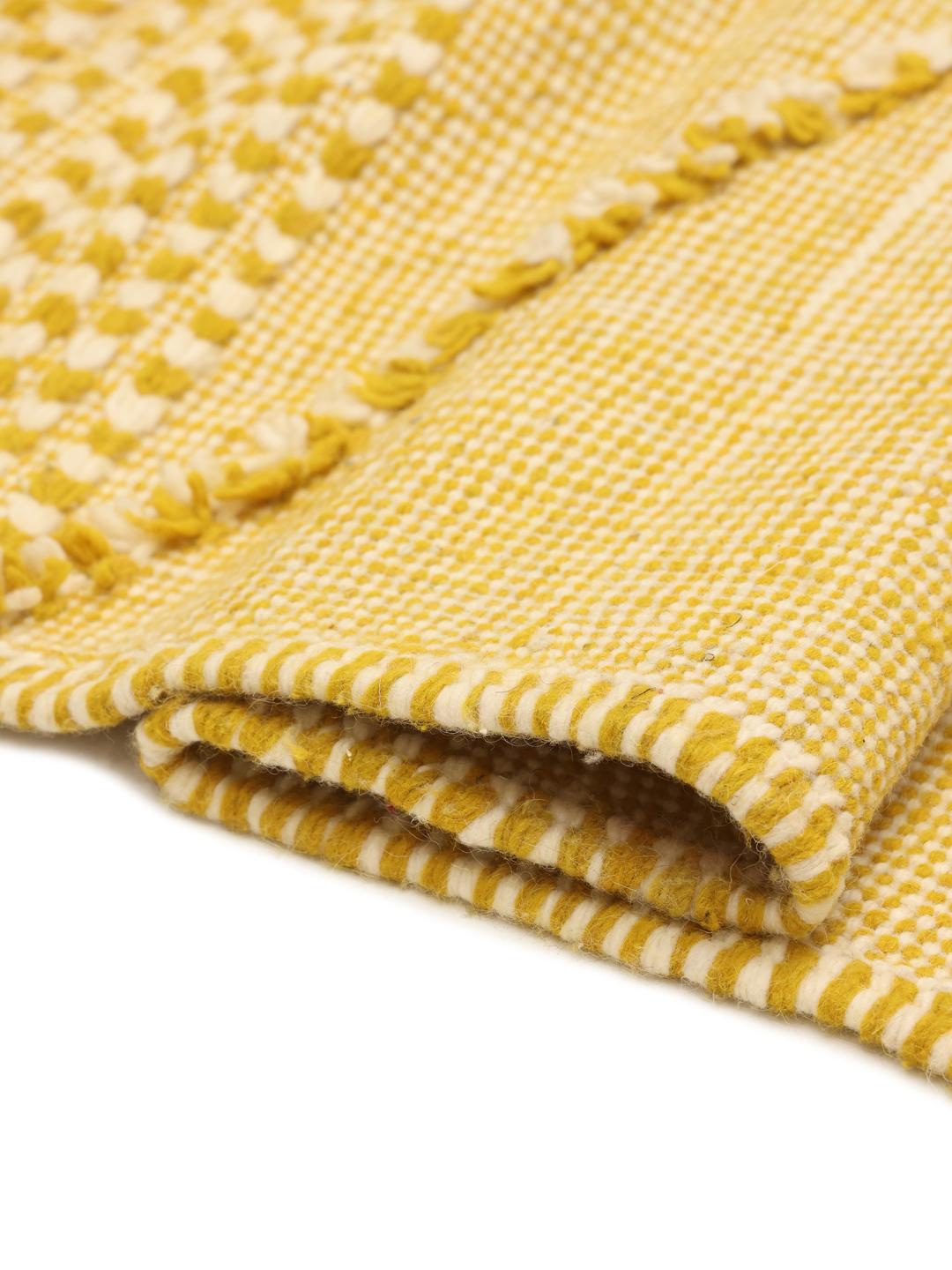
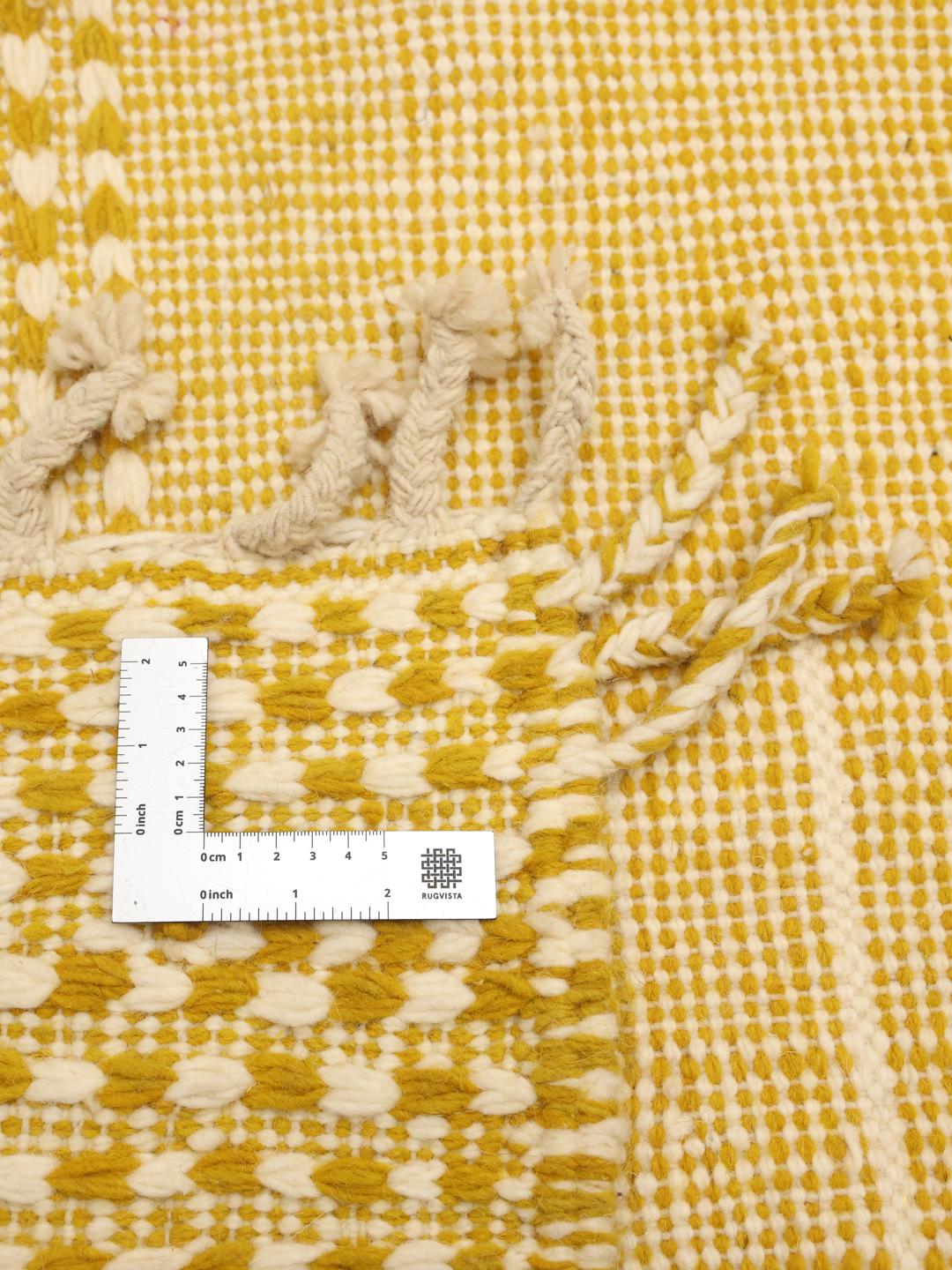
A Kelim is defined by its flat-woven construction, which sets it apart from pile rugs. In this technique, the warp and weft are interlaced so tightly that the resulting fabric is reversible and incredibly resilient. This method allows for sharp, clear geometric designs that are iconic to the region. The lack of a pile makes these rugs particularly versatile, as they are lightweight yet robust enough to handle high-traffic areas while providing a clean, contemporary aesthetic.
The design vocabulary of Moroccan textiles is rich with symbolic meaning. While many patterns are abstract, they often draw inspiration from the natural surroundings of the Atlas Mountains, including local flora, tribal symbols, and geometric shapes. The use of natural dyes and raw wool gives each piece a distinct, earthy character. This particular rug captures that essence, utilizing a bold yellow palette that reflects the vibrancy of the Moroccan landscape.
Collecting a hand-woven Moroccan Kelim is an investment in human skill and history. These rugs are highly valued for their honesty and the tangible connection they offer to a centuries-old craft. By choosing a piece like this, you are preserving a tradition that prioritizes manual dexterity and creative intuition over industrial speed. It is a statement of appreciation for the enduring beauty of handmade goods.