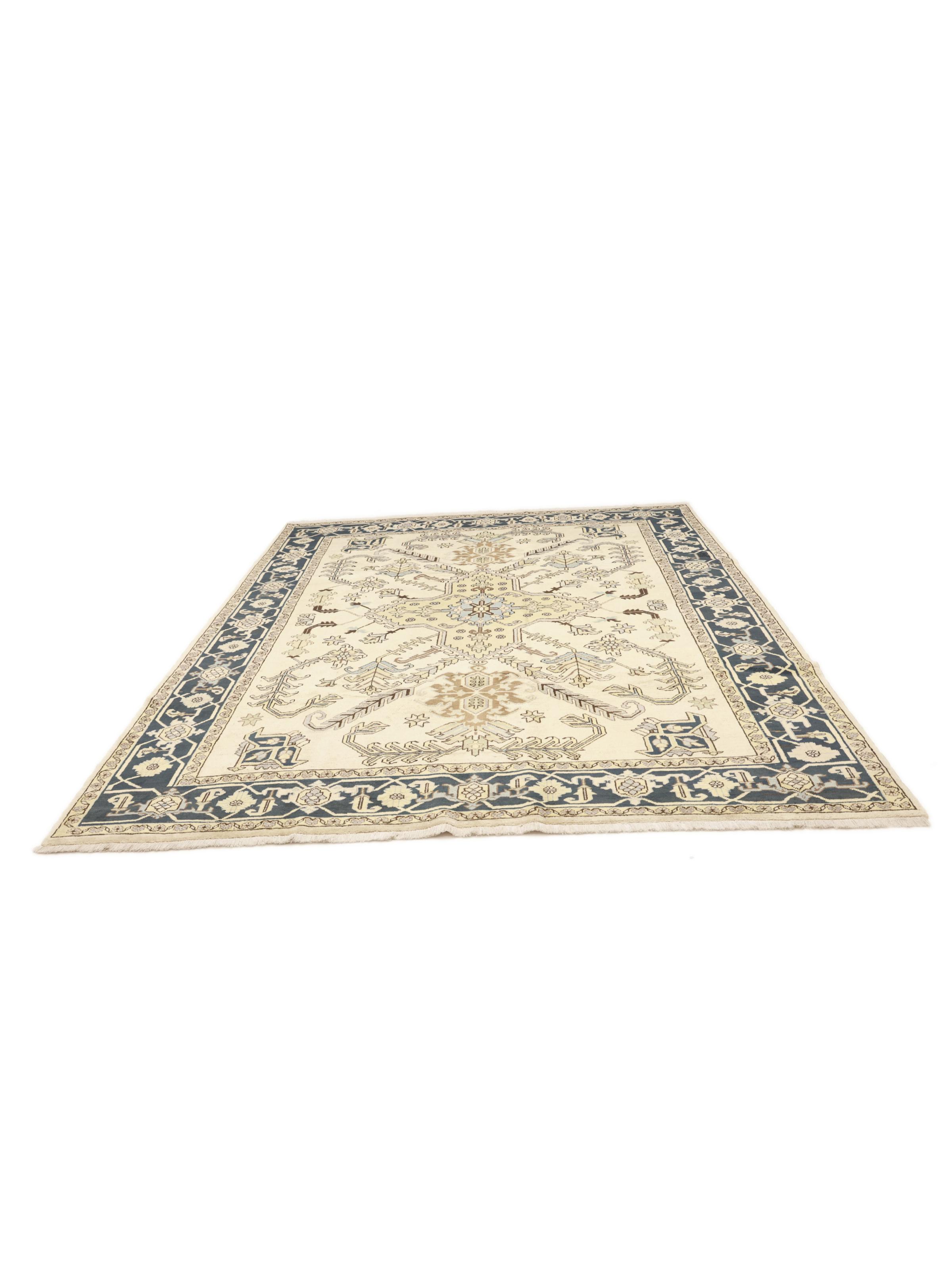
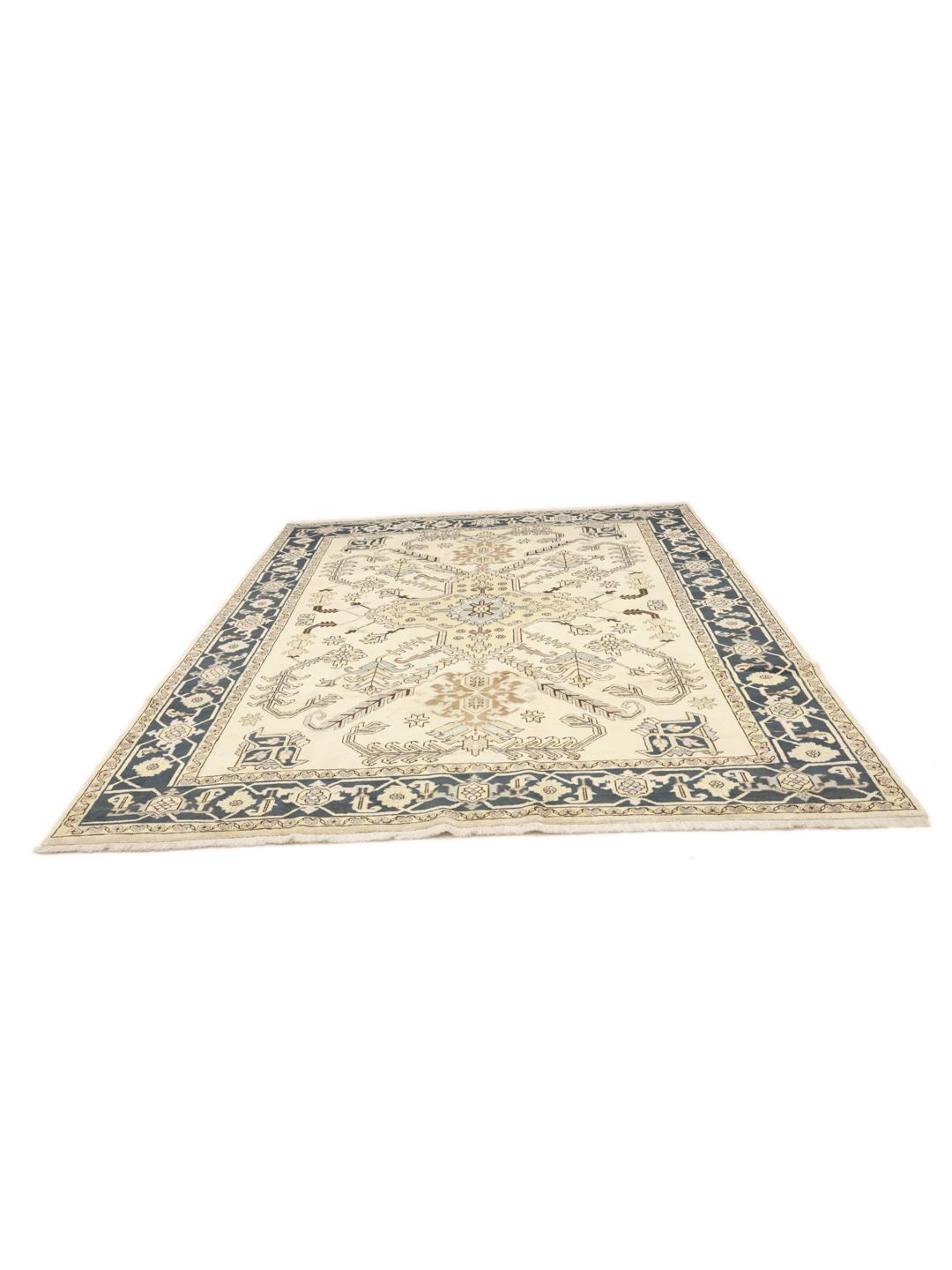
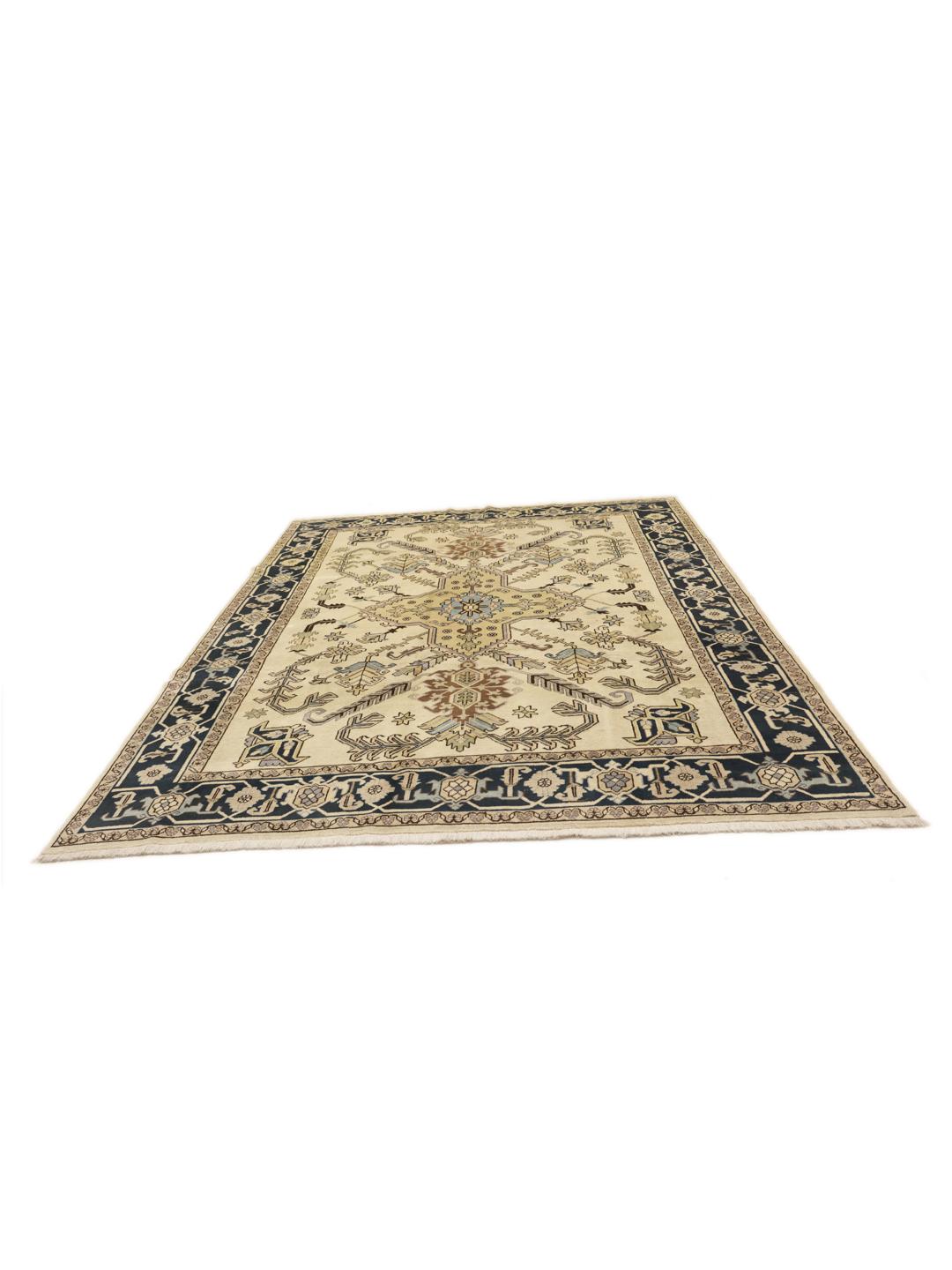
Heriz rugs originate from a region in the northwest of the Middle East, near the base of Mount Sabalan. This area has a long-standing tradition of weaving that is deeply connected to the local environment and the resilience of its people. Unlike the more delicate, floral-focused rugs found in urban centres, Heriz designs evolved to be bold and architectural, reflecting the rugged, mountainous landscape from which they emerge.
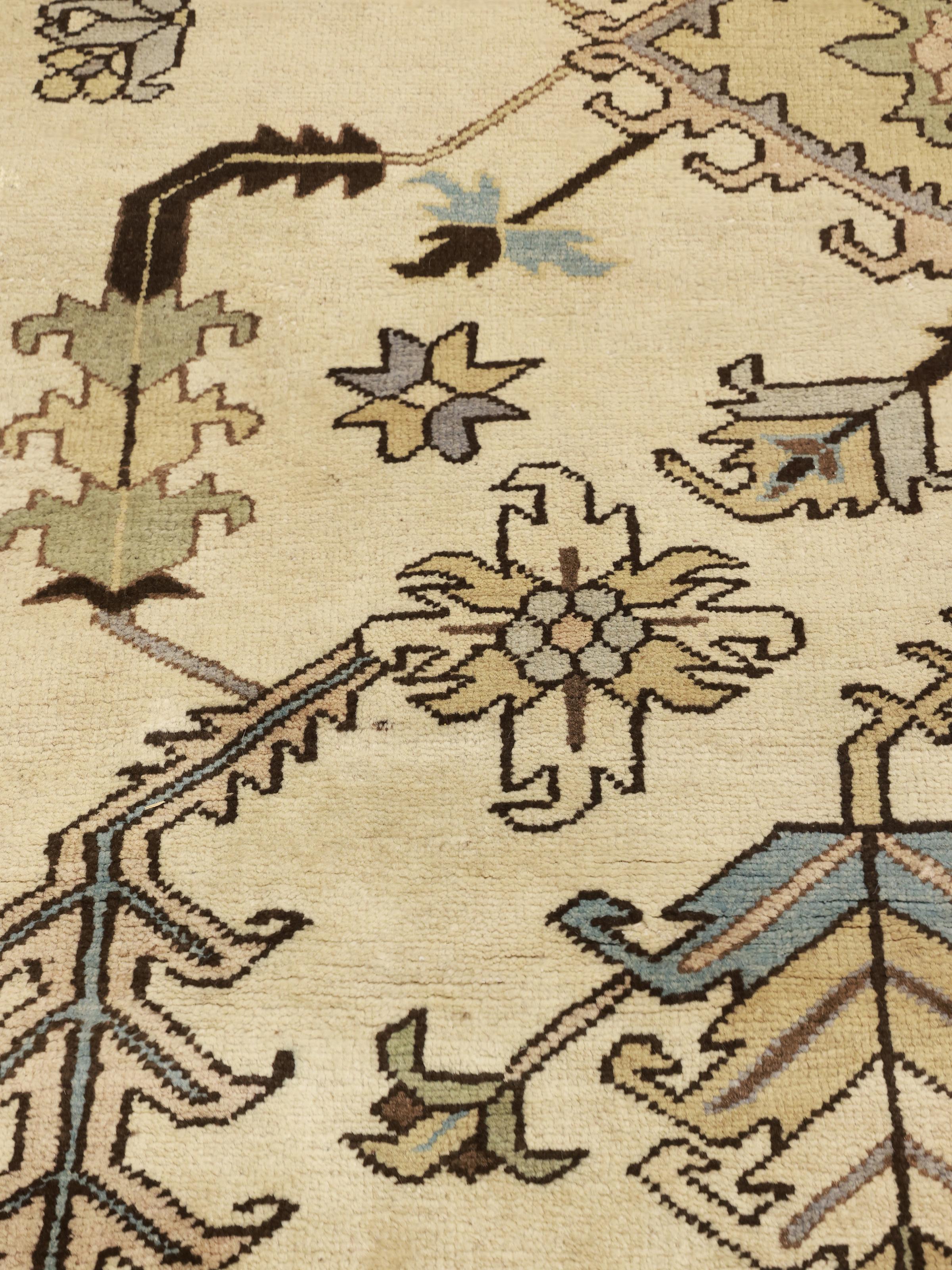
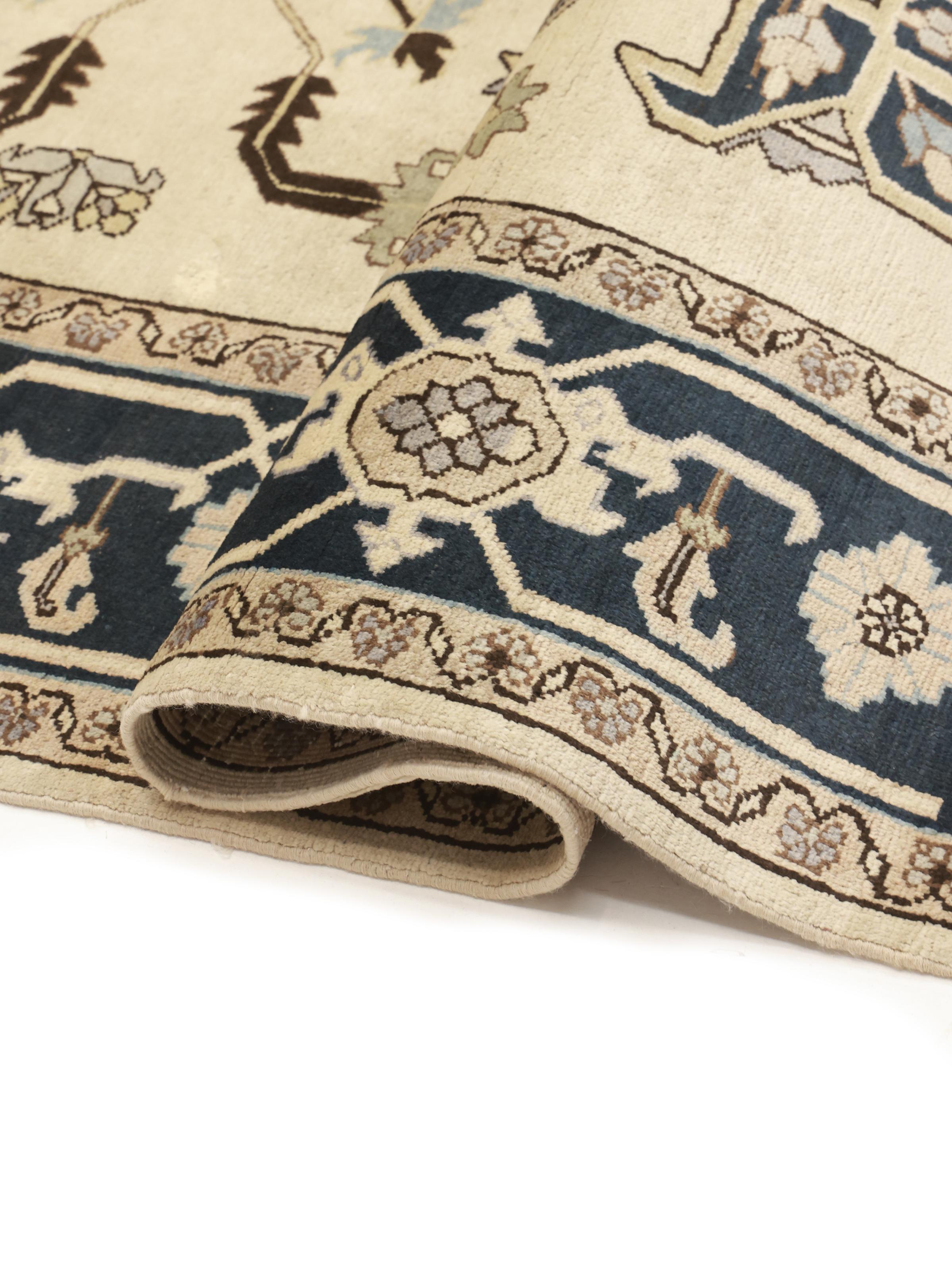
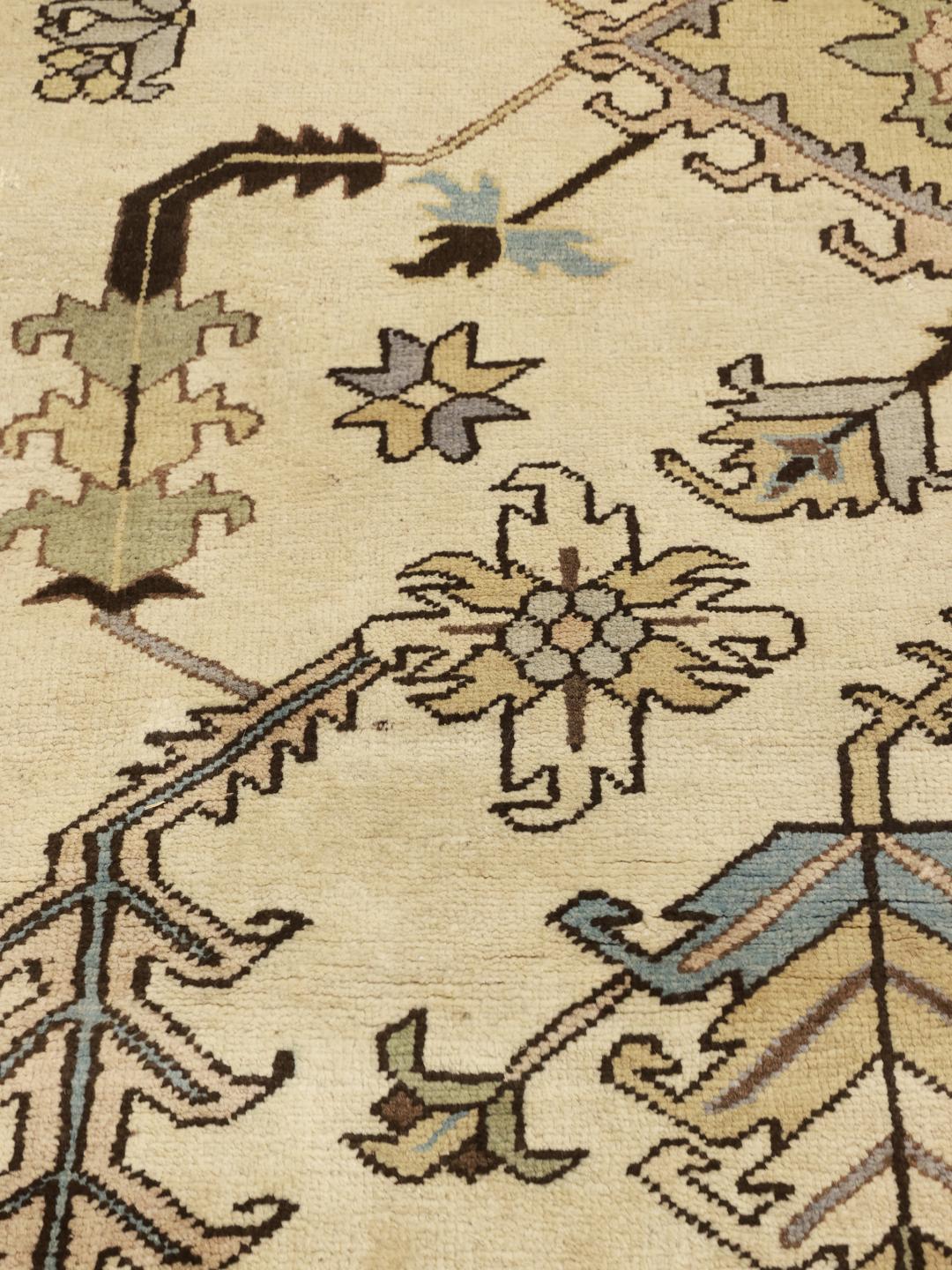
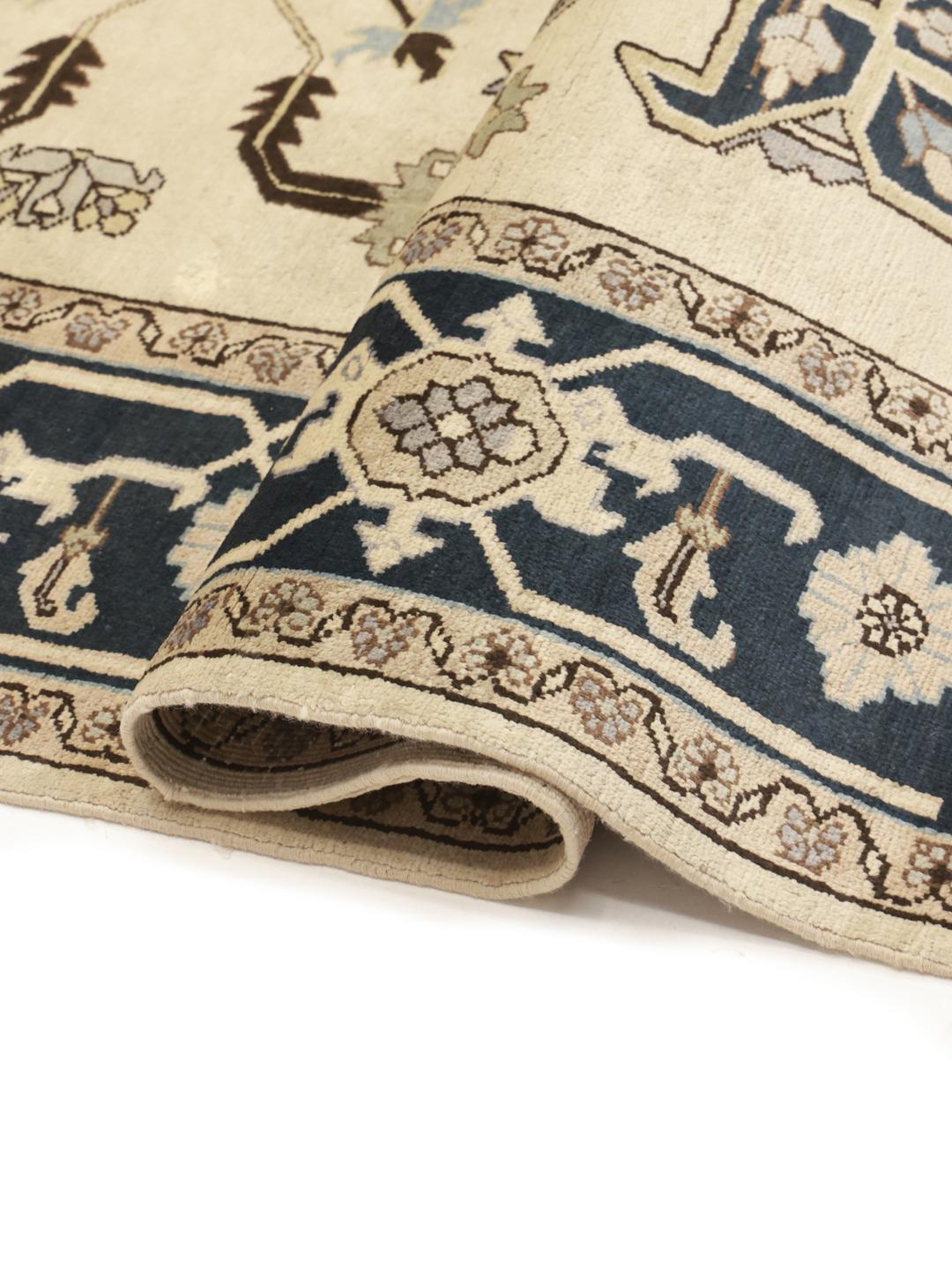
The term Heriz refers not only to a geographical origin but also to a specific style of construction that prioritises durability. These rugs are known for their sturdy, heavy foundations, which allow them to withstand the rigours of daily life. The use of robust materials and a dense knotting technique ensures that these pieces are as functional as they are beautiful, making them a favoured choice for those seeking both art and utility.
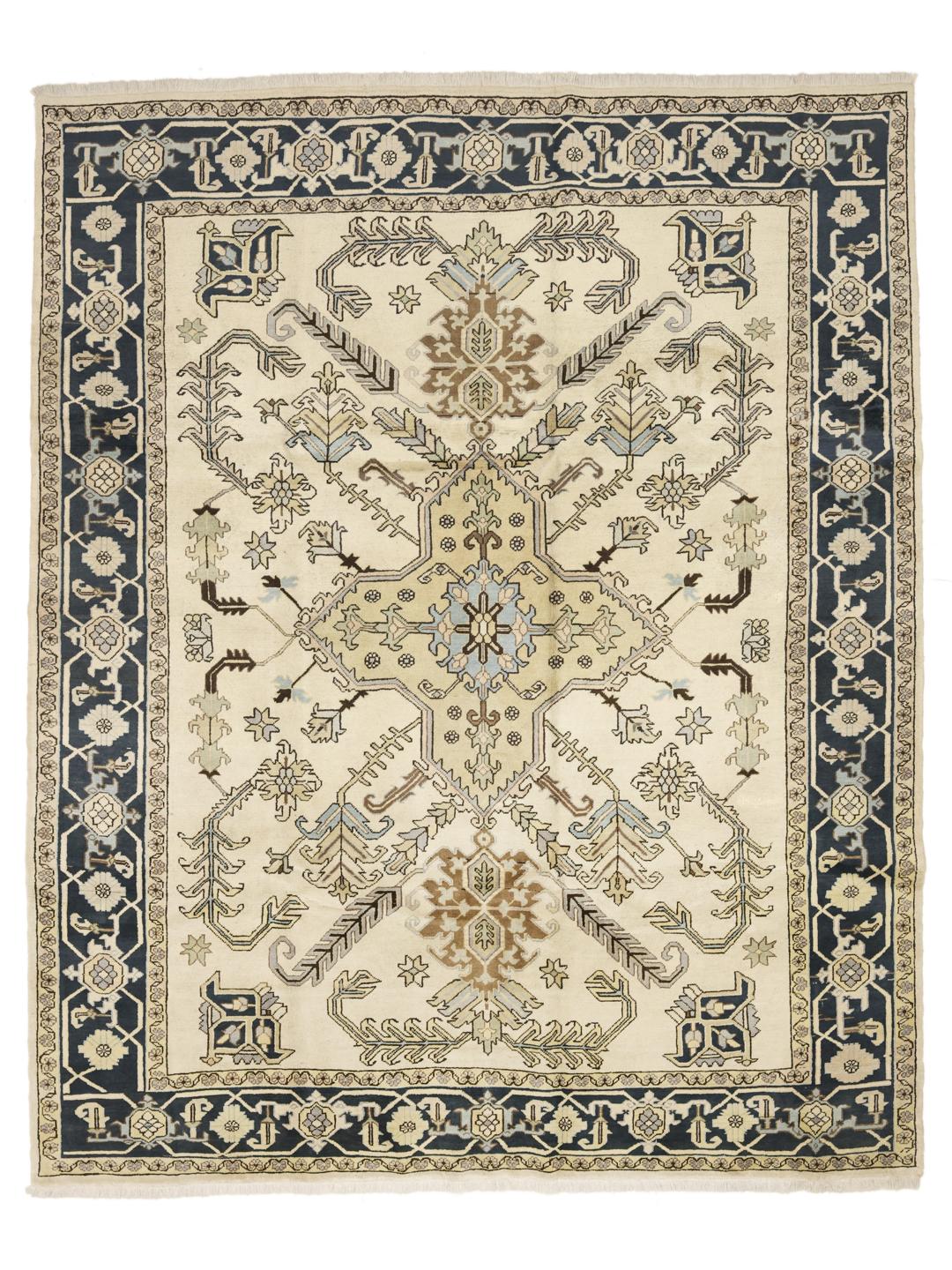
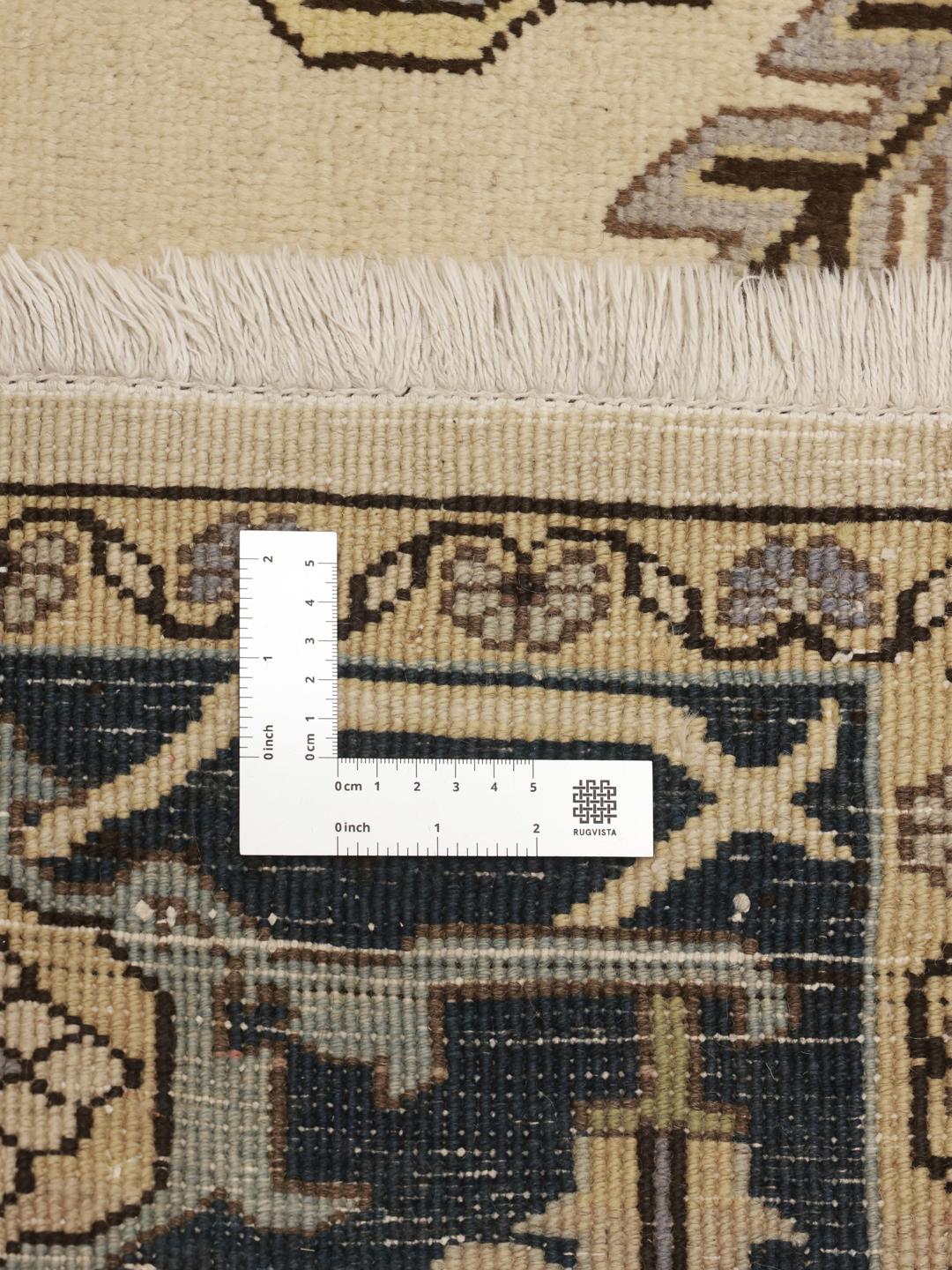
Visually, the Heriz style is iconic for its large, angular central medallions and expansive, open fields. The motifs are often stylised, geometric interpretations of floral patterns, resulting in a look that is both graphic and harmonious. The border designs are typically wide and complex, providing a strong frame that echoes the colours used in the central field. This specific rug captures that tradition with its clear, intentional design and balanced colour palette.
Collecting a rug from this tradition is an act of preserving a rich cultural heritage. These pieces are highly valued not just for their striking visuals, but for the history of skill and endurance they represent. Owning a Heriz means welcoming a legacy of craft into your home, ensuring that the space feels grounded in a tradition that has remained relevant and admired for centuries.